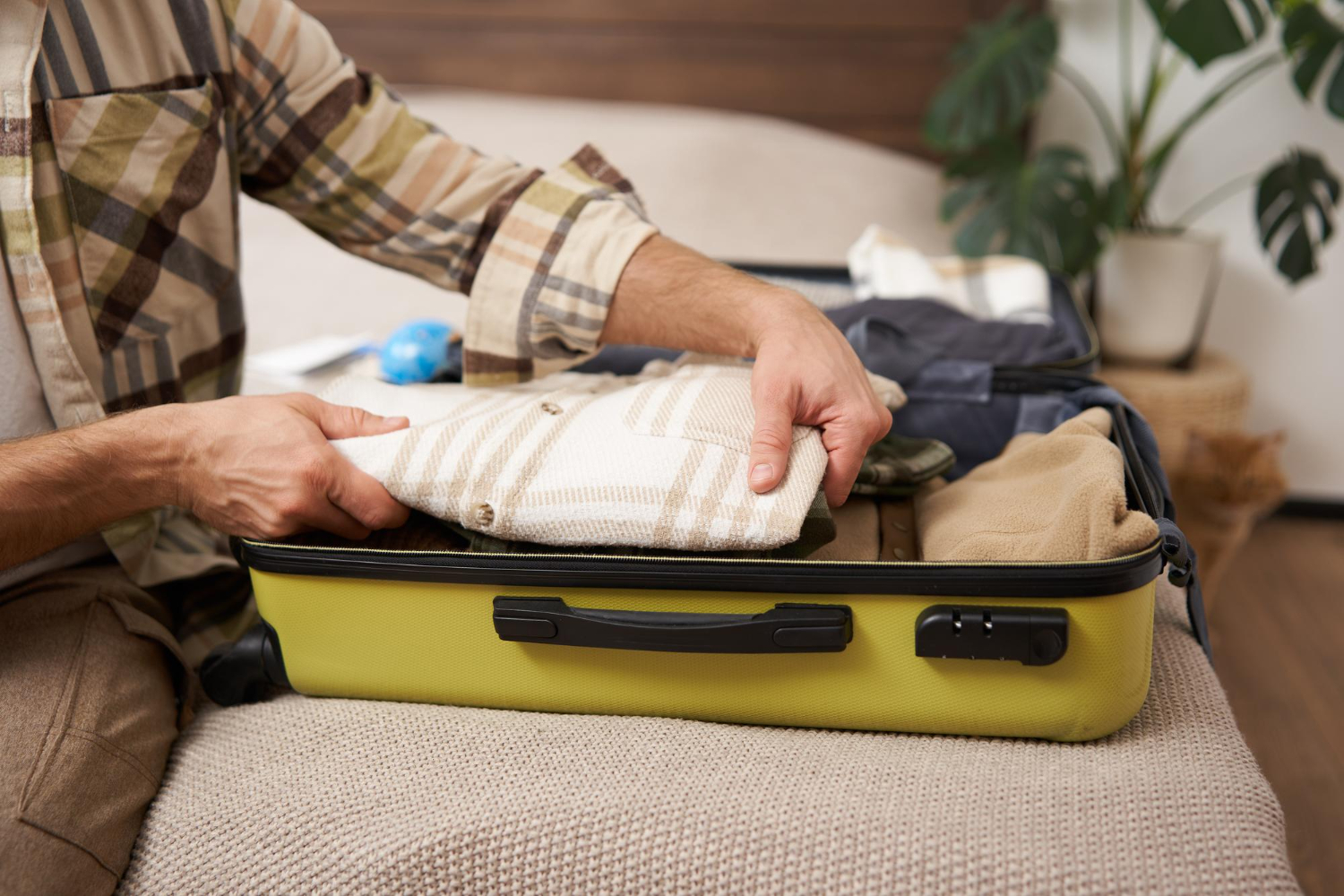
A trip that carries you through genuinely different climates, a warm departure city, a cold mountain leg, a humid coastal stop, presents a real packing challenge, since bringing enough gear for every possible condition often means an overstuffed, unwieldy bag by the time you’ve covered every single base. Here are nine tips for packing a trip that spans multiple climates, counted down one by one.
1. Build Your Entire Wardrobe Around a Layering System

Individual layers combine differently for each climate. This approach uses far fewer total items than packing separate outfits per destination.
Rather than packing entirely separate outfits for each climate on your itinerary, building your wardrobe around a genuine layering system, a base layer, a mid layer, an outer layer, lets the same core pieces combine differently depending on the day’s actual conditions and the specific stop on your route. Building your entire wardrobe around a layering system dramatically reduces the total volume of clothing needed, since a handful of versatile pieces can be combined in considerably more ways than an equivalent number of climate-specific outfits.
Like our content? Follow us for more.
2. Choose Fabrics That Perform Well Across Temperature Ranges
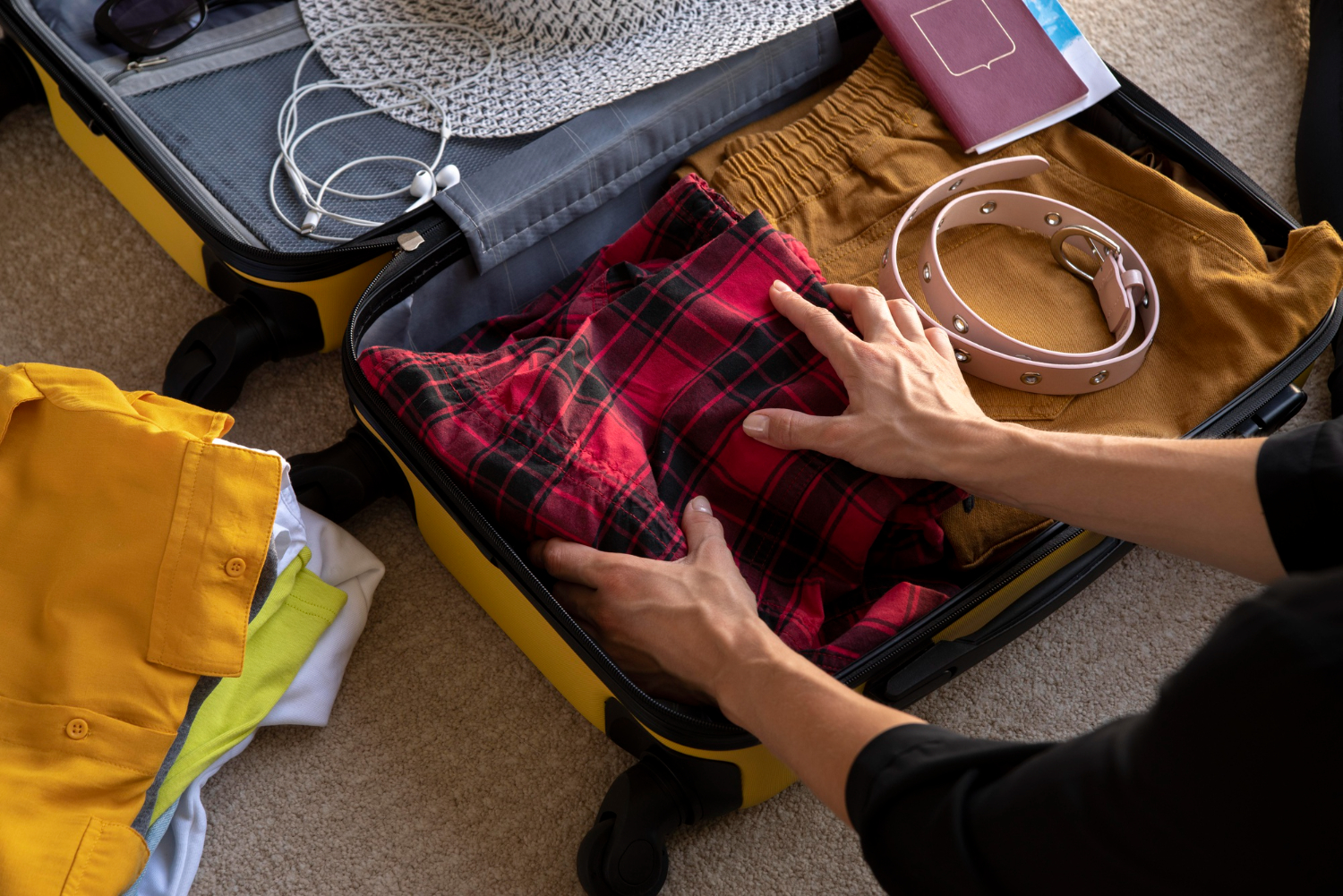
Merino wool and certain synthetic blends regulate temperature effectively. These materials work considerably harder than basic cotton across varied conditions.
Merino wool and certain moisture-wicking synthetic blends regulate body temperature considerably more effectively than basic cotton, staying warm when needed while also managing moisture and odor during warmer stretches of the same trip. Choosing fabrics that perform well across temperature ranges means a single well-chosen shirt or base layer can genuinely work across multiple climate zones, reducing the total number of items needed without sacrificing actual comfort.
3. Pack a Genuinely Compressible Insulating Layer

A packable down or synthetic jacket provides real warmth without taking up much space. This single item often solves the cold-weather portion entirely.
A genuinely compressible down or synthetic insulating jacket, one that packs down into a small stuff sack, provides real warmth for a cold-climate leg of the trip without consuming the significant luggage space a bulkier coat would otherwise require. Packing a genuinely compressible insulating layer often solves the entire cold-weather portion of a multi-climate itinerary with just one well-chosen item, freeing up valuable space for other genuinely necessary gear elsewhere in the bag.
4. Research Actual Weather Conditions for Each Specific Stop

General climate assumptions can be genuinely misleading for specific dates. Checking real seasonal averages for each destination prevents both over- and under-packing.
General assumptions about a region’s climate can be genuinely misleading for the specific dates you’re actually traveling, and researching real seasonal weather averages for each individual stop on your itinerary prevents both bringing unnecessary bulk and being caught unprepared for conditions you hadn’t anticipated. Researching actual weather conditions for each specific stop is worth the extra planning time, since a destination’s general reputation doesn’t always match what you’ll genuinely experience during your specific travel window.
5. Prioritize Versatile Footwear Over Multiple Specialized Pairs

Shoes take up significant luggage space and weight. One or two genuinely versatile pairs typically outperform several climate-specific options.
Shoes consume significant luggage space and weight relative to their bulk, making footwear one of the most important categories to genuinely streamline, one comfortable, somewhat weather-resistant walking shoe and perhaps a single dressier or warmer option typically outperforms bringing several climate-specific pairs. Prioritizing versatile footwear over multiple specialized pairs meaningfully lightens the overall load, since shoes are precisely the category where over-packing most quickly becomes a genuine physical burden.
6. Plan for Laundry Access Rather Than Packing for Every Day

Access to laundry facilities partway through a trip reduces the total clothing needed. This planning shift meaningfully lightens the entire bag.
Researching laundry access at accommodations partway through a multi-climate trip, whether a hotel service, a laundromat, or simply a sink and travel detergent, lets you pack for roughly a week of outfits rather than every single day of a longer trip. Planning for laundry access rather than packing for every day meaningfully lightens the entire bag, a strategic shift that matters even more on multi-climate trips given the wider variety of clothing types already required.
7. Use Packing Cubes to Separate Climate-Specific Items
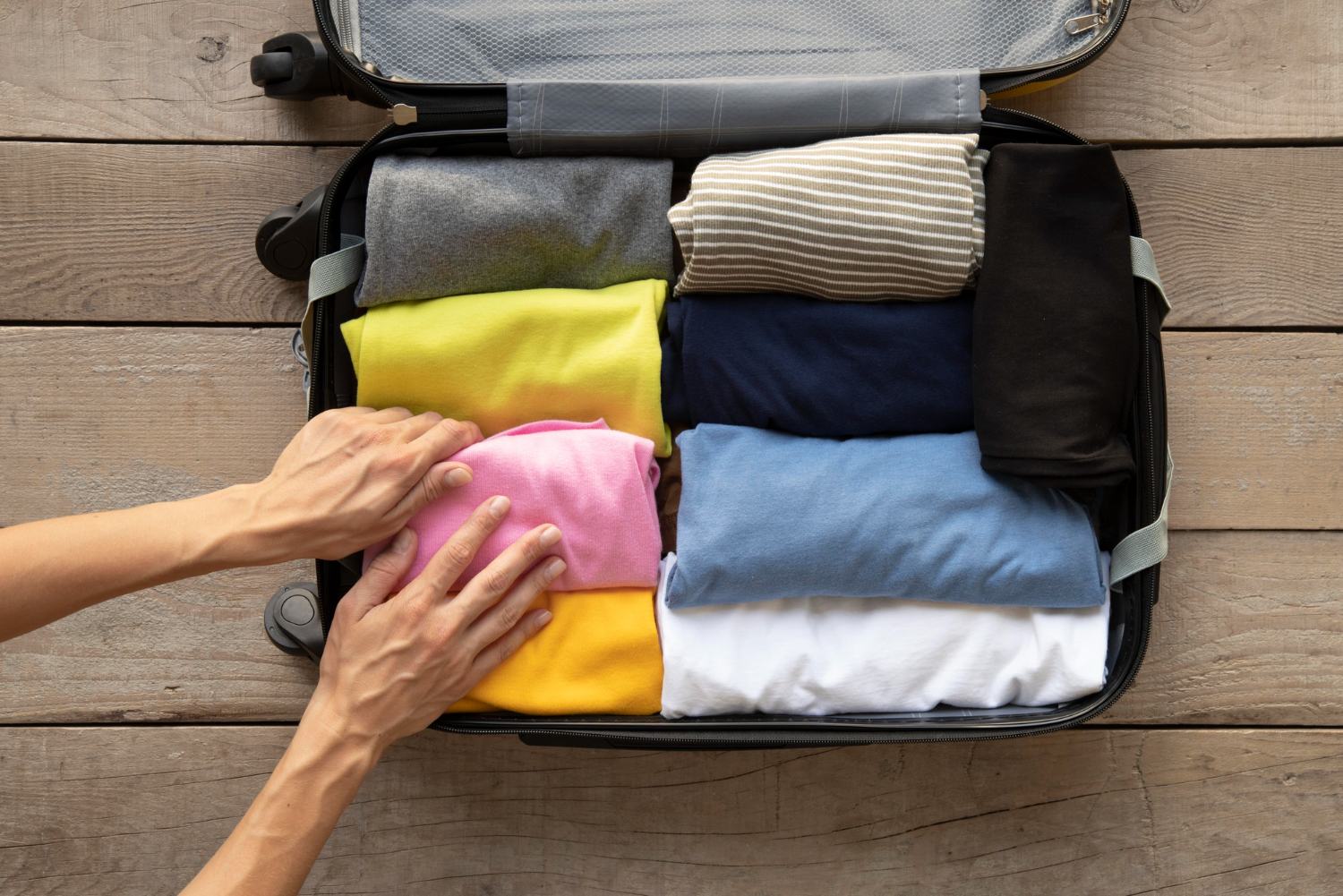
Dedicated cubes organize cold-weather and warm-weather clothing separately. This system makes accessing the right items considerably easier mid-trip.
Dedicated packing cubes, one for cold-weather items and another for warm-weather pieces, keep a multi-climate wardrobe genuinely organized and easily accessible, letting you grab exactly what’s needed for the current leg of the trip without digging through an entire disorganized suitcase. Using packing cubes to separate climate-specific items solves a genuinely practical mid-trip problem, since a multi-climate itinerary otherwise risks turning into a jumbled mix of items suited to entirely different conditions.
8. Consider Shipping or Storing Items Between Trip Segments
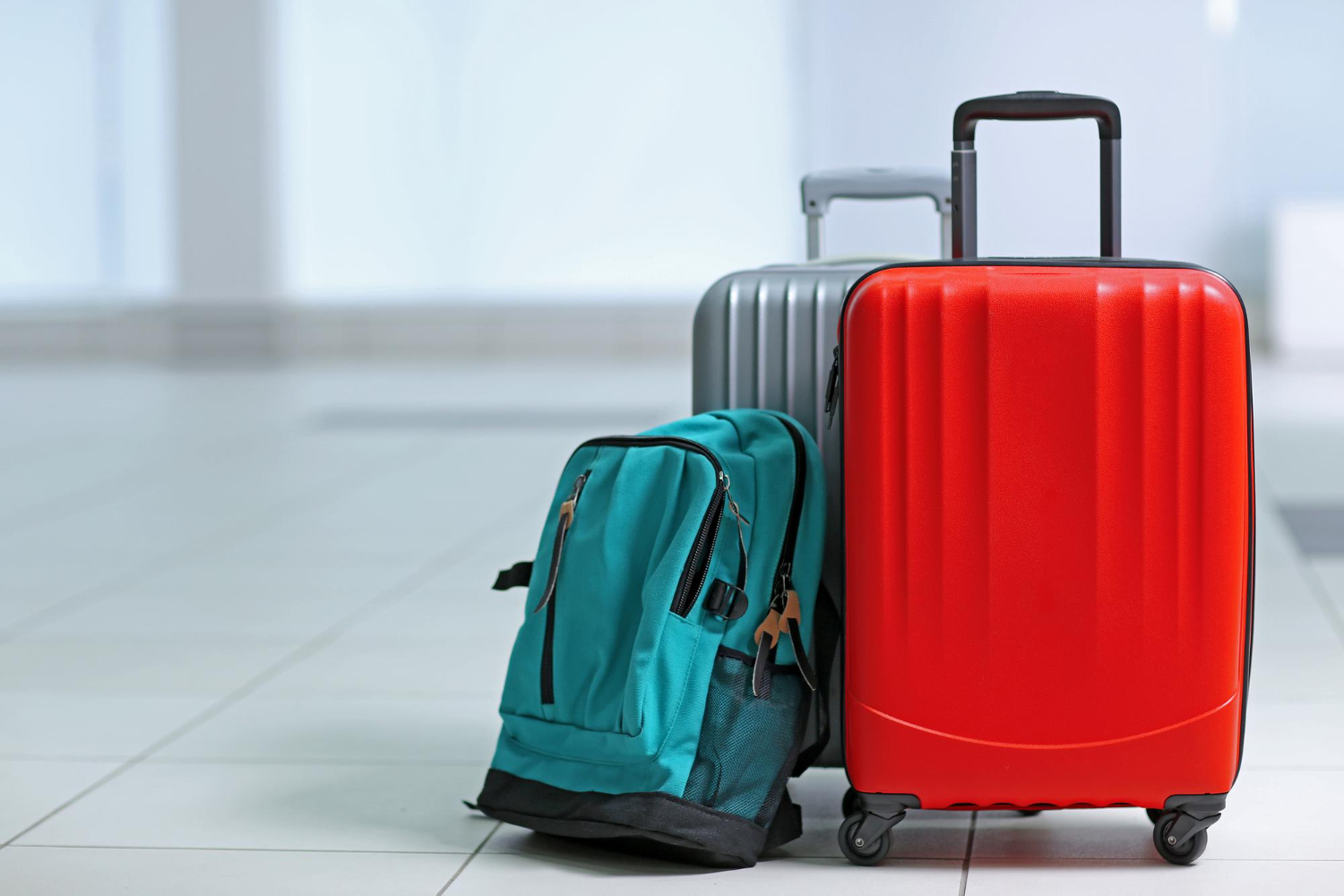
Some travelers ship cold-weather gear ahead or store it during a warm-climate stretch. This strategy avoids carrying unnecessary items the entire trip.
For longer, more complex multi-climate itineraries, some travelers ship bulky cold-weather gear ahead to a later destination or arrange storage during an earlier warm-climate stretch, avoiding the need to carry every single climate’s gear for the entire duration of the trip. Considering shipping or storing items between trip segments is a more advanced strategy worth exploring for genuinely long or complex itineraries, though it requires additional planning and cost that shorter trips likely don’t justify.
9. Accept That a Little Discomfort Beats an Overloaded Bag
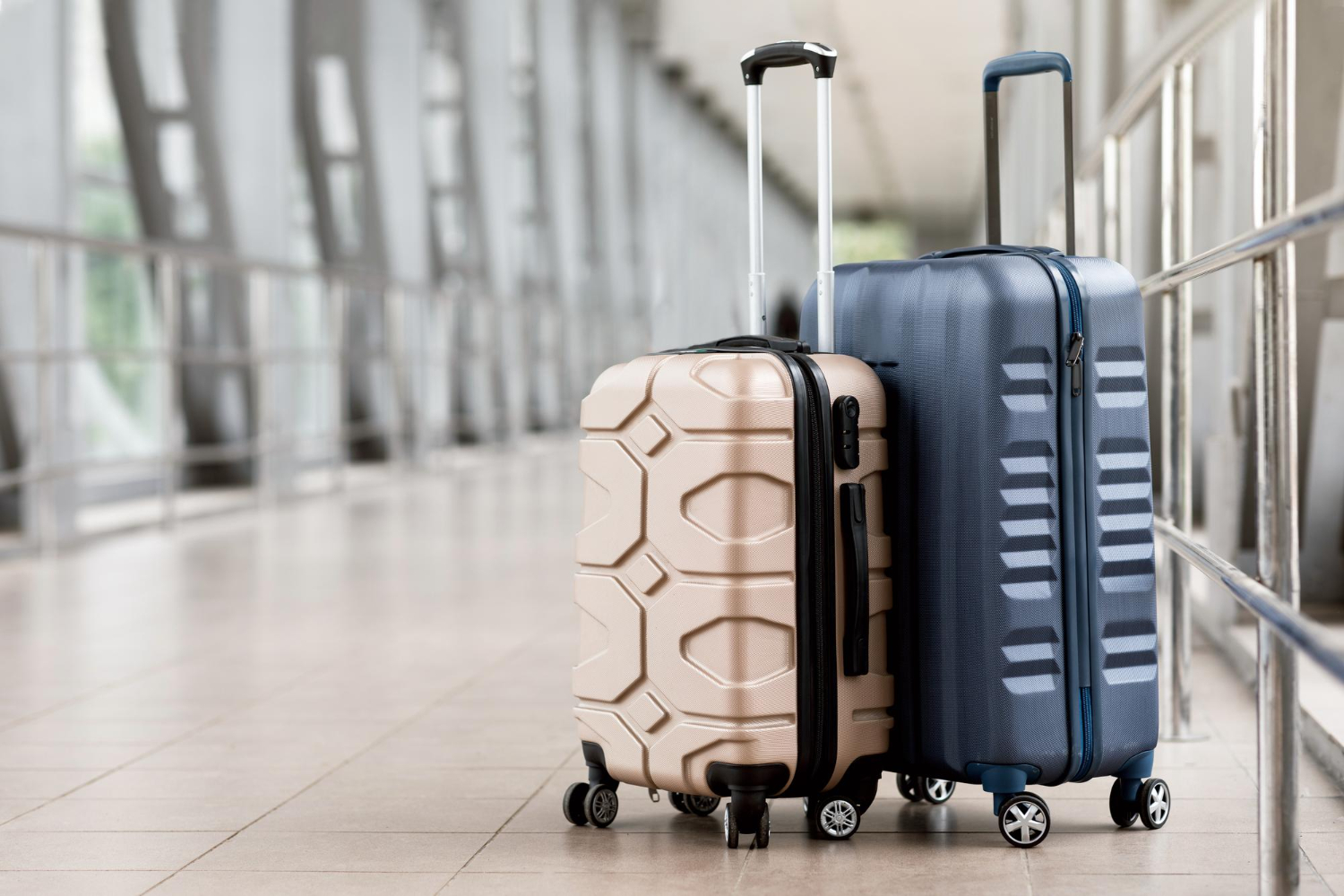
Perfect preparation for every possible condition isn’t realistic. A slightly imperfect but genuinely manageable bag serves most travelers better.
Accepting that you might occasionally feel slightly underdressed for an unexpected cold snap, or slightly overdressed during an unusually warm stretch, is a genuinely reasonable tradeoff for keeping your overall luggage manageable throughout a demanding multi-climate itinerary. Accepting that a little discomfort beats an overloaded bag reflects a practical, experienced traveler’s mindset, prioritizing overall trip mobility and convenience over the impossible goal of perfect preparation for every conceivable condition.
Packing Genuinely Smart, Efficient, Practical, and Truly Light Across Every Climate
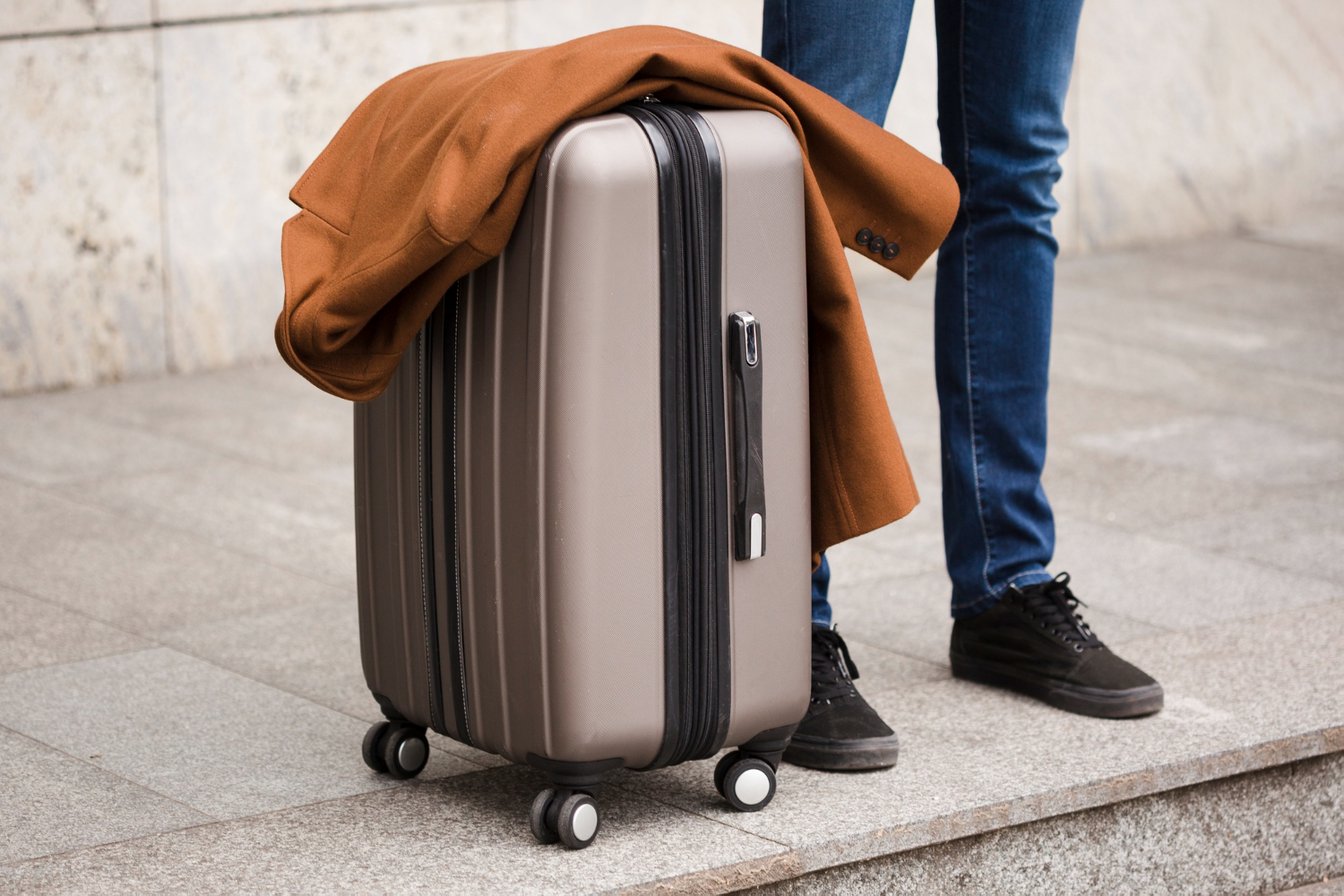
Taken together, these nine tips show that packing for a multi-climate trip, while genuinely more complex than a single-destination vacation, becomes considerably more manageable with a strategic layering system, versatile core pieces, and realistic expectations about what you actually need. The result is a lighter, more manageable bag that still covers every genuine climate the trip will bring.
The specific balance depends entirely on your itinerary’s actual range of conditions and personal comfort priorities, a trip spanning a tropical beach and a snowy mountain town demands more careful strategy than one moving between two moderately different temperate climates. Thinking through your real itinerary in advance, rather than packing reflexively for the most extreme possible version of every destination, consistently produces a bag that’s both genuinely sufficient and realistically manageable.
Ultimately, the goal isn’t packing perfectly for every conceivable condition, it’s arriving at each stop with what you genuinely need while still being able to carry your own bag comfortably through airports, train stations, and unfamiliar city streets along the way. A well-planned multi-climate wardrobe built around versatile core pieces will always serve a traveler better than an overstuffed suitcase crammed with a separate outfit for every possible weather scenario the trip might theoretically bring.
Like our content? Follow us for more.