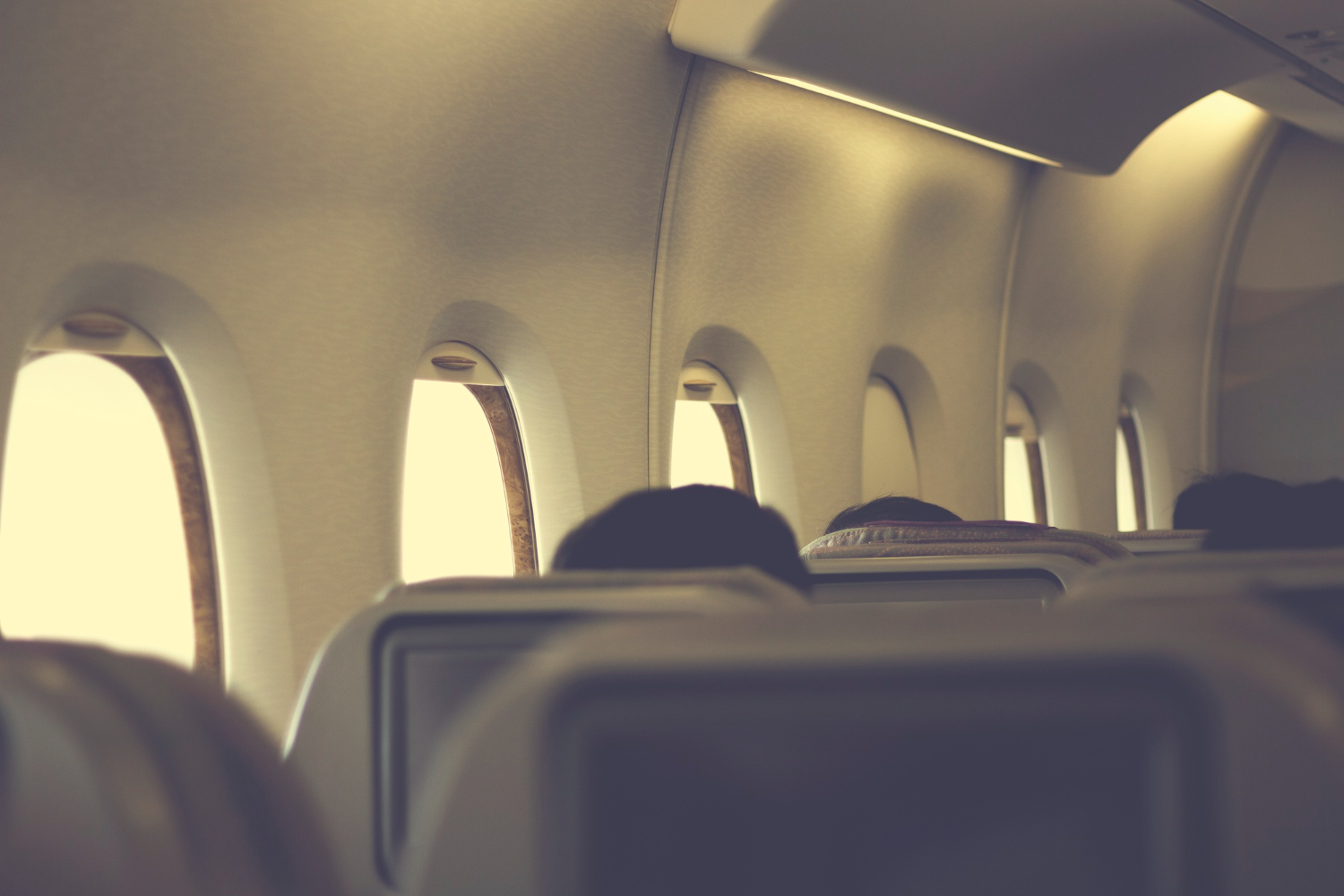
The red-eye, an overnight flight that departs late in the evening and lands early the next morning, divides travelers into devoted fans and people who swear never again, and the difference usually comes down to how well they understood what they were booking. Here are nine things to know before booking a red-eye flight, counted down one by one.
1. The Fare Savings Are Real, but Not Guaranteed

Red-eyes are often cheaper than daytime flights. On popular business routes, though, the discount can vanish.
Red-eye flights often price below their daytime equivalents because fewer travelers want them, but the discount isn’t a law of nature, and on routes where overnight timing is actually convenient, the price gap can shrink to nothing. The fare savings are real, but not guaranteed, so compare the red-eye against the day’s other departures rather than assuming the overnight option automatically wins.
Like our content? Follow us for more.
2. You’re Trading Money for a Night of Sleep

The true cost of a red-eye is measured in rest. Budget for how you’ll function the next day, not just the fare.
The honest math of a red-eye weighs the fare savings against a night of fragmented sleep in an upright seat, and travelers who land with a full workday or a long drive ahead often discover the savings weren’t worth it. You’re trading money for a night of sleep, so the red-eye makes the most sense when the arrival day is flexible, or when you sleep on planes better than most.
3. Seat Choice Matters More Than on Any Other Flight
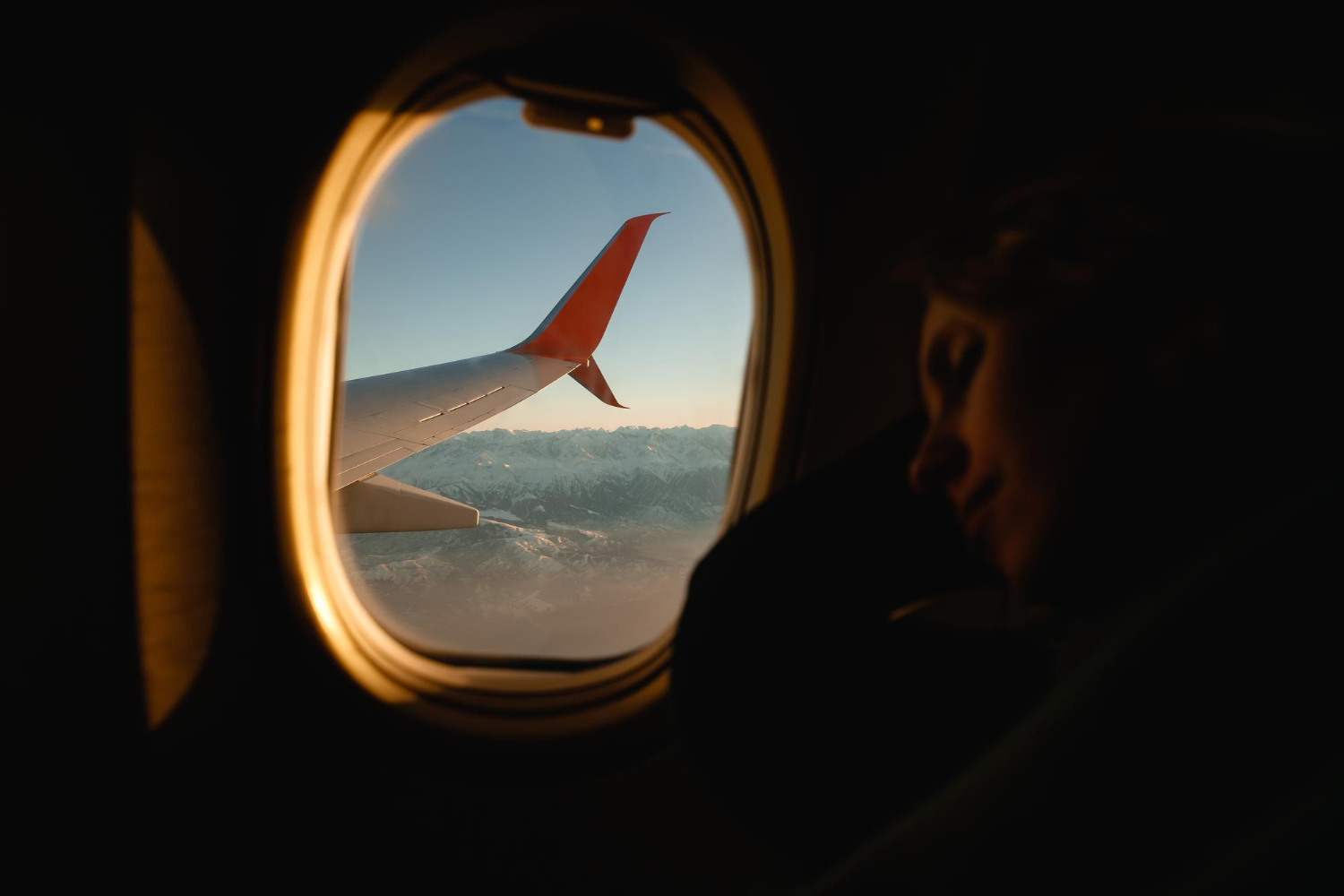
A window seat gives you a wall to lean against. Avoiding the last rows and the lavatories protects your sleep.
On a daytime flight a mediocre seat is an inconvenience, but on a red-eye the difference between a window seat with a wall to lean on and a middle seat near the lavatories is the difference between arriving rested and arriving wrecked. Seat choice matters more than on any other flight, so it’s worth selecting carefully at booking, and on a red-eye specifically, paying a modest seat fee can be the best money of the trip.
4. Board Ready to Sleep, Not Planning to Get Ready
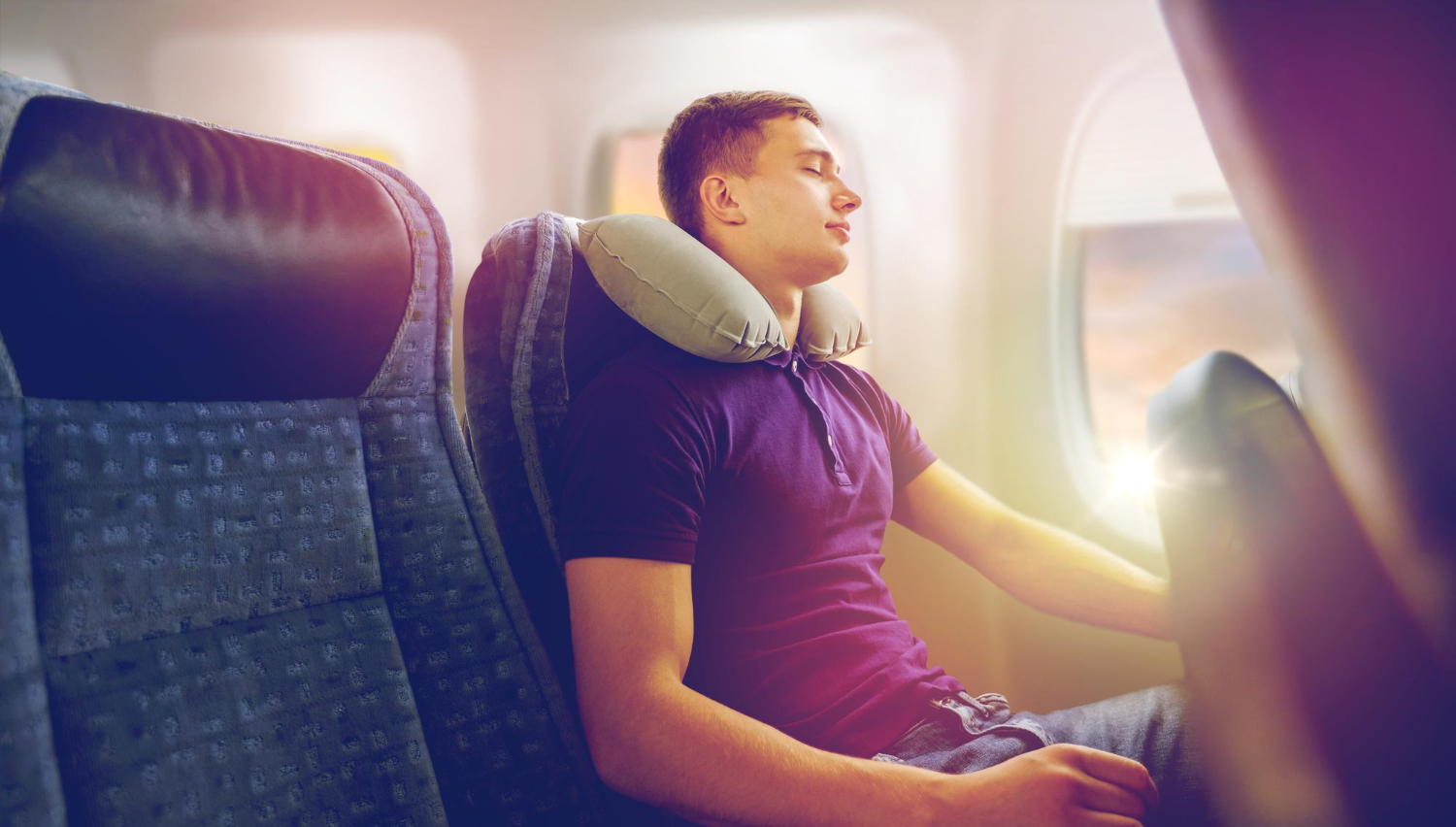
The first hour of the flight is your best sleep window. Eat beforehand and settle in before the doors close.
[IMAGE SUGGESTION] Wikimedia Commons “airplane passenger sleeping neck pillow” — CC-licensed image of a sleeping airline passenger.
Experienced red-eye travelers treat the boarding door like a bedroom door, eating dinner in the terminal, changing into comfortable layers, and completing their whole wind-down routine before takeoff so the climb to cruising altitude becomes the start of the night rather than the start of preparations. Board ready to sleep, not planning to get ready, because the meal service, seatmate small talk, and settling-in you skip is sleep you keep.
5. A Few Small Items Dramatically Improve the Night
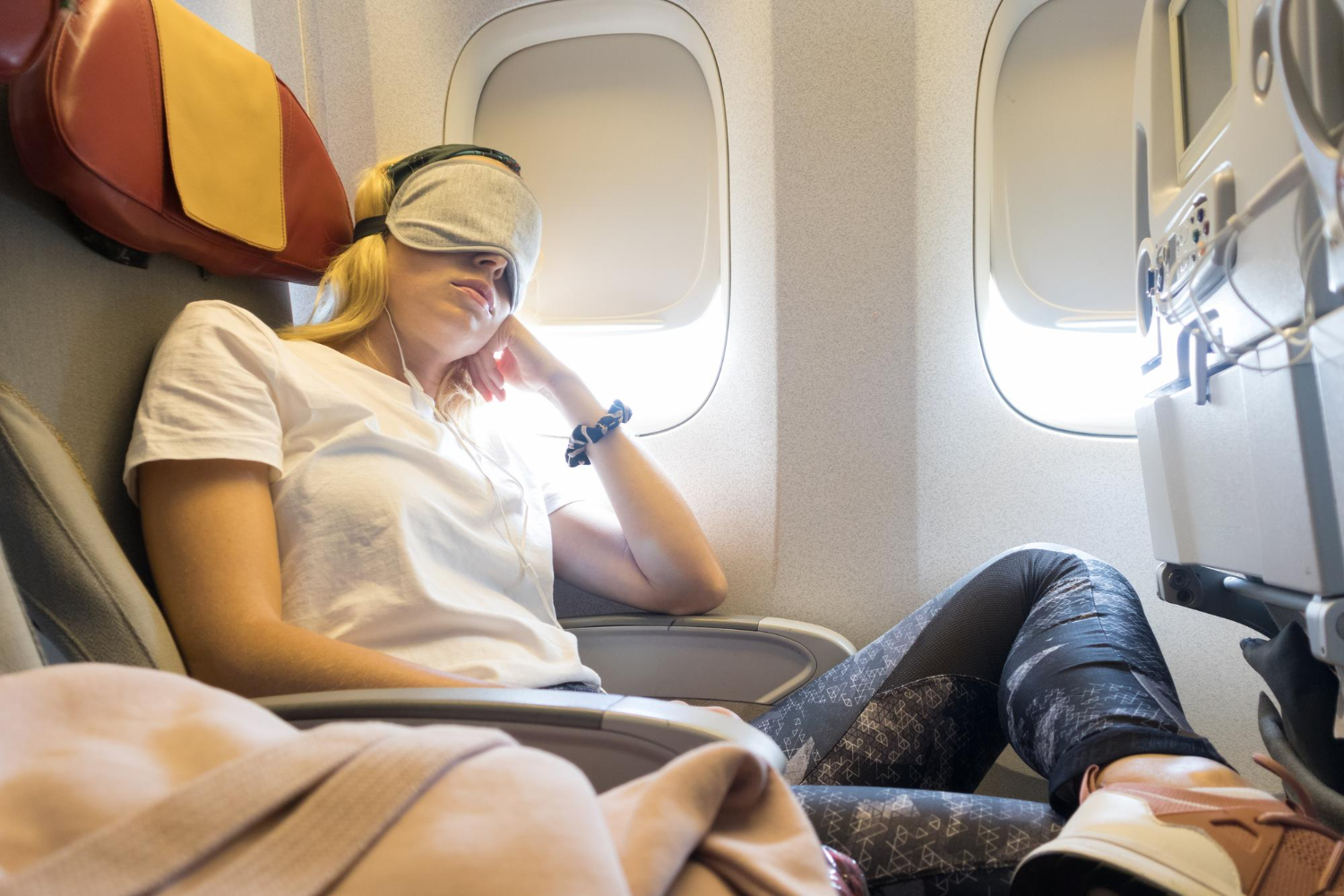
An eye mask, earplugs, and a neck pillow earn their space. A cabin at night is never as dark or quiet as it looks.
Even a dimmed cabin flickers with reading lights, screens, and galley activity all night, which is why the red-eye’s essential kit, an eye mask, earplugs or noise-reducing headphones, and a supportive neck pillow, improves the night more than any upgrade short of a better seat. A few small items dramatically improve the night, and they cost less combined than the checked-bag fee.
6. Landing Early Sounds Great Until You Try to Check In

Red-eyes often land hours before hotel check-in. Plan for the gap or your first vacation day starts in a lobby.
The red-eye’s signature move is landing at six or seven in the morning, hours before any standard hotel check-in, and travelers who haven’t planned for that gap spend their bonus day slumped in a lobby beside their luggage. Landing early sounds great until you try to check in, so request early check-in ahead of time, book the prior night when it’s affordable, or plan a first morning of breakfast and gentle sightseeing that doesn’t require a shower and a bed.
7. Eastbound Red-Eyes Hit Harder Than the Clock Suggests
Flying east compresses the night you’re trying to sleep through. Adjusting your schedule beforehand softens the landing.
An overnight flight heading east, coast to coast or across an ocean, shortens the very night you’re depending on, sometimes to just a few hours of real darkness, which is why eastbound red-eyes leave travelers groggier than the flight time alone explains. Eastbound red-eyes hit harder than the clock suggests, and shifting bedtime slightly earlier for a few days before departure, then seeking morning daylight on arrival, genuinely eases the adjustment.
8. The First Morning Sets the Whole Trip’s Rhythm

The urge to nap on arrival is powerful and costly. Daylight, movement, and an early night reset you faster.
The biggest red-eye mistake happens after landing, when a long morning nap feels irresistible and then thoroughly wrecks the next several nights, while travelers who push through with daylight, a walk, an easy schedule, and an early bedtime usually feel normal a full day sooner. The first morning sets the whole trip’s rhythm, so plan it deliberately, gentle activity, no driving marathons, and no important meetings if you can help it.
9. Red-Eyes Reward Some Trips and Punish Others
Overnight flights suit flexible arrivals and long routes. Short red-eyes and big arrival-day plans rarely mix well.
The red-eye is a tool, ideal for longer routes where a real stretch of sleep is possible and for trips where the arrival morning is flexible, and poorly suited to short overnight hops that land you sleep-deprived at dawn before a packed day. Red-eyes reward some trips and punish others, and the travelers who love them are simply the ones who learned which of their trips fit.
The Overnight Trade, Made Fairly
Taken together, these nine things frame the red-eye for what it is, a fair trade of comfort for money and time that rewards travelers who choose the right routes, the right seats, and the right first mornings. Booked thoughtfully, the overnight flight hands you a cheaper fare and an extra day; booked carelessly, it hands you a rough start.
Overnight flying has been part of air travel for decades, and it persists because the trade genuinely works for the right traveler on the right trip. Know your own sleep habits, protect the night with a good seat and a small kit, plan the early-morning landing, and treat the first day gently. Do that, and the red-eye becomes what its fans already know it to be: the quiet, half-price flight that gives you back a whole day of your trip.
Like our content? Follow us for more.