The American state fair developed a food tradition found almost nowhere else, portable, celebratory, unapologetically indulgent dishes invented by concessionaires and perfected over a century of summer midways. Here are ten foods you can only find at an American state fair, and where each one began, counted down one by one.
1. The Corn Dog: Born on a Stick in the 1940s
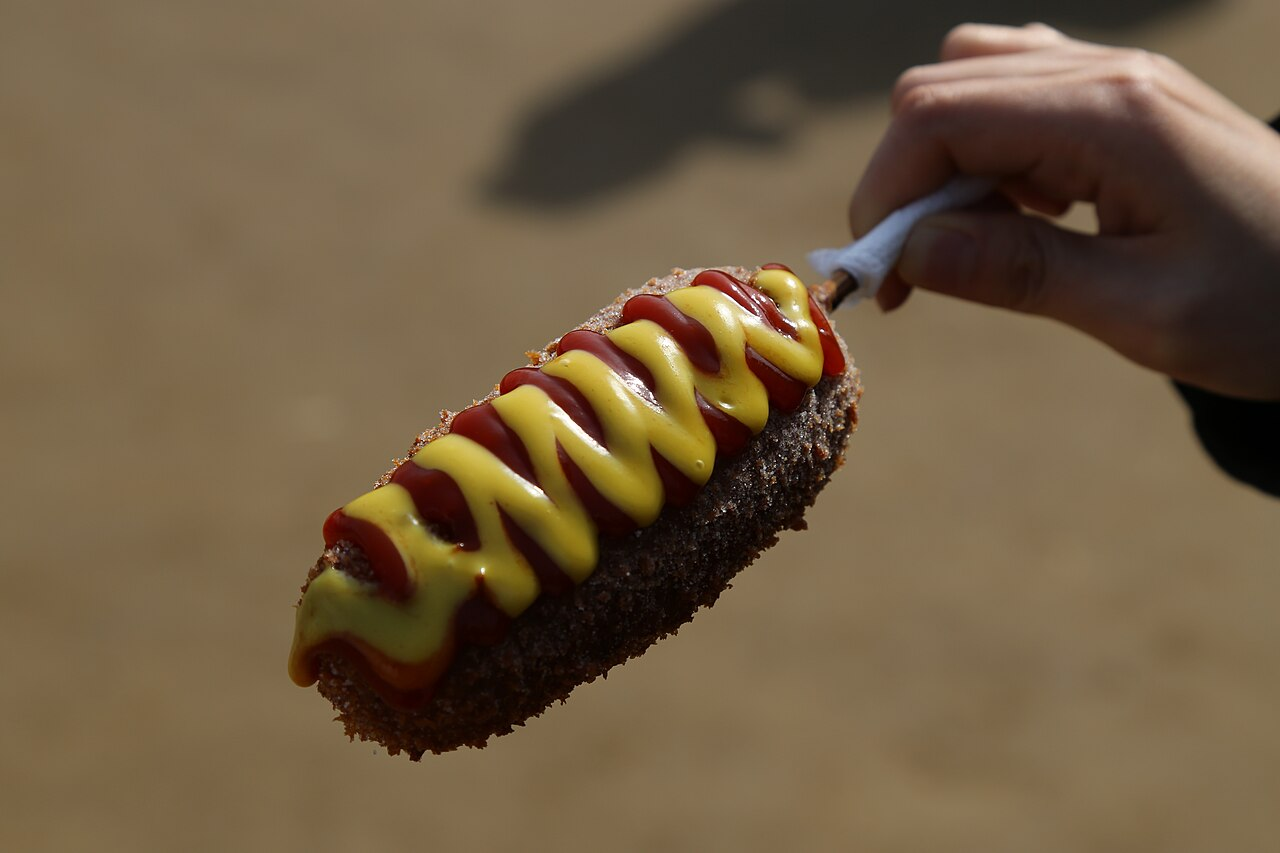
A hot dog dipped in cornmeal batter and deep fried. The stick made it the perfect walking-around food.
The corn dog, a hot dog dipped in sweet cornmeal batter, deep fried to a golden crust, and served on a stick, emerged from fair and carnival concessions in the 1940s, with Texas and Minnesota stands among the most famous early claimants to the idea. The corn dog, born on a stick in the 1940s, became the flagship of all fair food, the single item that turned eating while walking the midway into the entire point of the meal.
Like our content? Follow us for more.
2. Fried Cheese Curds: The Squeak of the Upper Midwest
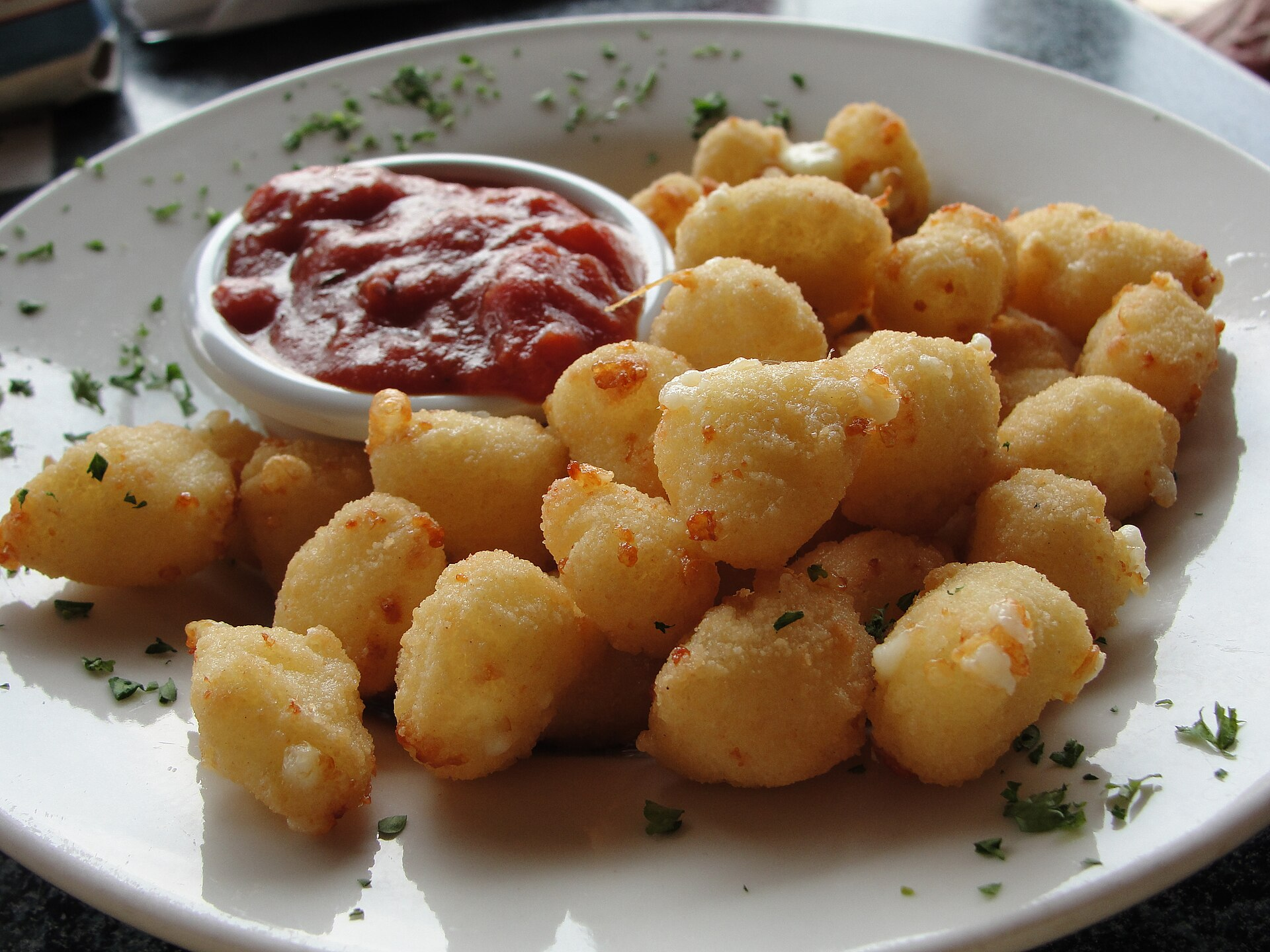
Fresh curds are battered and fried until molten. The signature squeak marks curds that are genuinely fresh.
Fried cheese curds, fresh cheddar curds battered and flash-fried until the outside crisps and the inside turns molten, are the pride of Wisconsin and Minnesota fairs, where dairy country supplies curds fresh enough to squeak, the audible proof of quality that Upper Midwesterners insist upon. Fried cheese curds, the squeak of the Upper Midwest, are the clearest example of fair food as regional identity, a dish that tells you within one bite exactly which part of the country you’re standing in.
3. The Butter Sculpture Tradition: Dairy as Art
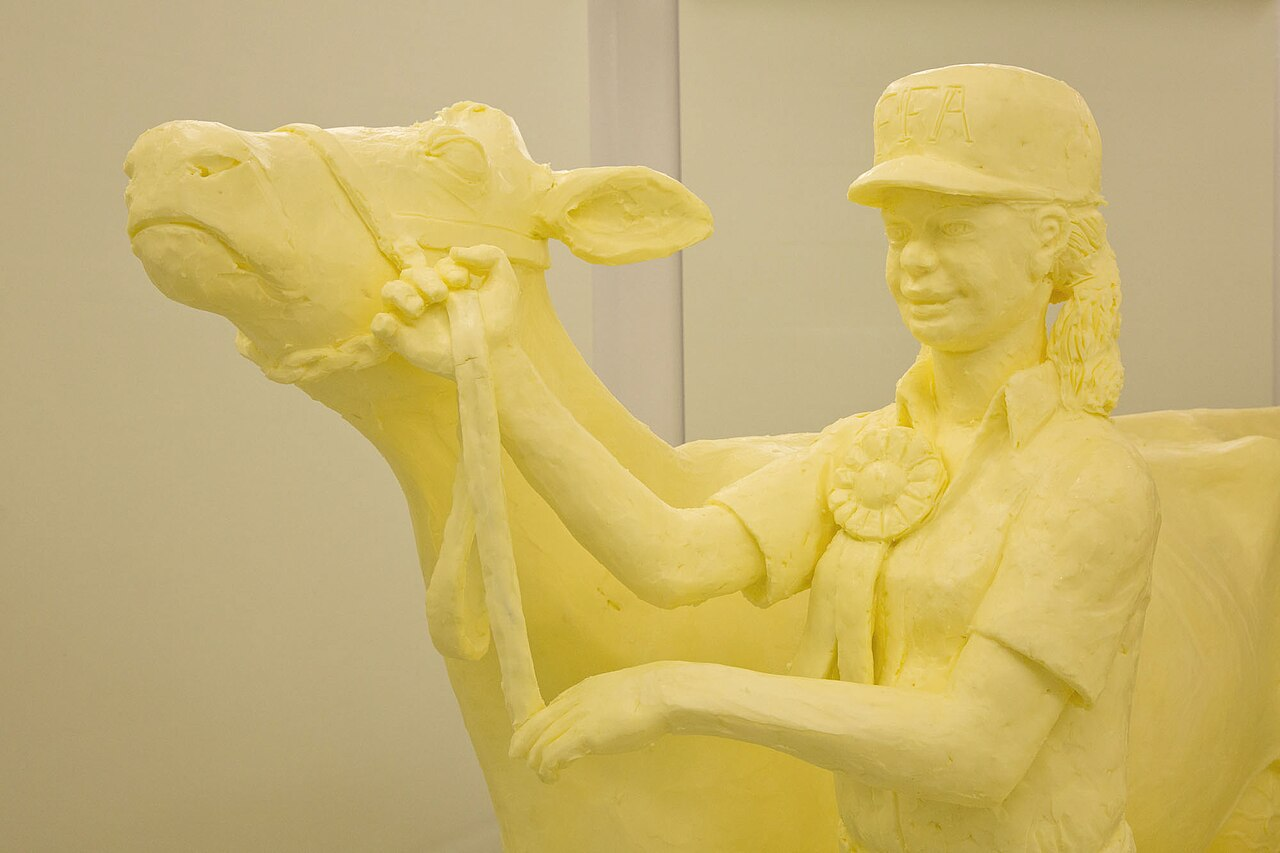
Entire figures are carved from hundreds of pounds of butter. Refrigerated display cases draw some of the fair’s biggest crowds.
Not everything edible at the fair is meant to be eaten, and the butter sculpture, life-sized cows, princesses, and celebrities carved from hundreds of pounds of butter inside refrigerated glass cases, has been a fair centerpiece since the tradition took hold in the early 1900s as a showcase for the dairy industry. The butter sculpture tradition, dairy as art, captures the agricultural soul of the state fair, a reminder that beneath the midway lights these events began as celebrations of the farm.
4. Funnel Cake: A Pennsylvania Dutch Import
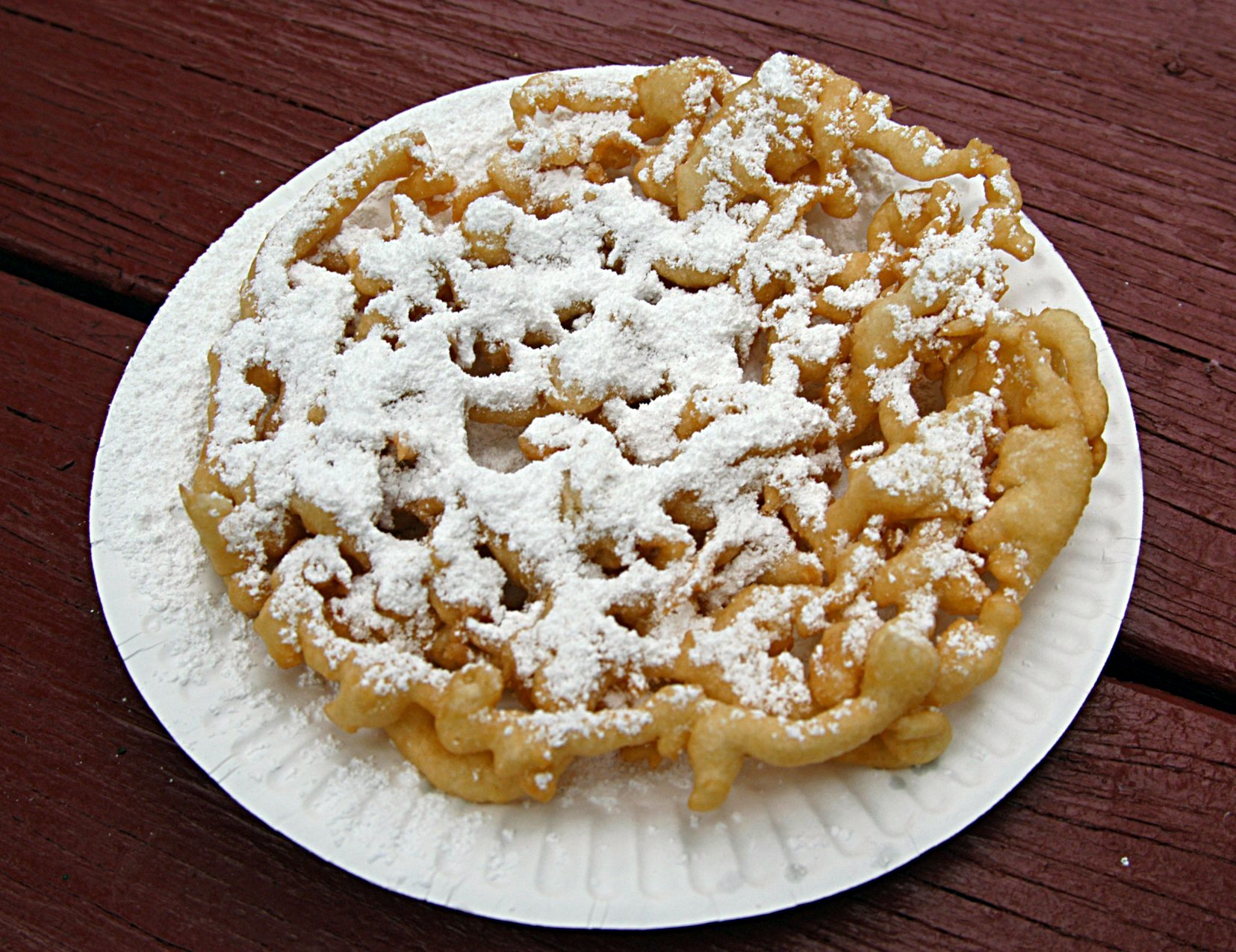
Batter is poured through a funnel into hot oil. Powdered sugar finishes the crispy tangle.
Funnel cake arrived at the fair by way of Pennsylvania Dutch cooking, where pouring batter through a funnel into hot fat produced a crisp, lacy tangle of fried dough, a tradition that fairs adopted, buried in powdered sugar, and spread to every midway in the country. Funnel cake, a Pennsylvania Dutch import, shows how immigrant home cooking became midway royalty, a regional specialty that the state fair turned into a national institution.
5. Deep-Fried Everything on a Stick: The Modern Arms Race
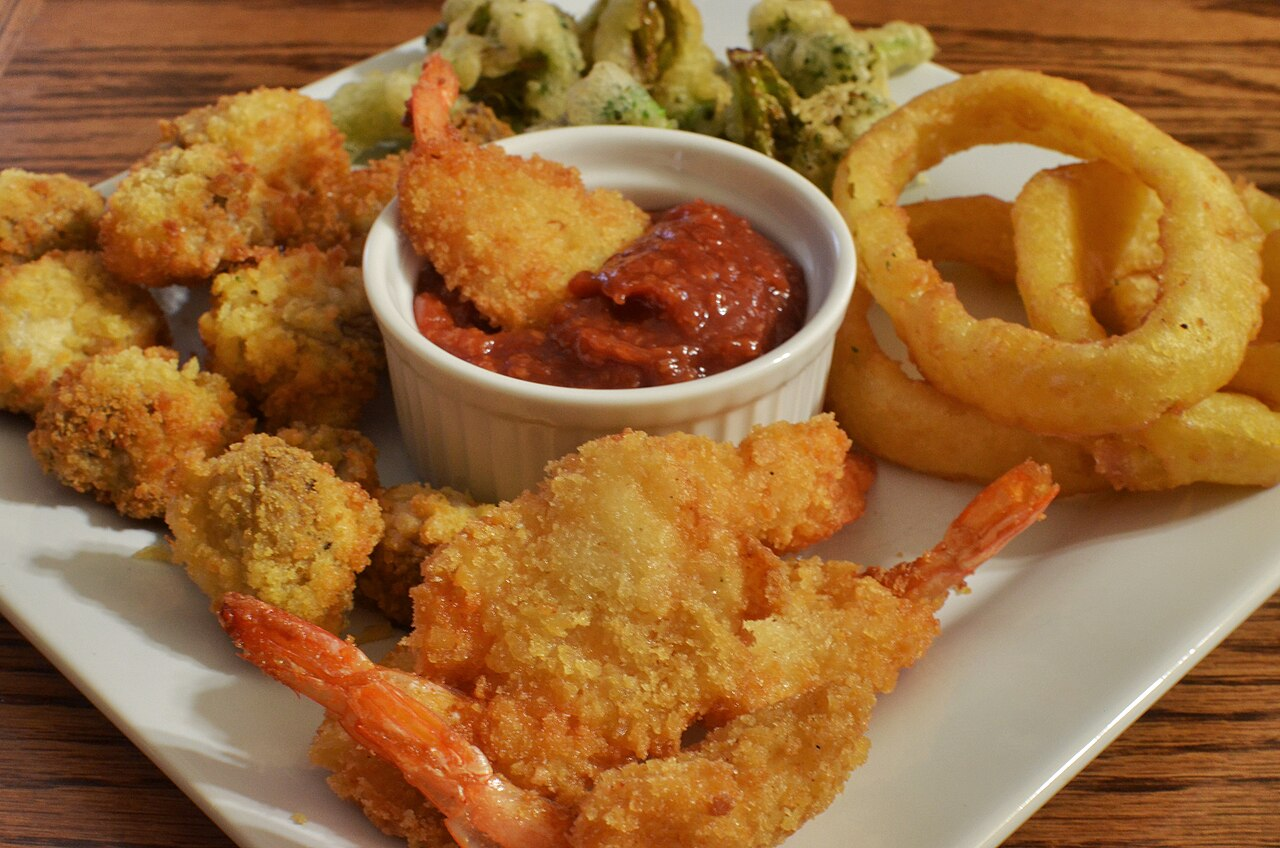
Fairs began frying candy bars, butter, and beyond. The annual new-food announcement became an event itself.
Beginning in the 1990s and accelerating ever since, fairs entered a genuine arms race of deep-frying the unfryable, candy bars, cookie dough, pickles, sticks of butter, and entire desserts, with major fairs now announcing each year’s new fried inventions to real media coverage before the gates even open. Deep-fried everything on a stick, the modern arms race, turned fair food into a spectator sport, an annual competition to fry what no one had fried before.
6. Giant Turkey Legs: Eating Like a Storybook King
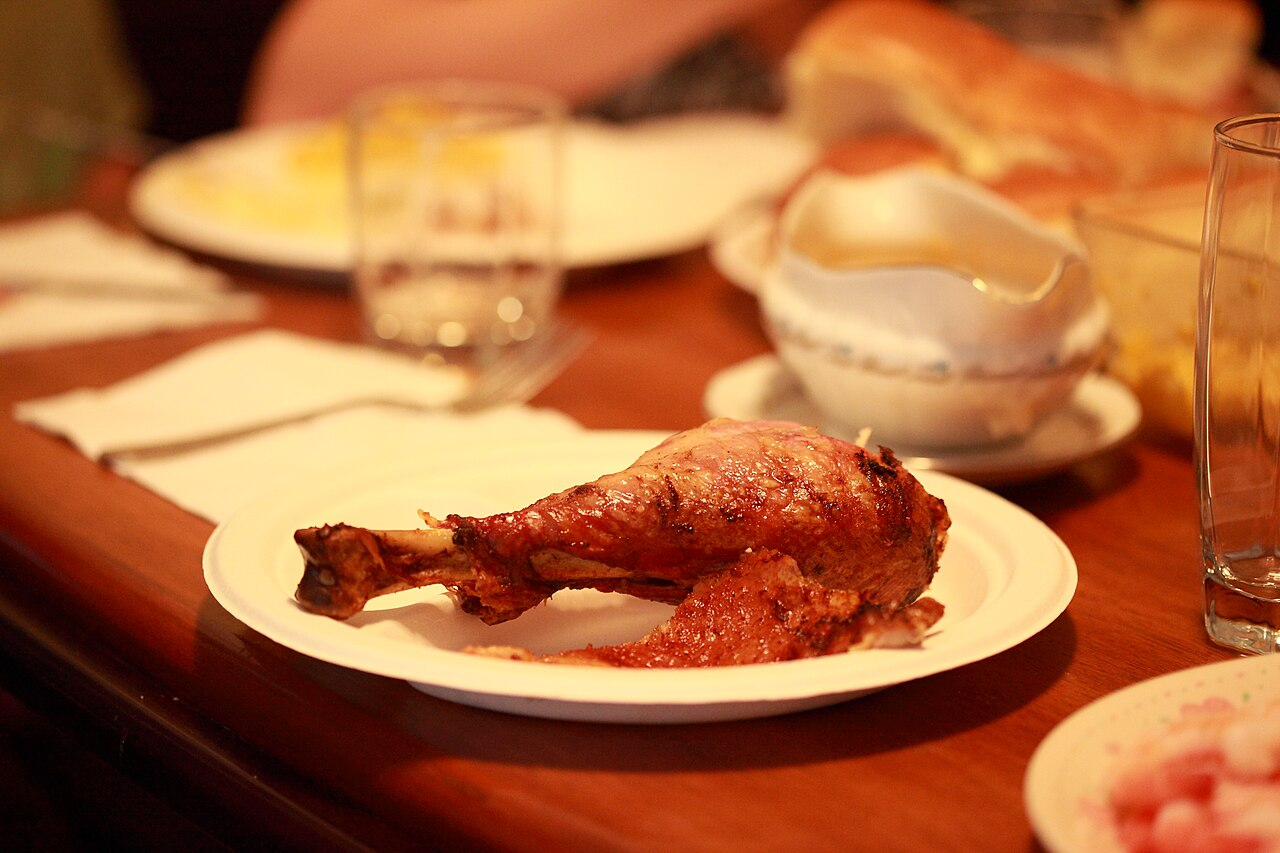
Smoked turkey legs weigh over a pound apiece. Eating one requires two hands and no dignity.
The giant smoked turkey leg, weighing a pound or more and eaten straight off the bone with both hands, spread through fairs and festivals as the midway’s most theatrical meal, a portable feast whose appeal lies as much in how it looks to carry one as in how it tastes. Giant turkey legs, eating like a storybook king, prove that fair food is partly performance, the one meal of the year where holding an entire roasted limb feels completely appropriate.
7. The Bucket of Fresh Chocolate Chip Cookies
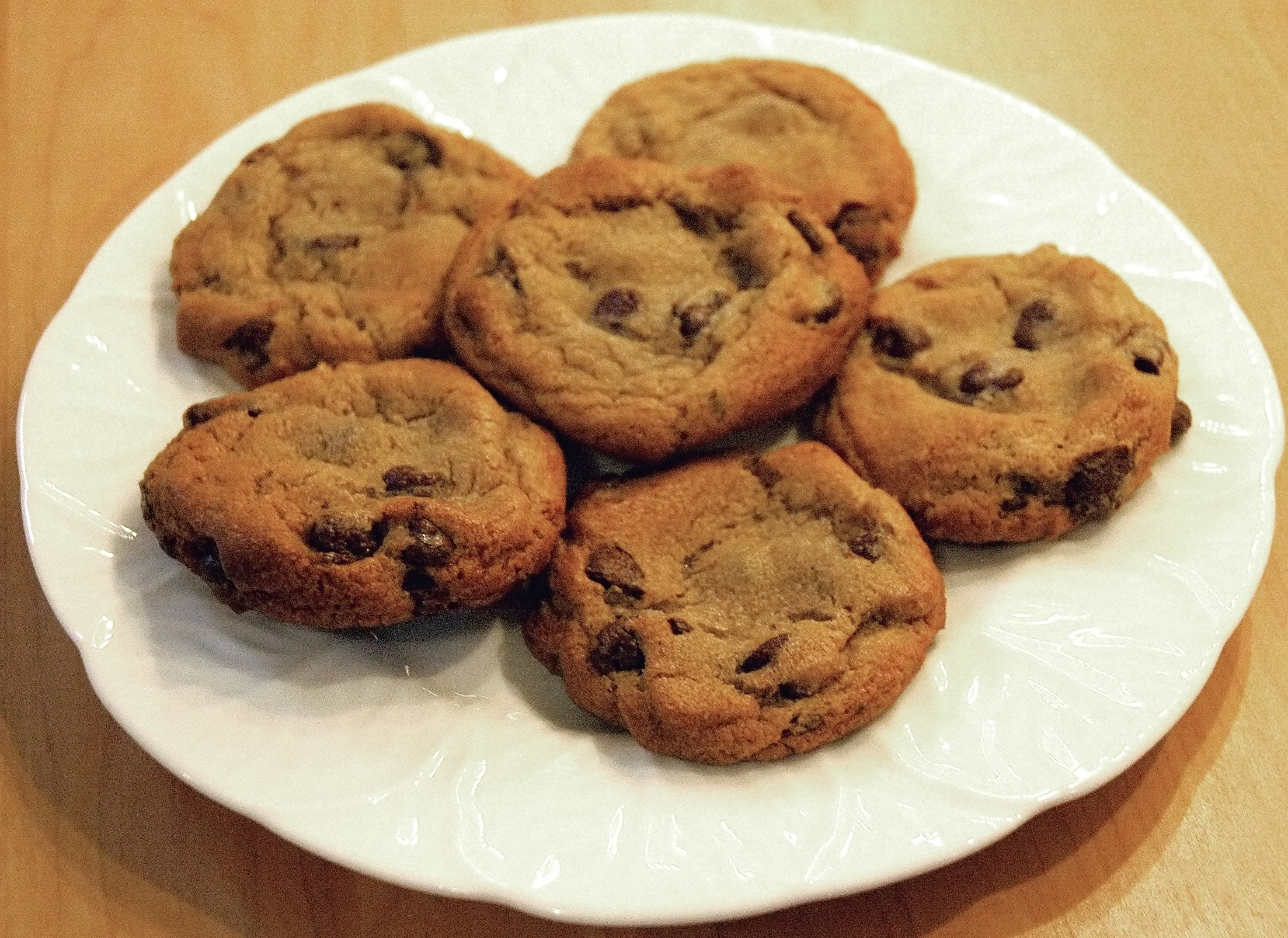
One famous stand sells cookies by the overflowing bucket. Sharing the surplus with strangers is part of the ritual.
At the Minnesota State Fair, one legendary concession sells warm chocolate chip cookies not by the bag but by the overflowing bucket, a portion so famously excessive that handing the extras to strangers in line has become part of the ritual, and the stand’s yearly sales make regional news. The bucket of fresh chocolate chip cookies captures the cheerful excess at the heart of fair eating, a portion size that would be absurd anywhere else and is exactly right on the midway.
8. Fresh-Squeezed Lemonade Shake-Ups
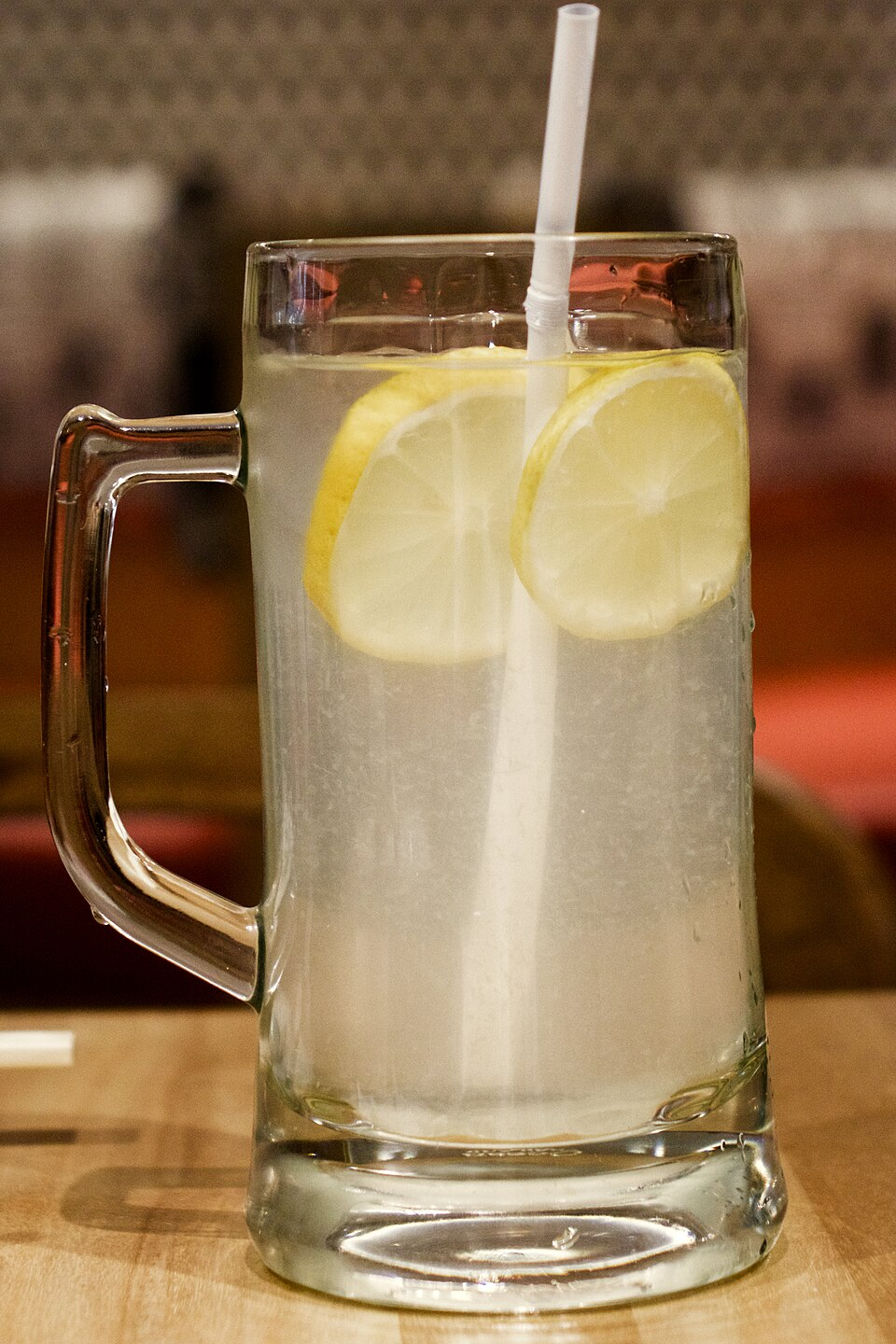
Lemon halves are shaken with sugar and ice to order. The cold, cloudy cup is the fair’s universal drink.
The fair’s universal drink is the lemonade shake-up, lemon halves muddled with sugar, ice, and water and shaken to order in a cup that turns satisfyingly cloudy, a concession tradition that survives unchanged because nothing cuts midway heat and fried food better. Fresh-squeezed lemonade shake-ups are the fair’s one act of restraint, a simple, genuinely refreshing counterweight to everything else on this list.
9. Cream Puffs by the Thousands in Wisconsin
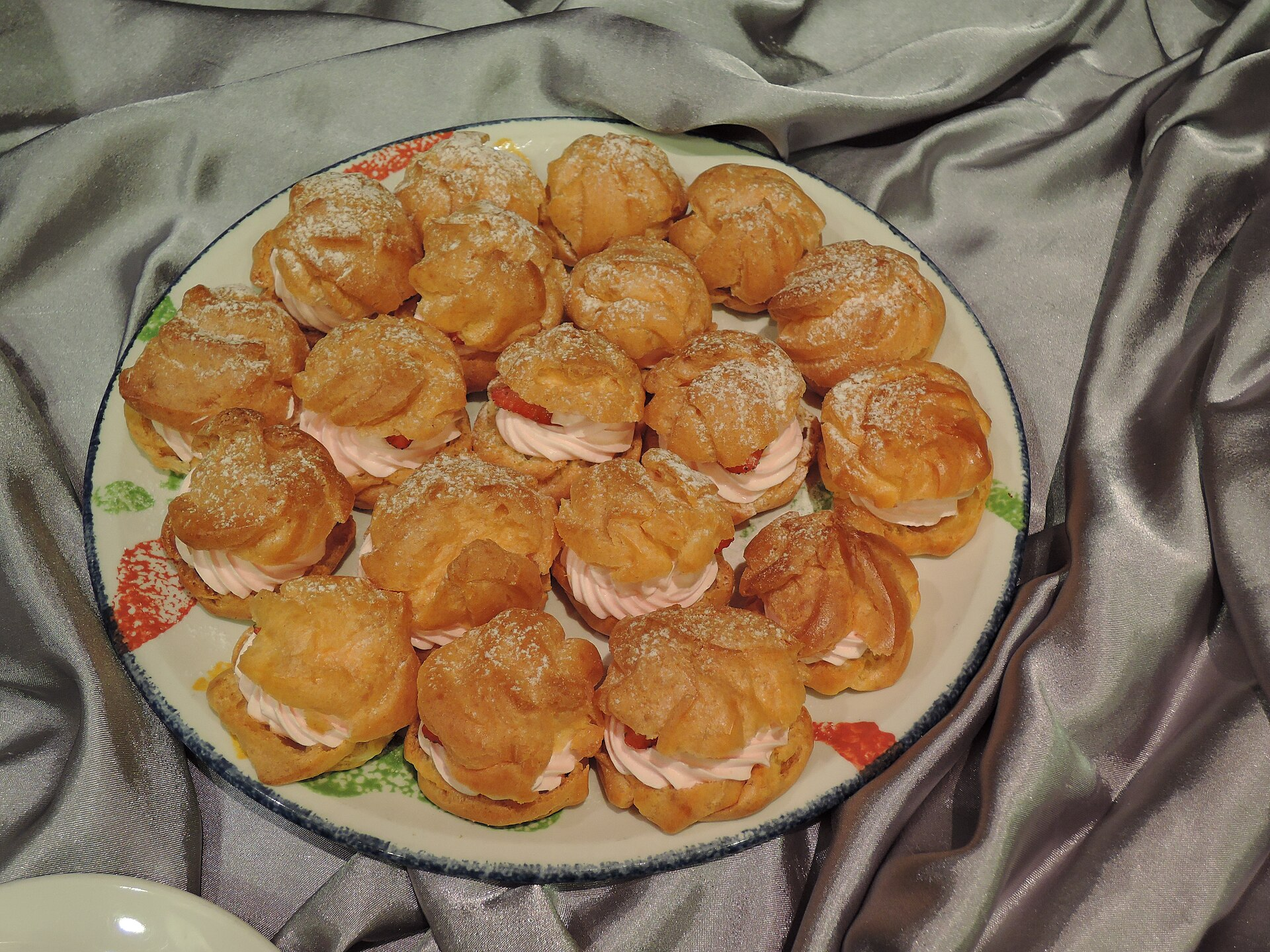
Wisconsin’s fair bakes cream puffs at industrial scale. The pastry line is a state tradition all its own.
The Wisconsin State Fair has baked fresh cream puffs since 1924, now producing hundreds of thousands each year from an on-site bakery, and standing in the cream puff line, then eating the whipped-cream-filled pastry with a fork or heroically by hand, is a Wisconsin rite of passage. Cream puffs by the thousands in Wisconsin show how a single fair food can become a state’s own tradition, a century-old pastry that draws lines the length of the midway.
10. Fried Dough by Every Regional Name
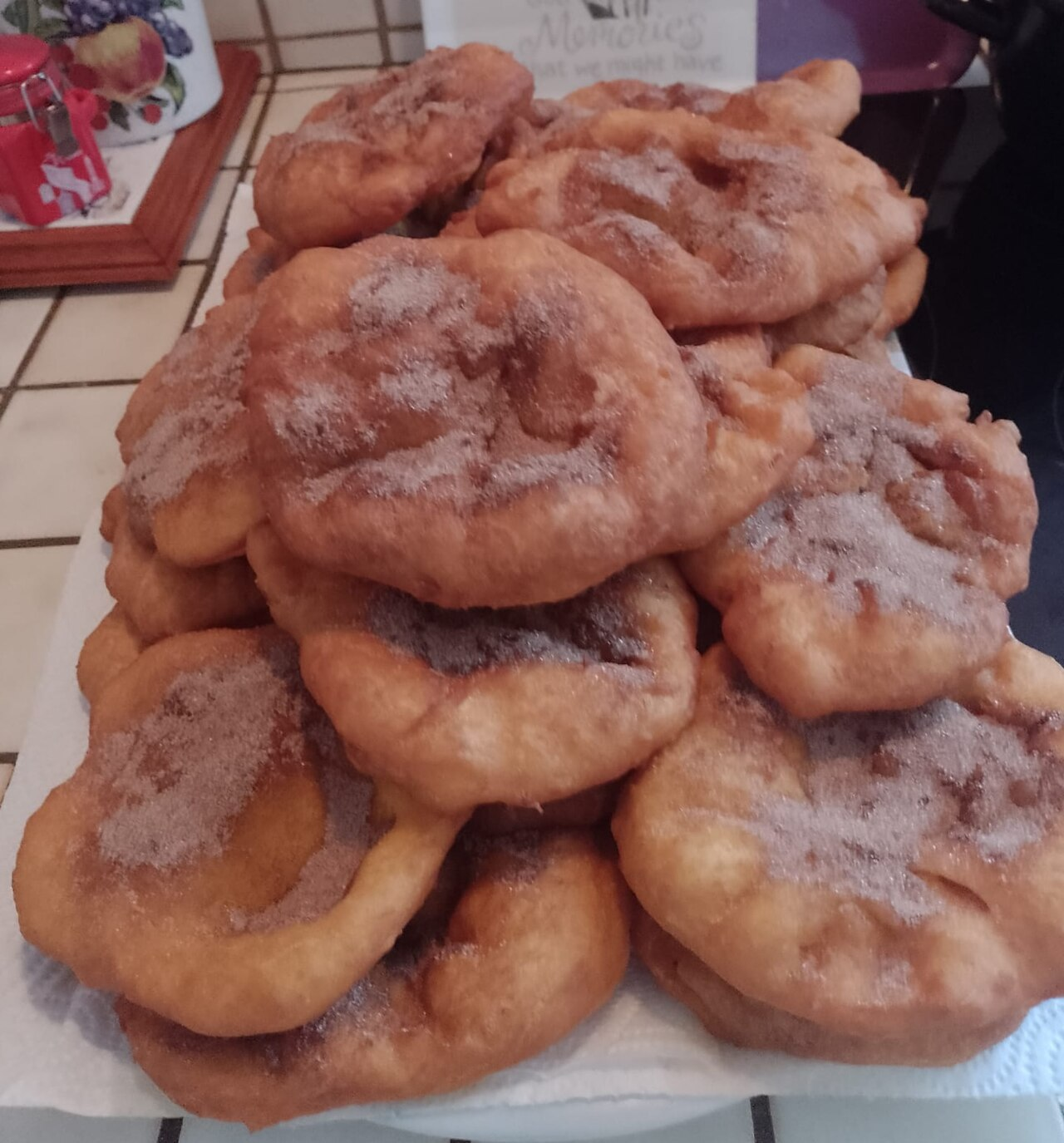
The same fried dough goes by different names everywhere. Elephant ears, fried bread, and beignet-style squares all claim it.
Beyond funnel cake, every region’s fair fries flat dough under its own name, elephant ears in much of the Midwest, fried dough in New England, Indian tacos and fry bread in the Plains and Southwest, each dusted, sauced, or topped by fiercely local custom. Fried dough by every regional name completes the fair food map, a single simple idea that fifty fairs turned into fifty different traditions.
A Cuisine That Exists for Two Weeks a Year
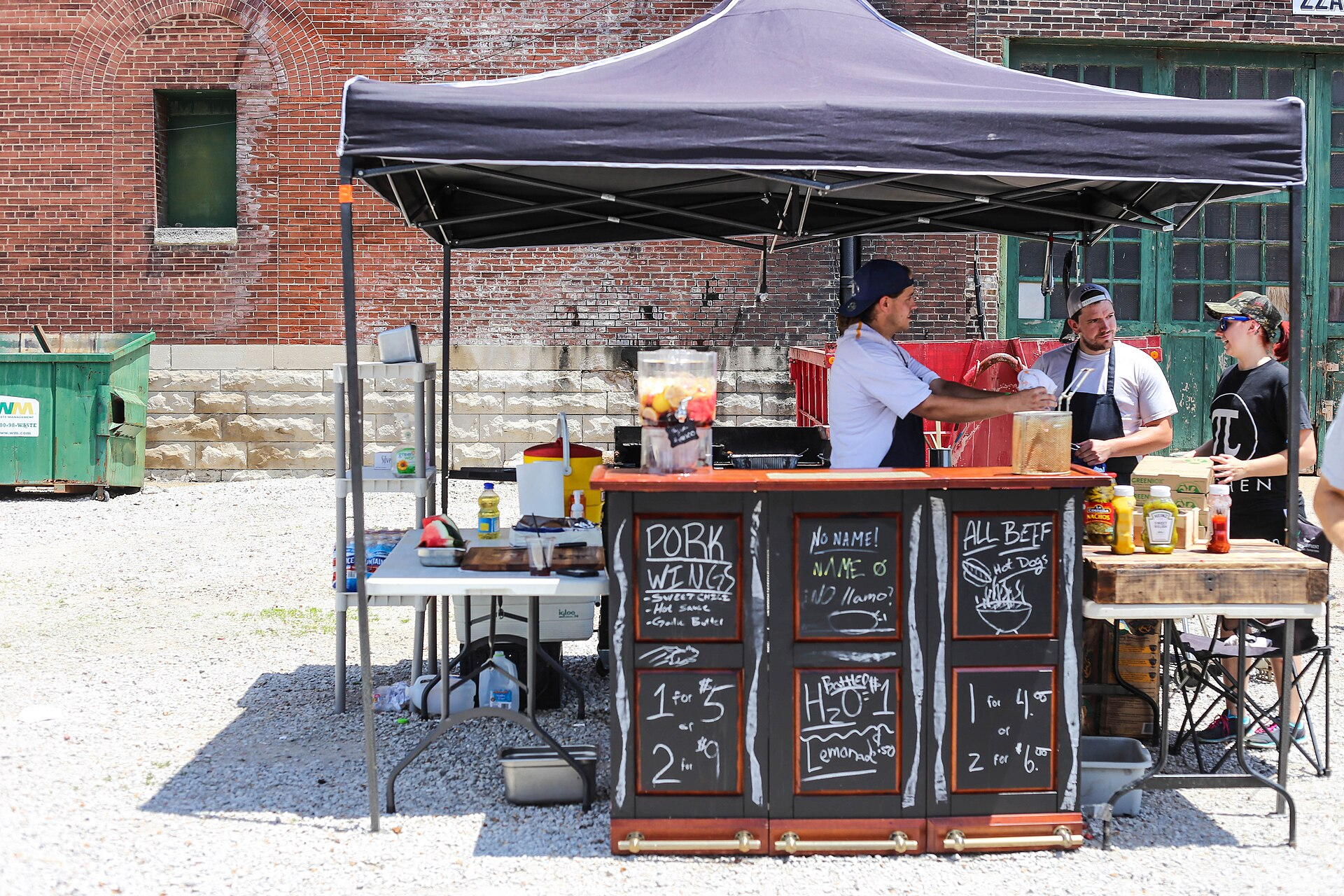
Taken together, these ten foods form a genuine American cuisine that exists mostly for a few weeks each summer, from the corn dog and the squeaking curds to the butter princess in her refrigerated case and the cookie buckets shared with strangers. It is indulgent, portable, theatrical, and impossible to replicate at home.
State fair food grew from agricultural exhibitions into a tradition of its own because fairs rewarded exactly what home cooking couldn’t be, spectacular, excessive, and eaten standing up in a crowd, and a century of concessionaires kept raising the stakes one fried invention at a time. The tradition endures because it’s tied to a place and a season, not a recipe. For anyone who grew up going, one bite brings it all back: the sawdust and lemonade smell of the midway, the powdered sugar on your shirt, the long walk back to the car with a half-eaten turkey leg. State fair food is the taste of an American summer, available for two weeks only, same time next year.
Like our content? Follow us for more.