Few foods spark as much genuine regional debate as the humble seafood roll, a format that seems simple on the surface, fresh seafood piled generously into a soft bun, but varies dramatically in preparation and dressing depending on which specific stretch of American coastline originally created it. Here are seven distinct American seafood roll styles and what makes each one truly and genuinely different, counted down one by one.
1. Maine: The Classic Lobster Roll
Maine’s iconic roll keeps preparation genuinely simple. Cold lobster meat is dressed lightly in mayonnaise inside a split-top bun.
The classic Maine lobster roll keeps preparation genuinely simple, cold, fresh lobster meat lightly dressed in mayonnaise and a touch of lemon, served in a distinctive New England split-top bun that’s toasted on both flat sides for a genuinely satisfying, crisp golden edge. The Maine lobster roll’s minimalist preparation and iconic split-top bun make it the standard against which most other seafood rolls across the country are measured, a format so closely tied to the state that it’s become genuinely inseparable from Maine’s culinary identity.
Like our content? Follow us for more.
2. Connecticut: The Warm Butter Lobster Roll
Connecticut takes a genuinely different approach than its neighbor. Warm lobster meat is drenched in melted butter instead of mayonnaise.
The Connecticut lobster roll takes a genuinely different approach from Maine’s cold, mayo-dressed version, serving warm lobster meat drenched in melted butter instead, a rich, indulgent preparation that sparks real, ongoing rivalry between the two neighboring New England states over which specific style is genuinely, unquestionably superior to the other. The warm butter lobster roll’s distinct preparation reflects Connecticut’s own strong regional culinary identity, a version locals defend just as passionately and confidently as Maine natives defend their own cold, mayo-based tradition.
3. Louisiana: The Spicy Crawfish Roll
Louisiana builds its version around crawfish tail meat. A genuinely spicy remoulade sauce defines the Cajun-influenced preparation.
Louisiana’s crawfish roll swaps in tender crawfish tail meat for lobster, tossed in a genuinely spicy, tangy remoulade sauce that reflects the state’s deep Cajun and Creole culinary traditions, a considerably bolder, more heavily seasoned preparation than New England’s more restrained, traditional approach to the format entirely. The crawfish roll’s spicy remoulade and Louisiana crawfish tradition make it a genuinely distinctive regional interpretation, one deeply rooted in the state’s broader Cajun seafood culture.
4. Rhode Island: The Fried Clam Roll
Rhode Island favors whole, breaded fried clams over any single-species roll. The format showcases the state’s deep clam shack heritage.
Rhode Island’s fried clam roll piles whole, breaded, deep-fried clams into a hot dog-style bun, a format deeply rooted in the state’s beloved clam shack culture and considerably different from the cold, dressed preparations found throughout the rest of New England’s broader, well-established coastal food scene entirely. The fried clam roll’s crispy, whole-clam preparation reflects Rhode Island’s distinctive coastal food identity, a regional specialty genuinely inseparable from the state’s long, cherished tradition of casual, seaside clam shacks.
5. Massachusetts: The Fried Whole-Belly Clam Roll
Massachusetts distinguishes itself with a specific clam preparation. Whole-belly clams, including the tender stomach portion, define the authentic version.
Massachusetts takes real pride in its whole-belly fried clam roll, insisting on clams that include the tender, flavorful stomach portion rather than just the chewier clam strip, a specific preparation that longtime locals consider the only genuinely authentic, correct version of a proper, traditional New England clam roll. The whole-belly clam roll’s insistence on complete clams reflects a genuine point of Massachusetts culinary pride, a distinction that sparks real debate with neighboring states over what actually constitutes an authentic clam roll.
6. The Pacific Northwest: The Dungeness Crab Roll
The Pacific Northwest builds its version around sweet, local Dungeness crab. The careful preparation showcases the region’s signature shellfish directly and proudly.
The Pacific Northwest’s crab roll centers on sweet, delicate Dungeness crab meat, typically dressed lightly to let the crab’s own natural sweetness take center stage, a regional specialty that showcases one of the area’s most genuinely iconic and celebrated local shellfish varieties found anywhere along the entire coast. The Dungeness crab roll’s showcase of the region’s signature crustacean reflects the Pacific Northwest’s deep culinary connection to its own coastal waters, a specialty built entirely around a shellfish found almost nowhere else in comparable abundance.
7. The Chesapeake Bay: The Soft-Shell Crab Roll
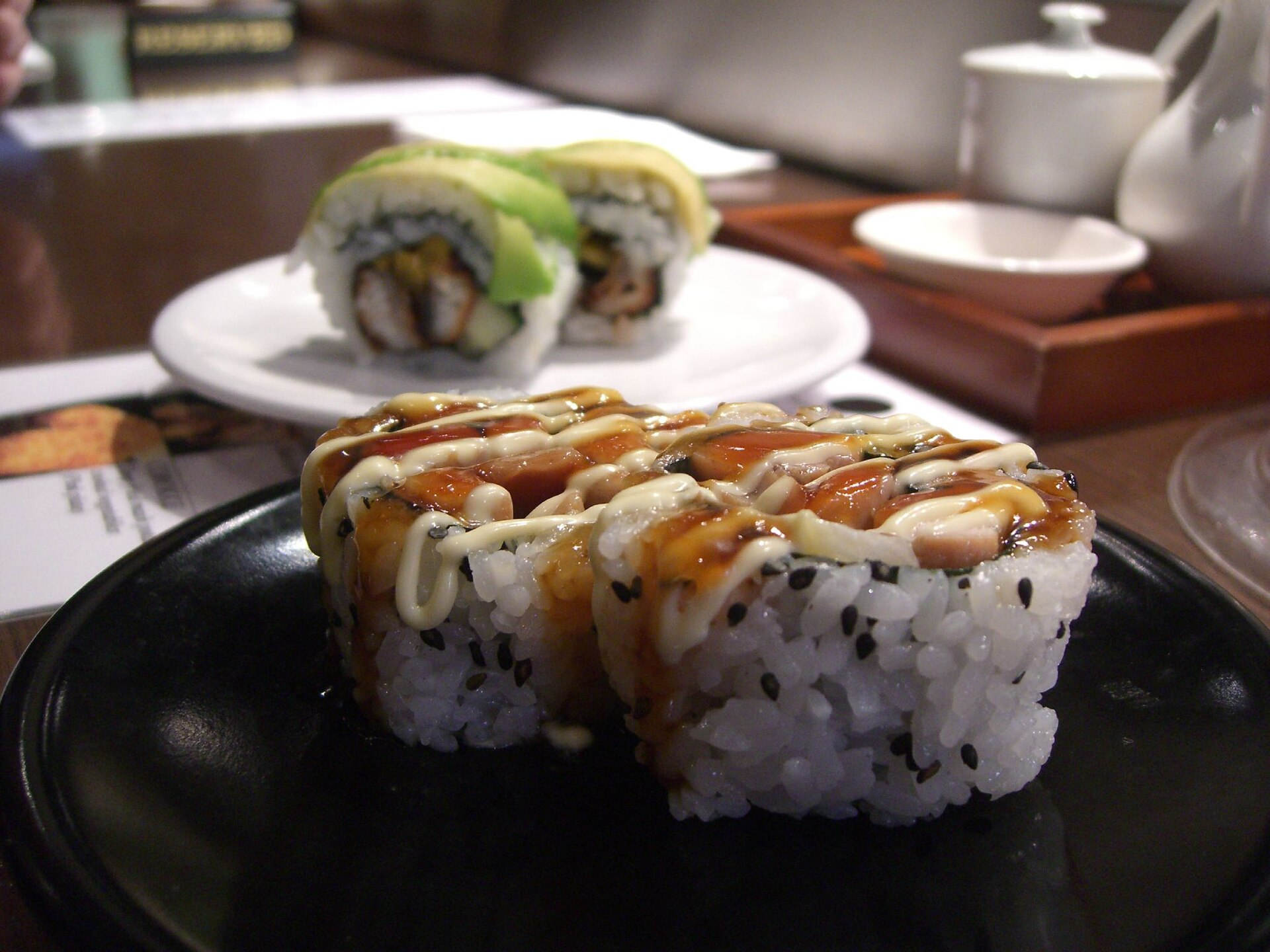
The Chesapeake Bay region favors an entire soft-shell crab fried and served whole. The format showcases the bay’s distinctive blue crab harvest.
The Chesapeake Bay region’s soft-shell crab roll features an entire soft-shell blue crab, breaded and fried whole, tucked into a roll rather than picked crab meat alone, a genuinely distinctive format that showcases the bay’s famous seasonal soft-shell crab harvest in dramatic, complete form for every diner to see. The soft-shell crab roll’s whole-crab presentation reflects the Chesapeake Bay’s deep, historic blue crab culinary tradition, a regional specialty built around a specific, seasonally limited harvest unique to the bay’s waters.
A Coastline of America’s Genuinely Fiercely Defended Culinary Traditions
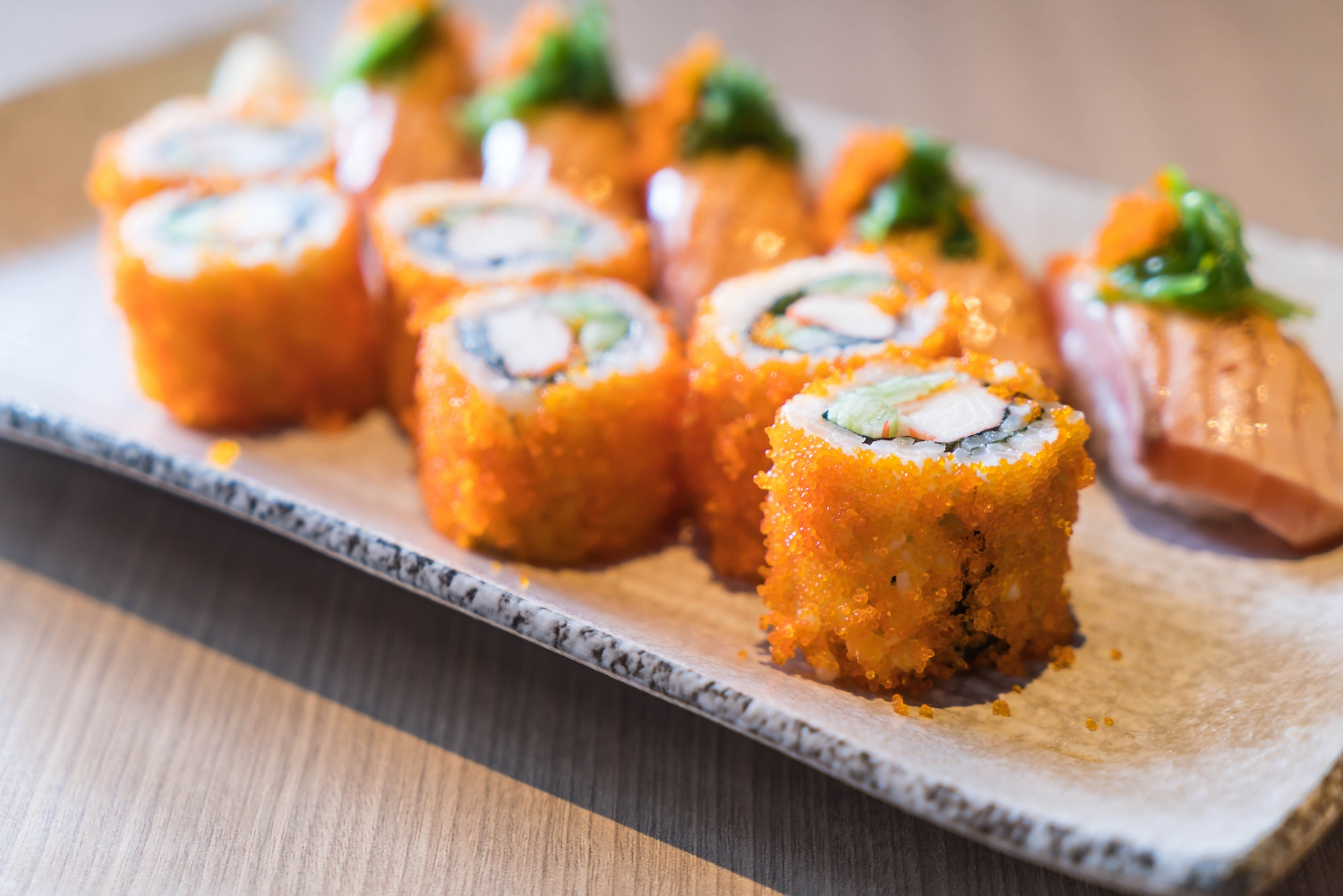
Taken together, these seven seafood roll styles show just how much regional pride, local shellfish, and coastal tradition can shape even the simplest format, seafood piled into a bun, from Maine’s minimalist cold lobster roll to the Chesapeake’s whole fried soft-shell crab. Each carries genuine coastal identity in every single bite.
The debate over proper preparation extends well beyond just butter versus mayonnaise, some purists insist a proper roll should contain nothing but the shellfish itself and minimal dressing, letting the seafood’s natural flavor speak entirely for itself, while others welcome a wider range of additions like celery, herbs, or a squeeze of citrus. These preparation debates, seemingly minor to outsiders, carry genuine weight within each coastal community, reflecting decades of local tradition passed down through generations of seafood shacks and family-run restaurants along the water.
What unites these otherwise distinct traditions is the sheer passion each coastal region brings to defending its own particular version, arguments over butter versus mayonnaise, whole-belly versus strip clams, that reveal just how personally coastal communities identify with their specific local seafood and preparation style. Exploring America’s coastal seafood roll traditions offers a genuinely delicious lesson in regional shellfish culture, proving that even a simple roll can carry deep, fiercely defended regional pride up and down the entire American coastline.
The Maine-Connecticut lobster roll rivalry in particular has become something of a genuine cultural touchstone within New England, with each state’s devoted fans insisting their preparation represents the only truly correct way to serve fresh lobster. Beyond the well-known New England debates, the more recently popularized regional rolls, Dungeness crab from the Pacific Northwest, soft-shell crab from the Chesapeake, reflect just how many different American coastlines have their own genuine, locally rooted seafood roll tradition worth seeking out specifically in its home region.
For travelers planning a coastal food tour, timing matters considerably too, since many of these rolls depend on genuinely seasonal harvests, soft-shell crabs are only available during a specific molting season, and the very best lobster and clam rolls are typically found at seasonal shacks that operate only during the warmer months of the year. Seeking out each regional roll during its proper season, ideally from a shack or restaurant with real roots in that specific coastal community, remains the most authentic and rewarding way to experience America’s remarkably diverse seafood roll culture firsthand.
Like our content? Follow us for more.