

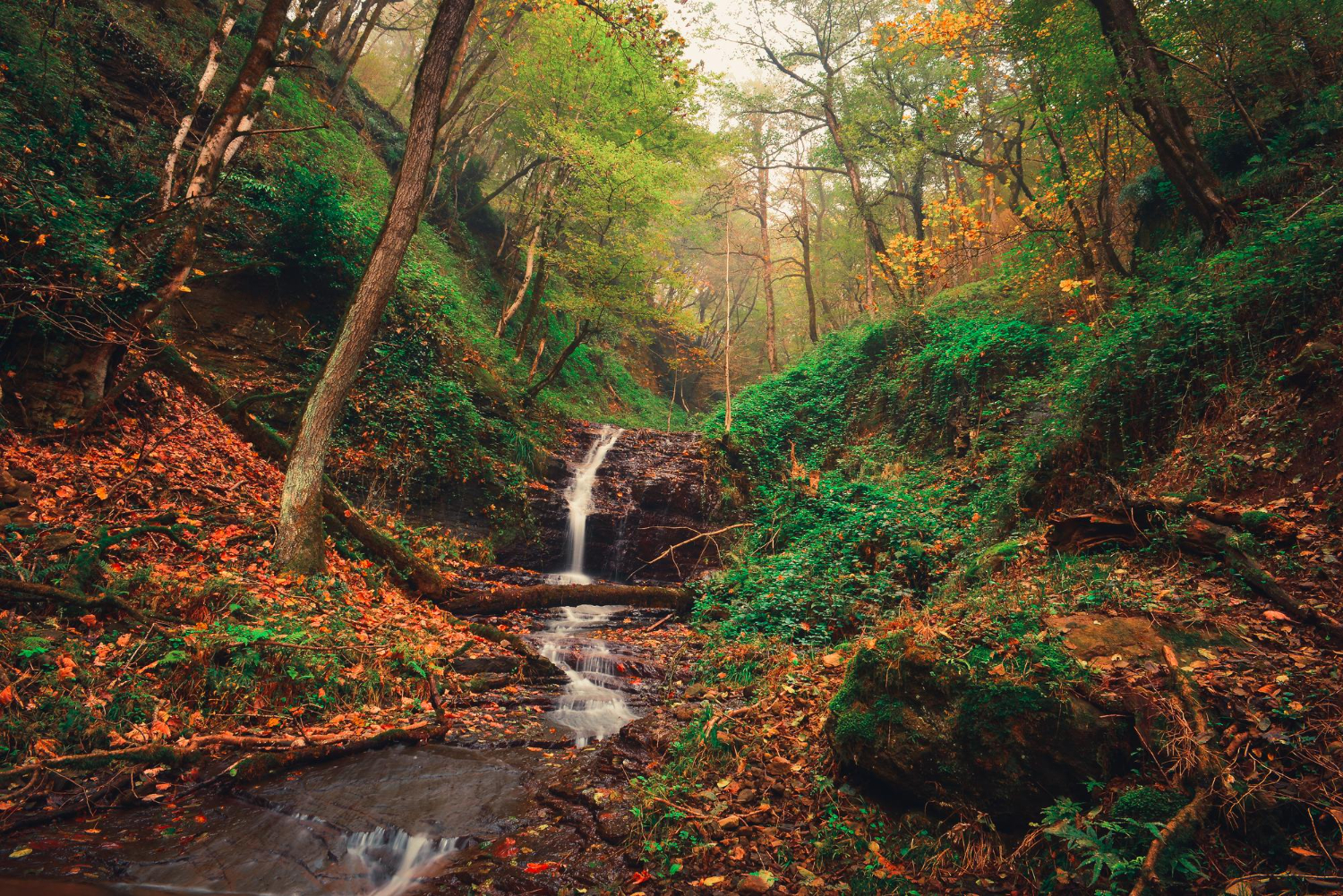
There is a particular quiet inside an old forest that younger woodland does not have. Fallen trunks decay where they land, moss covers everything, the canopy closes overhead, and the scale of the trees resets your sense of proportion. These fourteen are among the oldest and most remarkable you can actually visit.
1. Daintree Rainforest, Australia
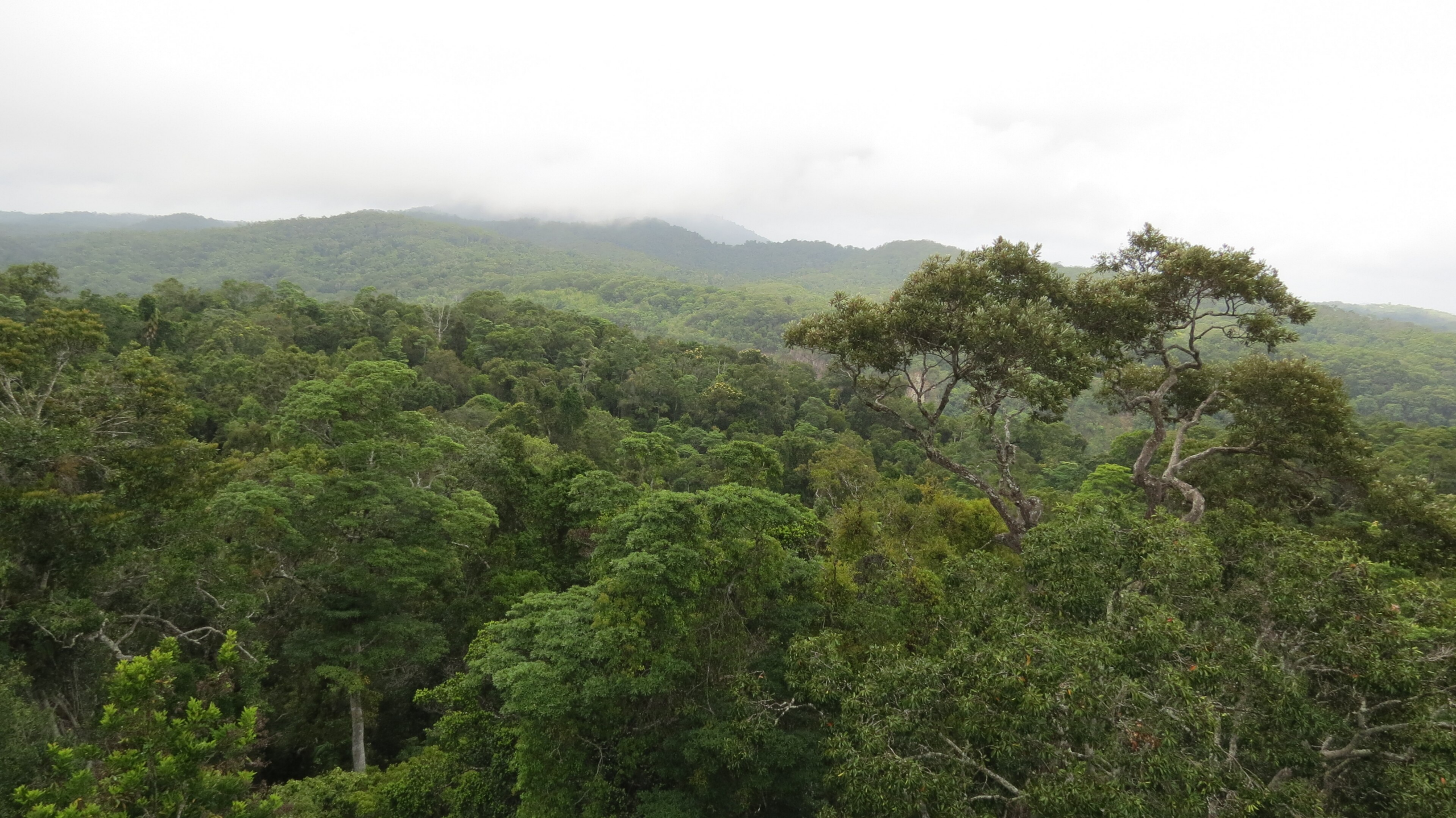
Often described as the oldest continuously surviving tropical rainforest on Earth, the Daintree in Queensland is estimated at well over 100 million years old as an ecosystem. It reaches the sea.
Boardwalks and guided walks make it accessible without damaging it, and the plant lineages here include some of the most ancient flowering plants known. Crocodile warnings are real. The Daintree is among the oldest forests on Earth and one of the easiest ancient ecosystems to walk into.
Like our content? Follow us for more.
2. Białowieża Forest, Poland and Belarus
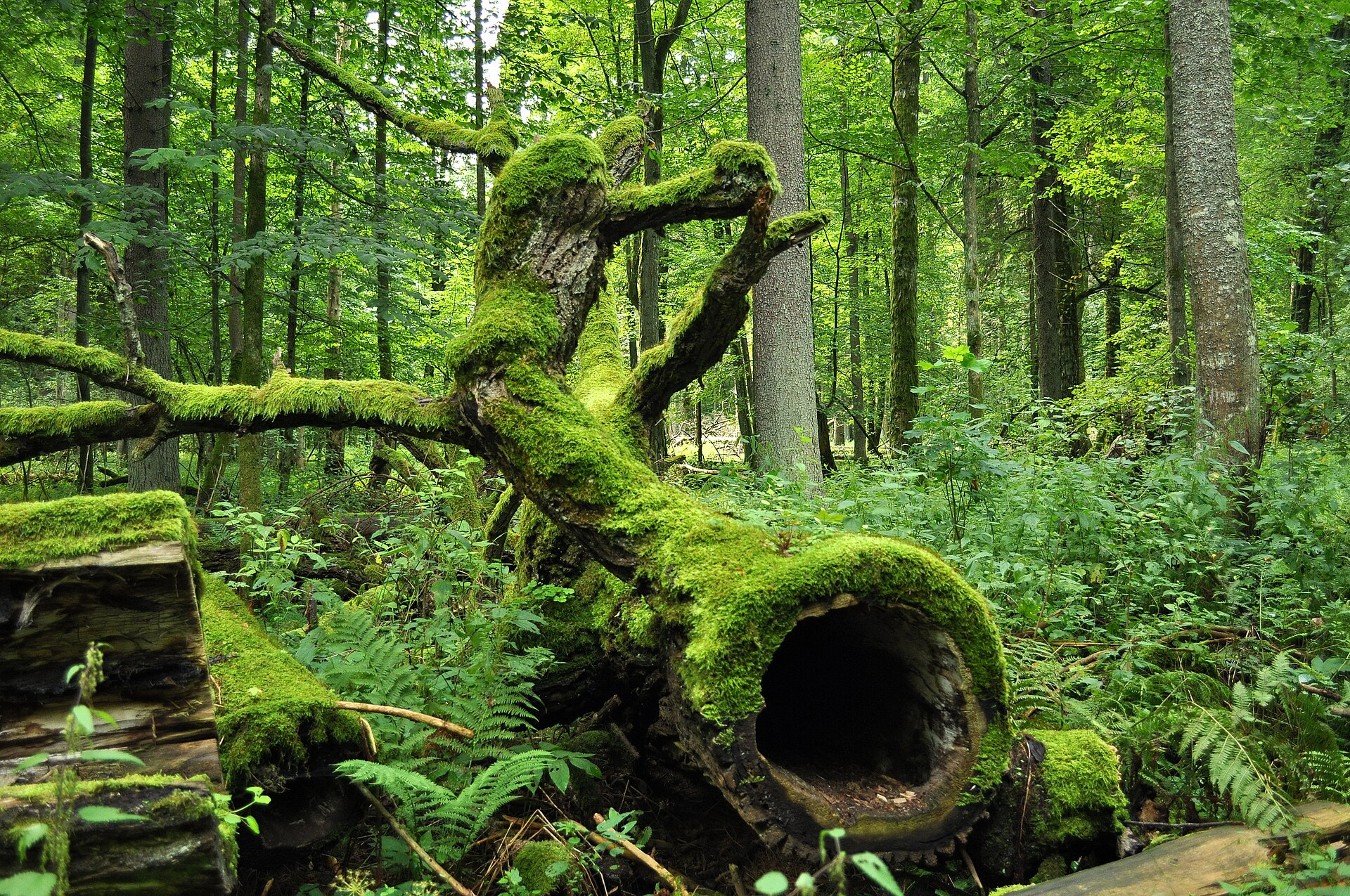
The last substantial fragment of the primeval lowland forest that once covered much of Europe, protected for centuries because it was a royal hunting ground. European bison live here.
Walking among enormous oaks and dead trunks left standing gives a real sense of what an unmanaged European forest looks like, which is almost nowhere else. Access to the strictest zone requires a guide. Białowieża is the oldest forest in Europe in any meaningful sense, and the closest thing to a time capsule the continent has.
3. Yakushima, Japan
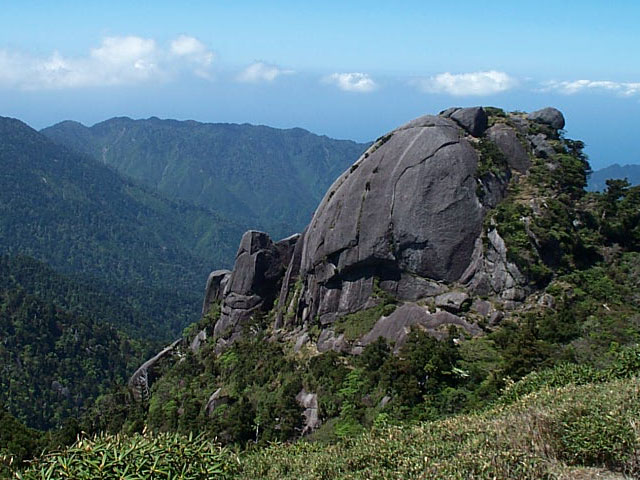
This island south of Kyushu holds ancient cedar forest, including trees known as yakusugi that are estimated to be well over a thousand years old, with the most famous possibly far older. Moss covers everything.
The forest’s dripping, green, fog-filled character is so distinctive that it has inspired animation and photography for decades. Trails range from easy to demanding. Yakushima is one of the oldest forests you can walk through, and among the most atmospheric anywhere.
4. Tarkine, Tasmania, Australia
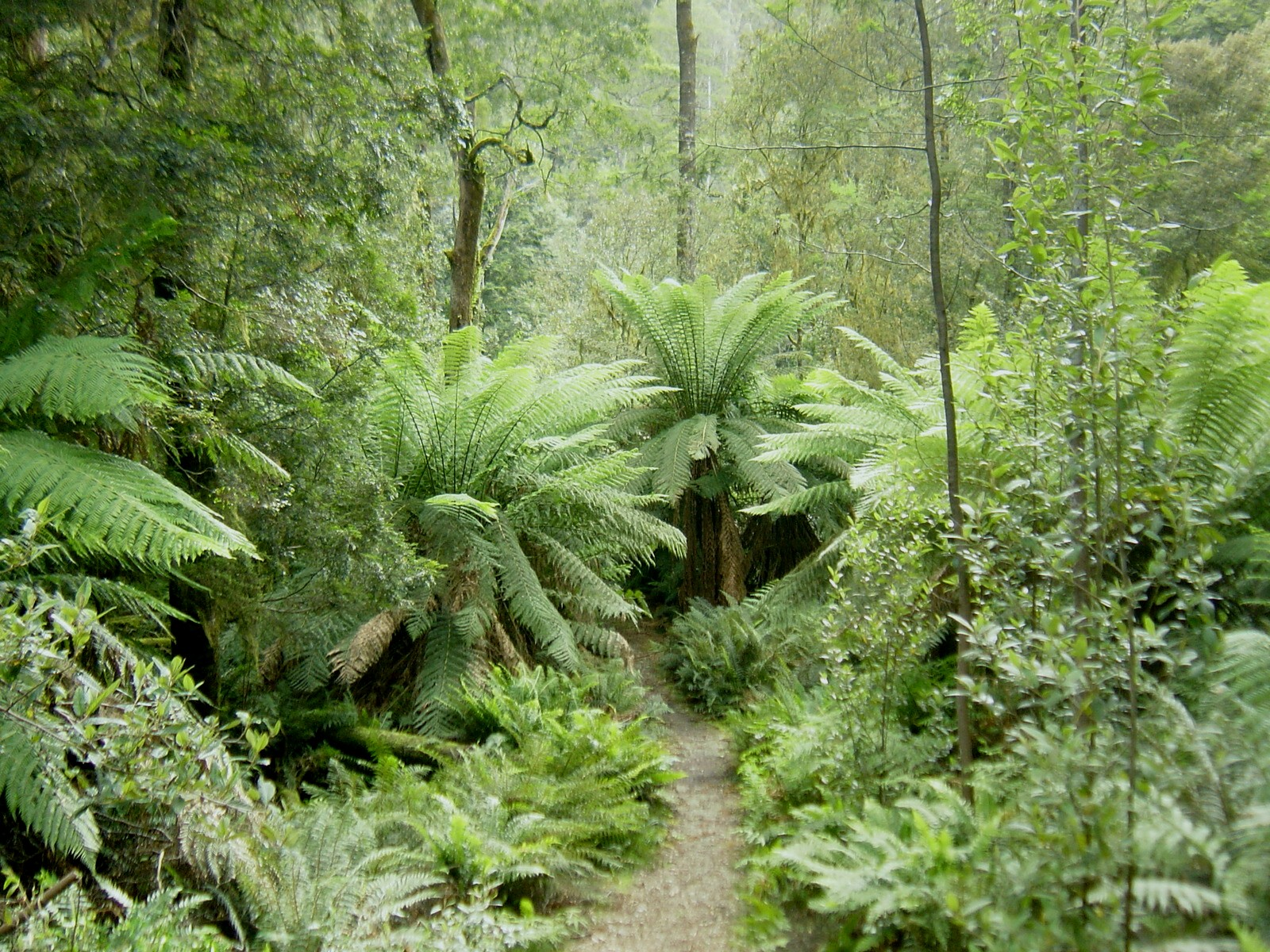
A vast tract of cool temperate rainforest in northwest Tasmania, containing myrtle beech and lineages that trace back to the ancient supercontinent Gondwana. It is remote and wet.
Walking here means dense green, ferns above head height, and a real sense of isolation, with only a few developed access points. Weather changes fast. The Tarkine is one of the oldest surviving forest types on Earth and among the least visited.
5. Bristlecone Pine Forest, California, USA
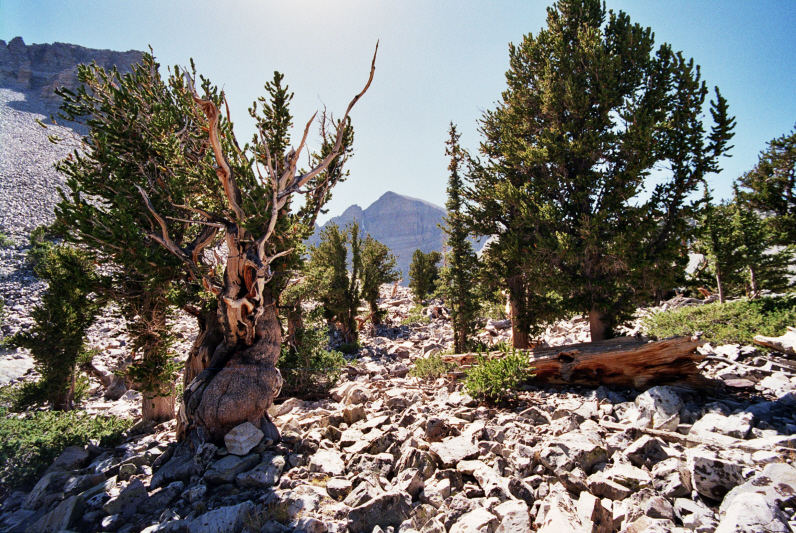
High in the White Mountains grow the oldest known individual non-clonal trees on the planet, some exceeding 4,000 years. They look sculpted rather than grown.
The extreme altitude and harsh conditions are precisely why the trees live so long, growing dense, resinous wood very slowly. The location of the oldest specimen is not published. The Bristlecone forest holds the oldest individual trees on Earth you can stand beside.
6. Waipoua Forest, New Zealand
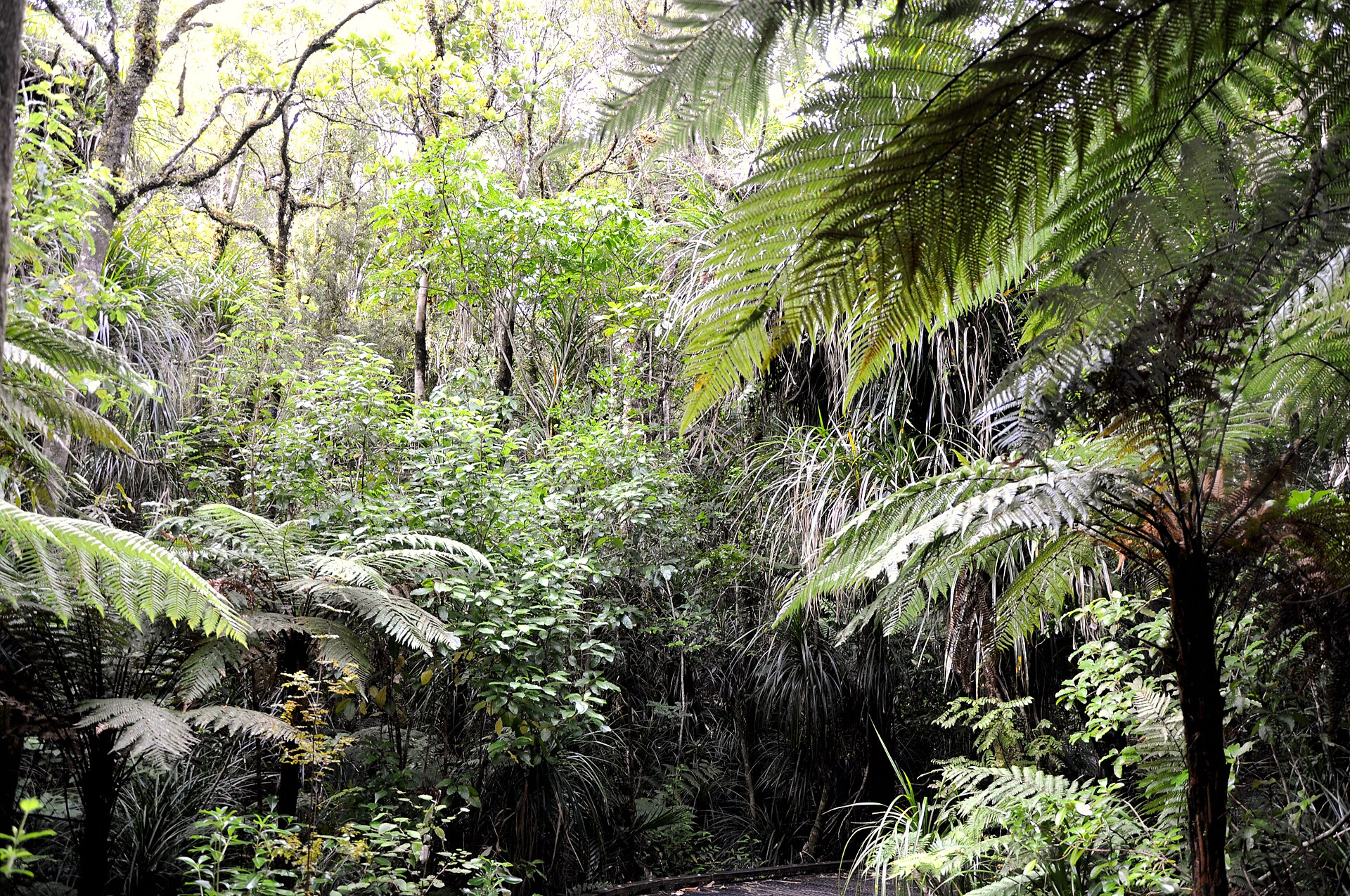
Home to the largest surviving kauri trees, including specimens estimated to be well over a thousand years old and of enormous girth. They are treated with reverence.
Short boardwalk trails lead to the great trees, and strict cleaning stations protect against a soil-borne disease threatening the species. Follow the protocols exactly. Waipoua is one of the oldest forests you can visit, and one of the most carefully protected.
7. Redwood National and State Parks, California, USA
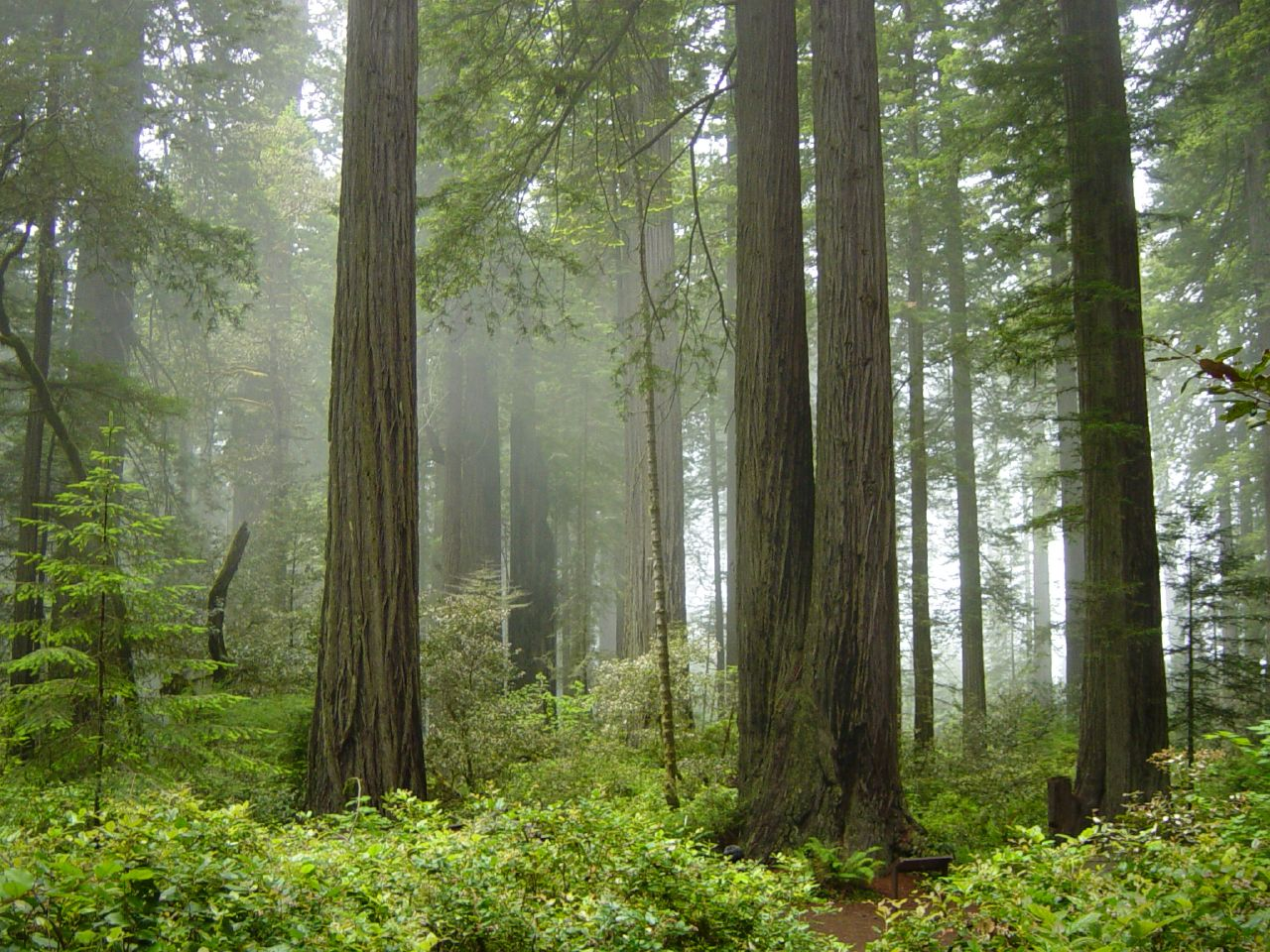
Coast redwoods here include the tallest trees on Earth, with many individuals over a thousand years old and some substantially more. The scale is difficult to photograph.
Trails run through groves where the canopy is so high it disappears into fog, and the forest floor stays cool and damp year-round. Some grove locations are undisclosed. The redwood forests are among the oldest and unquestionably the tallest woodlands you can walk through.
8. Valdivian Rainforest, Chile
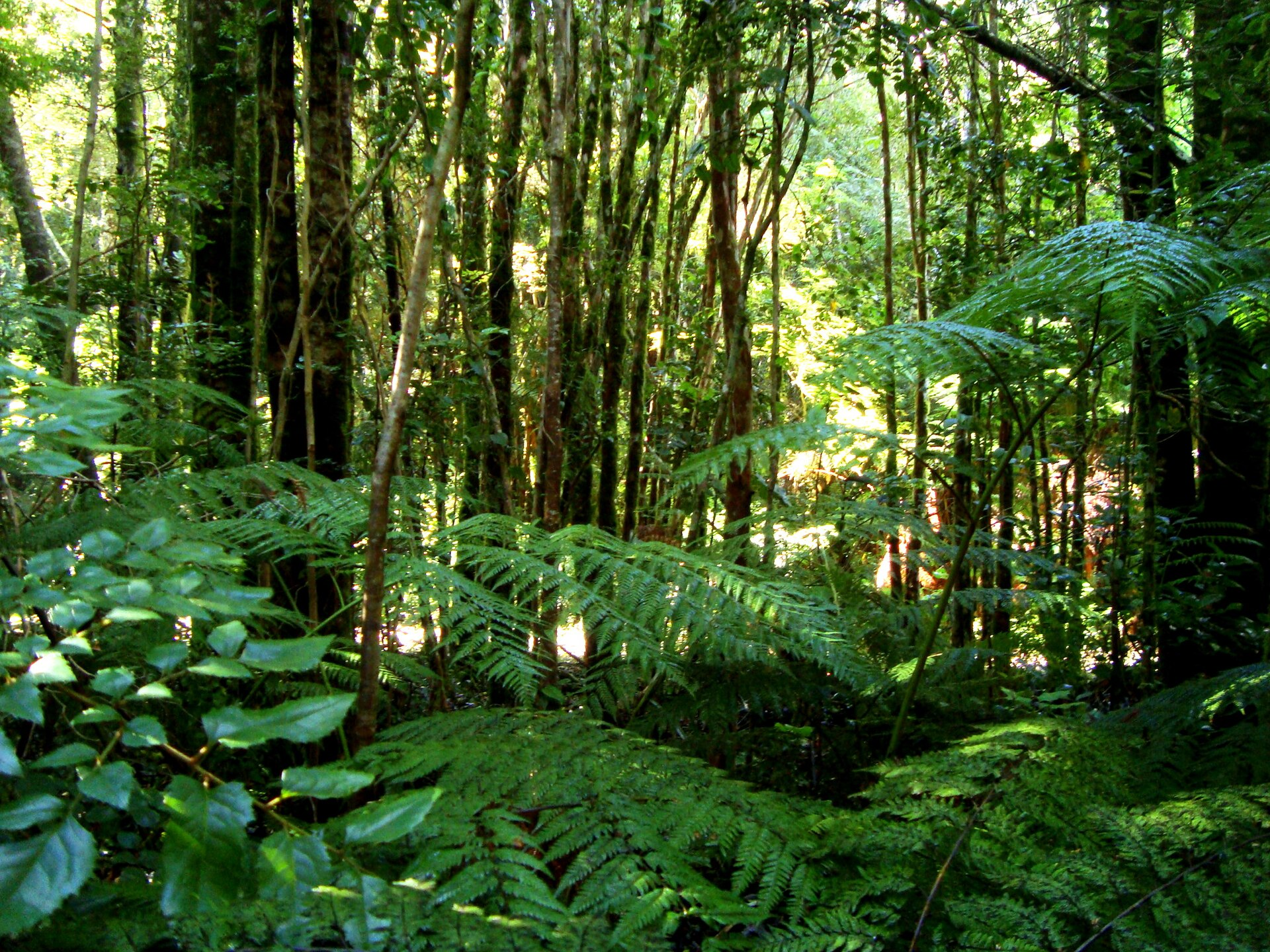
The Valdivian temperate rainforest holds alerce trees, among the longest-lived species anywhere, with some individuals estimated in the thousands of years. It is a Gondwanan relic.
Dense, wet, and layered with bamboo and ferns, this forest supports plants and animals found nowhere else. National parks provide access. The Valdivian rainforest is one of the oldest forest systems in South America and a survivor from a vanished supercontinent.
9. Kakamega Forest, Kenya
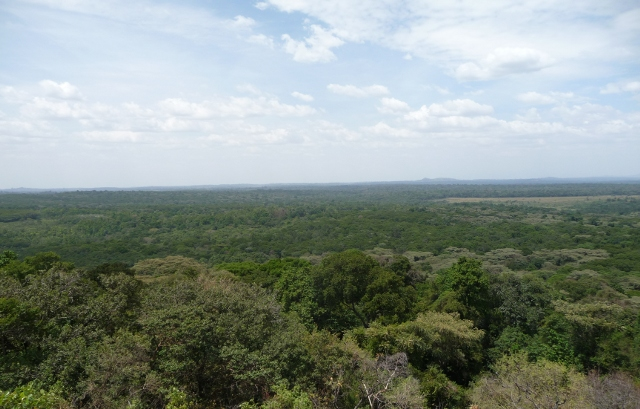
The last remnant in Kenya of the great Guineo-Congolian rainforest that once stretched across equatorial Africa. It is an island of forest in farmland.
Birdlife here is exceptional, and guided walks reveal a completely different ecosystem from the savannah most visitors associate with the country. Early morning is best. Kakamega is the oldest forest in Kenya and a fragment of something once continental in scale.
10. Sinharaja Forest Reserve, Sri Lanka
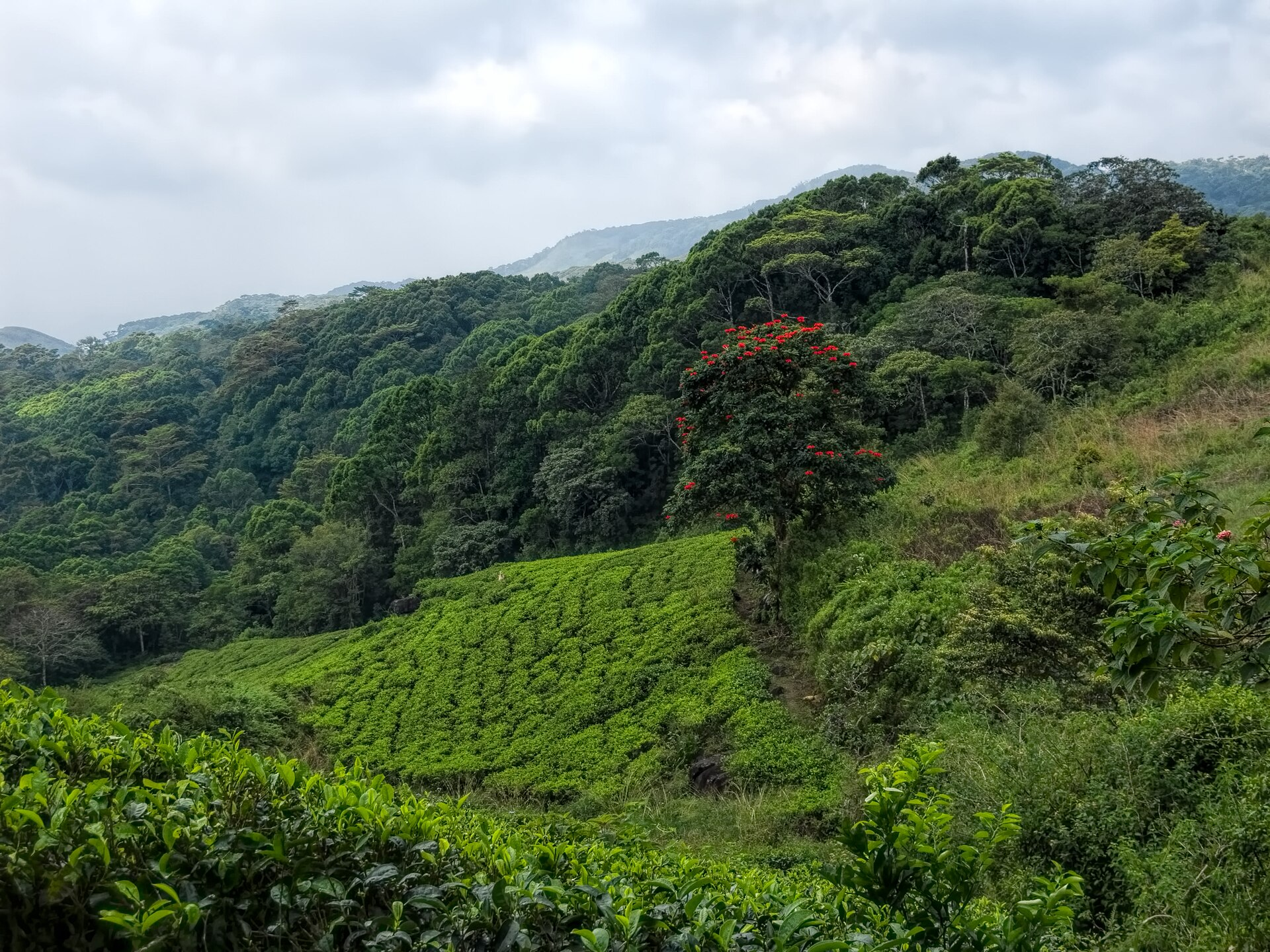
A lowland rainforest of extraordinary endemism, protected as the island’s last significant primary rainforest tract. Much of what lives here lives nowhere else.
Guided walks are required, which keeps pressure low and improves what you actually see, since guides find what visitors miss. It rains most afternoons. Sinharaja is one of the oldest surviving rainforests in South Asia and among the richest for its size.
11. Caledonian Forest Remnants, Scotland
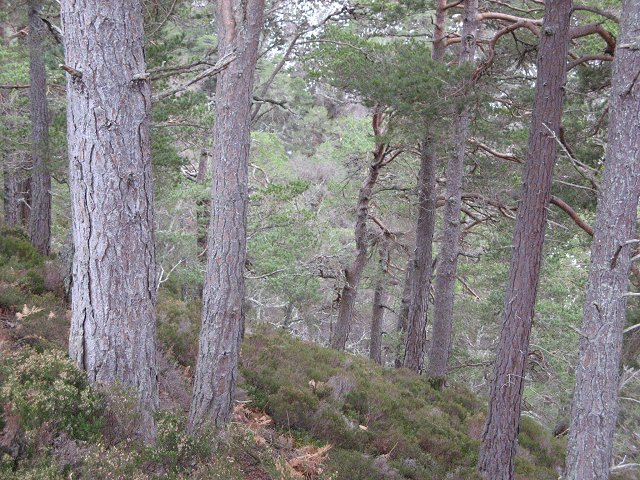
Scattered fragments of the ancient pine forest that once covered much of the Highlands, with Scots pines several centuries old. Restoration work is ongoing.
Walking among the widely spaced old pines, heather, and juniper looks nothing like a plantation and gives a sense of the original landscape. Several reserves offer trails. The Caledonian remnants are the oldest forest in Britain and an active experiment in bringing a woodland back.
12. Monteverde Cloud Forest, Costa Rica
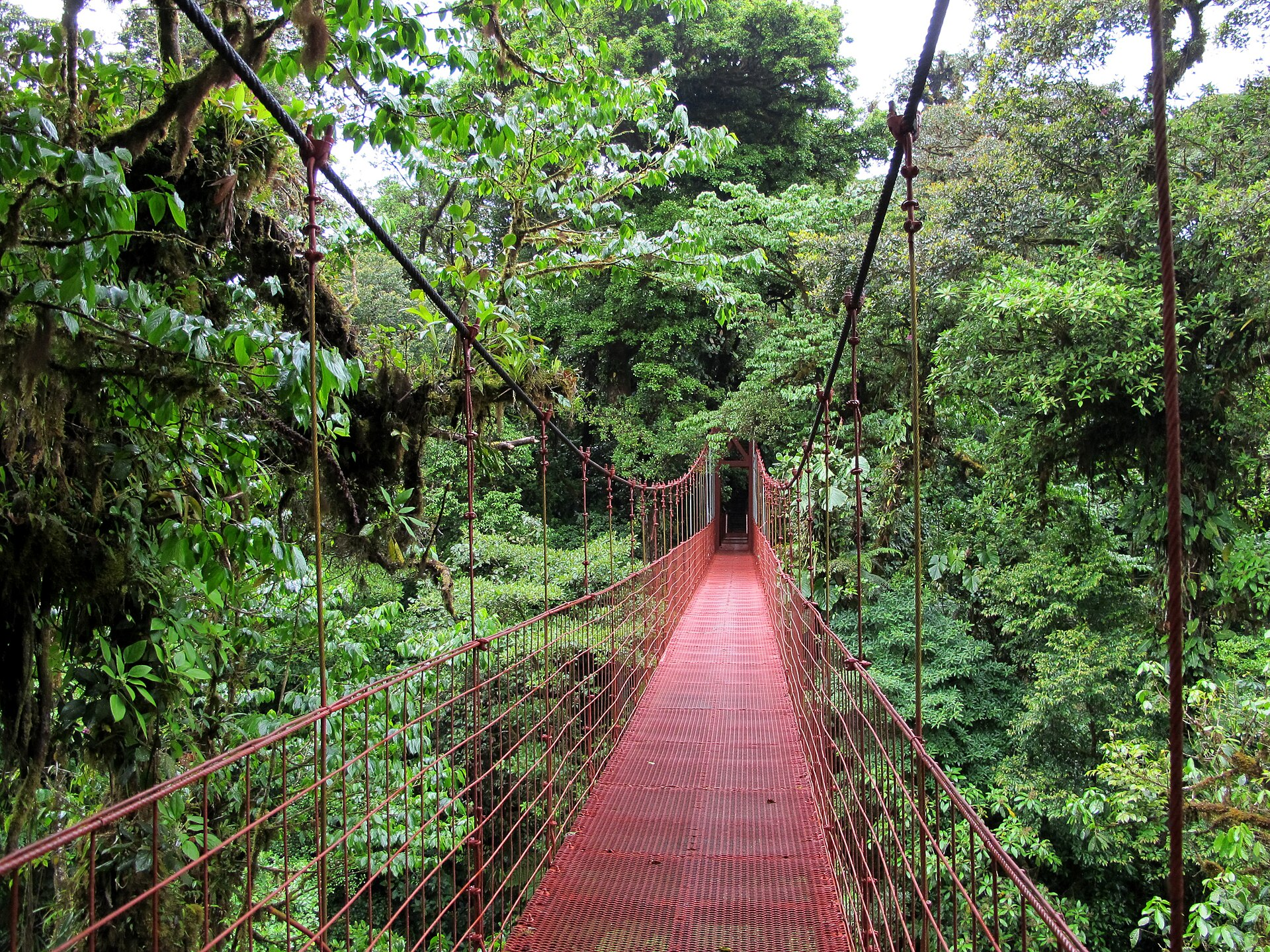
A high-elevation forest permanently wrapped in cloud, dense with epiphytes, orchids, and moss growing on every available surface. The humidity is total.
Suspended walkways let visitors move through the canopy rather than beneath it, which is where most of the life actually is. Wildlife appears suddenly. Monteverde is one of the most biologically layered ancient forests you can walk through anywhere.
14. Jiuzhaigou and Surrounding Old Growth, China
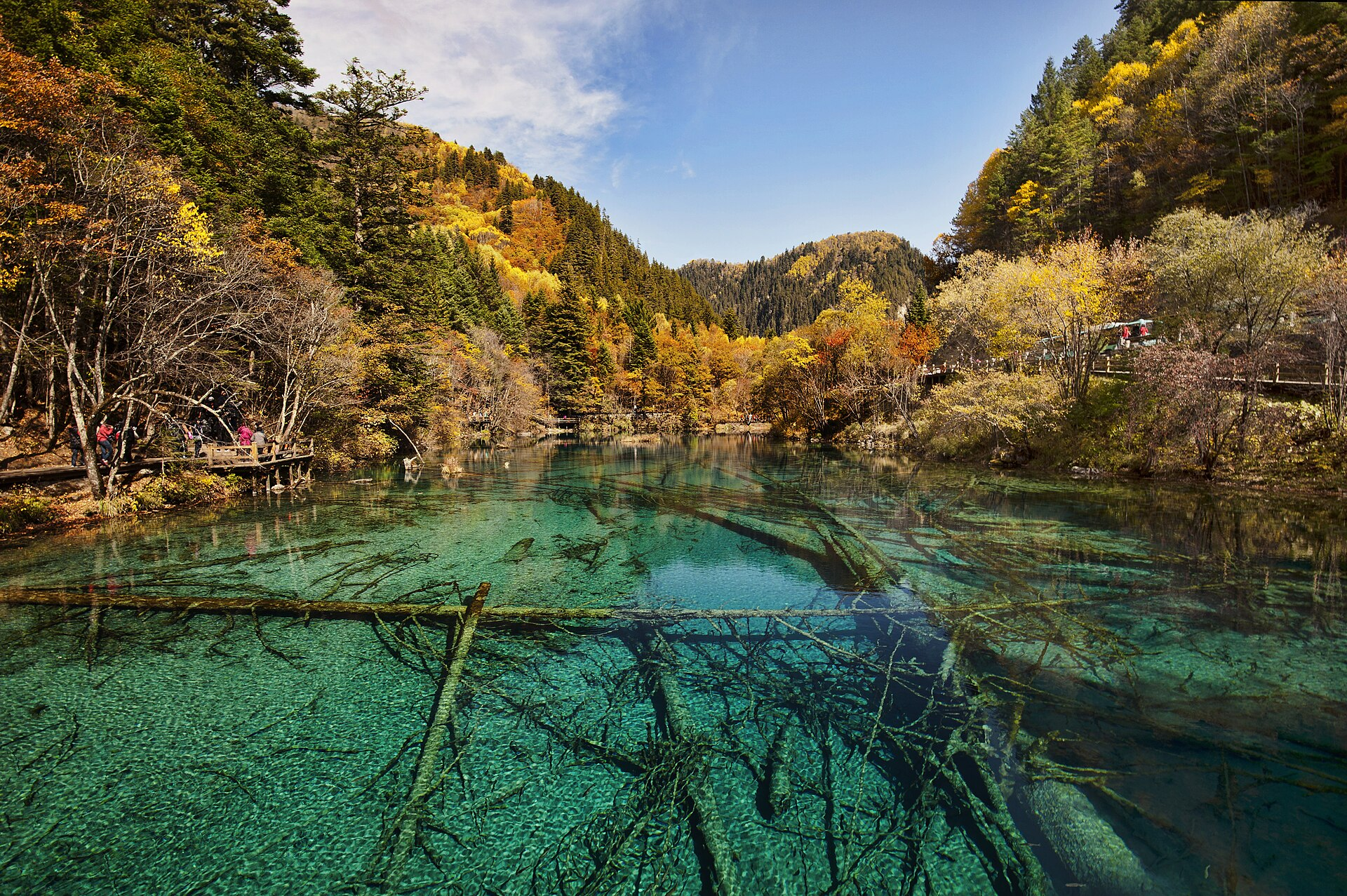
Beyond the famous lakes, this region holds substantial old-growth conifer forest at altitude, home to rare species. The forest is the setting for the water.
Boardwalks wind between the pools and through the trees, and the autumn color against the mineral-blue water is the reason the area is famous. It gets busy. The old growth around Jiuzhaigou is among China’s most striking ancient forest you can readily access.
15. Great Bear Rainforest, Canada
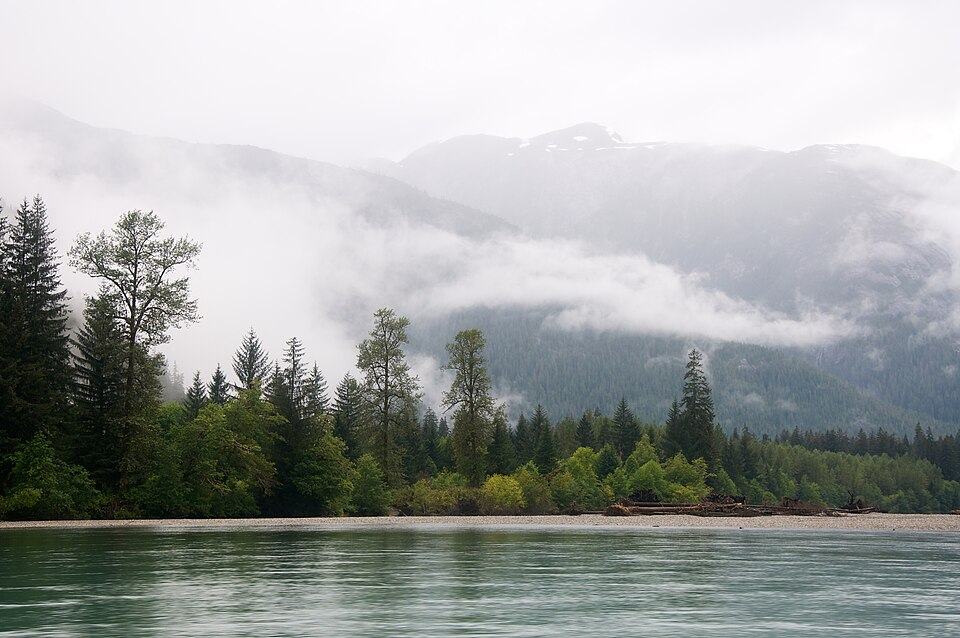
An enormous coastal temperate rainforest along British Columbia, containing ancient cedar and spruce and a famous population of white-coated black bears. It is largely wild.
Access is generally by boat or floatplane with licensed operators, and much of the area is managed in partnership with First Nations. Visits are structured. The Great Bear is one of the largest intact ancient coastal rainforests remaining on the planet.
Standing in Deep Time
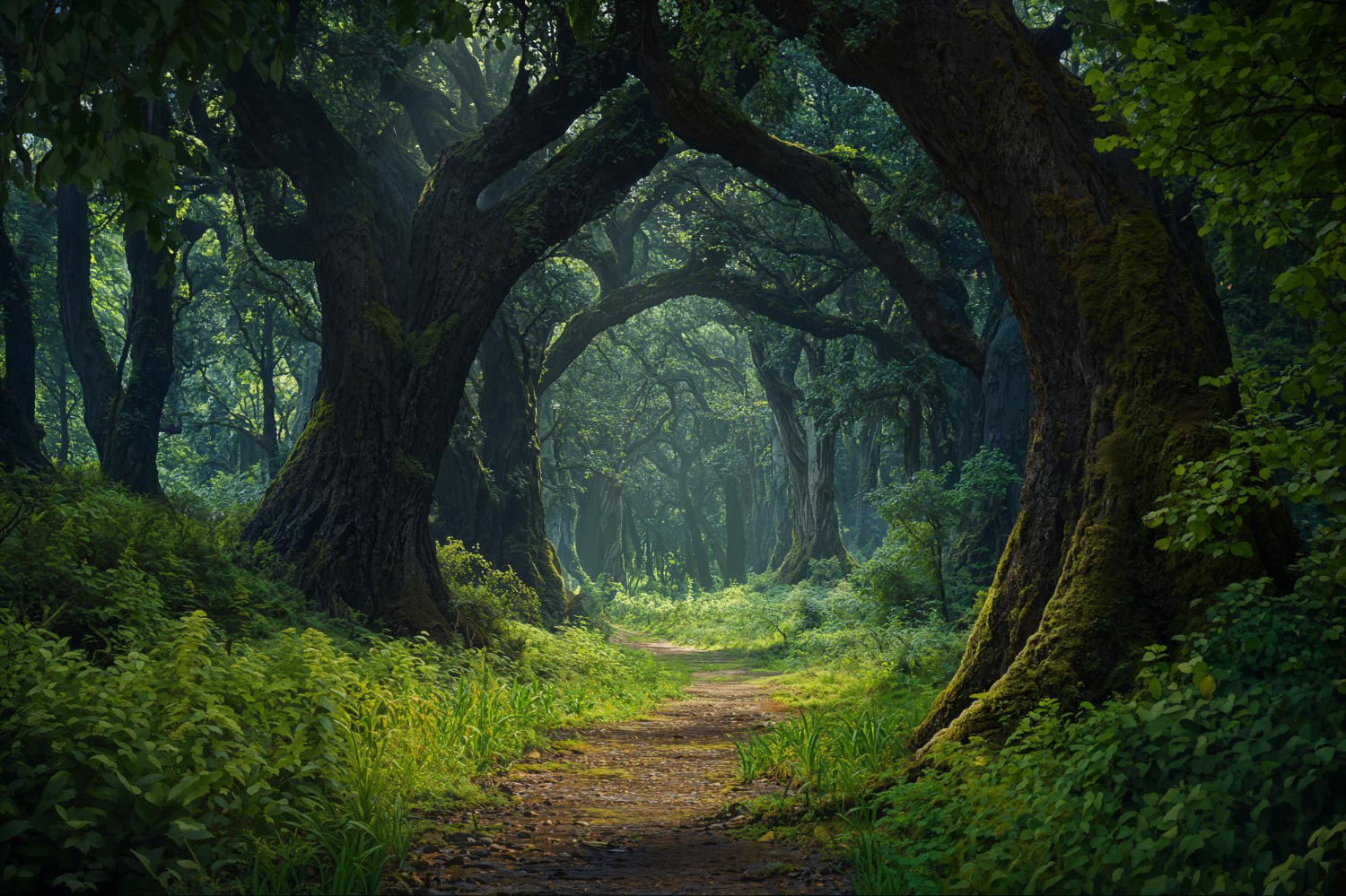
What these forests share is continuity. Fire, farming, and logging have interrupted almost every woodland on Earth, and these places represent the exceptions, where the process simply kept going.
If you visit any of these, the guidance is the same everywhere: stay on the marked trails, follow any cleaning or biosecurity protocols exactly, and use local guides where they are required. These forests survived centuries because they were left largely alone, and the walking is a privilege extended on those terms.
Like our content? Follow us for more.
