National crime data for 2025 shows a fascinating, and frustrating, paradox. While the FBI and independent analysts report that homicides and property crimes are seeing some of their largest year-over-year drops in history, the “feeling of safety” on the ground remains at a breaking point.
Statistics might be trending down, but for residents in these 7 cities, the rise of “high-visibility” crimes, like brazen shoplifting, motor vehicle theft, and aggressive street behavior, has created a atmosphere that feels less safe than it did just a few years ago.
1. Memphis, Tennessee
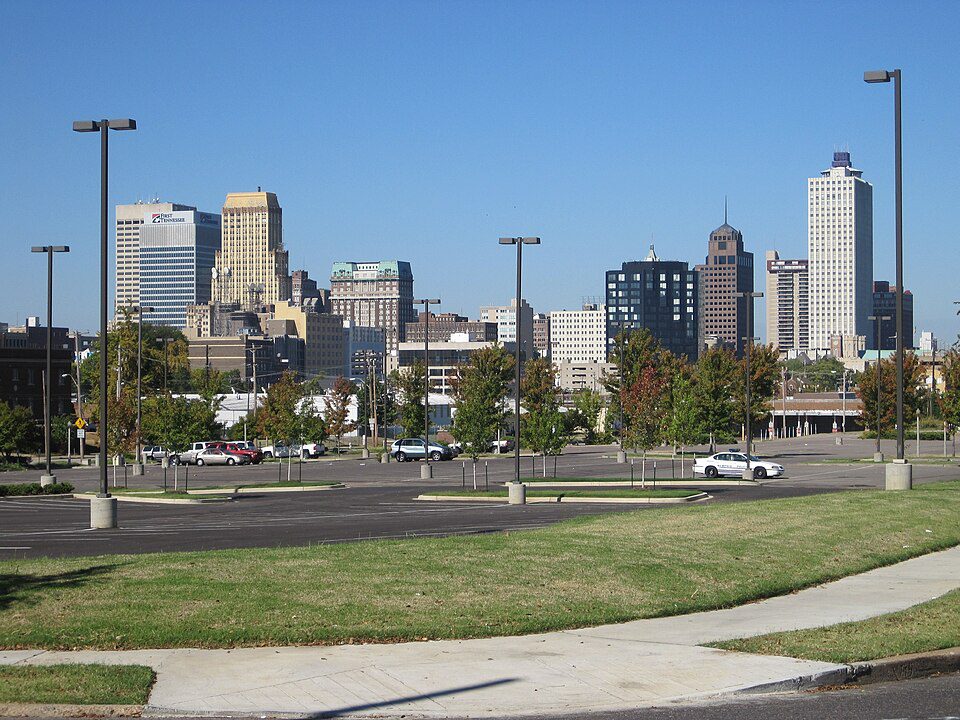
While the nation sees a “murder cliff” (a massive drop in homicides), Memphis remains a stubborn outlier. In 2024 and 2025, Memphis consistently ranked among the top large cities for violent crime. Memphis recorded the highest murder rate among large U.S. cities in late 2024, at roughly 40.6 per 100,000 residents. It’s the “comprehensive” nature of the crime, leading the nation in aggravated assault, larceny, and motor vehicle theft, that makes residents feel like no part of the city is truly off-limits to violence.
2. Oakland, California

Oakland has become the “property crime capital” of the West. While the Oakland Police Department (OPD) shared stats showing a 29% decrease in violent crimes in the first half of 2025, residents say the damage to the “vibe” is already done. Oakland led all medium-sized cities in motor vehicle theft (2,278 per 100,000) and robbery. Locals cite the “bipping” (car break-in) epidemic and the high-profile closures of landmark businesses (like the only In-N-Out in the city) as proof that the city’s “safety floor” has dropped.
3. Seattle, Washington
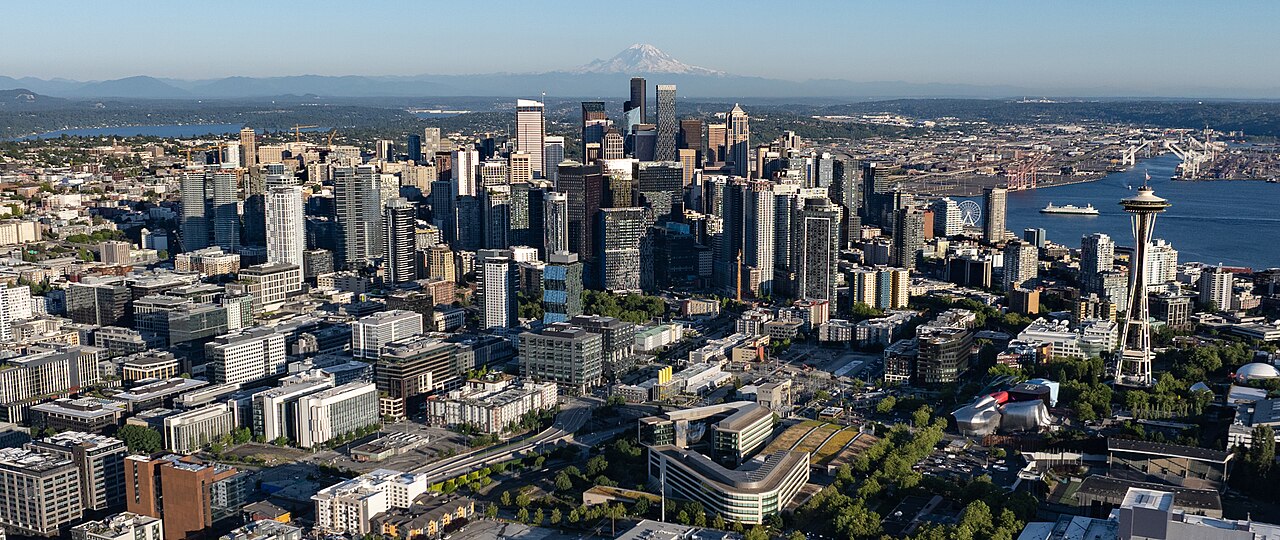
Seattle is a city where property crime has largely replaced violent crime as the primary source of resident anxiety. Seattle recently ranked #1 for burglary rates among large cities, with 1,152 incidents per 100,000 residents. For those living in the downtown core, the “feeling” of safety is tied to the drug crisis. Despite a decrease in homicides, the visibility of open-air drug use and “aggressive solicitation” makes common tourist areas feel like high-alert zones.
4. Washington, D.C.
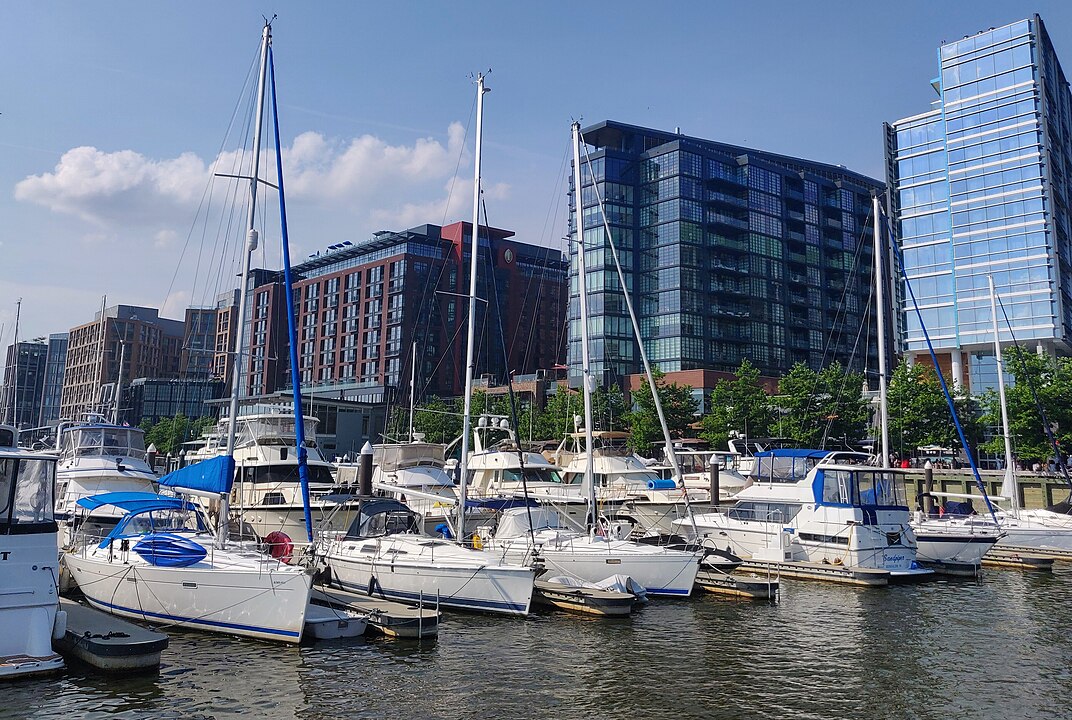
The nation’s capital saw a jarring spike in violence in 2023 and early 2024 that hasn’t quite faded from the public consciousness, even as numbers begin to dip in late 2025. D.C. has maintained one of the highest robbery rates in the country (approx. 438 per 100,000), significantly higher than neighboring cities. The surge in carjackings, often committed by juveniles, has fundamentally changed how residents commute. Locals report a “head on a swivel” mentality that didn’t exist five years ago.
5. St. Louis, Missouri
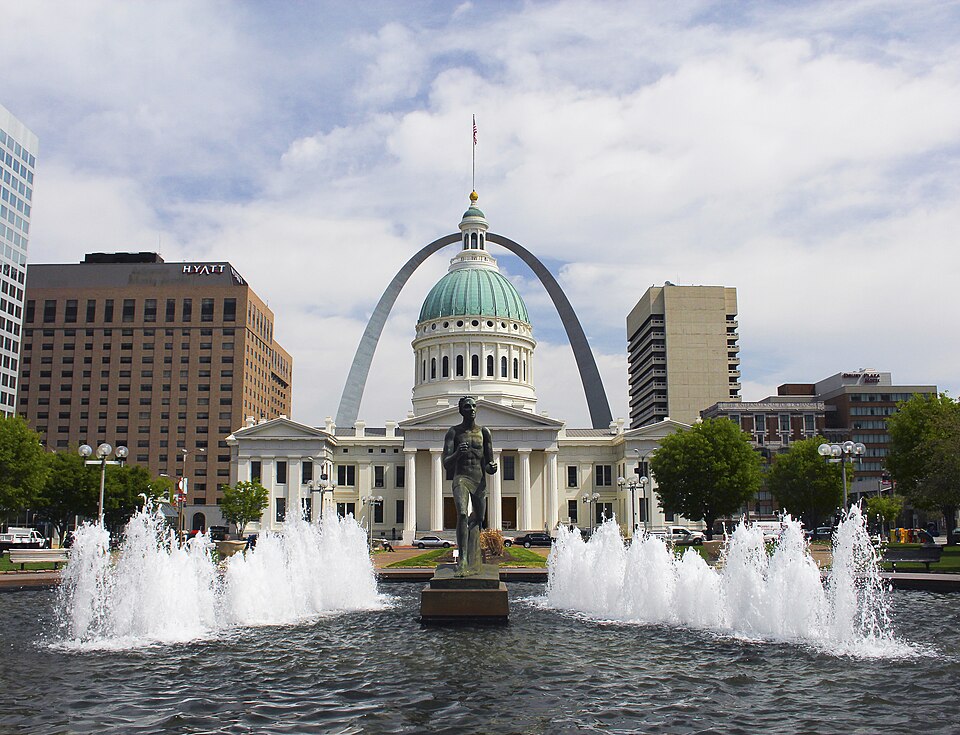
St. Louis has long topped “most dangerous” lists, but it’s the persistence of the stats that wears on locals. Even with homicides falling 22% in early 2025, St. Louis still holds one of the highest murder rates in the country (54 per 100,000). The city’s safety perception is split; while some neighborhoods are revitalizing, residents in others feel “trapped” by cycles of gang violence and a lack of law enforcement resources that make response times feel eternal.
6. New Orleans, Louisiana

New Orleans faces a “split personality” crisis. The French Quarter is heavily patrolled to protect tourism, but just blocks away, the story changes. New Orleans reports a staggering 46 homicides per 100,000 people, the highest among major U.S. cities according to 2024/2025 CDC and FBI samplings. A “New Year’s Day car-ramming” and high-profile shootings in 2025 have kept residents on edge. Many locals say they’ve stopped visiting certain entertainment districts entirely after dark.
7. Little Rock, Arkansas
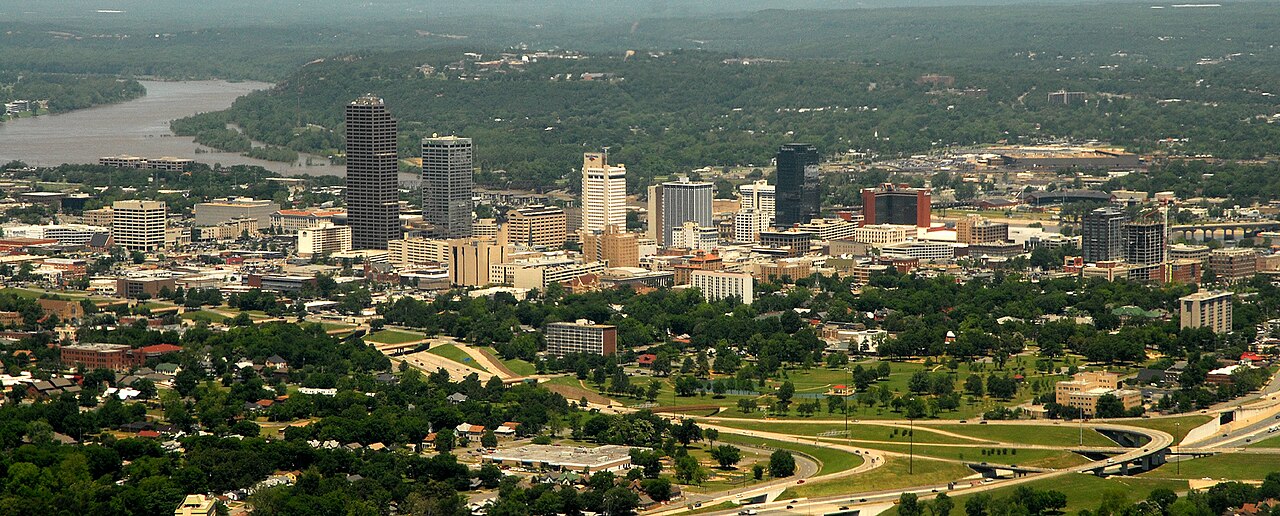
Little Rock is a “mid-sized” city with a “big-city” crime problem that has shocked long-time residents. While the rest of the country saw violent crime drop, Little Rock experienced a 39% increase in homicides between 2024 and 2025, one of the largest percentage jumps in the nation. The rapid escalation of aggravated assaults (1,321 per 100,000) has made residents in previously “quiet” neighborhoods feel that the city’s safety is deteriorating faster than local government can respond.