The American backyard is undergoing a silent regulatory revolution as we enter 2026. What was once considered a standard toolkit in the family garage is being dismantled by a combination of aggressive zero-emission mandates and a record-breaking surge in product safety recalls. As of early 2026, the Consumer Product Safety Commission (CPSC) has already flagged millions of household units for potential hazards, signaling a tougher stance on equipment that has historically contributed to over 26,000 backyard injuries per month. If you own any of the following tools, you may soon find yourself unable to repair them, sell them, or in some cities, even use them without facing steep municipal fines.
Gas-Powered Leaf Blowers Face Statewide Restrictions

Your trusty gas-powered leaf blower is rapidly becoming a relic of the past as cities move to eliminate “Small Off-Road Engines” (SORE). In April 2026, major hubs like Walnut Creek, California, will implement full bans on the operation of gas-powered blowers, following the lead of Portland and Arlington County. These regulations are driven by staggering environmental data; the California Air Resources Board (CARB) notes that operating one commercial gas leaf blower for an hour emits as much smog-forming pollution as driving a car 1,100 miles. While some states like Texas and Georgia have passed laws to protect gas equipment, over 70 municipalities nationwide now have active prohibitions or phase-out plans in place for 2026.
String Trimmers and Weed Whackers Under Scrutiny
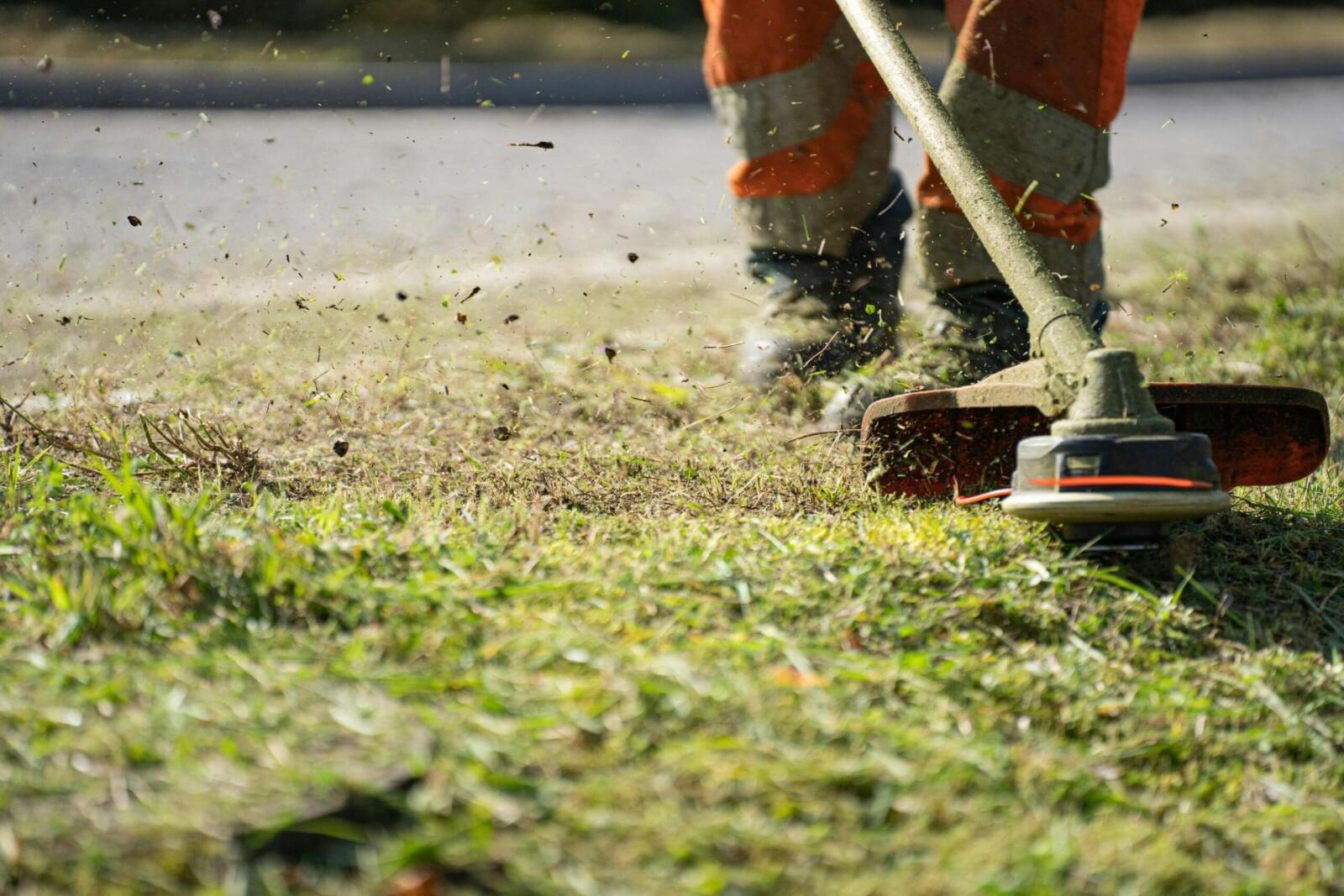
The traditional string trimmer is moving toward a restricted status not just for its emissions, but for its alarming injury profile. Safety reports updated for 2026 highlight that nearly 43% of all weed-wacker injuries involve the head and eyes, often caused by the high-speed plastic line ejecting debris like shrapnel. With approximately 81,000 emergency room visits linked to these tools annually, regulators are pushing for “shield-mandatory” designs that could make older, open-head models illegal to sell on the secondhand market. The risk of deep lacerations and even amputations has placed these tools under a permanent watch by the CPSC.
Small Chainsaws Face Emission and Safety Mandates
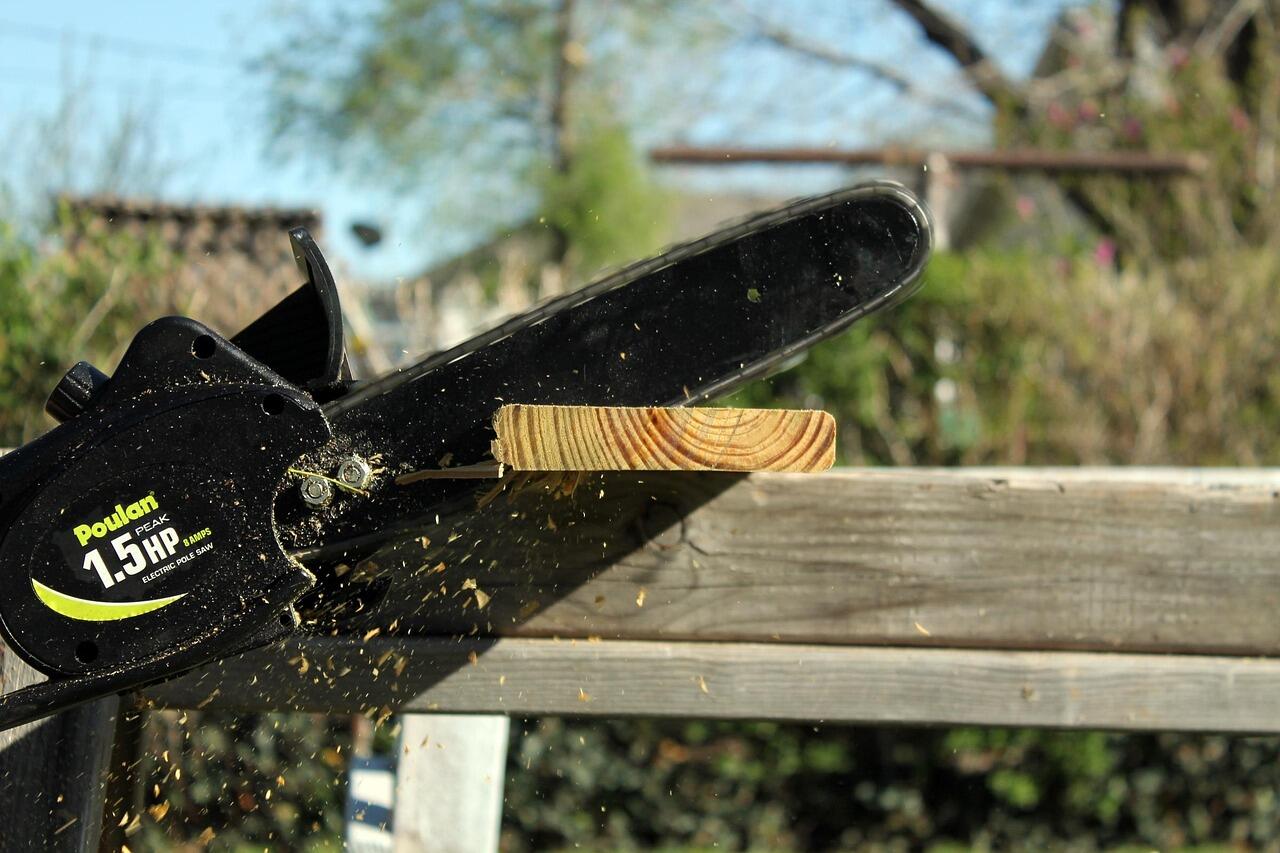
Handy small chainsaws used for backyard pruning are being swept up in the same 2026 environmental crackdown as leaf blowers. Under new Regulation 29 standards in states like Colorado, the use of gas-powered handheld equipment is strictly prohibited during high-ozone summer months. Beyond emissions, the safety requirements for these tools are becoming so stringent that they are increasingly impractical for casual users. New 2026 safety guidelines recommend steel-toed boots, helmets with face shields, and professional-grade ear protection, leading many suburban communities to restrict gas models in favor of quieter, “auto-stop” battery alternatives that reduce the risk of catastrophic lacerations.
Hedge Trimmers Join the Restricted List
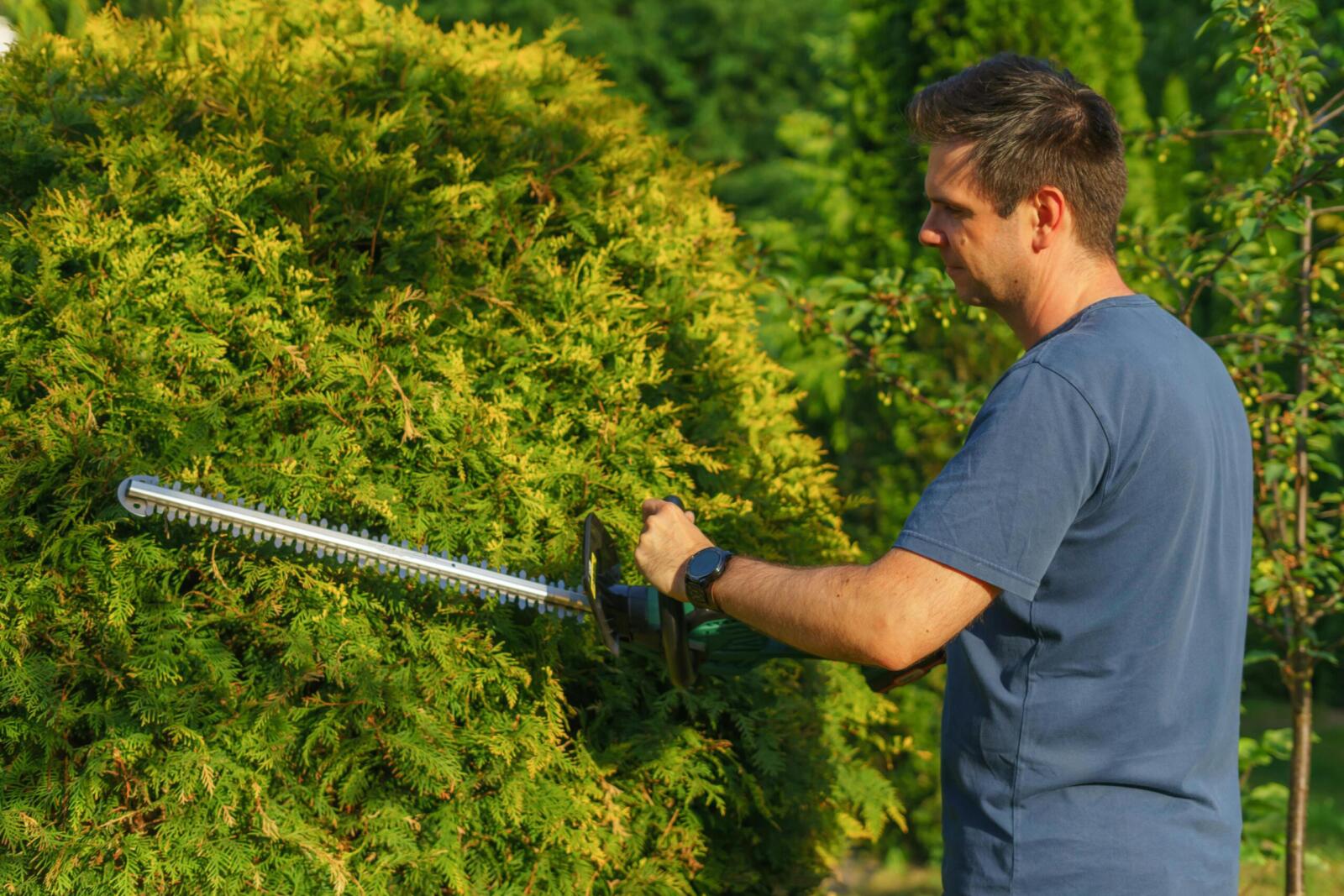
Hedge trimmers have officially joined the list of restricted small engines, with California and several East Coast historic districts banning new gas-powered sales as of 2024 and 2025. These tools are responsible for roughly 18% of all garden-related injuries, often resulting in jagged lacerations that require immediate surgical intervention. Because the medical costs associated with these accidents are so high, insurers and local boards are increasingly favoring electric models which lack the heavy vibration and extreme heat of gas engines, making them safer for the average homeowner to handle without professional training.
Riding Lawn Mowers Facing Safety-Based Restrictions
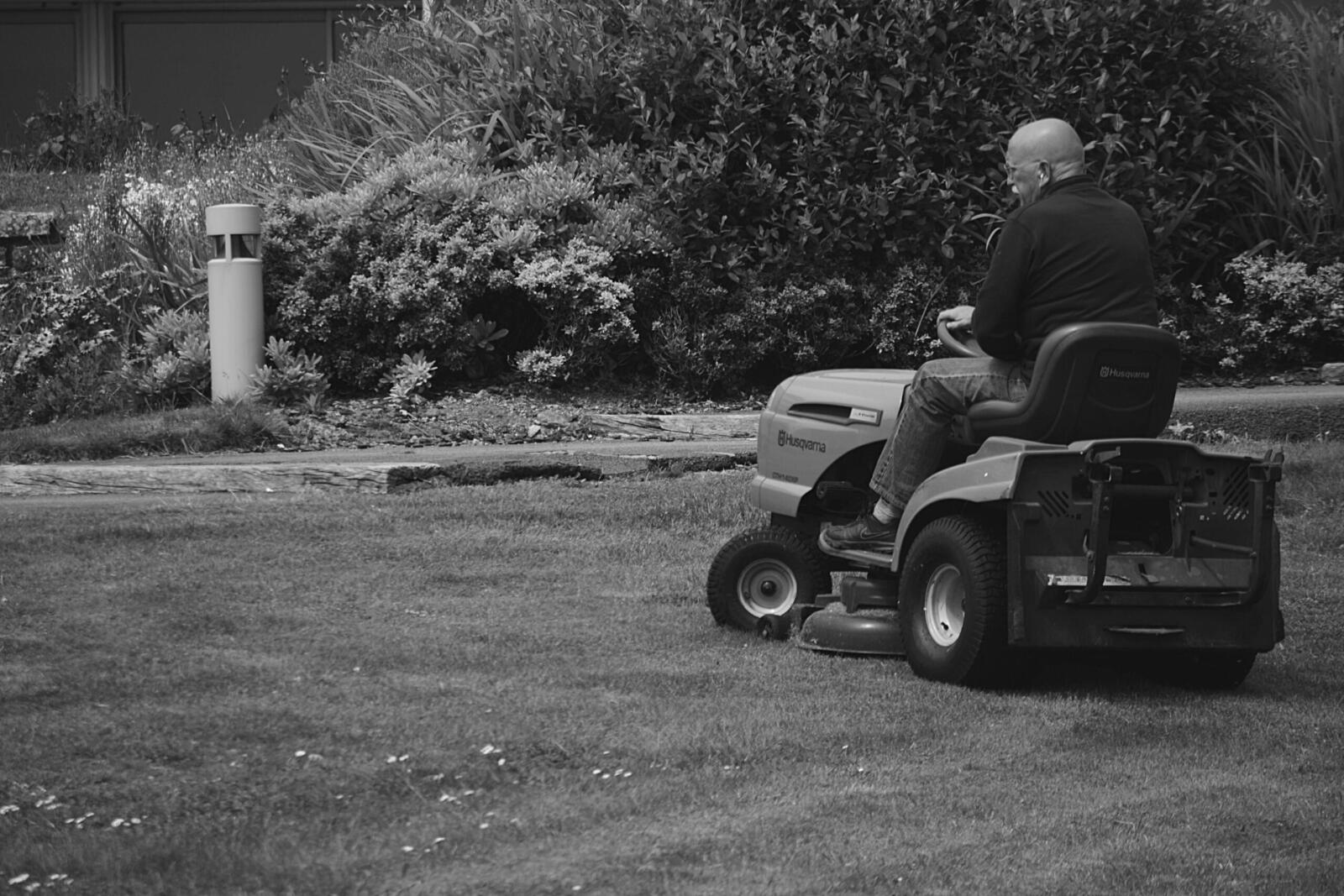
The convenience of riding mowers is being overshadowed by a tragic safety record that has regulators calling for a total redesign. Each year, approximately 75 people are killed and 20,000 are injured on or near these machines, with one out of every five deaths involving a child. A particularly concerning trend is the 800 young children who are run over or backed over each year. In response, safety advocates in 2026 are pushing for a federal mandate to eliminate “Reverse Mowing” capabilities, which would force the removal of override switches that allow the blades to spin while the machine is backing up.
Ladders Top the Backyard Injury Statistics

Surprisingly, the most dangerous tool in the garden shed is the ladder, causing 28% of all backyard injuries—more than any power tool. The American Academy of Orthopedic Surgeons reports that 500,000 people are treated for ladder-related falls annually, with extension ladders being the primary culprit due to incorrect settings. In 2026, the CPSC has intensified its vigilance following massive recalls for structural failures, such as those seen with certain Werner models. Many municipalities are now considering “Safe Use” certifications for certain types of high-altitude ladder work to curb the rising number of fatal falls.
Pressure Washers Under Increased Surveillance
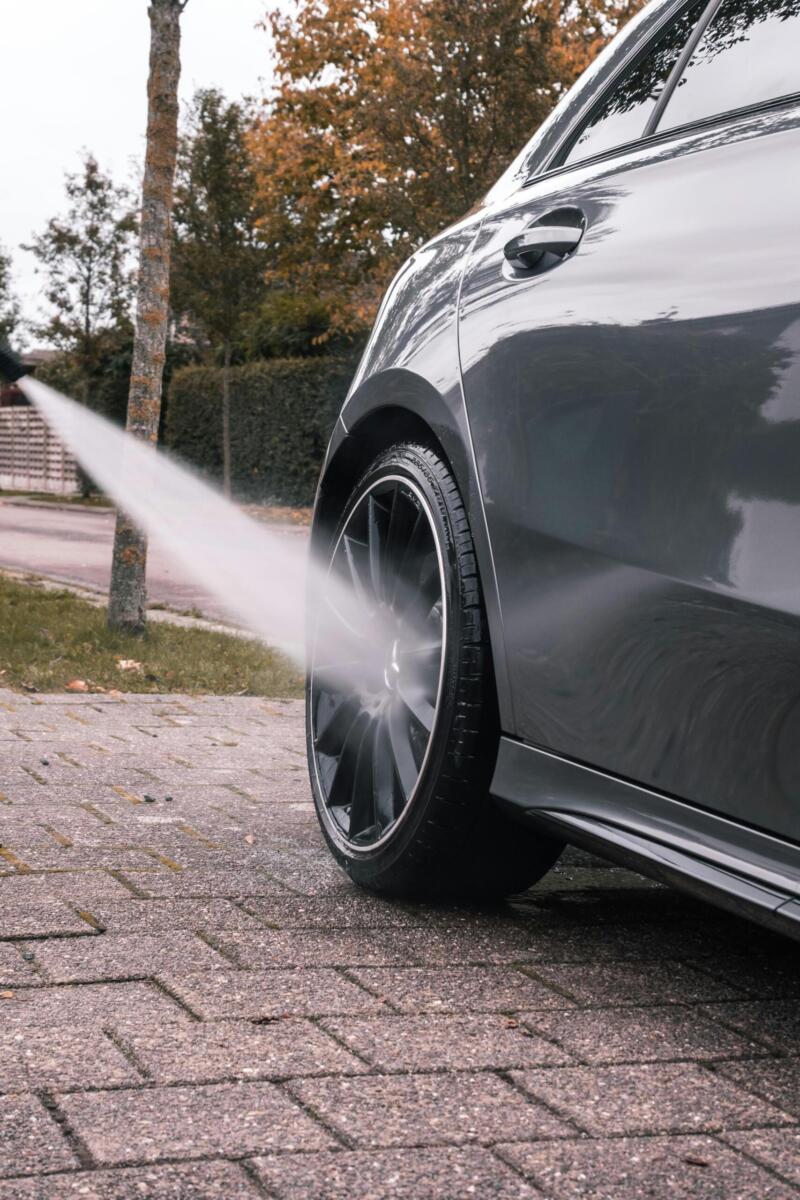
Pressure washers are facing a massive wave of recalls as we move through 2026, with over 760,000 units from major brands like Ryobi being flagged for explosion hazards. The CPSC has warned that internal capacitors can overheat and burst, forcefully ejecting parts and causing serious impact injuries to users. Beyond mechanical failure, the high-pressure water stream itself is responsible for over 20,000 injuries annually, including “injection injuries” where water is forced under the skin. Some Homeowners Associations have already begun restricting their use to specific hours or requiring “Anti-Burst” hose certifications to mitigate property liability.
Pool Equipment and Backyard Fire Features
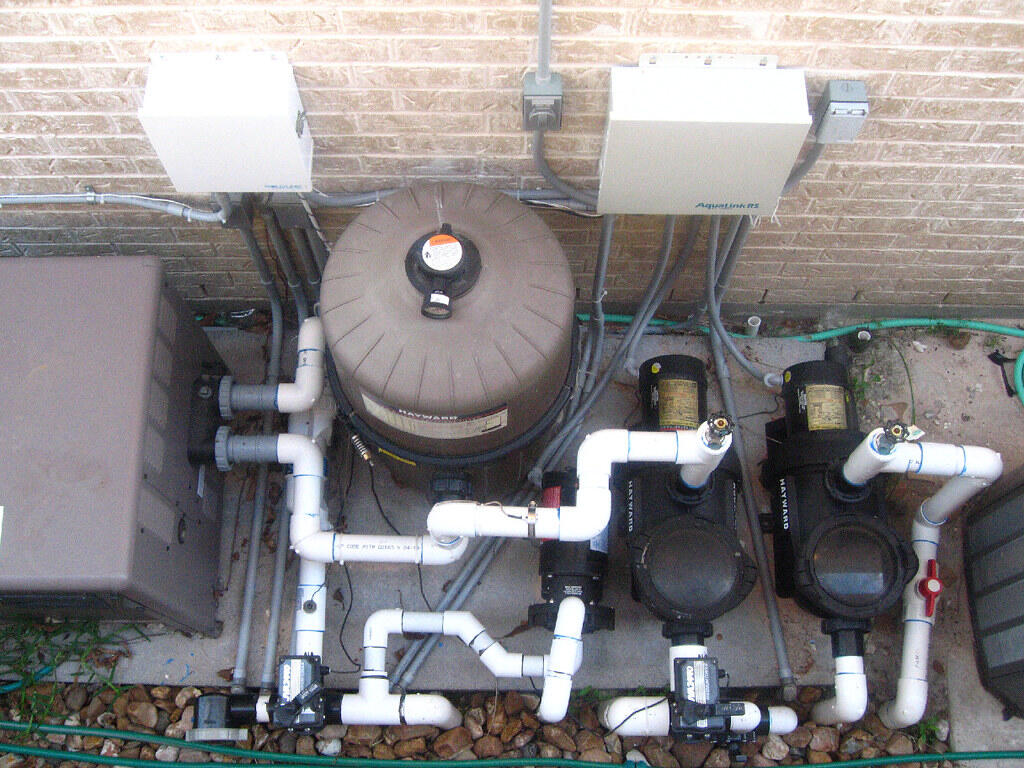
The backyard oasis is facing a major legal overhaul following the 2025 and 2026 recalls of nearly 5 million above-ground pools. A design flaw involving external compression straps created a “foothold” that allowed children to climb into pools unsupervised, leading to nine reported deaths. Simultaneously, permanent backyard fire features are being restricted in drought-prone regions like Colorado and Washington. Many communities now require professional permits for fire pits, mandating 25-foot setbacks from structures and the use of metal spark arrestors. In 2026, temporary portable fire pits may become the only legal option for many homeowners during high-risk fire seasons.