For years, retirees have flocked to specific states under the promise of sun, sand, and significant tax savings. However, the economic landscape of 2026 has fundamentally shifted, and several “tax-friendly” havens are now losing their luster. While many states are lowering income taxes to remain competitive, a hidden surge in property levies, insurance premiums, and localized tax hikes is turning these retirement dreams into financial traps. For those on a fixed income, the “triple threat” of rising taxes, high cost of living, and stagnant infrastructure is making these once-coveted destinations increasingly difficult to justify.
As the 2026 tax season unfolds, data from the Tax Foundation and recent migration studies highlight a disturbing trend: the very states that once welcomed retirees with open arms are now leaning on them to balance ballooning state budgets. From the “insurance cliff” in the South to the “property tax freeze” myths in the North, here are the seven states that realtors and tax experts are now labeling as high-risk zones for retirees.
1. New Jersey: The Undisputed Leader in Outbound Flight

New Jersey has secured the bottom spot on retirement rankings for the eighth consecutive year, primarily due to its crushing tax environment. While the state offers the highest average Social Security income in the nation at over $29,000, that benefit is quickly erased by a top personal income tax rate of 10.75%. Realtors point out that New Jersey homeowners pay an average of $9,767 in property taxes annually (the highest in the country) which often forces retirees to sell their family homes simply to avoid the tax bill.
Despite the state’s attempts to implement “Stay NJ” property tax relief, the cost of living remains 15% above the national average. For many residents, the 2026 tax season is the final straw, with United Van Lines reporting a 62.3% outbound migration rate. The state has essentially become a “wealth exporter,” where retirees spend their working years building equity only to flee to neighboring Delaware or Pennsylvania the moment they stop receiving a paycheck.
2. Florida: The End of the “Zero Tax” Advantage
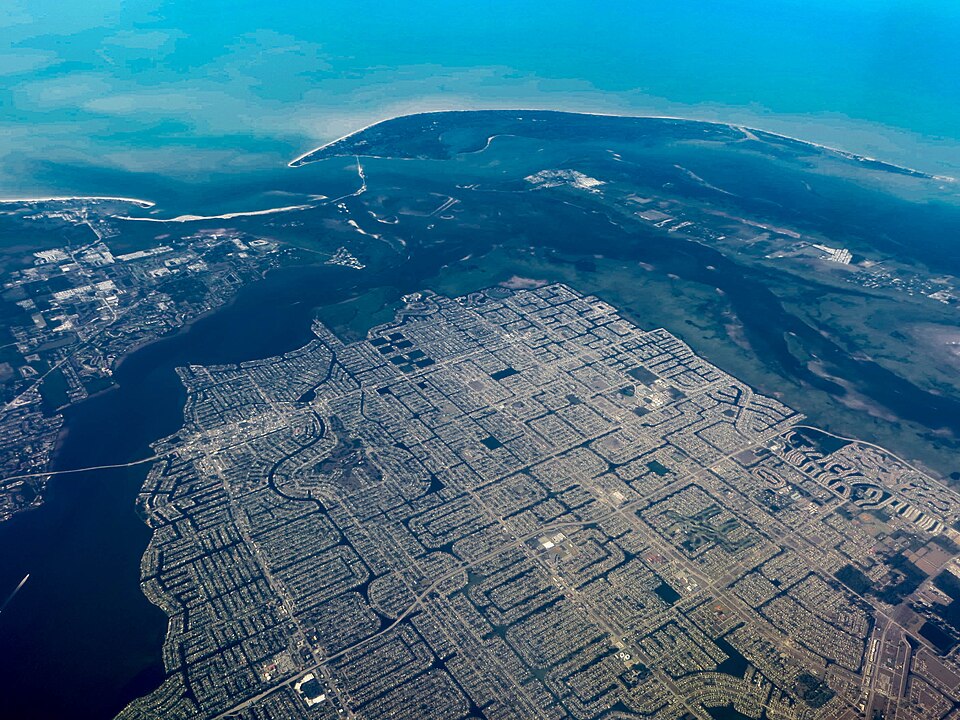
Florida has long been the gold standard for retirement, but in 2026, the “no state income tax” perk is being completely offset by the insurance and HOA crisis. The average homeowners insurance premium in the Sunshine State has hit a record $7,136, a figure that acts as a de facto “property tax” that retirees cannot avoid. Realtors warn that in high-demand areas like Miami and Tampa, these insurance costs are increasing by 10% to 15% annually, far outpacing the 2.8% Social Security COLA for 2026.
Beyond insurance, Florida’s reliance on sales and local taxes to fund infrastructure is hitting retirees at the grocery store and the gas pump. While home prices are projected to dip by 2% to 10% in certain Gulf Coast communities this year, rising HOA fees, which can now exceed $800 a month for luxury condos, are trapping seniors in properties they can no longer afford to maintain. The “Florida Dream” is increasingly becoming a high-cost reality that rivals the very Northern states retirees were trying to escape.
3. Illinois: The $1 Billion Budget Deficit Fallout
Illinois continues to be a “no-go” zone for many realtors due to its systemic financial instability and a projected $1 billion budget deficit for the 2026 fiscal year. To cover this gap, local municipalities are aggressively raising property tax levies, which are already some of the highest in the Midwest. With an effective property tax rate of 2.11%, Illinois homeowners often pay more in taxes than they do in mortgage interest, a ratio that is unsustainable for those on a fixed retirement budget.
The state’s outbound migration remains among the highest in the country as residents flee what experts call the “tax-loss spiral.” While the state does exempt most retirement income from state taxes, the sheer volume of “hidden” taxes, from high sales tax to cellular and utility surcharges, makes the overall cost of living a nightmare. For investors, the fear is that the declining tax base will lead to even higher residential burdens, making Illinois a “dead money” market for real estate appreciation.
4. Texas: The Property Tax Mirage
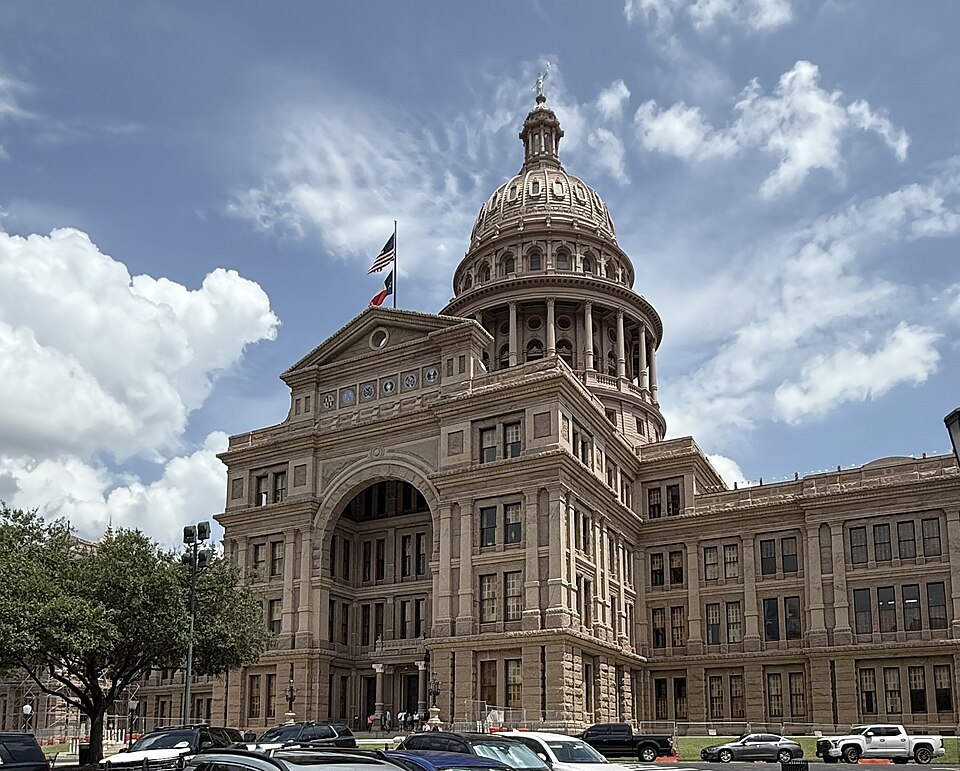
Texas is famous for having no state income tax, but it consistently ranks as one of the most expensive states for property owners. In 2026, even with the newly approved $60,000 senior homestead exemption, many retirees are finding that their tax bills are still climbing due to skyrocketing appraisals. Realtors note that Texas has the seventh-highest property taxes in the U.S., and without a state income tax to fall back on, local school districts are forced to lean heavily on homeowners to fund education.
The “Lone Star” state is also facing a massive infrastructure lag. As more people move to the suburbs of Austin and Dallas, the cost of expanding roads and water systems is being passed down through “impact fees” and special assessment districts. For a retiree, this means that even if your house is paid off, you could be facing a $10,000 to $15,000 annual “rent” payment to the government just to keep your property, leading many to eye a move to lower-tax states like Wyoming or Tennessee.
5. Wisconsin: The 400-Year Tax Hike Controversy
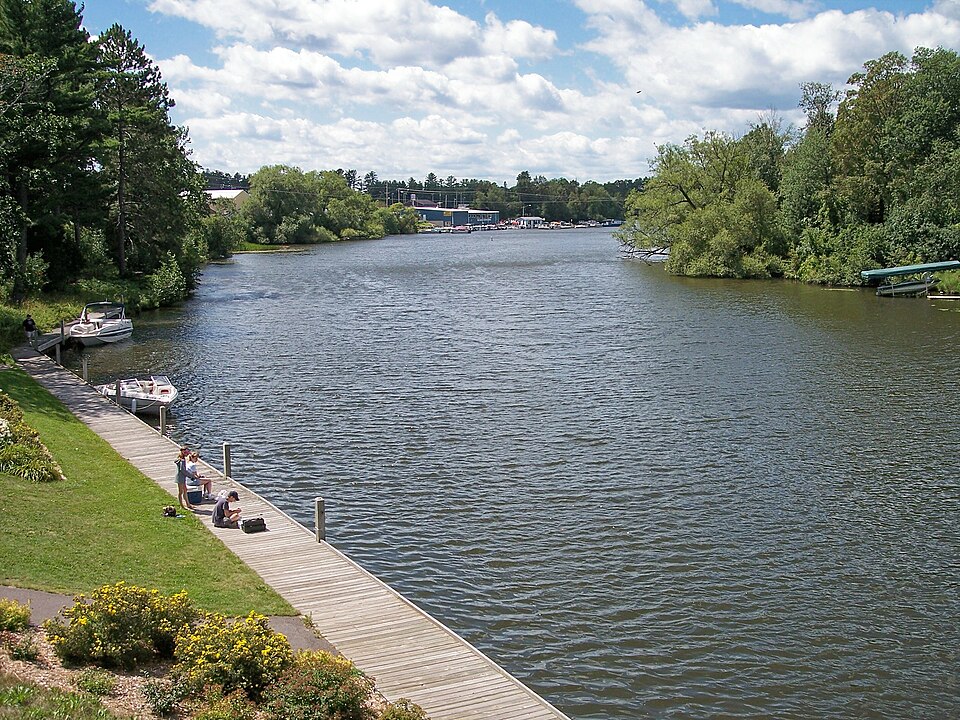
Wisconsin has surged into the “tax nightmare” category following a controversial school-funding provision that critics are calling the “400-year property tax hike.” Under the current administration, certain temporary tax measures were extended into the year 2425, effectively locking in high property tax rates for generations. Wisconsin now ranks alongside New Jersey and Illinois for having some of the highest property tax burdens in the country, a fact that is causing a significant uptick in outbound migration among those over 65.
While Wisconsin offers a lower cost of living than the coasts, its top income tax rate of 7.65% remains a major hurdle for high-income retirees. Realtors report that seniors are increasingly “border-hopping” into Iowa or Indiana, where recent tax reforms have created a more competitive environment. The combination of high income taxes and a permanent property tax hike has made the Badger State a difficult sell for anyone looking to maximize their retirement savings.
6. New York: The Cost of Modernization

New York remains one of the most expensive states in the world to age in, with a cost of living that is 46th in the nation for affordability. While the state offers world-class medical facilities, the “tax on everything” model is driving middle-class retirees toward the Carolinas. Beyond the high state income tax, New York City and its surrounding suburbs impose a complex web of local taxes that can eat up to 40% of a retiree’s discretionary income.
The 2026 tax year has seen a particular spike in “utility taxes” as the state transitions toward more expensive green energy mandates. For a senior living on a fixed pension, the 12% increase in heating and cooling costs, combined with some of the nation’s highest gas taxes, makes New York a financial drain. Realtors are seeing a “cascading exit” where retirees sell their high-value homes in the Hudson Valley to cash out before the tax burden devalues their equity further.
7. Arizona: The Hidden Cost of the Desert Boom
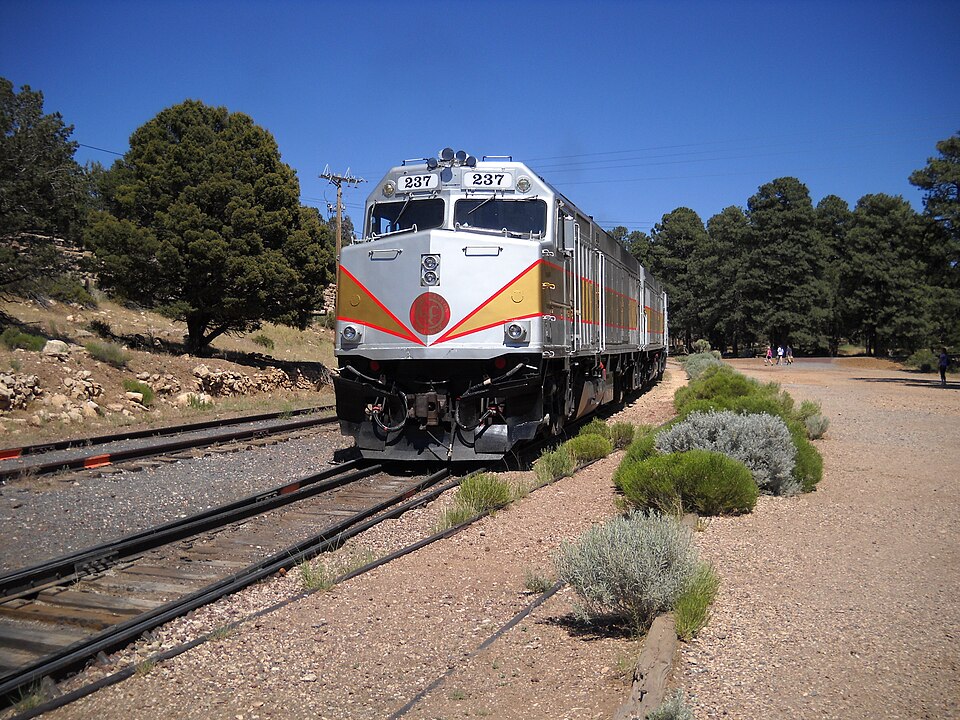
Arizona was once the affordable alternative to California, but the 2026 data shows that the “discount” has disappeared. While the state recently moved to a flat income tax of 2.5%, the cost of essential services is skyrocketing. A permanent groundwater moratorium in the Phoenix area has caused water utility rates to jump by 20% in some municipalities, a cost that hits retirees especially hard during the 110-degree summer months when water and power usage are at their peak.
Realtors also warn about the “Infrastructure Surcharge” being applied to new developments. Because Arizona’s growth has outpaced its budget, many retirement communities are being hit with special assessments to pay for new roads and sewage plants. When you factor in the 18% cut in Colorado River water allocations for 2026, the long-term cost of living in the desert is becoming a significant liability. Retirees who moved for the “cheap” lifestyle are now finding themselves in a high-maintenance environment where the taxes are low, but the cost of survival is high.