For decades, one of the most widely shared pieces of travel advice has been that Tuesday at midnight is the magic window for snagging the lowest airfares. The theory suggested that airlines would release their discounted seats early in the week and that by purchasing at a specific hour, travelers could save hundreds of dollars. While this might have held a grain of truth in the era of manual fare updates and weekly cycles, former airline pricing analysts reveal that this “hack” is now entirely obsolete. Today, the industry relies on sophisticated algorithms that adjust prices in real-time, making the specific day of the week you click the purchase button almost irrelevant to the final price you pay.
The Shift to Algorithmic Pricing Models

Modern airline pricing is governed by complex revenue management systems that process millions of data points every second. These algorithms consider competitor pricing, historical demand, remaining seat capacity, and even local events at the destination. Because these systems are automated and operate twenty-four hours a day, the idea of a weekly “release” of cheap seats is a relic of the past. Former industry insiders explain that prices can now fluctuate dozens of times in a single day based on how many people are searching for a specific route. Consequently, waiting for Tuesday to arrive can often backfire, as the seats you were watching may be snatched up by other travelers while you wait for a mythical deadline.
When You Fly vs When You Buy
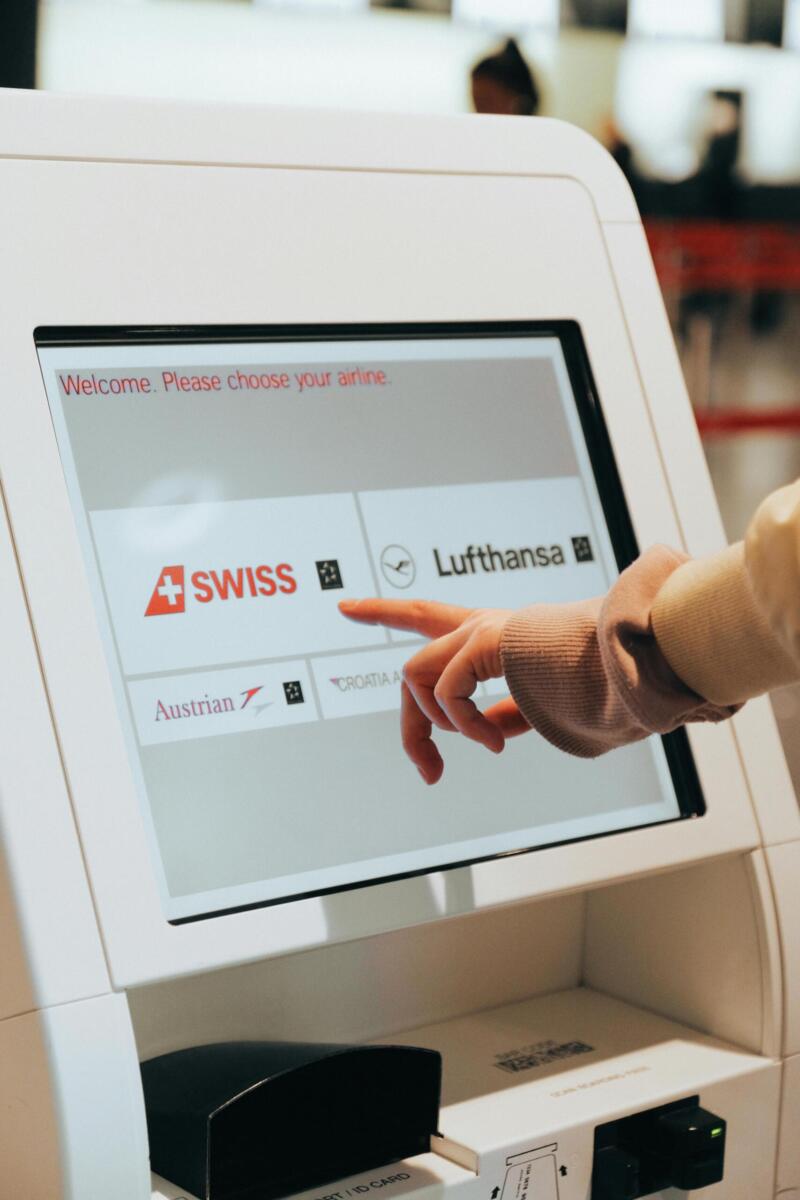
The common confusion surrounding the Tuesday myth often stems from the difference between the day you book the flight and the day you actually travel. While the day you purchase the ticket rarely impacts the price, the day you choose to fly remains a massive factor in cost. Data consistently shows that mid-week flights—typically Tuesdays and Wednesdays—are cheaper because they avoid the peak demand of business travelers on Mondays and leisure travelers on Fridays and Sundays. Industry experts note that many travelers mistakenly apply the “mid-week is cheaper” rule to their booking habits rather than their travel dates, leading to the persistent but false belief that Tuesday is the best time to shop.
The Illusion of Tracking and Cookies

Another layer of the booking myth involves the idea that airlines use browser cookies to track your interest and hike prices if you return to the site. Many “experts” suggest that booking on a Tuesday in an incognito window is the ultimate way to beat the system. However, former web developers for major carriers reveal that this is largely a psychological illusion. Prices rise because the “fare bucket” or the specific set of seats at a lower price point has sold out to other shoppers, not because the site is targeting you personally. By the time Tuesday rolls around, those lower-priced buckets are often already gone, proving that timing the market is far less effective than simply booking when you find a price you can afford.
Why Booking Windows Matter More Than Days

If the day of the week is a myth, the “booking window” is the reality that travelers should actually focus on. Airline insiders suggest that for domestic flights, the sweet spot for the lowest fares is usually between one and three months before departure. For international travel, that window extends to six months. Within these periods, prices will fluctuate based on demand, but the day of the week you choose to finalize the transaction has no statistical impact on the fare. The most successful travelers are those who set price alerts and act when the price drops, rather than adhering to an outdated schedule that the airlines’ high-speed computers moved past years ago.