Deserts are the landscapes that most reliably stop people in their tracks, partly because emptiness at that scale is hard to prepare for. They are also far more varied than the word suggests. Here are fourteen worth knowing about.
1. Sahara, North Africa
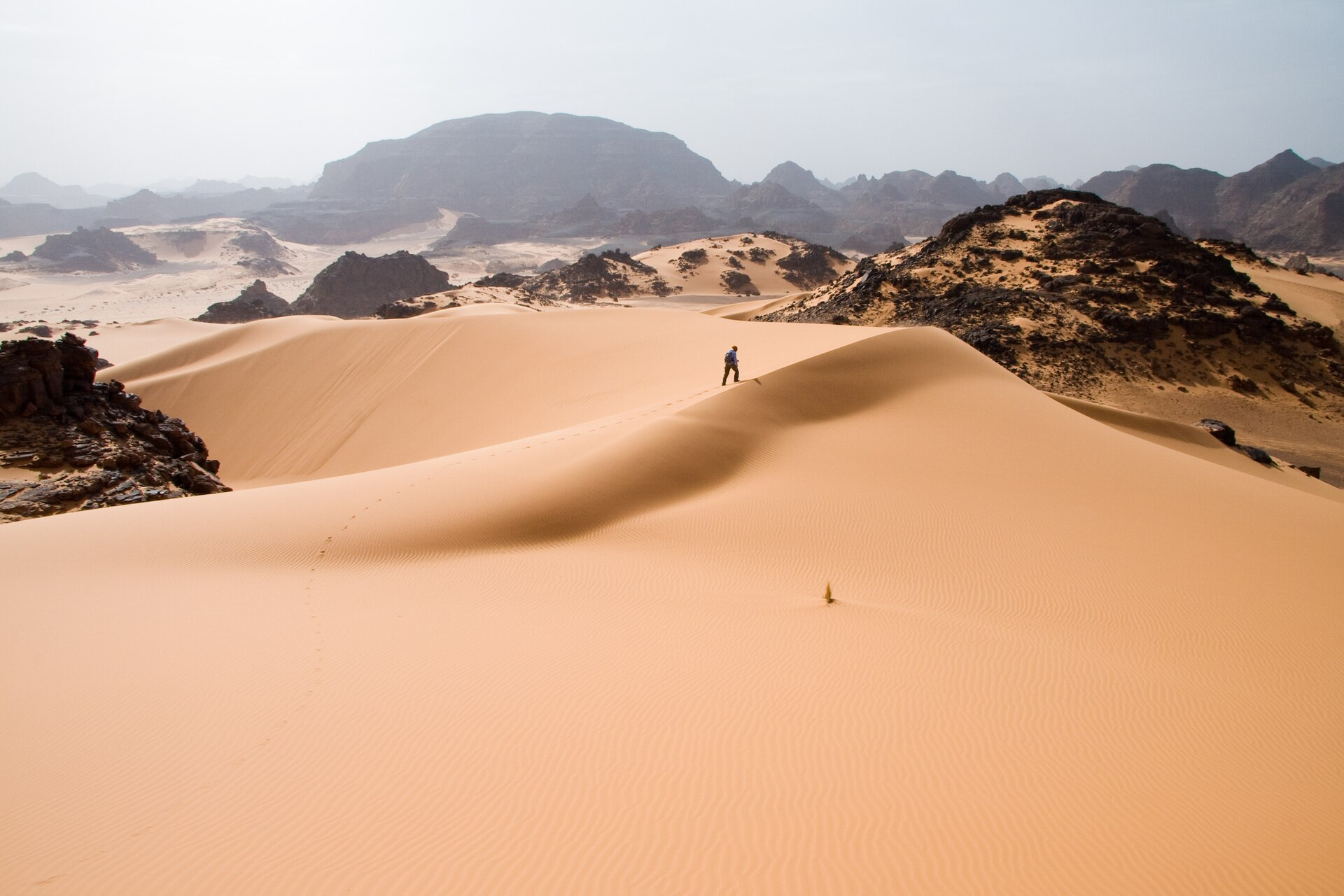
The largest hot desert on Earth, stretching across the northern third of Africa and covering an area comparable to the United States. It is far more varied than its reputation.
Only a minority of the Sahara is sand dunes; much of it is rock plateau, gravel plain and mountain, including peaks high enough to see snow. Camel caravans still cross parts of it. The Sahara is the desert everyone pictures, and almost nobody pictures accurately.
Like our content? Follow us for more.
2. Atacama, Chile
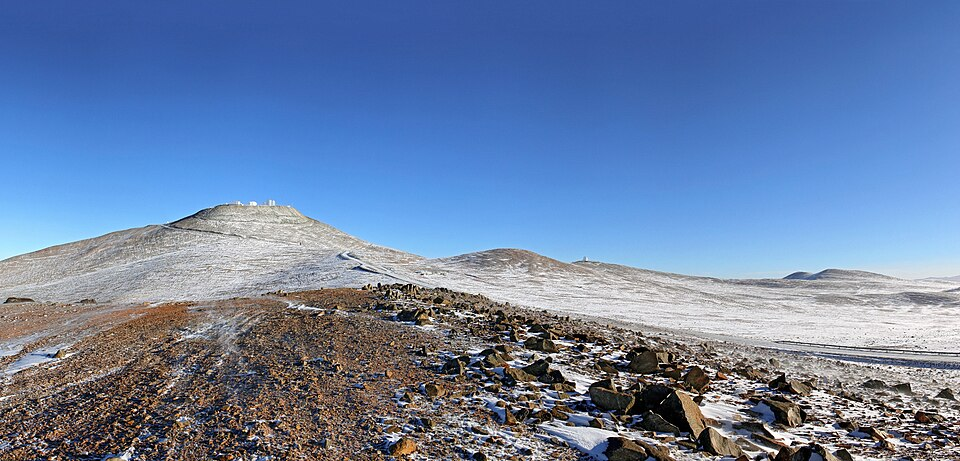
Widely described as the driest non-polar desert in the world, with some weather stations having recorded no meaningful rainfall across long stretches. The air is extraordinarily clear.
That dryness and altitude make it one of the planet’s premier sites for astronomy, and the landscape of salt flats, geysers and rust-colored valleys draws visitors year-round. Occasionally it flowers. The Atacama is the desert so dry it is used as a stand-in for Mars.
3. Namib, Namibia
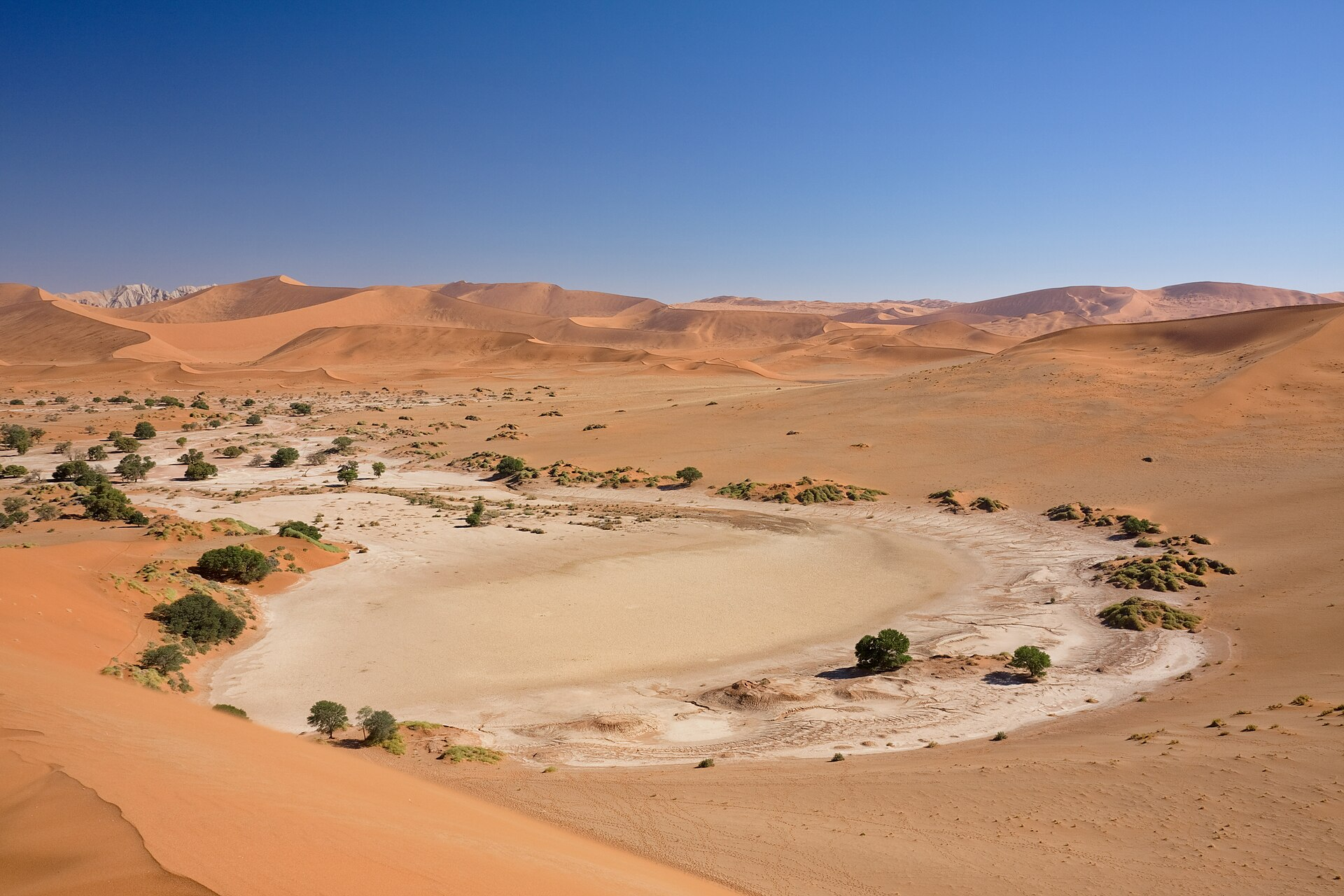
Possibly the oldest desert on Earth, running along the Atlantic coast of southern Africa, where enormous red dunes meet the sea. Fog rolling in off the ocean sustains life here.
The dunes at Sossusvlei are among the tallest anywhere, rising in deep orange ridges against pale clay pans, and a stretch of the coastline is named for the shipwrecks the fog has caused. The Namib is the desert where the dunes run straight into the ocean.
4. Gobi, Mongolia and China
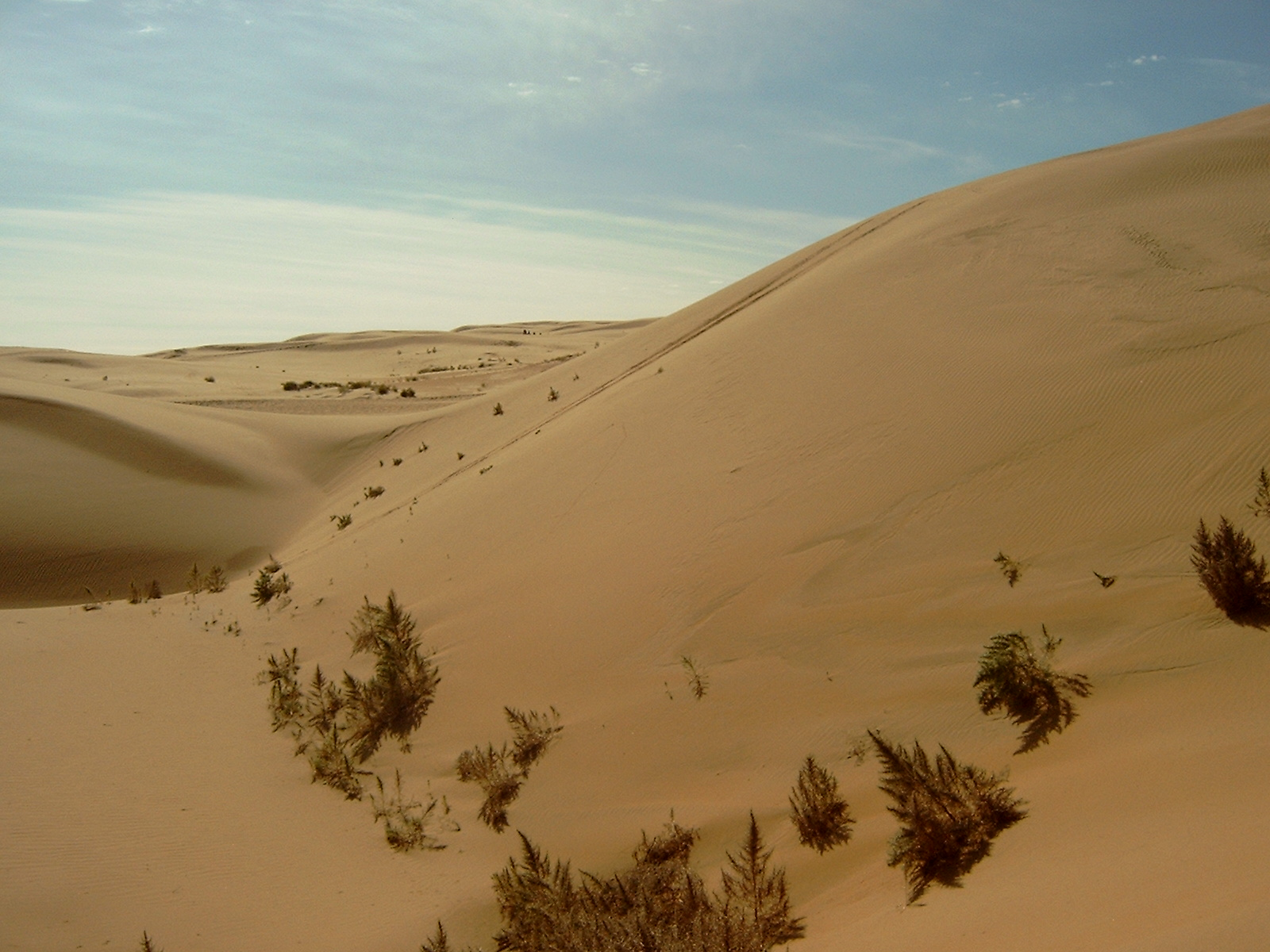
A vast cold desert of rock and gravel across southern Mongolia and northern China, where temperatures swing violently between seasons. Snow can fall on the dunes.
It is famous among palaeontologists for dinosaur fossils, including nests of eggs, and travelers stay in traditional round felt tents with herding families. Distances are enormous. The Gobi is the desert that gets truly cold, which surprises most first-time visitors.
5. Antarctic Polar Desert
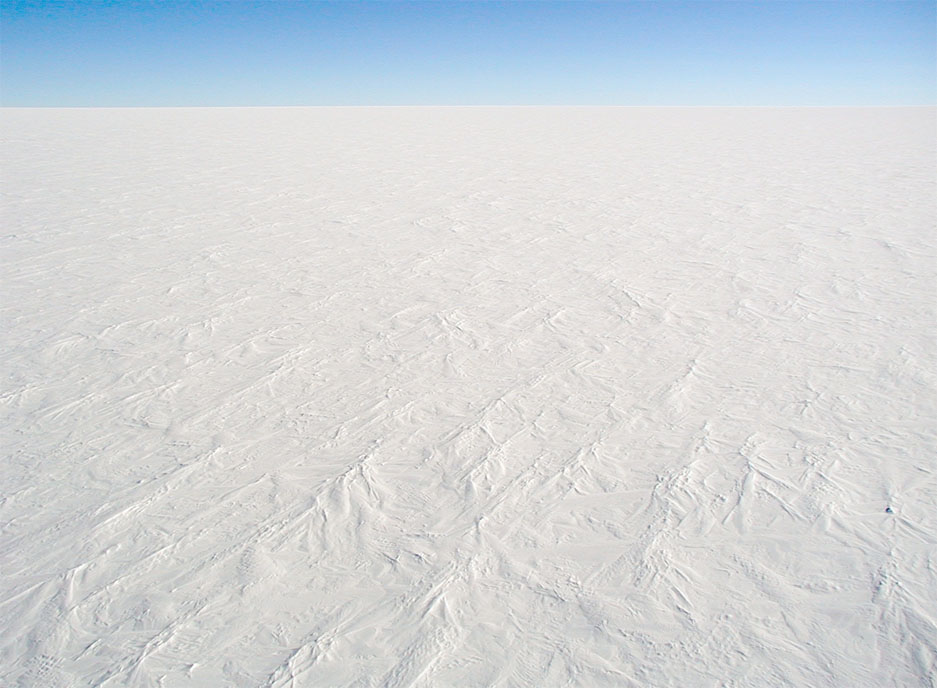
The largest desert on Earth is not hot at all. Antarctica receives so little precipitation that it meets the definition comfortably, making it a desert of ice rather than sand.
Some interior valleys have been essentially free of ice and rain for a very long time and are used to study conditions comparable to Mars. Almost nothing lives there. Antarctica is the desert that breaks everyone’s mental definition of the word.
6. Wadi Rum, Jordan
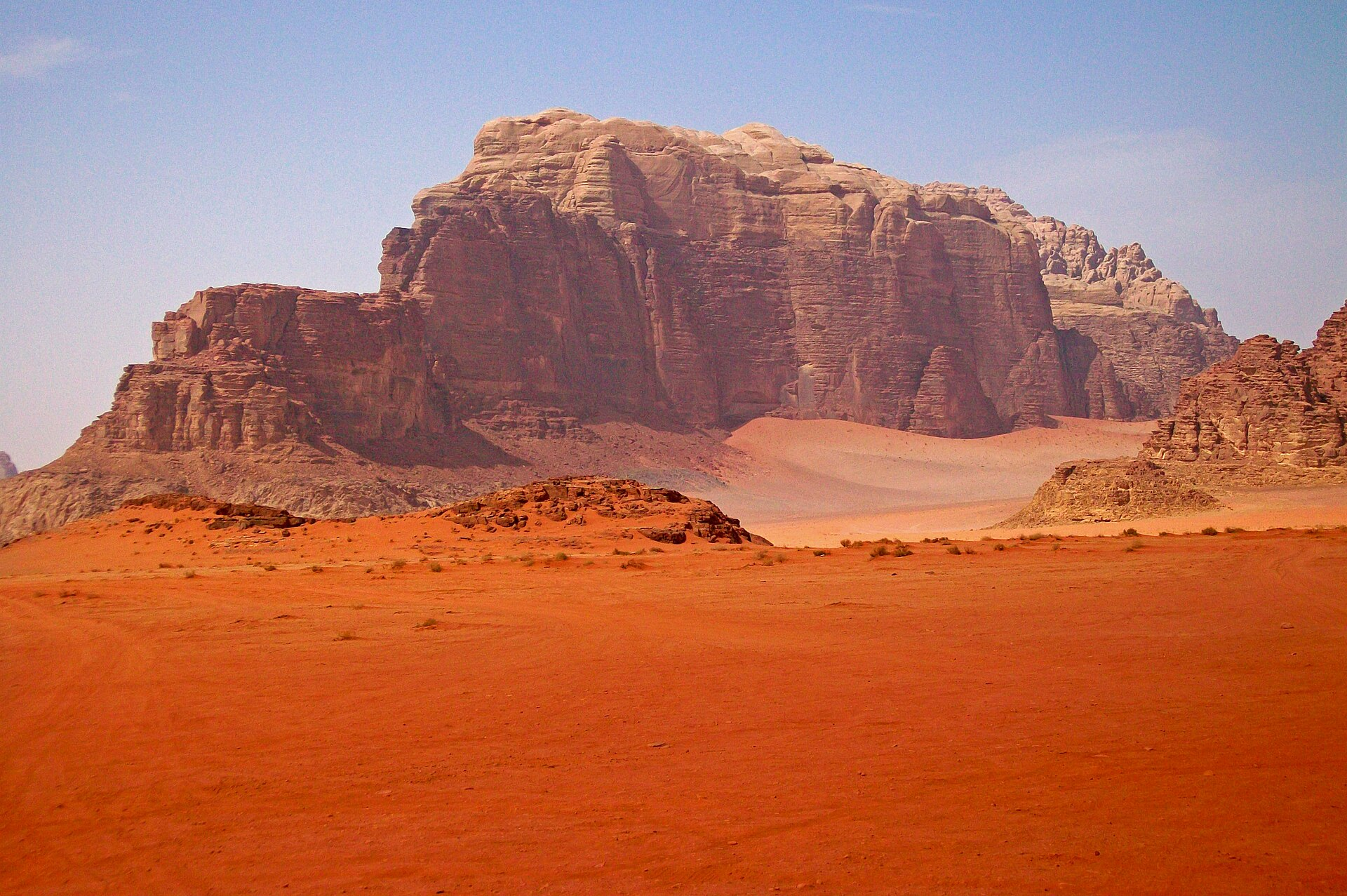
A landscape of sandstone and granite towers rising abruptly from red sand, in southern Jordan. It has stood in for other planets in film repeatedly.
Visitors travel by four-wheel drive and camel with Bedouin guides and stay in desert camps, and the rock formations, natural arches and ancient inscriptions are the draw. Sunset is remarkable. Wadi Rum is the desert that most reliably looks like somewhere off Earth.
7. Kalahari, Southern Africa
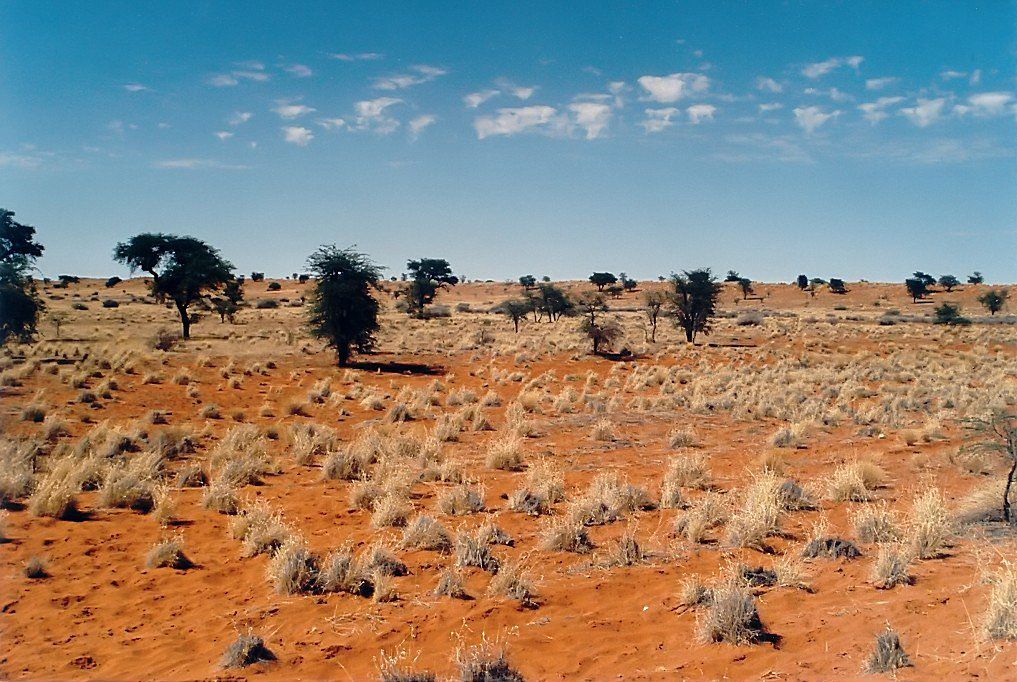
A vast semi-arid sand basin spanning Botswana, Namibia and South Africa, far greener than most deserts and supporting substantial wildlife. It is sand, but not barren.
The Central Kalahari holds one of the largest protected areas in the world, and seasonal rains transform parts of it into grazing land that draws enormous herds. The San have lived here for millennia. The Kalahari is the desert that looks least like one for much of the year.
8. Sonoran, USA and Mexico
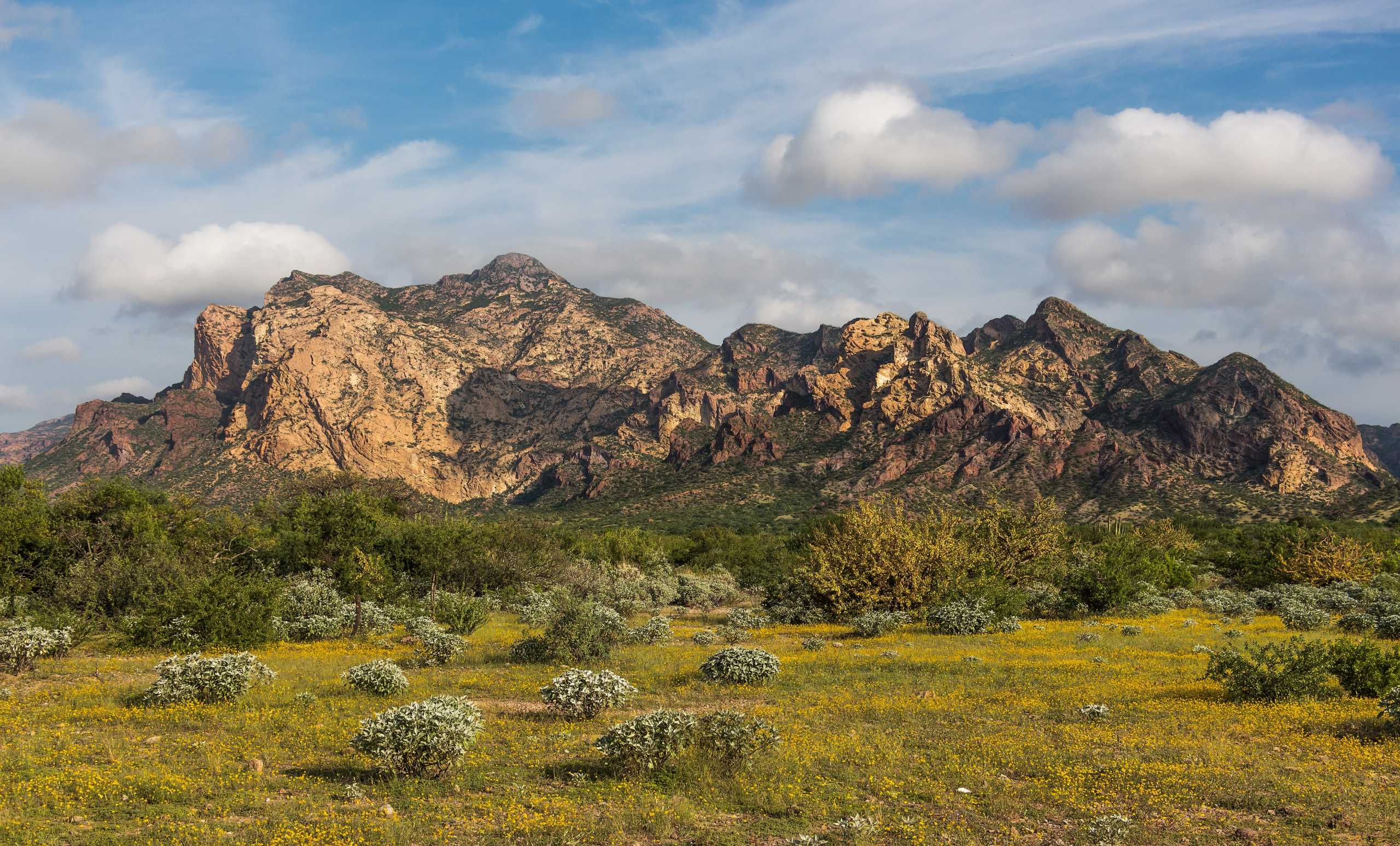
Spanning Arizona, California and northwestern Mexico, this is among the most biologically rich deserts anywhere, and the only place the giant saguaro cactus grows wild.
Two rainy seasons support an unusual density of plants and animals, and the spring wildflower blooms after a wet winter can be spectacular. It is easily accessible. The Sonoran is the desert that proves dry land can be crowded with life.
9. Taklamakan, China
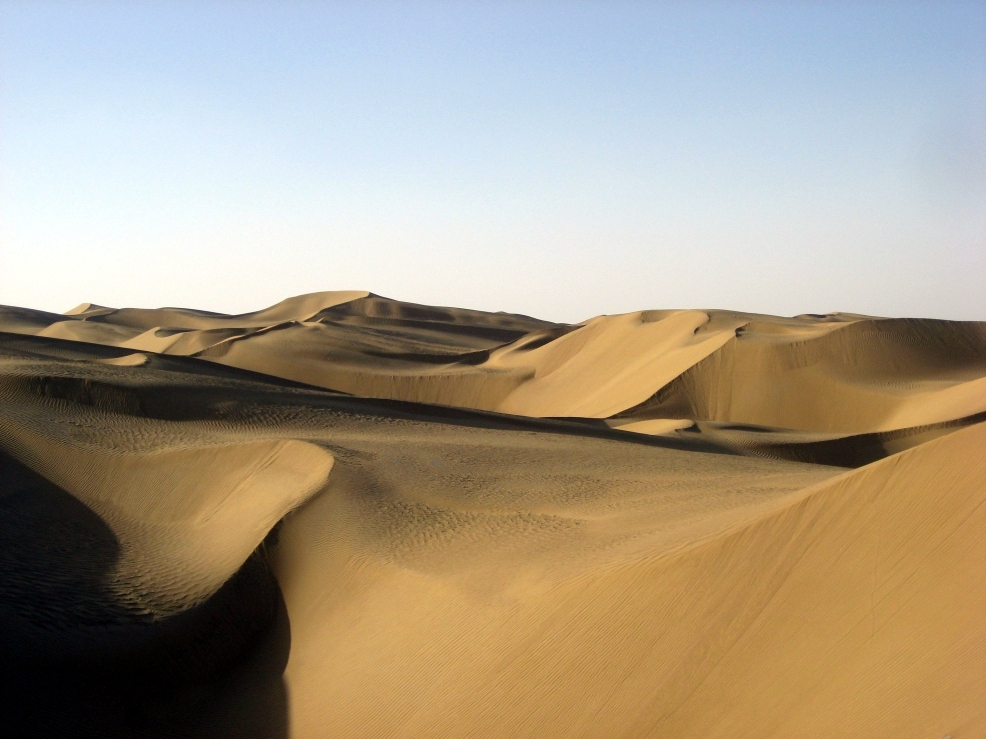
A vast sand desert in northwestern China, ringed by mountains, historically skirted rather than crossed by Silk Road caravans that followed oasis routes around its edges.
Its dryness has preserved remarkable archaeology, including textiles and human remains, and the shifting dunes have buried and revealed ancient settlements repeatedly. It is formidably remote. The Taklamakan is the desert that travelers spent centuries deliberately going around.
10. White Sands, New Mexico, USA
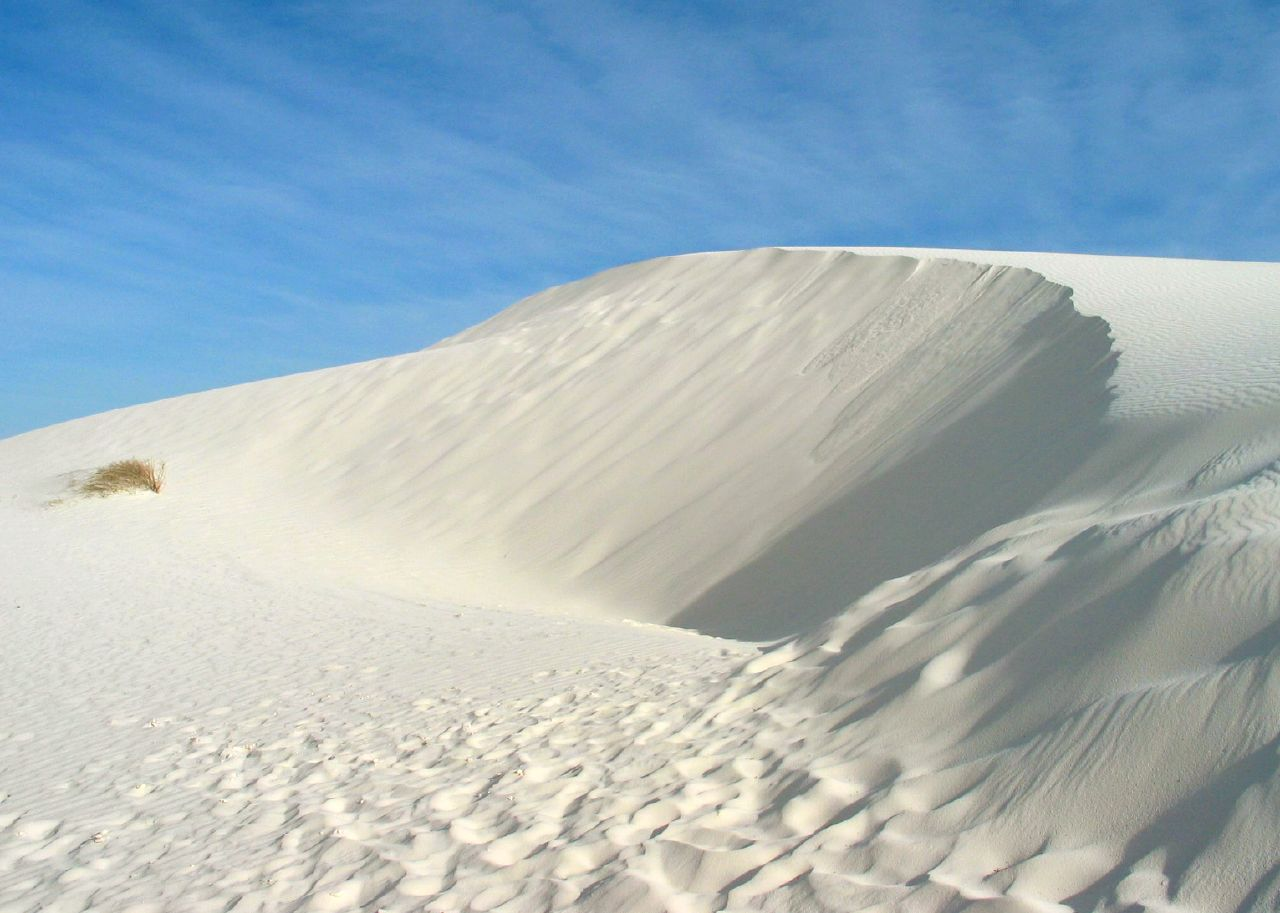
A field of brilliant white gypsum dunes covering a large basin in southern New Mexico, unlike ordinary sand in both color and composition. The gypsum stays cool underfoot.
Because gypsum is normally dissolved and carried away by water, dune fields like this are rare, and this is by far the largest. Visitors sled down the slopes. White Sands is the desert made of a mineral that usually cannot survive on the surface.
11. Mojave, USA
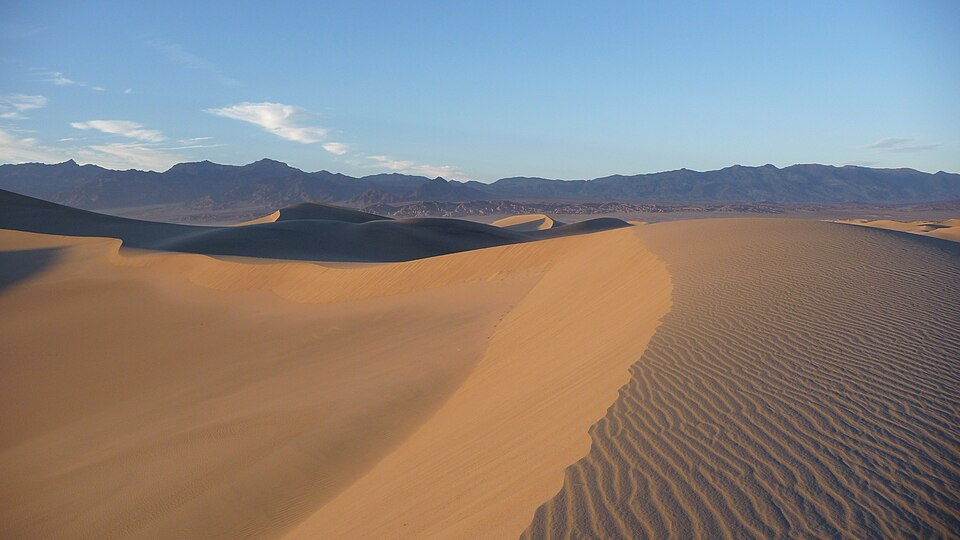
The driest desert in North America, spanning parts of California, Nevada, Utah and Arizona, and home to the Joshua tree, which grows wild nowhere else.
It contains dramatic range: sand dunes, dry lake beds, volcanic cinder cones, and basins that sit well below sea level, all within a few hours’ drive. Spring blooms can be striking. The Mojave is the desert with the greatest variety packed into the shortest distances.
12. Great Victoria, Australia
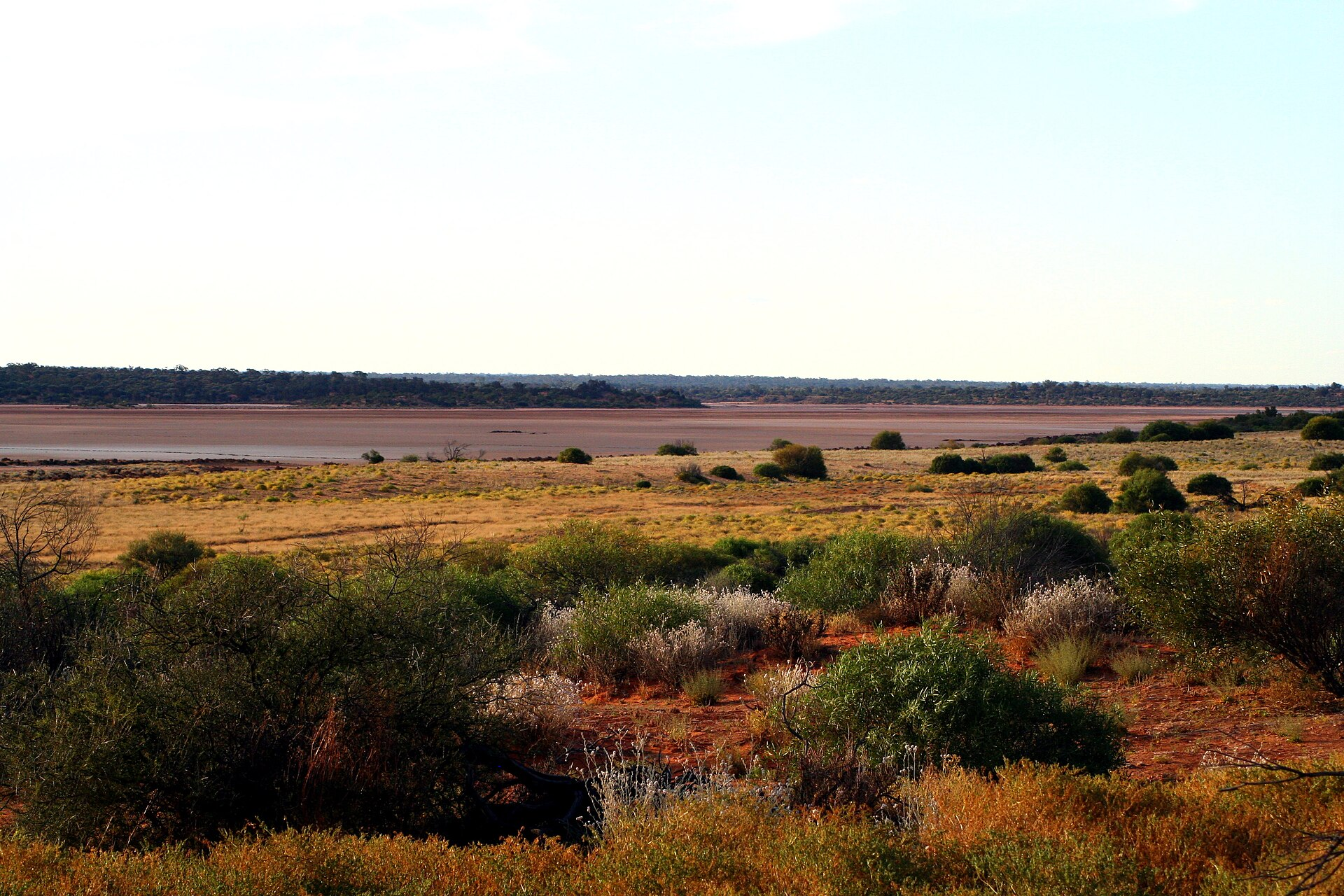
Australia’s largest desert, a huge expanse of red sand dunes, grassland and salt lakes across Western and South Australia. It is exceptionally sparsely populated.
The red color comes from iron oxide coating the sand grains, and the region holds significant Aboriginal cultural heritage and remarkably resilient wildlife. Roads are few. The Great Victoria is the desert that gives central Australia its distinctive red.
14. Lut Desert, Iran
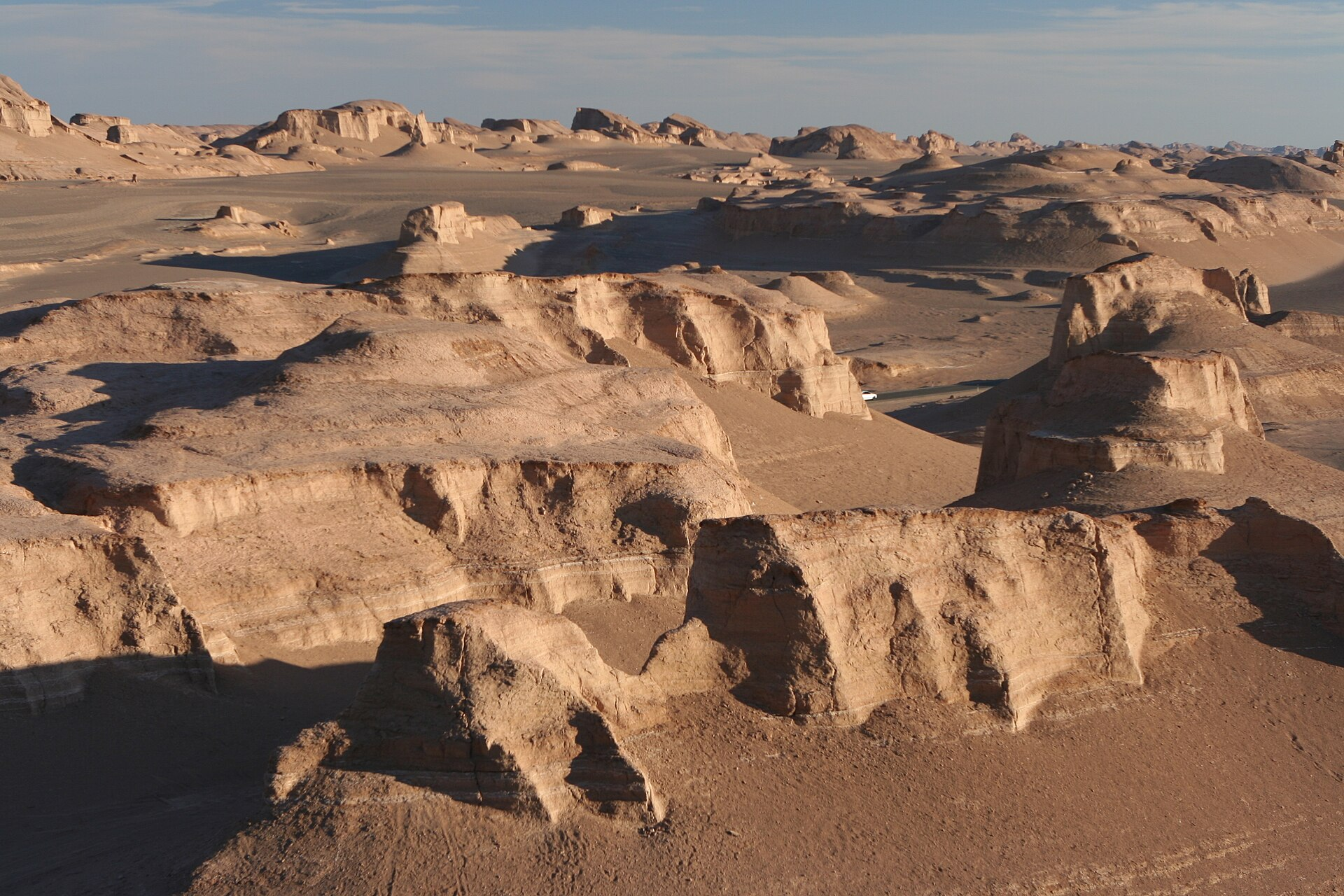
A salt desert in southeastern Iran that has recorded some of the highest land surface temperatures ever measured by satellite. Its wind-carved ridges are its signature feature.
Enormous parallel formations sculpted by relentless wind run across the landscape, and parts are so hostile that essentially nothing lives there at all. It is a World Heritage Site. The Lut is the desert with the hottest measured ground on the planet.
15. Thar, India and Pakistan
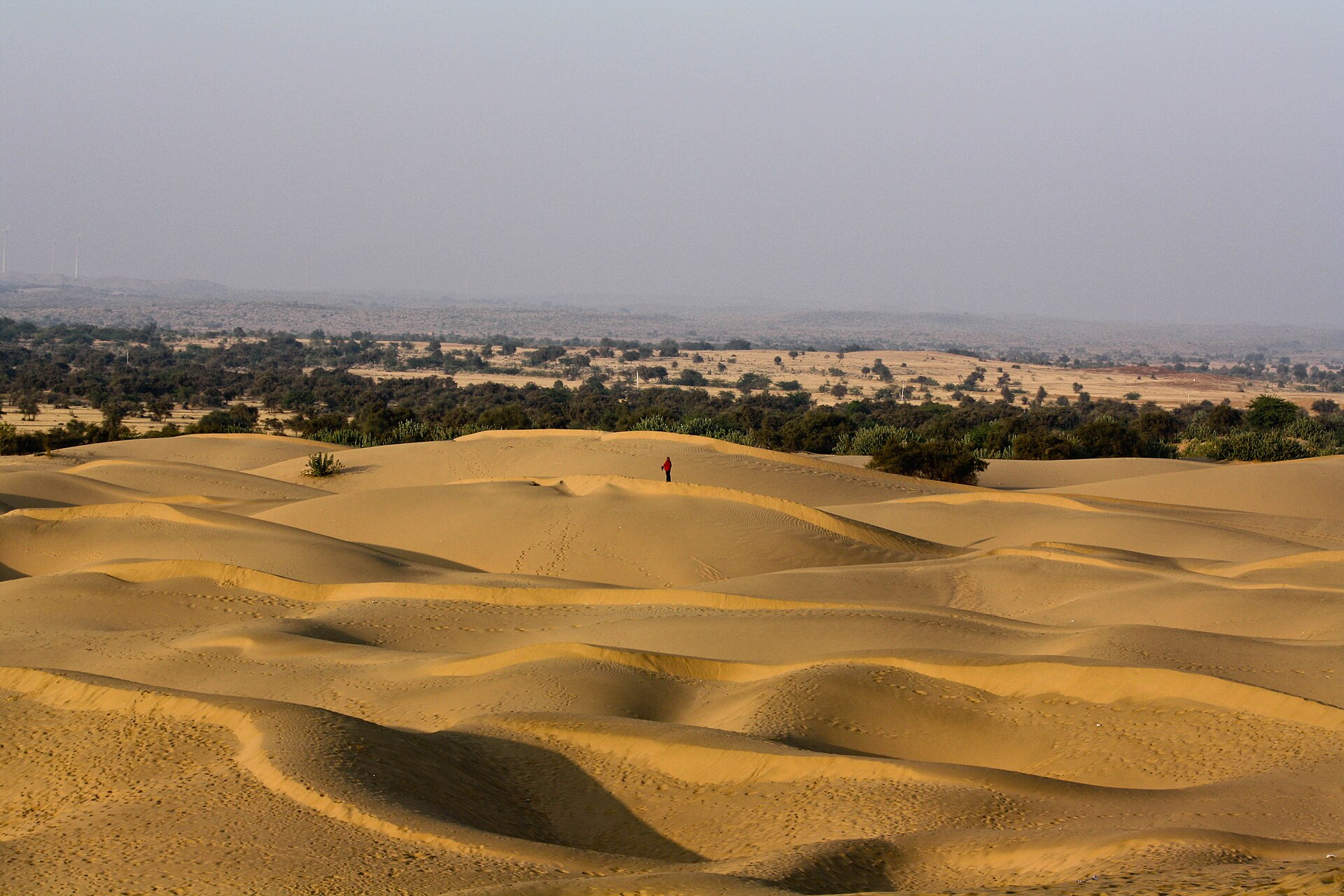
Unusually for a desert, the Thar is densely populated, supporting substantial farming and herding communities across northwestern India and southeastern Pakistan.
Fortified desert cities, camel fairs and vivid textiles define the region, and monsoon rains bring a brief transformation each year. It is a working landscape. The Thar is the desert with more people living in it than any other on Earth.
Dry Land, Endless Variety
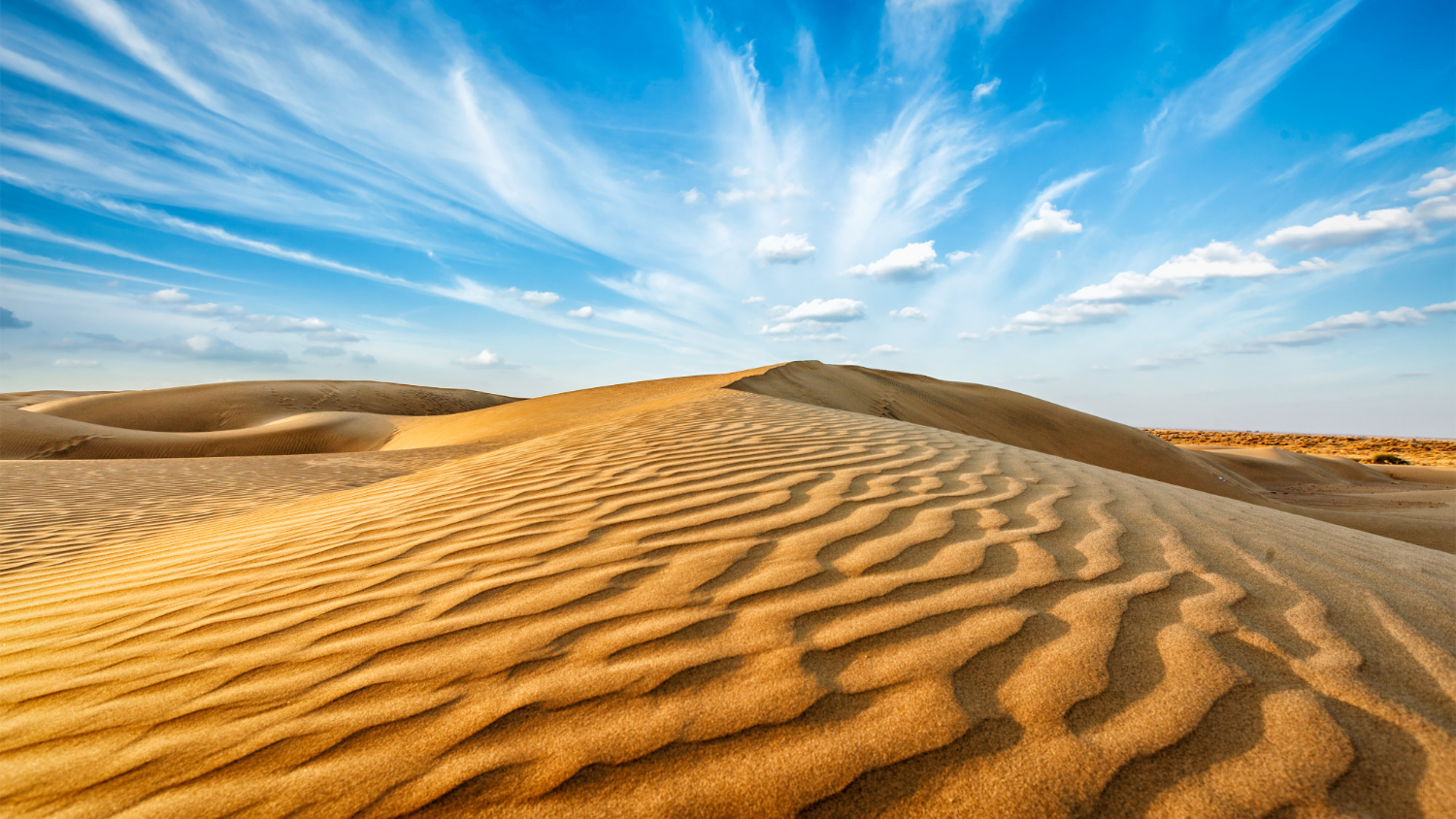
What unites these places is not sand or heat but the absence of water, and the astonishing range of landscapes that absence produces: mirrors, ice, white gypsum, red dunes, sculpted ridges and rock towers.
If you visit any of these, the practical advice is the same everywhere: go with local guides where they are expected or required, check current conditions and advisories before travelling, carry far more water than feels necessary, and respect the communities who live there. Deserts reward preparation and punish improvisation.
Like our content? Follow us for more.