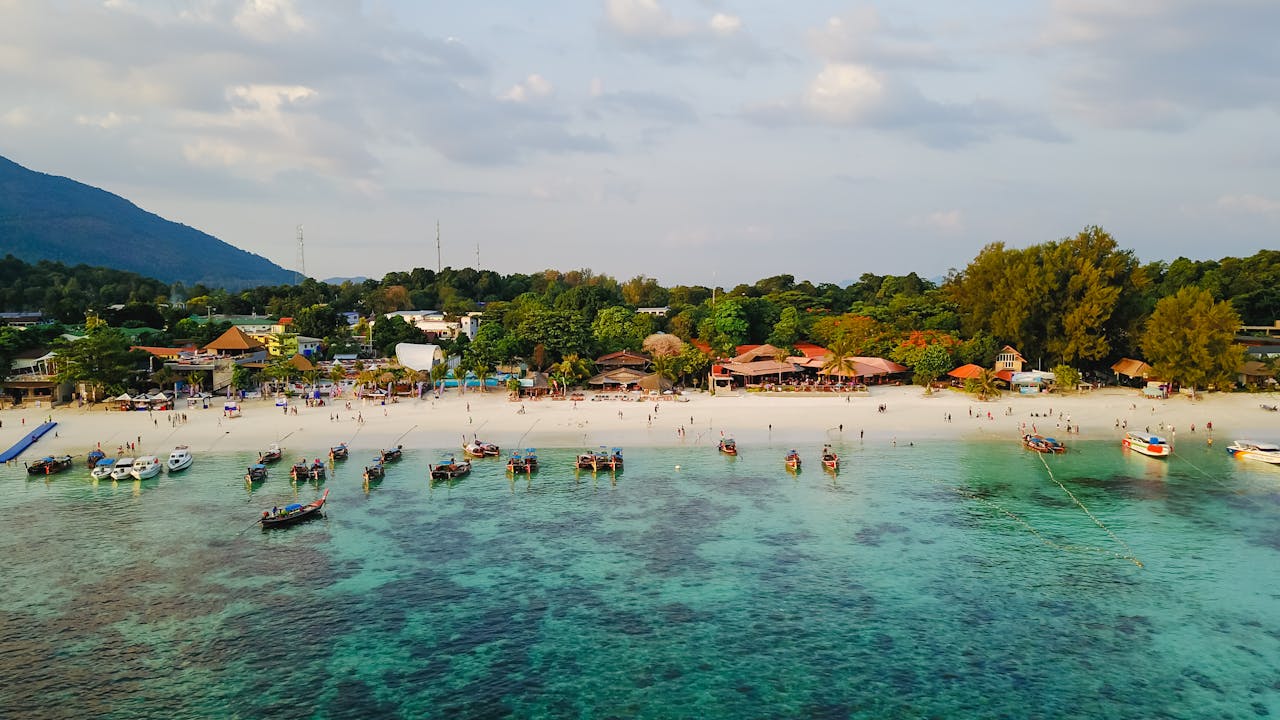
While few nations are issuing outright bans, a growing number of the world’s most popular travel destinations are implementing subtle but substantial hurdles, from mandatory fees to rigorous digital screening, that make short-term visits harder, more expensive, and less spontaneous.
This shift is driven by a focus on security, combating over-tourism, and pursuing “high-value, low-impact” visitors.
Here are 10 countries and regions that are quietly tightening their entry policies.
1. The Schengen Area (EU)
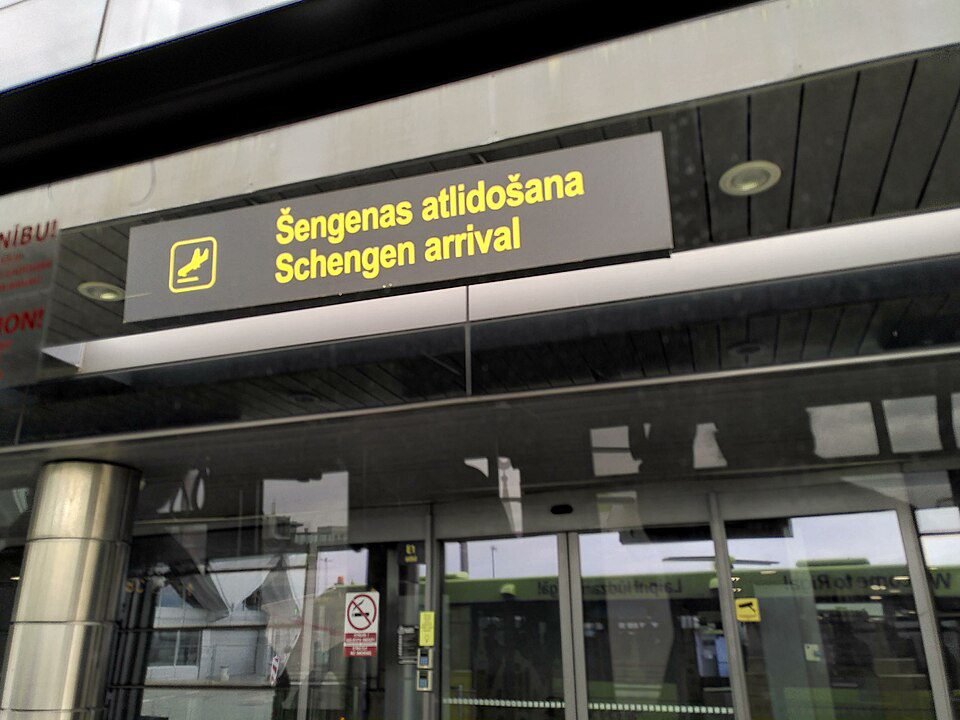
- The Quiet Restriction: The introduction of the Entry/Exit System (EES) and the upcoming European Travel Information and Authorization System (ETIAS) (expected launch in late 2026).
- The Impact: Visa-exempt nationals (including Americans, Canadians, and Australians) will soon require a mandatory, paid pre-authorization (ETIAS) to enter the 30+ member countries. EES will require biometric data (fingerprints and facial scans) upon first entry.
- The Why: Security and Border Control. To pre-screen visitors for security threats, prevent irregular migration, and digitally track the 90-day-in-180-day stay limit to stop overstaying.
2. The United Kingdom
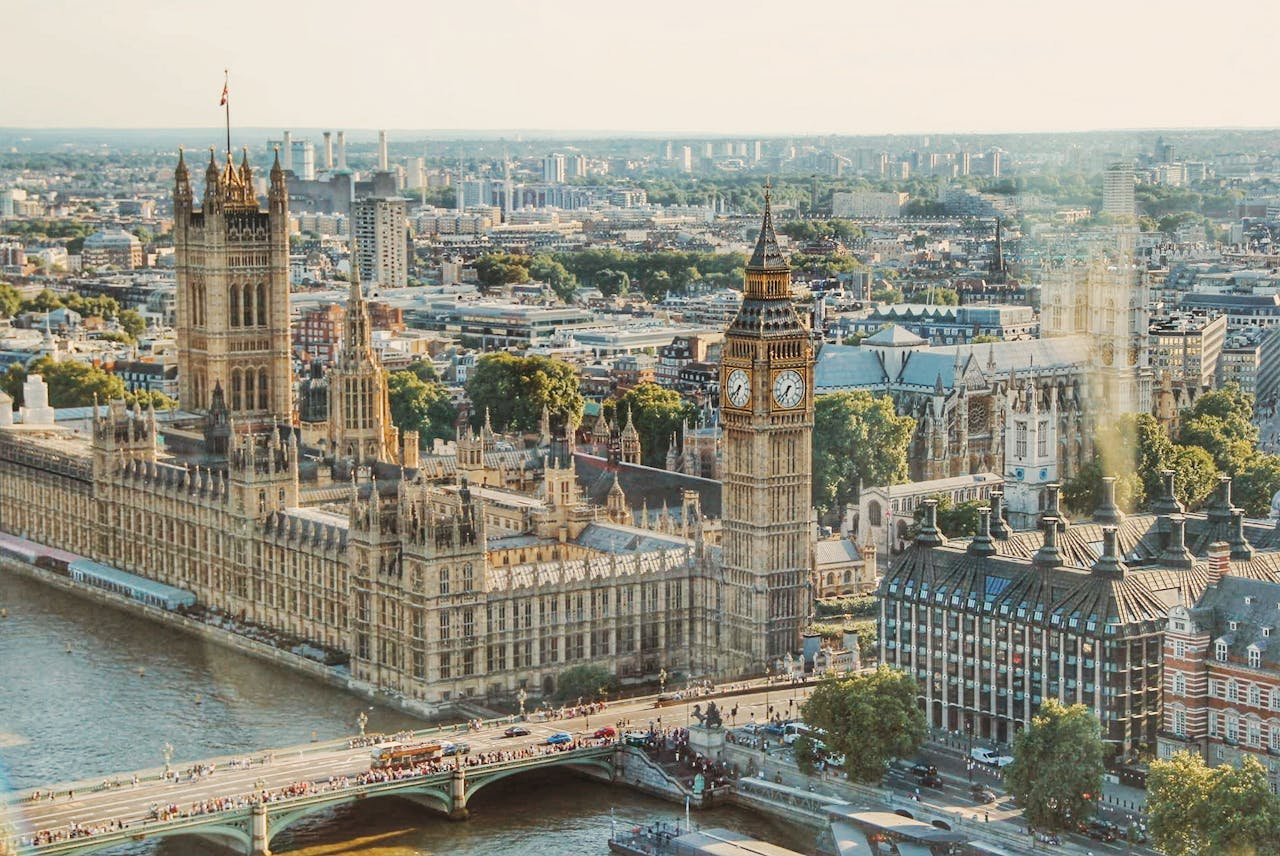
- The Quiet Restriction: Mandatory Electronic Travel Authorization (ETA) for visa-exempt travelers (similar to ETIAS or the US ESTA). This system is now being phased in and requires a fee-based application before traveling.
- The Impact: Adds a new, paid administrative step and required pre-clearance for millions of short-term visitors who previously only needed a passport.
- The Why: Digital Border Modernization. To enhance border security and digitize the pre-screening of all non-visa holding visitors before they travel to England, Scotland, Wales, or Northern Ireland.
3. Thailand
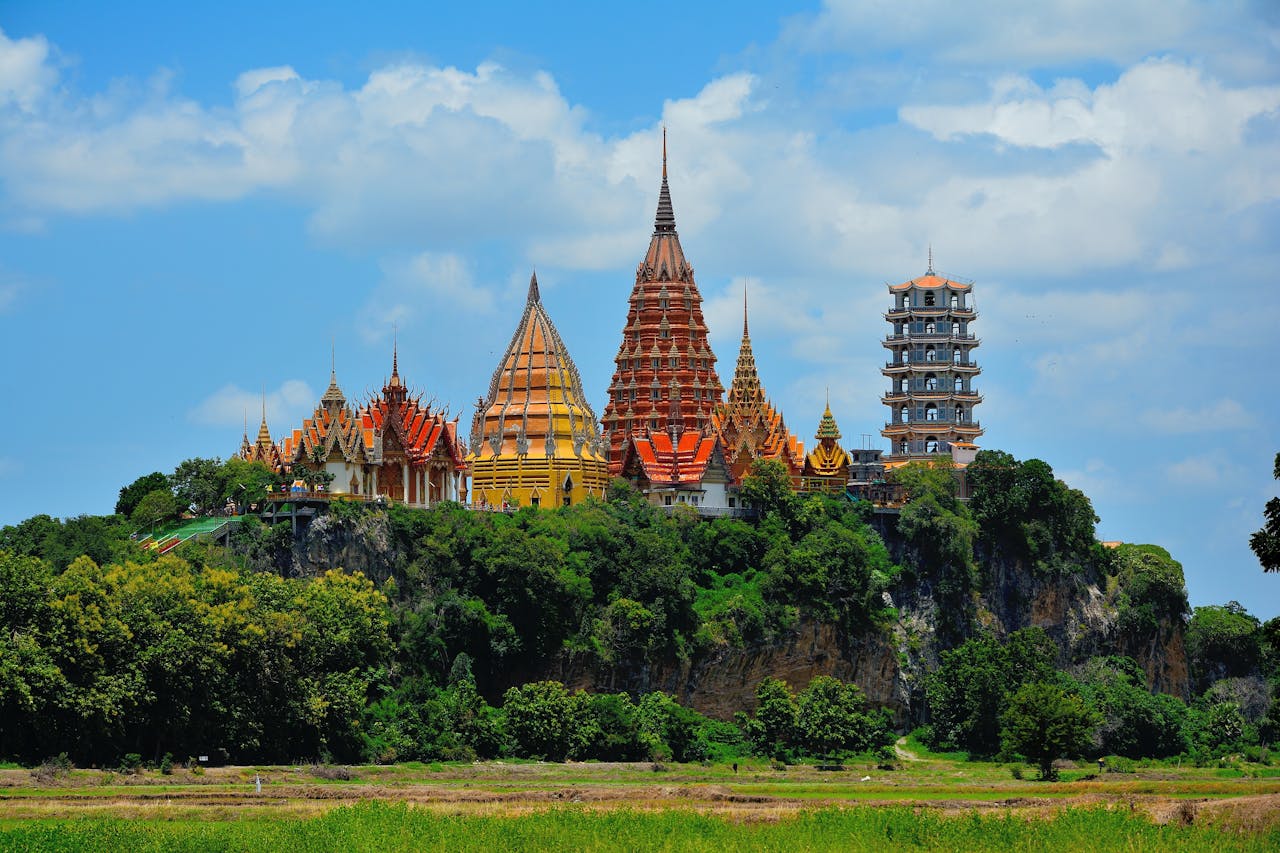
- The Quiet Restriction: Imposing a mandatory Tourist Entry Fee (expected to be around 300 Thai Baht or 8-9 USD) collected upon arrival, whether by air, land, or sea.
- The Impact: A small but mandatory tax on every tourist, changing the long-held tradition of spontaneous, minimal-cost entry.
- The Why: Infrastructure and Insurance. To fund the development of local tourist infrastructure, protect the environment, and provide accident and health insurance coverage for visitors during their stay.
4. Japan
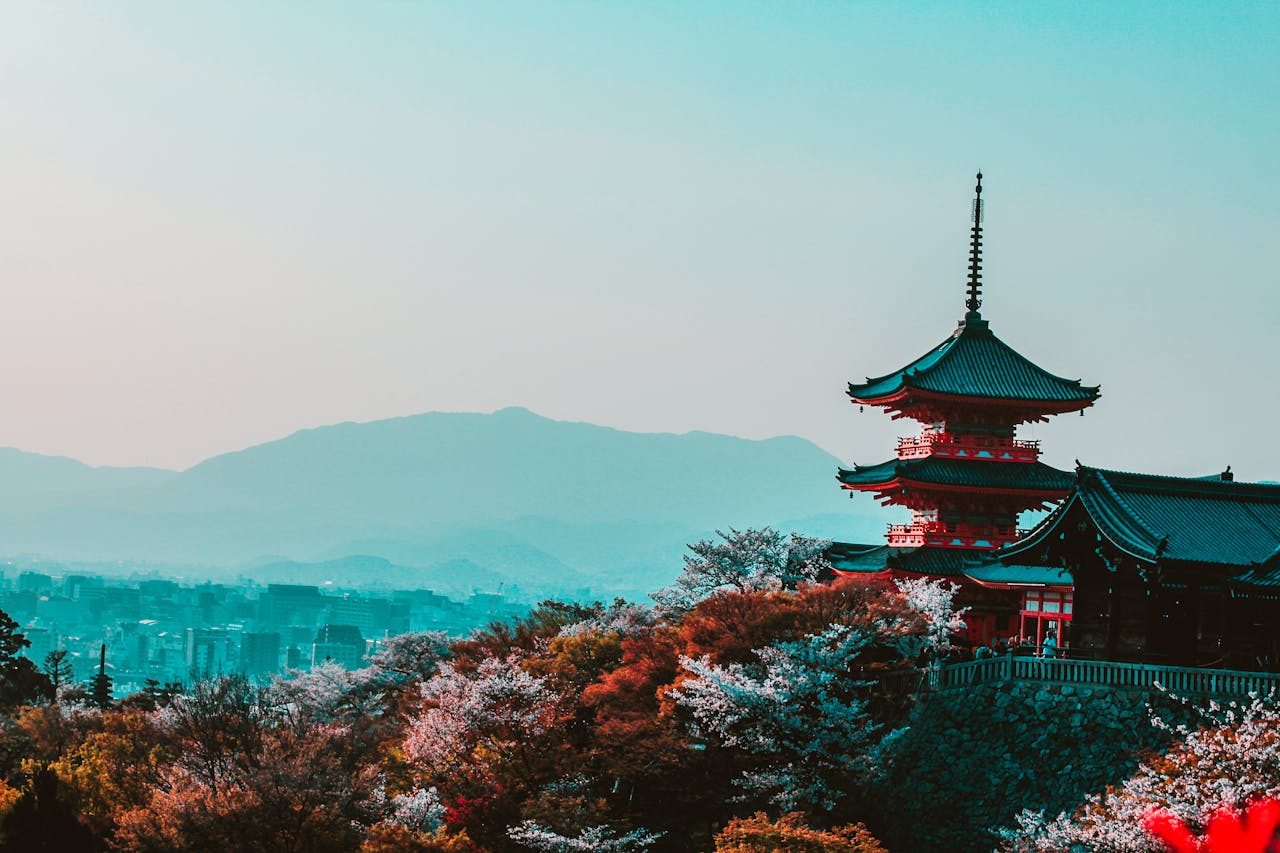
- The Quiet Restriction: While often easing short-term entry for many, Japan has implemented mandatory Pre-Entry Tuberculosis Screening (JPETS) for mid- to long-term residents from specific, high-risk countries (e.g., Vietnam, the Philippines, Nepal). Japan is also increasing the departure tax and hotel taxes in regions like Kyoto.
- The Impact: Though primarily focused on long-term residents, the public health measure reflects a heightened level of scrutiny on foreign nationals entering the country. Localized taxes increase the daily cost of travel.
- The Why: Public Health Management and Overtourism Control. To manage the public health impact of imported disease and to use taxes to fund conservation efforts and local infrastructure strained by high tourist volume.
5. Bhutan
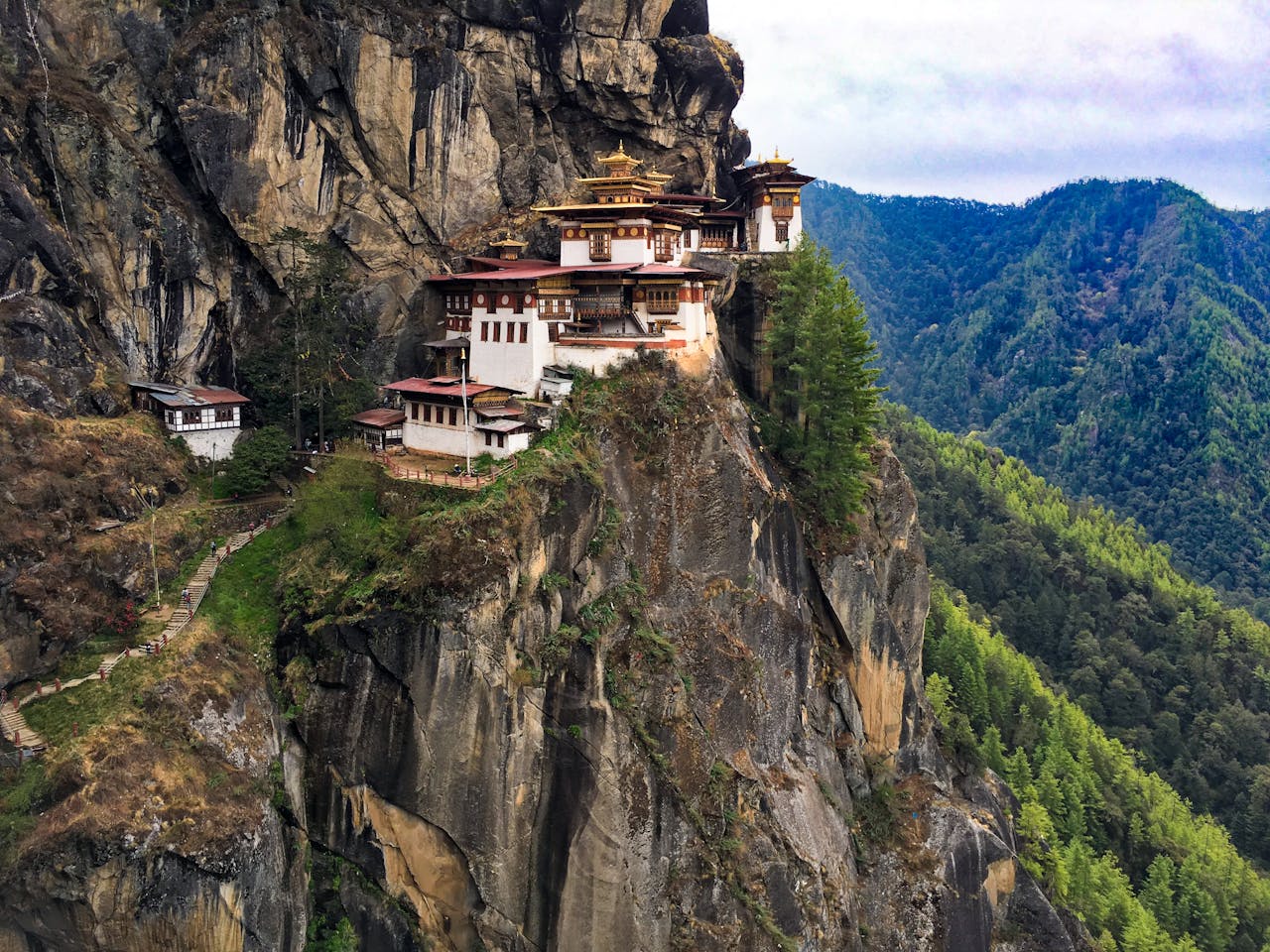
- The Quiet Restriction: Reinstatement of the Sustainable Development Fee (SDF), currently set at $100 USD per person, per night for most international travelers (reduced from $200, but still a significant cost).
- The Impact: This daily fee acts as a powerful financial restriction, filtering out budget travelers and discouraging shorter stays.
- The Why: “High Value, Low Impact” Policy. To consciously limit the total number of tourists, ensuring those who visit contribute substantial revenue toward the nation’s environmental protection and free public services.
6. Indonesia (Bali)
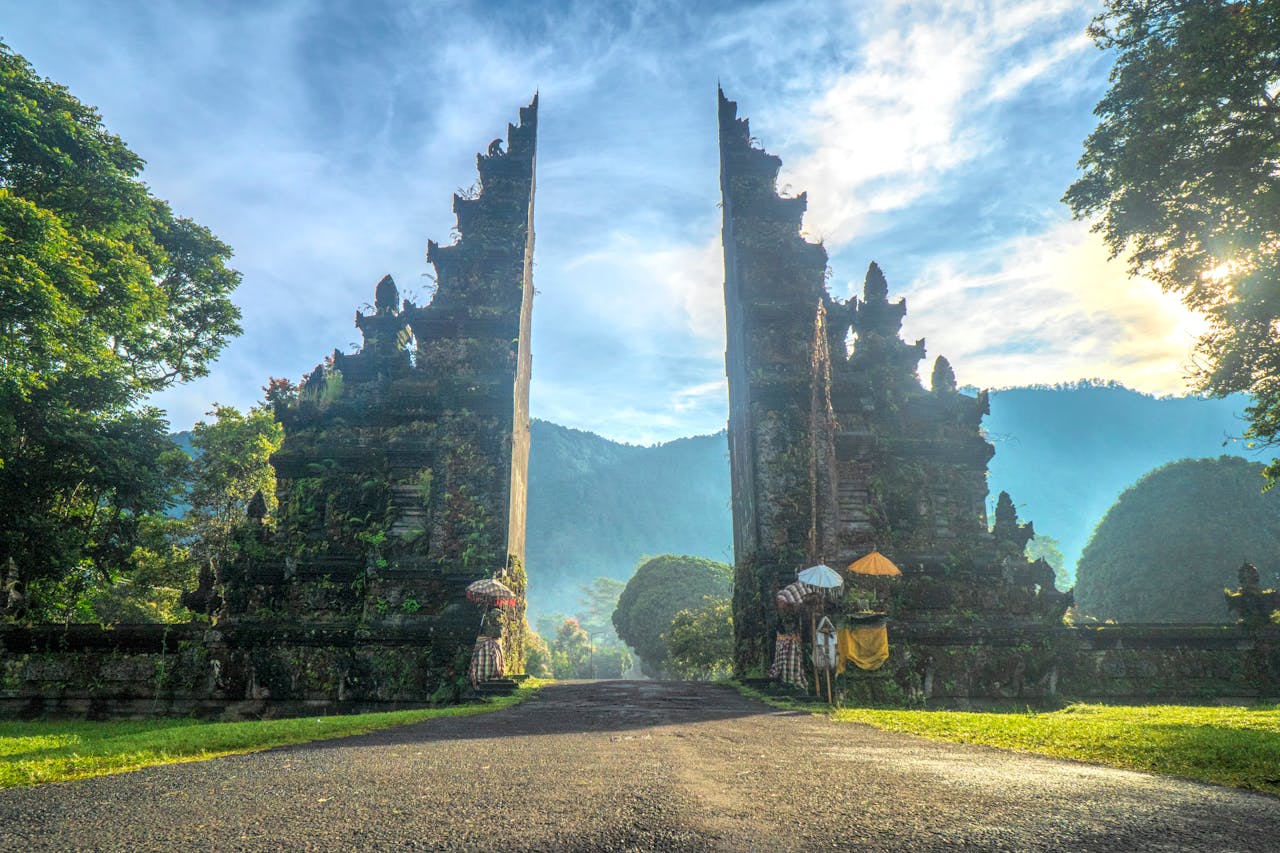
- The Quiet Restriction: Implementation of a mandatory Tourist Levy (IDR 150,000 / 10 USD) payable by all international visitors upon arrival, usually electronically.
- The Impact: Adds a simple but obligatory cost for all short-term visitors, regardless of length of stay.
- The Why: Overtourism and Conservation. The revenue is specifically earmarked for maintaining Balinese culture, funding environmental protection, and addressing waste management issues caused by high tourist volume.
7. Venice, Italy (City)
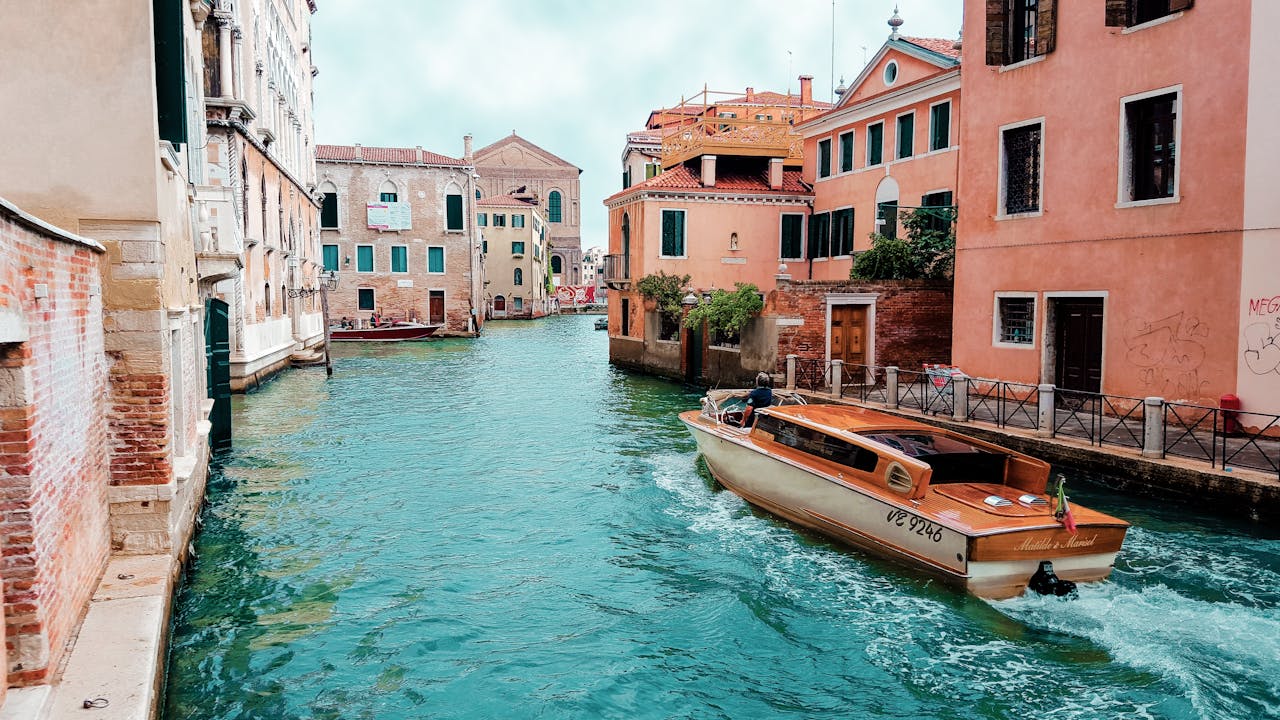
- The Quiet Restriction: Rollout of a Day-Tripper Access Fee (ranging from €5 to €10) on specific peak days for visitors who are not staying overnight in local accommodation.
- The Impact: A first-of-its-kind digital reservation and payment system that makes spontaneous day trips expensive and administratively complex.
- The Why: Crowd Control and Livability. To deter mass tourism on the busiest days and improve the quality of life for residents by reducing the strain on the city’s tiny infrastructure.
8. New Zealand
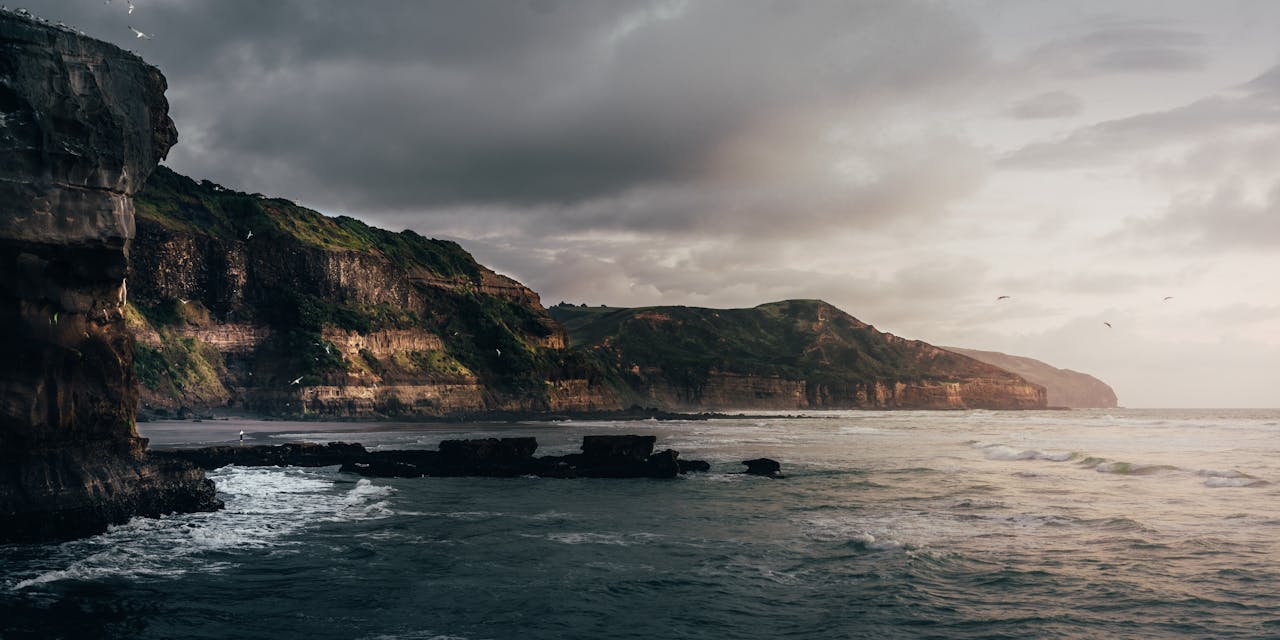
- The Quiet Restriction: Mandatory International Visitor Conservation and Tourism Levy (IVL), a fixed fee (currently NZD 35 / 21 USD) charged as part of the visa or NZeTA application for most tourists.
- The Impact: A mandatory financial hurdle built into the short-term entry authorization process.
- The Why: Conservation Funding. The revenue is dedicated to preserving the country’s unique natural environment and funding essential tourism infrastructure that is being overwhelmed by visitor numbers.
9. Canada

- The Quiet Restriction: Increased use of the Electronic Travel Authorization (eTA) system combined with stricter enforcement and greater discretionary power for officers to cancel permits if visitors are found to be non-compliant (e.g., suspected of working illegally).
- The Impact: While the process remains digital and relatively cheap, the underlying risk of cancellation and deeper scrutiny for travelers deemed “high-risk” is higher.
- The Why: System Integrity and Irregular Migration. To manage concerns about illegal overstays, abuse of the visa-free system, and the perceived pressure on public housing and social services.
10. Russia (Select Regions)
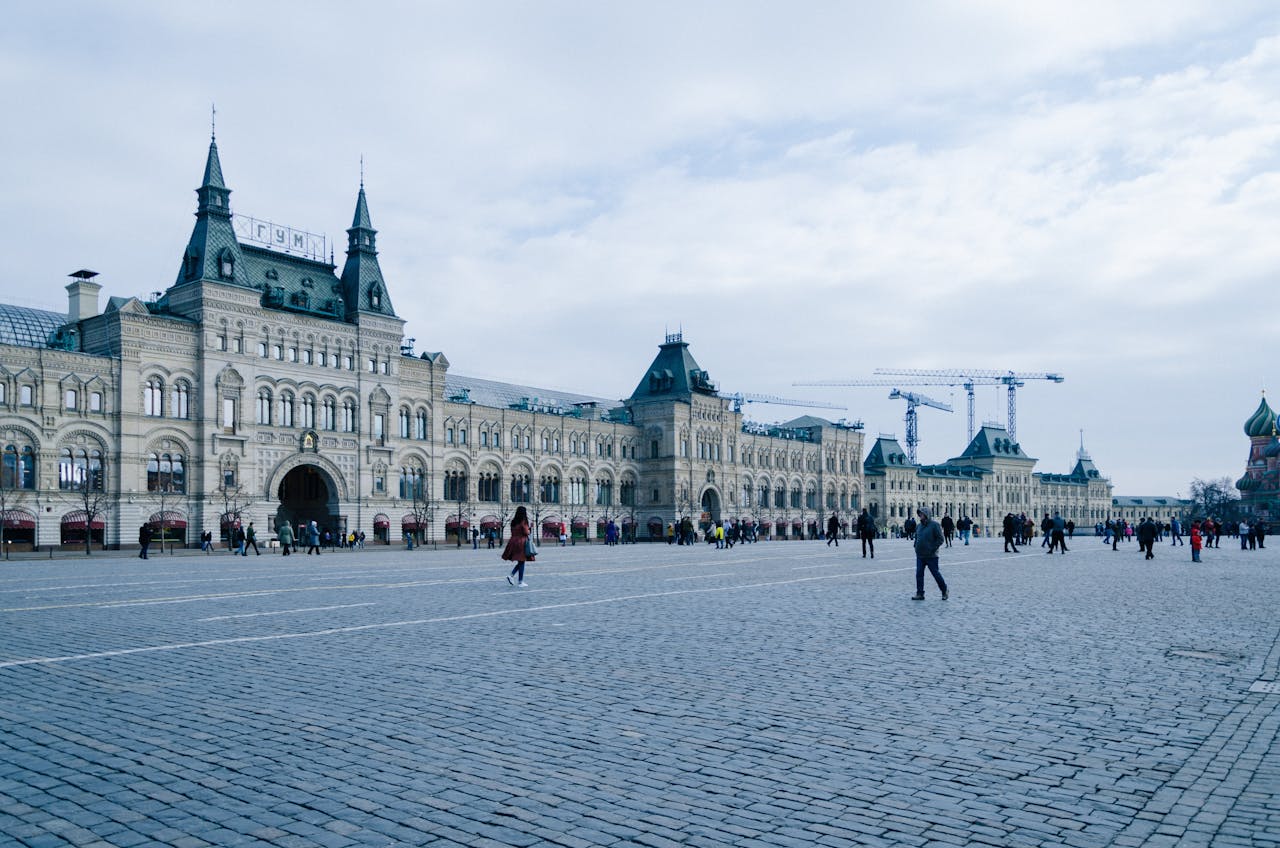
- The Quiet Restriction: Implementation of a nationwide model for a Tourist Tax starting in 2025, attached to accommodation charges in participating regions, replacing older “resort fees.”
- The Impact: Tourists now face a mandatory, percentage-based tax added to their hotel bills, increasing the overall cost of their stay.
- The Why: Regional Economic Support. To provide local authorities with revenue to support tourism infrastructure, environmental maintenance, and regional economic development.