
Nagoro is a village deep in the Iya Valley on Shikoku island in Tokushima Prefecture, Japan. Once home to 300 residents, the population has shrunk to approximately 27 living humans by recent counts. But the village isn’t quite empty. More than 350 life-sized handmade dolls now occupy fields, bus stops, classrooms, and roadsides — outnumbering living residents by approximately 10 to 1. They’re the work of one woman, Ayano Tsukimi, who returned to Nagoro in 2002 to care for her father and started making dolls in the likeness of departed neighbors. Here’s the story.
1: A Village in the Iya Valley
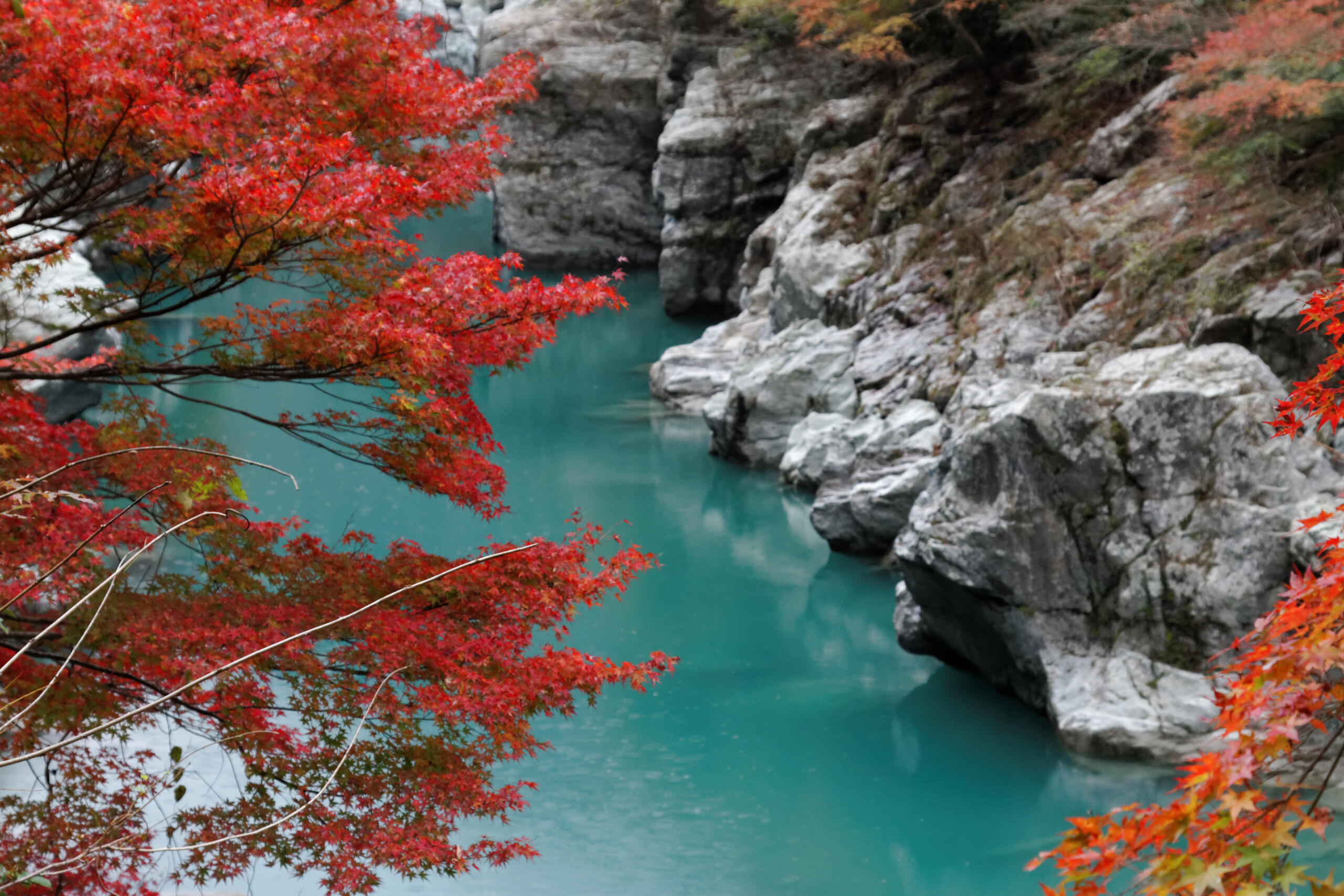
Nagoro sits at 800 meters elevation in the Iya Valley of Tokushima Prefecture, Japan, on the remote southern island of Shikoku. The Iya Valley itself is one of Japan’s most isolated regions — narrow roads cut into mountain cliffsides, dramatic ravines, dense cedar forests, and crystalline mountain streams. The village is located on Route 439, a notoriously challenging mountain road that locals call “Yo Saigoku” (the road to the underworld) due to its dangerous twists and limited maintenance.
The valley’s geographic isolation has shaped its history. For centuries, Iya Valley villages including Nagoro maintained relatively self-sufficient agricultural communities. The valley provided refuge during various Japanese conflicts including the 12th-century defeat of the Heike clan, whose survivors reportedly fled to these mountains.
2: A Population That Vanished
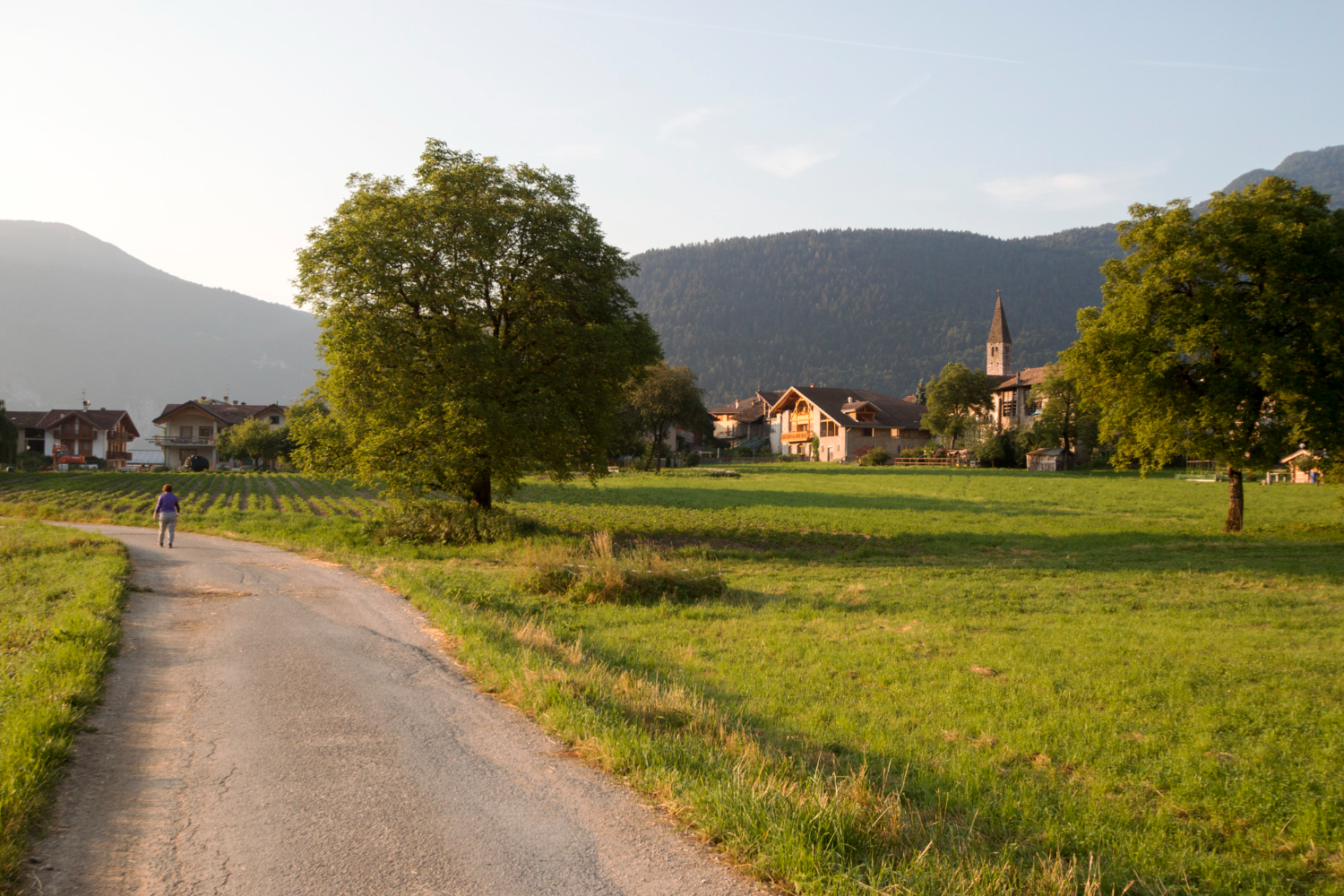
In Tsukimi Ayano’s childhood years (she was born in the early 1950s), Nagoro had more than 300 residents. The village had a school, active farming community, and various local businesses. By 2015, the population had dropped to 35. By 2016, it was 30. By September 2019, just 27 living residents remained. Recent counts suggest fewer than 30 people still live there.
The decline reflects Japan’s broader rural depopulation crisis (kaso-ka). Young people migrated to cities for employment opportunities. Older residents passed away. Children weren’t born to replace them. According to Japan’s Home Ministry, more than 10,000 Japanese villages are now inhabited by at least 50% residents aged 65 and older. Nagoro represents one of the most extreme cases of this nationwide phenomenon.
3: Tsukimi Ayano Returns Home
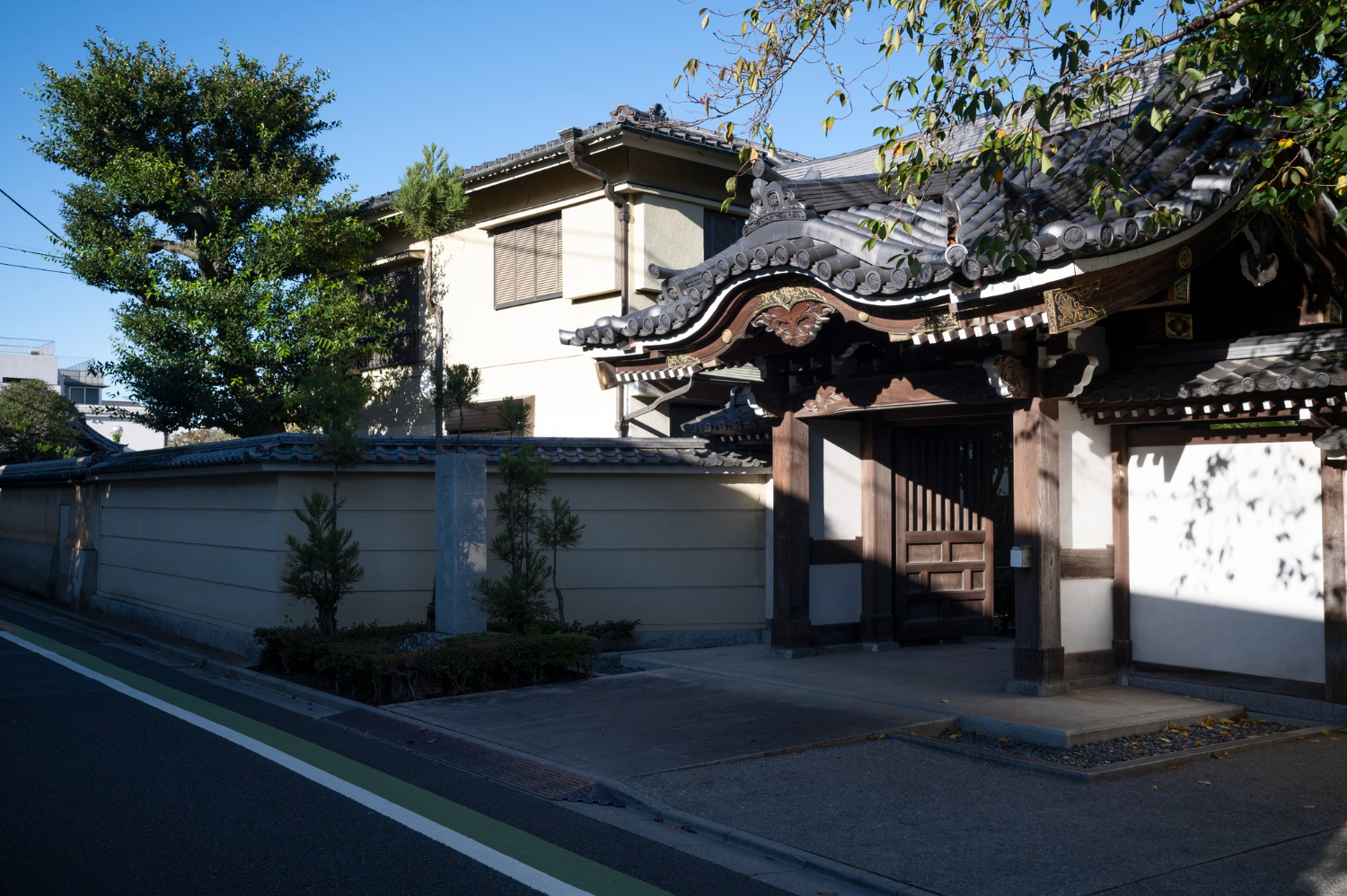
In 2002, Ayano Tsukimi returned to Nagoro from Osaka, where she had lived most of her adult life. The trip was motivated by family obligation — her elderly father needed care, and she came home to provide it. Her father was the village’s oldest inhabitant. The village she returned to was substantially different from the community she remembered from childhood.
The contrast was stark. Where there had been families, there were now empty houses. Where children had attended school, the school stood mostly empty. Where neighbors had gathered, doors stood closed and shutters hung at uncertain angles. Tsukimi later described feeling the absence acutely — not just the missing people, but the missing daily life that had defined the village for generations.
4: The First Doll
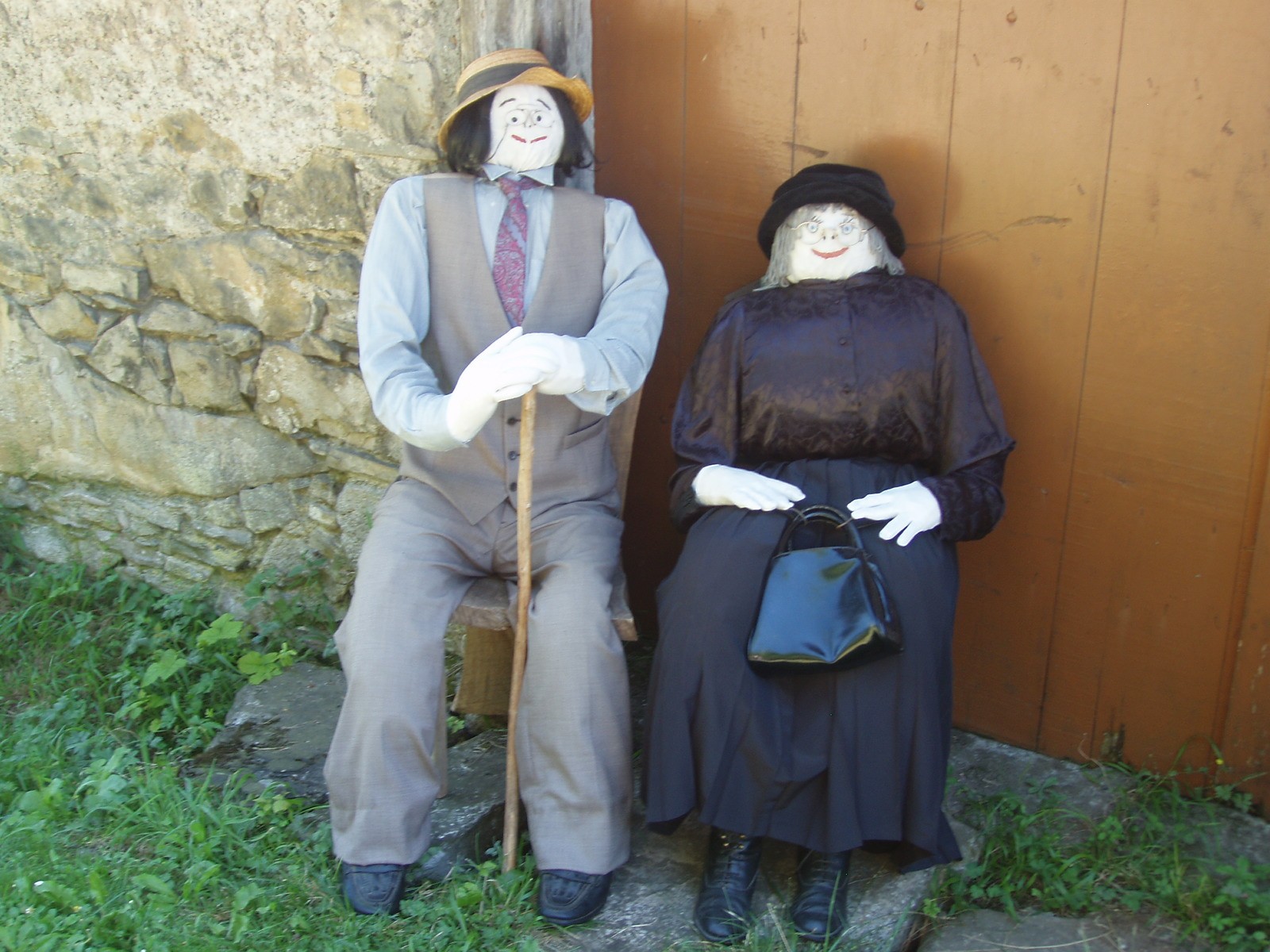
Tsukimi’s first doll wasn’t artistic project — it was practical scarecrow. Birds were digging up freshly planted seeds in her garden, so she made a traditional Japanese scarecrow (kakashi). But rather than building a simple cross with rags, she crafted a full figure in her father’s likeness. The resemblance was remarkable enough that neighbors mistook the scarecrow for her actual father.
According to Tsukimi’s own retelling, neighbors would sometimes greet the scarecrow: “Good morning, you’re up working very early.” The accidental conversations between neighbors and the scarecrow amused her. She decided to make more figures — not just functional scarecrows, but specific human likenesses placed throughout the village.
5: 350+ Dolls Across the Village
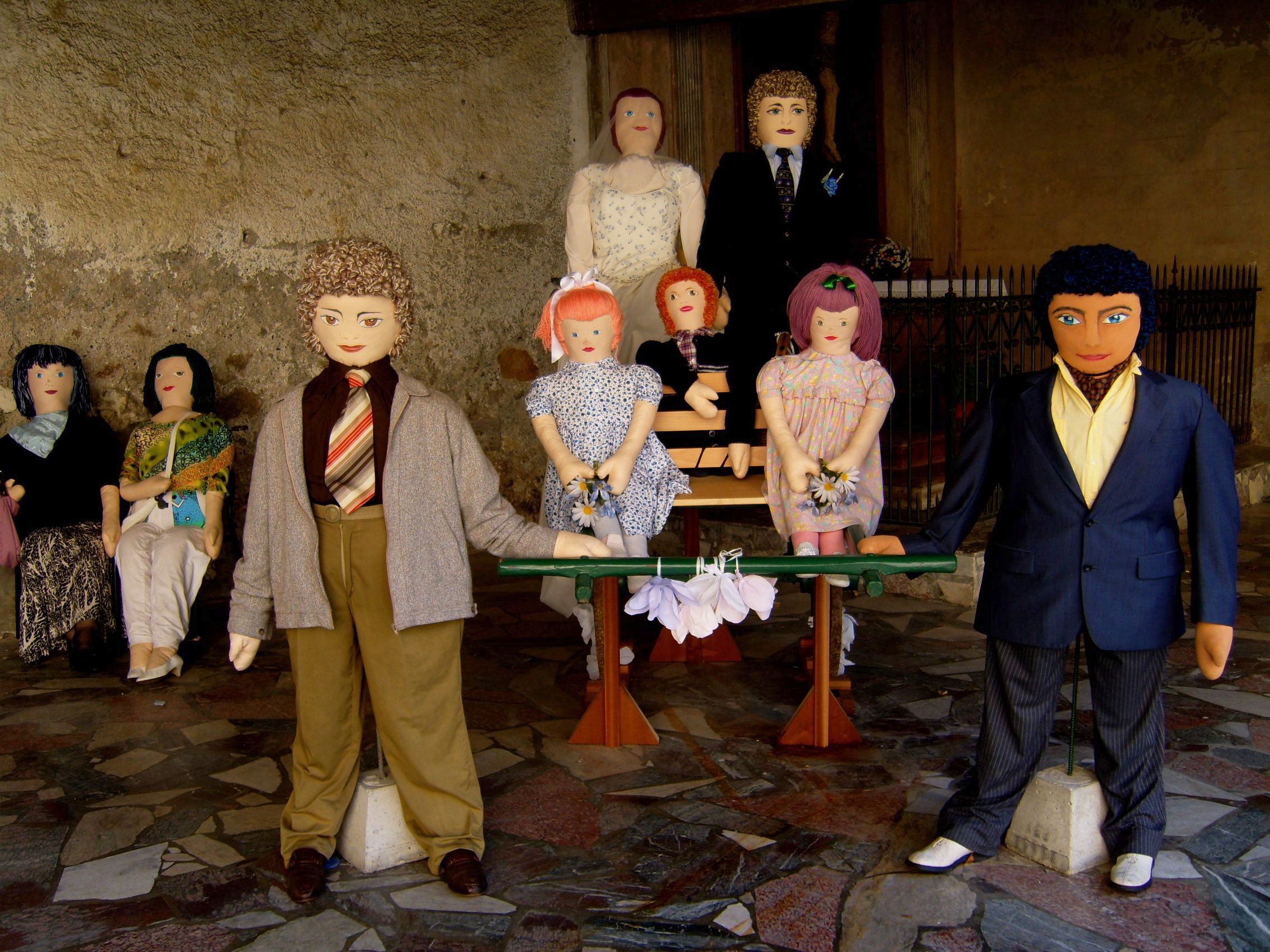
Over more than 20 years since the first doll, Tsukimi has created over 400 figures, with approximately 350 currently displayed throughout Nagoro. Many are likenesses of specific people — former residents who died, neighbors who moved away, family members. Others are entirely invented characters created to populate scenes that need them.
The dolls are placed throughout the village in scenes recreating everyday life: workers tending fields, neighbors gossiping near houses, customers waiting at bus stops, children playing in the schoolyard, fishermen by the river, utility workers performing roadwork, men sitting at the base of telephone poles. The combination produces the strange experience of driving through what appears to be an active community until close inspection reveals the residents are dolls.
6: How the Dolls Are Made
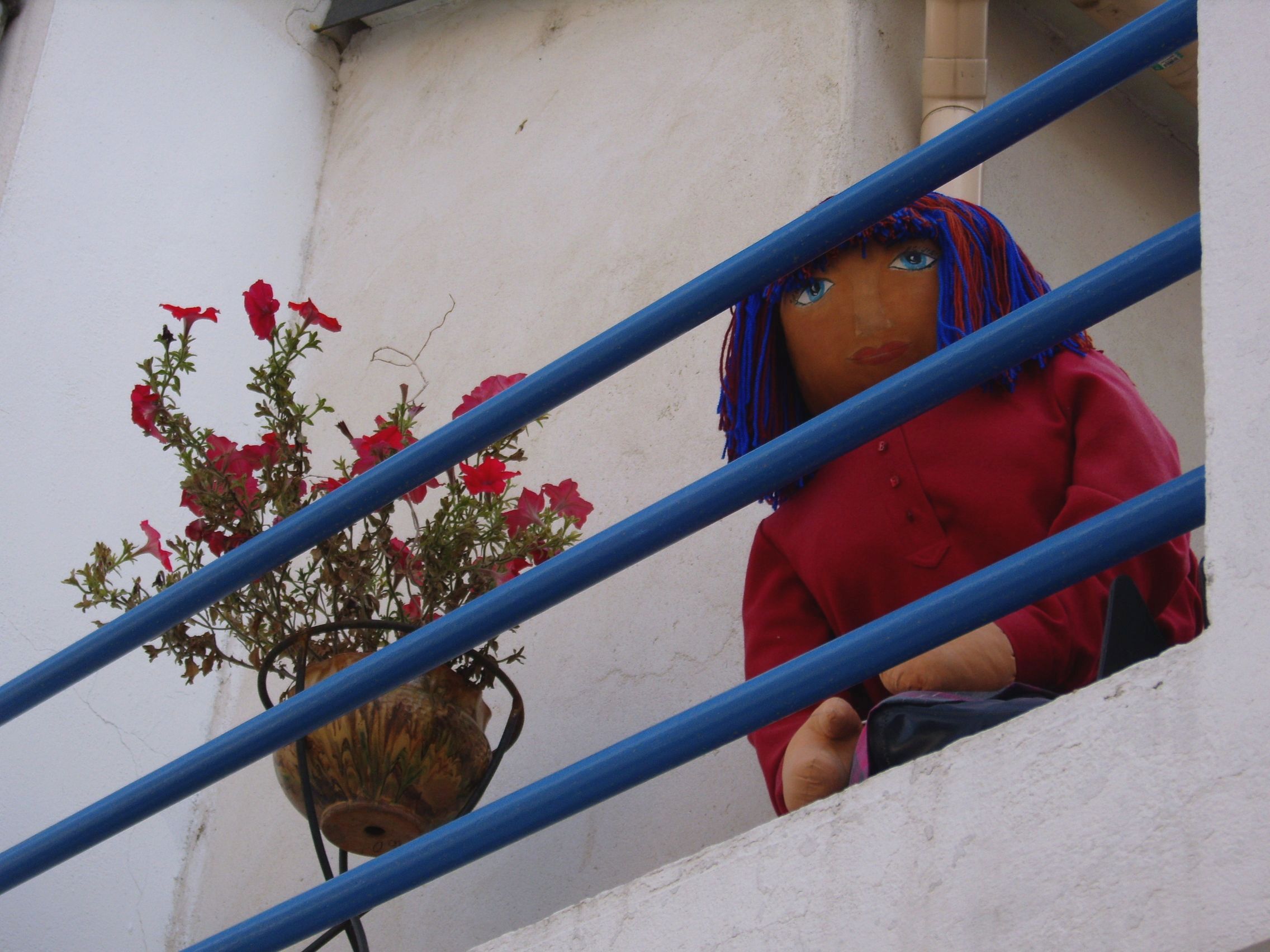
Each doll requires substantial construction work. Tsukimi’s process involves: wooden slabs for the base, cotton clumps for the head, elastic fabric stretched over the head for skin, buttons for the eyes, wires providing internal structure, and approximately 80 sheets of tightly rolled newspaper forming the skeleton at the core of each figure.
The clothing comes from various sources — donated items from former residents, thrift shops, and her own collection. Each doll requires approximately three days of work to complete. Once placed, the dolls last approximately 2-3 years before requiring replacement due to weather damage. Outdoor dolls are typically covered with waterproof coverings during winter months. The ongoing replacement work means Tsukimi’s making is essentially continuous — she’s constantly creating new dolls to replace ones lost to weathering.
7: The Closed Elementary School
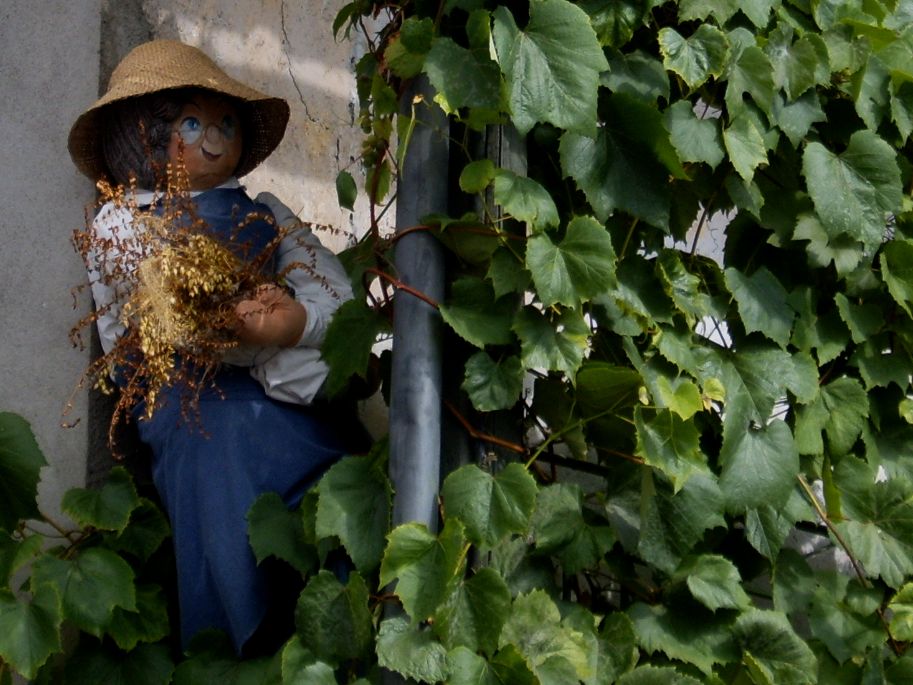
Nagoro’s elementary school closed in 2012 when the last two students graduated and there were no children remaining to attend. The closed school has become one of Tsukimi’s most elaborate doll installations. The classrooms now contain doll students at desks, doll teachers at chalkboards, doll children playing in hallways.
In one particularly moving installation, two child dolls in a classroom are self-portraits by the actual last two students who studied there. They dressed the dolls in their own clothes before leaving for schools elsewhere. The installation captures specific moments of the village’s transition — the actual departure of its last children, preserved through dolls made by those children themselves. The empty school provides one of the most photographed locations in modern Nagoro.
8: The Annual Doll Sports Day
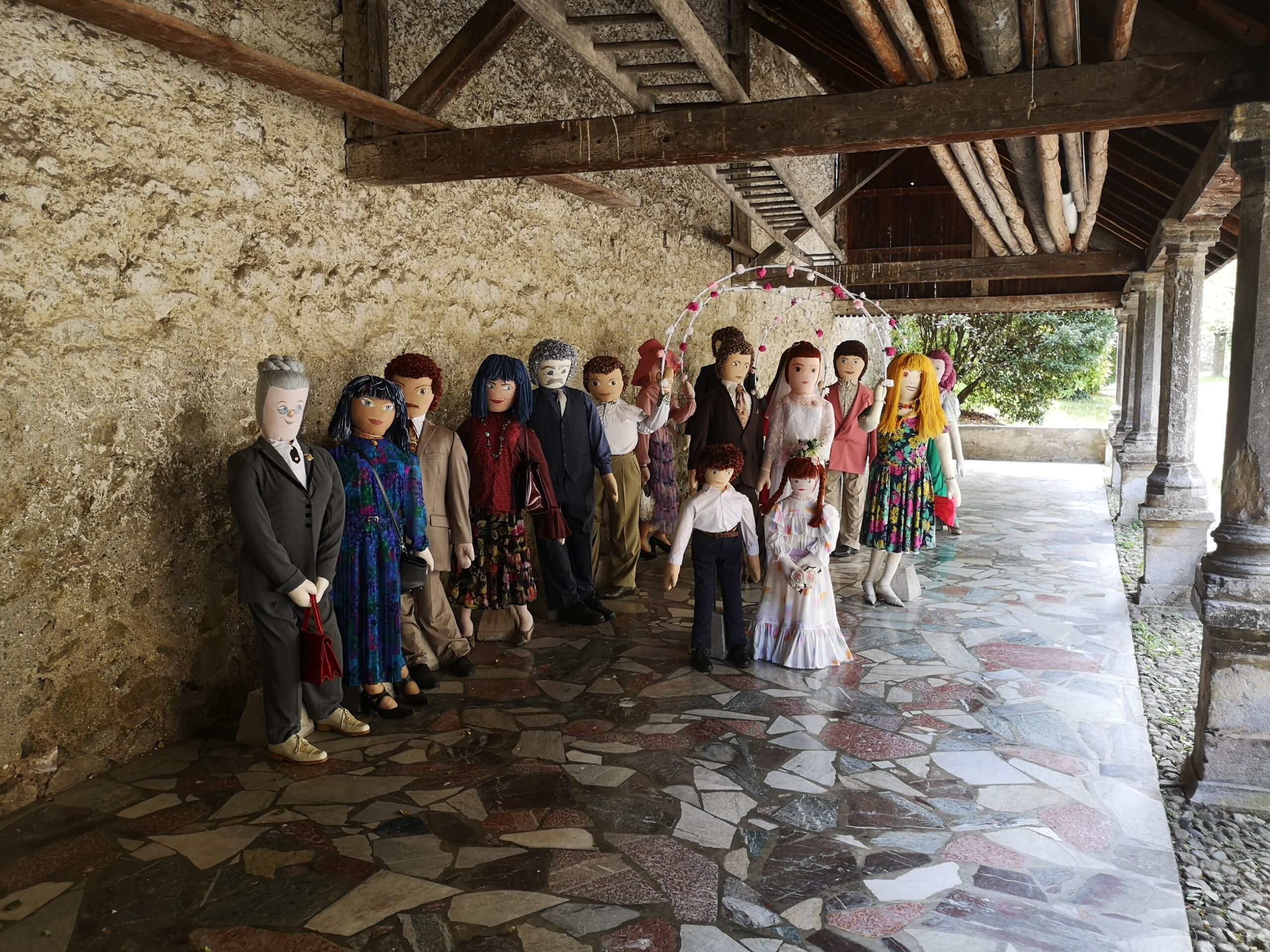
Each year, Tsukimi organizes an undokai (school sports festival) — a traditional Japanese school event involving athletic competitions, cheering, and community participation. The Nagoro version features primarily dolls participating in various activities: doll children running races, dolls perched on swings, dolls participating in mock competitions, dolls watching from the sidelines.
Real residents and visitors join the festival, creating moments where actual humans interact with the doll majority. Food stalls serve traditional festival foods — yakisoba (fried noodles), takoyaki (octopus balls), and various other items. The combination produces scenes where the village briefly approaches its former vitality — not because the dolls are real people, but because the festival activities recreate the patterns of community life that have largely disappeared from daily Nagoro existence.
9: The 2014 Documentary That Changed Everything
For its first decade, Tsukimi’s project was largely unknown outside the immediate region. That changed dramatically in 2014 when German filmmaker Fritz Schumann released a short documentary titled “The Valley of Dolls” featuring Tsukimi’s work and the broader Nagoro story. The documentary received international film festival attention and substantial online distribution.
The international exposure transformed Nagoro from a hyper-local curiosity into a global tourism destination. Visitors began arriving from Tokyo, other Japanese cities, and increasingly from abroad. National Geographic published features. CNN sent correspondents. The BBC produced segments. The combination of unique premise (a village populated by dolls), poignant context (Japanese rural depopulation), and visual distinctiveness made Nagoro one of the more covered Japanese cultural stories of the 2010s.
10: The Scarecrow Workshops

Tsukimi has expanded the doll-making practice through public workshops. On the fourth Wednesday of each month from April through November, she conducts hands-on workshops where visitors can create their own dolls under her instruction. Participants are encouraged to bring their own sewing kits and clothing for their figures.
The workshops have become substantial tourism attractions in their own right. International visitors specifically plan trips around workshop dates. The activity provides hands-on engagement with the broader project rather than just observational tourism. Visitors leave with their own custom-made doll, plus deeper understanding of Tsukimi’s process and the village’s broader story. The workshops have spread the doll-making concept to other depopulated Japanese villages, where similar projects have begun in recent years.
11: The Annual Scarecrow Festival
The largest Nagoro tourism event is the annual Scarecrow Festival held the first Sunday of October. The festival explicitly invites visitors to engage with the village and its dolls. Activities include: doll-making contests, guided tours of all major doll installations, traditional food stalls, performances and demonstrations, and various other community activities.
The festival typically draws hundreds of visitors — substantial crowds for a village with under 30 living residents. The day represents Nagoro at maximum activity, with real human voices and bustle filling spaces that are typically silent. Once the festival ends and visitors depart, the village returns to its normal state — silent, populated by dolls, with the few living residents going about their reduced daily activities. The contrast between festival day and ordinary days is itself part of what makes Nagoro emotionally distinctive.
12: Visiting Nagoro Today
Practical guidance for travelers planning Nagoro visits. The village is genuinely remote — most visitors require rental cars from major Japanese cities. From Tokyo: typically 6-8 hours of driving including ferry crossings or train+rental car combinations. From Osaka: 4-5 hours. The mountain roads are challenging — narrow, winding, with limited shoulder space. Winter conditions can make access difficult or impossible.
There are no ticket booths, no admission fees, no tourist infrastructure beyond very basic facilities. Visitors should treat the village as a living community deserving respect rather than a tourist attraction. Walking on private property, touching dolls without permission, or otherwise disrupting the dolls’ arrangements is considered substantially disrespectful. The few living residents prefer visitors who observe quietly rather than interact intrusively. Photography is permitted but should be done respectfully.
What Nagoro Actually Represents
Nagoro represents one woman’s response to rural depopulation that has affected thousands of Japanese villages. Tsukimi’s dolls don’t solve the underlying demographic crisis — Nagoro continues losing population, and the dolls cannot reproduce or sustain a community in any practical sense. But they preserve specific memory of the community that existed before depopulation, document the texture of daily life that has been lost, and provide a unique form of cultural heritage that has drawn international attention to a phenomenon that would otherwise be invisible. The dolls are essentially memorial markers for an entire vanishing way of life — not just commemorating specific individuals but the broader pattern of Japanese rural community that’s disappearing village by village throughout the country. Tsukimi has aged with her project. Eventually she’ll either move away or die, and the dolls she leaves behind will gradually deteriorate without replacement. The village will likely continue its demographic decline regardless. But for now, Nagoro provides one of the most distinctive examples in modern travel of how individual creativity can transform tragedy into something genuinely memorable, drawing visitors from around the world to witness what might otherwise be just one more anonymous statistic in Japan’s broader rural collapse.