
Air travel today comes wrapped in a thicket of rules, fees, and fine print that can quietly add up to hundreds of dollars and a great deal of frustration — and airlines, by and large, are not eager to make these costs obvious. From the baggage fees that have crept ever higher to the seat-selection charges, the change and cancellation rules, the fare classes that strip out everything, and the surprises buried in the fine print, the modern flying experience is full of ways to pay more than you expected. The good news is that nearly all of it can be navigated with a little knowledge, and the savvy traveler frequently pays far less than the person in the next seat for essentially the same trip. Here are the airline rules and fees that quietly cost travelers the most, and exactly how to get around them.
A quick orienting note: airline policies vary by carrier and change frequently, so always confirm the specific rules for your airline and fare before booking. These are the general patterns that catch travelers — and the general strategies that help. Here’s what to watch.
Baggage Fees: The Original Hidden Cost
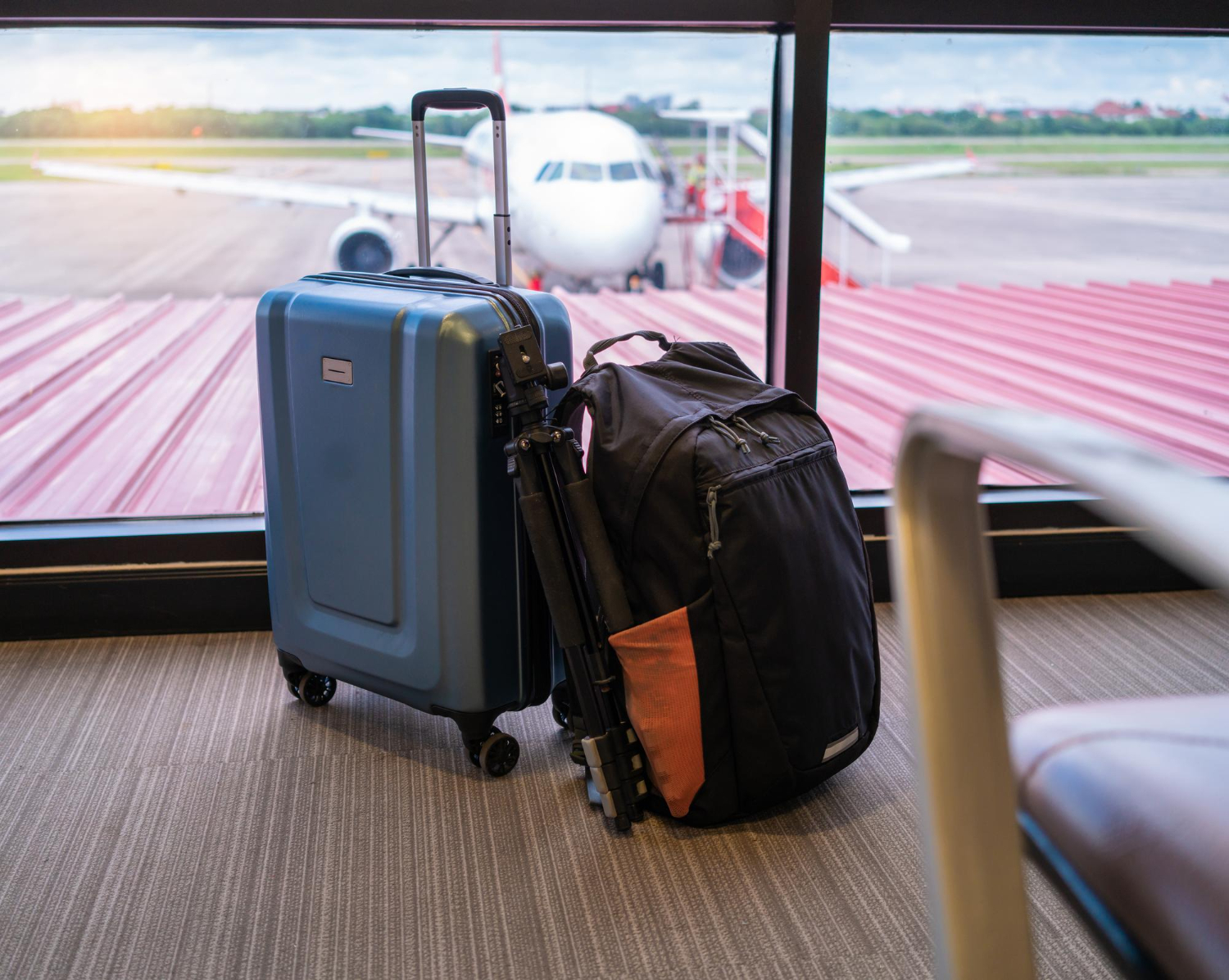
Baggage fees have become one of the biggest sources of unexpected airline costs, with most carriers now charging for checked bags — and fees that frequently rise if you pay at the airport rather than in advance. On many basic fares, even a carry-on may cost extra. How to get around it: know your airline’s exact baggage rules before booking, pay for bags online in advance (almost always cheaper than at the airport), travel with just a personal item or carry-on where the fare allows, and consider that an airline credit card frequently includes free checked bags that can pay for itself. Understanding baggage fees before you book — rather than discovering them at the counter — is the single biggest way to avoid the most common airline surprise.
“Basic Economy”: The Fare That Strips Everything Out
The rock-bottom basic economy fares that look so attractive in search results frequently come with severe restrictions — no seat selection, no changes, last boarding group, limited or no carry-on, and no refunds — that can cost you more in fees and frustration than a regular economy fare. The cheap headline price hides what’s been stripped out. How to get around it: read exactly what a basic economy fare includes and excludes before booking, calculate the real cost once you add the bags and seat selection you actually need, and frequently choose regular economy instead, which can end up cheaper and far less restrictive once the add-ons are counted. The lesson is that the lowest fare is frequently not the cheapest trip once the stripped-out extras are added back.
Seat-Selection Fees

Airlines increasingly charge seat-selection fees even in regular economy, so that choosing your seat in advance — or sitting with your travel companions — costs extra, with “free” seat assignment frequently meaning you’re assigned whatever’s left at check-in. How to get around it: if you don’t mind where you sit, skip the fee and accept a free assignment at check-in (you’ll get a seat, just maybe a middle one); if sitting together matters, weigh the fee against the certainty; and know that many airlines assign families with young children together without charge, so it’s worth asking rather than paying. Understanding that seat fees are frequently optional — you’ll still get a seat without paying — helps travelers decide when the charge is genuinely worth it.
Change and Cancellation Rules
While many airlines eliminated change fees on standard fares in recent years, the change and cancellation landscape remains a minefield: basic economy frequently can’t be changed at all, the value of a changed ticket can come as a credit rather than a refund, and fare differences can cost you even when the “fee” is gone. How to get around it: understand your fare’s exact change and cancellation terms before booking, avoid non-changeable basic economy if your plans might shift, book directly with the airline for the most flexibility, and know your rights to a refund when the airline cancels or significantly changes your flight. Knowing the real flexibility of your ticket before you buy prevents the expensive surprise of discovering you’re locked in.
The Fine Print on “Free” Perks and New Rules

Airlines frequently roll out new rules and policies — around boarding, carry-ons, loyalty programs, and onboard services — and the details that matter are frequently buried in the fine print, including conditions or costs that aren’t obvious from the headline announcement. A change that sounds like a perk can come with strings. How to get around it: when an airline announces a new policy or perk, read past the headline to the actual terms, watch for conditions, expiration dates, or costs attached to “free” offers, and check how changes affect your specific situation and loyalty status. Being the traveler who reads the fine print — rather than assuming a new rule works the way the headline suggests — protects you from quietly absorbing costs or losing benefits you assumed were straightforward.
Loyalty Program Devaluations
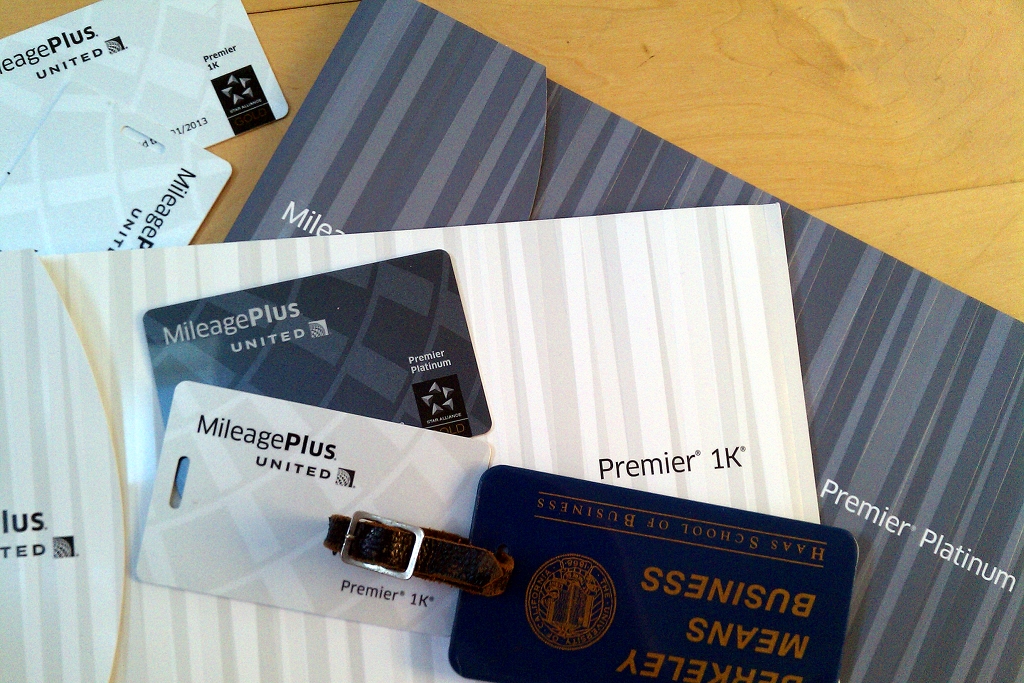
Frequent-flyer miles and points are valuable, but airlines periodically “devalue” their programs — quietly raising the miles needed for awards, changing how miles are earned, or adding restrictions — so that points you’ve banked are worth less than you expected. The rules shift under your feet. How to get around it: don’t hoard miles indefinitely (use them before they devalue), pay attention to program changes, understand how your program actually earns and redeems value, and treat miles as something to use reasonably promptly rather than a savings account. Knowing that loyalty programs can and do change to your disadvantage helps travelers extract value from their miles before quiet devaluations erode it.
Airport vs. Advance Pricing

A consistent pattern across airline fees is that doing things at the airport — paying for bags, printing boarding passes, certain services — frequently costs more than handling them in advance online, with the counter price set higher to encourage self-service. Procrastination has a price. How to get around it: handle everything you can in advance online — check in, pay for bags, select seats, download your mobile boarding pass — to avoid the higher at-airport pricing and the lines. The simple habit of completing everything online before you leave for the airport not only saves money on the fees that cost more at the counter but also smooths your entire airport experience.
Third-Party Booking Pitfalls
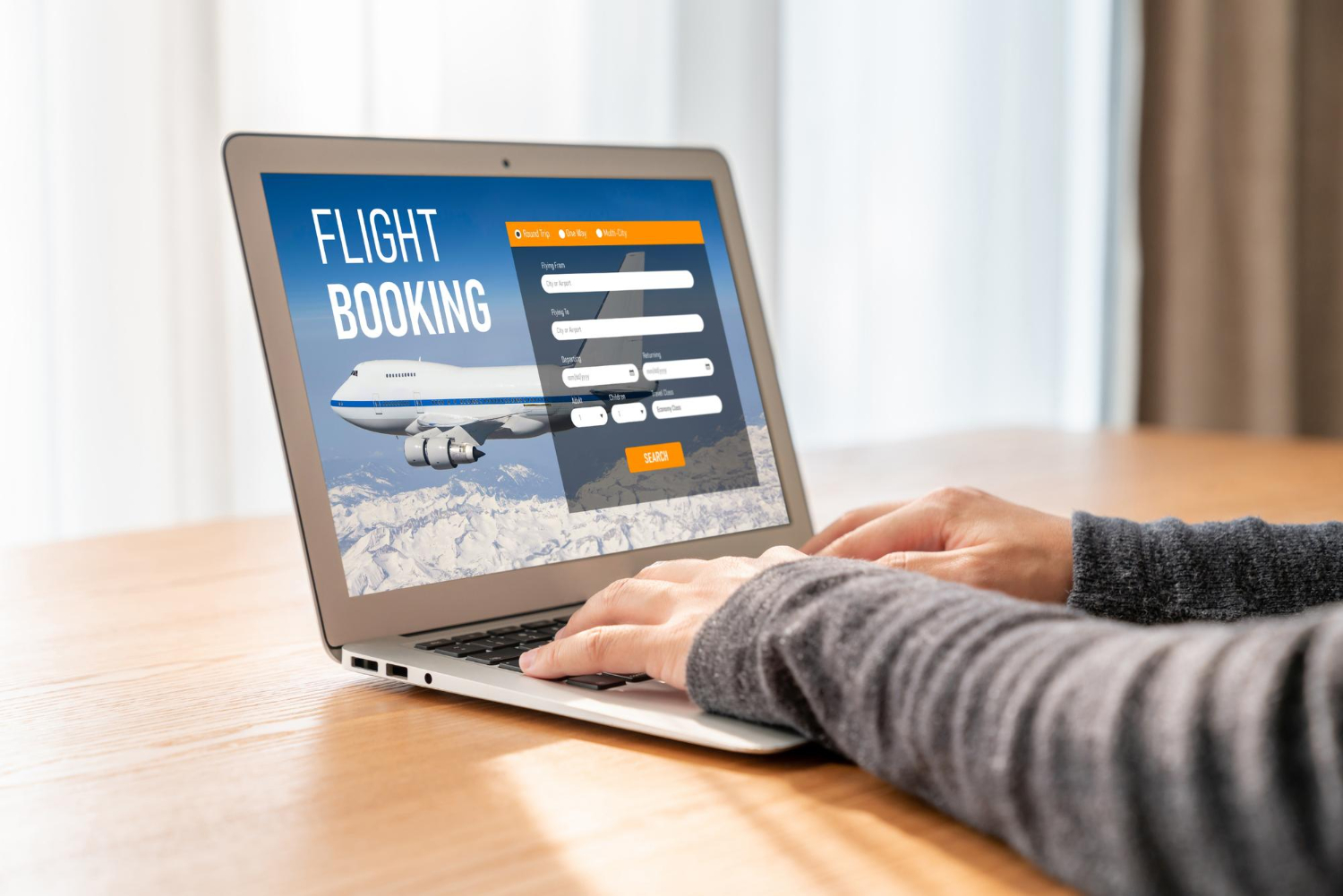
Booking flights through some third-party sites can introduce its own costs and headaches: less flexibility, complications when flights change or cancel, difficulty getting refunds, and being lower priority than direct customers. The slightly cheaper headline fare can cost you when something goes wrong. How to get around it: compare prices on third-party sites for research, but consider booking directly with the airline (frequently the same price), which gives you a direct relationship for changes, cancellations, and problems. When a flight is disrupted, being the airline’s direct customer rather than a third-party booking frequently means faster, smoother resolution — a value that can far outweigh a small price difference.
The Bottom Line on Beating Airline Fees
The modern airline pricing system is designed so that the headline fare is frequently just the starting point, with the real cost assembled from baggage fees, seat charges, fare restrictions, and fine print that isn’t made obvious. But travelers who understand the patterns consistently pay less and travel more smoothly than those who don’t. The core strategies are simple: always know your airline’s specific baggage, seat, and change rules before booking; calculate the true total cost rather than chasing the lowest headline fare (especially with stripped-down basic economy); handle everything online in advance to avoid higher at-airport pricing; book directly with the airline for flexibility and better problem-resolution; read past the headline on new rules and perks to the actual terms; and use loyalty miles before they devalue. None of this requires being an expert — just a willingness to look past the advertised price to what the trip actually costs and how the rules actually work. The traveler who does pays for what they need and nothing more, while the one who doesn’t quietly funds the fees and fine print that the system is built to collect. A little knowledge genuinely pays for itself every time you fly.
Like our content? Follow us for more.