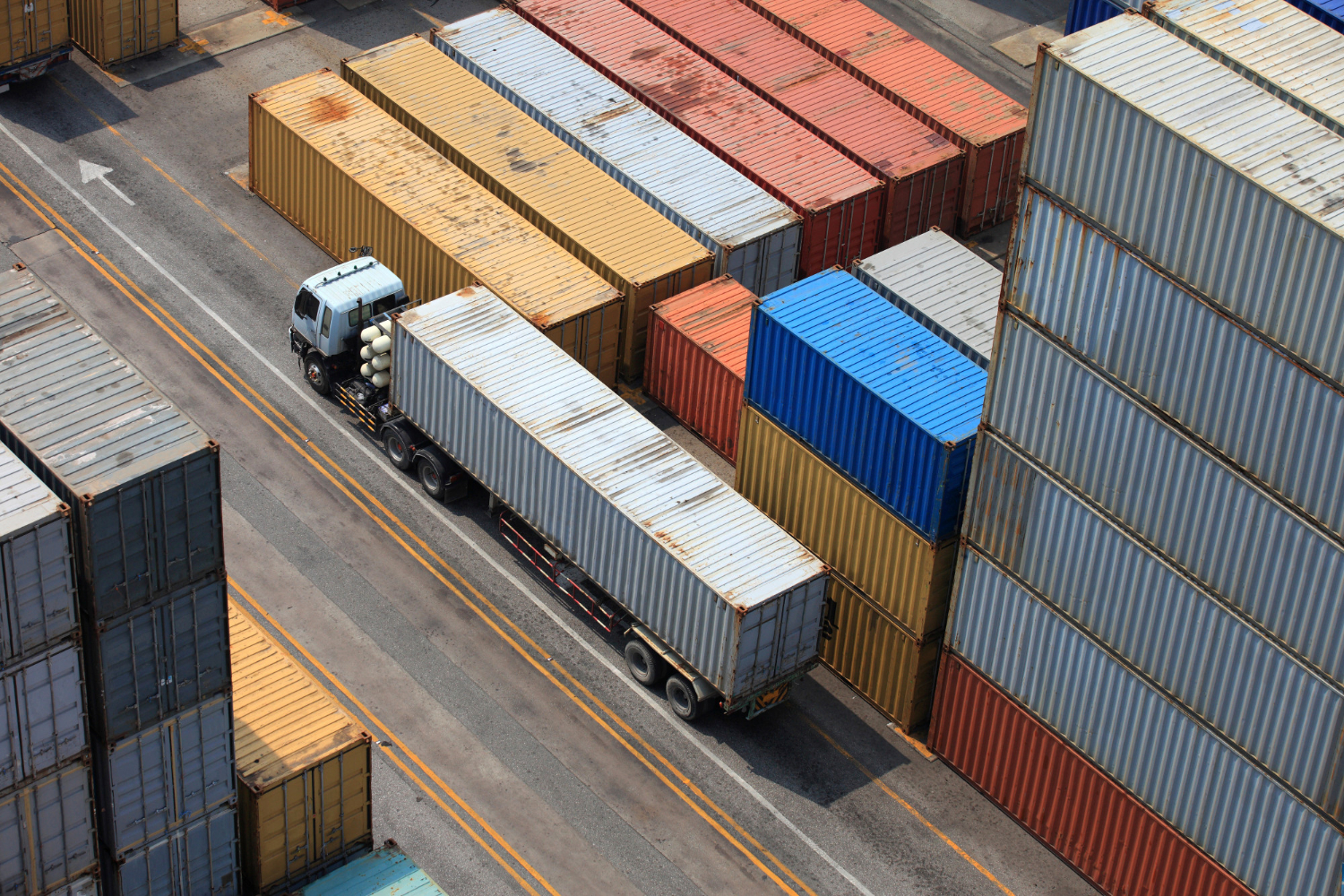
There is a case to be made that the most consequential object of the twentieth century is a corrugated steel box.
It is not an impressive thing to look at. It is a rectangle with doors at one end, no mechanism of any kind, and a set of reinforced corner fittings. Millions of them exist and almost nobody gives them a second look.
And yet the global economy as it currently operates would not function without it. The reason you can buy something manufactured on the other side of the world for a price that does not obviously include the cost of moving it across an ocean is that a man in North Carolina worked out that the problem with shipping was not the sailing.
Here is how a box rearranged world trade.
What Loading a Ship Used to Involve
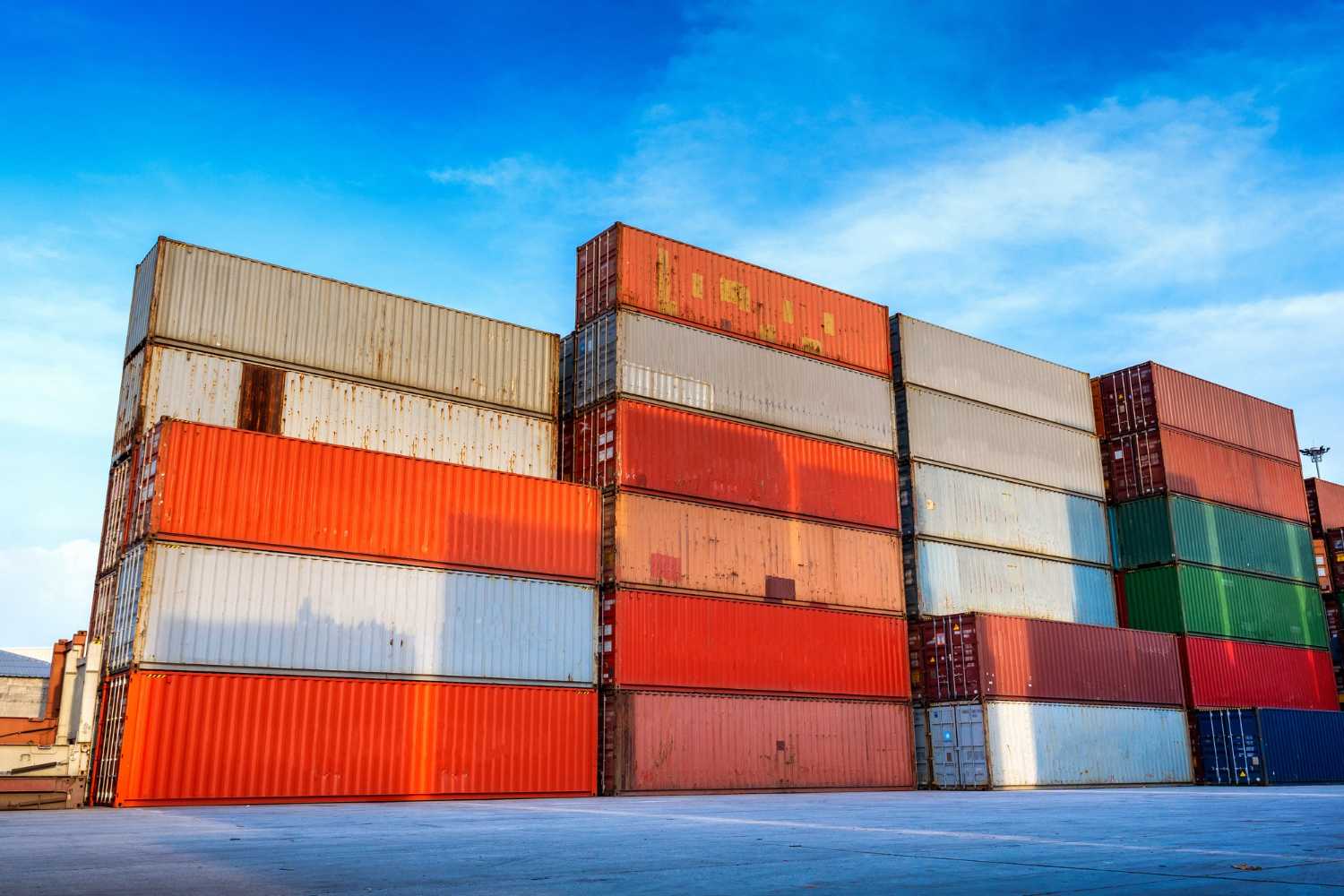
To understand the change you have to understand what it replaced, and the term for it is break-bulk cargo.
Everything travelled separately. Barrels, sacks, crates, bales, drums and boxes of every conceivable size were carried aboard individually and stowed by hand, fitted together in the hold like an enormous and unrewarding puzzle. A single ship might carry something in the region of 200,000 individual pieces of cargo.
Every item was handled repeatedly. It came off a truck or a railcar, was stacked on the dock, was lifted aboard, and was arranged in the hold, then the whole sequence ran in reverse at the other end.
The labour was skilled and the workforce was large. Longshoremen knew how to stow a hold so the load stayed stable through a crossing, which was truly expert work.
It was also extremely slow. The time a ship spent in port loading and unloading frequently equalled the time it spent at sea. A vessel is only earning when it is moving, so half of any voyage was dead time, and that cost was built into the price of everything that travelled.
Handling also meant damage and loss, which added further cost.
Like our content? Follow us for more.
The Man Who Was Waiting on the Dock
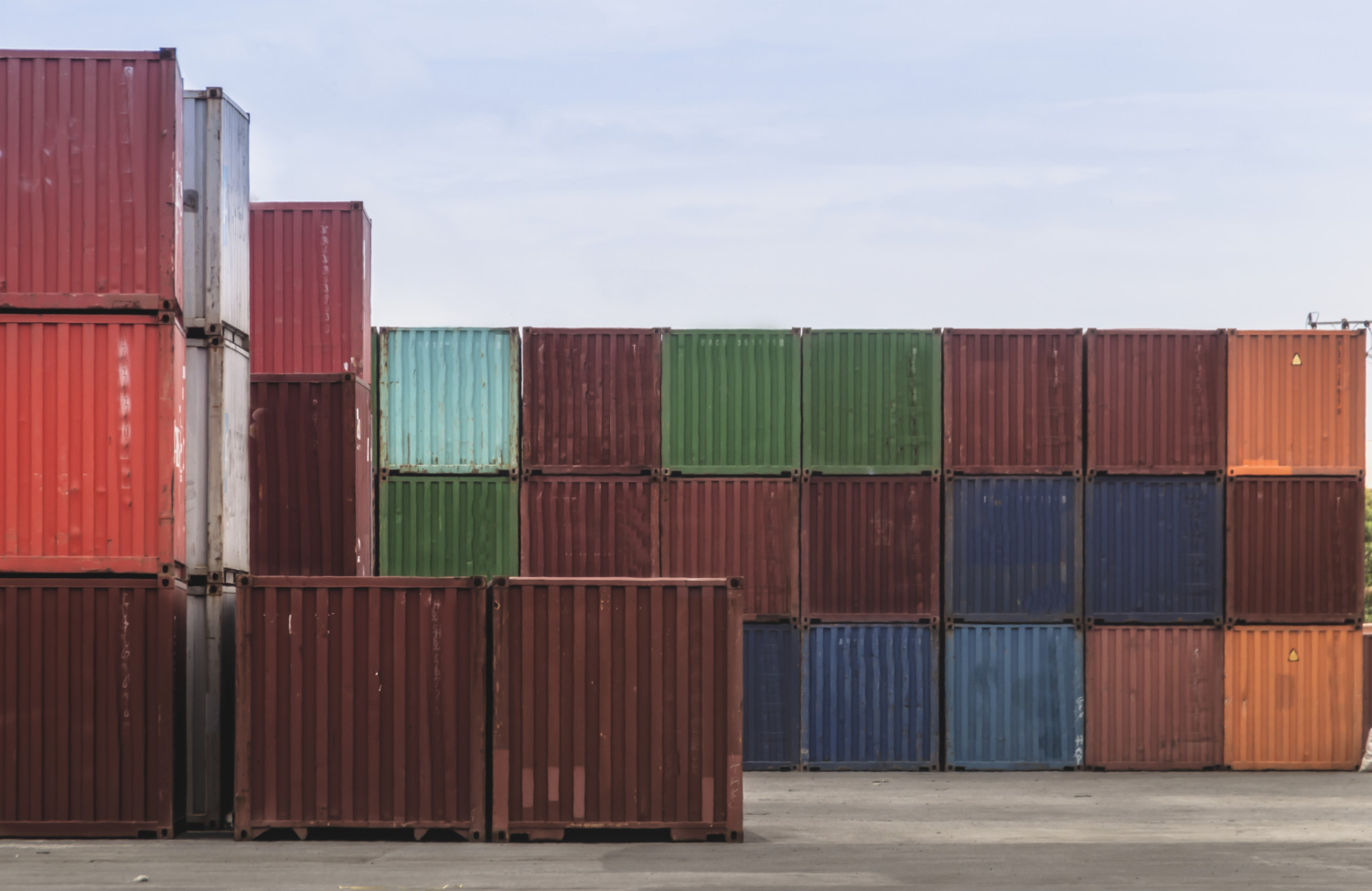
Malcom McLean owned a trucking business in North Carolina. The story most frequently told about his motivation dates from 1937, when he delivered cotton bales to New York Harbour and spent days waiting while longshoremen unloaded his truck by hand.
His insight was not about ships. It was that the expense of moving goods lay in the handling rather than the distance, and that every time cargo changed vehicle it was being handled again.
The solution followed directly: stop unloading the truck. Put the whole container on the ship, take it off at the other end, and put it on another truck. The contents are never touched between the factory and the destination.
He worked with an engineer, Keith Tantlinger, on the design, and the corner fittings that allow containers to be lifted, locked together and secured are a substantial part of why the system works at all.
On 26 April 1956, a converted Second World War tanker called the Ideal-X sailed from Port Newark, New Jersey, carrying 58 metal boxes on a reinforced deck. Five days later it reached Houston, where 58 waiting trucks drove the boxes away.
McLean calculated that loading a medium-sized ship conventionally cost around $5.83 per ton, while loading containers came to roughly 16 cents. That is a reduction of something close to 97 percent in a single cost line of world trade.
Why Standardisation Was the Hard Part
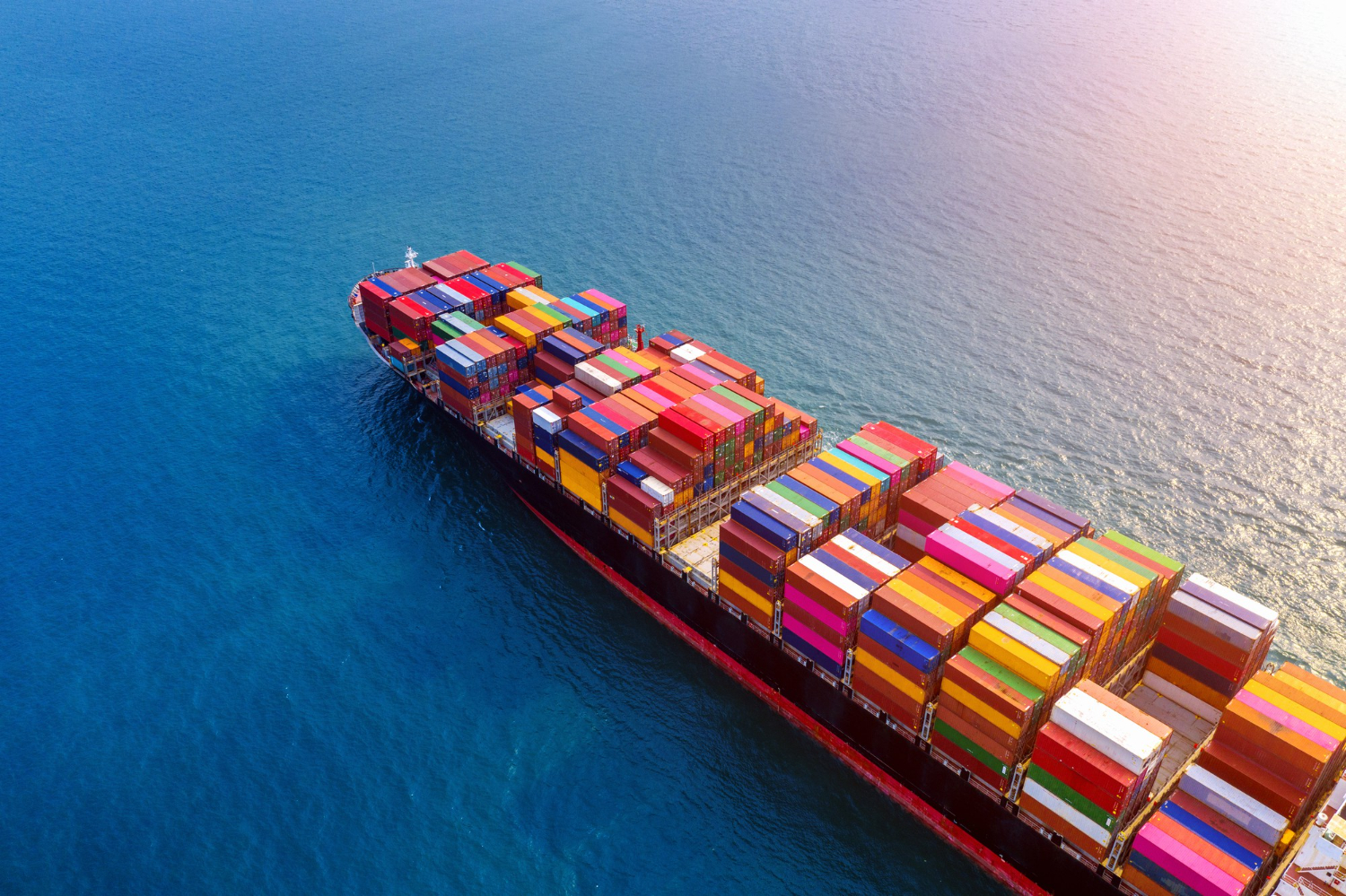
The box was the easy bit. Getting everyone to use the same box took substantially longer and mattered more.
McLean’s first containers were 35 feet long, sized to match the longest trailer permitted on American highways. His main domestic rival used 24-footers, dimensioned for Hawaiian sugar shipments. European and Japanese lines had their own measurements.
That is a system that does not work. A container packed in one port might not fit a crane, a ship’s cell guides or a truck chassis in another, and the entire promise of seamless transfer collapses at the first border.
The International Organization for Standardization established a technical committee for containers in 1961 and published the first container standard in 1965, defining the familiar 20-foot and 40-foot units. Ships were then redesigned around the boxes rather than the reverse.
The 20-foot equivalent unit — the TEU — became the counting unit of the entire industry, which is why container ship capacity is quoted in a measurement rather than in a number of objects.
The standardisation is the actual invention. A box is just a box; a box that fits every crane, ship, truck and railcar on the planet is infrastructure.
What Changed as a Result
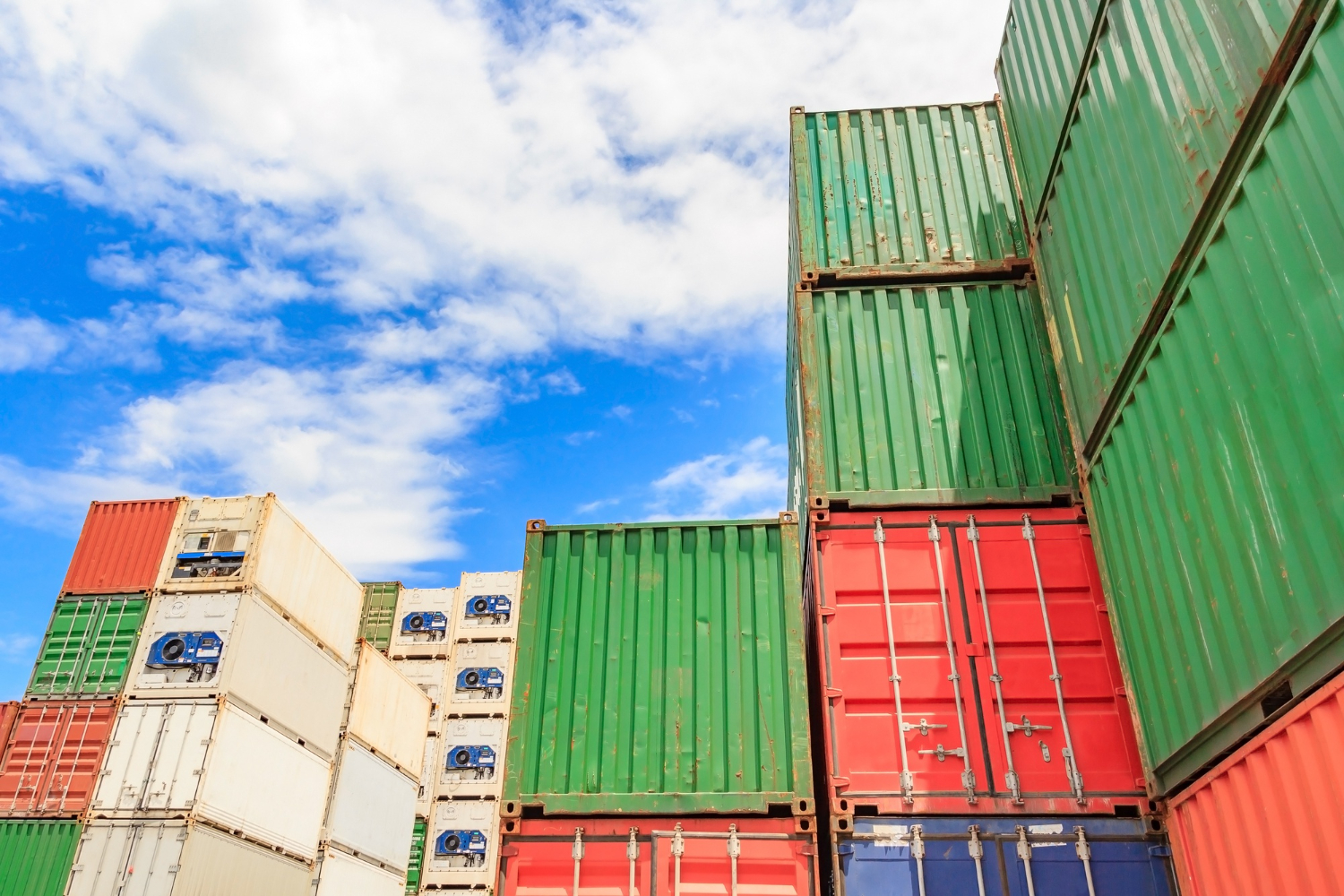
The consequences ran well beyond shipping costs.
Port time collapsed. A modern vessel carrying tens of thousands of containers can be worked by a handful of gantry cranes and a crew of a few dozen, discharging and reloading in a day or two what once took a large workforce the better part of a fortnight.
The volume of global trade expanded enormously — one commonly cited figure puts the growth at something like thirtyfold — and the geography of manufacturing reorganised around the fact that distance had become cheap.
That is the deeper point. Once moving goods across an ocean costs very little relative to making them, there is no strong reason for production to stay near consumption. Supply chains stretched, components began travelling between several countries before assembly, and the phrase “made in” became increasingly difficult to answer honestly.
Ports moved too. Old city-centre docks with narrow quays and warehouse districts could not handle container cranes or the land area required for stacking, so operations shifted to purpose-built terminals, frequently in different places entirely. A great many historic dock areas became derelict and were later redeveloped, which is why so many cities have a waterfront district full of converted warehouses.
The Part That Is Usually Left Out
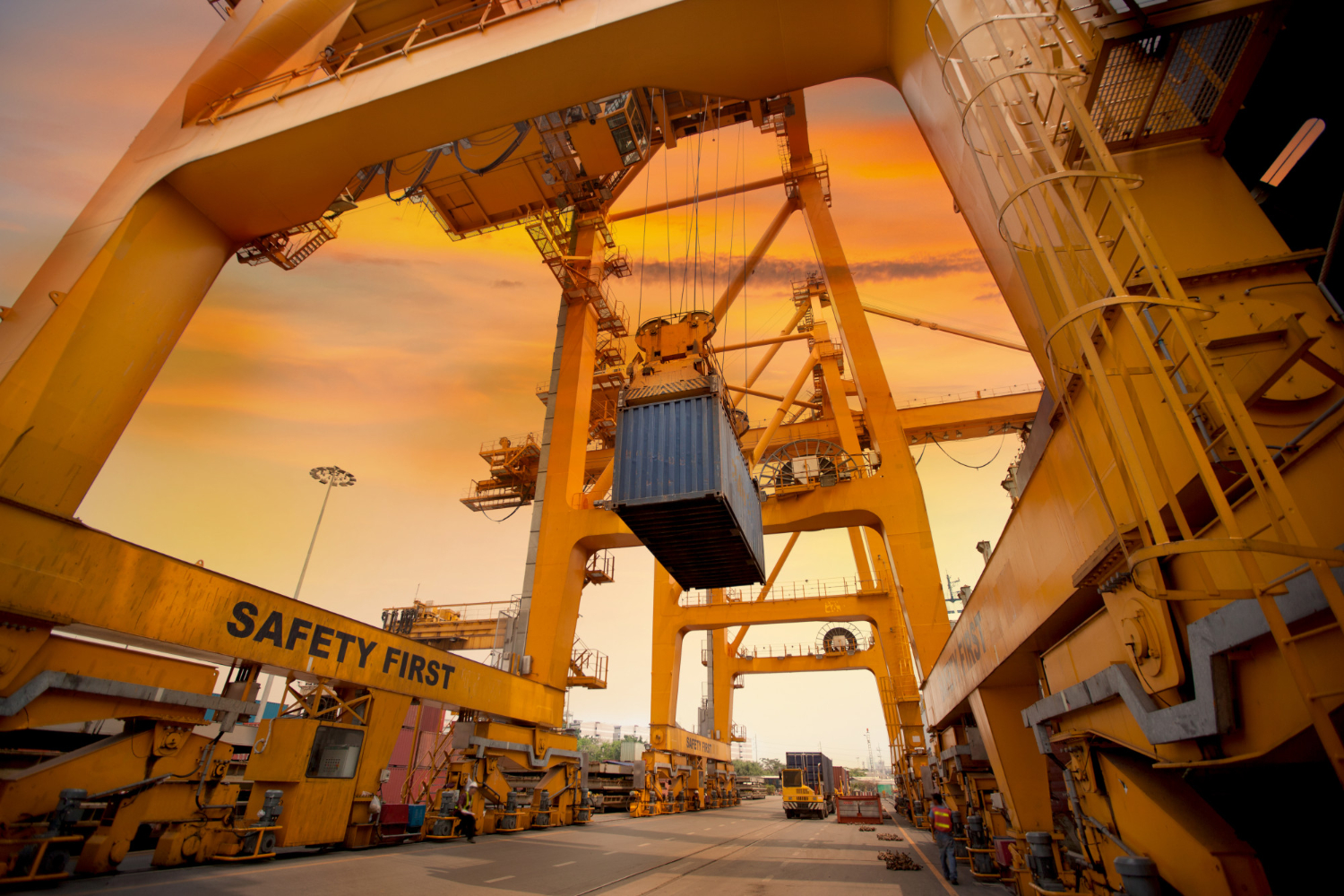
An honest account has to include the cost, and it fell on a specific group of people.
Containerisation eliminated the great majority of dock labour. Work that had employed enormous numbers of skilled longshoremen in port cities around the world was replaced by cranes and a small crew, over a period of years, and the communities built around that employment were substantially affected.
There has also been sustained criticism regarding labour standards in the wider industry, with critics arguing that cheap containerised shipping enabled production to relocate toward the lowest available costs, including labour costs.
These are contested questions of economics and policy rather than settled facts, and this piece does not attempt to resolve them. But an article describing a ninety-seven percent cost reduction as an unambiguous triumph would be leaving out who paid for part of it.
What Is Actually Inside Them
One consequence of the system is worth spelling out, because it changed the relationship between a cargo and the people moving it.
Under break-bulk, dockworkers handled every item individually. They knew what was in the hold because they had put it there, and the contents of a ship were visible to everyone involved in loading it.
A sealed container is opaque. It is packed at origin, sealed, and not opened again until it reaches its destination, which is precisely the efficiency the system depends on — every opening is a handling event and handling is the cost being eliminated.
That opacity has consequences. Cargo theft, which had been a persistent feature of dock work, dropped substantially once goods were sealed inside steel boxes rather than stacked loose on a quay. Insurance costs fell accordingly, which was a significant part of the economic case.
It also means inspection is a sampling exercise. Customs and port authorities cannot open a meaningful fraction of the containers passing through a large terminal, so systems rely on documentation, risk assessment and scanning technology rather than physical examination.
And it explains a familiar modern phenomenon: nobody along the chain necessarily knows what is in any particular box. The information exists in paperwork rather than in anyone’s direct knowledge, which is a structural feature of the system rather than a failure of it.
An Invention You Can See From a Motorway
What makes the container worth thinking about is how thoroughly it disappeared into the background.
Everyone has seen thousands of them — stacked at ports, on trains, on the back of lorries, converted into site offices and, latterly, into houses and coffee shops. Nobody regards them as remarkable.
But the thing being looked at is a standard, not an object. The steel box is the visible part of an international agreement about dimensions, corner fittings and lifting points, which is why a container loaded in one country can be moved by equipment in another that was built without any knowledge of it.
Very few inventions of comparable consequence are so completely uninteresting to look at. There is no mechanism to admire, no material breakthrough and no clever component. There is a man who got tired of waiting at a dock, an engineer who designed a corner casting, and a committee that agreed on some numbers.
That combination moved almost everything you own.
Like our content? Follow us for more.