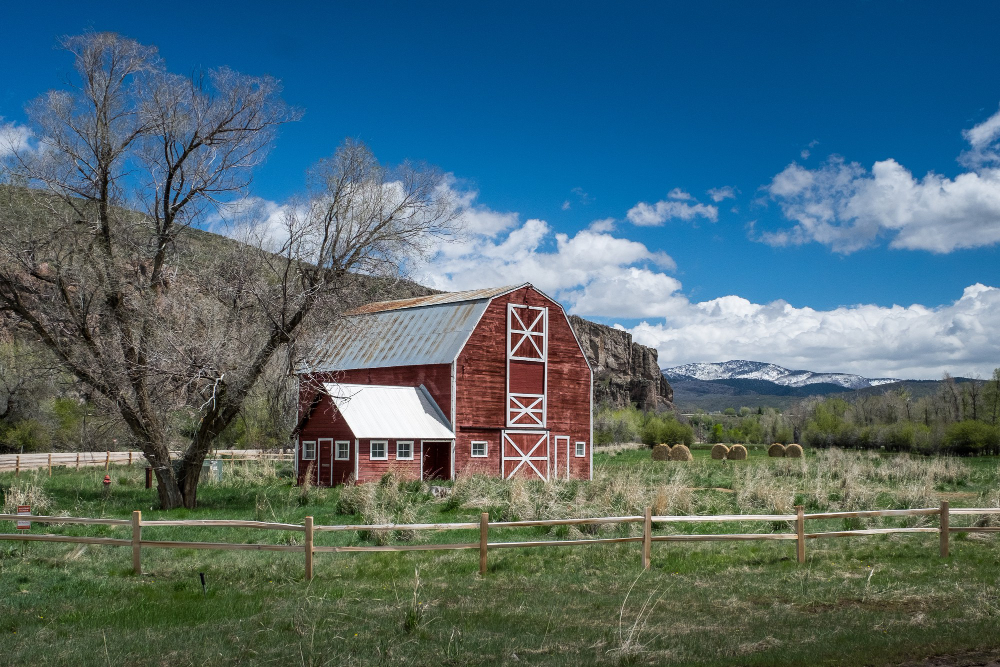
Each building did one job, and the shape is the job. Here are fifteen.
1. A Very Tall Pair of Doors Means Loaded Carts
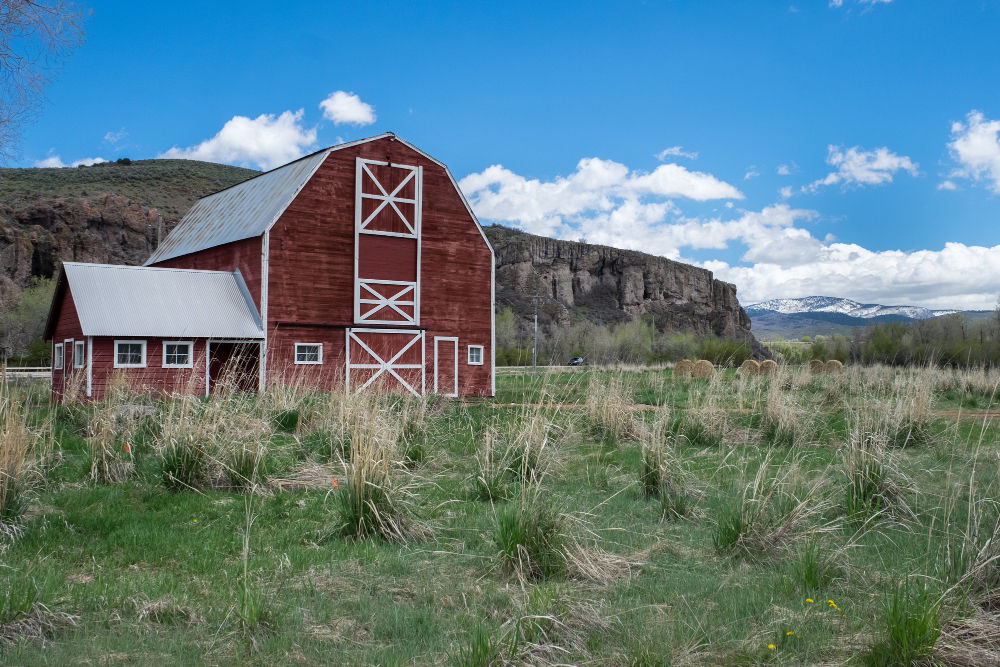
Enormous doors in the middle of a long side were sized for a fully loaded harvest wagon to be driven inside.
The height is the load, not the building, and it dates the yard to before the crop was handled in the field.
Like our content? Follow us for more.
2. And Doors on Both Sides Mean a Through Draught
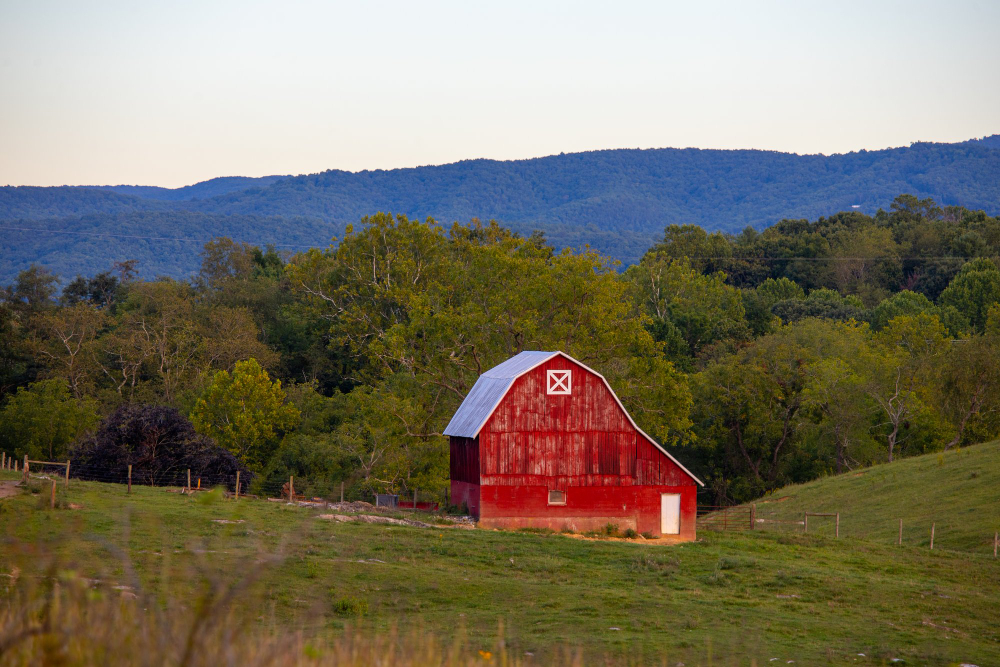
Matching doors opposite each other created a cross-current for separating grain from chaff by throwing it into the air.
That central bay was the threshing floor, and the draught was the machine.
3. Which Is Why the Floor in the Middle Is Different
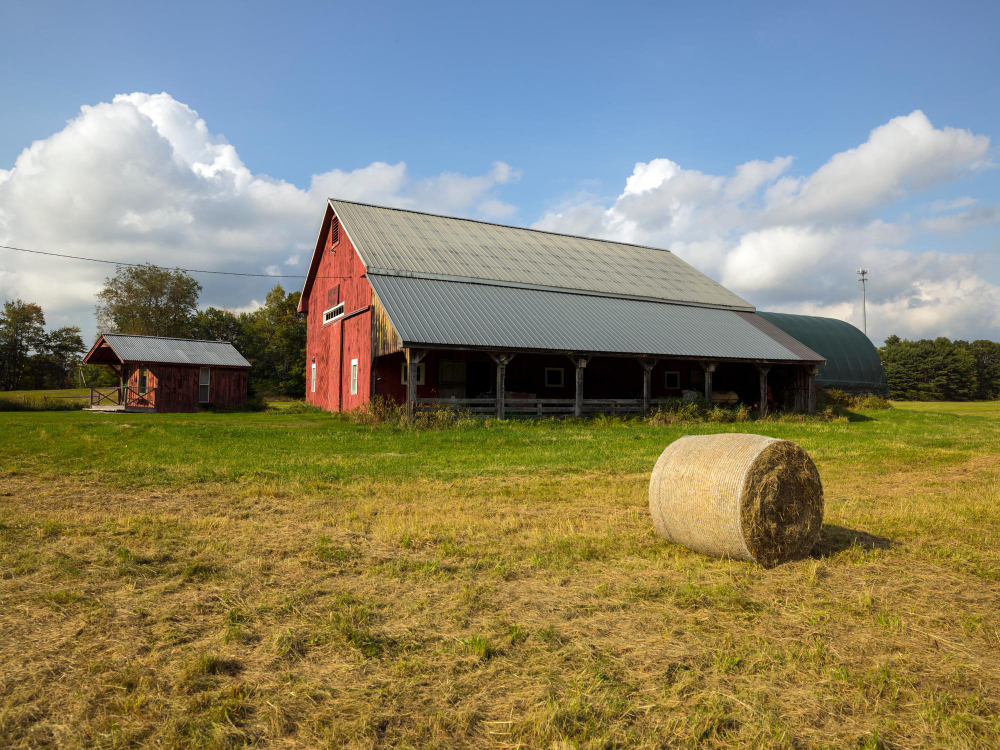
The threshing bay frequently has a hard floor of stone, brick or rammed material where the rest is earth.
It was the one part that had to take repeated beating.
4. Gaps Left in the Brickwork Mean Something Had to Breathe

Deliberate slits, pierced patterns or missing bricks are ventilation for a crop that would spoil if it sweated.
A building meant for animals keeps heat in; a building meant for a crop lets air through.
5. A Building Standing on Mushroom-Shaped Stones
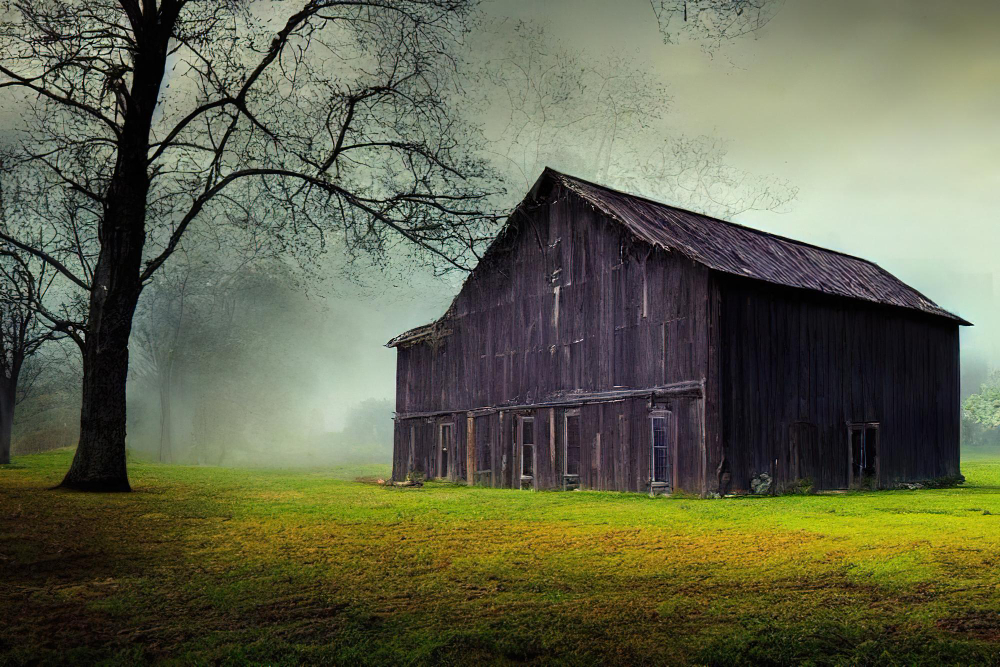
A small structure raised on stone supports with wide caps is a granary, lifted clear of the ground.
The caps are there so rodents cannot climb past them, which is the whole point of the design.
6. Low Doors in a Row Mean Individual Animals
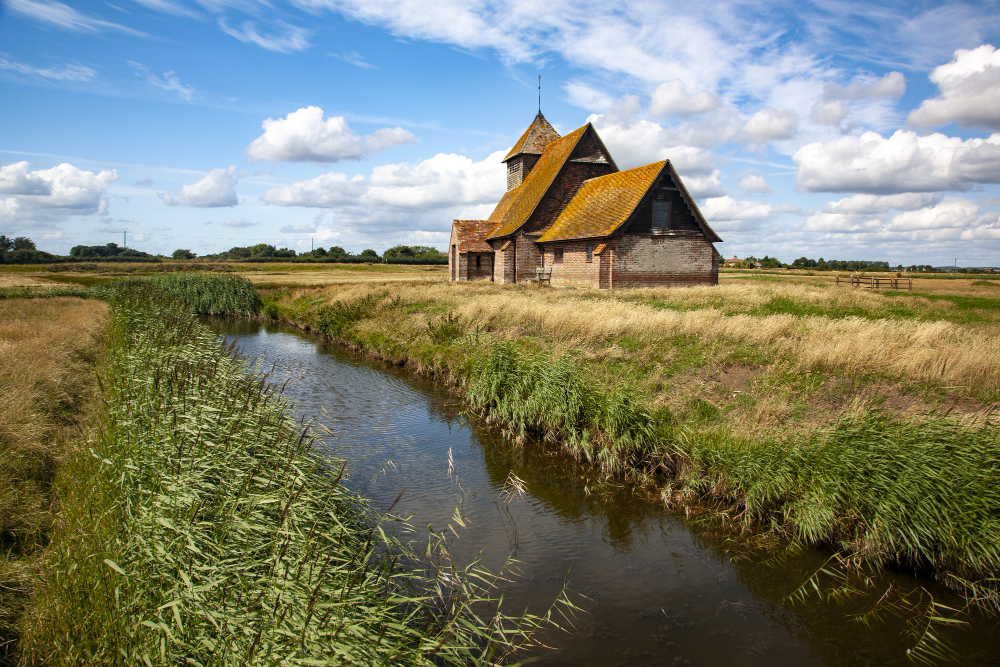
A range of small openings, each serving one compartment, was built for animals housed separately.
Count the doors and you have counted the stock the building was sized for.
7. A Wide Low Opening With No Door Means Vehicles
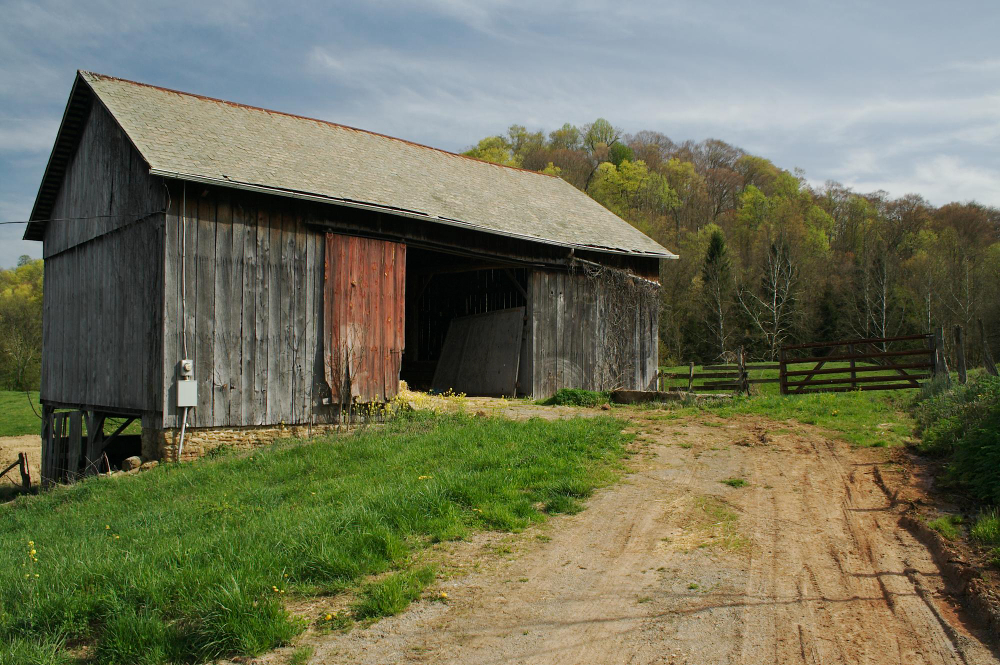
An open-fronted bay, tall enough for a cart and never closed, was for storing implements out of the rain.
Nothing in it needed securing, so nothing was ever fitted to secure it.
8. The Stonework Changes Halfway Up
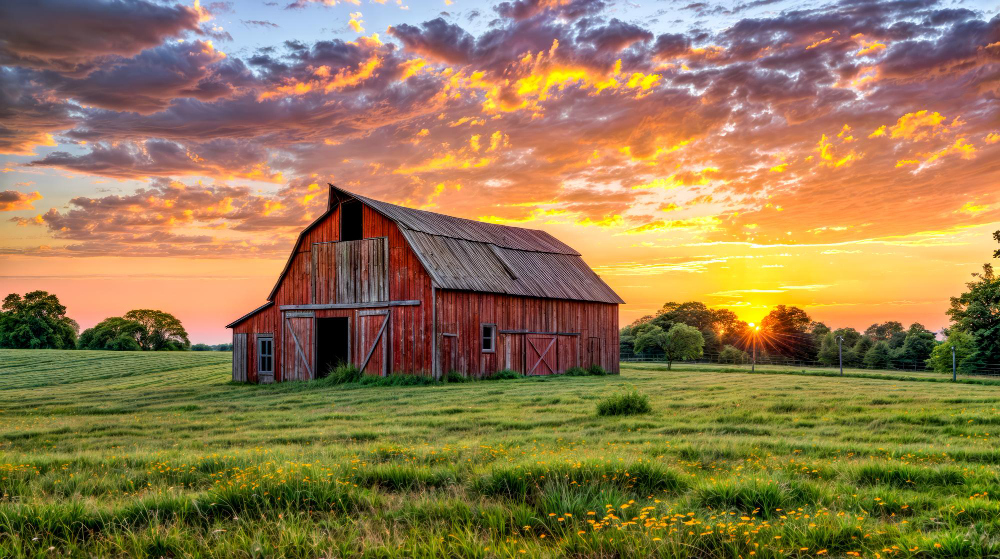
Better masonry below and rougher work above usually means the upper part was raised later, or rebuilt after a fire.
A change in material at a consistent height across several buildings dates a single campaign of work.
9. Blocked Openings Outnumber Open Ones
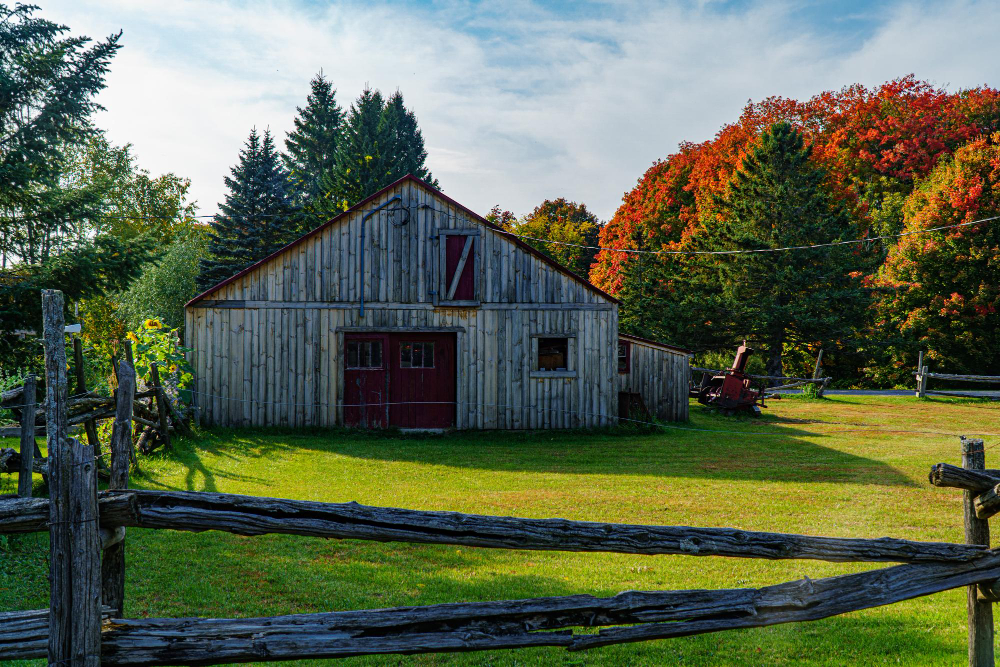
Farm buildings were adapted constantly, so old doors and windows survive as outlines in the wall.
The blocked ones tell you what the building used to be for; the open ones tell you what it became.
10. The Yard Is Enclosed on Purpose
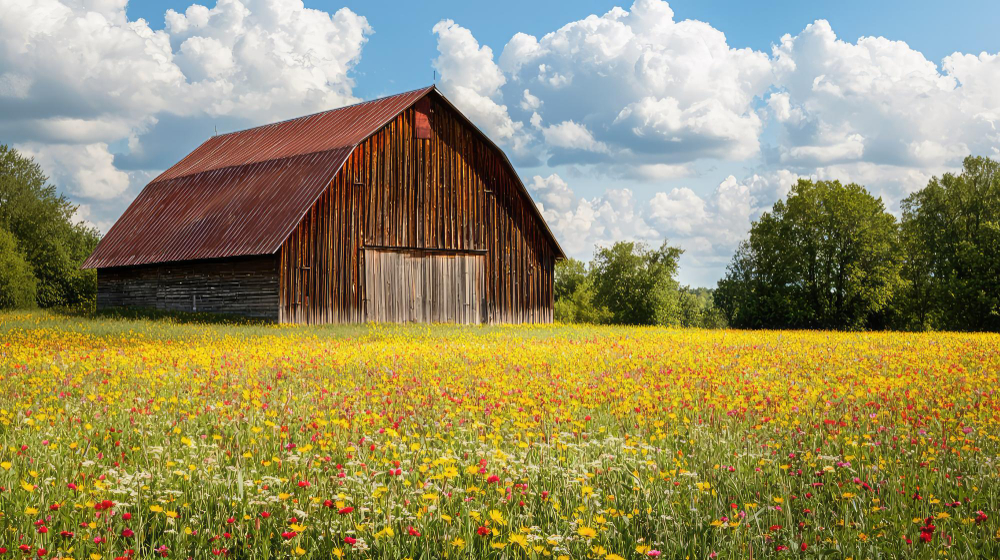
Buildings arranged around a square with one entrance created a space that could hold animals without a gate on every side.
The yard was a room, and the buildings were its walls.
11. The Slope Runs Toward One Corner
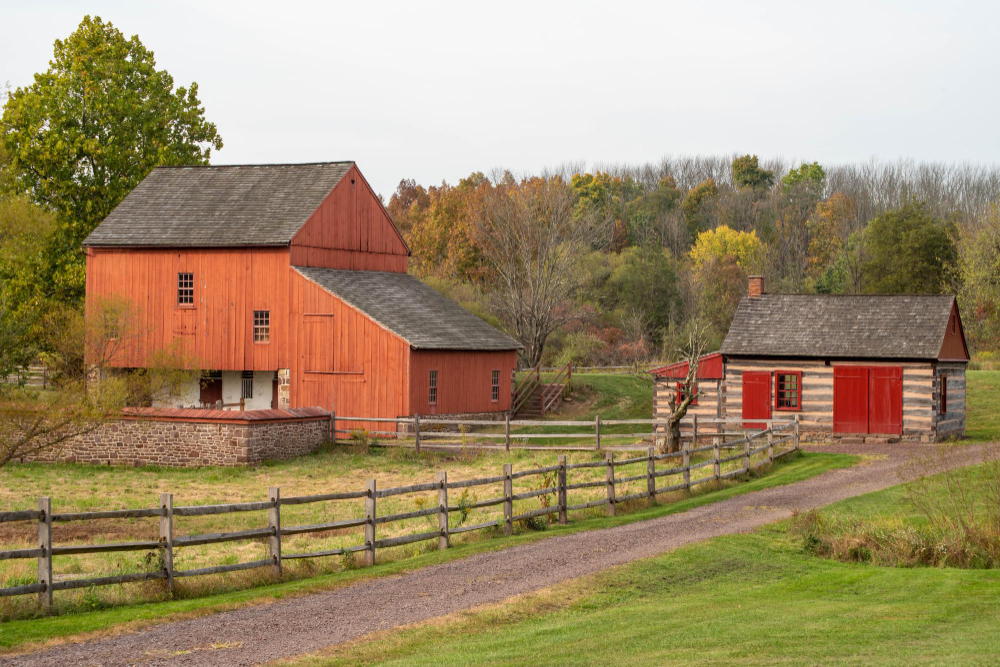
Yards were deliberately graded so that liquid collected somewhere it could be used rather than lost.
Manure was the farm’s main fertiliser and managing it was a design requirement.
12. Something Small and Round Away From Everything
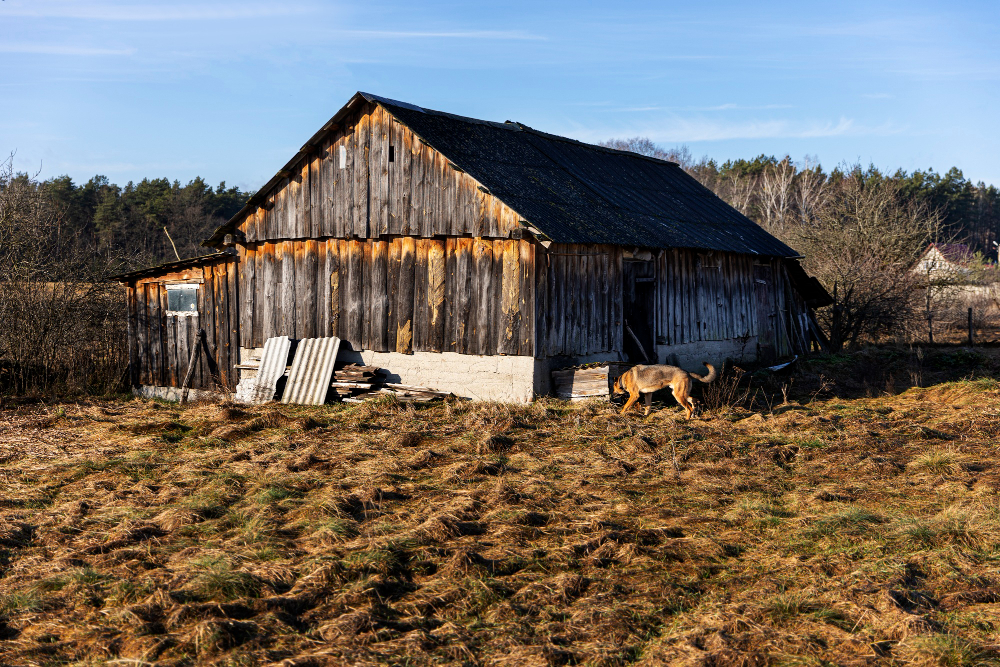
An isolated round or polygonal structure is usually a horse-powered engine house, where an animal walked in a circle to drive machinery.
The shaft went through the wall into the barn beside it, and the wall usually still has the hole.
13. Corrugated Iron Marks the Point Everything Changed
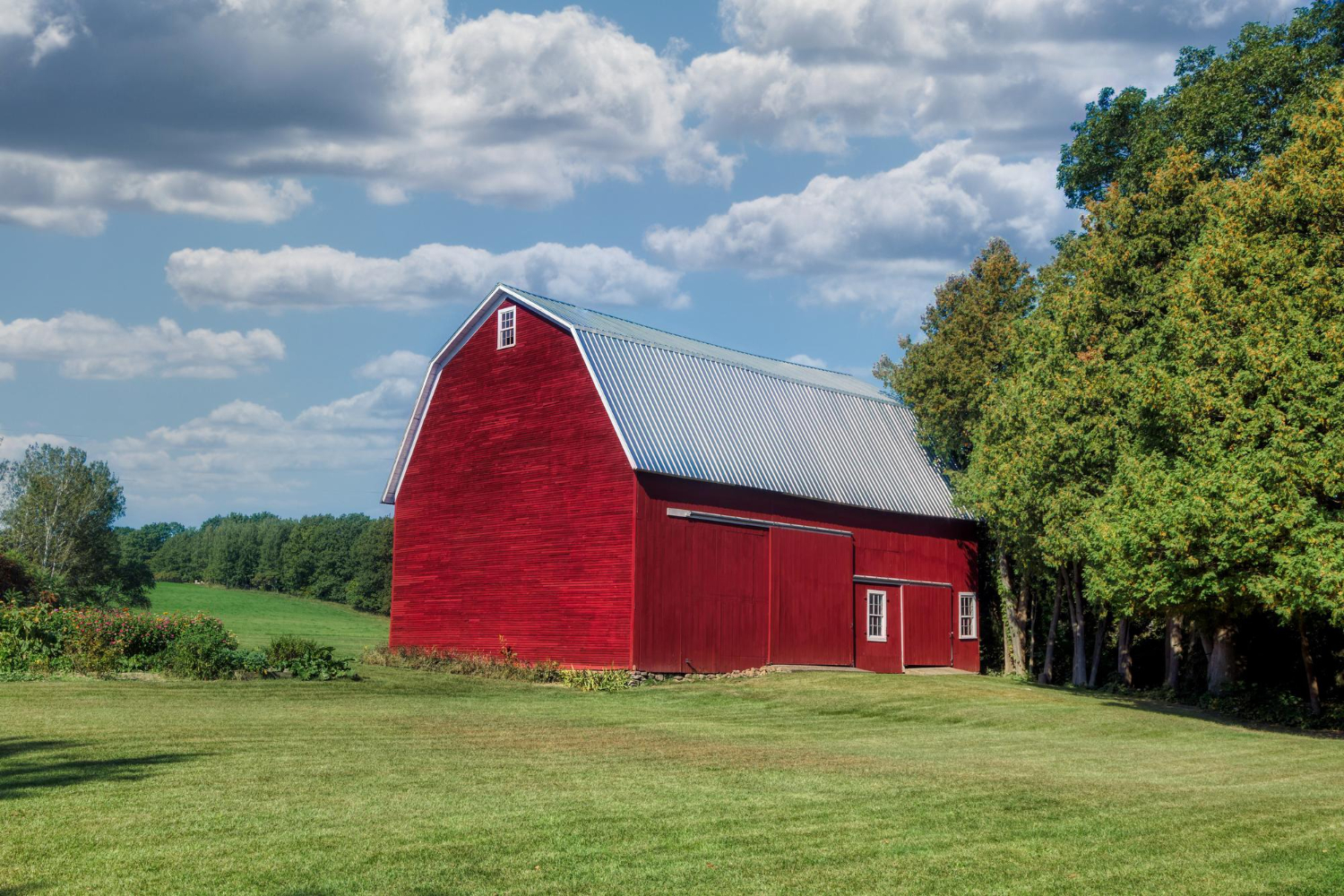
Sheet metal roofs and extensions appear from the later nineteenth century onward and are almost always additions.
They mark the moment cheap manufactured material reached the farm.
14. A Very Large Modern Shed Means the Old Ones Stopped Working
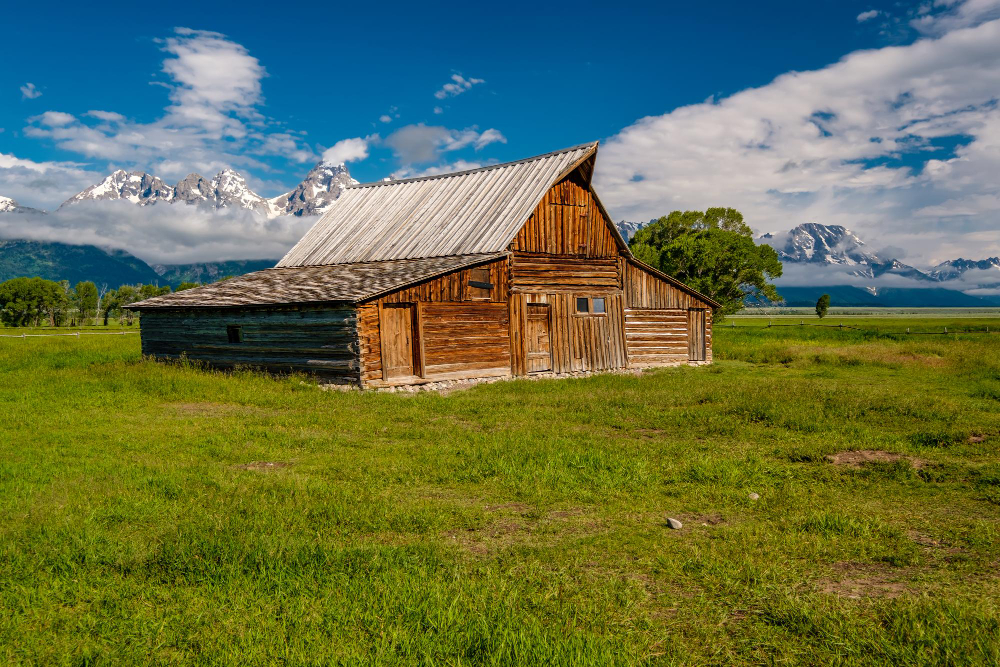
One big portal-framed building usually appears when machinery outgrew every door on the site.
The old buildings survive precisely because they became useless rather than because they were valued.
15. Conversion Keeps the Shape and Loses the Logic
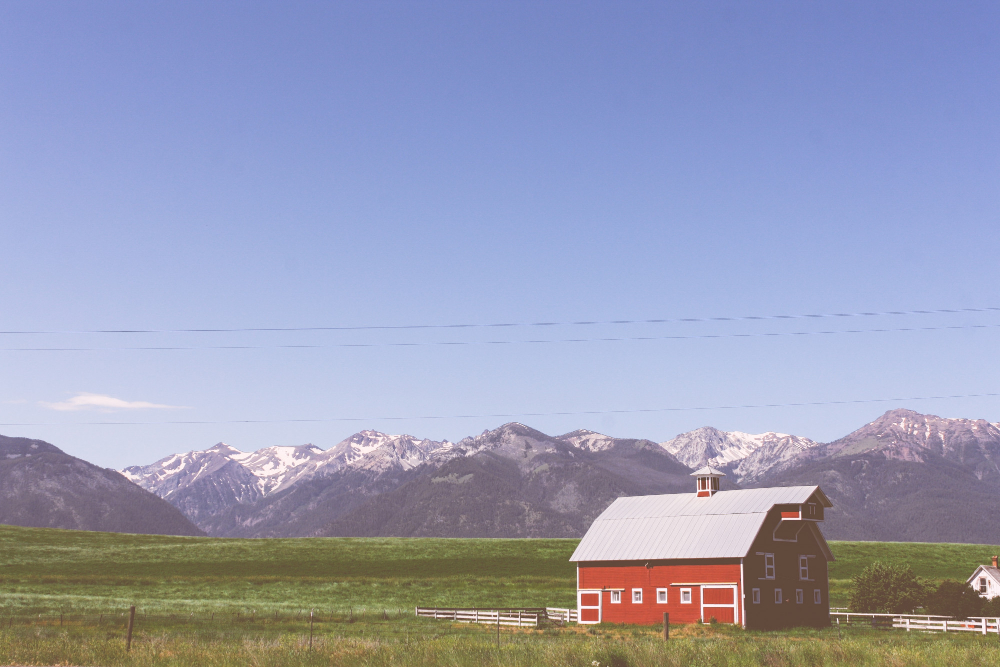
A converted barn retains the enormous doors, the ventilation slits and the threshing bay as features that no longer do anything.
The shape survives, and it is still readable, which is why any of the above can still be seen.
Buildings Shaped by One Job Each
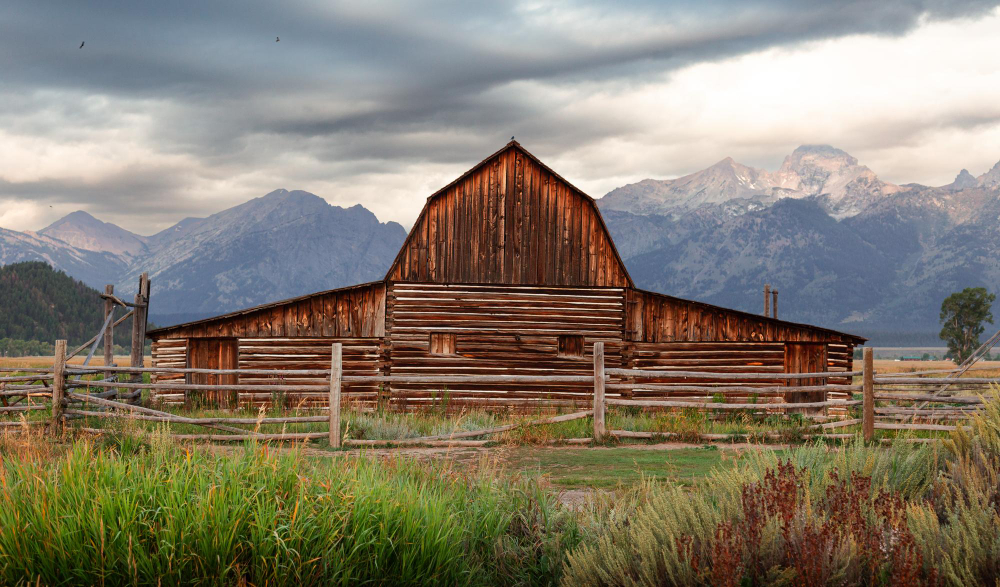
Doors sized for a loaded wagon, a cross-draught doing the threshing, gaps left in the brickwork for a crop to breathe, a granary on mushroom stones and a yard graded toward one corner.
The second item is the one that turns a building into a machine. The great doors on both sides of an old barn were not for access; they were opened together to create a controlled draught across the floor between them, so that grain thrown into the air fell back while the chaff blew away – which means the building itself was the winnowing equipment.
Like our content? Follow us for more.