In 1980, an American family could walk into a bank, the airport, a museum, a restaurant, or a gas station and receive a long list of services at no charge. Checking accounts had no monthly fee. Airline meals were included in the ticket. Map of the state was free at the Esso station. Bag check at the airport cost nothing. Public bathrooms in most American cities were free. Within the next forty-five years, almost every one of those services was either monetized, eliminated, or hidden behind a subscription. The total annual cost to a typical 2026 American family for things that were free to their parents in 1980 runs into the thousands of dollars. Here are twelve specific services and items that were free in 1980 — and exactly what they cost today.
1. Checked Baggage on Domestic Flights
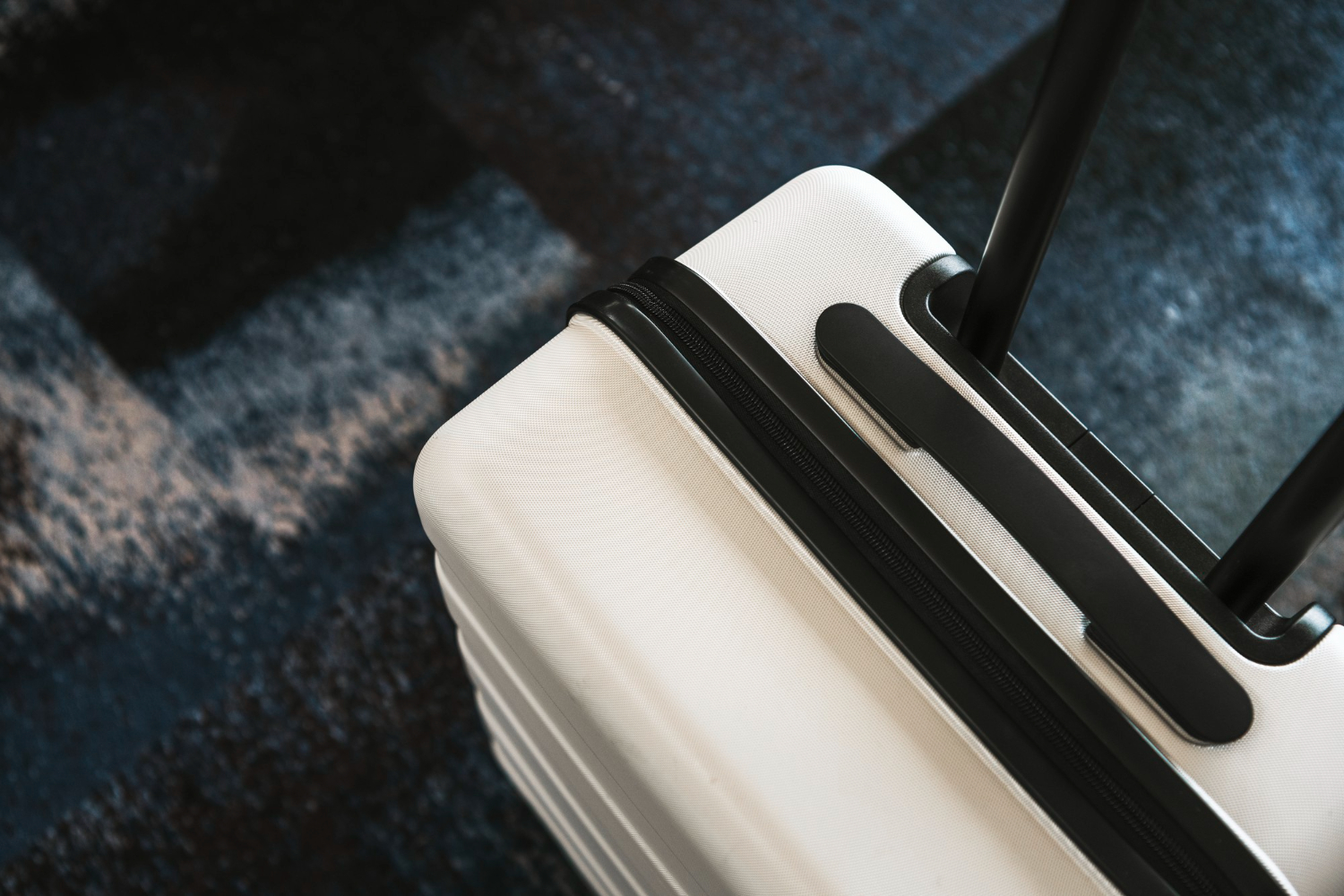
In 1980, every U.S. domestic airline allowed two checked bags per passenger at no additional charge, with a third bag often available for a modest fee. American Airlines became the first major U.S. carrier to charge for the second checked bag in May 2008, with a $25 fee, according to industry reporting at the time. The other major carriers followed within months. As of 2026, the standard fee for the first checked bag on American, United, and Delta is $40 each way for domestic flights, with the second bag at $45. A family of four traveling round-trip with two checked bags each now pays approximately $640 in baggage fees — a cost that simply did not exist in 1980 and that the airlines collectively earned over $7 billion from in 2024 alone.
Like our content? Follow us for more.
2. The Hot Meal on Domestic Flights
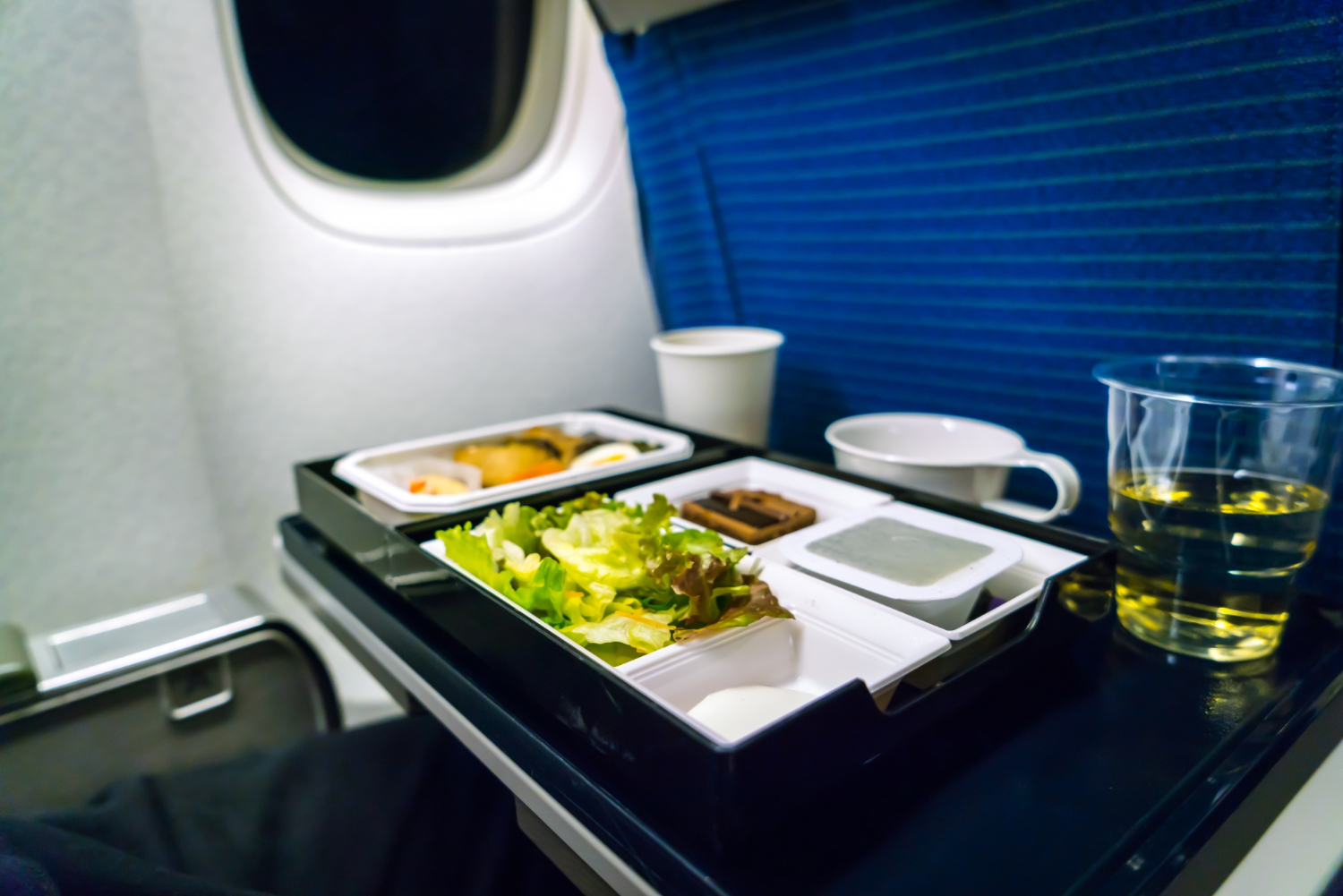
In 1980, every U.S. major airline served a hot meal on any flight over two hours in coach class. Lasagna, chicken in cream sauce, beef tips, scrambled eggs on morning flights — all included in the ticket price. Northwest Airlines was the first U.S. carrier to eliminate coach-class hot meals on domestic flights in 2001, citing post-9/11 cost pressures. By 2010, every major U.S. carrier had eliminated free meals on domestic flights under five hours. According to airline industry reports, the average American flier in 2026 pays approximately $8 to $14 for a sandwich box on a four-hour flight that would have included a hot meal in 1980. Premium-cabin meals remain included on most carriers, but the gap between coach and premium has widened to the point of class distinction.
3. The Free Bank Checking Account
In 1980, virtually every American bank offered a free checking account with no monthly fee, no minimum balance requirement, no per-check charge, and free paper checks delivered annually. A standard 1980 banking relationship cost the customer nothing. By 2024, Bankrate’s annual checking survey reported that the average monthly fee for a non-interest checking account at a major U.S. bank was $5.31, with overdraft fees averaging $26.61 per occurrence. Free checking still exists at credit unions and online banks, but most large traditional banks now charge a fee unless the customer maintains a high balance, makes regular direct deposits, or carries other accounts. The annual cost of a basic checking account at Bank of America, Wells Fargo, or Chase for a customer who does not meet waiver requirements is approximately $144 per year.
4. Free TV — All of It
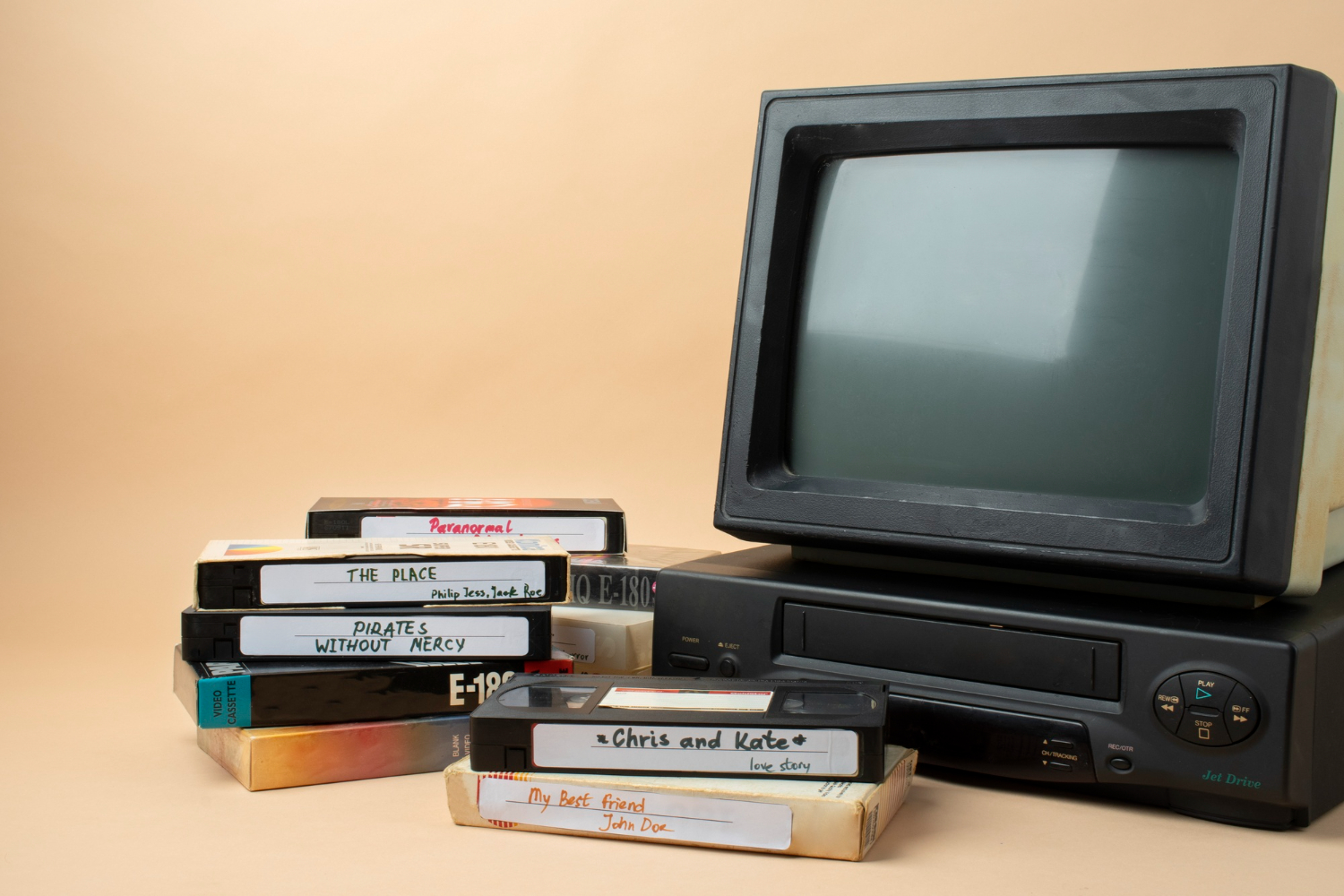
In 1980, American households received roughly seven to twelve broadcast television channels at no charge, picked up through a rooftop antenna. ABC, CBS, NBC, PBS, and various local independent stations. There was no cable subscription, no streaming service, no premium tier. Cable television existed but was limited to roughly 20 percent of U.S. households. According to Pew Research Center data, by 2024 the average American household paid approximately $217 per month for combined cable, internet, and streaming subscriptions. A household with Netflix, Hulu, Disney+, Max, Amazon Prime, and one cable bundle now pays roughly $2,600 per year for what was free to a 1980 family with an antenna. Free broadcast television still exists, but the most-watched programming has moved behind paywalls.
5. The Gas Station Road Map
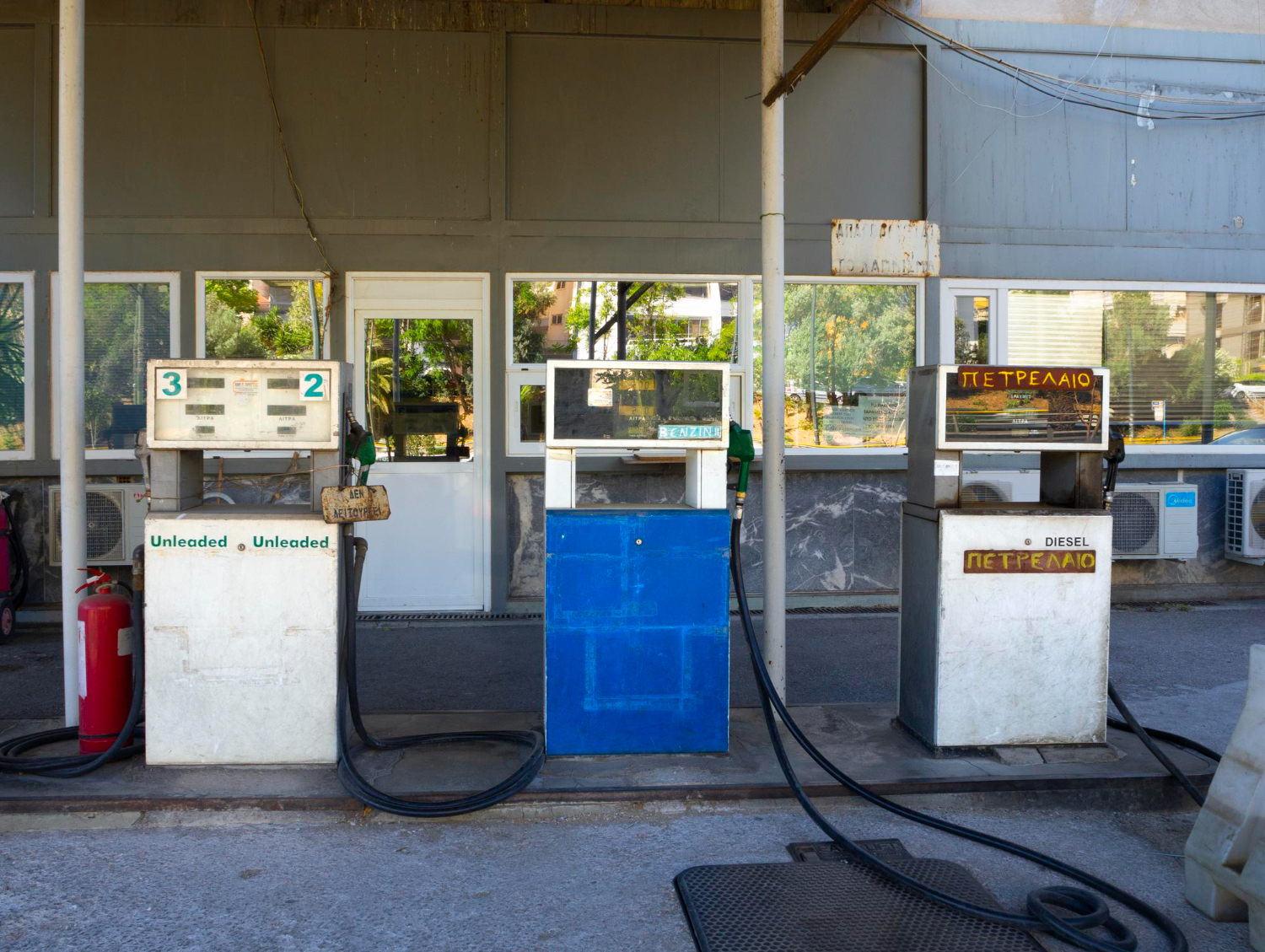
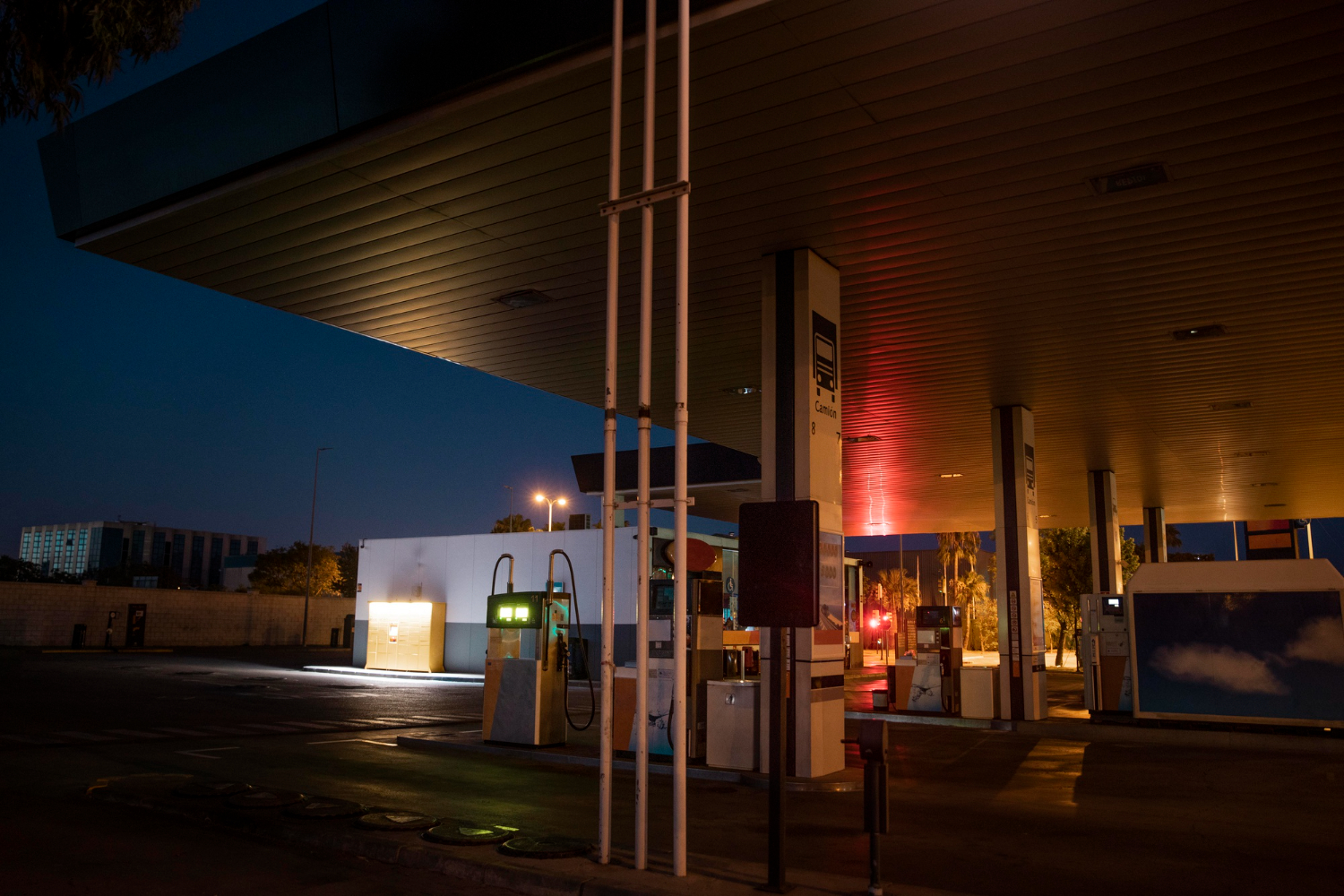
In 1980, every Esso, Texaco, Shell, Gulf, Mobil, and Sinclair station in the United States gave away free state and city maps at the pump — millions of them every year. The maps were produced by Rand McNally, H.M. Gousha, and other cartographic publishers, paid for by oil-company advertising. According to Rand McNally’s corporate history, the company printed more than 100 million free gas station maps annually at the peak of the practice in the 1960s and 1970s. The free map program ended at most stations by the early 1990s as oil companies cut marketing budgets and GPS navigation began to emerge. A printed Rand McNally road atlas at a 2026 truck stop now costs $24.95. The free state map at the gas station is gone — the only remaining giveaway maps come from state tourism offices at welcome centers along the interstate.
6. Network Television Without Commercials During News
The half-hour 1980 evening news broadcasts on ABC, CBS, and NBC ran roughly 22 minutes of news content plus eight minutes of advertising. The 60 Minutes broadcast on Sunday nights followed the same ratio. By 2024, FCC data shows that broadcast news programs run approximately 16 to 17 minutes of news content per 30-minute slot, with the remainder dedicated to advertising, promotional spots, and station identification. The 22-minute news minute of 1980 was effectively a free service — viewers paid nothing and received nearly three-quarters of the broadcast time as actual news. Modern broadcast news has compressed the news content to make room for additional advertising. Streaming alternatives charge subscription fees, and most ad-supported news platforms have higher ad-to-content ratios than 1980 broadcast television.
7. The In-Restaurant Bread Basket
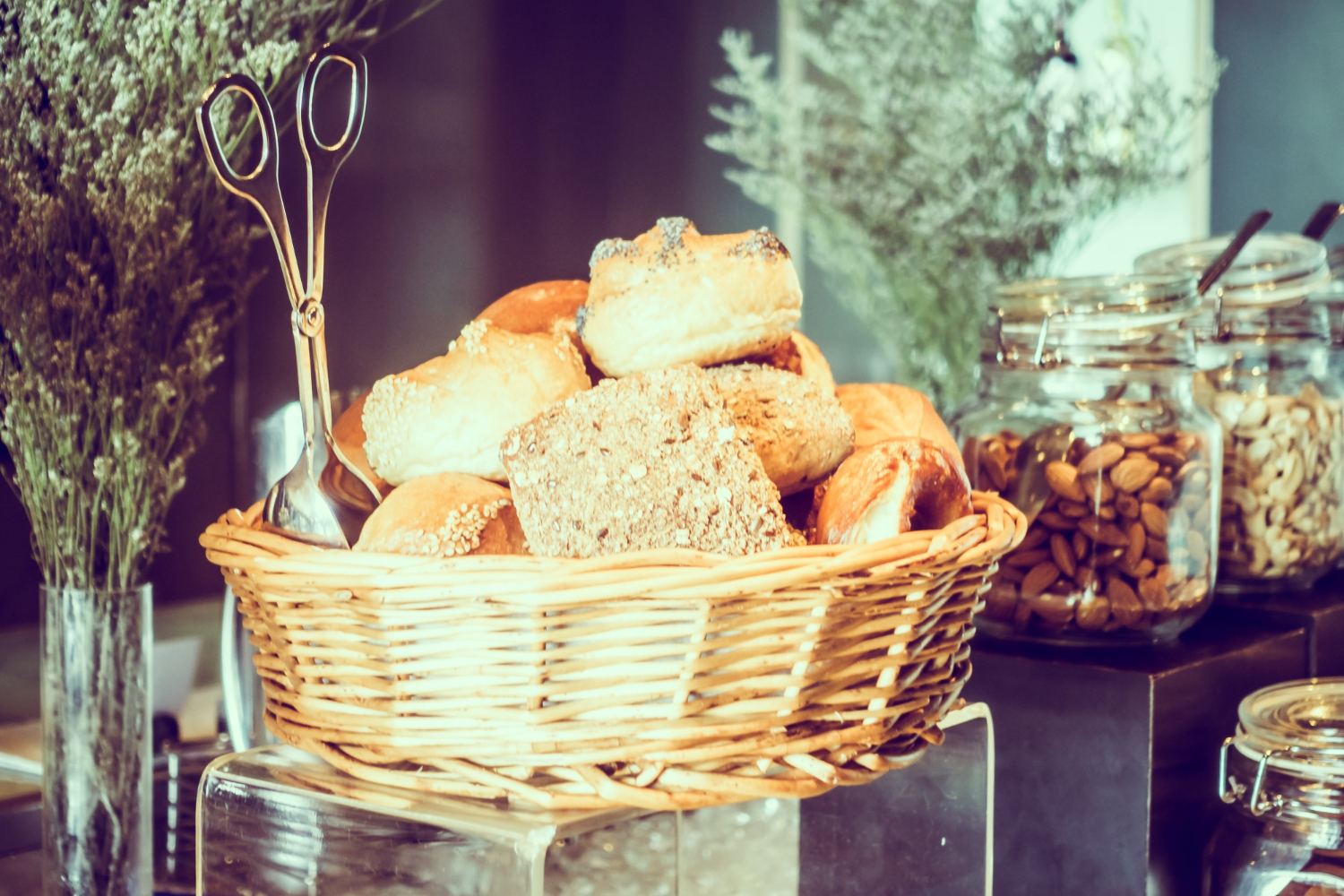
In 1980, virtually every sit-down American restaurant — from Olive Garden’s predecessors to corner diners — placed a complimentary bread basket on the table at the start of every meal. Bread, butter, breadsticks, dinner rolls, sometimes corn muffins or biscuits depending on the cuisine. The complimentary bread basket has shrunk dramatically in the years since. Chili’s eliminated complimentary bread in most locations by 2015. Many independent restaurants began charging $2 to $5 for a bread course in the 2010s, often listed under “snacks” or “starters.” According to a 2024 National Restaurant Association report, approximately 47 percent of sit-down American restaurants no longer provide complimentary bread at any service level. The Olive Garden’s unlimited breadsticks remain a deliberately contrarian marketing strategy.
8. The Free Refill on Soft Drinks
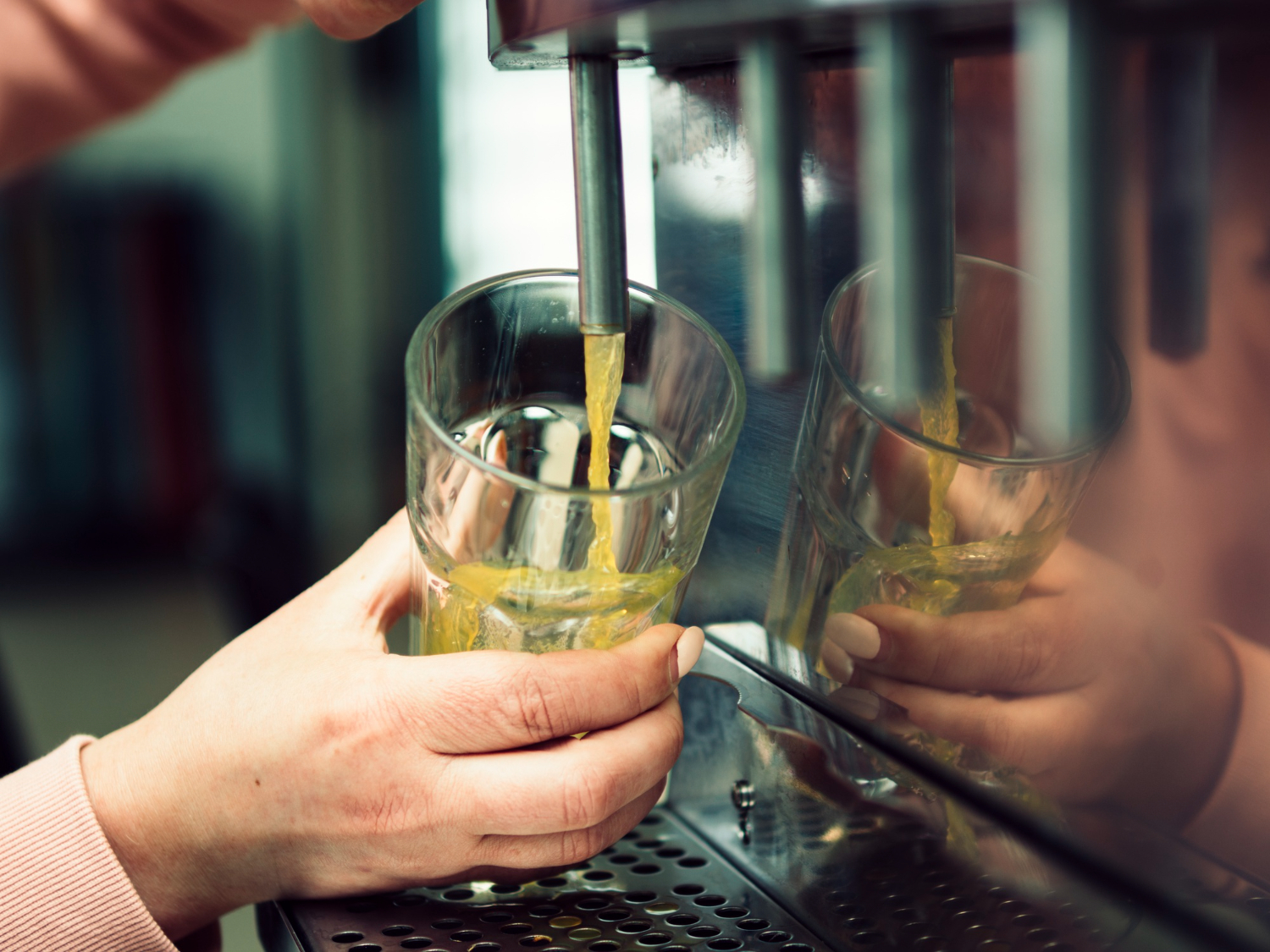
In 1980, virtually every American sit-down restaurant, diner, fast-food location, and food court offered free refills on soft drinks. The refill culture was particularly strong in the South and Midwest, where iced tea refills were a near-constitutional expectation. The shift began in the late 2000s and accelerated in the 2010s. According to a 2023 industry analysis, the proportion of U.S. quick-service restaurants charging for refills increased from approximately 4 percent in 2010 to 31 percent in 2024. Major chains including McDonald’s, Wendy’s, Taco Bell, and Burger King have all introduced refill charges at some locations. The free refill remains standard at most sit-down chains like Olive Garden, Cracker Barrel, and Texas Roadhouse — but the trend at quick-service is one-way upward.
9. The Public Restroom in Most U.S. Cities
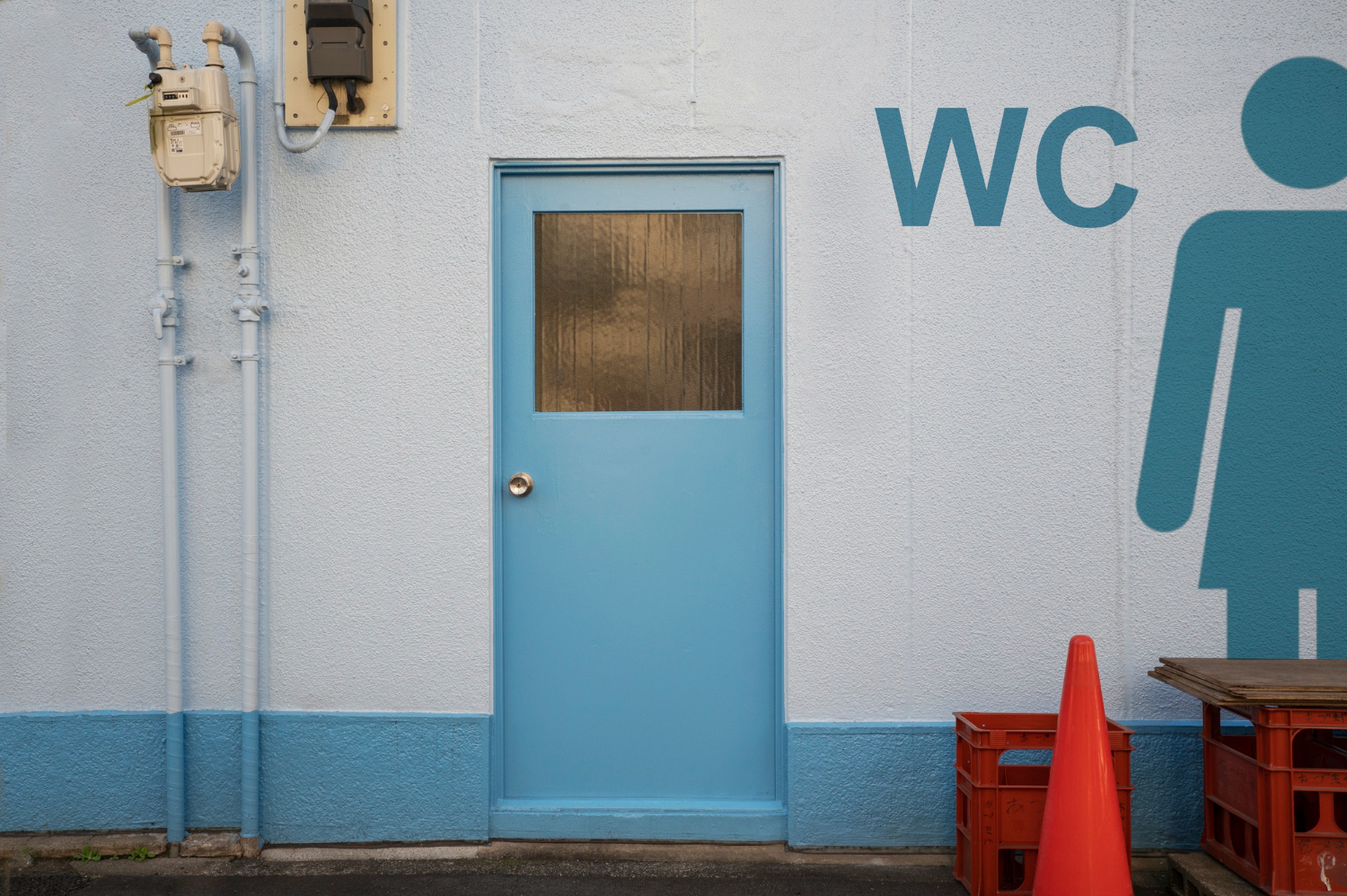
In 1980, most American cities, train stations, bus terminals, and public buildings provided free public restrooms with no admission charge and no purchase requirement. According to the American Public Health Association’s review of public sanitation history, the number of free public restrooms in major U.S. cities has declined by an estimated 70 percent since 1980. New York City’s “Restroom Equity” initiative documented that Manhattan now has approximately one publicly accessible restroom per 8,000 residents, compared with roughly one per 2,000 in 1970. Most remaining “free” restrooms in U.S. cities now require a customer purchase at a connected business — Starbucks, McDonald’s, Target. The genuine no-purchase-required public bathroom is largely confined to airports, libraries, and a handful of municipally maintained facilities.
10. The Newspaper at the Hotel and the Airport Lounge
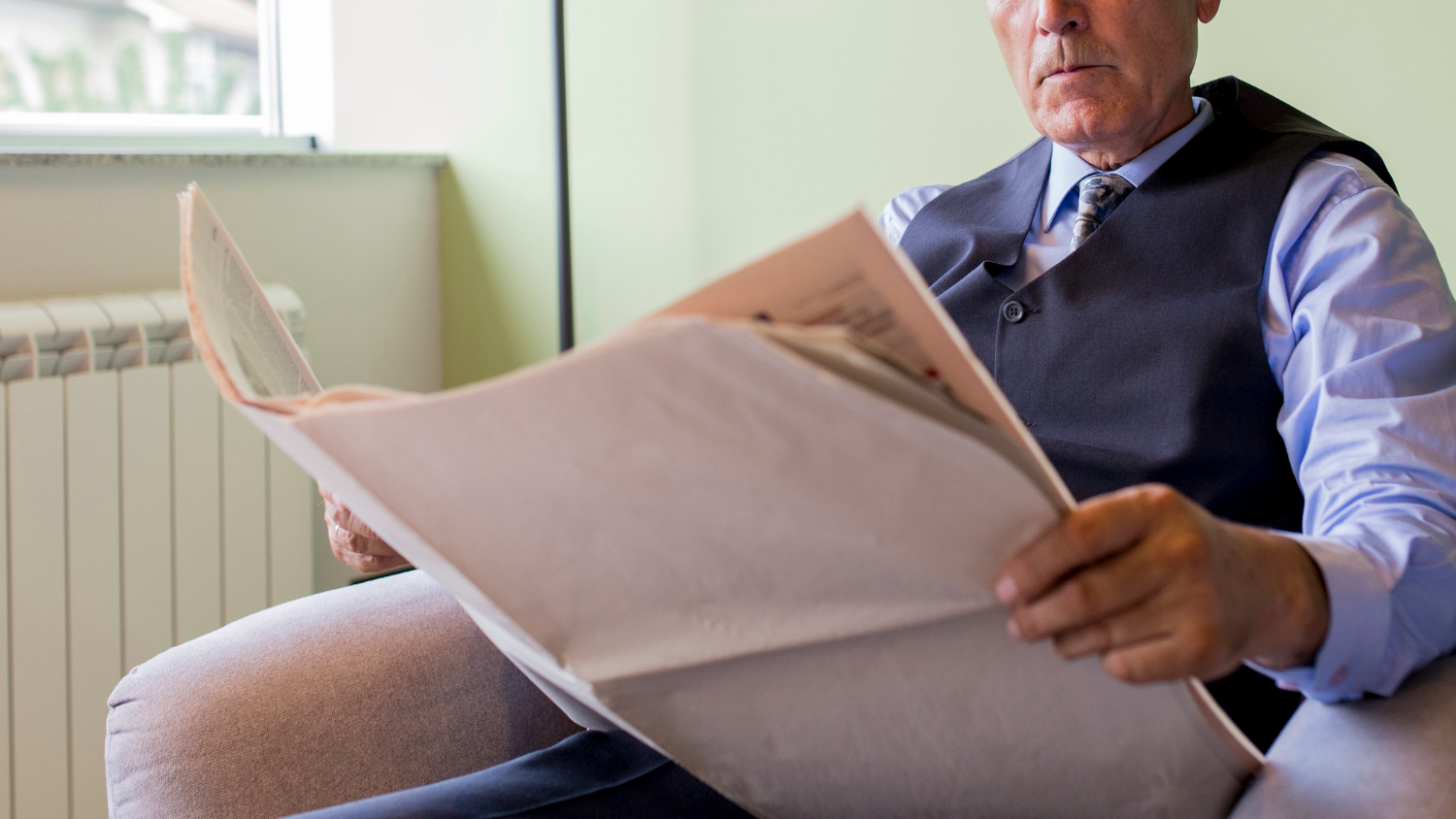
In 1980, hotel guests at any mid-tier or above U.S. hotel found a complimentary morning newspaper outside their door — typically USA Today, the local city paper, or the Wall Street Journal. Airline lounges, business club rooms, and even some regional airline terminals offered free newspapers as standard amenities. The complimentary hotel newspaper program survived through the early 2000s and then collapsed rapidly. By 2015, Marriott had eliminated the program at most of its U.S. properties. By 2024, only a handful of luxury hotel brands — including some Ritz-Carlton, Four Seasons, and Mandarin Oriental properties — still deliver paper newspapers automatically. The standard mid-tier U.S. hotel of 2026 either offers no newspaper or charges $3 to $5 for a paper copy at the front desk. The shift coincided with the broader decline of U.S. print newspaper circulation, which has fallen from a 1984 peak of 63.3 million daily papers to under 20 million today.
11. Free Parking at Most Shopping Districts and Tourist Areas
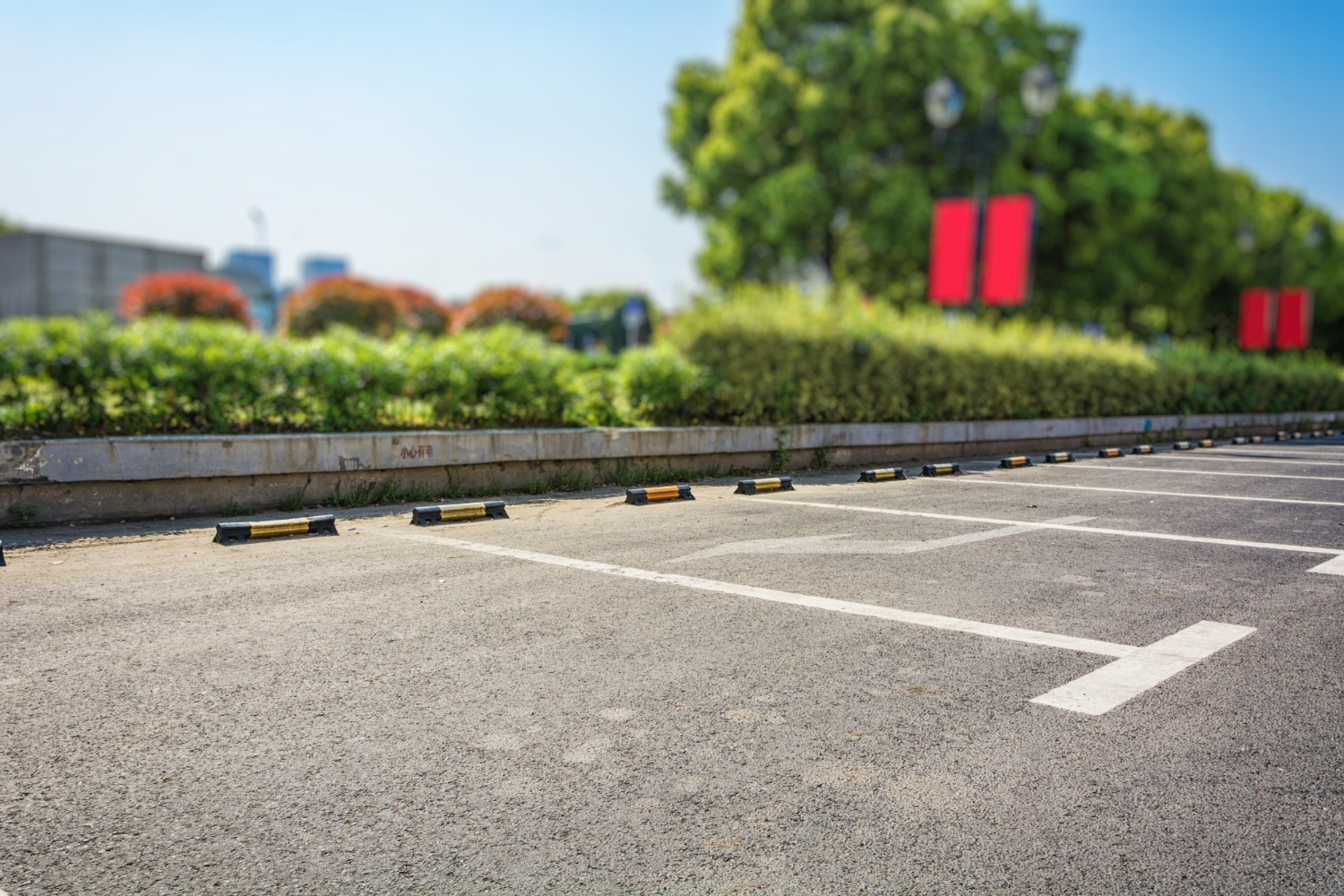
In 1980, parking in most American towns, shopping districts, and tourist areas was completely free. Downtown street parking was free in most small cities. Mall parking lots were universally free. Beach parking, park parking, and many state and national park areas charged minimal or no entrance fees. According to INRIX traffic data, parking costs in major U.S. cities have risen sharply since 1980, with average paid parking session costs in 2024 of $5 to $25 per hour in central business districts. Many former “free” shopping district parking areas now charge meter fees during business hours. Beach parking at California, Florida, and East Coast destinations regularly costs $15 to $40 per day. National Park entrance fees range from $20 to $35 per vehicle. The free parking of 1980 was not a coincidence — it reflected post-war urban design assumptions that paid parking has steadily replaced.
12. The Bag of Pretzels on the Plane
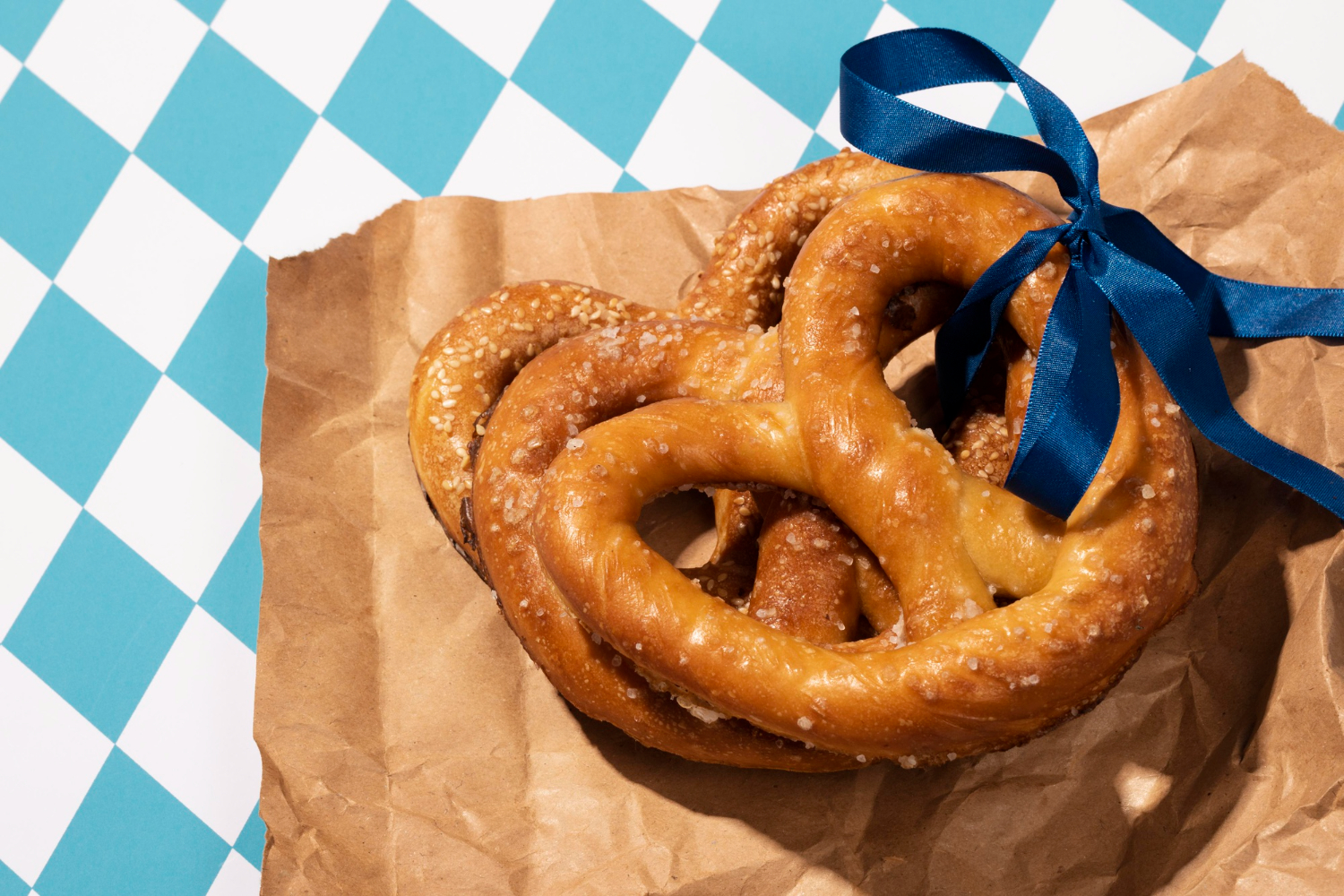
The 1980 American flier on any major U.S. domestic carrier received not just a hot meal but also free unlimited beverages, including alcoholic drinks on flights over a certain length, and complimentary salted peanuts or pretzels with every drink service. The pretzel bag and the bag of peanuts continued long after the hot meal disappeared, surviving on most major carriers through the 2010s. Spirit Airlines and Frontier Airlines pioneered the “you pay for everything” model and have charged for snacks since their founding. According to industry reports, most U.S. major carriers in 2026 still offer a small complimentary snack on flights over 90 minutes — usually a cookie or pretzel bag — but the items have shrunk in size and the offering is no longer guaranteed. The total annual revenue U.S. airlines now collect from snack and beverage sales exceeds $1.2 billion per year, up from effectively zero in 1980.
Like our content? Follow us for more.