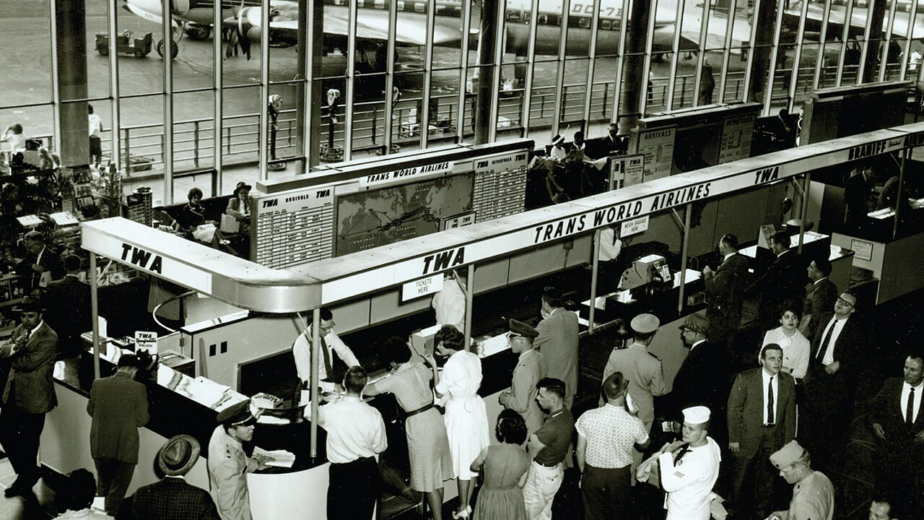
The European travel rules American tourists routinely break are not mysterious — they are written in plain language by the European Union, national tourism boards, and transit authorities. The cost of breaking them is what surprises people. A €50 fine for stepping off a Rome bus without validating a ticket. A €100 charge for asking a Paris restaurant for “extra bread.” A €200 customs penalty for declaring the wrong amount of liquor at Charles de Gaulle. The new ETIAS authorization requirement, the post-Brexit Schengen entry rules, and the tightened EU passport-validity policies are all rolling out across 2025 and 2026. Here are ten European travel mistakes that cost American tourists money this year — based on actual EU rules and reported penalty data, not generalized advice.
1. Showing Up Without ETIAS Authorization

ETIAS, the European Travel Information and Authorisation System, enters full operation in late 2026 and will require U.S. citizens and other visa-exempt travelers to obtain pre-travel authorization before entering 30 European countries — including all 27 Schengen members plus Cyprus, Bulgaria, and Romania. The fee is €20 per traveler, the authorization is valid for three years, and applications take 96 hours on average to process. Travelers who arrive at a European airport without ETIAS will be denied entry and forced to fly home immediately. The U.S. State Department and EU Commission have both begun public awareness campaigns. American travelers who book European trips for the second half of 2026 should apply for ETIAS at least one week before departure. Many travel insurance policies will not cover ETIAS-denial flight costs.
2. Bringing a Passport with Less Than Six Months’ Validity
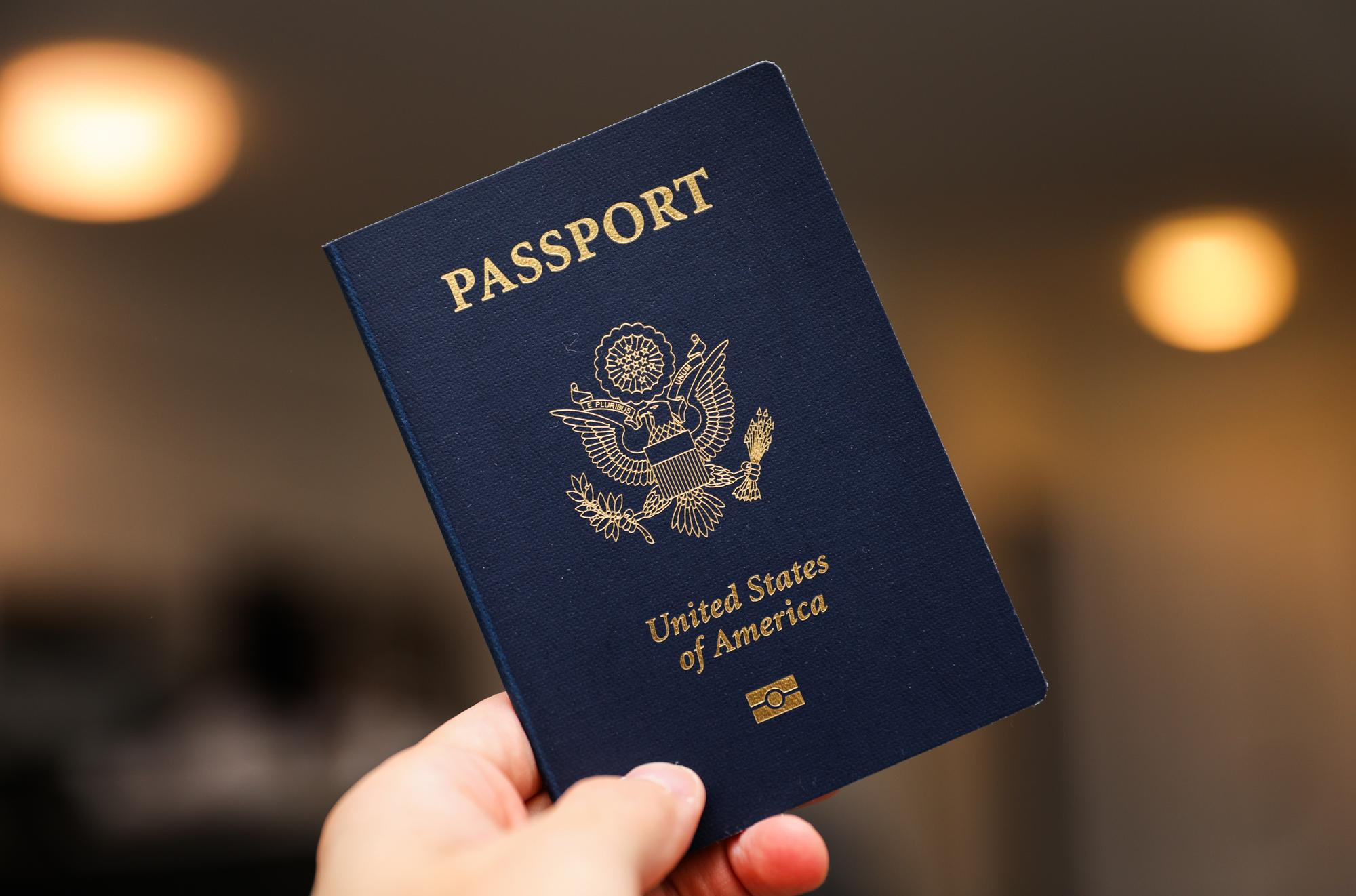
Under Schengen Border Code rules tightened in 2024, U.S. passports must have at least three months of validity beyond the planned date of departure from the Schengen Area, and the passport must have been issued within the past ten years. Many U.S. travel advisors and airlines recommend six months of validity as a safety margin. Travelers who arrive in Madrid, Paris, Frankfurt, or Amsterdam with passports that fall short of these rules are denied boarding by the airline before they even reach Europe, or denied entry at the European border. The U.S. Department of State has published explicit warnings about the rule. Passport renewal currently takes 4 to 6 weeks under routine processing, and missing the window is the most expensive ticketed mistake an American traveler can make for a European trip.
3. Tipping Like an American

The U.S. tipping standard of 18 to 22 percent does not apply in most of Europe. In France, Italy, Spain, Germany, the Netherlands, and the Nordic countries, service is generally included in the bill — typically marked as “service compris” or “servizio incluso” — and an additional tip of 5 to 10 percent is considered generous, not standard. According to a 2024 Tripadvisor traveler survey, 67 percent of American travelers in Europe report tipping at U.S. levels, which can add hundreds of dollars to a multi-week trip. The reverse mistake — under-tipping in countries that do expect tips, including the United Kingdom (10-15% expected) and parts of Eastern Europe — happens about 12 percent of the time per the same survey. Researching the country-specific norm before each meal saves real money.
4. Failing to Validate Train Tickets
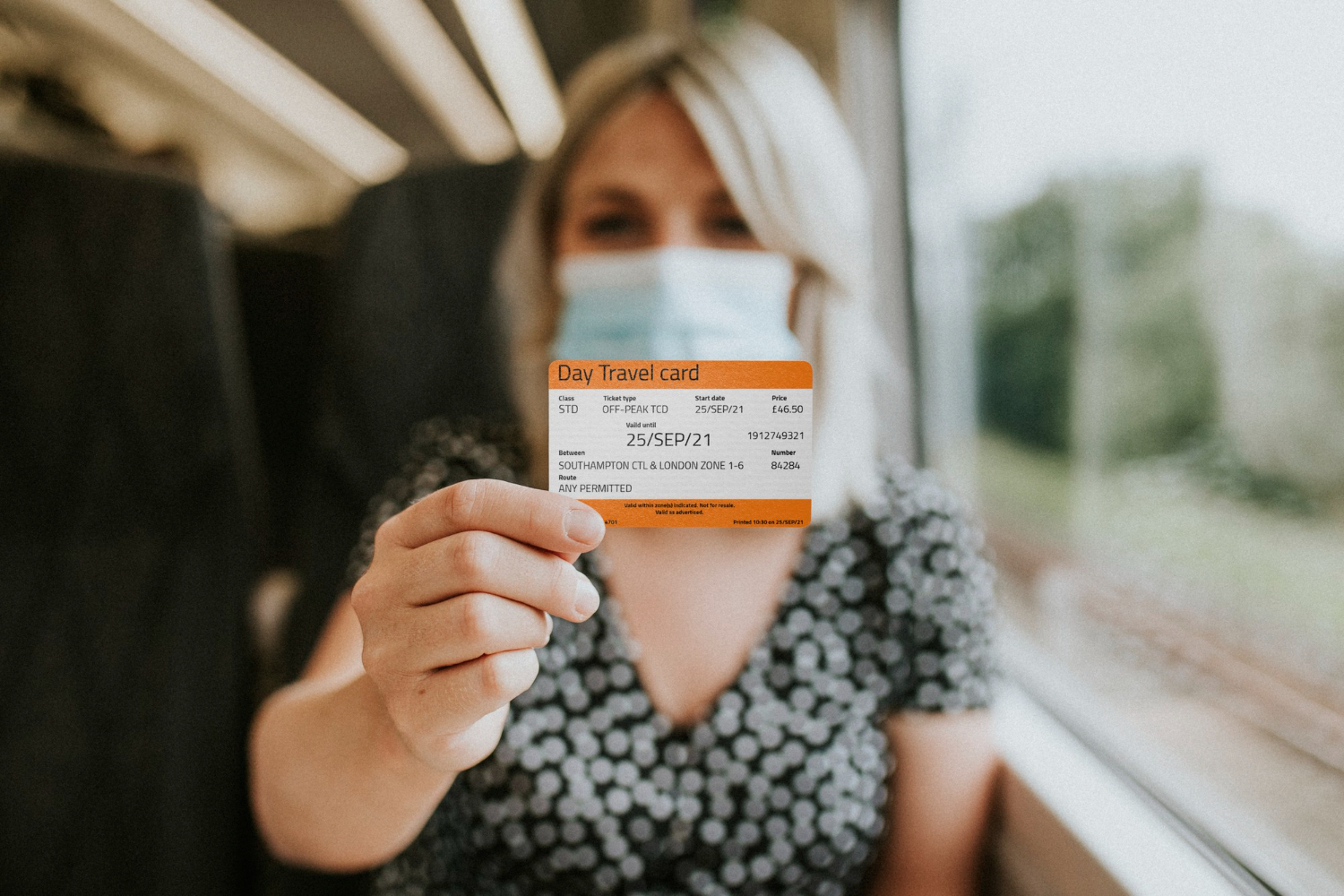
Italian regional trains, French regional trains (TER and Intercités), and many Eastern European rail systems require passengers to validate paper tickets at a yellow or green machine before boarding. The standard fine for an unvalidated ticket is €50 in Italy, €35 in France, and similar in Germany and the Czech Republic. The “I didn’t know” defense does not work. Train conductors typically allow no grace period — the ticket either has a validation stamp or it does not. American travelers familiar with the U.S. system, where conductors check tickets onboard, frequently get hit with these fines on their first day. The high-speed trains (Frecciarossa in Italy, TGV in France) generally have seat reservations that do not require separate validation. Most regional trains do require it.
5. Exceeding Customs Allowances Coming Home

U.S. Customs and Border Protection allows U.S. citizens returning from Europe to bring back $800 worth of merchandise duty-free, with specific allowances for alcohol (1 liter), tobacco (200 cigarettes), and perfume. Beyond those limits, duty rates apply at the rate of 3-5 percent. The much larger problem is prohibited agricultural products. Hard cheeses are usually permitted; soft cheeses are restricted. Cured meats — including prosciutto, jamón ibérico, and saucisson — are confiscated at every U.S. airport. Fresh fruit is prohibited entirely. Travelers who buy two pounds of prosciutto at a Florence market and pack it in their suitcase lose it at JFK or Newark customs. The current confiscation rate at major U.S. airports is approximately 4 percent of inspected bags, with the highest enforcement at JFK, Miami, and Los Angeles.
6. Dynamic Currency Conversion at Checkout

Most European credit card terminals offer American tourists the option to be charged “in U.S. dollars” instead of euros at the point of sale. This is dynamic currency conversion, and it is almost always a worse deal than letting the U.S. bank do the conversion. The conversion markup typically ranges from 3 to 8 percent, on top of any fee the card itself charges. The total cost can be 10 percent higher than the actual exchange rate. The terminal often presents the dollar amount in larger text or as the default option — a deliberate retailer-side practice that benefits the local merchant and the conversion service. American travelers should always select “charge in local currency” when the option appears. Most U.S. travel-rewards cards (Chase Sapphire, Capital One Venture, American Express Platinum) have no foreign transaction fees.
7. Not Carrying Cash for Bathrooms and Small Vendors

European public bathrooms, particularly in train stations, museums, and tourist areas, often charge €0.50 to €1.50 to use. The fee is collected by a turnstile or an attendant. American travelers used to free public bathrooms in the U.S. are routinely caught without small change. Many European countries have phased out coins under the 5-cent denomination, which complicates the math further. Small market vendors, food trucks, and rural cafes often do not accept credit cards or charge a 50-cent surcharge for card payments. According to a 2025 European Central Bank study, 34 percent of small-business transactions in the eurozone are still cash-only despite high consumer card penetration. American travelers should carry €50 to €100 in small bills and coins at all times.
8. Driving in Major European Cities
Most major European cities — including Rome, Florence, Milan, Madrid, Barcelona, Amsterdam, Paris, and Brussels — have established Low Emission Zones (LEZ) or Limited Traffic Zones (ZTL) that restrict vehicle access. Driving a rental car through a ZTL in Italy carries a €100 to €350 fine, billed automatically to the rental car company and passed through to the renter, often with a processing fee. American travelers who rent cars in Italy regularly receive multiple ZTL fines weeks after returning home. The fines accumulate per camera passed, not per trip. Driving across central Rome on a single afternoon can produce four to six separate fines. Most European cities are best navigated by public transit, walking, or taxi. The car rental should be used for the countryside, not the cities.
9. Buying Train Tickets at the Station

Train tickets purchased at the European station counter — particularly for high-speed routes like the TGV, Frecciarossa, ICE, and Eurostar — are almost always significantly more expensive than tickets purchased online in advance. The TGV from Paris to Bordeaux can cost €29 in advance and €145 on the day of travel. Eurostar from London to Paris ranges from £39 advance to £245 same-day. Italian Frecciarossa tickets between Rome and Milan can vary by 400 percent based on purchase timing. American travelers who arrive in Europe without booked train tickets and try to buy at the station window typically pay three to five times what advance-purchase passengers paid for the same seats. The lesson is simple: book the major high-speed routes online before leaving the United States.
10. Underestimating Schengen 90/180 Limits
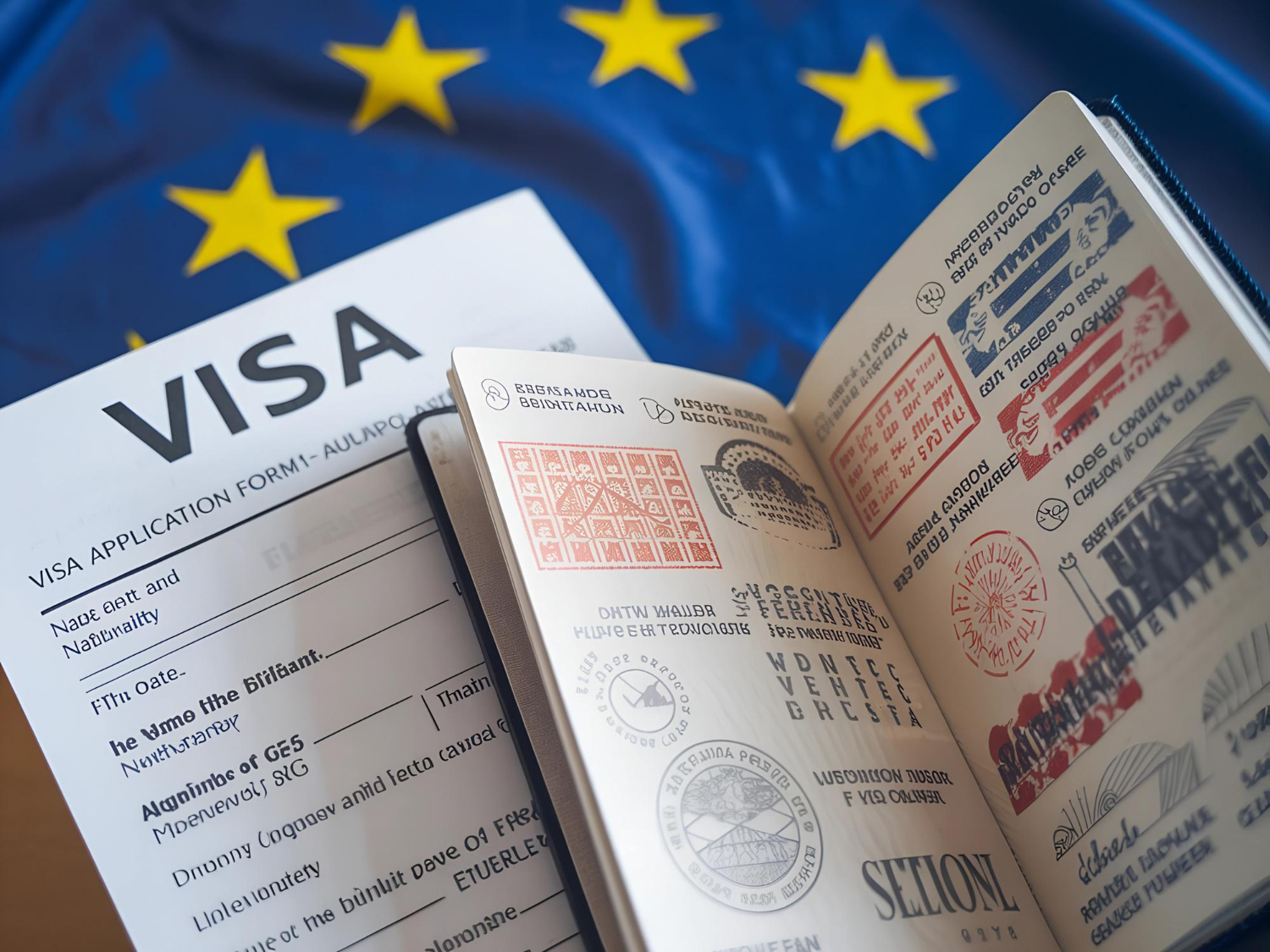
The Schengen Area’s 90/180-day rule limits U.S. tourist visits to 90 days within any rolling 180-day period across all 27 Schengen member countries combined. Travelers who spend 60 days in Italy in March and April, then try to return to Spain for an additional 40 days in August, will exceed the limit and be denied entry. The rule is enforced by EU border guards using a centralized database that tracks all Schengen entries and exits. Overstays are typically fined €500 to €1,200 per offense and can result in multi-year bans from the entire Schengen Area. American retirees and remote workers planning extended European stays in 2026 frequently misunderstand the rule. Long-term stays require a specific national visa from one country, not a tourist entry.
Like our content? Follow us for more.