Tromsø sits 217 miles north of the Arctic Circle. From November 27 until January 15 each year, the sun does not appear above the horizon — for 50 consecutive days. The city of 78,000 people experiences only a few hours of dim blue twilight each day. Most outsiders assume this would be psychologically devastating. Tromsø locals report lower seasonal depression rates than expected and routinely describe the polar night as their favorite time of year. Here’s what actually happens during 50 days of darkness — and the specific cultural traditions that make it work.
1: A City 217 Miles Above the Arctic Circle
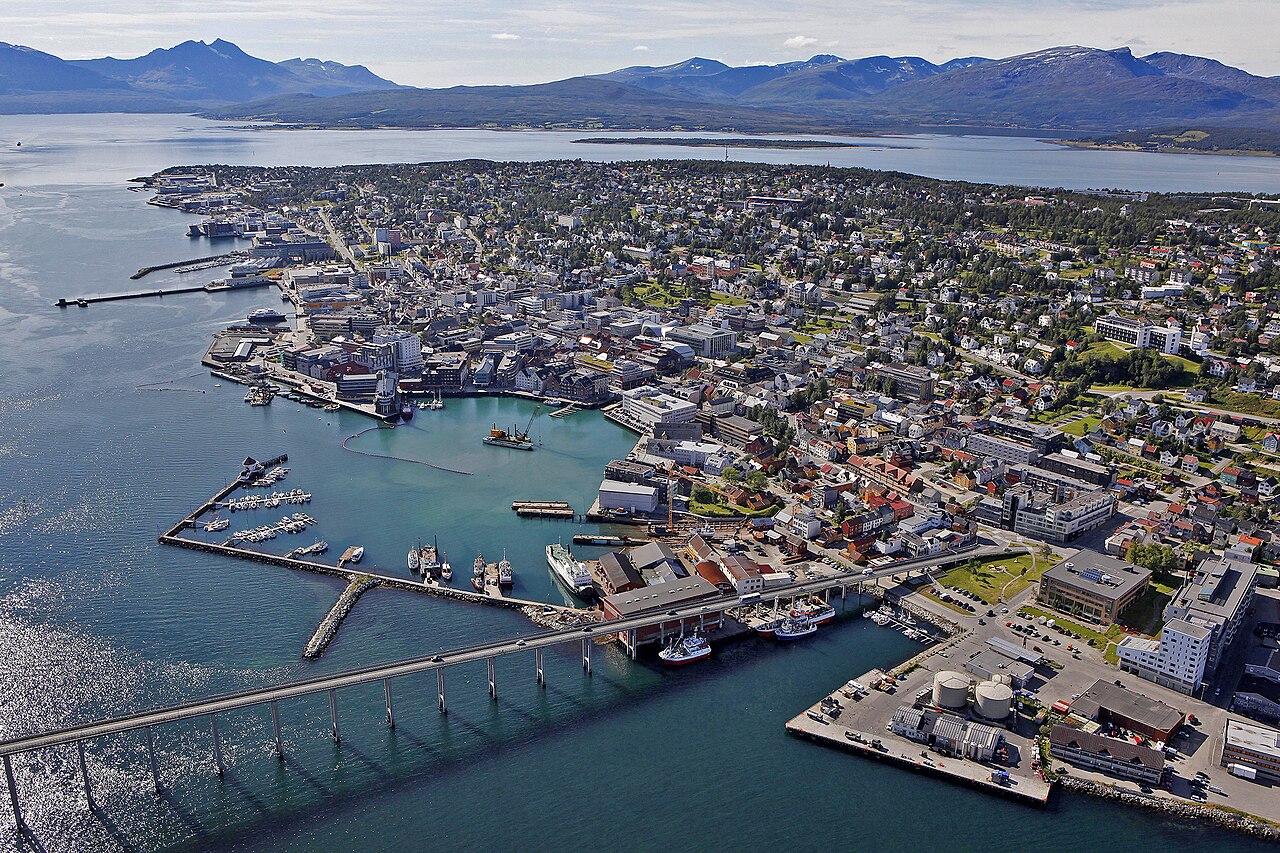
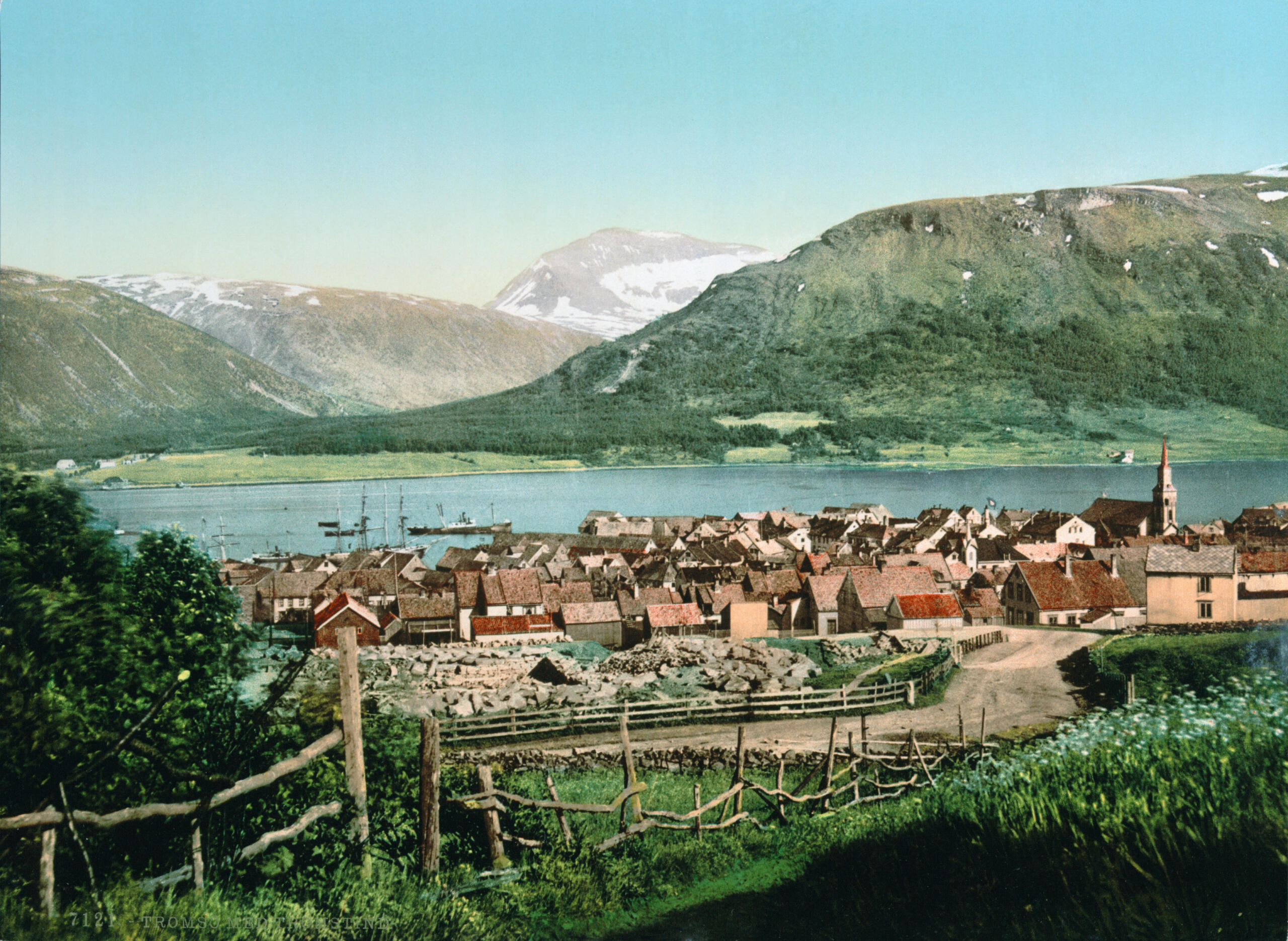
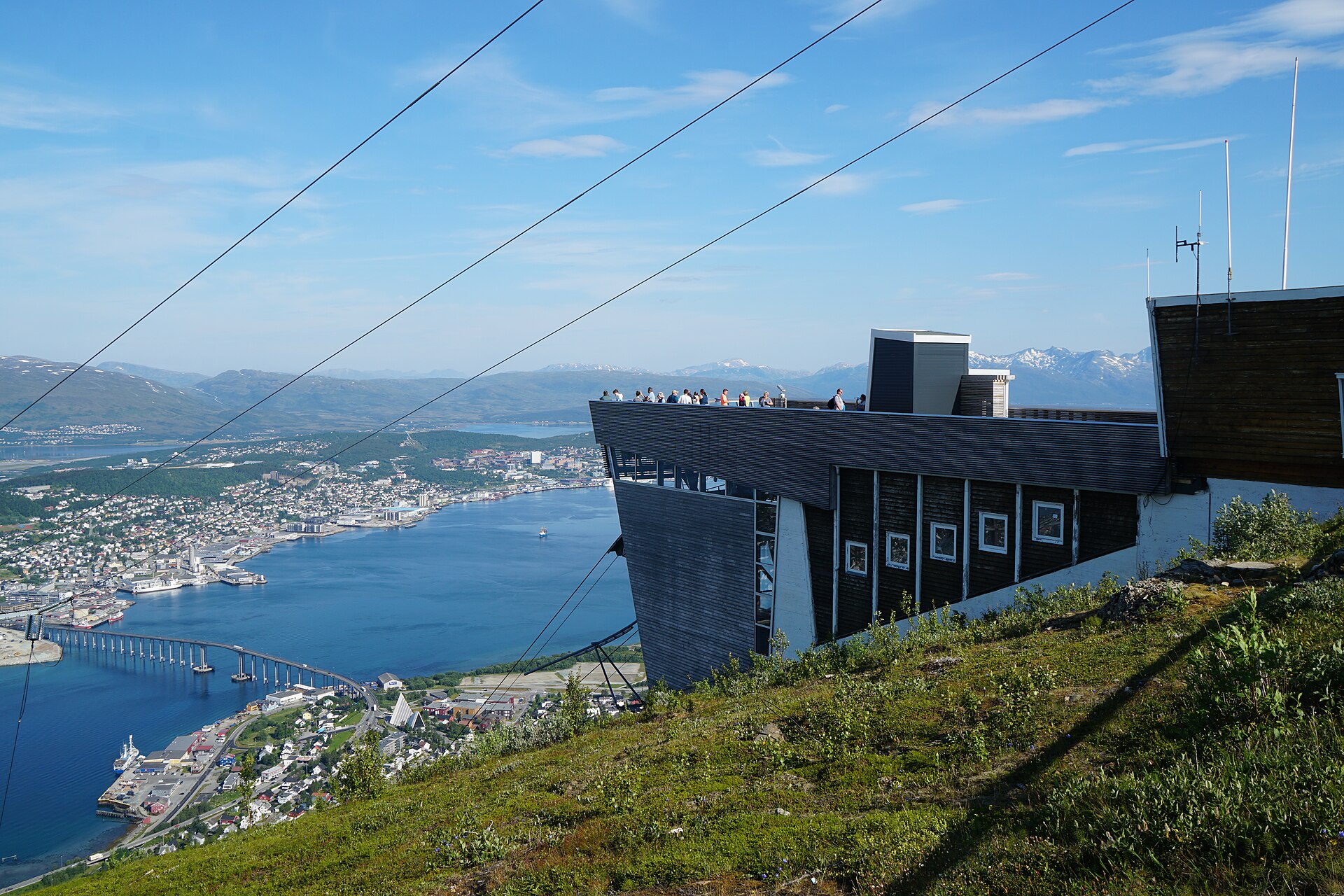
Tromsø is the largest city in northern Norway, with a population of approximately 78,000 people. It sits at 69.6° north latitude — roughly 217 miles inside the Arctic Circle. The city occupies parts of two main islands and the mainland, connected by bridges and an underwater tunnel system.
Tromsø has been continuously inhabited for over 9,000 years. Modern Tromsø functions as the regional capital of northern Norway, with a major university (University of Tromsø, founded 1968), substantial fishing and oil industries, and increasingly significant tourism. Despite its extreme northern latitude, the Gulf Stream produces relatively mild winter temperatures — typically -4°C to -10°C, much warmer than equivalent latitudes elsewhere.
2: The Astronomical Reality
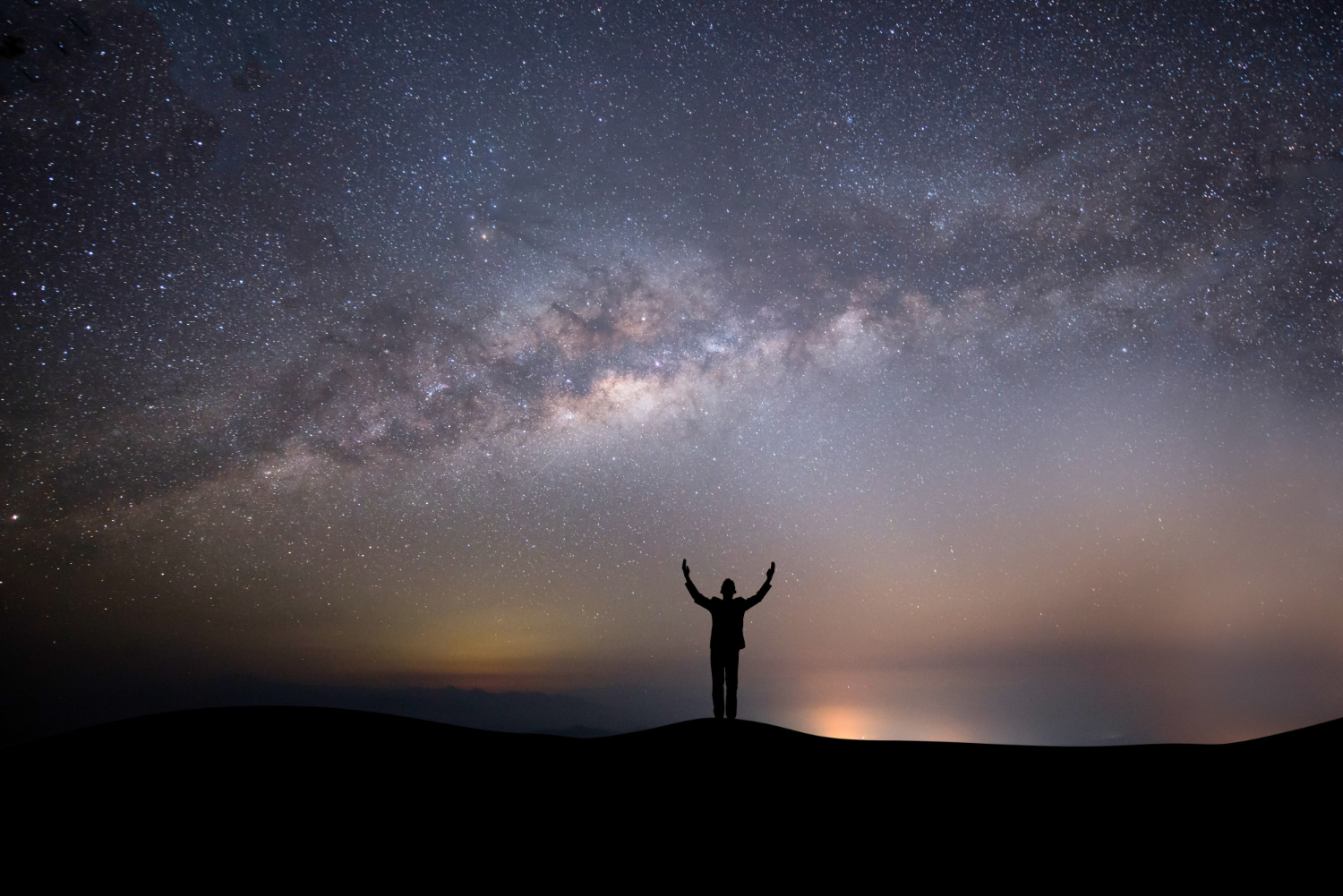
Earth’s axial tilt of 23.5 degrees is what produces seasons. During winter in the Northern Hemisphere, the polar regions tilt away from the sun. At latitudes above the Arctic Circle (66.5°N), the sun fails to clear the horizon for at least one day around the winter solstice. The further north you go, the longer this period extends.
At Tromsø’s specific latitude, the astronomical polar night (when the sun is below the horizon for an entire 24-hour period) lasts from approximately November 27 to January 15 — about 50 days. Local mountains extend the practical period further: due to high mountain ranges south of the city, Tromsø is effectively dark from approximately November 21 until about January 21, roughly 61 days.
3: It’s Not Actually Pitch Black
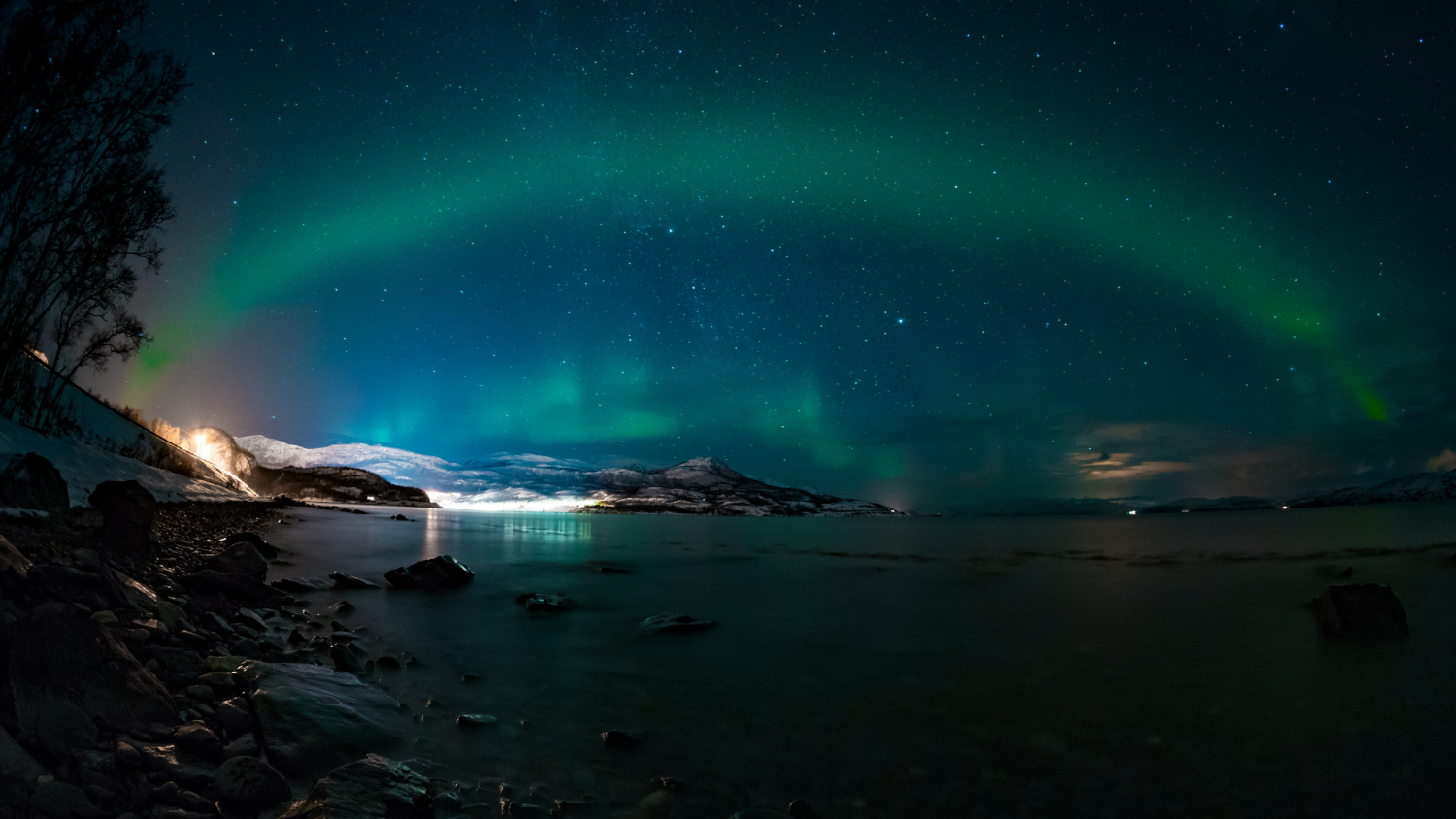
A common misunderstanding: polar night doesn’t mean 24-hour pure darkness. The sun stays below the horizon, but refracted light still reaches the atmosphere. Tromsø experiences several hours of “civil twilight” each day during polar night — typically from around 9 AM to 2 PM, the city is bathed in a deep blue light that locals call “the blue hour” (blåtimen).
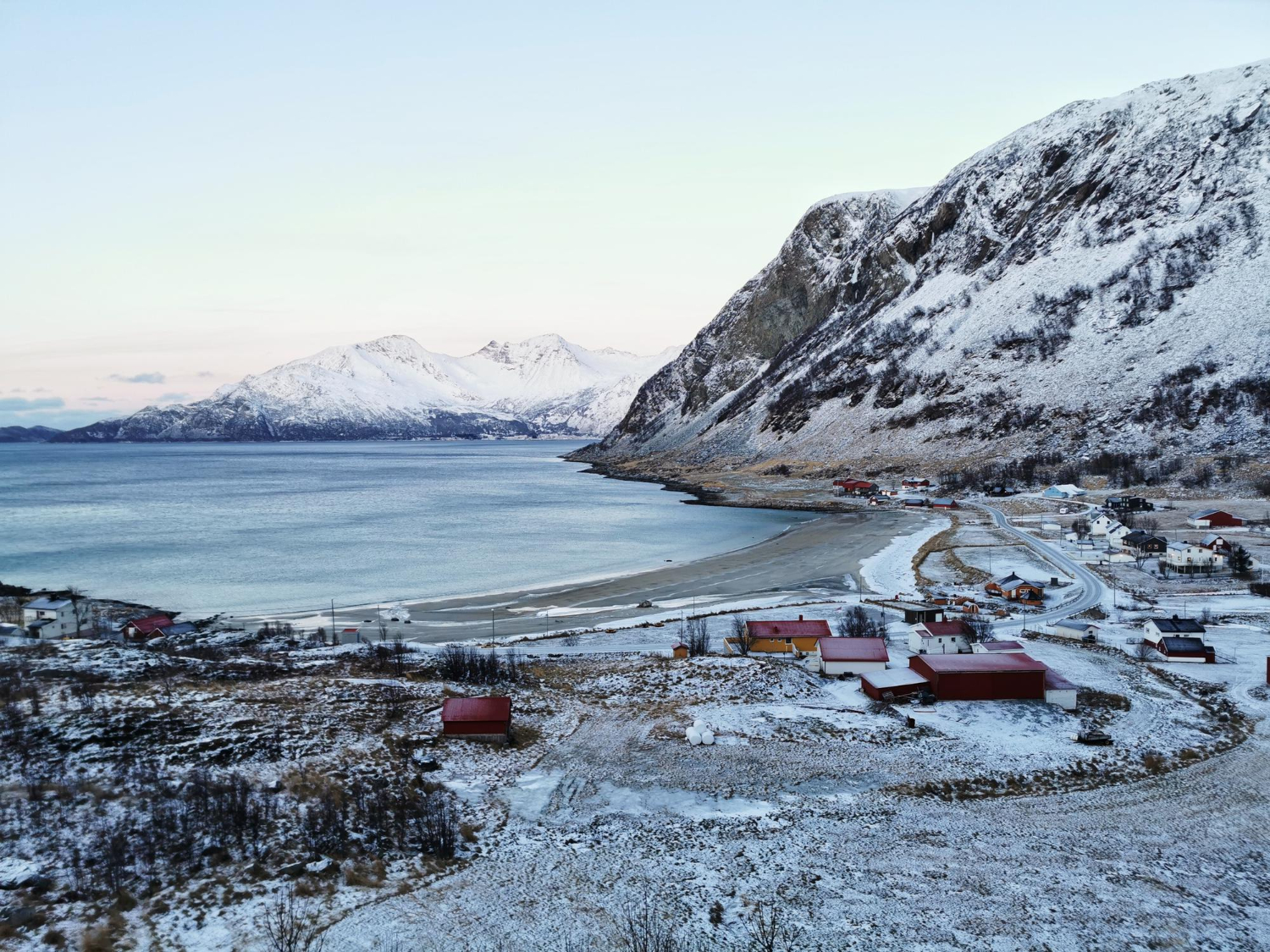
This blue twilight has specific characteristics: the southern horizon often shows beautiful sunset-like colors, while the northern sky remains deep midnight blue. When snow covers the ground, the residual light reflects off the white surface, producing what observers describe as a “glassy” blue luminosity that bathes the entire landscape. The effect is genuinely beautiful rather than depressing.
4: The Aurora Borealis Season
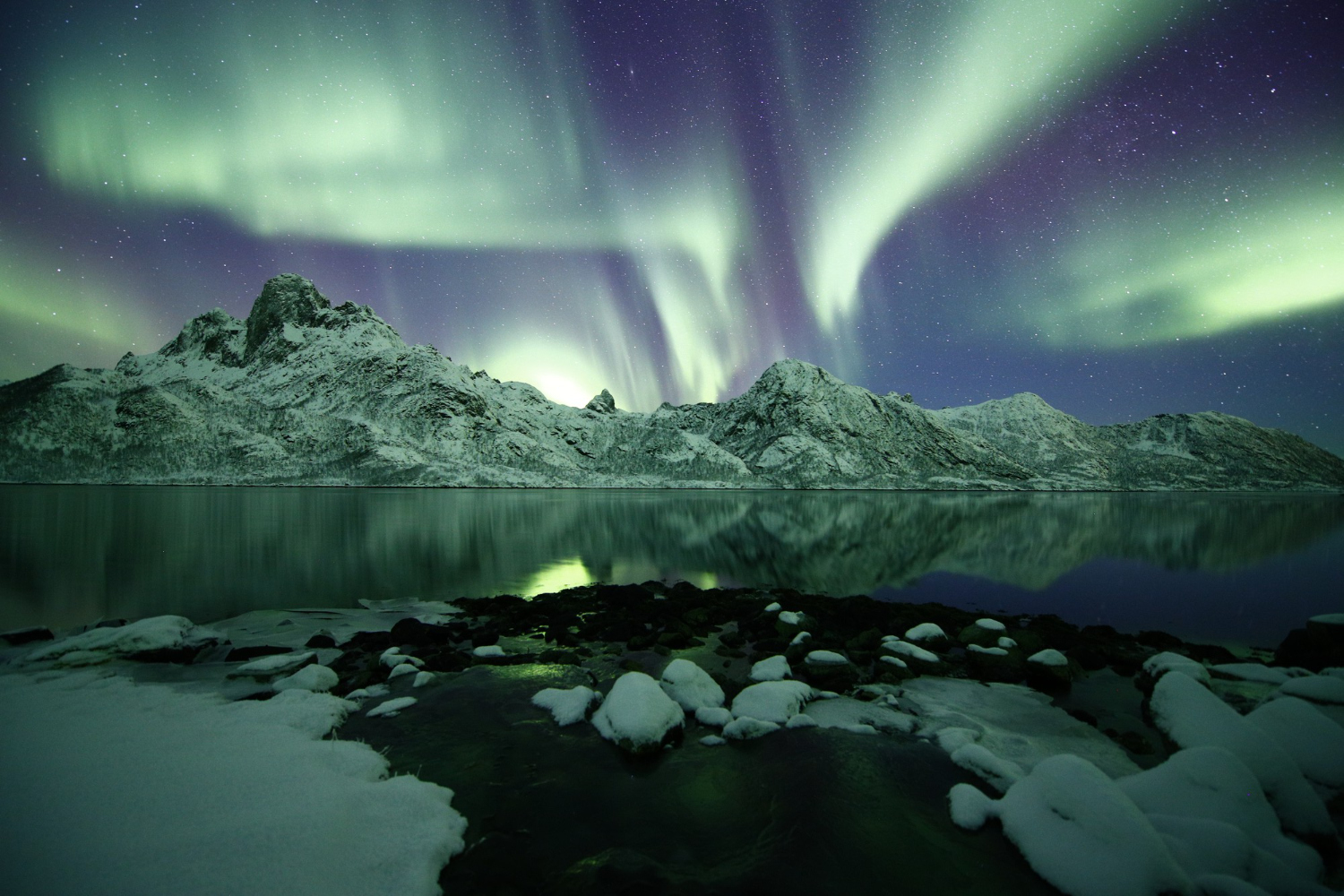
Polar night corresponds with the prime season for viewing the Northern Lights (aurora borealis). The combination of darkness and clear skies creates ideal viewing conditions. Tromsø has become one of the world’s most-visited destinations for aurora tourism, with hundreds of guided tours operating throughout the winter season.
The lights themselves are caused by charged particles from the sun interacting with Earth’s magnetic field, producing displays of green, purple, red, and white light dancing across the polar sky. During polar night, displays can be visible essentially any time the sky is clear. Tromsø’s aurora tourism industry has expanded substantially over the past decade, with the city now receiving over 1 million visitors annually — many specifically for winter aurora viewing.
5: Why Locals Don’t Mind
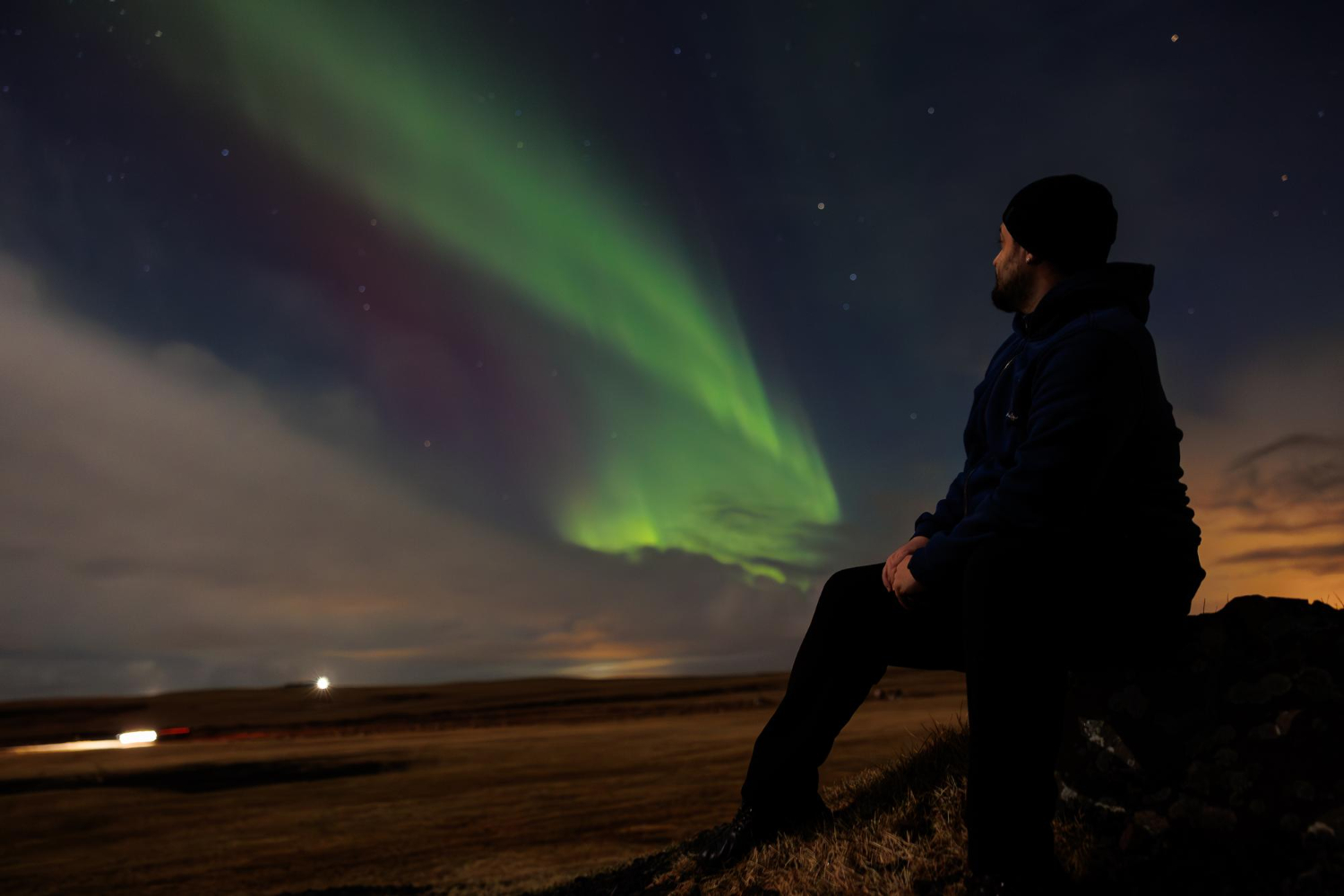
Research on seasonal affective disorder in northern populations has produced surprising findings. A 2014 study by Stanford researcher Kari Leibowitz examining Tromsø residents found substantially lower rates of seasonal depression than would be predicted by the extreme darkness. Many residents reported that polar night was their favorite season.
The key factor appears to be cultural mindset. Norwegians use the concept of “koselig” (similar to Danish “hygge”) — a deliberate cultivation of warmth, comfort, and coziness during dark periods. Candles are lit. Wool sweaters are worn. Traditional foods are eaten. Social gatherings increase. The winter darkness is reframed as something to enjoy rather than endure. The reframing has measurable psychological effects on residents.
6: Daily Life Continues Normally
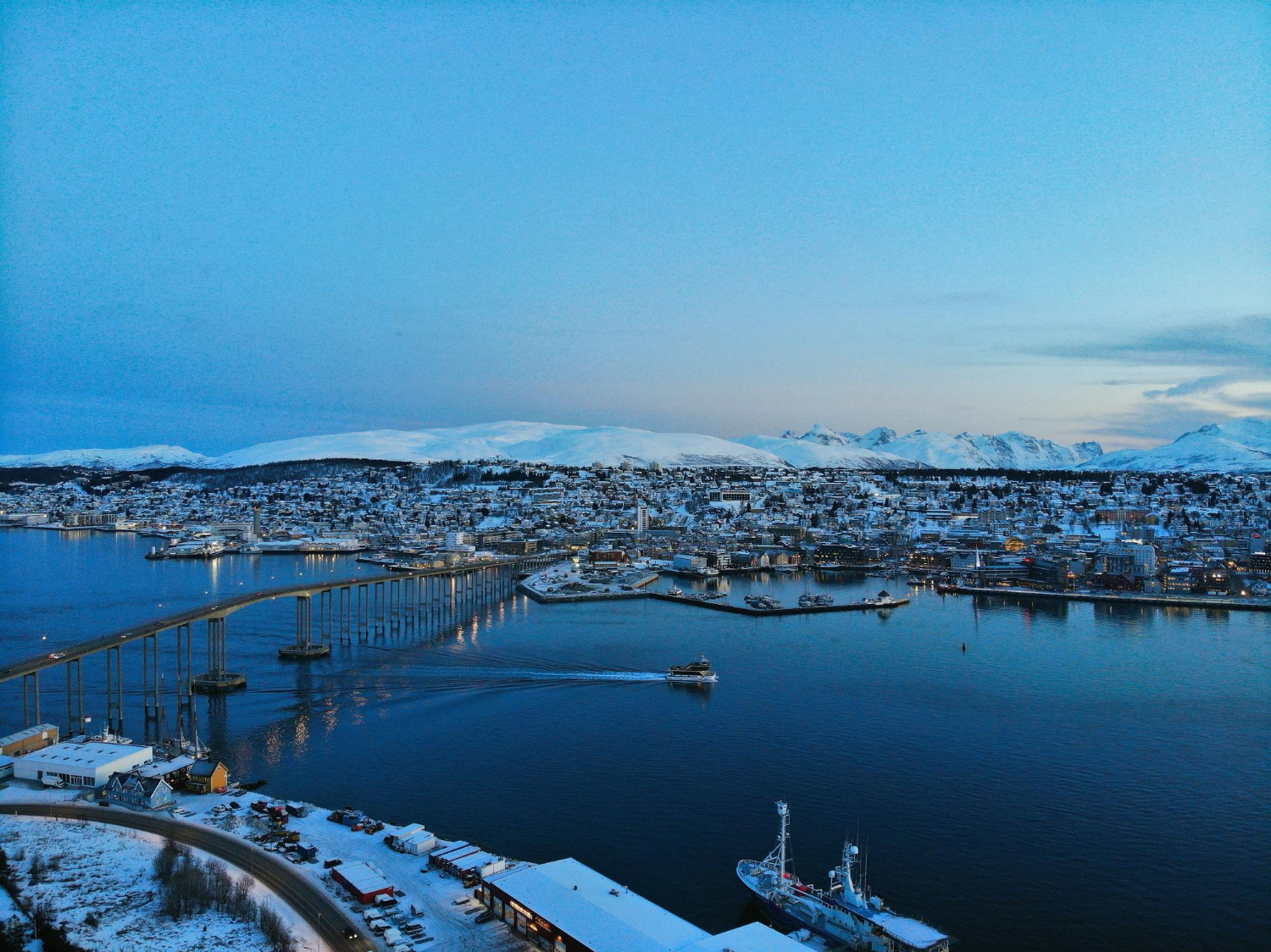
Despite the lack of sunlight, Tromsø functions essentially normally during polar night. Children attend school. Adults go to work. Stores open and close on regular hours. Public transportation runs. The lack of natural light is compensated by extensive artificial lighting throughout the city. Streetlights stay on continuously during the darkest weeks.
Health authorities recommend specific adaptations: vitamin D supplementation (since the body cannot produce it from sunlight during polar night), light therapy lamps (which simulate daylight wavelengths), maintaining regular sleep schedules despite the constant darkness, and continuing outdoor activities even when conditions are demanding. The accumulated public health response has substantially reduced seasonal mood disorders that affected previous generations more severely.
7: The Cultural Calendar

Polar night corresponds with substantial cultural activity. Tromsø hosts the Northern Lights Festival in late January (classical music). The Tromsø International Film Festival runs in January. The Sami people’s national day is February 6. Christmas celebrations are extended and elaborate. Various smaller festivals fill the calendar throughout the dark months.
Specific traditions help mark the polar night period: bonfires, candlelit gatherings, traditional cooking (notably mølje — cod with liver and roe, considered a winter delicacy), and various other cultural events. The deliberate calendar of activities prevents the polar night from feeling formless. Residents have specific events to look forward to throughout the dark period rather than just enduring weeks of unstructured darkness.
8: The Sun Returns — A Specific Date
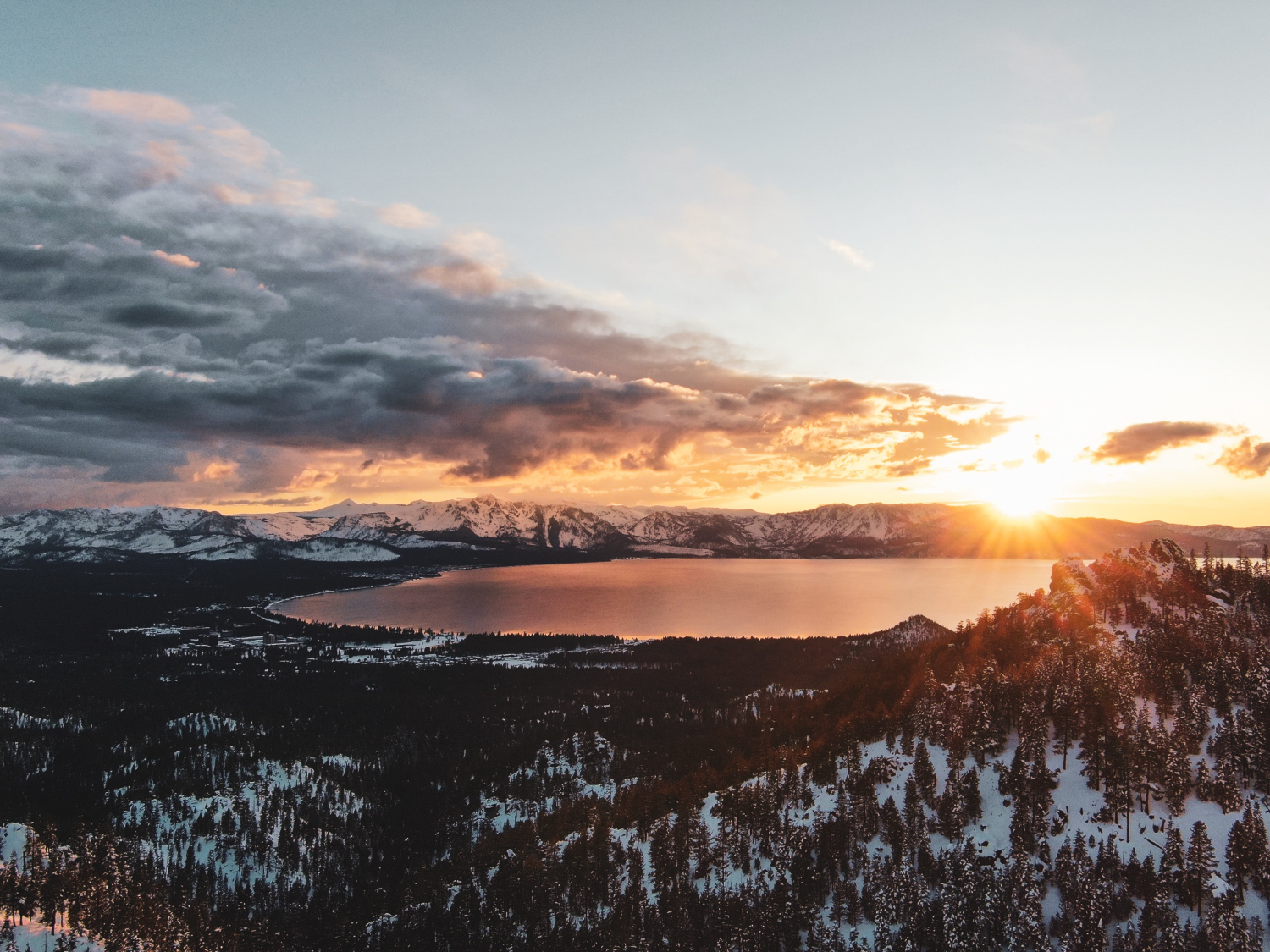
The astronomical end of polar night occurs around January 15, when the sun’s disk first appears above the southern horizon at midday. But due to Tromsø’s mountains, the sun isn’t actually visible from the city center until approximately January 21. This date is celebrated as Soldagen (“Sun Day”).
The Sun Day celebration is genuinely significant in Tromsø. Schools take outdoor breaks specifically to see the sun. Bakeries produce solboller (vanilla cream-filled “sun buns” topped with icing). Friends gather for hot chocolate at locations with views of the southern sky. The first sun appearance is typically only a few minutes long — the sun barely peaks over the mountains before setting again. But the symbolic significance is enormous.
9: What Locals Recommend for Visitors
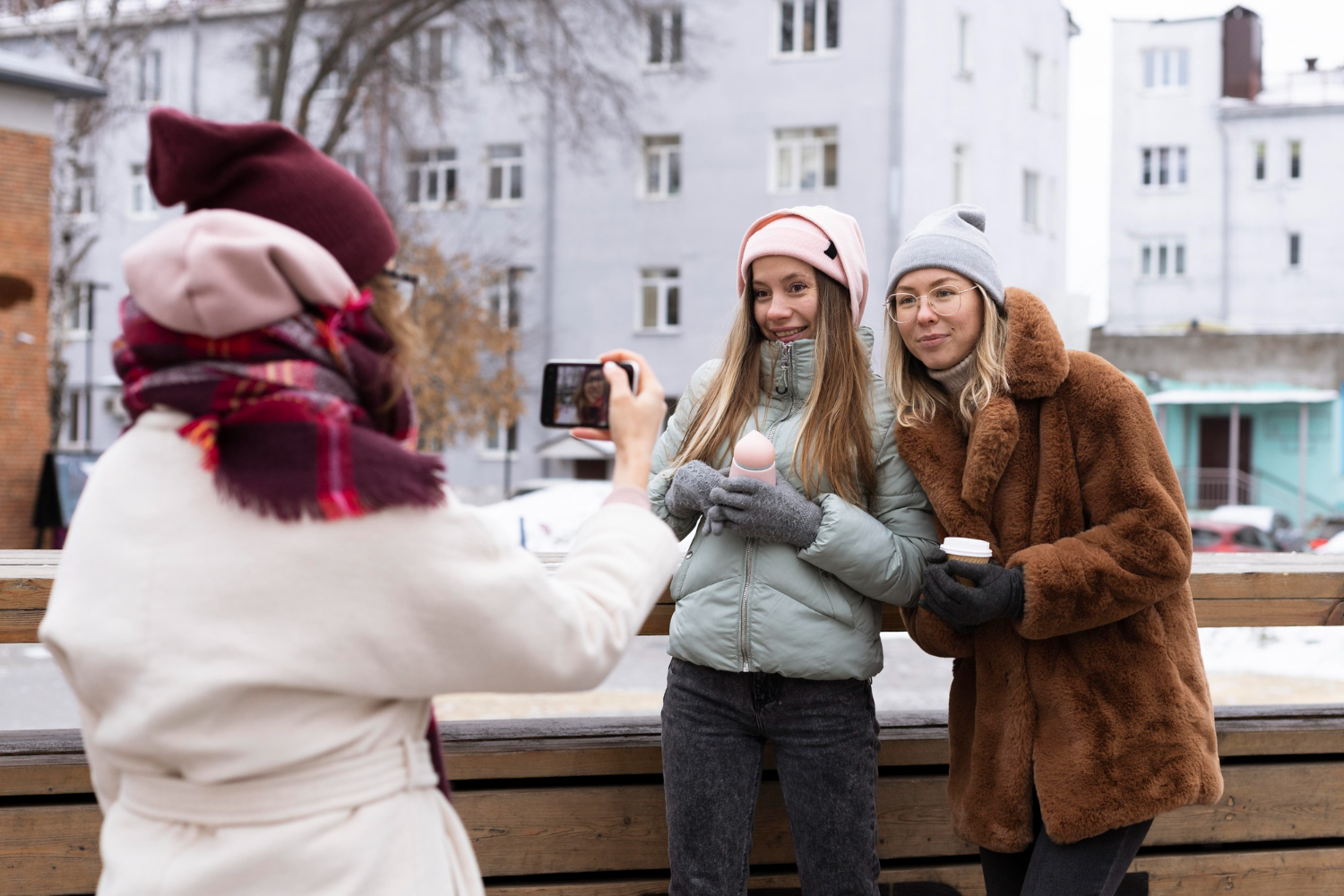
Tromsø locals have specific recommendations for visitors during polar night. Bring proper cold-weather gear (the cold is mild by Arctic standards but still genuinely cold). Adjust expectations — you won’t see daylight as you know it, but you’ll see beauty you can’t see anywhere else. Plan activities around the few hours of blue twilight. Take vitamin D supplements during your stay.
Specific activities recommended: aurora tours, dog sledding, snowmobile excursions, fjord cruises, visits to traditional Sami camps, and the Polaria aquarium (focused on Arctic ecosystems). The Tromsø Cathedral, Polar Museum, and various other indoor attractions provide options when weather makes outdoor activity difficult. Locals consistently advise visitors not to “wait out” the polar night indoors — embracing the conditions produces substantially better experiences.
10: The Northern Lights Reality Check
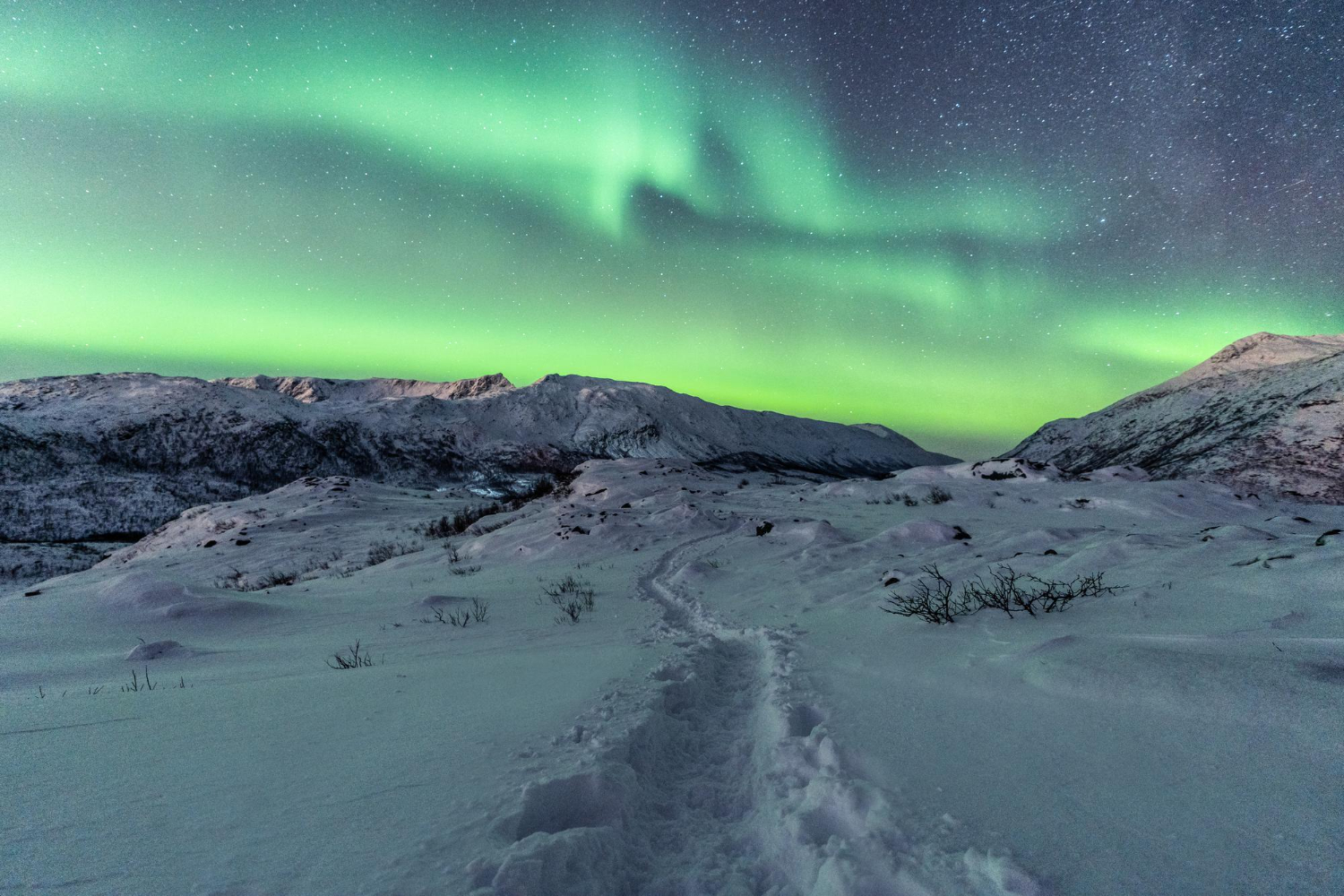
Although polar night provides ideal aurora conditions, sightings are not guaranteed. Cloud cover, geomagnetic activity, and other factors all affect visibility. Tour operators typically claim 70-80% success rates over multi-night stays, but single nights can produce nothing visible. Visitors planning aurora trips are advised to budget at least 3-4 nights to maximize chances.
The aurora itself isn’t always the spectacular green curtains of professional photography. Many sightings are subtle — gray-green wisps that experienced observers can identify but inexperienced viewers might miss. Camera sensors capture aurora light substantially better than human eyes, which is why photos often look more dramatic than the in-person experience. Setting realistic expectations produces better trip outcomes.
11: The Health Adaptations
Modern Tromsø residents have developed specific health practices for polar night. Light therapy lamps (10,000 lux SAD lights) are nearly universal in homes and many workplaces — used for 20-30 minutes each morning to simulate sunrise. Vitamin D supplements are recommended by health authorities throughout the winter. Outdoor activity is encouraged regardless of darkness.
The combination of these adaptations, plus the cultural mindset and built environment optimization, has substantially reduced seasonal depression rates compared to historical patterns. Modern research suggests that mindset interventions matter enormously — populations that view winter darkness positively experience substantially less depression than populations that view it negatively, even controlling for actual hours of daylight.
12: Visiting Tromsø in 2026
Travel to Tromsø has become substantially easier than historically. Direct flights operate from Oslo, London, Helsinki, and various other European cities. Multiple daily flights from Oslo make Tromsø accessible for short trips. Hotel infrastructure has expanded significantly to accommodate the aurora tourism boom.
Best time to visit varies by goal. For polar night experience: late November through mid-January. For aurora viewing: late September through mid-March. For maximum cultural events: January (Sun Day, festivals). Costs are typical Scandinavian high — expect to spend €200-400+ per night on accommodation during peak season. Booking 6+ months ahead is recommended for prime aurora season periods.
What Tromsø’s Polar Night Actually Represents
The Tromsø experience challenges a specific Western assumption: that sunlight is universally good and darkness is universally bad. The data suggests that humans can adapt psychologically to extreme environmental conditions when they have appropriate cultural frameworks, social structures, and personal mindset adjustments. The 78,000 people of Tromsø have built a functioning, vibrant, culturally rich community in conditions that visitors often assume would be unbearable. The polar night isn’t an obstacle they tolerate — it’s an environment they’ve learned to value, to celebrate, and increasingly to share with the over one million annual visitors who come specifically to experience what most of the world’s population would consider impossible to enjoy.