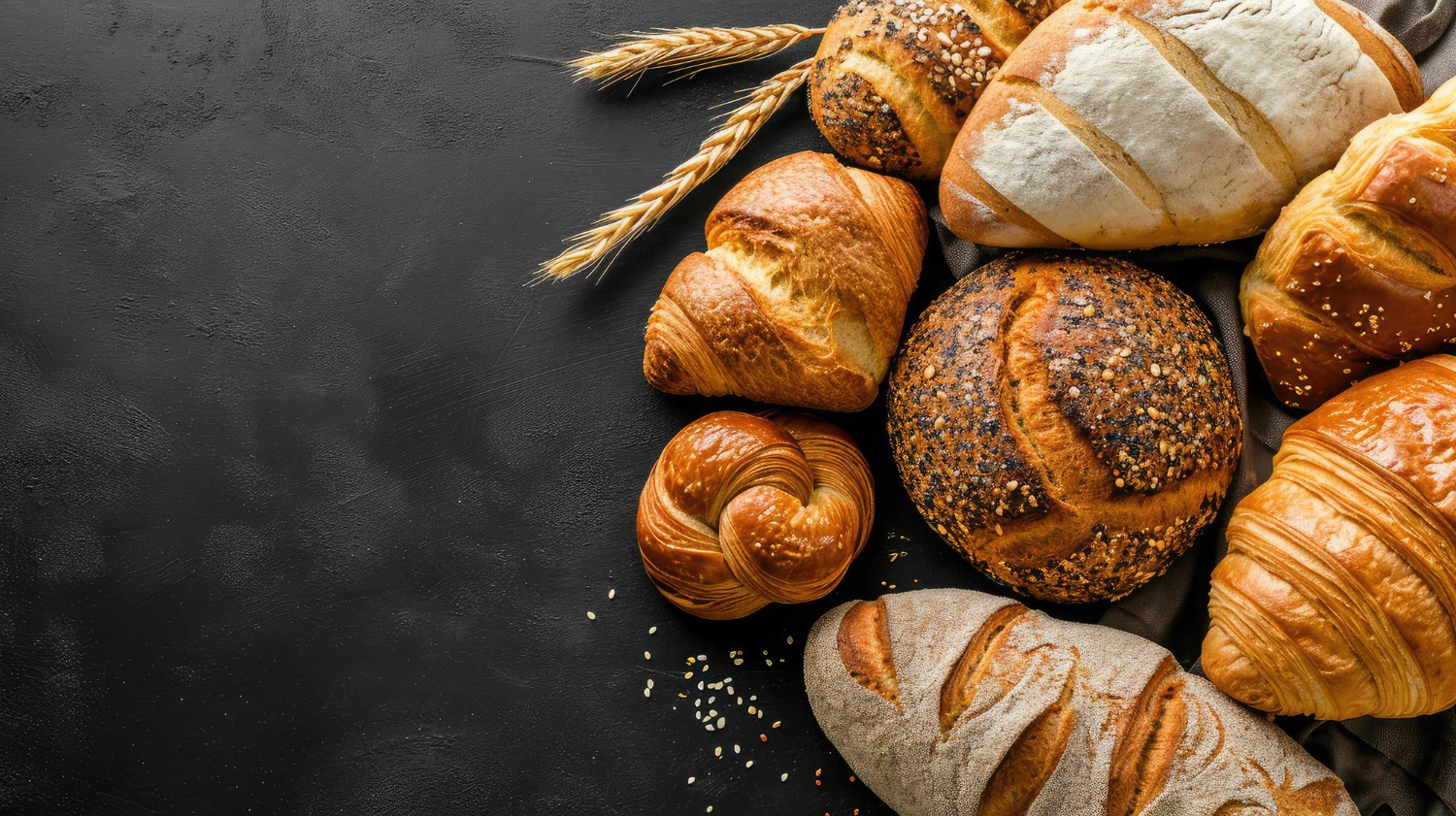
Germany has approximately 3,000 officially registered bread varieties — substantially more than any other country in the world. The German Bread Register, maintained by the German Bakers’ Confederation, was added to UNESCO’s Intangible Cultural Heritage list in 2014. American bread is essentially a different product entirely. The differences trace to specific cultural, regulatory, and agricultural factors that have produced one of the most distinctive food traditions in Europe. Here’s why German bread tastes nothing like the bagged bread Americans grew up with — and what makes 3,000 varieties actually possible.
The German bread tradition has produced one of the world’s most documented and distinctive food cultures. The combination of substantial variety (3,000+ officially registered types), specific quality regulations, traditional baking methods, and cultural significance produces something genuinely different from bread traditions in most other countries. Walking into a typical German bakery (Bäckerei) reveals dozens or hundreds of distinct breads with specific names, characteristics, and uses — substantially more variety than international visitors typically expect or recognize.
The German Bread Register
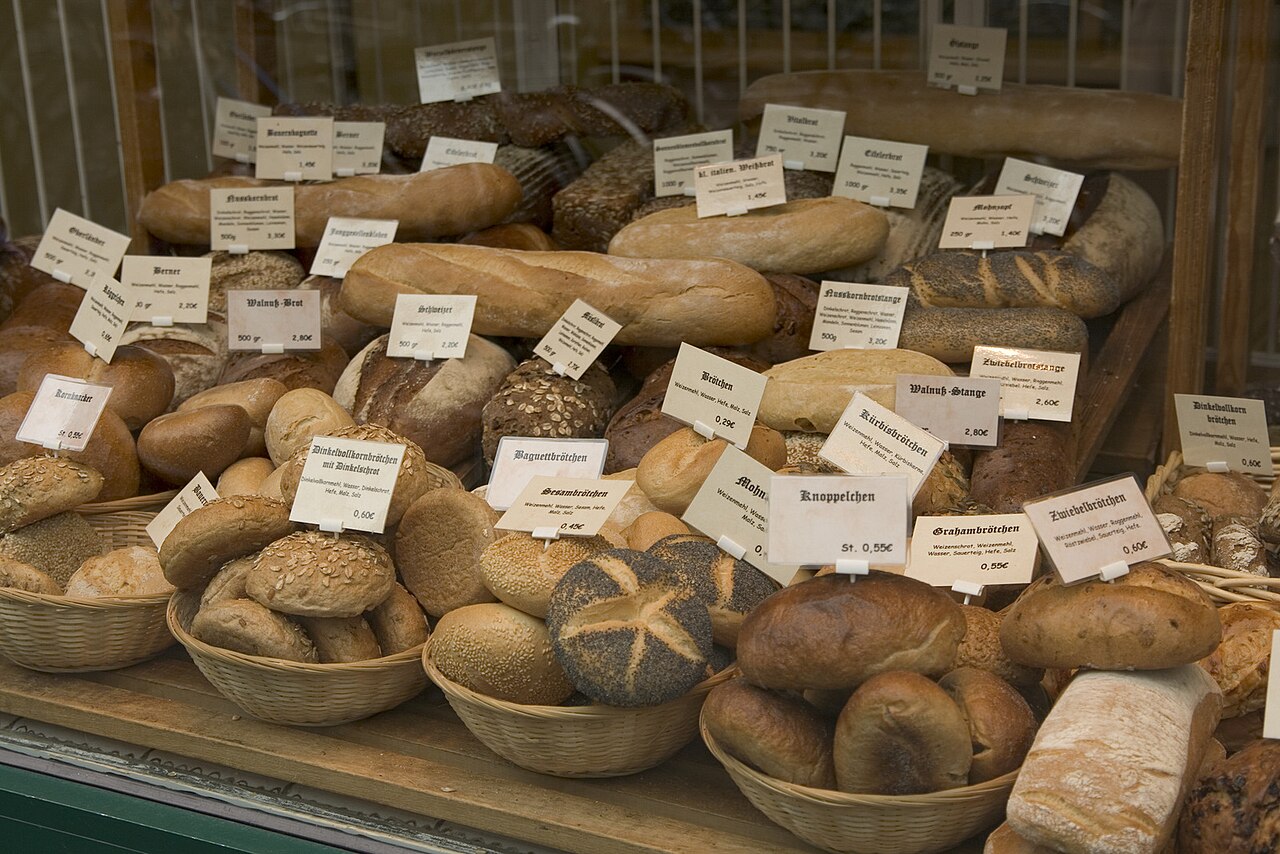
The Deutsche Brotinstitut (German Bread Institute) maintains an official registry of German bread varieties. As of 2026, the register contains approximately 3,000 distinct registered breads. Each registered variety has specific defined characteristics including ingredients, production method, regional origin, and various other attributes. The registration process requires bakers to document specific attributes that distinguish their bread from existing registered varieties.
The 3,000+ figure isn’t marketing exaggeration — it represents actually documented varieties with specific differentiating characteristics. The registry was added to UNESCO’s Intangible Cultural Heritage list in 2014, providing international recognition of the cultural significance. The cumulative variety substantially exceeds what most other bread cultures have produced. France has substantial bread variety but nothing approaching the German diversity. Italy has substantial regional bread traditions but again far less total variety. The German bread variety phenomenon is genuinely globally distinctive.
The Specific Bread Categories
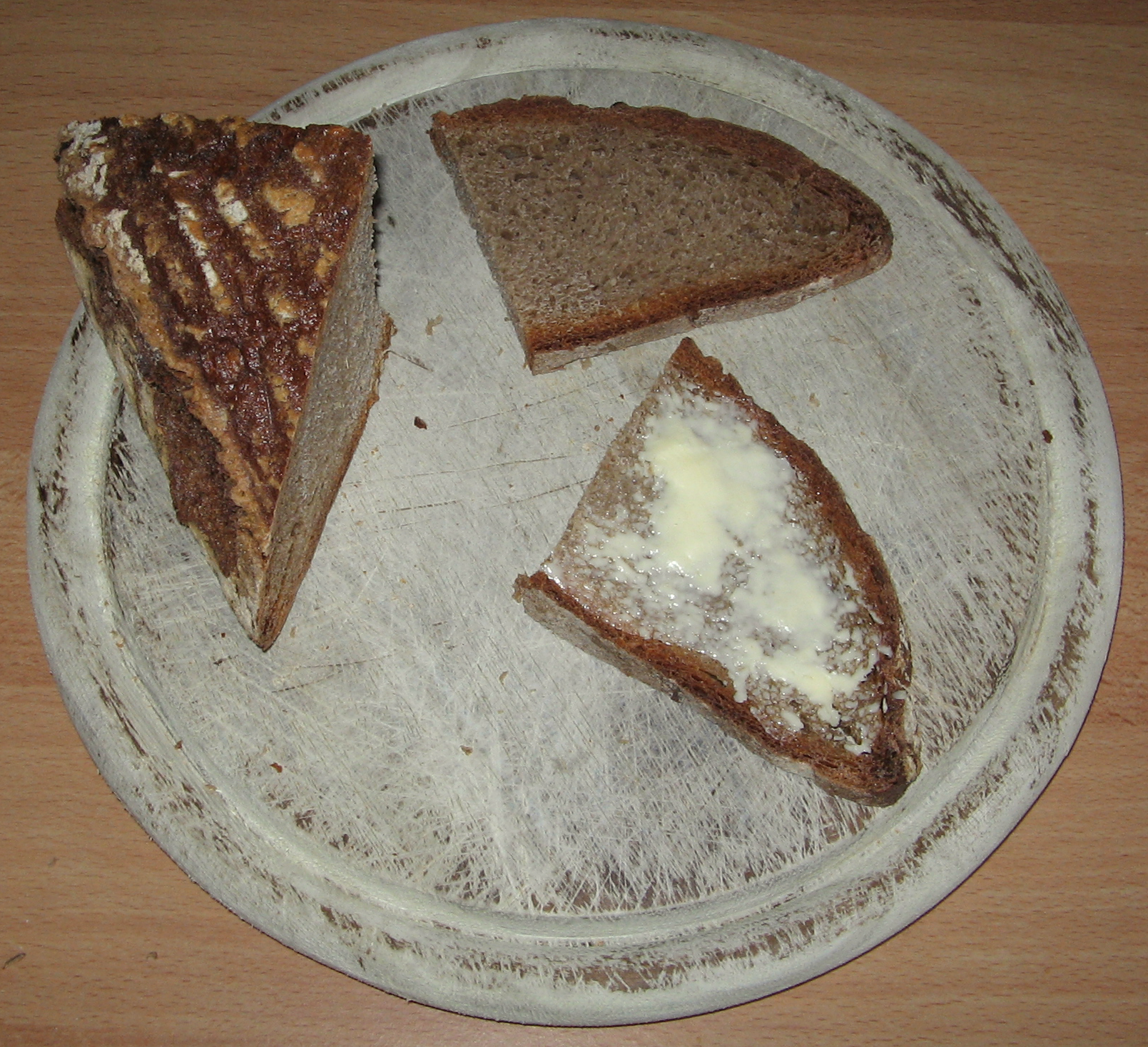
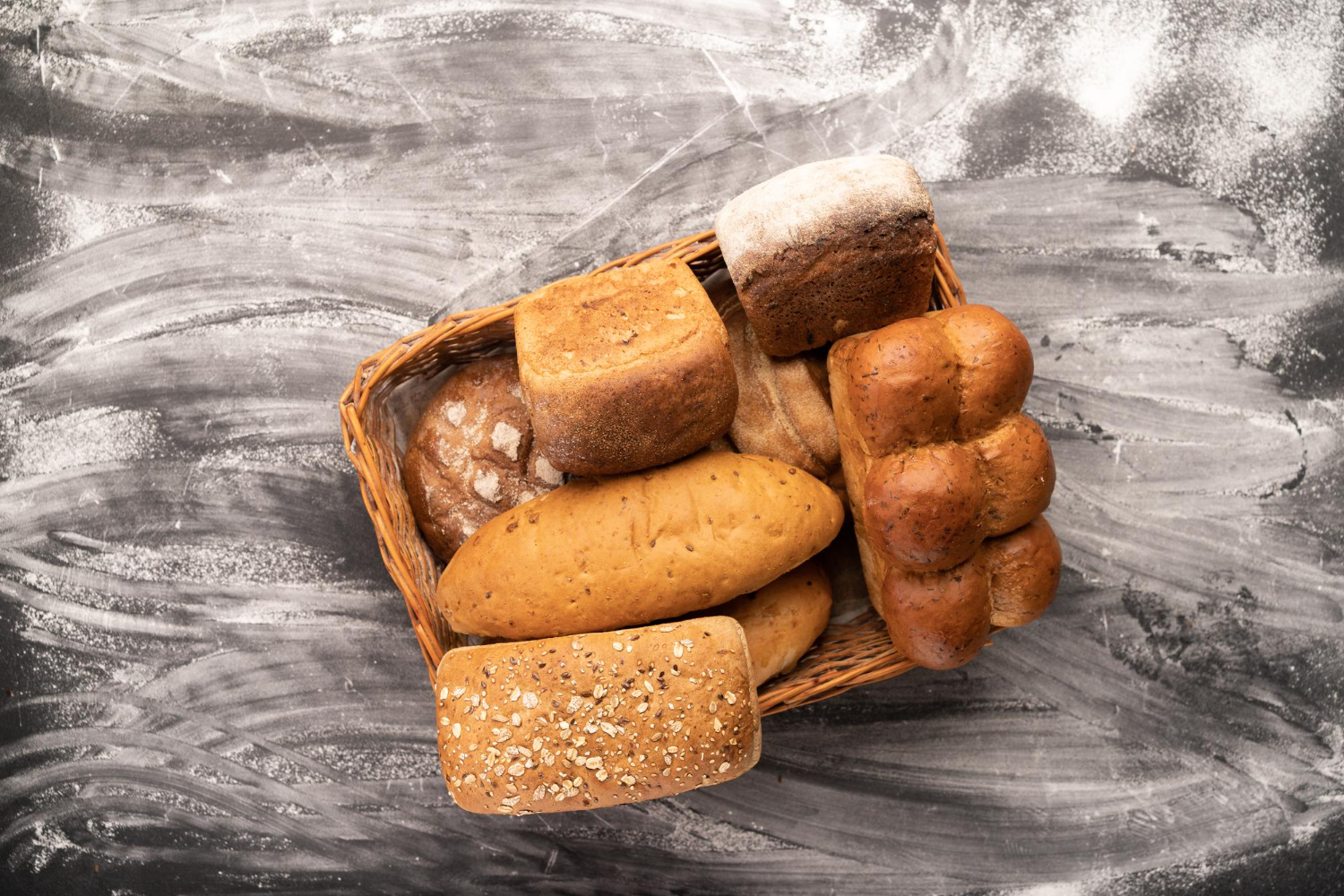
German breads divide into specific main categories based on grain composition. Roggenbrot (rye bread): primarily rye flour, often with substantial sourdough fermentation. Mischbrot (mixed bread): combinations of rye and wheat in various ratios. Weißbrot (white bread): primarily wheat flour, generally lighter texture. Vollkornbrot (whole grain bread): made with whole grains rather than refined flour. Pumpernickel: dense, dark rye bread with very long baking times (often 16+ hours). Various other specific categories produce additional differentiation.
Within each main category, specific regional variations and individual baker recipes produce substantial additional variety. The cumulative result is the 3,000+ documented varieties. Most German consumers don’t experience all 3,000 varieties — most regions have specific preferred breads that dominate local consumption. But the cumulative variety across the entire country represents substantially greater diversity than most other bread traditions.
The Sourdough Tradition
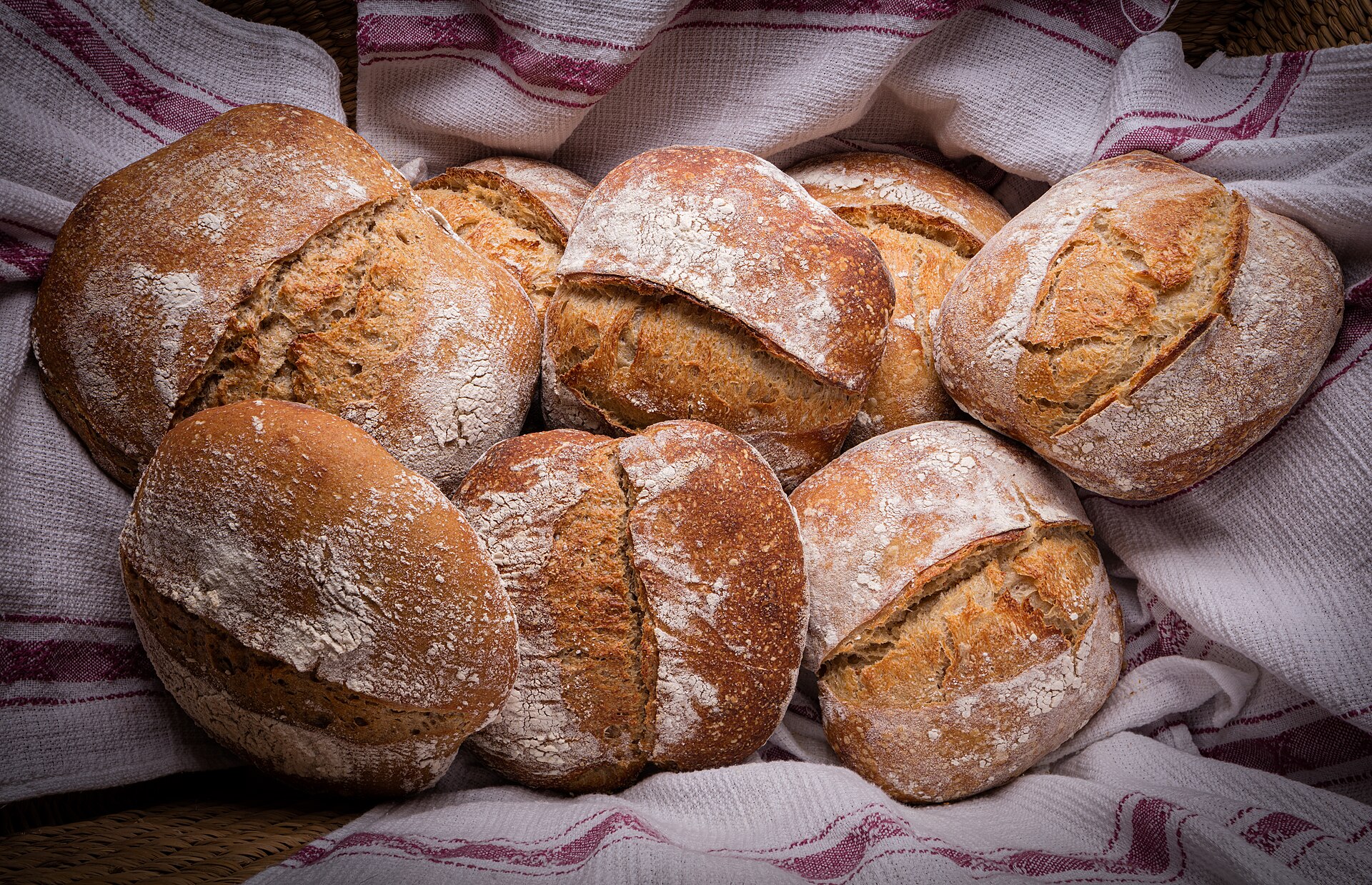
German bread baking maintains substantial commitment to traditional sourdough fermentation methods. Most German rye bread varieties use sourdough starters (Sauerteig) maintained over years or decades. The sourdough cultures contain specific bacterial and yeast combinations that produce distinctive flavor profiles substantially different from commercial yeast-based fermentation.
The fermentation process is genuinely time-intensive — proper sourdough rye breads can require 8-24 hours of total fermentation time. The extended fermentation produces specific flavor characteristics: substantially more complex flavor profile than rapid commercial fermentation produces, better digestibility (sourdough fermentation breaks down certain compounds that affect digestion), and longer shelf life without artificial preservatives. American commercial bread typically uses rapid fermentation (1-3 hours) that produces substantially different bread despite using similar base ingredients.
The Wheat-vs-Rye Reality
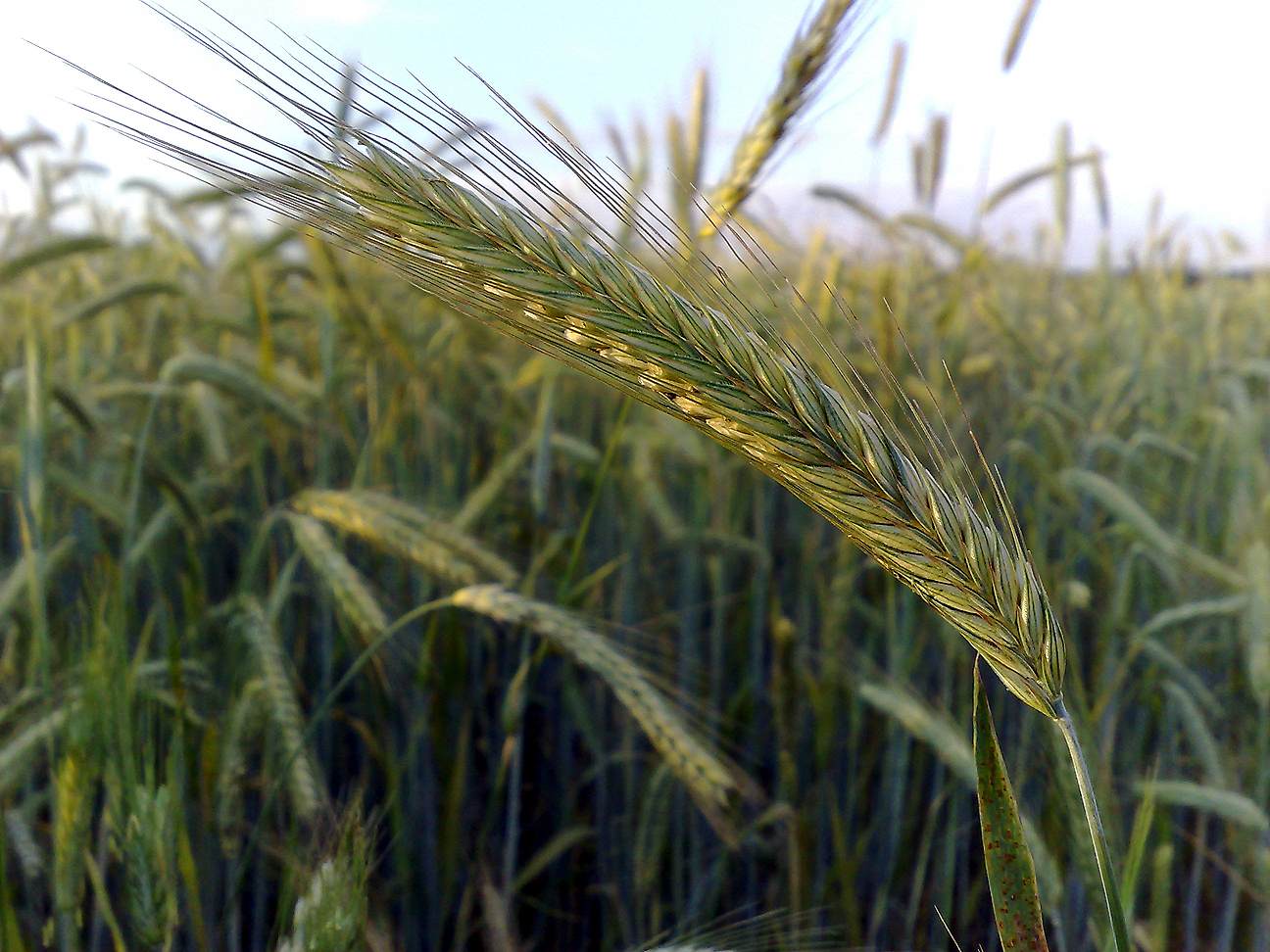
Most American bread is essentially wheat-based — even “rye” American bread typically contains predominantly wheat flour with limited rye component. German bread tradition substantially emphasizes rye, particularly in northern regions. Rye flour produces denser texture, darker color, and substantially different flavor profile than wheat flour. Genuine German rye breads can contain 70-90% rye flour, producing breads that American consumers often find substantially heavier and more flavorful than expected.
The agricultural basis matters specifically. Rye grows well in cooler northern European climates where wheat struggles. German agricultural patterns historically produced substantial rye crops that wheat-focused regions did not have. The cumulative agricultural availability shaped German bread tradition toward rye-heavy varieties that other European cultures (and American culture) did not develop. Modern German bread continues reflecting these historical agricultural patterns even as global trade has made all grains widely available.
The Regional Specialization
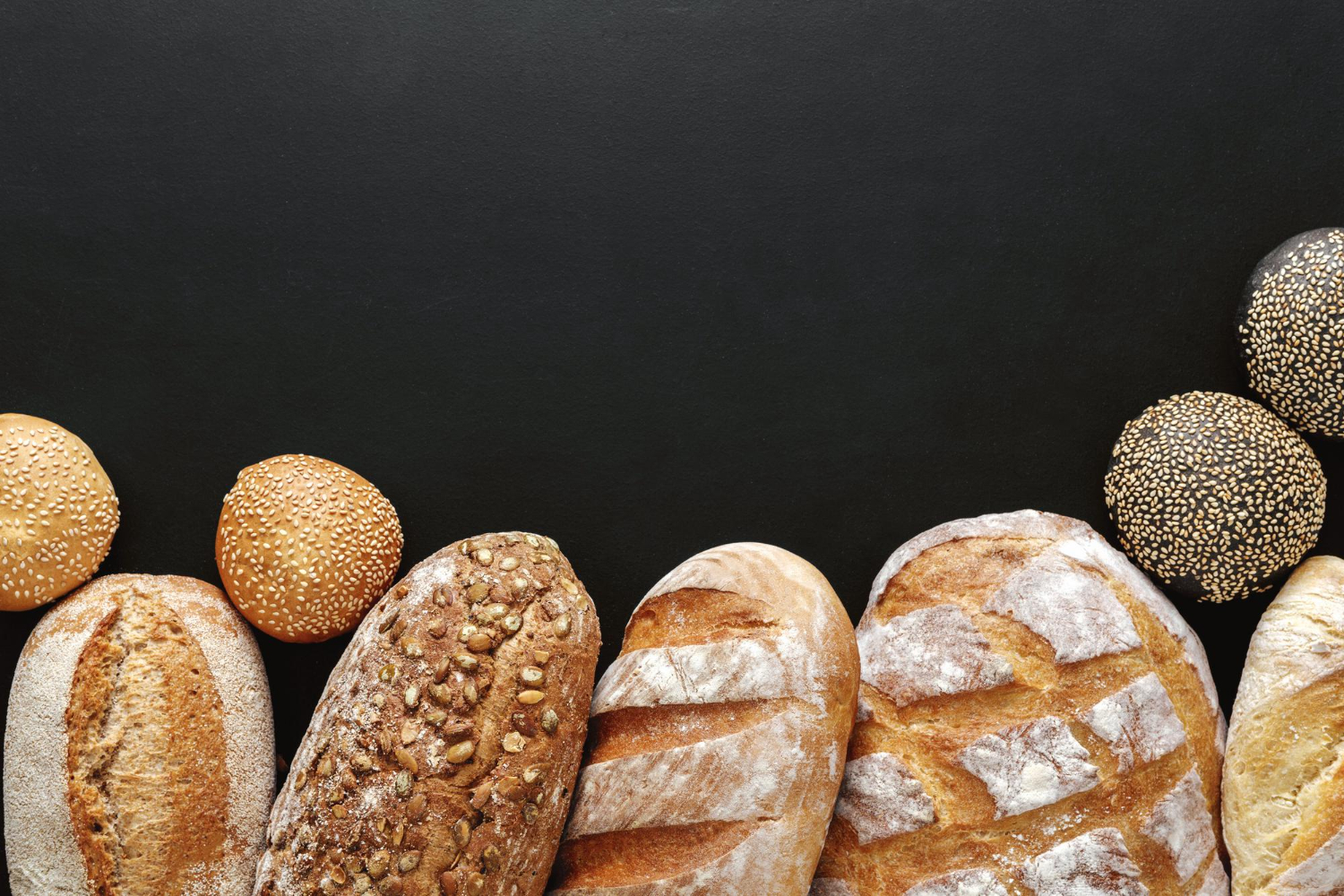
German bread varieties show substantial regional specialization. Bavarian breads typically differ from northern German breads in ingredients, methods, and consumption patterns. Westphalia produces specific dark rye varieties (including original Pumpernickel). Saxony has specific bread traditions. Various other regions have developed specific characteristic varieties over centuries.
The regional specialization reflects centuries of localized food traditions developing before modern transportation enabled national food integration. Each region developed specific breads adapted to local agricultural conditions, religious traditions, climate factors, and cultural preferences. The regional varieties have largely persisted despite modern transportation that would technically allow national homogenization. Modern German consumers can typically identify regional bread characteristics and often prefer specific regional traditions even after relocating to other German regions.
The Bakery Culture
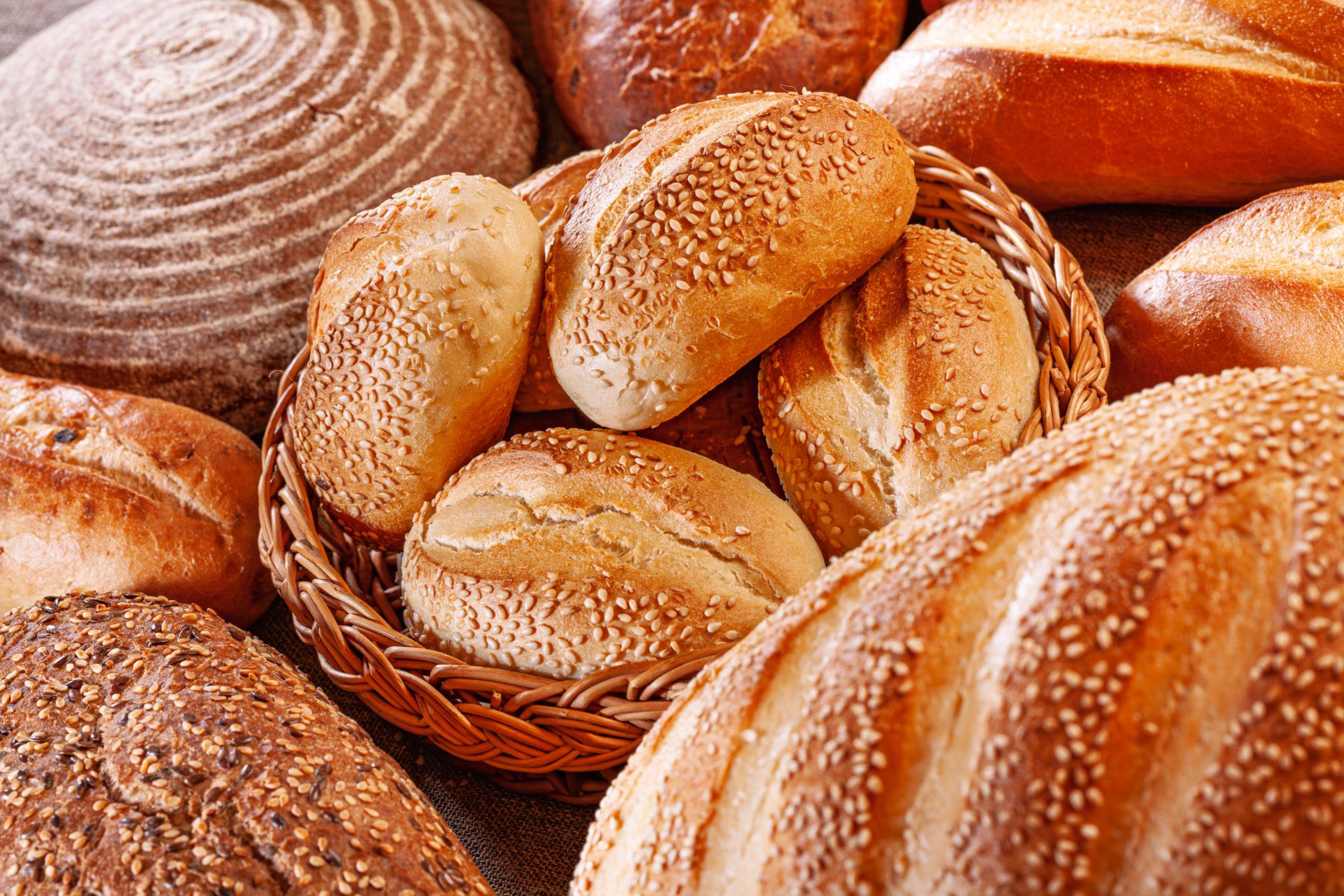
The German Bäckerei (bakery) operates as substantial cultural institution rather than just commercial business. Most neighborhoods have multiple bakeries within walking distance. The bakeries are typically family-operated businesses that have been in the same family for generations. The bakers themselves are recognized professionals with specific training requirements — German baker certification involves substantial apprenticeship and formal education.
The Brotzeit (bread time) tradition specifically organizes part of German daily eating around bread consumption. Frühstück (breakfast) typically involves substantial bread varieties with various accompaniments. Abendbrot (evening bread) — literally “evening bread” — is traditional cold dinner of breads, cheeses, sausages, and various other accompaniments. The bread consumption is genuinely central to German daily eating rather than peripheral to other dishes. The cumulative cultural integration produces the consumer demand that supports the substantial bread variety.
The Quality Regulations
German law specifically protects bread quality through various regulatory frameworks. Reinheitsgebot (purity law) — most famously associated with beer production — has analogues in bread regulation. Specific bread types must meet specific compositional requirements to use specific names. Various other regulations specify quality standards, ingredient requirements, and labeling rules.
The regulatory framework produces specific consequences. German consumers can rely on bread variety names actually meaning specific things — Roggenbrot must contain specific minimum rye content; Pumpernickel must follow traditional baking methods; various other terms have specific protected meanings. American bread regulations are substantially less restrictive — terms like “wheat bread” or “rye bread” don’t have legally enforced minimum compositions. The regulatory difference substantially affects what consumers actually receive when ordering specific bread varieties.
The American Bread Comparison
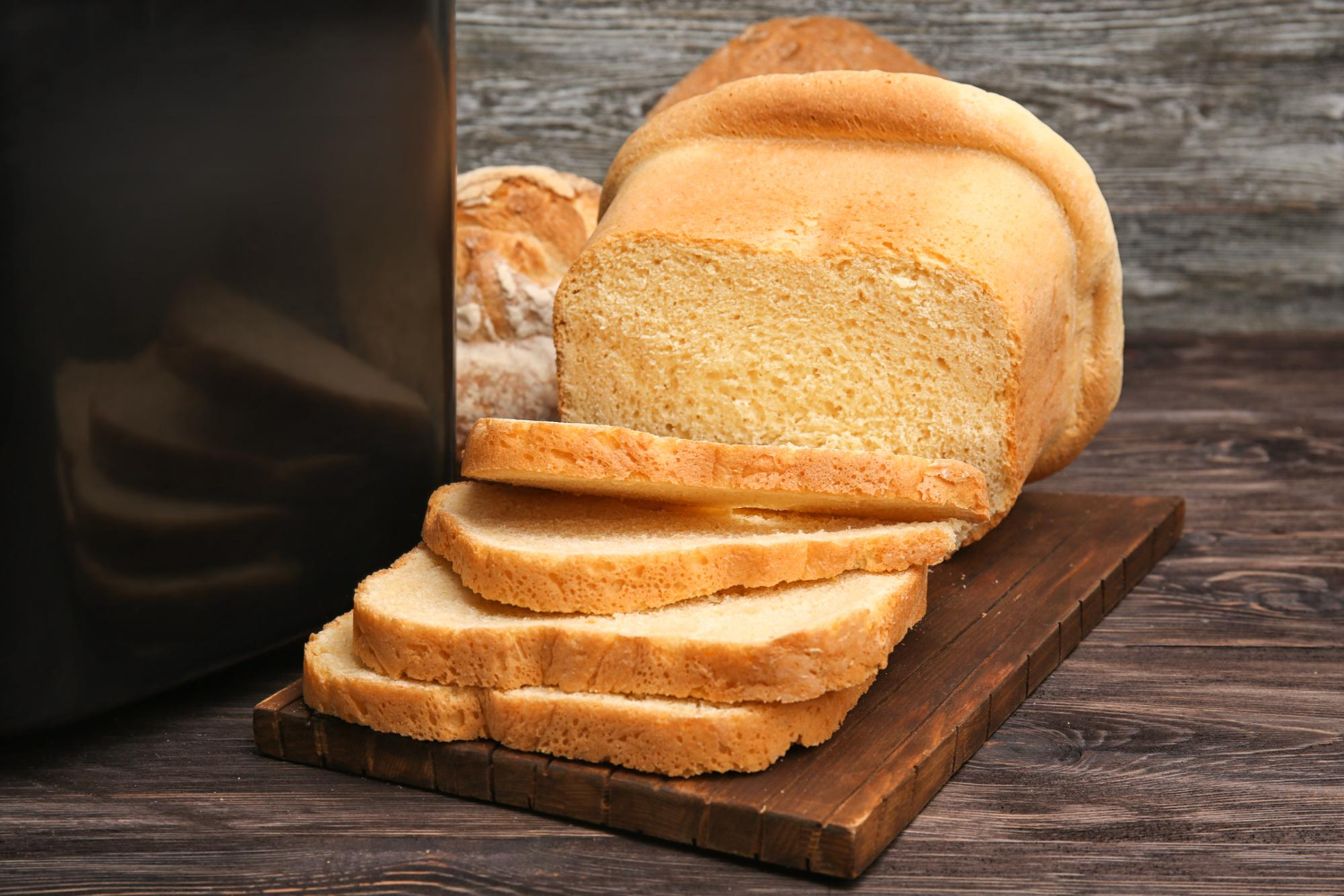
The differences between German bread and typical American commercial bread are substantial. American bread typically uses: rapid commercial fermentation (1-3 hours), substantial amounts of additives and preservatives, refined wheat flour as primary ingredient, soft texture optimized for sandwich applications, sweet flavor profile, long shelf life through chemical preservatives, and various other industrial production characteristics.
German bread typically features: extended sourdough fermentation (8-24 hours), minimal additives beyond flour-water-salt-yeast/sourdough, substantial rye content, denser texture, more complex flavor profile, shorter shelf life without preservatives, and various other traditional characteristics. The two products serve substantially different functions. American commercial bread optimizes for convenience and consistent texture. German traditional bread optimizes for flavor and traditional production methods. Neither approach is objectively superior — they reflect different priorities producing different products.
What German Bread Actually Reveals
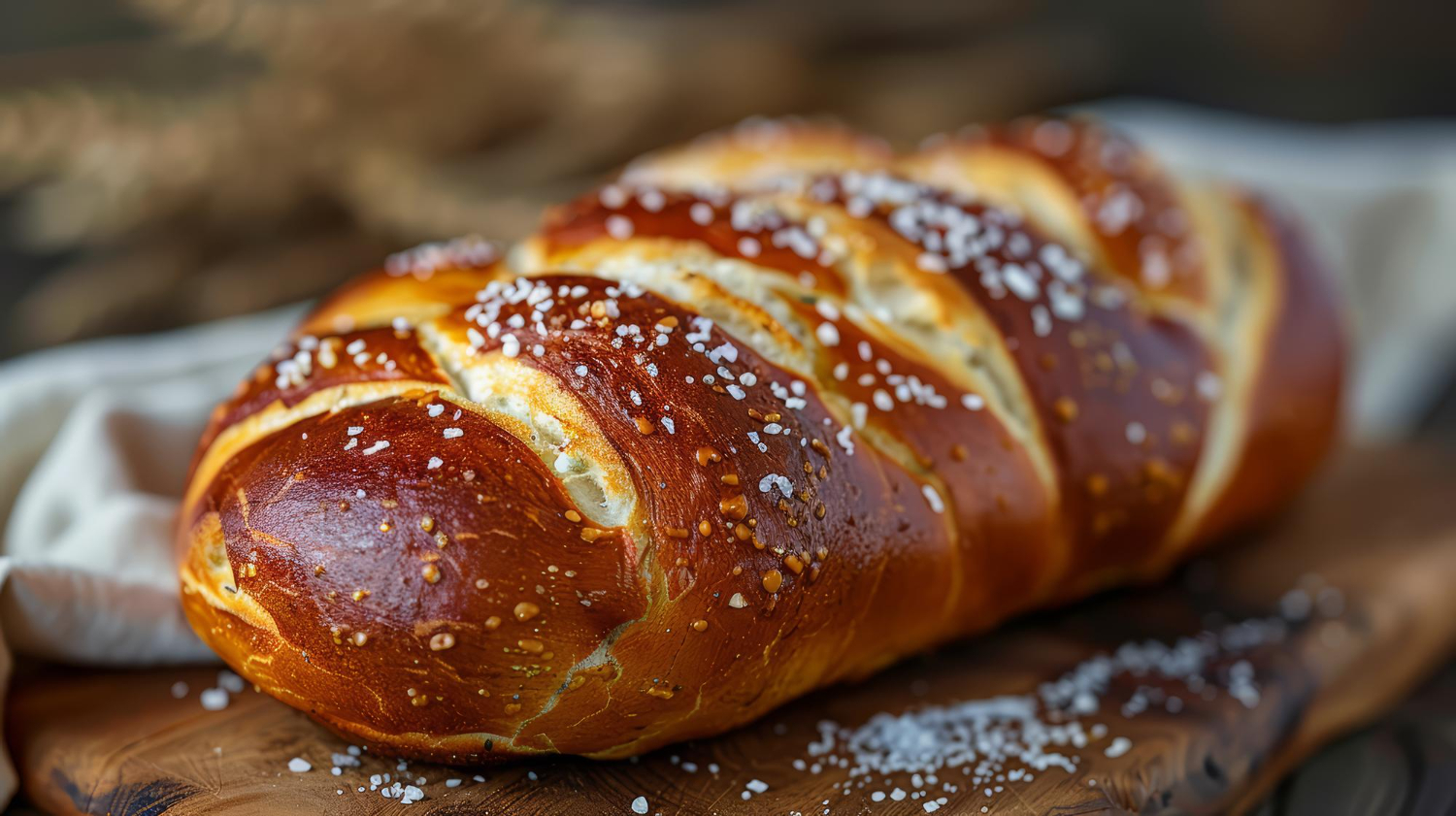
The German bread tradition represents specific accumulated cultural choices about food production, regulation, and consumption that have produced substantially distinctive results. The 3,000+ documented varieties aren’t accidental — they reflect specific cultural commitments to maintaining traditional methods, regional specialization, and regulatory protection across generations. Other countries with similar grain availability and similar baking traditions have produced substantially less variety because they made different cumulative choices.
For international visitors to Germany, the bread variety represents specific opportunity to experience food culture that exists nowhere else in quite the same way. Visiting German bakeries, sampling various varieties, and incorporating bread into meals provides substantial cultural exposure that international visitors often underestimate. The cumulative bread experience can substantially shape understanding of German food culture more broadly. American visitors who specifically explore German bread tradition often describe it as one of the more distinctive aspects of German travel — providing entry to culinary culture that mainstream international tourism rarely emphasizes despite its substantial significance to actual German daily life. The 3,000 varieties continue existing because German bakers, consumers, regulators, and cultural institutions collectively maintain them across generations through specific ongoing commitments. The tradition will likely persist as long as these collective commitments continue.