

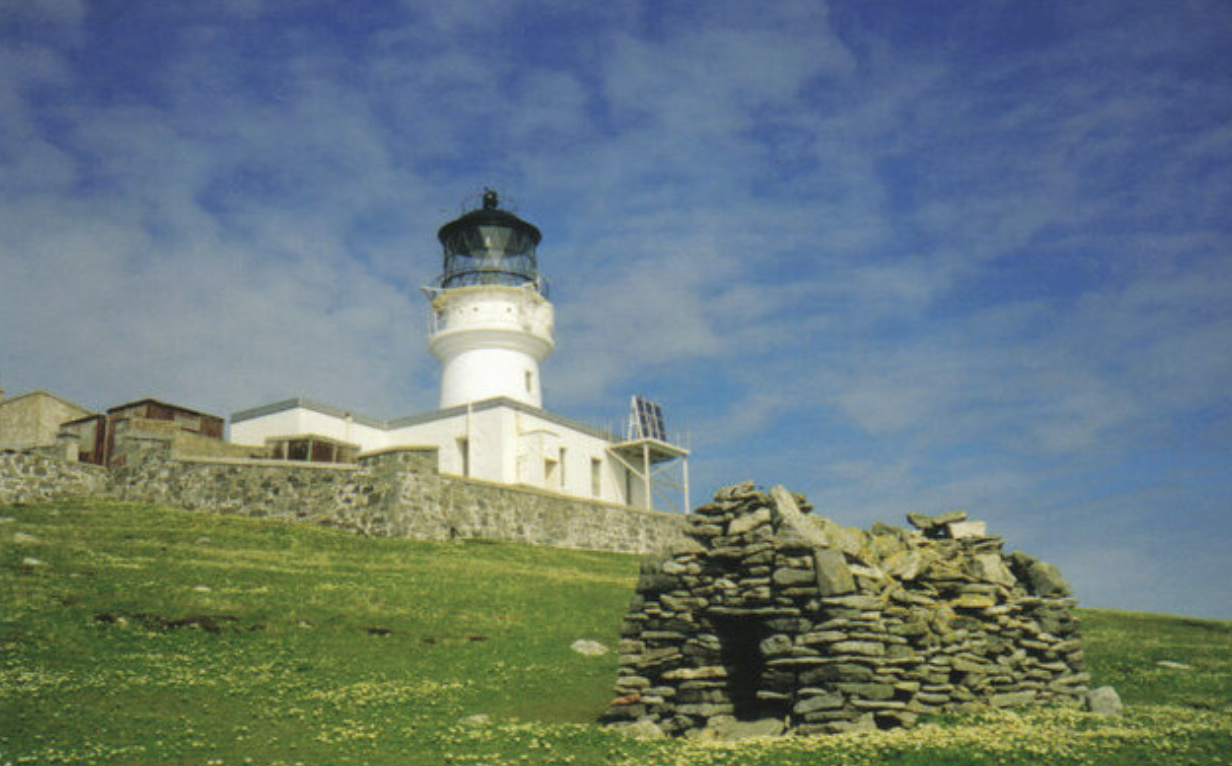
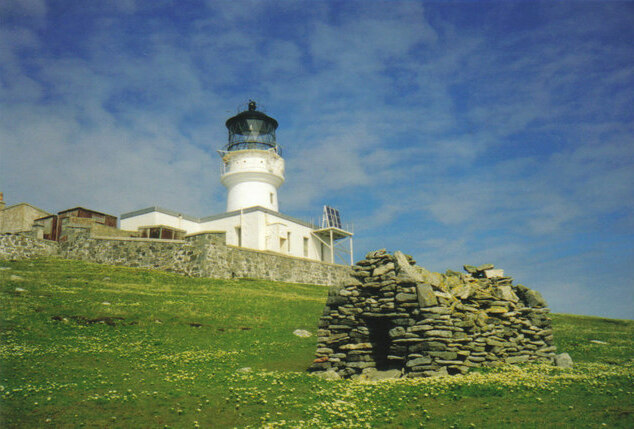
On December 15, 1900, three experienced lighthouse keepers disappeared from Eilean Mòr in Scotland’s remote Flannan Isles. The lighthouse was undamaged, the kitchen was tidy, the lamp was prepared for lighting — but the men were gone. No bodies were ever found. The mystery has never been definitively solved. Here’s the actual story.
In the Outer Hebrides off Scotland’s western coast, a small group of islands called the Flannan Isles sit approximately 20 miles from the nearest inhabited land. The largest island — Eilean Mòr (“Big Island”) — is just 38 acres of rocky terrain rising abruptly from the North Atlantic. The cliffs reach 200 feet above sea level. The island has no harbor, only narrow rocky landings reached by climbing 160 stone steps cut into the cliff face.
In 1899, the Northern Lighthouse Board completed a 75-foot lighthouse on the highest point of Eilean Mòr. Three keepers were stationed at any given time, with a fourth man rotating through shore leave on a fortnightly schedule. The first lighthouse keeper teams reported normally. The light operated as intended. By all accounts, the new lighthouse was functioning exactly as planned through 1900.
Then on December 15, 1900, three experienced lighthouse keepers — James Ducat (Principal Keeper, age 44), Thomas Marshall (Second Assistant, age 28), and Donald McArthur (Occasional Keeper) — disappeared. The lighthouse itself was undamaged. The kitchen was clean. The lamp was prepared and ready to be lit. The clocks had simply stopped, suggesting they ran down without anyone to wind them. No bodies were ever found. Despite extensive investigation at the time and 125+ years of subsequent speculation, the mystery has never been definitively solved.
Here’s what actually happened — and what we know, and don’t know, about one of the most enduring unsolved mysteries in maritime history.
1: The lighthouse that should have been impossible to build
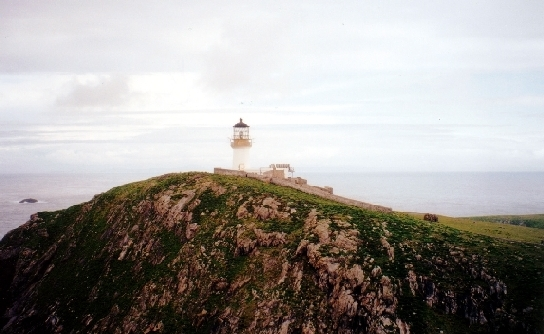
The Flannan Isles had been considered for a lighthouse for decades before construction began. The challenges were substantial. The islands were remote, with no harbor or natural landing points. Materials had to be hauled up 148-foot cliffs directly from supply boats. The weather conditions in the Outer Hebrides were among the most challenging in the British Isles.
Construction began in 1895 and was completed in 1899. The 23-meter (75-foot) tower was designed by David Alan Stevenson — son of the famous David Stevenson and part of Scotland’s renowned Stevenson family of lighthouse engineers (which also produced novelist Robert Louis Stevenson). The lighthouse was first lit on December 7, 1899. Total cost: £1,899 (equivalent to approximately £215,886 in 2025) for the lighthouse itself, plus £3,526 (£400,850 in 2025) for the shore station at Breasclete on the Isle of Lewis where keepers’ families lived.
A cable-hauled railway was built to transport supplies from the landing points up the steep gradients to the lighthouse compound. The infrastructure was impressive, given the location — and entirely necessary, since manual transport of supplies up 160 steep steps with substantial weather exposure would have been impractical.
2: The keepers who shouldn’t have disappeared
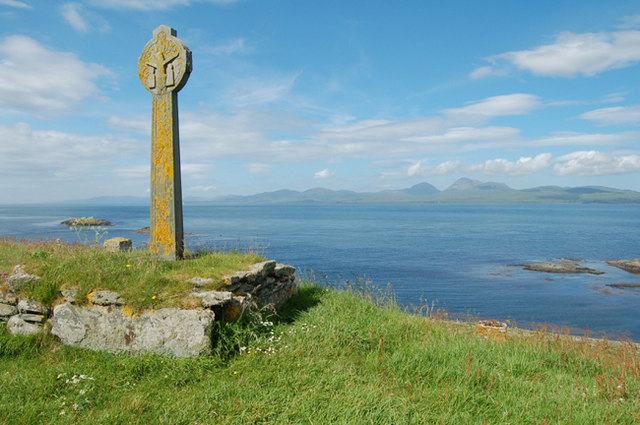
The three keepers stationed at Eilean Mòr in December 1900 were experienced men, well-suited to the demanding work:
James Ducat had served the Northern Lighthouse Board since 1878 — 22 years of experience. He had been promoted from Assistant to Principal Keeper in April 1896. His longest single posting had been at Rhinns of Islay Lighthouse for over seven years. He was married to Mary Grierson and had four children: Louisa (16), Robert (13), Annabella (9), and Arthur (6).
Thomas Marshall was younger but experienced — 28 years old, unmarried, with no children. He had previously been fined five shillings (a substantial sum at the time) for losing equipment during a storm, which would later become relevant to one theory about what happened.
Donald McArthur was the most experienced mariner of the three — described in some accounts as having a reputation as a tough brawler on the Scottish mainland. He was filling in as “Occasional Keeper” for William Ross, the regular First Assistant who was on sick leave. McArthur was survived by his wife and two children.
The fourth member of the rotation, Joseph Moore, was on shore leave when the disappearance occurred and would later be the first man to enter the lighthouse and discover what had happened.
3: The first sign that something was wrong
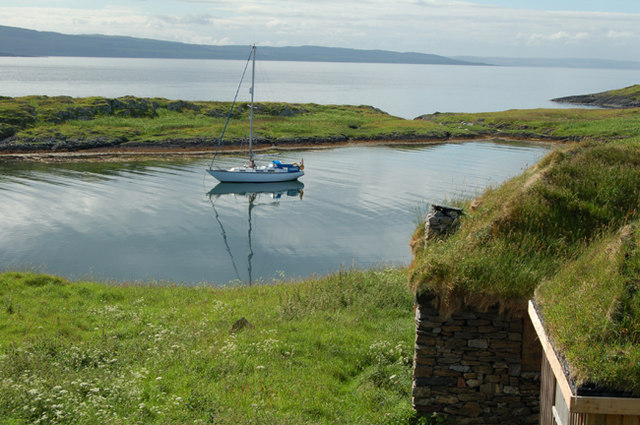
The first record that something was abnormal at Flannan Isles came on December 15, 1900. The transatlantic steamer Archtor, on a voyage from Philadelphia to Leith (Edinburgh’s port), passed the Flannan Isles around midnight that night. The ship’s captain noted in his log that the lighthouse’s beacon was not lit — despite weather conditions when it should have been clearly visible.
Captain Holman of the Archtor was concerned enough to plan reporting the unlit lighthouse upon arrival in Leith. But the Archtor ran aground in the Firth of Forth before reaching its intended destination. The message about the unlit lighthouse was significantly delayed in reaching the Northern Lighthouse Board.
Meanwhile, the lighthouse remained unlit. Nobody on the mainland realized what was happening, because the islands were too remote for routine observation and the Archtor‘s warning hadn’t yet been delivered.
4: The lighthouse tender that arrived 11 days late
The Northern Lighthouse Board operated a regular relief schedule. The tender vessel Hesperus, captained by Jim Harvie, was scheduled to deliver supplies and rotate keepers on December 20, 1900. But adverse weather prevented departure from Breasclete, the shore station on Lewis. The relief was delayed multiple times.
The Hesperus finally reached Eilean Mòr at noon on December 26, 1900 — 11 days after the lighthouse had apparently gone dark. The crew immediately knew something was wrong. The standard procedures called for a flag to be raised on the flagpole, supply boxes to be left at the landing stage, and at least one keeper to greet the arriving vessel. None of these had occurred.
Captain Harvie sounded the ship’s horn. He fired a flare. There was no response.
5: Joseph Moore enters the lighthouse
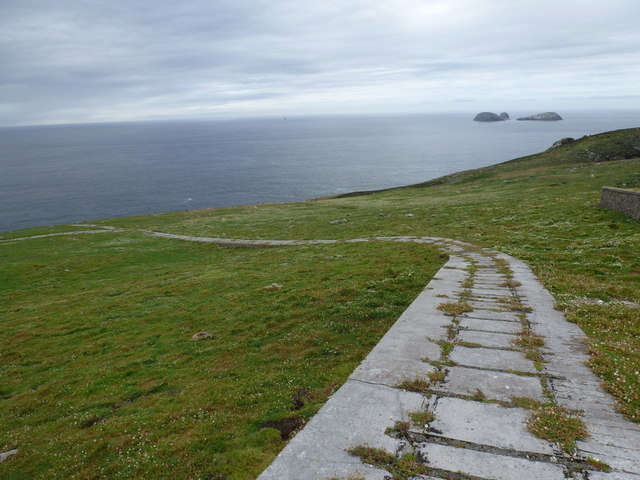
Relief keeper Joseph Moore — who knew all three missing men personally — was sent ashore to investigate. He climbed the 160 stone steps cut into the cliff. The path was familiar to him from previous shifts. The walk should have been routine.
What Moore found inside the lighthouse was deeply abnormal. The main door and entrance gate to the compound were closed — but no one was visible. The lamp was crimmed (cleaned and prepared for lighting) and ready. The oil fountains and canteens were filled. The lens and machinery had been cleaned. The pots and pans had been washed. The kitchen was tidy. The beds were unmade. The clocks had stopped.
But the three keepers were nowhere to be found.
According to the official Northern Lighthouse Board investigation, signs indicated the men had completed normal morning work on December 15, 1900. The lamp was ready to be lit at sunset, but never was. Whatever happened to the keepers occurred sometime that afternoon — and they had no opportunity to return to the lighthouse before disappearing.
6: What the search revealed

After Moore returned to the Hesperus with his report, three additional crew members joined him to search the entire island. The search produced specific physical evidence — but not the missing men.
At the east landing, everything was intact. No damage. No signs of disturbance.
At the west landing, the situation was completely different. Iron railings had been bent and twisted out of shape. A length of railway track had been wrenched out of its concrete moorings. A boulder weighing more than a ton had been moved from its original position. Turf at the top of the cliffs — 200 feet above sea level — had been ripped up. A wooden box at 33 meters (108 feet) above sea level, normally used to store ropes and crane handles, had been smashed open with its contents scattered across the rocks.
The pattern of damage suggested an enormous wave or storm surge. But the timing was problematic — there were no recorded major storms in the area on December 12, 13, or 14. Storm activity had occurred but had been unexceptional. No witness on Lewis or elsewhere reported anything unusual that would explain damage at heights of 100+ feet above sea level.
In the lighthouse itself, the searchers found one set of oilskins (foul-weather gear) still hanging in the hallway. This meant one of the three keepers had run from the lighthouse without his protective gear — which would have been highly unusual behavior given the December weather.
7: The official explanation that didn’t quite fit
The Northern Lighthouse Board investigation, led by Superintendent Robert Muirhead, concluded that the three keepers had likely been swept into the sea while attempting to secure equipment at the west landing. The most plausible scenario: a freak wave (now sometimes called a “rogue wave”) had caused damage to the equipment at the west landing site. Some or all of the keepers went out to assess and secure the damage. They were caught by a subsequent wave or by additional storm activity. They were swept off the cliff and drowned.
This explanation fits some of the evidence:
- The damage at the west landing showed clear evidence of seawater impact at extreme height
- Marshall had previously been fined for losing equipment, providing motivation to take risks
- The keepers had completed morning work, suggesting they went out in afternoon
- The presence of one set of oilskins still hanging suggests someone left in a hurry
But other elements don’t fit cleanly:
- All three men leaving the lighthouse simultaneously violated standard safety protocol (one keeper was supposed to remain at the light at all times)
- McArthur leaving without his oilskins in winter weather was uncharacteristic
- The lack of any debris (clothing fragments, equipment fragments) typical of drowning incidents in similar coastal locations
- The fact that no bodies were ever recovered, despite the relatively small area where they could have been swept
8: The fictional log entries that became “evidence”

For decades after the disappearance, accounts of the mystery referenced “log entries” supposedly written by Marshall in the days before the disappearance. These entries supposedly read:
- December 12: Severe winds the likes of which Marshall had never seen in 20 years
- December 13: Storm still raging, all three men praying
- December 15 final entry: “Storm ended, sea calm. God is over all.”
These entries created a sinister picture. McArthur — described as a tough brawler — supposedly weeping. All three experienced keepers praying inside what should have been a secure structure 150 feet above sea level. The “God is over all” final entry suggesting some kind of resignation to fate.
Investigation by Mike Dash for the Fortean Times revealed that these log entries were entirely fictional — invented later for sensationalism. The actual log entries from December 12-13 are routine. The slate notes from December 14-15 (which would have been transferred to the formal log later) record only standard barometer and thermometer readings plus the time of extinguishing the light on the morning of December 15.
The real evidence is significantly less mysterious than the fabricated logs suggested. But the fabricated logs persisted in popular accounts for decades, contributing to the romanticization of the mystery.
9: The theories that don’t actually solve the case
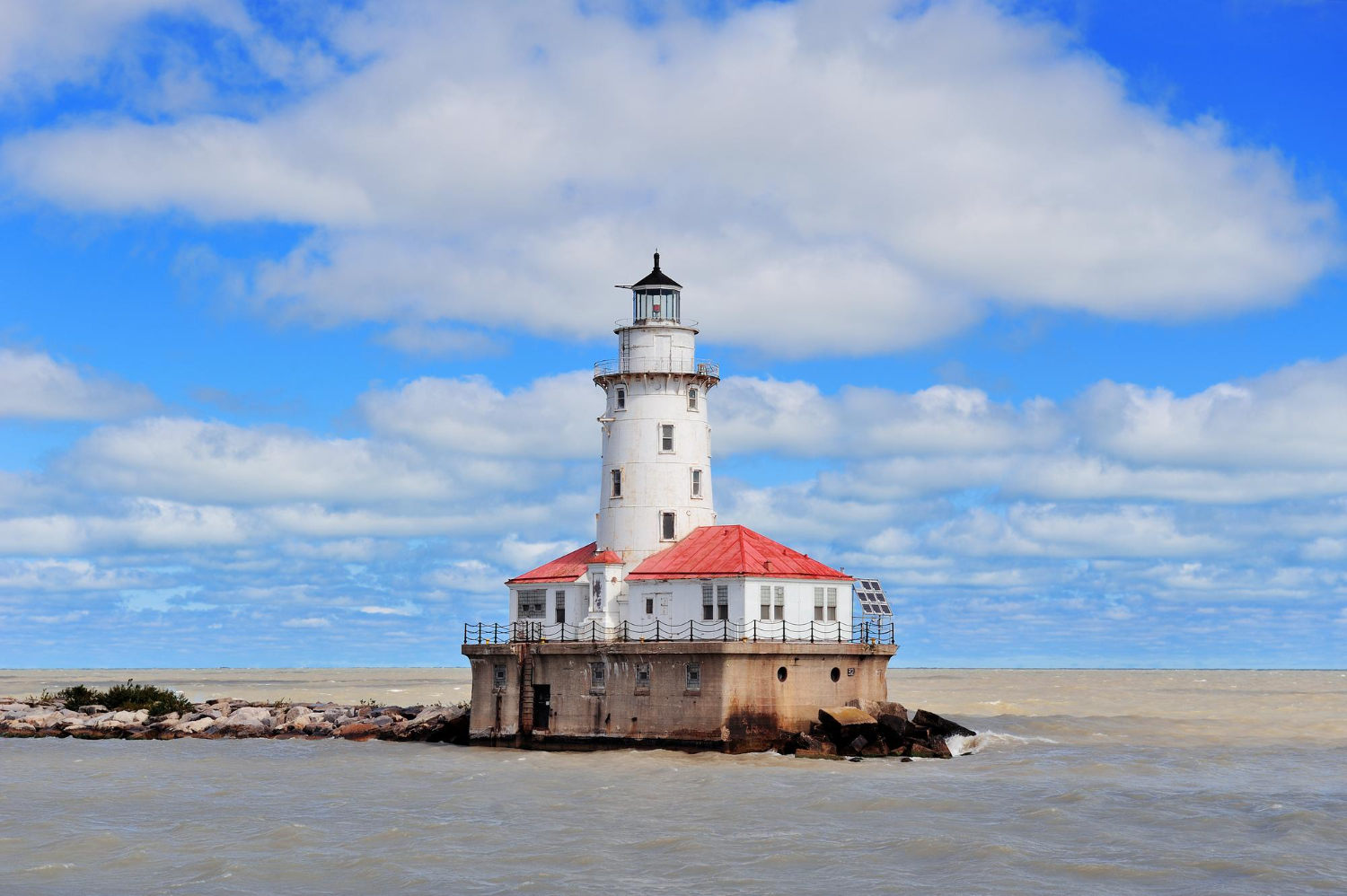
Over 125+ years, dozens of theories have been proposed:
The rogue wave theory (official explanation). All three keepers swept off west landing during attempted equipment securing. Most plausible but doesn’t explain why all three left lighthouse simultaneously.
The interpersonal violence theory. McArthur, with his reputation for brawling, killed Ducat and Marshall during a confrontation, then was swept off himself or jumped. Possible but lacks supporting evidence.
The escape/desertion theory. The men arranged for a ship to pick them up to start new lives elsewhere. Implausible — Ducat’s family situation makes this unlikely, and no evidence of arranged transport ever surfaced.
The foreign abduction theory. Spies or enemy agents kidnapped the keepers. Implausible — no motive, no evidence, and the political situation in 1900 doesn’t support this scenario.
Sea serpent or supernatural causes. Various legends invoking the “Phantom of the Seven Hunters” (a local mythological boat of ghosts) or sea creatures. Folklore rather than serious explanation.
The mass psychogenic incident theory. Isolated keepers in stress conditions could potentially have collective panic episode. Not supported by evidence about the men’s psychological states.
Carbon monoxide poisoning theory. The lighthouse heating system could have produced impaired judgment in the keepers, who then made fatal decisions. Possible but not provable.
The geographical theory (most recent serious analysis). The coastline of Eilean Mòr is deeply indented with narrow gullies (locally called “geos”) that can produce unexpectedly violent water surges during storms. Researchers studying these geographical features have suggested that one keeper could have been caught by a surge, and the others perished trying to rescue him.
The geographical theory is currently considered the most plausible by historians who have studied the case in depth. But “most plausible” is not the same as “proven.” The actual events of December 15, 1900 remain unknown.
10: The aftermath and the families
The disappearance of the three keepers had specific human consequences that often get lost in the mystery’s romanticization. Three families lost their primary breadwinners during the Christmas season. James Ducat’s wife Mary was left with four children including a 6-year-old. Thomas Marshall’s parents and siblings lost their son and brother. Donald McArthur’s wife and two children lost their husband and father.
The Northern Lighthouse Board provided pensions to the survivors as was customary for keepers who died in service. But the bureaucratic situation was complicated by the fact that the men were officially declared missing rather than dead. The register entries for Ducat and Marshall include the notation “Disappeared on or about 15 December 1900.” All three men were eventually recorded in the register of deaths for the district of Carloway with cause of death listed as “probably drowning.”
Superintendent Muirhead, who knew all three keepers personally and had recruited them, was profoundly affected. He had visited the Flannan Isles on December 7, 1900 — making him the last person to shake hands with all three men before their disappearance. His personal correspondence in subsequent years referenced the loss as a continuing grief.
11: The lighthouse continues operating
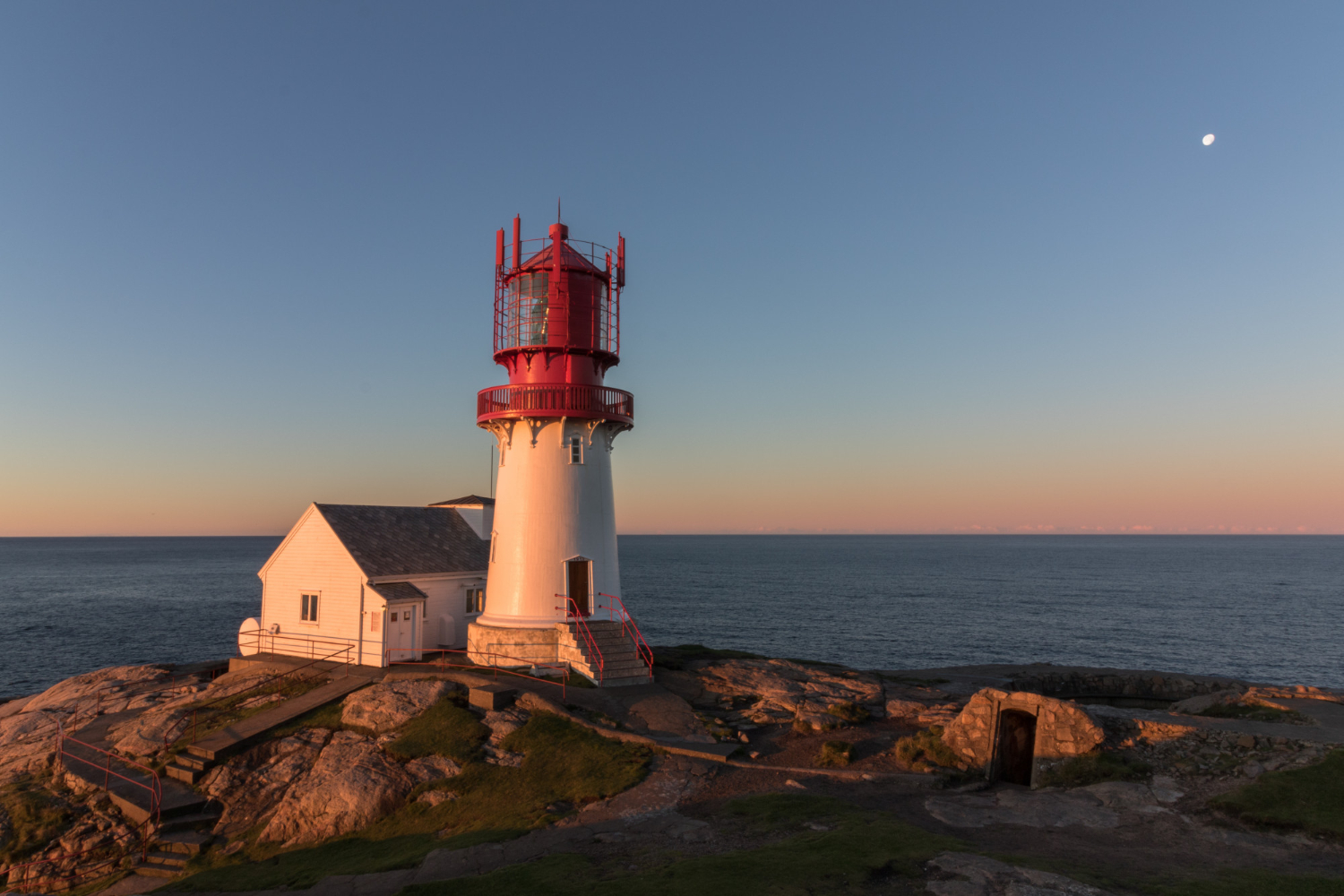
Despite the dark circumstances of December 1900, the Flannan Isles Lighthouse continued operating. New keepers were rotated in. The three temporary replacements (Joseph Moore who had discovered the disappearance, plus Donald Jack and John Milne) maintained the light through the immediate aftermath. Permanent assignments were eventually made.
The lighthouse continued to be manned by keepers until 1971, when it was automated. Since 1971, the lighthouse has operated without on-site human supervision. Modern instruments transmit operational data to mainland monitoring stations. The lighthouse continues to mark the dangerous waters around the Flannan Isles for maritime traffic.
The shore station at Breasclete on Lewis, where keepers’ families lived during their on-island shifts, eventually closed. The keepers’ housing was sold and converted to other uses.
For decades after 1900, lighthouse keepers at Eilean Mòr reported strange phenomena — voices in the wind that seemed to call out names, equipment moving when no one was nearby, unusual feelings of unease. Whether these reports represent genuine paranormal phenomena, psychological effects of working at a place with the disappearance’s history, or simple imagination is unverifiable. But the reports were consistent enough across multiple keepers over decades to be documented.
12: How to actually visit (if you can)
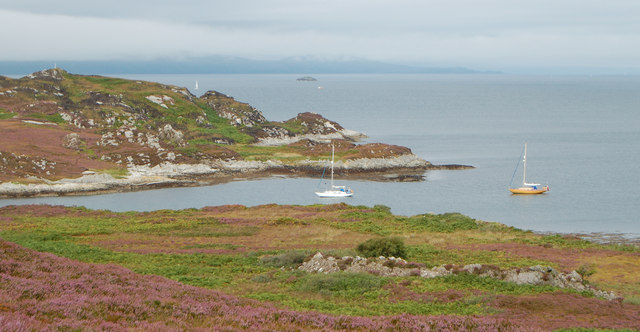
Eilean Mòr remains genuinely difficult to visit. The Flannan Isles are uninhabited (apart from the unmanned lighthouse) and have no regular boat service. Visiting requires:
- A chartered boat from Stornoway (the main town on Lewis), typically arranged through specialized tour operators. The crossing takes approximately 4-5 hours each way, weather dependent. Cost typically £200-500+ per person depending on group size.
- Calm weather windows. Even chartered boats can only land at Eilean Mòr during specific weather conditions. Many planned trips are cancelled due to conditions. May-September provides the best windows; October-April is usually impractical.
- Climbing ability. The 160 stone steps from the landing to the lighthouse are steep, occasionally damaged, and exposed to weather. Visitors need reasonable physical ability.
- Permission considerations. The lighthouse is owned and operated by the Northern Lighthouse Board. Visitors should respect that this is operating maritime infrastructure rather than a tourist attraction. Internal access to the lighthouse is generally not available.
For most travelers, visiting the more accessible Stevenson lighthouses (Tarbat Ness, Bell Rock, others) provides similar maritime history without requiring the expedition to Eilean Mòr. The 2018 film The Vanishing, starring Gerard Butler and based loosely on the events of 1900, also provides a vivid (though heavily fictionalized) sense of the lighthouse and its history.
13: Why the mystery still matters
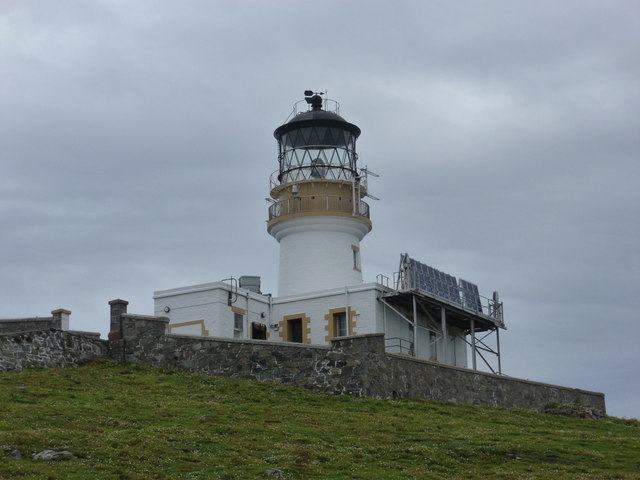
The Flannan Isles disappearance has endured in popular memory for 125+ years for specific reasons that go beyond simple curiosity about an unsolved case.
For travelers interested in maritime history, isolated places, or unsolved mysteries, the Flannan Isles represent something specific. The lighthouse still stands. The cliffs still rise from the Atlantic. The waters that took the three keepers in December 1900 still surround the island. Whatever happened to James Ducat, Thomas Marshall, and Donald McArthur is now beyond direct investigation — sealed by 125 years and the Atlantic itself.
But the mystery endures. And the lighthouse continues to mark the dangerous waters around the Flannan Isles, exactly as it was designed to do — long after the men who first kept it have been lost.
