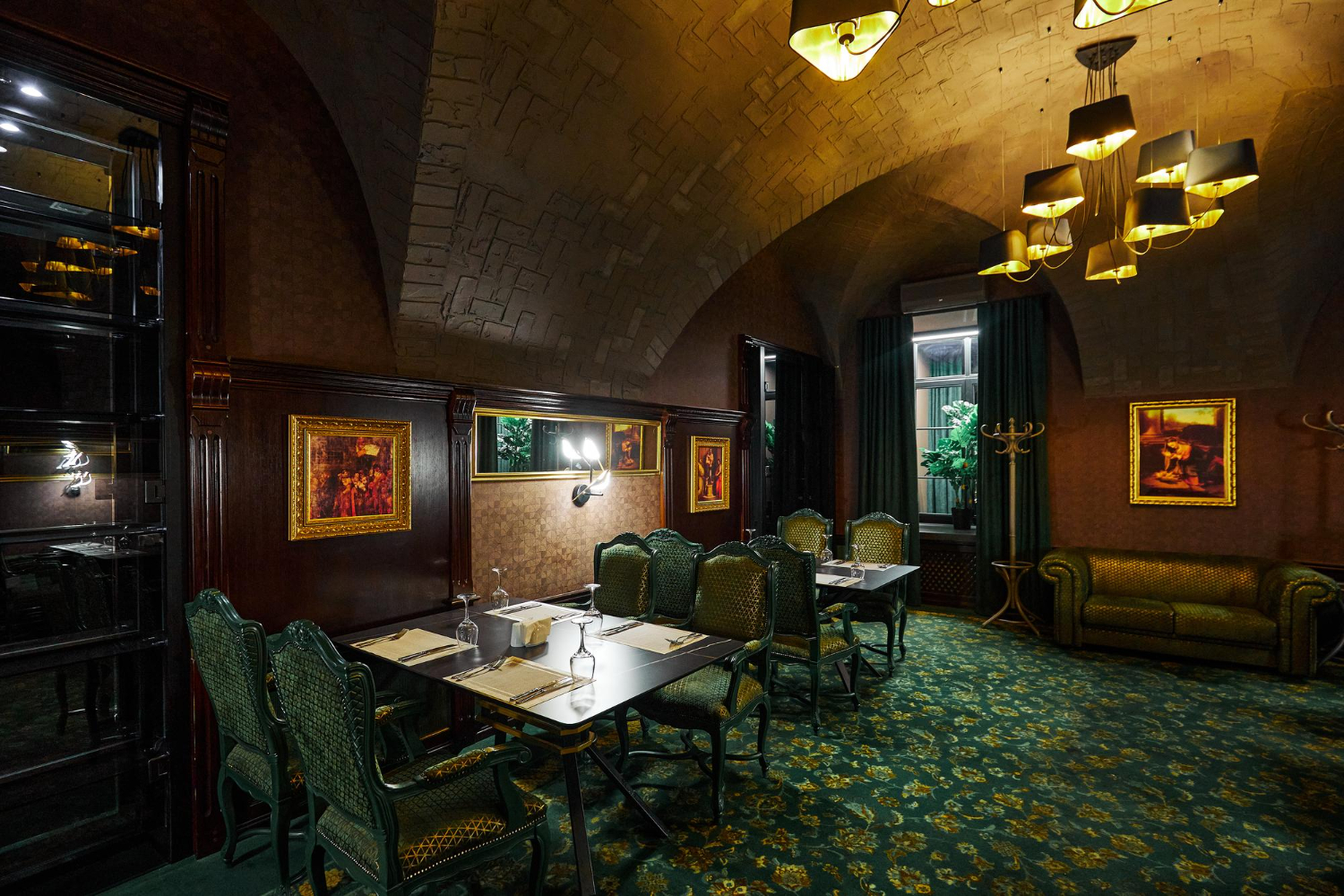
The American casual-dining restaurant of the 1990s was a cultural institution — the themed sit-down chain where families celebrated birthdays, teenagers had first dates, and the bottomless basket of bread or chips arrived before you’d finished ordering. These chains were everywhere, anchoring malls and suburban commercial strips across the country, and they defined a specific era of how Americans ate out. Today many of them are vanishing, their locations dwindling from thousands to hundreds or fewer, squeezed by fast-casual competition, changing tastes, the decline of the malls many anchored, and shifting dining habits. Some have disappeared almost entirely; others are shadows of their former footprint. For Americans who grew up on these restaurants, watching them fade is a specific kind of nostalgia. Here are the sit-down restaurant chains America loved in the ’90s that are quietly disappearing.
The casual-dining chains below rose in an era when the sit-down themed restaurant was the default for a family meal out, and their decline tracks a broad shift in how Americans eat — toward fast-casual, delivery, and away from the mid-priced themed sit-down experience. The specific chains form a roster instantly familiar to anyone who ate out in the 1990s.
The Themed Casual-Dining Giants in Decline
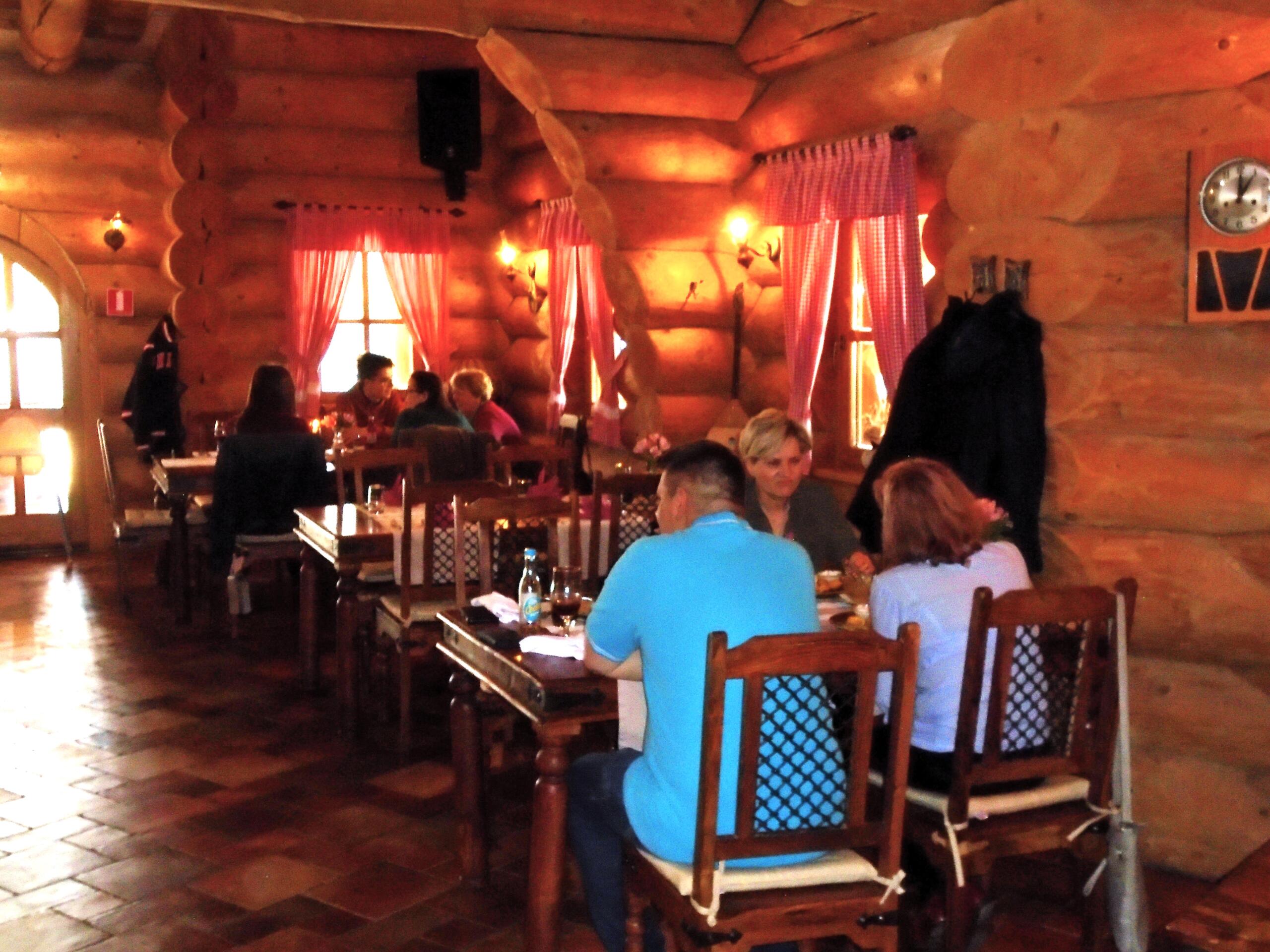
Several of the casual-dining chains that dominated the 1990s have contracted dramatically. Chains that once operated many hundreds or thousands of locations have closed enormous numbers of restaurants as they struggled with debt, changing tastes, and competition. The mid-priced themed sit-down restaurant — the kind with a broad menu of familiar American food, a bar, and a recognizable theme — was the heart of 1990s dining out, and the category as a whole has been squeezed hard. Several of its biggest names have shrunk from ubiquity to a fraction of their former presence, with some filing for bankruptcy and shuttering locations en masse.
The Buffet and Family-Style Chains

The 1990s buffet and family-style chains — the all-you-can-eat establishments and the family restaurants that anchored countless suburban meals — have been hit especially hard. The buffet model in particular struggled with rising costs and changing attitudes, and many of these chains closed the majority of their locations or disappeared entirely. The family buffet that was a 1990s staple for large groups, holidays, and budget-conscious families has substantially vanished, a casualty of economics and shifting preferences that made the all-you-can-eat model increasingly difficult to sustain.
The Mall-Based Sit-Down Restaurants

Many 1990s casual-dining chains were tied to the shopping mall, and as malls declined, the restaurants anchored to them declined too. The sit-down restaurant where shoppers paused for a meal, once a fixture of the American mall, has faded along with the malls themselves. These chains depended on mall foot traffic, and the broader collapse of mall culture took down the restaurants that relied on it. The specific experience of the mall sit-down restaurant, central to the 1990s shopping trip, has substantially disappeared.
The Specialty Theme Restaurants
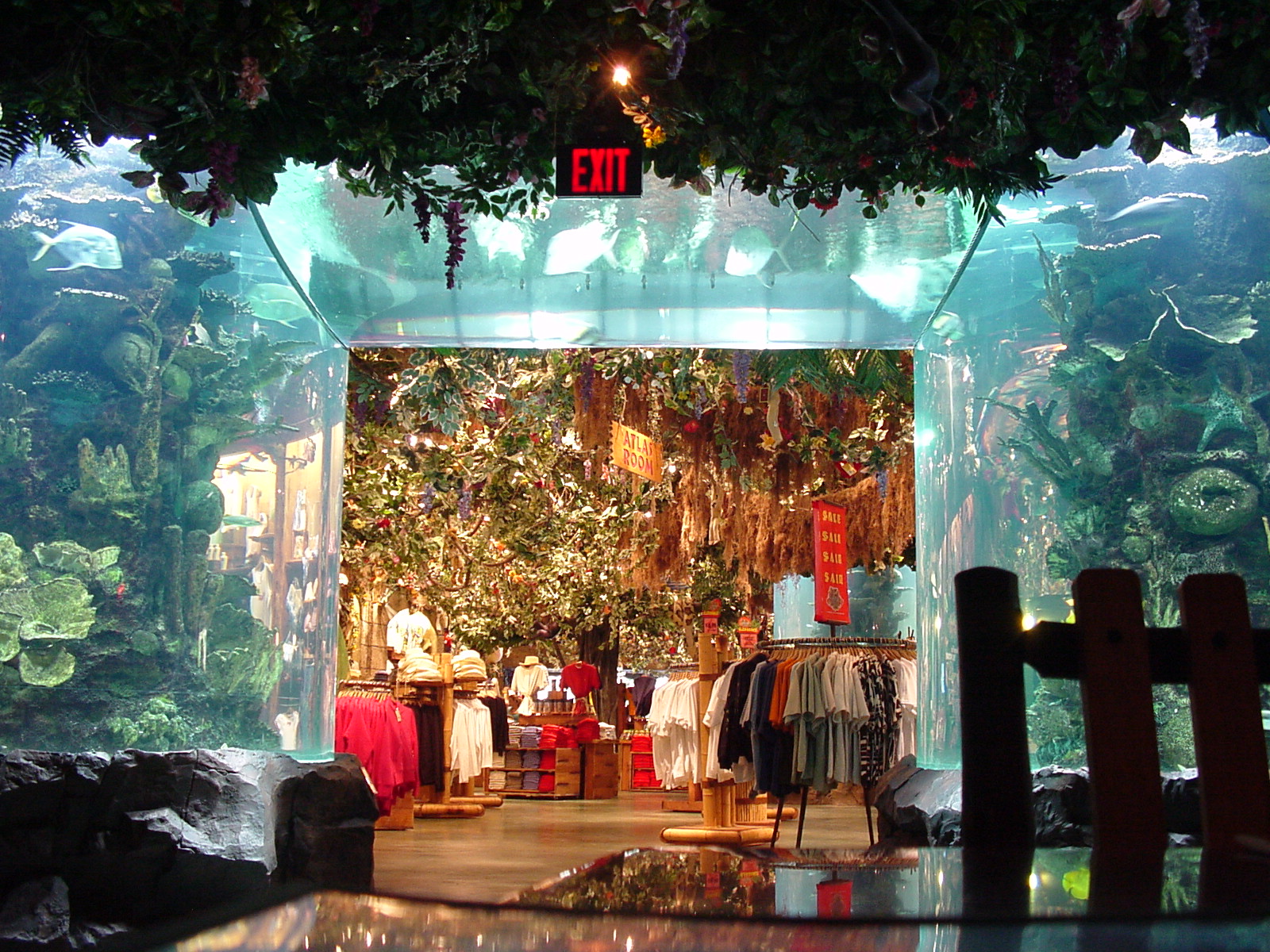
The 1990s saw a boom in theme restaurants built around a specific concept, decor, or gimmick — restaurants where the experience and atmosphere were as much the draw as the food. Many of these concept-driven chains, hugely popular in the 1990s, have largely disappeared as the novelty faded and the economics proved difficult. The theme restaurant that drew 1990s diners for the spectacle and atmosphere, beyond the meal itself, has substantially vanished, the concept having proven more of a moment than a lasting model.
The Signature Dishes and Rituals That Defined Them
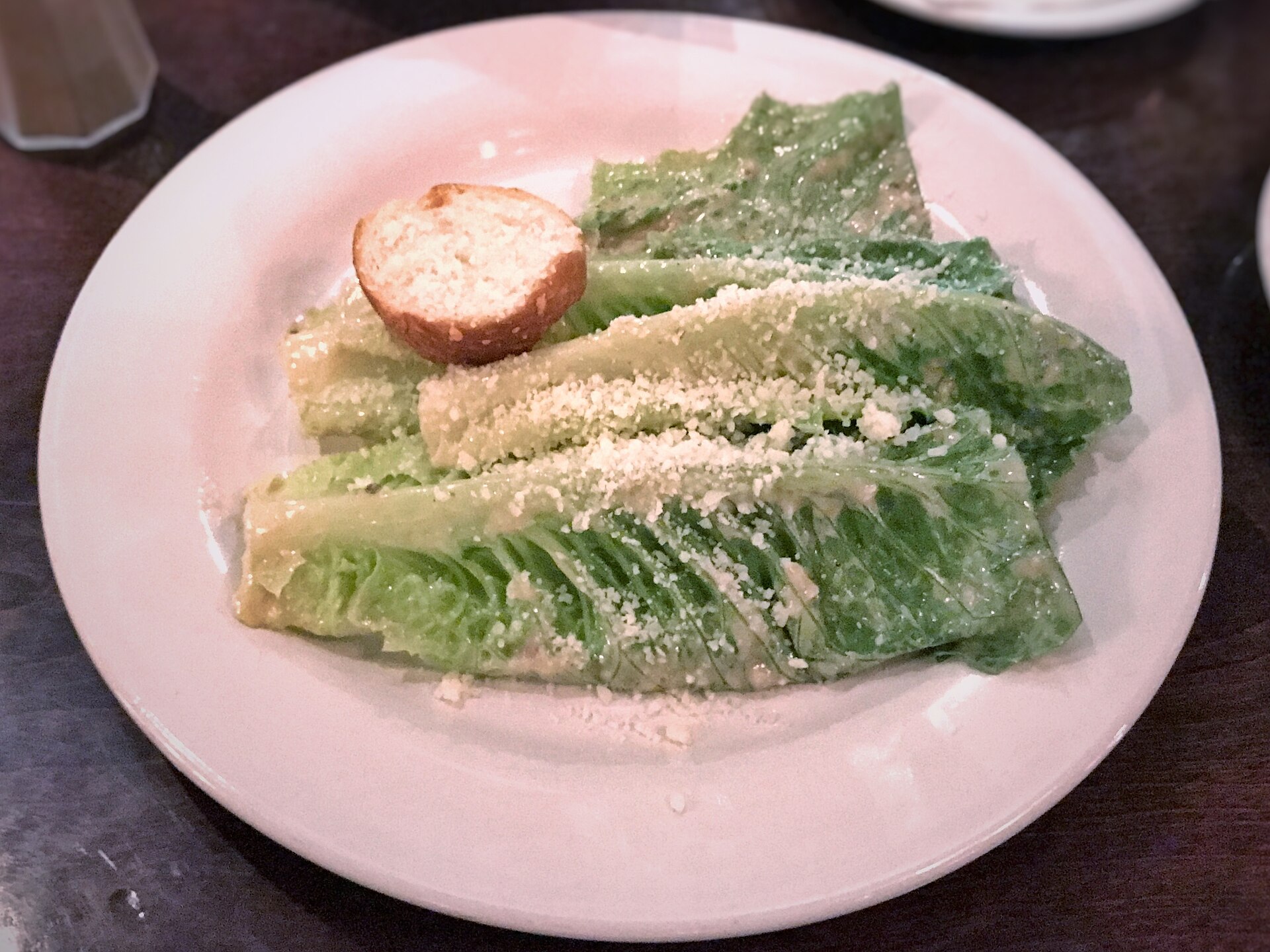
Part of what made these chains beloved was a set of signature dishes and rituals that customers genuinely loved and associated with specific occasions. The bottomless basket of bread, rolls, biscuits, or chips that arrived before the meal. The oversized appetizer sampler meant for sharing. The birthday ritual where the staff gathered to sing. The specific signature entrée or dessert that a chain was known for and that customers came back for. These rituals turned a meal into an event, and they were a large part of why families chose these restaurants for celebrations and treats. As the chains contract, these specific rituals and signature dishes — woven into the memories of birthdays and family dinners — fade with them, and the particular experience of each chain’s signature offering becomes a nostalgic memory rather than an available meal.
The Regional Chains Hit Hardest
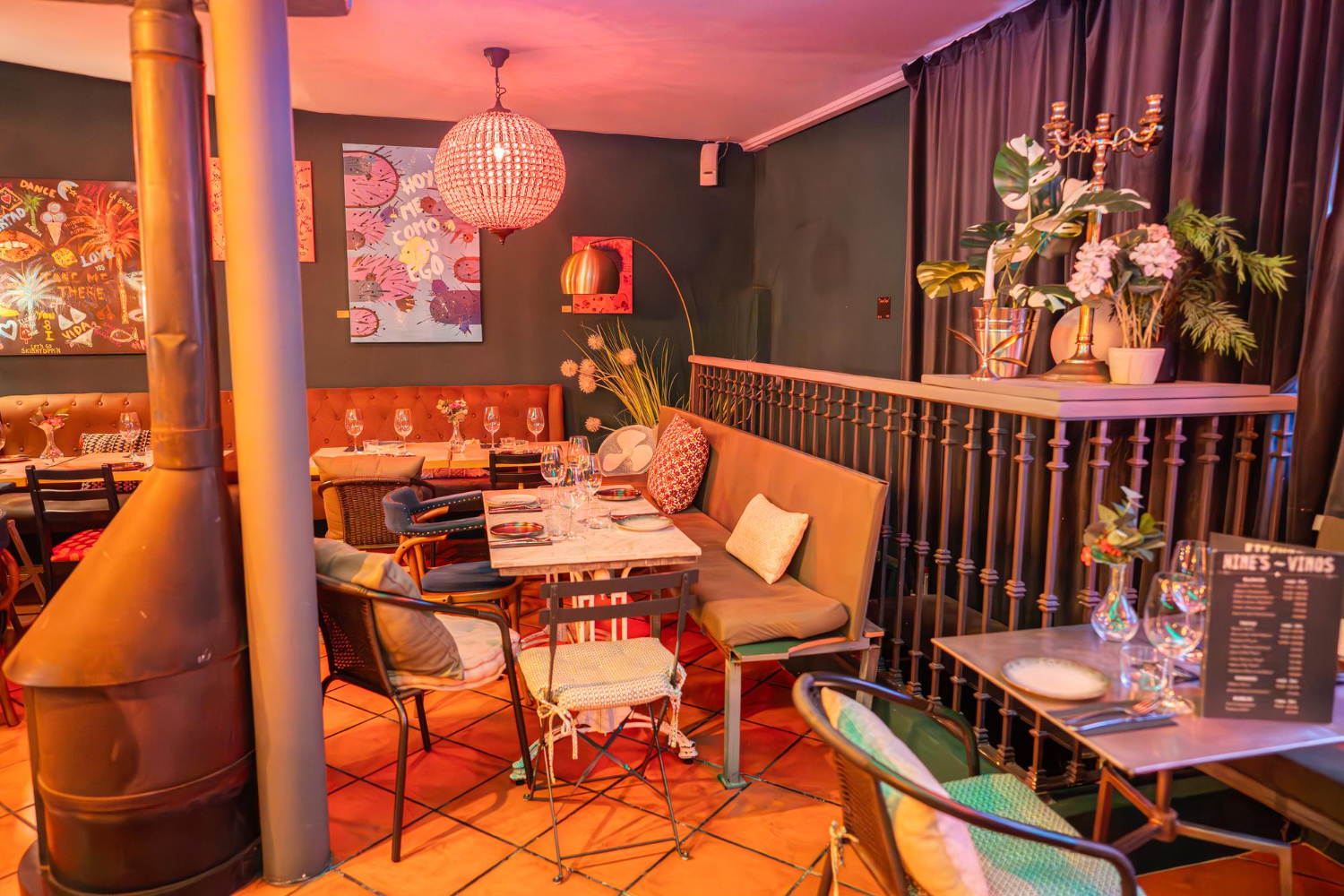
Beyond the national names, the 1990s casual-dining landscape included many regional chains — restaurants beloved in particular parts of the country that never went fully national but were institutions in their home regions. These regional chains have frequently been hit even harder than the national ones, lacking the scale to weather the industry’s pressures, and many have disappeared entirely or contracted to a handful of locations. For people in the specific regions these chains called home, their disappearance is an especially personal loss, since these were not generic national brands but local institutions tied to a particular place and community. The vanishing of the regional casual-dining chain removes a specific piece of regional identity and shared local memory.
Why the Casual-Dining Era Is Fading
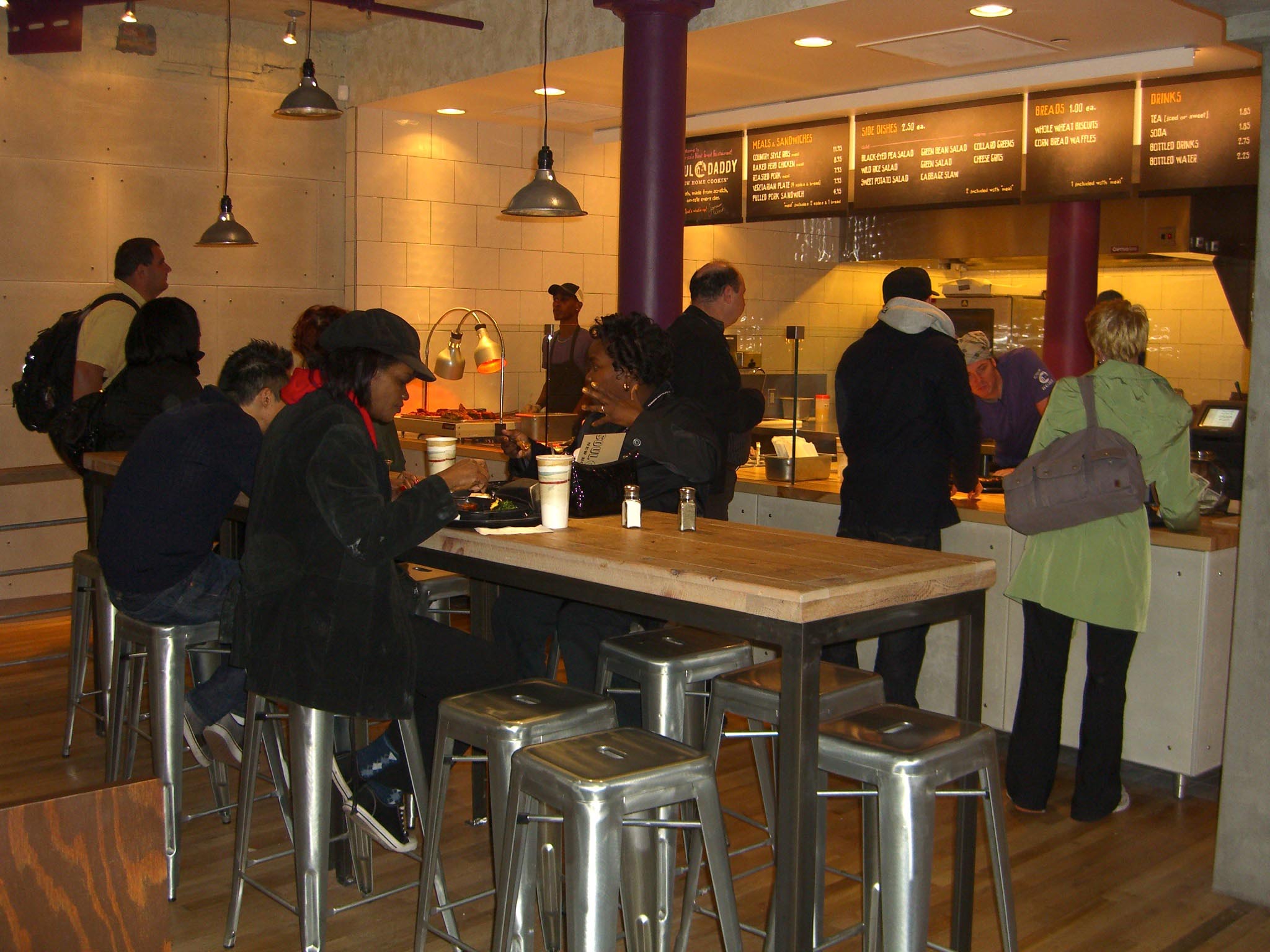
The decline of these chains traces to a genuine and well-documented shift in American dining. The rise of fast-casual restaurants — offering higher-quality food than fast food, faster and cheaper than sit-down, without tipping or long waits — captured exactly the customers who once filled the casual-dining chains. Delivery and takeout culture, accelerated dramatically in recent years, pulled diners away from the sit-down experience entirely. Younger generations showed less attachment to the themed casual-dining model. Rising labor and food costs squeezed the chains’ economics. And the decline of the malls and commercial strips that many anchored removed their foot traffic. Together, these forces hit the mid-priced themed sit-down restaurant from every direction at once.
How the Survivors Are Adapting

The chains that are weathering the shift have done so by responding directly to the forces squeezing the category. Many have leaned hard into takeout and delivery, building digital ordering and third-party delivery into their model to capture the diners who no longer want to sit down. Others have trimmed bloated menus to the dishes that actually sell, renovated tired dining rooms to shed the dated themed look, and repositioned around value to compete with fast-casual on price. Some have closed their weakest locations deliberately to concentrate on the markets where they remain strong, shrinking the footprint on purpose rather than collapsing. The lesson emerging from the survivors is that the 1990s casual-dining formula — a vast menu, a heavily themed room, and the assumption that families would always choose a sit-down meal — no longer works on its own, and the chains still standing are the ones that recognized the customer had changed and changed with them. It’s a reminder that the disappearance isn’t simply about beloved restaurants failing; it’s about an entire dining model being forced to evolve or vanish, and the specific 1990s version of it giving way to something leaner and more digital.
What’s Actually Being Lost
The fading of these chains represents more than business failures — it’s the decline of a specific American social institution. The 1990s casual-dining restaurant was where a remarkable amount of ordinary American life happened: the family dinner out as a weekly treat, the kid’s birthday celebration with the staff singing, the first date, the after-game team meal, the booth where teenagers lingered, the reliable familiar menu that felt like an affordable indulgence. The bottomless bread, the themed decor, the specific signature dishes, and the particular atmosphere of these places are woven through the memories of the generation that grew up with them. As the locations dwindle and the names disappear, what’s lost is not just somewhere to eat but a specific shared cultural space, a kind of accessible, mid-priced, sit-down hospitality that defined how a generation of American families ate out together. The chains that survive are adapting, and the casual-dining category isn’t vanishing entirely, but the specific 1990s version of it — the ubiquitous themed sit-down restaurant on every suburban corner — is fading into nostalgia. For the Americans who celebrated and gathered in these restaurants, watching them quietly close is a reminder of how even the most ordinary and ubiquitous parts of a era can slip away, leaving behind the specific, vivid memories of meals shared in booths that are no longer there.