

Šipan is the largest island of the Elaphiti archipelago — a small cluster of islands northwest of Dubrovnik, Croatia. The island measures only 16.5 square kilometers but holds a Guinness World Record for having more olive trees per square kilometer and per resident than any island on Earth. The cumulative olive tree concentration traces to a specific Ragusan Republic tradition: islanders couldn’t get married until they planted a specific number of olive trees. The cumulative requirement produced extraordinary tree density that has persisted across centuries. Plus 42 noble summer mansions and 34 churches across the small island. Here’s the actual story.
1: An Island in the Elaphiti Archipelago
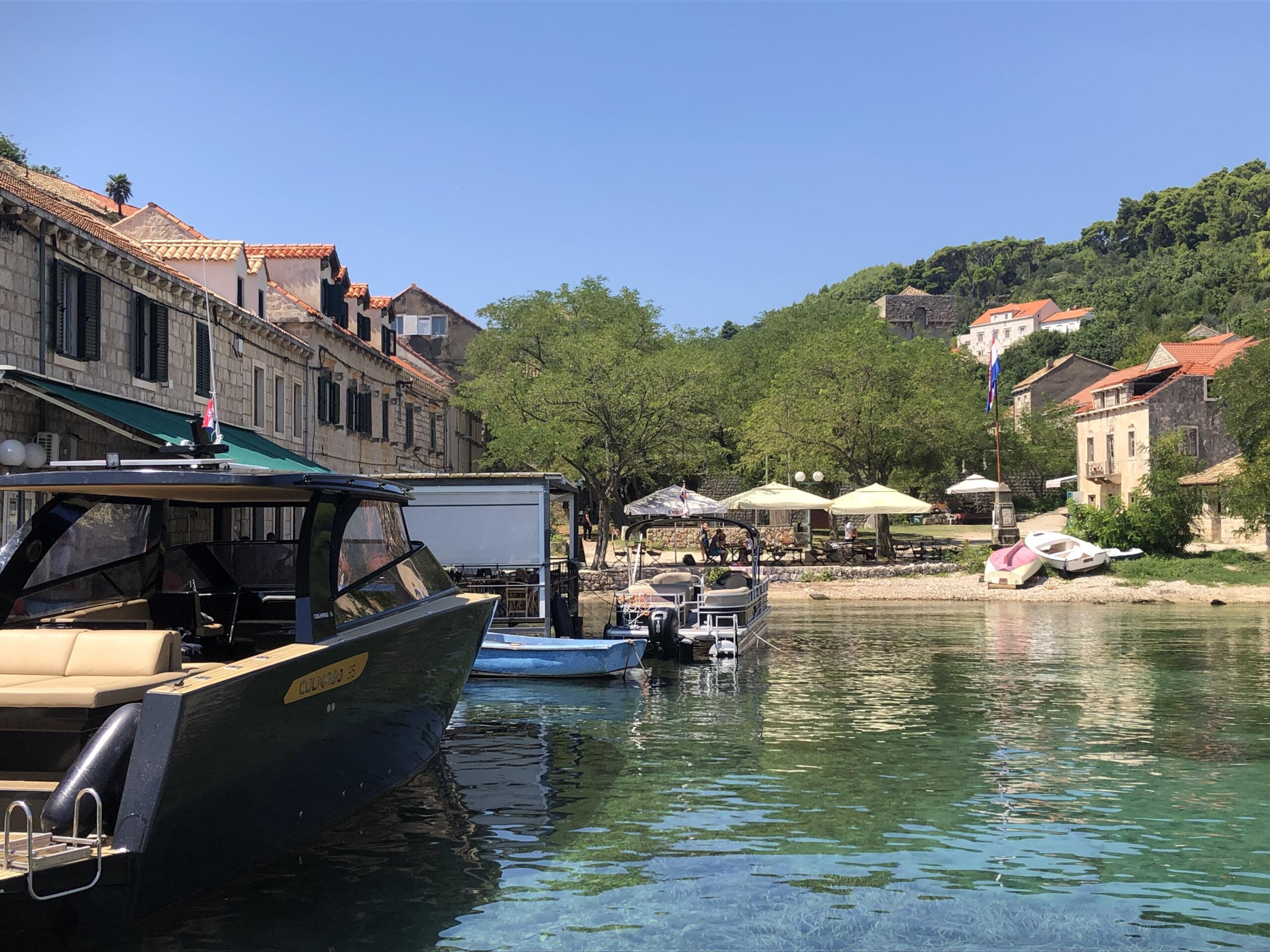
Šipan (pronounced “shee-pan”) sits in the Elaphiti Islands — a small Croatian archipelago located approximately 17 km northwest of Dubrovnik in the Adriatic Sea. The archipelago name comes from the Ancient Greek word for deer (elaphos), which according to Pliny the Elder used to inhabit these islands in substantial numbers. Three Elaphiti islands are currently inhabited: Šipan (largest), Lopud, and Koločep. Various smaller islands and islets complete the archipelago.
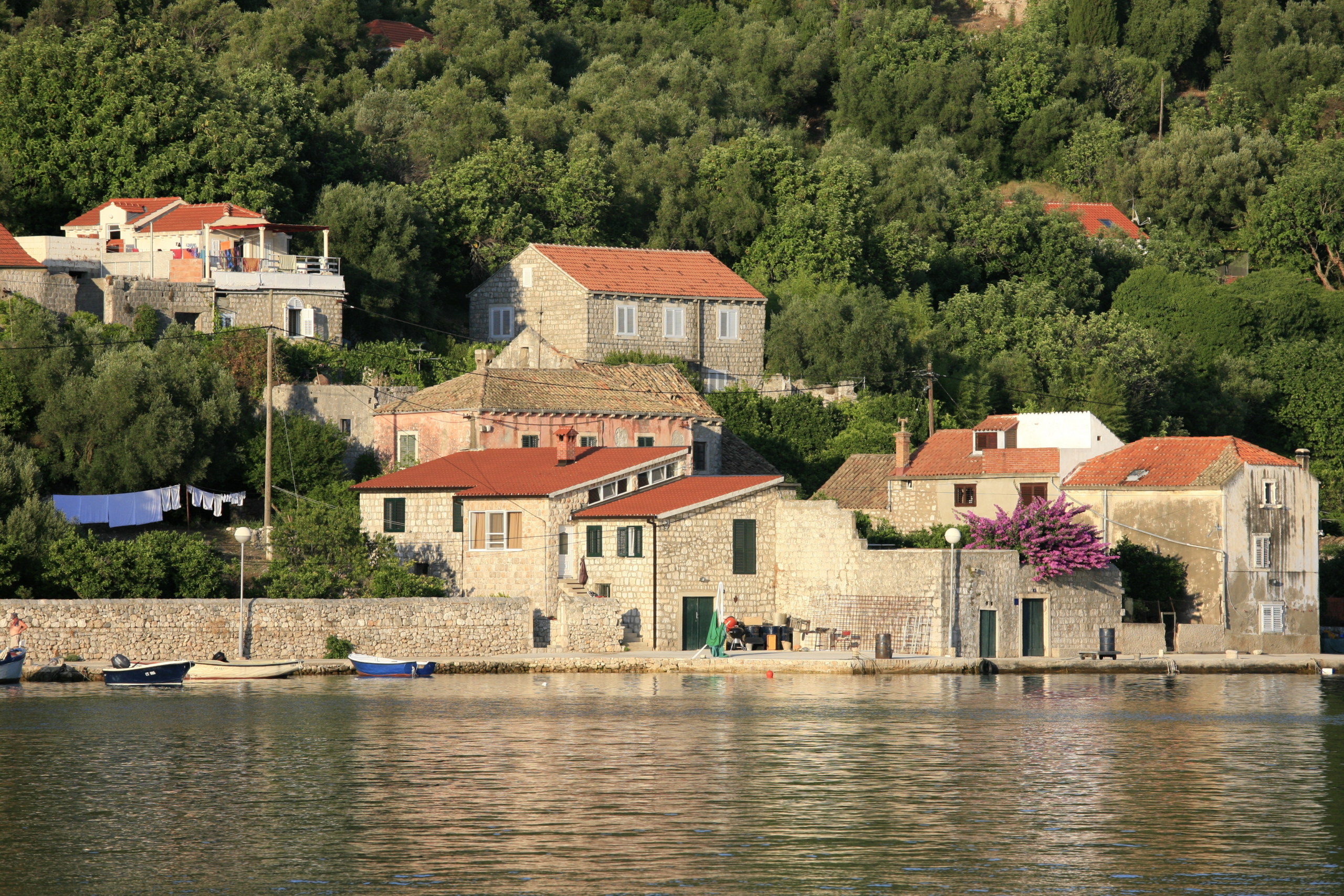
Šipan measures approximately 9.1 km long and up to 2.6 km wide, with total area of 16.22 square kilometers. The highest point is Velji Vrh at 243 meters elevation in the northwestern part of the island. Population: approximately 476 residents as of 2021 (increased from 416 in 2011). The cumulative population is small but stable, with two main inhabited towns: Suđurađ (the main port) and Šipanska Luka. The cumulative geography produces substantial natural beauty within compact area that visitors can substantially explore in 1-3 days.
2: The Roman and Medieval Foundations
Human presence on Šipan extends substantially back into antiquity. Archaeological evidence includes remnants from the Illyrian era and ruins of Roman villae rusticae (country villas) scattered around the island. The cumulative archaeological evidence demonstrates continuous human use across approximately 2,000+ years. The island’s name evolved through historical periods — Latin and Italian records from the 13th century refer to it as “Juppana” or “Giuppana,” with the first known mention of the Croatian name “Šipan” appearing in 1371.
Medieval Christianity established substantial presence on the island. Various stone chapels and churches date back as early as the 11th century, indicating established Christian community even in early medieval times. Throughout the medieval era, Šipan’s inhabitants lived mostly inland — coastal areas were lightly settled despite natural harbours due to threats from Adriatic pirates. Local people built villages away from the shore for safety. The cumulative settlement pattern shaped how Šipan developed throughout subsequent centuries.
3: The Republic of Ragusa Connection
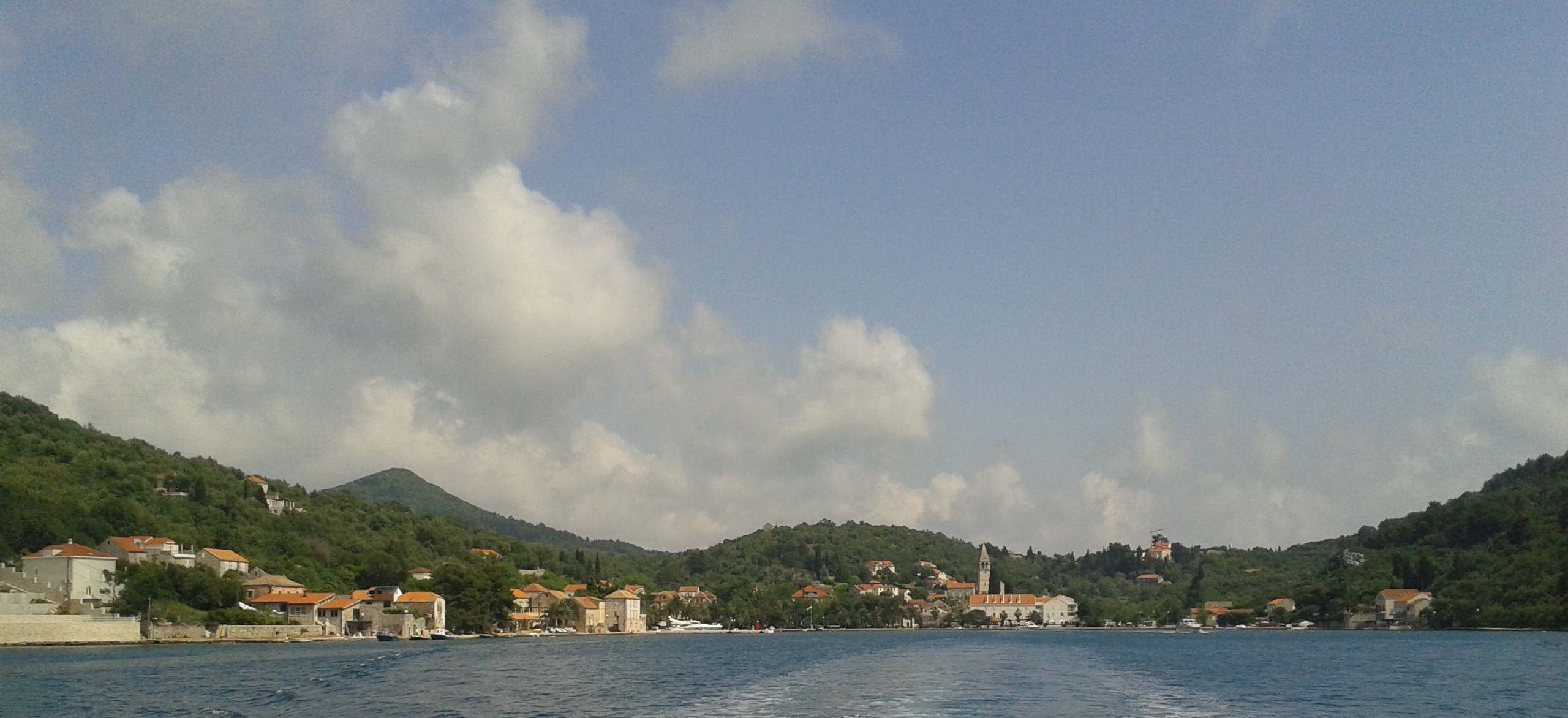
Šipan became substantially part of the Republic of Ragusa (Dubrovnik Republic) starting in 1426. The cumulative Ragusan rule transformed the island substantially over subsequent centuries. The Republic of Ragusa was one of the most successful small republics of medieval and early modern Europe — substantial maritime power, sophisticated diplomatic relations, distinctive cultural development across approximately 1,000 years of substantial independence before Napoleonic conquest in 1808.
Under Ragusan rule, Šipan became substantial summer destination for Dubrovnik’s wealthy aristocracy. The cumulative noble class built summer estates on the island starting substantially in the 15th and 16th centuries. The island’s fertile land, water sources, and peaceful setting made it ideal escape from Dubrovnik’s urban density and summer heat. The cumulative pattern produced distinctive architectural heritage that persists into 2026.
4: The 42 Noble Summer Mansions
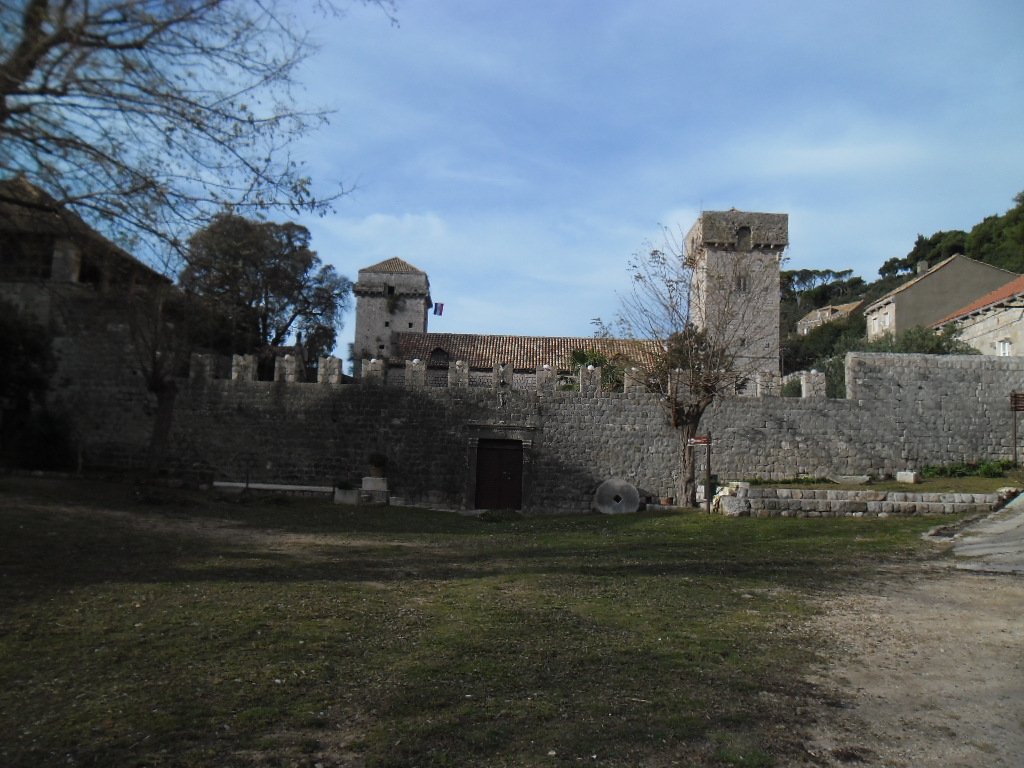
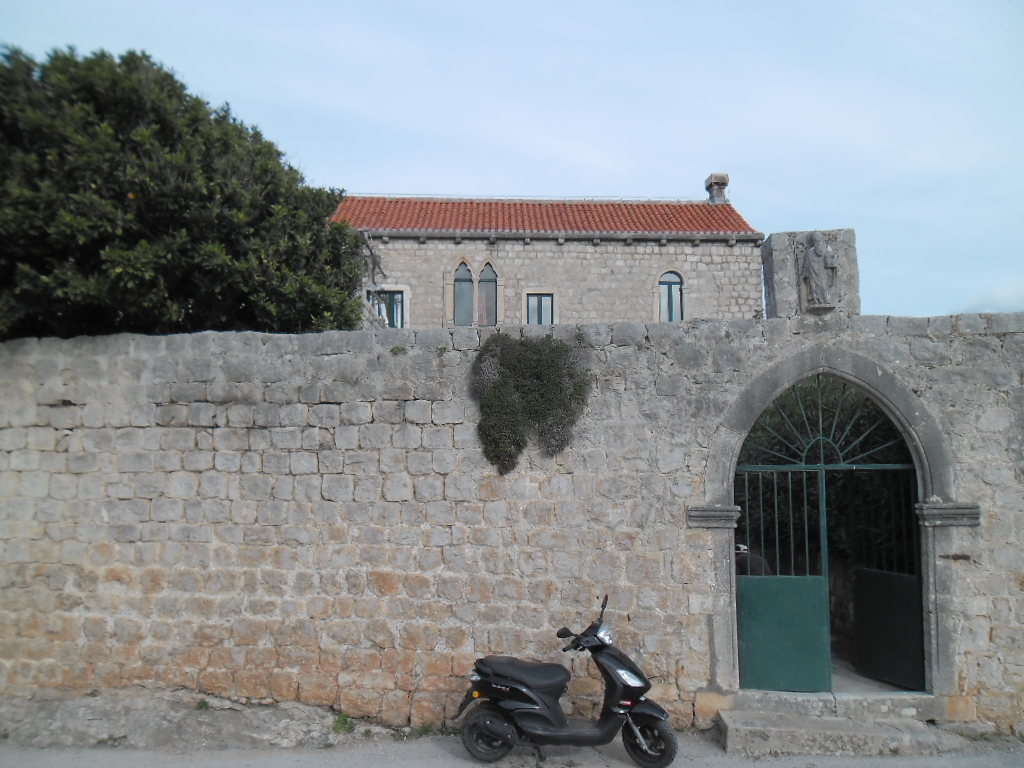
A specific aspect of Šipan’s heritage involves the substantial concentration of Renaissance and Baroque summer estates. Historical sources document approximately 42 Ragusan-era villa estates on the island, many still standing in various states of preservation. The cumulative architectural density is genuinely remarkable for such small island — most of these substantial structures from one of Europe’s wealthier small republics survive across approximately 500 years despite various political and economic transitions.
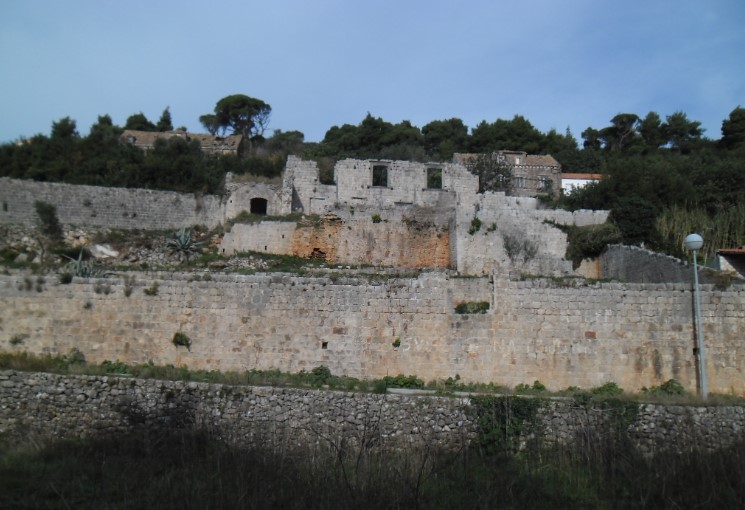
Specific famous Šipan estates include: the Stjepović-Skočibuha summer residence in Suđurađ (completed end of 16th century, with construction beginning February 1563 and completing December 1563 for main building), the Rector’s Palace (the Duke’s residence during Ragusan period), Archbishop’s Palace, the Pakljena Tower from 16th century, and various other specific structures. Multiple specific noble families maintained substantial estates including the Sorkočević, Katina, and various other Ragusan aristocratic families.
5: The Pirate Defense Architecture
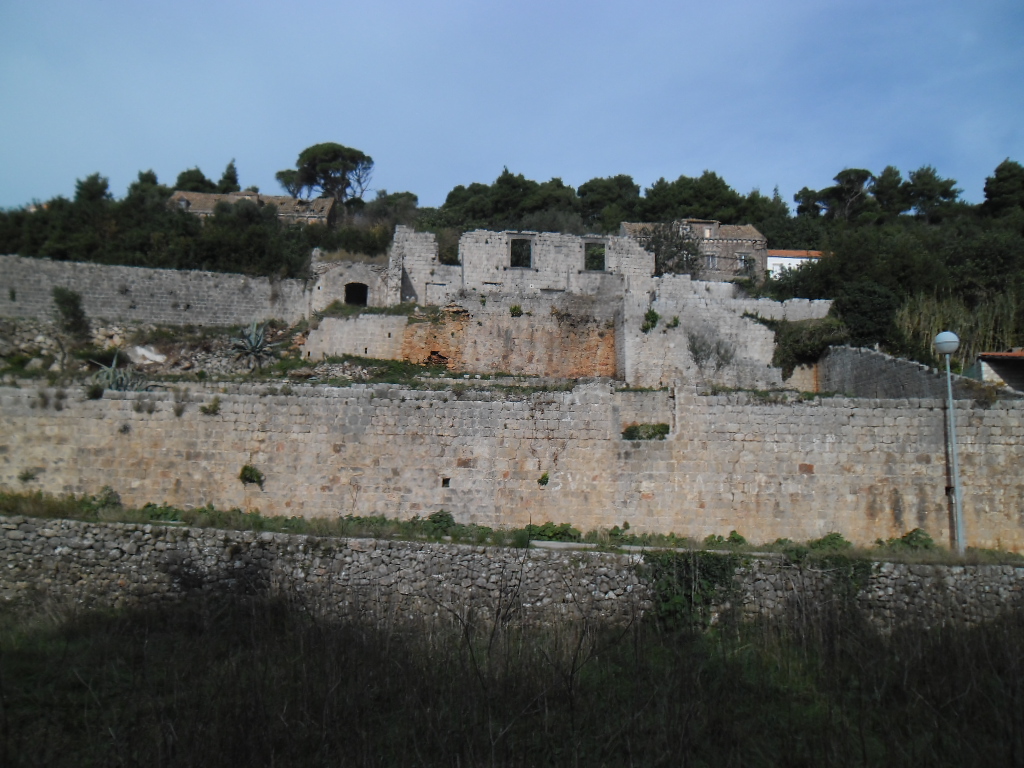
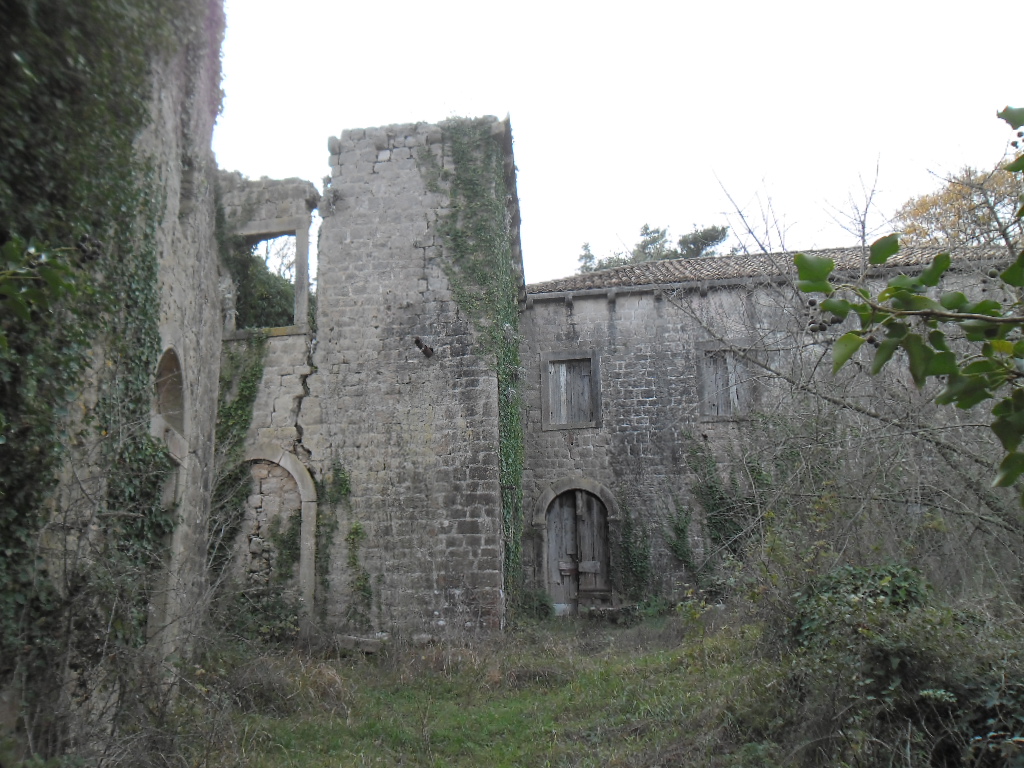
Šipan’s noble villas substantially incorporated specific defensive architecture against pirate threats. The 16th-century Stjepović-Skočibuha summer residence specifically included two three-story towers designed to defend against pirates, fortified entrance gates, and various other defensive elements alongside its residential and recreational features. The cumulative defensive architecture reflected genuine pirate threat that affected Adriatic shipping and coastal areas across substantial periods.
The cumulative defensive features didn’t typically come into actual combat use — they served primarily deterrent functions and provided substantial security in case of pirate raids that mostly didn’t materialize. The Ragusan Republic maintained substantial diplomatic and military arrangements that substantially reduced pirate threats compared to areas under weaker political control. The cumulative architectural heritage represents specific combination of substantial luxury plus substantial defensive consciousness that characterizes Mediterranean noble architecture from this period.
6: The Guinness Olive Tree Record
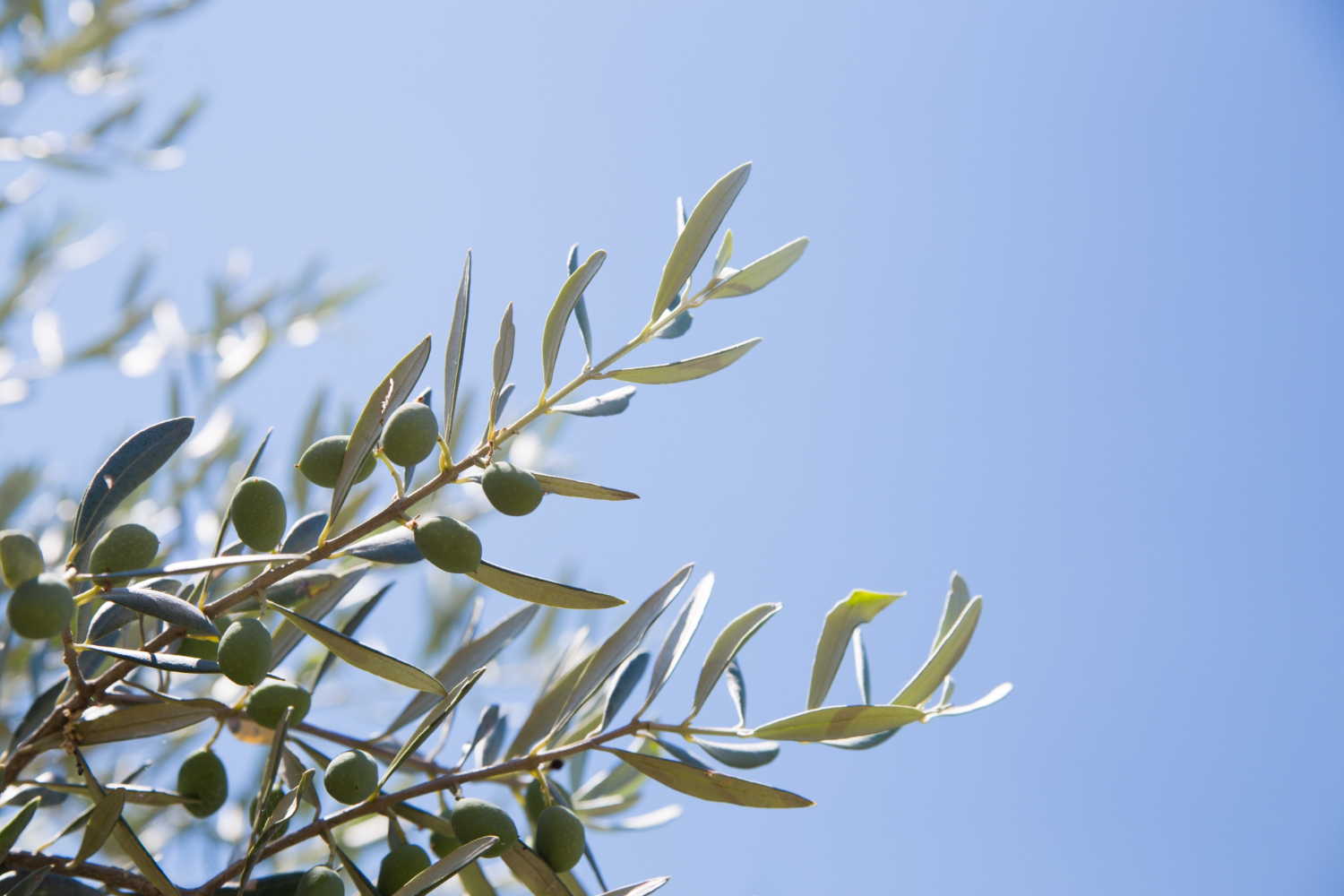
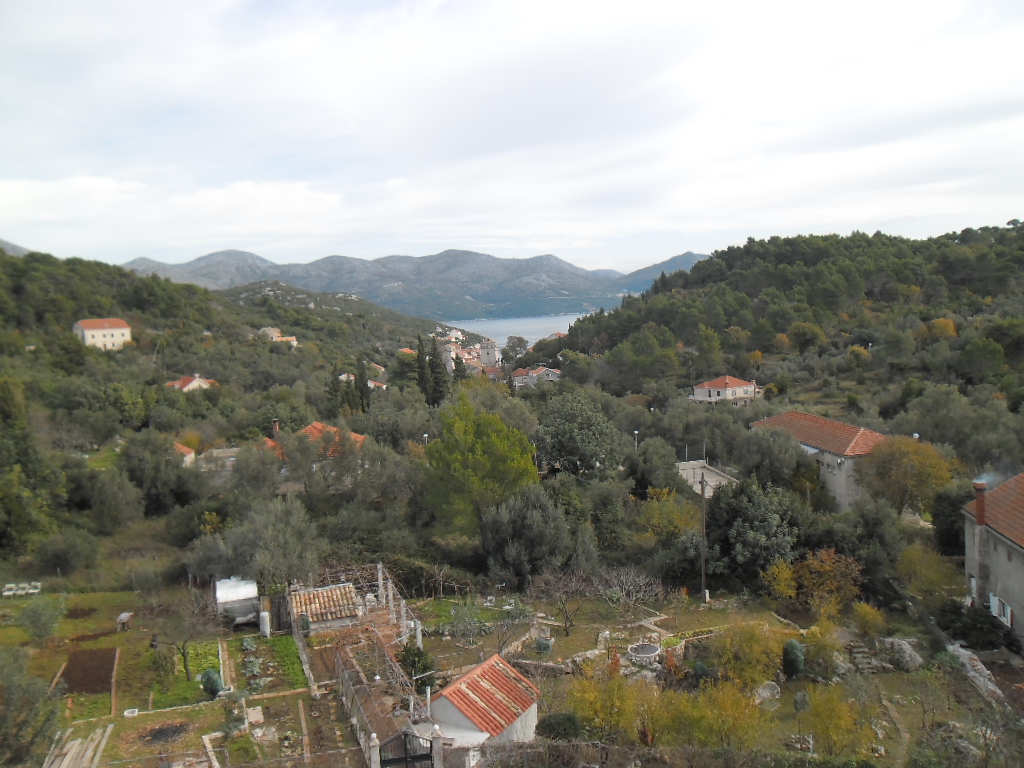
The most distinctive aspect of Šipan internationally is its Guinness World Record for olive tree concentration. The island has more olive trees per square kilometer and per human resident than essentially any island globally. The cumulative concentration is genuinely substantial — visitors to the island encounter olive groves in essentially every direction across the small territory.
The cumulative concentration traces to specific Ragusan Republic tradition. During the substantial Ragusan period, an islander could only get married after planting a specific number of olive trees. The cumulative requirement essentially forced systematic olive cultivation across multiple generations. Combined with the Mediterranean climate’s suitability for olive cultivation, the marriage tradition produced extraordinary olive grove density that has persisted across centuries since the original Ragusan requirement was eliminated. The cumulative trees continue producing substantial olive oil that supports current local economy.
7: The Modern Olive Oil Production

Šipan’s olive oil production continues into 2026 as substantial economic activity. The cumulative production benefits from extraordinary tree density plus substantial accumulated cultivation knowledge across generations. Various Šipan olive oil producers maintain traditional production methods, producing substantially distinctive olive oil that reflects specific island characteristics. The cumulative product has substantial reputation among olive oil enthusiasts globally despite limited overall production volume.
Various visiting tourists specifically seek out Šipan olive oils as substantial regional product. Local producers often offer direct sales and tastings. The cumulative olive cultivation also affects island landscape substantially — the trees define essentially every part of the inland landscape, with cumulative cultural and economic significance that has substantially shaped Šipan’s identity across centuries. The cumulative integration of olive cultivation into island life represents specific aspect of Mediterranean food culture that mainstream tourism rarely emphasizes despite its substantial significance.
8: The 34 Churches and Chapels
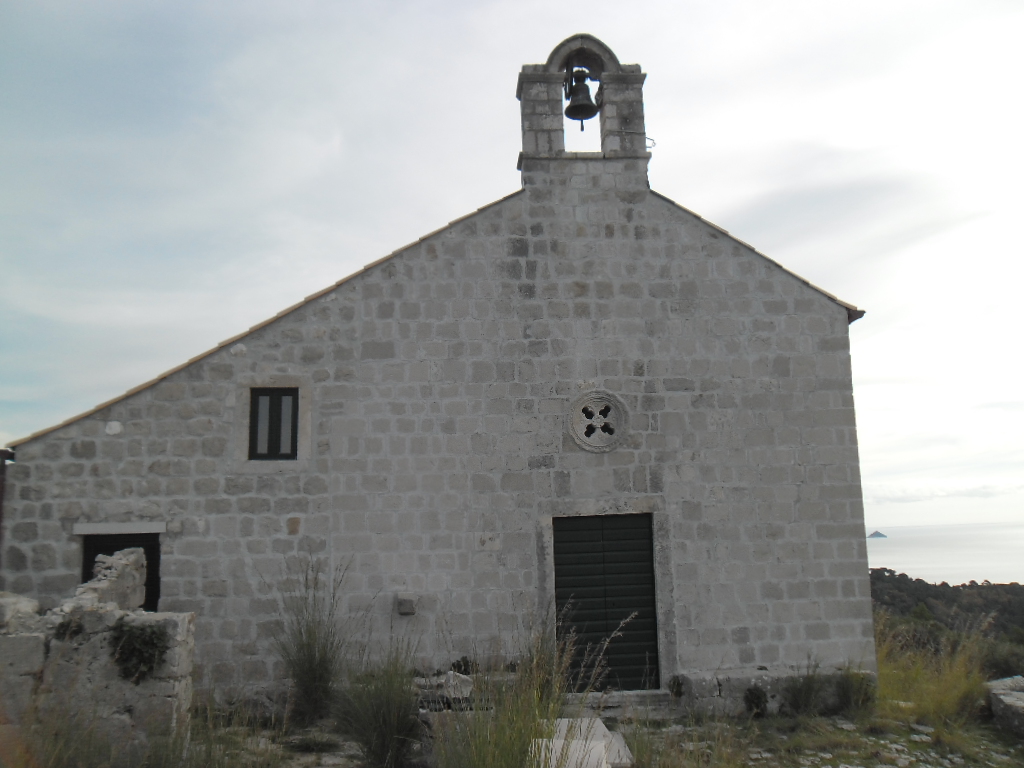
Beyond noble mansions, Šipan features substantial religious architecture concentration. The island contains approximately 34 churches and chapels across its compact 16 square kilometers — substantial density that reflects the cumulative religious importance during various historical periods. Specific notable structures include the Church of the Holy Spirit in Suđurađ, the Parish Church of St. Stephen the First Martyr, and various other specific religious buildings ranging from substantial parish churches to small private chapels.
The cumulative religious architecture reflects different historical periods. Various structures date from early medieval period (some as early as 11th century). Others date from Ragusan Renaissance period when wealthy families specifically funded private chapels alongside their summer estates. Various others reflect later Catholic religious tradition continuing into modern periods. The cumulative religious heritage provides substantial historical and architectural interest beyond the noble residential architecture that often draws more tourist attention.
9: The Napoleonic Wars Period
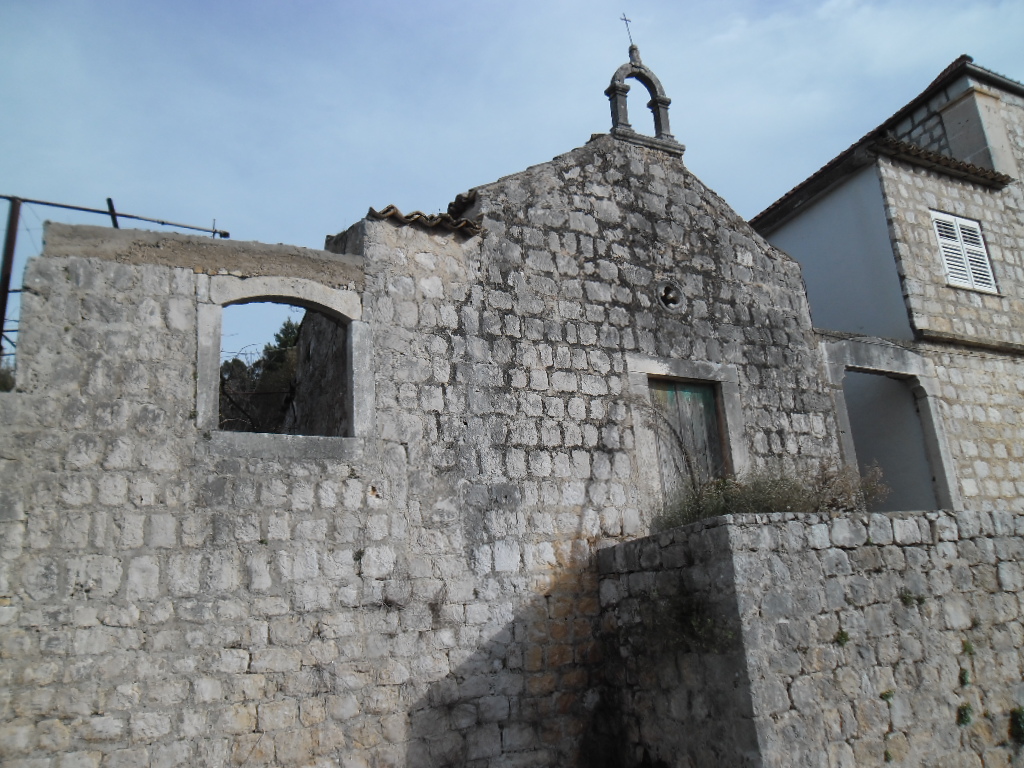
Šipan experienced specific historical disruption during the Napoleonic Wars period of early 19th century. British Admiral Thomas Fremantle ordered occupation of the island (along with various other Croatian islands) to prevent French use during the Adriatic campaign of 1807-1814. Specific naval engagements occurred — including the October 7, 1807 incident when HMS Porcupine chased an Italian gunboat to the island and seized it in the harbor.
The cumulative Napoleonic disruption ended the Republic of Ragusa’s substantial 1,000-year independence in 1808. After Napoleon’s defeat, the Austrian Empire (and subsequently Austria-Hungary) ruled Šipan along with other Dalmatian territories until World War I. The cumulative political transitions affected Šipan’s economic and social development substantially, although the basic island life patterns continued through these various political changes. The cumulative architectural heritage from earlier centuries largely persisted despite various political disruptions.
10: The Croatian War of Independence
A more recent disruption affected Šipan during the Croatian War of Independence (1991-1995). The cumulative siege of Dubrovnik specifically affected Šipan because of its proximity to the substantial conflict. A fort on Velji Vrh (the island’s highest point) served as defensive position against the Yugoslav People’s Army during the siege. The cumulative fortification had been used previously by Austria-Hungary, Nazi Germany, and Yugoslav Partisans — illustrating Šipan’s strategic significance across multiple 20th century conflicts.
A specific incident during the siege involved a ship manned by six Croatian National Guard commandos that was intercepted off the island and sunk by the Yugoslav Navy. The attack killed three Argentinian volunteers and two Croatian soldiers. As a result of the war, minefields still exist in some specific locations on the island — visitors should respect any marked restricted areas. The cumulative war damage was modest compared to substantial Dubrovnik damage but represents specific historical episode that affected the island.
11: Modern Tourism Reality
Modern Šipan operates as substantially low-key tourism destination compared to mainstream Croatian coastal destinations. The cumulative visitor experience emphasizes natural beauty, historical heritage, and substantial peace rather than mainstream tourism activities. The island has limited nightlife, modest commercial development, and substantially traditional Dalmatian atmosphere. Various visitors specifically choose Šipan for these characteristics rather than typical resort experience.
Frequent daily car and passenger ferries connect Šipan with Dubrovnik year-round through Jadrolinija ferry service. From April to October, additional fast ferry service operates from Split, Brač, Hvar, Korčula, and Mljet islands via Dubrovnik. In summer months, twice-weekly fast ferry catamaran reaches Šipanska Luka from Lastovo, Korčula, and Mljet. The cumulative ferry connections make access genuinely straightforward despite the island’s substantial peace and limited development. Many visitors stay just one day from Dubrovnik; multi-day visits provide substantially better experience.
12: How to Actually Visit Šipan
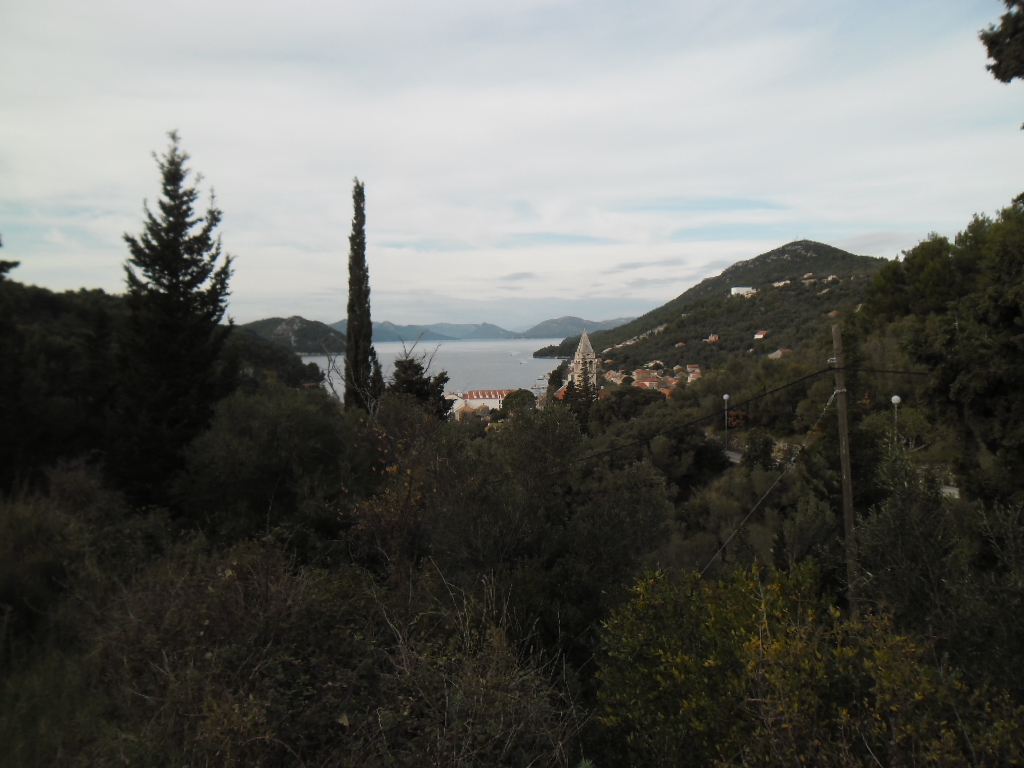
Practical guidance for travelers planning Šipan visits. Best timing: May through October provides typical Mediterranean island weather. July and August are peak season with substantial Croatian tourism activity throughout the region. May, June, September, and October provide substantially better experience for travelers preferring less crowded conditions. November through April features substantially cooler weather with reduced ferry frequency and limited tourism services.
Accommodation options on Šipan include several hotels (Hotel Božica in Suđurađ is the substantial luxury option), various traditional pensions and apartments, and Airbnb-style rental options. Costs are substantially lower than mainstream Croatian coastal destinations during peak season. Most international visitors plan Šipan visits as 1-3 day extensions from Dubrovnik base. The cumulative experience provides substantial alternative to typical Dubrovnik tourism while maintaining easy access to mainland attractions. Cars are limited but bicycles are widely available for rental at either Suđurađ or Šipanska Luka. The cumulative island can be substantially explored on foot or by bicycle without requiring motor vehicle transportation.
What Šipan Actually Represents
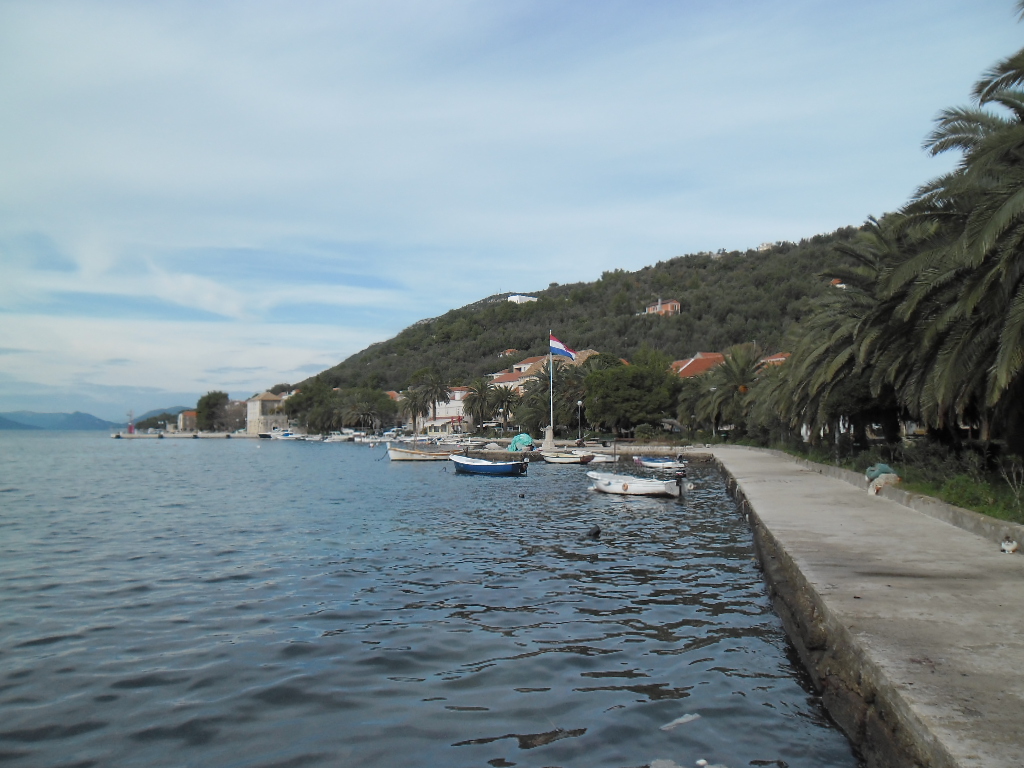
Šipan represents specific successful preservation of Mediterranean island heritage despite various political and economic pressures across centuries. The cumulative combination of Ragusan-era noble architecture, extraordinary olive tree density, substantial church concentration, and various other heritage elements creates destination that mainstream Croatian tourism rarely emphasizes despite its substantial historical and cultural significance. The cumulative experience represents specific aspect of Mediterranean island culture that exists nowhere else in quite the same way. For travelers willing to invest the modest additional travel time beyond mainstream Dubrovnik tourism, Šipan provides genuine alternative experience that maintains substantial traditional character. The cumulative island will likely continue offering similar experiences for decades to come as long as local families maintain the cumulative cultural and economic commitments that have sustained Šipan’s distinctive character. Various specific aspects (olive cultivation, religious heritage, noble architecture, fishing tradition) continue functioning despite various pressures that have substantially eliminated similar traditions elsewhere across the Adriatic region.

