


Many people assume breaking the law always involves dramatic actions, but the truth is far more subtle. A surprising number of everyday habits, carried out casually inside your own home, can cross legal lines without you even realizing it. These hidden violations stem from building codes, digital-rights rules, and safety regulations that most people never read. While many of these issues lead only to warnings or small fines, some can carry penalties reaching $500 to $5,000 depending on where you live. Below are twelve commonly overlooked violations, each paired with useful details and relevant numbers to help you understand why they matter.
1. Using Unlicensed Streaming Sources

Many households unknowingly commit digital violations by accessing streaming sites that host unlicensed movies or live events. Studies estimate over 30% of online viewers have visited such platforms at least once, and penalties can exceed $750 per copyrighted title. Even passive streaming can violate regional laws, because the act still counts as receiving illegally distributed content. ISPs also log unusual bandwidth spikes, which makes this behavior easier to detect over time.
2. Downloading Copyrighted Videos or Music

Using third-party tools to download YouTube videos or convert songs into MP3 files may feel harmless, but it still breaches digital-rights laws. Roughly 1 in 4 users rely on such converters, often unaware that downloading copyrighted content without permission can lead to fines ranging from $200 to $1,500 per item. Content creators specify usage rights, and when their material is copied, it’s legally considered unauthorized duplication even if used privately.
3. Running Illegal Wi-Fi Boosters or Signal Amplifiers

Thousands of low-cost Wi-Fi boosters sold online operate on frequencies that interfere with licensed bands used by emergency services. Regulatory agencies report that up to 15% of home signal amplifiers fail certification tests. Operating these units can result in civil penalties that climb as high as $10,000 per device, because even small disruptions can affect radio systems within a 1–2 kilometer radius. Most homeowners never realize they’re creating unlawful interference.
4. Disabling or Removing Smoke Alarms
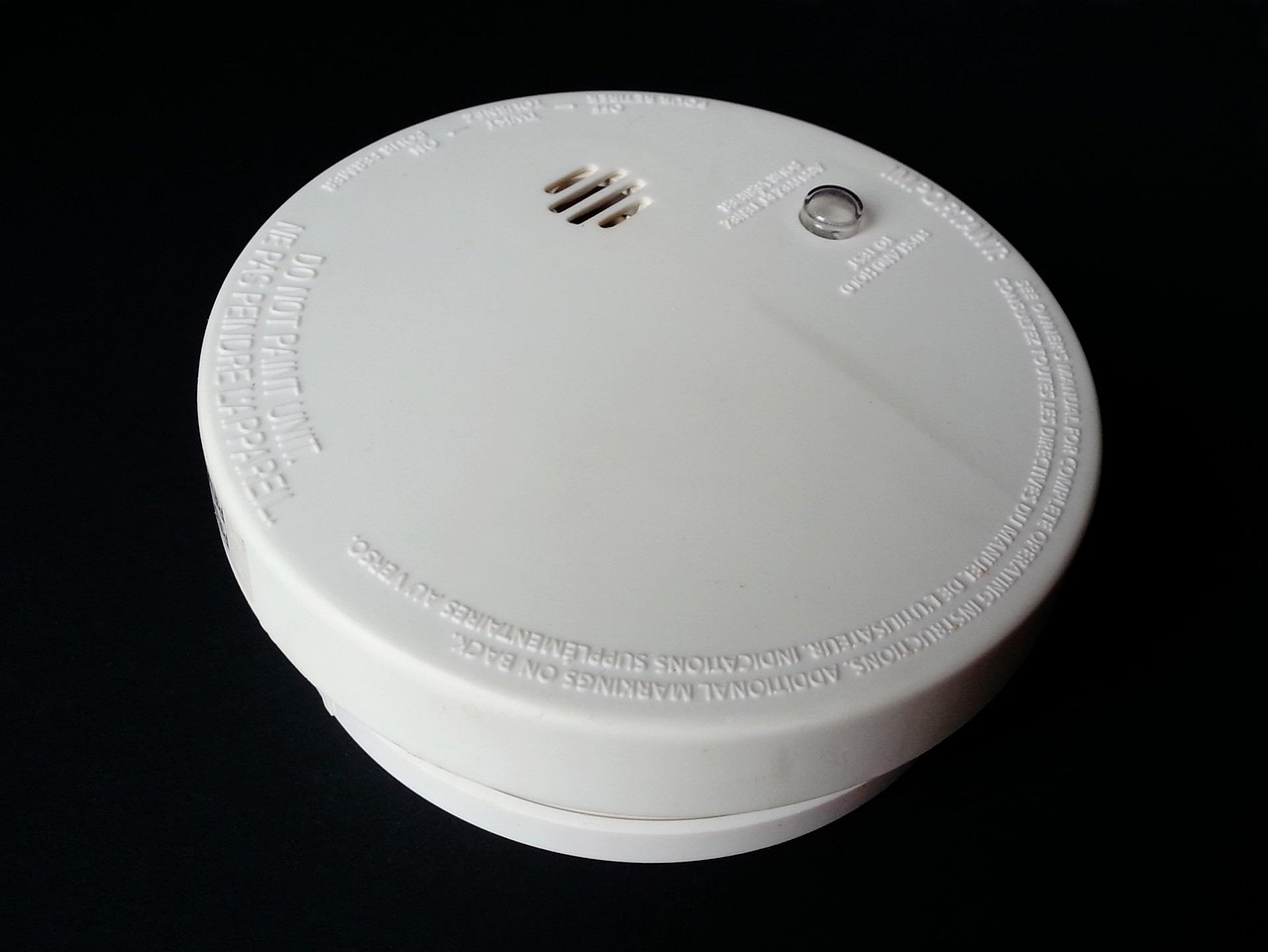
Homeowners often silence smoke alarms to stop false alerts, but fire-safety codes in most regions require at least one functional detector per bedroom. Insurance companies record that over 40% of fire-related claims involve disabled alarms, and some policies reduce payouts by 20–50% if safety devices were intentionally tampered with. Removing batteries might seem minor, yet it legally counts as defeating a mandated life-safety system.
5. Storing Fuel or Chemicals Improperly

Keeping gasoline, paint thinners, or industrial cleaners inside bedrooms or enclosed storage areas may violate hazardous-material guidelines. Regulations often limit homeowners to 25 liters of flammables unless kept in approved containers. Fire departments respond to thousands of small household incidents each year tied to improper storage, with average property damage exceeding $7,500. These rules exist because vapors can ignite at temperatures as low as 23°C, making casual storage risky.
6. Doing Electrical Work Without Required Permits
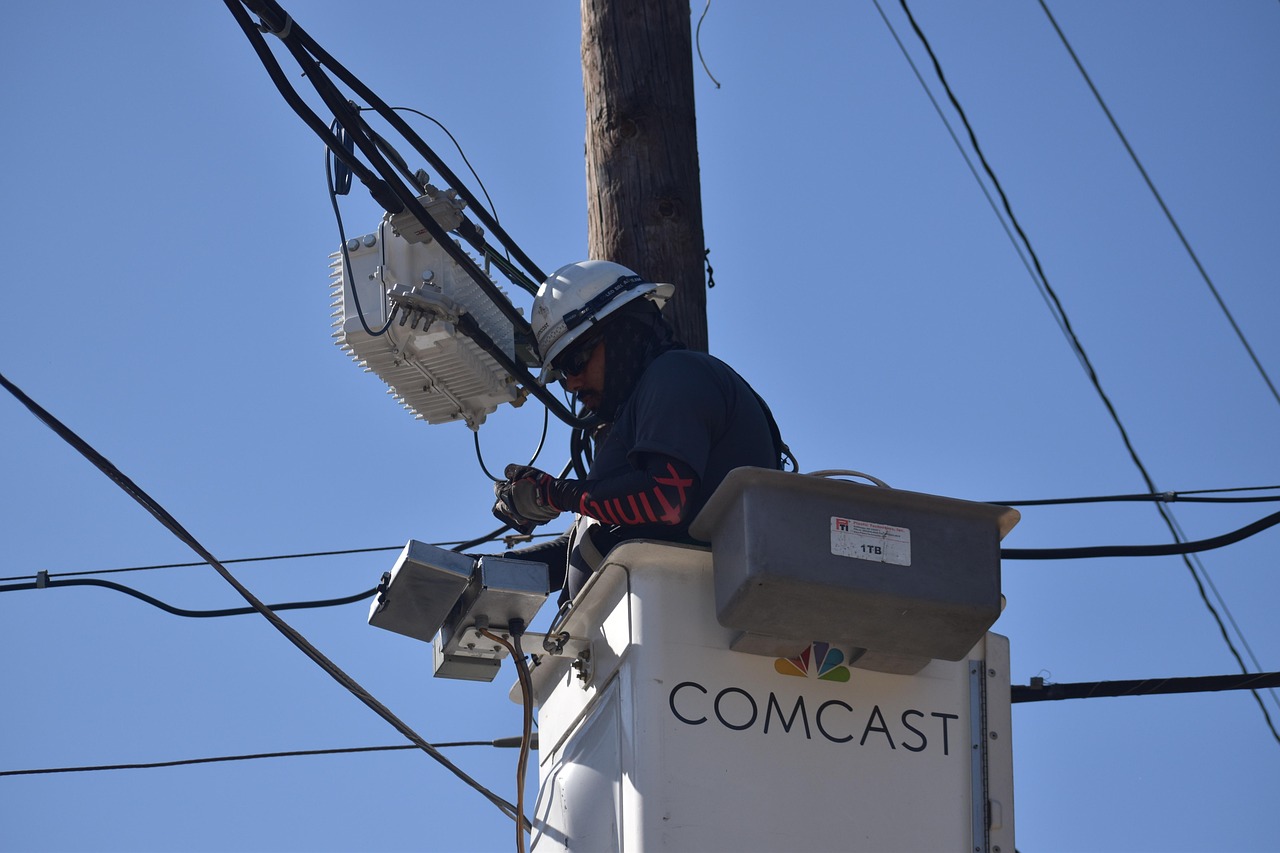
DIY electrical projects remain one of the most common home-code violations. In many regions, adding outlets, modifying circuits, or installing fixed lighting requires a licensed electrician or a city permit. Code investigators estimate that more than 60% of discovered wiring faults come from unapproved home repairs. Fines often range from $250 to $2,000, and insurance claims may be denied entirely if a fire originates from unpermitted modifications.
7. Distilling Alcohol Without Registration

While brewing small amounts of beer or wine is legal in many countries, distilling spirits at home remains heavily regulated. Federal penalties can reach $11,000 plus tax violations, and equipment capable of distillation is considered illicit if used without registration. Nearly 80% of seized home stills originate from casual hobbyists rather than commercial bootleggers. The laws exist primarily because high-proof alcohol can ignite at around 16% vapor concentration.
8. Running an Unregistered Home Business

Selling homemade food, crafts, or digital services from your home often requires business permits or zoning clearance. Surveys show that over 50% of micro-entrepreneurs operate from home, yet many skip required documentation. Local penalties typically start at $100–$500, and tax authorities can request back-dated filings covering 1–3 years. Even low-income activities, such as online reselling, may trigger regulations depending on annual revenue thresholds.
9. Keeping Restricted or Unpermitted Pets

Pet ownership laws vary, but many cities restrict exotic animals such as hedgehogs, snakes over 1.8 meters, or specific dog breeds. Wildlife departments estimate that at least 12% of urban pet owners unknowingly keep animals requiring permits. Fines usually run from $150 to $1,000, and animals may be confiscated if considered risky to the public. These rules aren’t about punishing owners but preventing zoonotic issues and neighborhood safety concerns.
10. Throwing Batteries or Electronics Into Household Trash
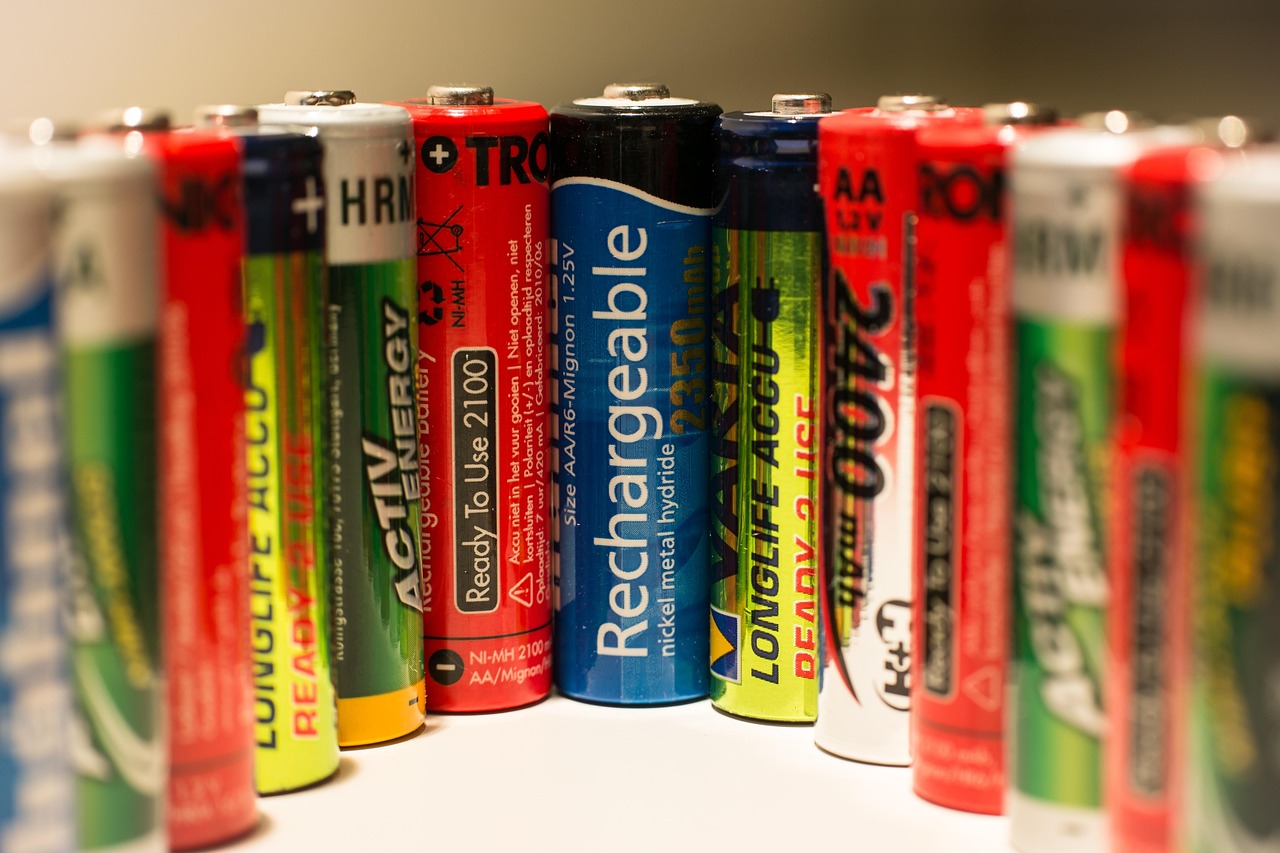
E-waste disposal rules prohibit discarding lithium batteries, phones, or fluorescent bulbs in regular garbage bins because they release toxic metals. Municipalities report that over 25% of landfill fires originate from battery punctures, and penalties for improper disposal range from $50 to $500 depending on volume. Many areas mandate drop-off centers, and recycling programs process more than 50,000 tons of e-waste annually to reduce environmental harm.
11. Recording People Without Proper Consent

Secretly recording conversations or capturing video with audio inside your home can violate one-party or two-party consent laws. In two-party regions, 100% of participants must agree to being recorded, even if the setting is private. Violations can result in statutory damages that exceed $5,000 per incident. The legality hinges not on location but on expectation of privacy, which courts consistently uphold in domestic and informal settings.
12. Using Pirated or “Cracked” Software

Installing unauthorized versions of paid programs or games constitutes software piracy. Global studies indicate that over 35% of software used in residential environments is unlicensed. Penalties vary widely but often fall between $750 and $3,000 per application when enforced. Beyond the legal issues, cracked programs frequently include malware, with infection rates up to 30 times higher than standard downloads, creating both security and financial risks.
