
For millions of Americans, carrying a firearm for personal protection is a routine part of travel, particularly during long road trips. However, the patchwork nature of U.S. gun laws means that crossing certain state lines, especially those with major tourist attractions or dense urban corridors, can instantly turn a common transport method into a serious felony offense. These states enforce tight standards concerning storage, route deviations, and feature bans. Understanding these legal risks is crucial for any driver planning an interstate journey, as unintentional errors at a traffic stop can lead to unexpected, severe legal consequences far from home.
1. California: The Golden State’s Legal Landmines

Tourists entering California face sweeping regulations where possessing one of the 50-plus rifle models classified as “prohibited” or carrying an unlicensed handgun can lead to instant felony charges under state statutes. Transport rules strictly demand locked, inaccessible cases, and violations may involve penalties reaching 3 years; magazines above 10 rounds also raise criminal exposure. Due to strict enforcement across major coastal routes and tourist hubs, travelers must meticulously confirm their firearm and magazine capacity comply before crossing the state line.
2. New York: Beyond the City Limits
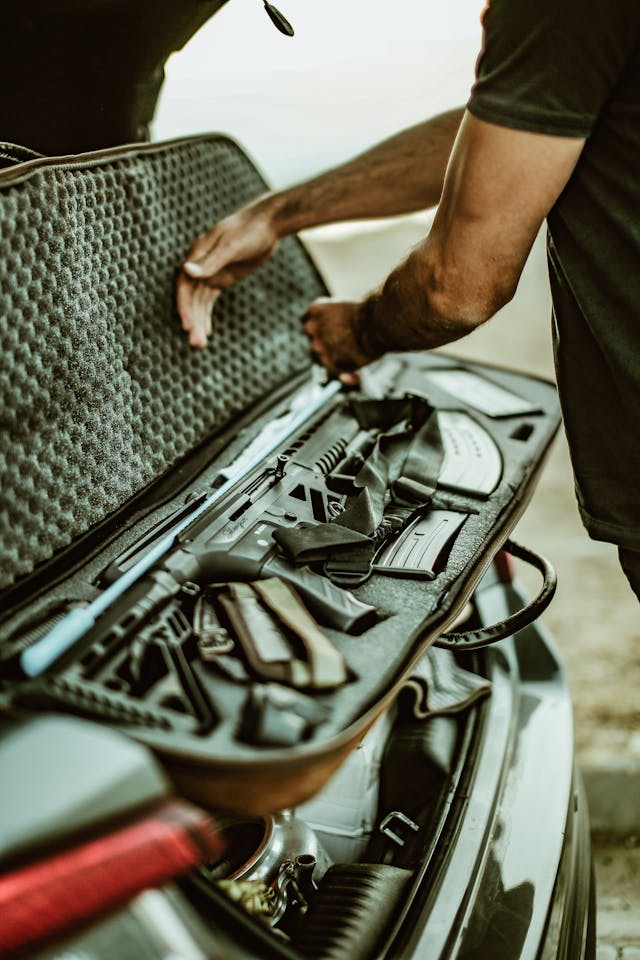
Outside of major metropolitan centers, New York’s SAFE Act restricts rifles with over five “banned features,” and carrying an unlicensed handgun in a vehicle is a felony-level offense. Magazine capacities over 10 rounds raise liability, amplified further by New York City’s uniquely strict regulations. For many drivers passing through the state or visiting Upstate destinations, even brief possession mistakes stemming from complex transport details become legally significant.
3. New Jersey: The Strict Route Requirement
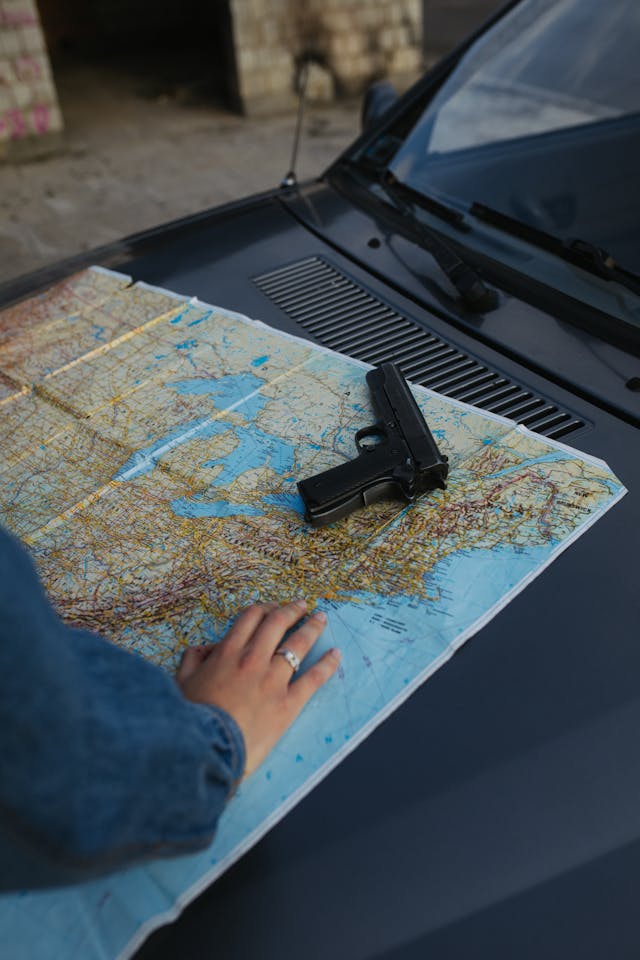
New Jersey demands firearms be transported strictly between approved locations (e.g., home to a range), and deviating from this direct route (even minutes off-route for gas or food) has frequently led to felony cases for travelers. The state limits magazines to 10 rounds and heavily restricts hollow-point ammunition. With dense urban corridors linking major cities, enforcement is consistent, and vehicle stops often uncover unintentional violations linked to storage or routing, making a planned stop an unexpected legal event.
4. Massachusetts: Licensing for Everything

Massachusetts requires a state-issued firearms license for nearly all possession, and transporting an unlicensed handgun or restricted rifle can escalate to felony charges carrying up to 2.5 years in state facilities. Magazine limits of 10 rounds, combined with mandated locked storage, create multiple compliance layers for visiting drivers. Authorities maintain close oversight, especially around vehicle-related encounters, meaning travelers passing through must have their paperwork and storage confirmed beforehand.
5. Connecticut: The Interstate Commuter Risk
Following 2013 legislation, Connecticut banned numerous rifle configurations and limited magazines to 10 rounds, and possession of an unregistered restricted firearm can lead to felony outcomes exceeding 5 years. Vehicle-related incidents persist due to specific container and route expectations, catching even seasoned commuters unaware of the strict rules. Moving along I-95 or I-84 requires consistent attention to the specific container and route mandates to avoid heavy penalties.
6. Maryland: The Copycat Ban
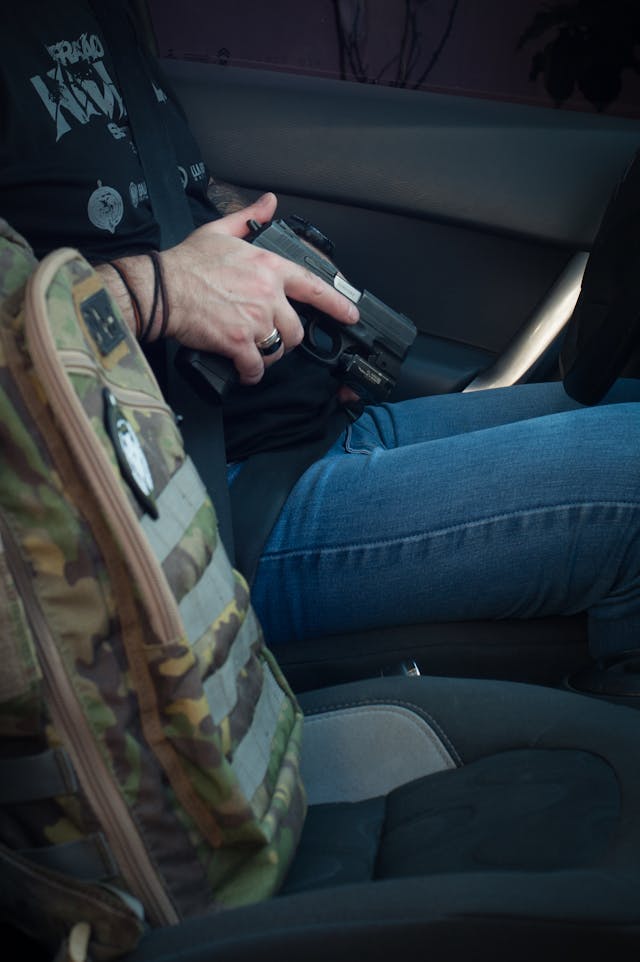
Maryland’s Firearm Safety Act of 2013 prohibits “copycat weapons” based on over 60 listed features, and possession of a prohibited firearm without Maryland’s proper licensing may trigger felony-level responses. Handgun transport is confined to very narrow allowances, and magazine limits are set at 10 rounds. Checks often reveal unintentional storage issues during routine traffic interactions, particularly when drivers are traveling into active urban regions like Baltimore.
7. Hawaii: The Island Registration Deadline

Tourists and new arrivals must register virtually all firearms within 5 days of arrival or acquisition, and unregistered possession in a vehicle can bring severe felony consequences reaching 5 years. Magazines above 10 rounds for pistols remain restricted, and transport must be strictly locked and point-to-point. Due to the clear isolation of the islands, authorities apply strict oversight, making misunderstandings of the registration rules an exceptionally serious legal matter for unsuspecting travelers and movers.
8. Illinois: Layered Local Rules
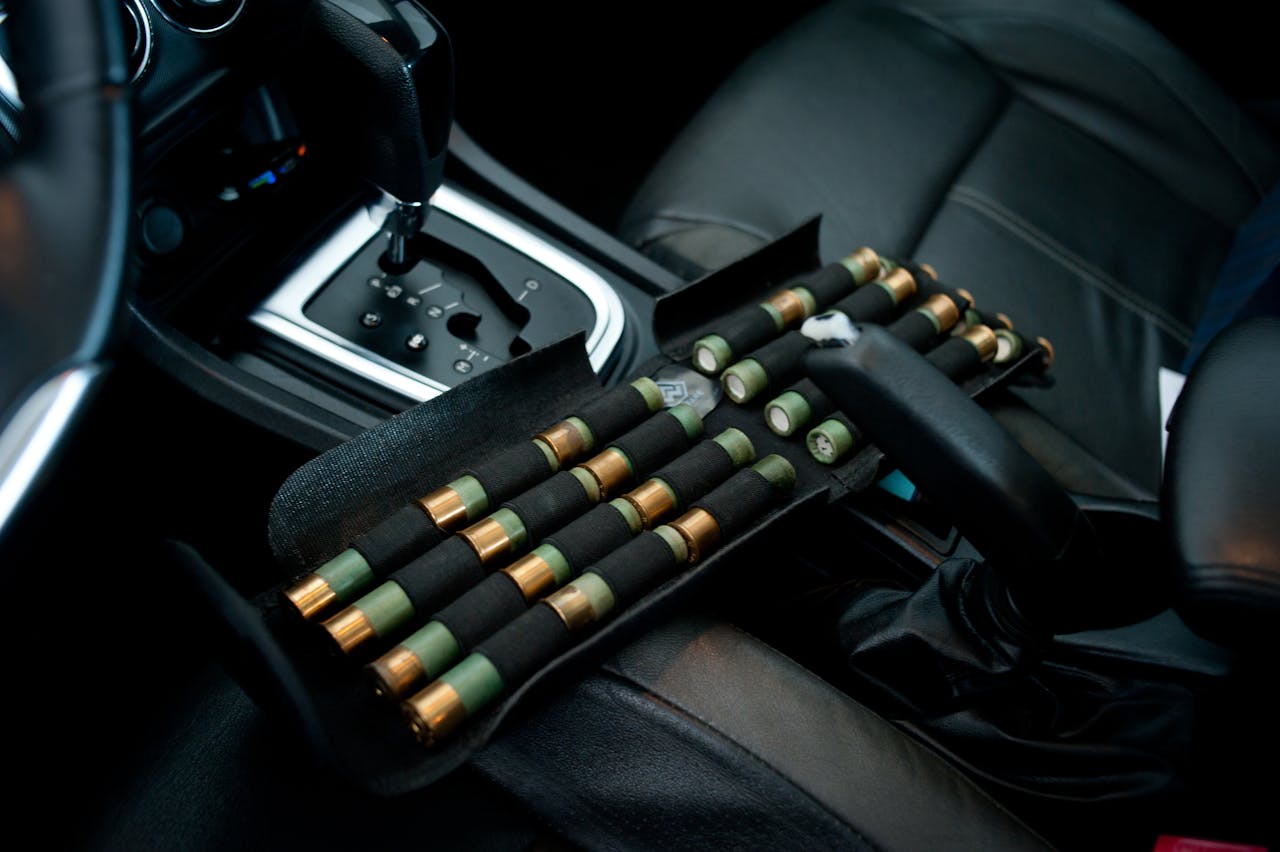
While the state requires residents to hold a FOID card, travelers must comply with its detailed vehicle transport rules, and lacking proper transport compliance can result in criminal exposure. Chicago and Cook County maintain additional bans covering specific rifles and magazines above 10 rounds, creating layers of unexpected restrictions for drivers. Since concealed carry legislation in 2013, vehicle storage expectations remain detailed, often catching drivers unaware of the local-layered restrictions, particularly around metropolitan areas.
9. Rhode Island: Vintage Regulations
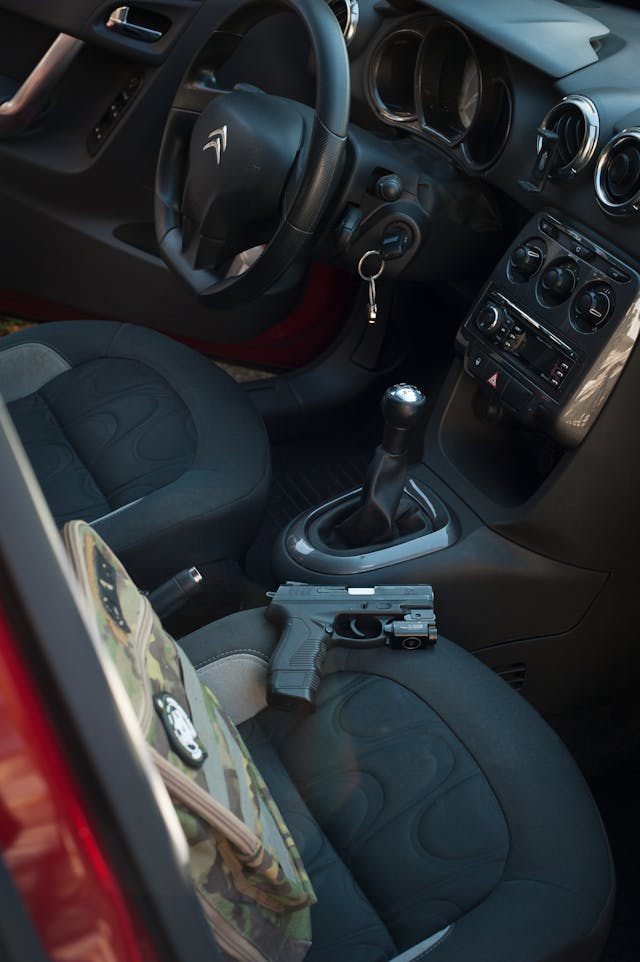
Rhode Island enforces licensing requirements for handgun possession and restricts magazines to 10 rounds, with violations potentially escalating to felony charges. Transport rules require strict adherence to locked container standards developed decades ago and revised in later years. Failure to follow these specific guidelines during vehicle stops, even for travelers passing through to other New England states, can invite significant legal scrutiny.
10. Washington, D.C.: The Visitor Trap
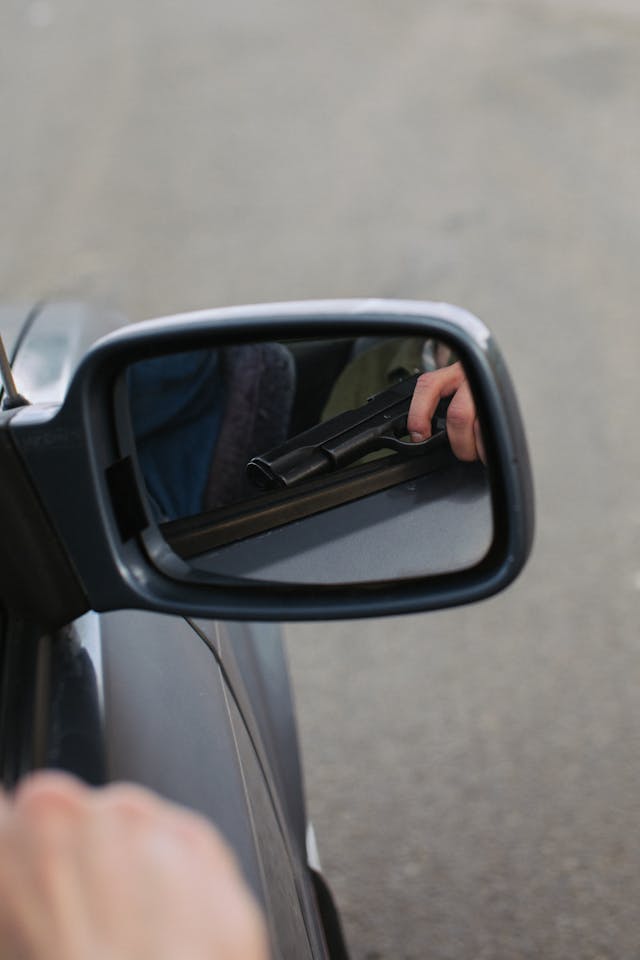
While not a state, D.C. maintains some of the country’s strictest firearm codes, requiring registration for nearly all guns and prohibiting magazines over 10 rounds. Transport demands locked, limited-purpose movement, and penalties for possessing an unregistered firearm may exceed 1 year. Many visitors driving into the capital from surrounding states (like Virginia and Maryland) face unexpected consequences because D.C.’s rules differ sharply and are rigorously enforced.