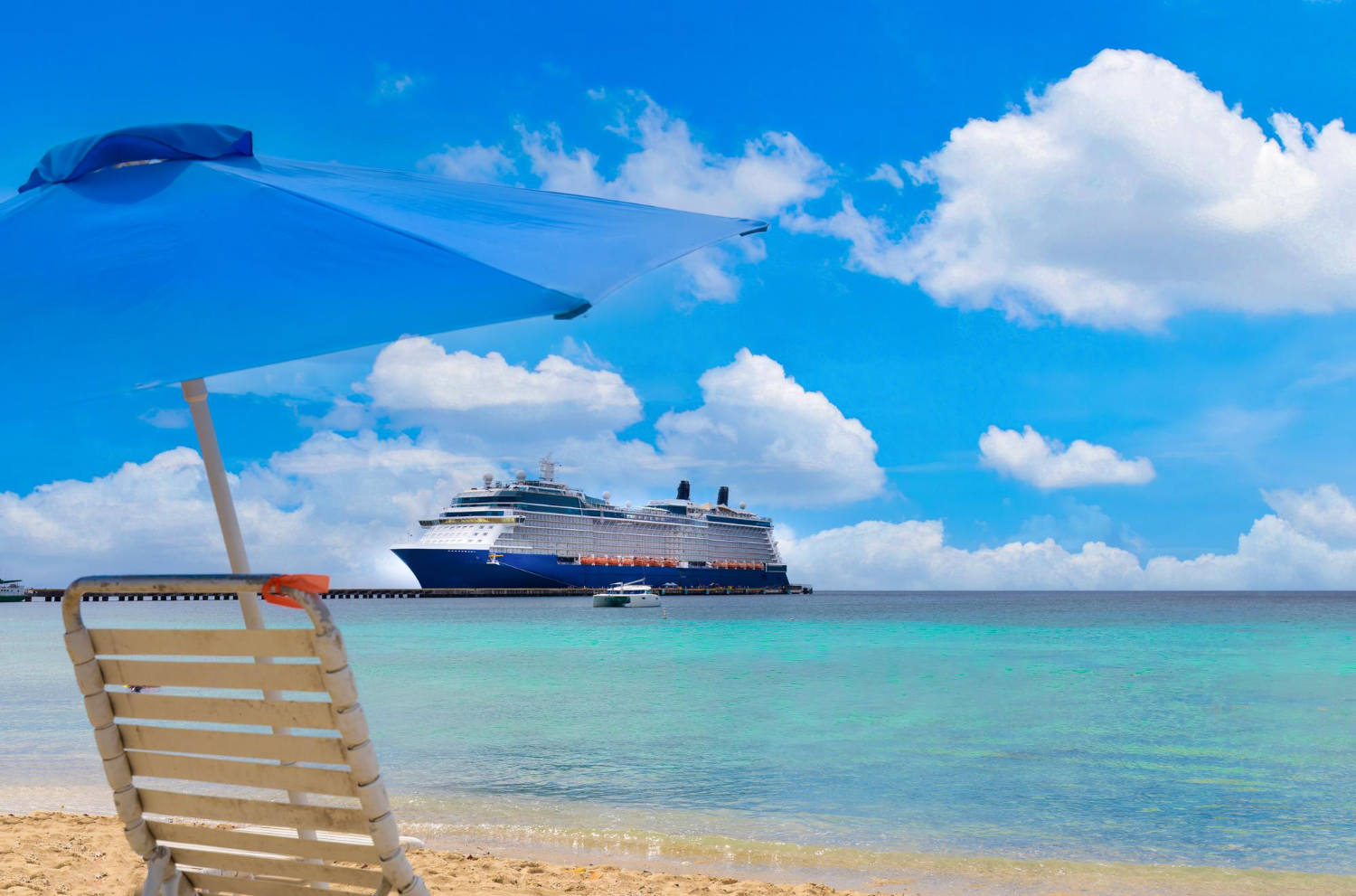
Caribbean cruise itineraries are remarkably repetitive. Most cruise ships hit the same handful of ports: Nassau (Bahamas), Cozumel (Mexico), Grand Cayman, Jamaica, Puerto Rico. These popular ports are repeated across dozens of cruise lines because cruise companies prioritize predictability and infrastructure. Yet some Caribbean ports are consistently avoided by major cruise lines despite offering equally compelling experiences and actually less crowded tourism.
Why Cruise Lines Choose What They Choose
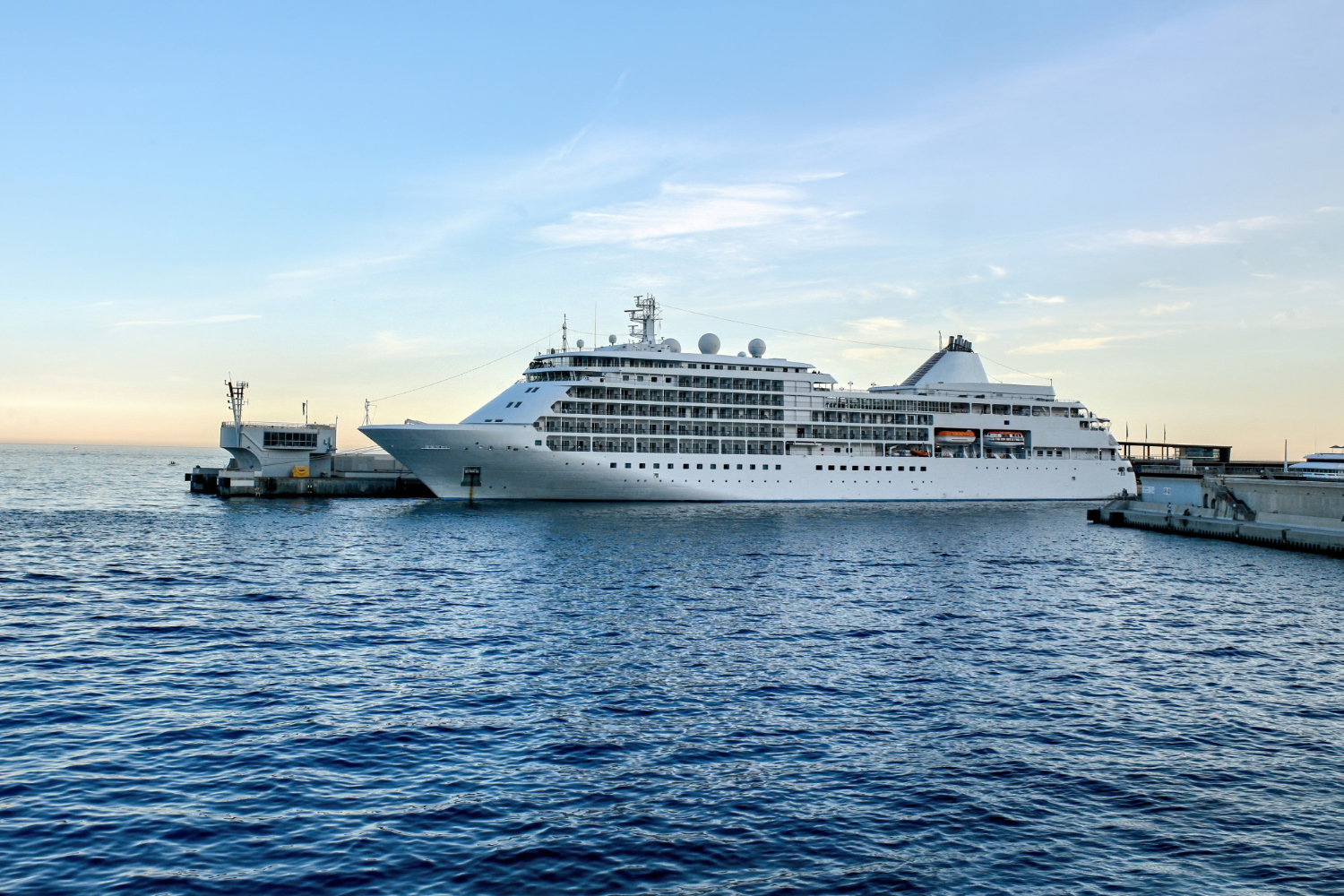
Cruise line port selection is driven by logistics, infrastructure, and predictability rather than by what’s most interesting. A port needs adequate dock facilities for large ships (cruise ships are 900+ feet long and draw significant water), ground infrastructure to handle thousands of passengers, established relationships with local authorities, and demonstrated ability to handle cruise ship volumes without friction.
Established popular ports meet these criteria. Cruise companies know they can dock, process passengers, and execute scheduled departures on time. New or less-developed ports create operational risk. If a port can’t accommodate 5,000 passengers efficiently, the cruise line’s schedule fails. This incentivizes cruise lines to concentrate on proven, established ports.
Additionally, cruise lines negotiate exclusive arrangements with ports — preferred berthing rates, preferred port calls, sometimes exclusive vendor contracts. Once a cruise line has an established relationship with a port, it’s often cheaper to keep using that port than to develop relationships with new ports. The economic logic is conservative: use what works.
The Infrastructure Requirement Problem
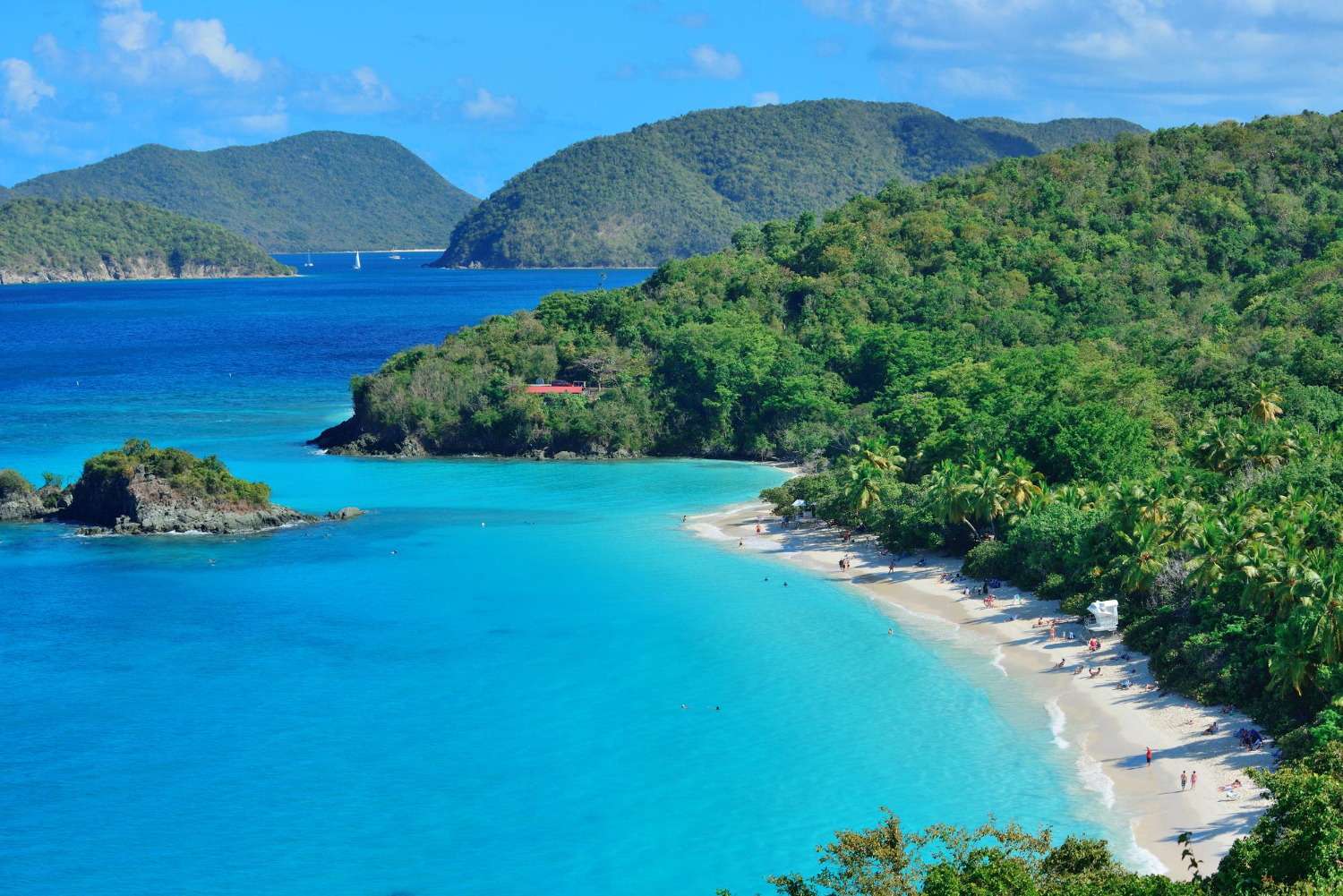
Many Caribbean islands lack the infrastructure to accommodate modern mega-ships. Deep-water ports require substantial infrastructure investment. Smaller cruise ships (which could serve smaller ports) are less economically efficient per passenger. The net result is that ships concentrate on ports with adequate infrastructure, leaving many islands effectively cut off from cruise ship tourism.
This is changing slowly. Some Caribbean governments have invested in port infrastructure specifically to attract cruise tourism. Puerto Rico, Barbados, and a few others have undertaken significant port development. But the investment is capital-intensive, and smaller island economies struggle to justify the cost for uncertain returns.
The Overcrowding Problem
Popular ports are genuinely overcrowded with cruise passengers. Cozumel, Nassau, and Grand Cayman each see tens of thousands of cruise passengers weekly. The infrastructure can handle the volume, but the experience is often frustrating: crowded beaches, overcrowded local attractions, inflated prices targeting tourists, and a general sense of being one of thousands rather than a visitor.
The irony is that less-popular ports often offer similar or better experiences with a fraction of the crowds. A beach that gets 500 tourists daily is measurably different than a beach that gets 5,000.
Dominica: The Underdeveloped Gem
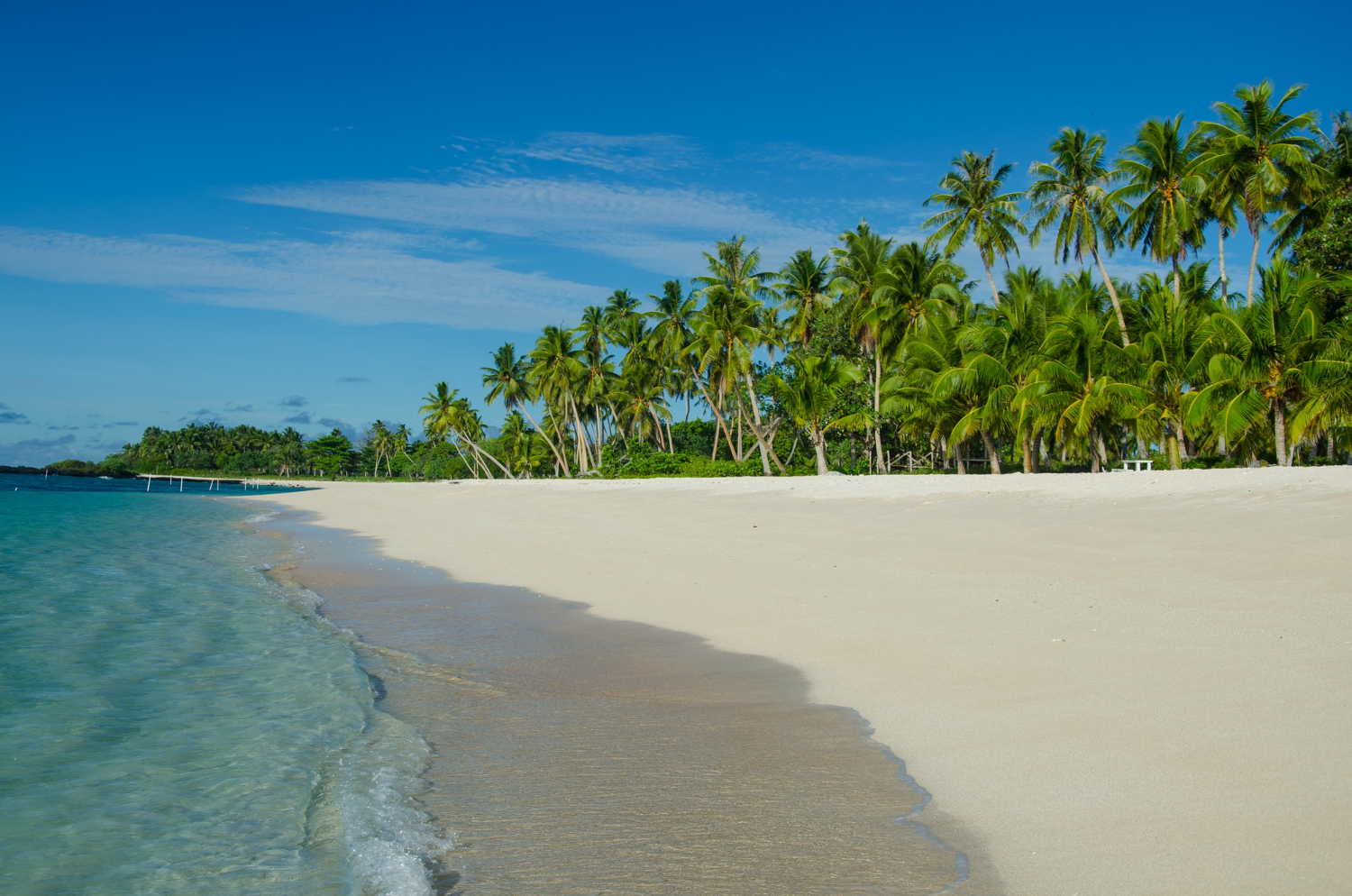
Dominica has resisted large-scale cruise ship development and tourism infrastructure. The island is mountainous, underdeveloped, and lacks deep-water ports for mega-ships. However, smaller cruise ships can dock at Rosalie Bay, and the island has experienced increasing cruise traffic. Dominica offers genuine Caribbean culture, natural beauty, and local economy not dominated by cruise tourism.
The tradeoff is that the infrastructure for cruise passenger handling is minimal. You don’t get organized shore excursions or vendor stalls. You get an actual island where you must navigate independently. For cruisers seeking authenticity, this is appealing. For cruisers wanting hand-holding, it’s frustrating.
St. Lucia: Balancing Tourism and Authenticity
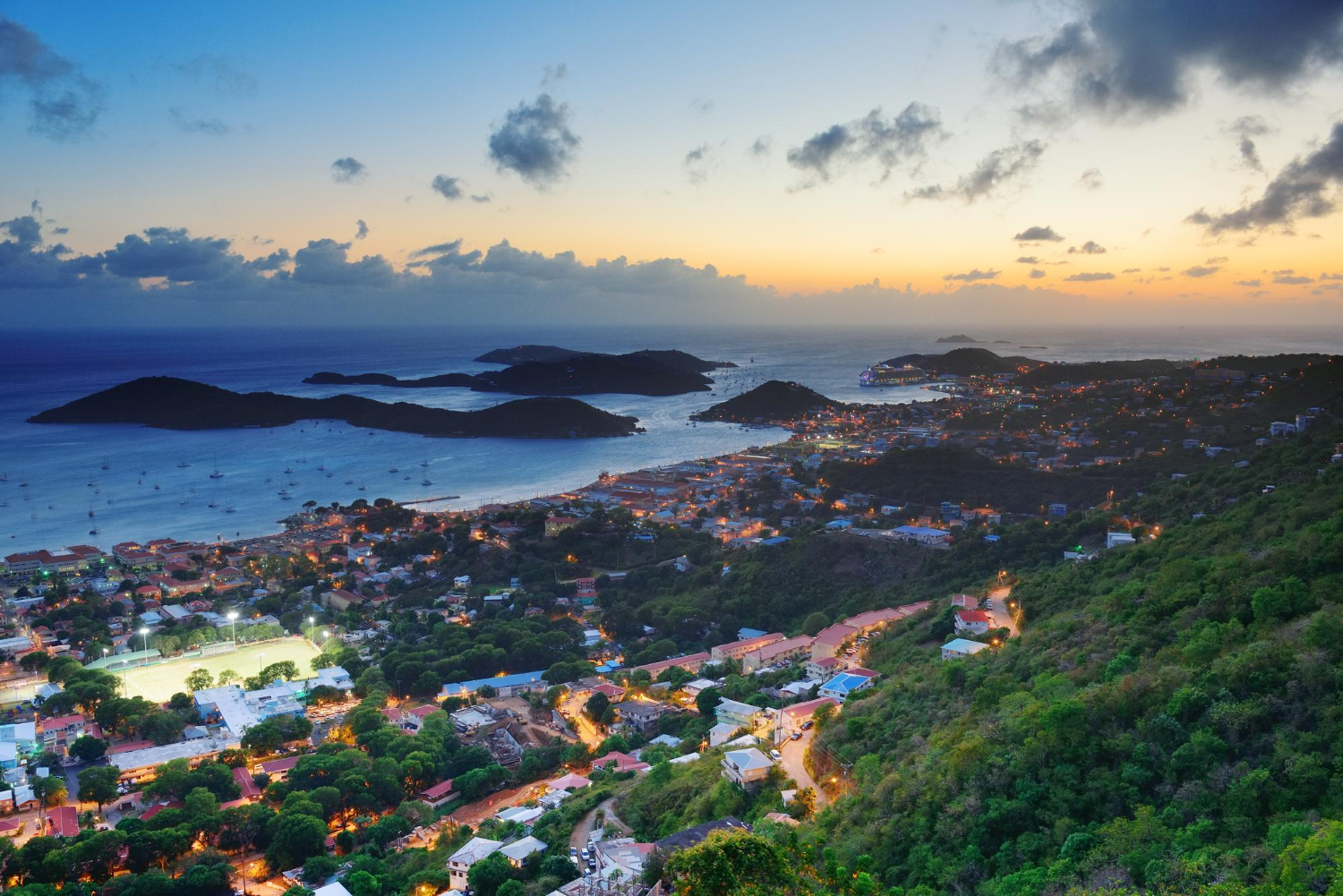
St. Lucia has developed cruise port infrastructure (Castries and Soufriere have facilities) but hasn’t overextended to the point of losing local character. The island balances cruise tourism with broader tourism infrastructure. Shore excursions are available and organized, but the island itself doesn’t feel overrun with cruise passengers.
St. Lucia is increasing in cruise traffic as cruise lines expand routes, but it hasn’t yet reached the saturation levels of Cozumel or Nassau. This positioning may change as infrastructure develops further.
Barbados: The Growing Alternative
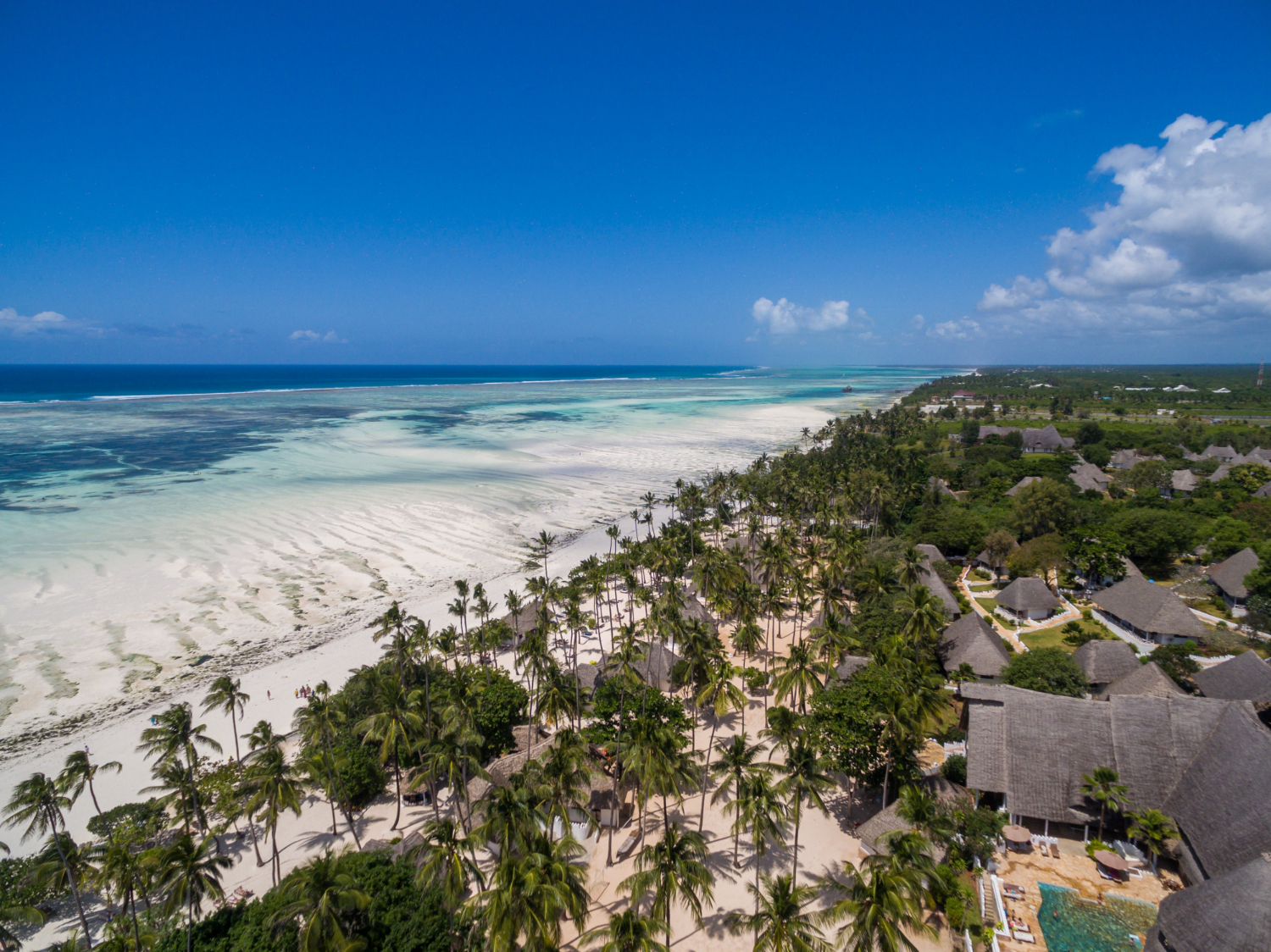
Barbados is increasing in cruise tourism, partly through intentional government development strategy. The island invested in port infrastructure and actively recruited cruise lines. The approach is working — major lines now include Barbados in more itineraries. Barbados offers Atlantic-side beaches, genuine British Caribbean culture, and authentic local experience because cruise passengers are still relatively new to the island.
The Ports Cruise Lines Avoid for Bad Reasons
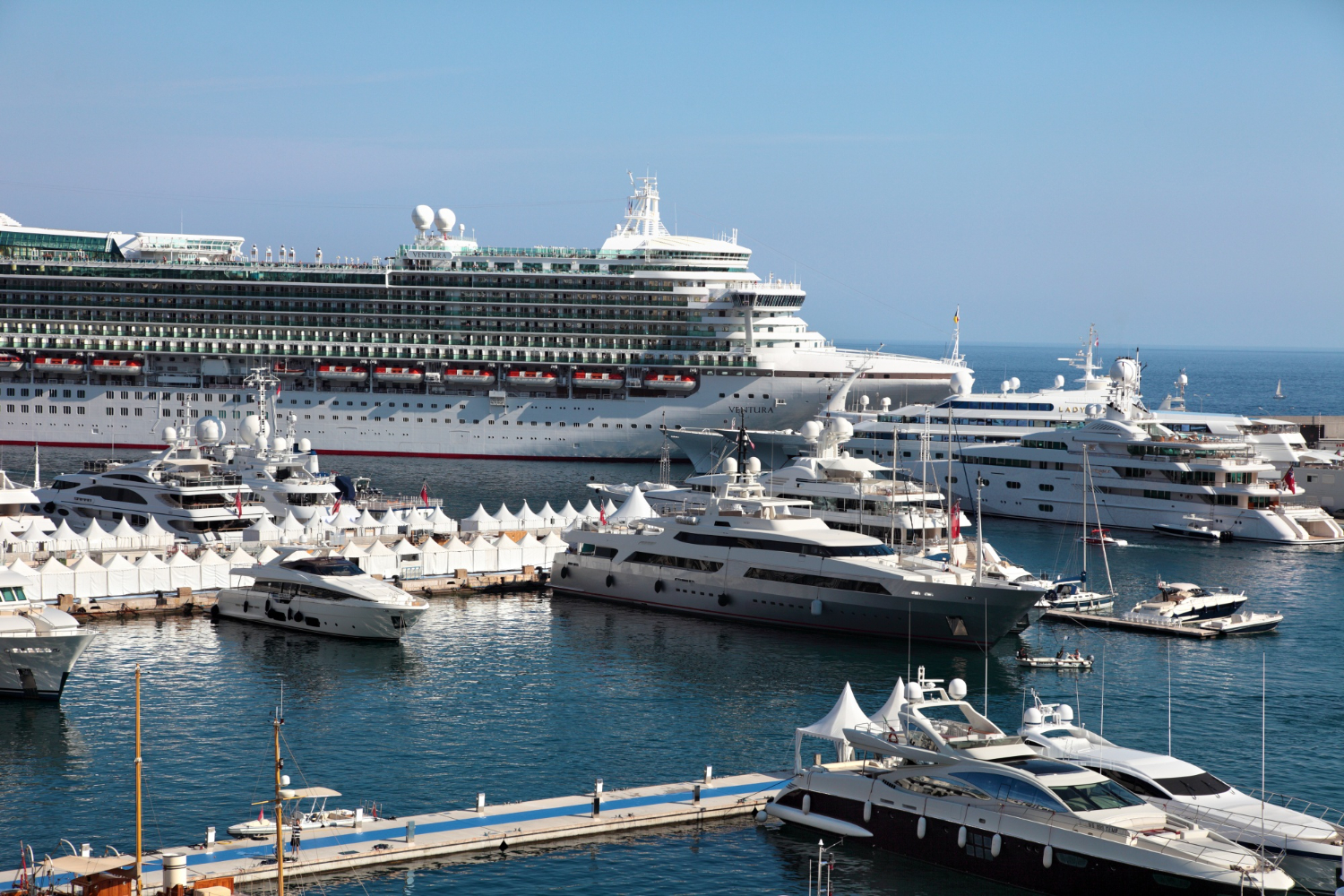
Some ports are avoided not because of infrastructure but because of outdated stereotypes or single bad experiences. This is problematic for island economies that actually have tourism infrastructure but can’t attract cruise lines because of reputation.
Cruise company decisions about itineraries are made with conservative assumptions about passenger safety, port safety perception, and infrastructure adequacy. A single incident (a theft, a port operational failure, a hurricane) can cause cruise lines to remove a port from rotation for years. The island may have recovered or improved, but cruise lines remain cautious.
The Haiti Situation
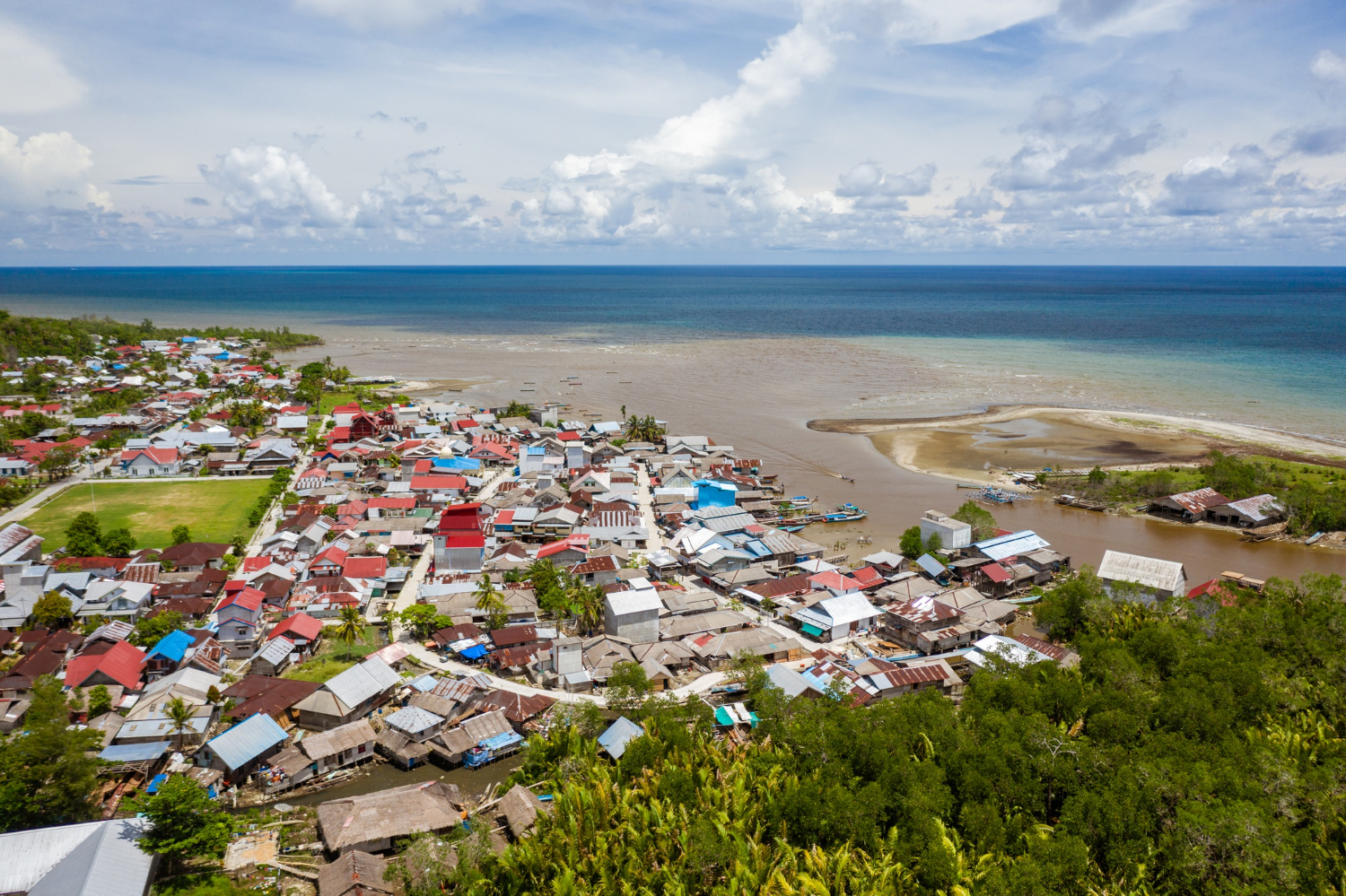
Haiti is almost entirely absent from Caribbean cruise itineraries despite having interesting cultural offerings, good beaches, and historical significance. The absence is driven partly by port infrastructure limitations, partly by safety perception. Some of the perception is based on current conditions, some is based on outdated stereotypes. Cruise lines effectively route around Haiti, sending millions of passengers to nearby islands instead.
This is economically damaging to Haiti because cruise tourism is one of the few reliable revenue sources for small Caribbean economies. The closure of Haiti to cruise tourism is real and economically significant.
The Emerging Trend
Smaller cruise lines and adventure cruise companies are increasingly serving less-popular ports. Lines like Windstar, Regent Seven Seas, and Seabourn regularly visit smaller Caribbean islands where mega-ships can’t go. These “alternative” cruise experiences target different passenger demographics (typically older, more affluent, more adventurous) than mainstream cruise lines.
This trend is creating a two-tier Caribbean cruise experience: mainstream lines hitting popular ports with thousands of passengers, smaller lines serving niche markets and less-popular destinations. The result is actually beneficial for less-developed islands that can now serve the smaller-ship market without needing mega-ship infrastructure.
The Future Possibility
If cruise ship capacity continues expanding, cruise lines will eventually need to develop secondary ports. As primary ports become overwhelmed, economic incentives will push toward developing new ports. Additionally, if environmental concerns grow, cruise lines may be pressured to distribute passengers across more ports rather than concentrating them in a few popular destinations.
The shift would be beneficial for less-developed Caribbean economies and for cruise passengers seeking less crowded experiences. But the incentive structures currently favor concentration in proven ports.