Imagine setting off from the southern tip of Africa and walking, just walking, until you reach the frozen far east of Russia. No planes. No boats. No ferries. Just your own two feet, following an unbroken chain of roads and bridges across two continents and sixteen countries. This is the world’s longest walkable route, a theoretical journey of around fourteen thousand miles from Cape Town to the remote Russian port of Magadan. It went viral when someone traced it on a map, and it has fascinated armchair adventurers ever since, precisely because no human is known to have ever completed it. Here’s the story of this epic route, the staggering landscapes it would cross, and why it remains one of travel’s great impossible dreams.
A note: this route is largely a theoretical exercise generated from mapping software, not a marked or recommended trail. As you’ll see, it crosses regions affected by conflict, closed borders, and extreme conditions, so it’s best appreciated as a feat of imagination rather than a literal itinerary. Here’s the journey.
How a Map Doodle Became a Global Sensation
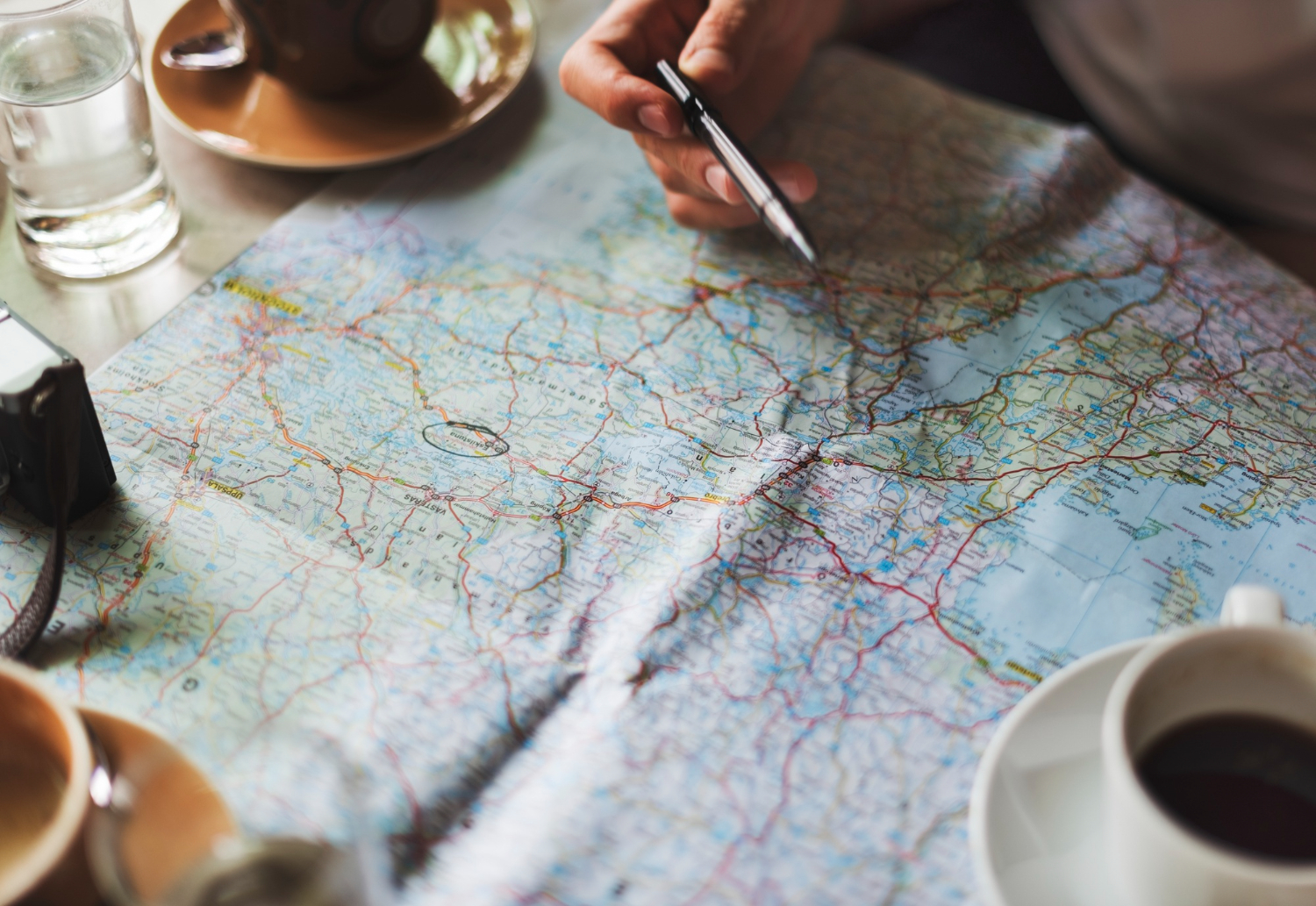
The route owes its fame to the internet. Back in 2019, a user on Reddit reportedly used mapping software to trace what they claimed was the longest possible walking route on Earth, connecting Cape Town in South Africa to Magadan in far-eastern Russia. The idea was simple but compelling: find the two points on the globe with the greatest uninterrupted walking distance between them, using only roads and land crossings. The post spread rapidly across the web, picked up by sites and shared by fascinated readers around the world. There’s something irresistible about the concept, the sheer audacity of walking from one end of the world to the other, and it captured imaginations in a way few travel stories do. The route has been revisited and debated countless times since.
Like our content? Follow us for more.
The Numbers Are Almost Incomprehensible
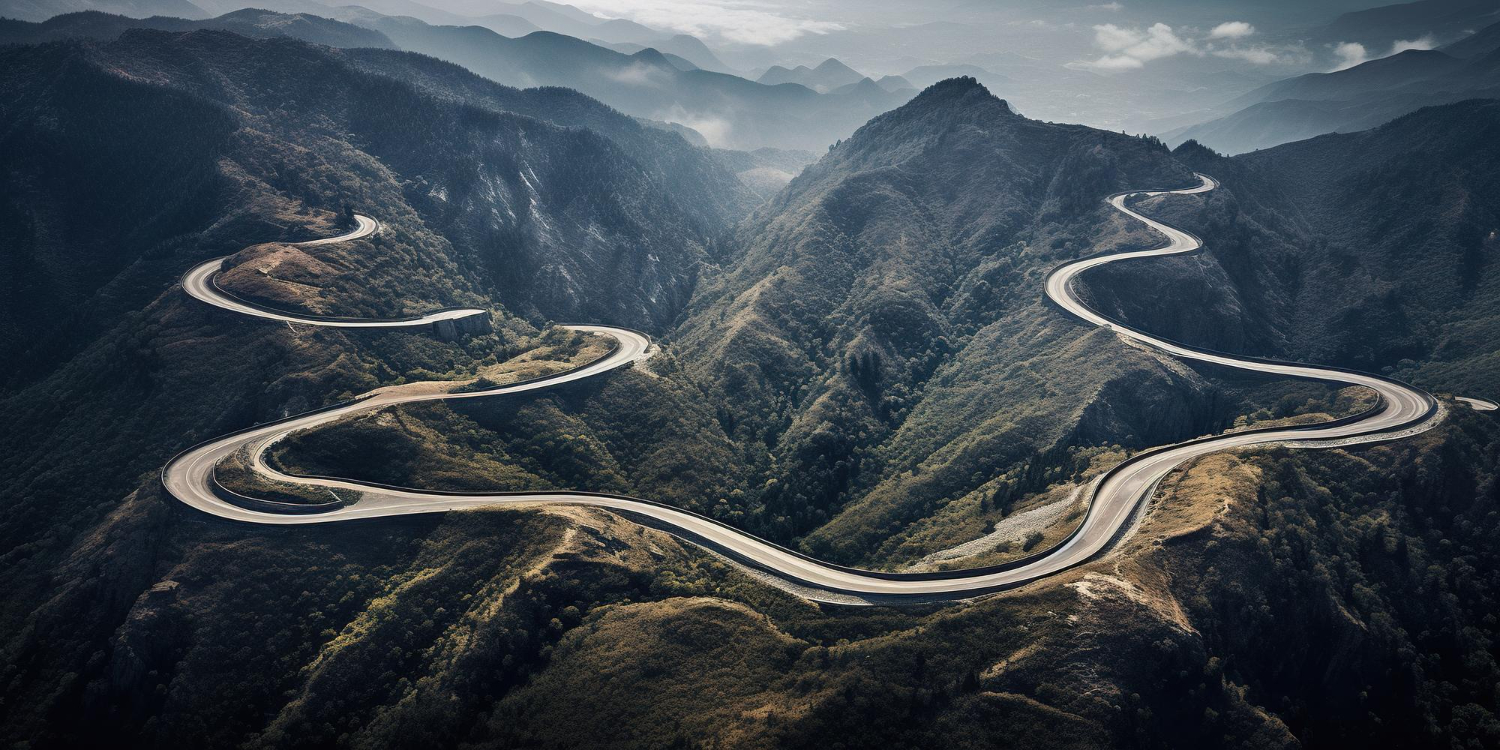
The statistics behind this walk are genuinely mind-boggling. The route stretches roughly 22,000 kilometers, or about 14,000 miles, though exact figures vary slightly depending on the mapping. According to estimates, walking it non-stop, without ever pausing to sleep or rest, would take around 4,492 hours, which works out to roughly 187 days of continuous, around-the-clock walking. Of course, no human can walk non-stop. At a more realistic pace of eight hours of walking per day with no rest days at all, the journey would take well over 500 days, around a year and a half on the move. Factor in actual rest, weather, resupplying, and recovery, and a real attempt could easily stretch toward two years or more. It is, by any measure, an almost unimaginable undertaking.
A Climb Equal to Climbing Everest Thirteen Times
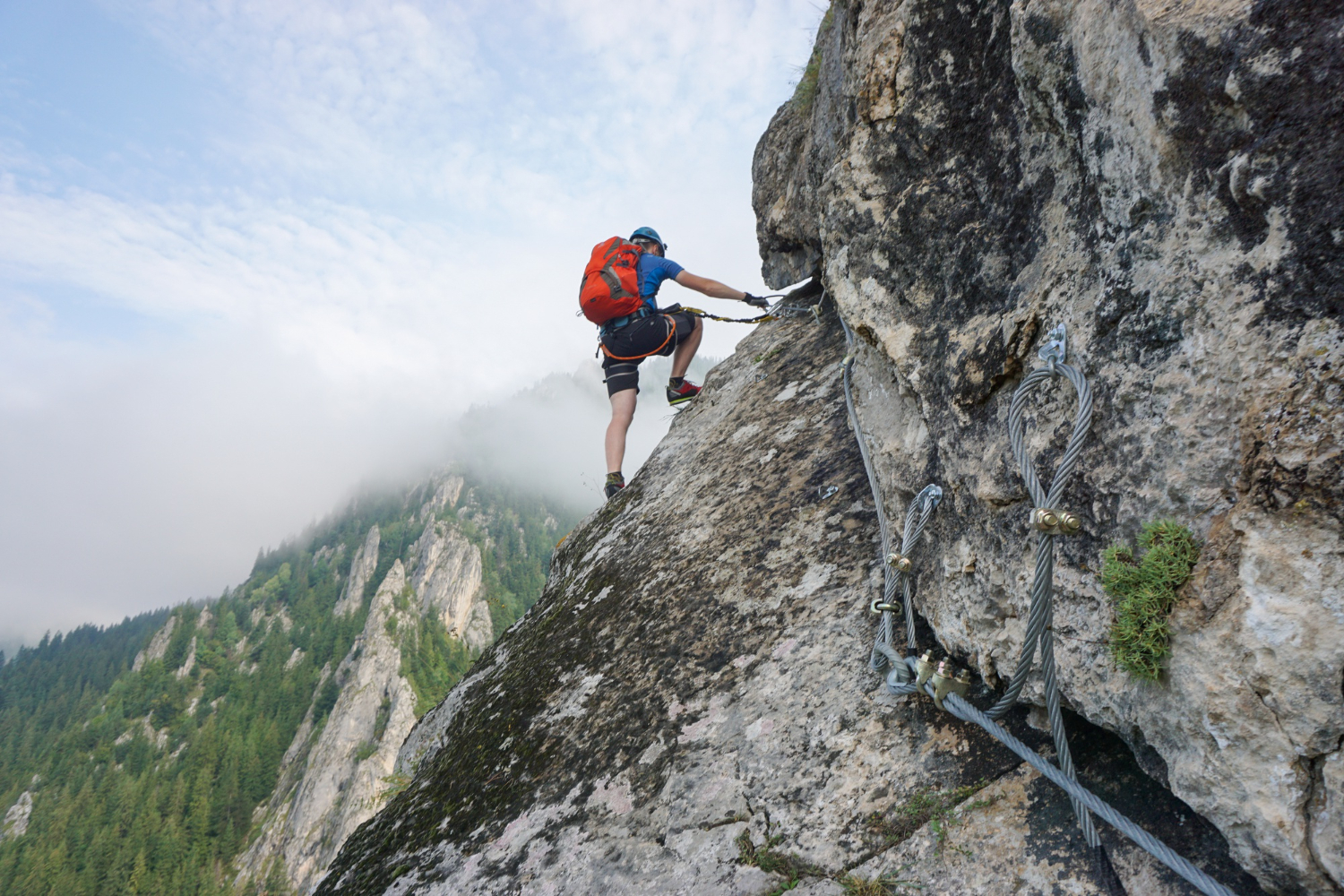
Distance is only part of the challenge. The route also involves a staggering amount of climbing as it crosses mountains, plateaus, and valleys across two continents. Over the full journey, a walker would ascend a cumulative total of well over 100,000 meters, roughly 386,000 feet of elevation gain, with a nearly identical amount of descent. To put that in perspective, it’s the equivalent of climbing from sea level to the summit of Mount Everest and back down again about thirteen times over. And that’s on top of simply covering the horizontal distance. The body would endure relentless wear, crossing scorching deserts, humid tropics, high mountain passes, and frozen tundra in succession. The physical toll alone helps explain why this remains a route admired on maps rather than conquered on foot.
Through Sixteen Countries and Wildly Different Worlds
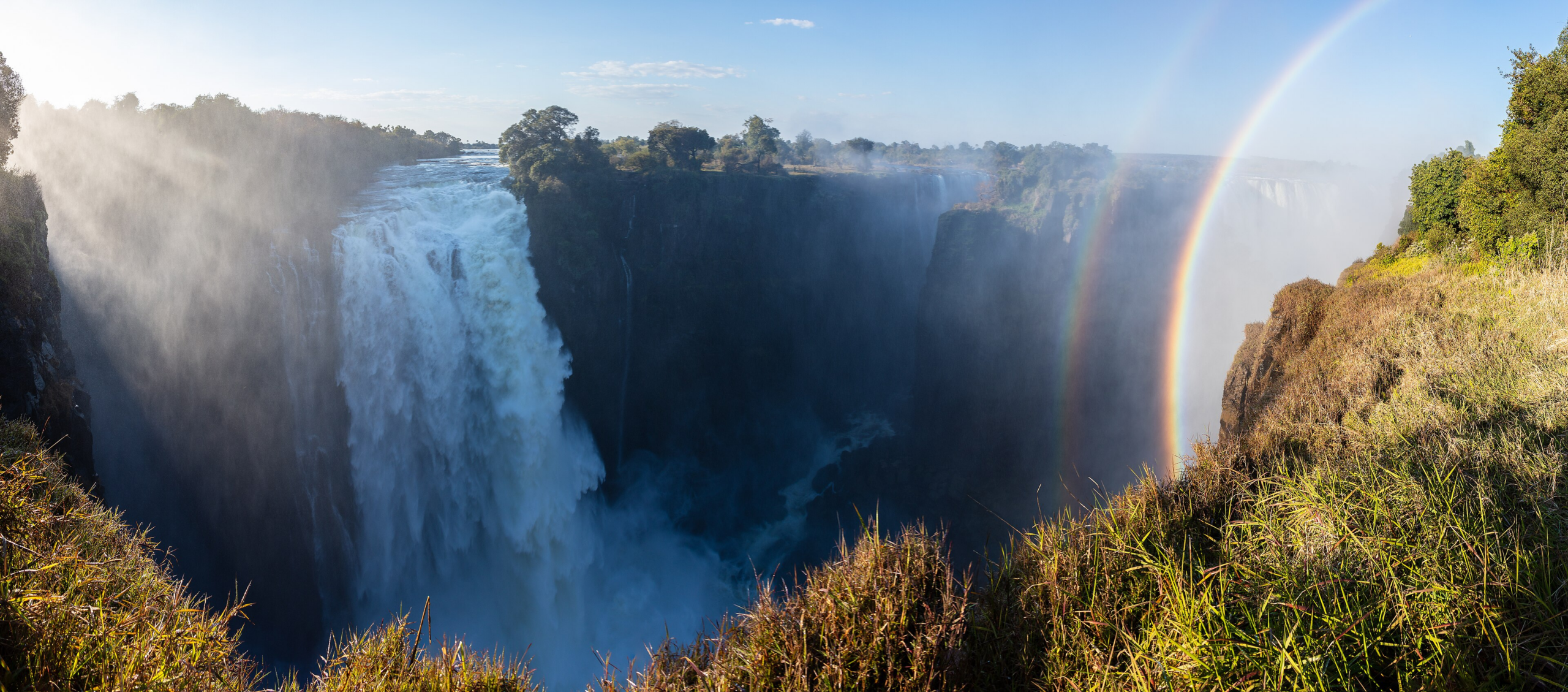
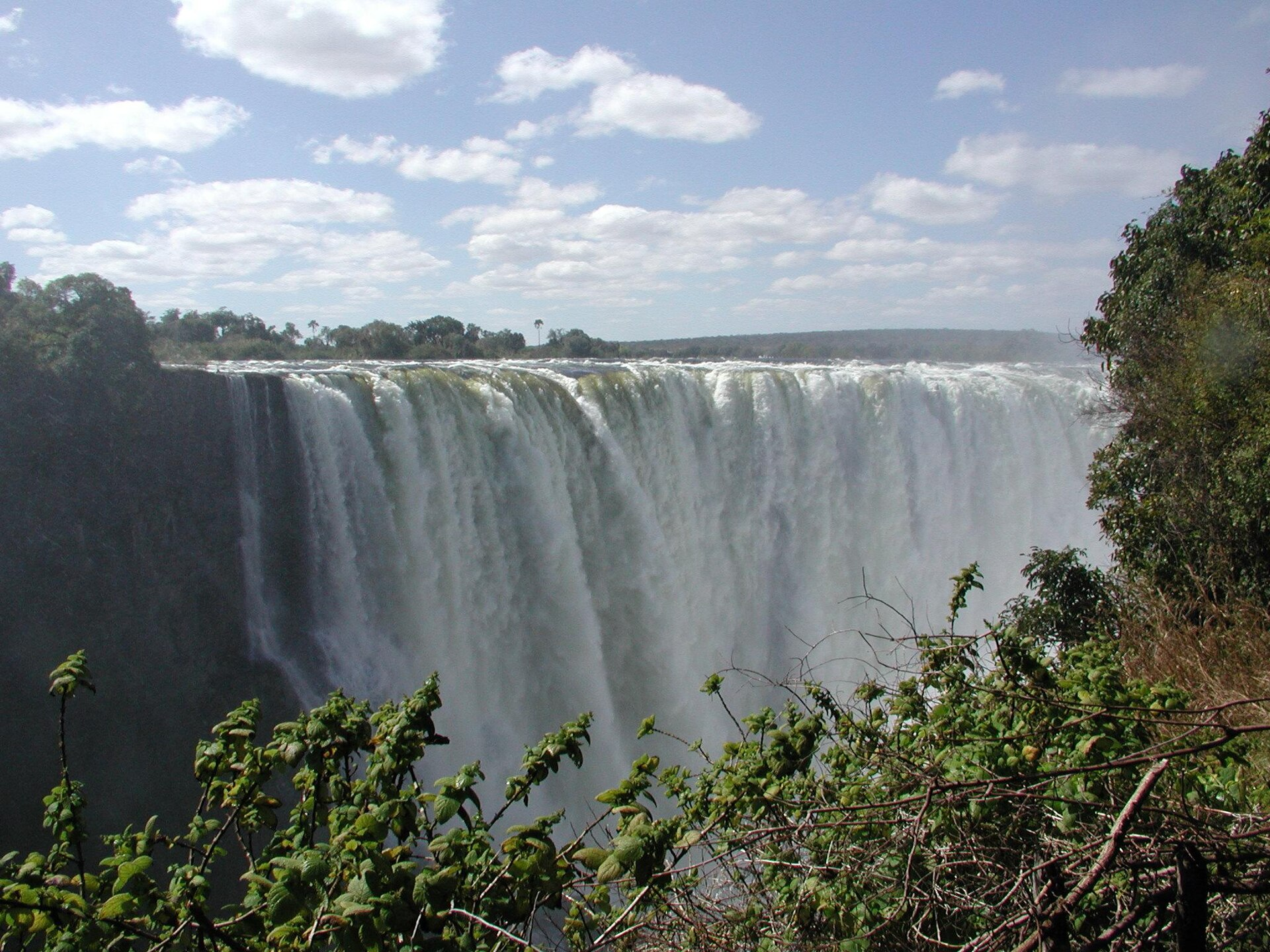
What makes the route so compelling is the sheer variety of the world it passes through. Beginning in South Africa, it heads north through the heart of the African continent, passing near natural wonders along the way. Travelers tracing it have noted it runs close to spots like Victoria Falls on the Zambezi River, one of the largest waterfalls in the world, and through landscapes ranging from savanna to desert. The path then crosses into the Middle East via the Suez region, winds through Turkey, threads across Central Asia, and finally pushes deep into Siberia for the long, cold haul to Magadan. In all, it touches around sixteen countries, an astonishing cross-section of cultures, climates, and terrain. A walker would experience African plains, ancient Middle Eastern crossroads, Central Asian steppe, and endless Russian wilderness, all on a single continuous trip.
The Landscapes Would Be Extraordinary
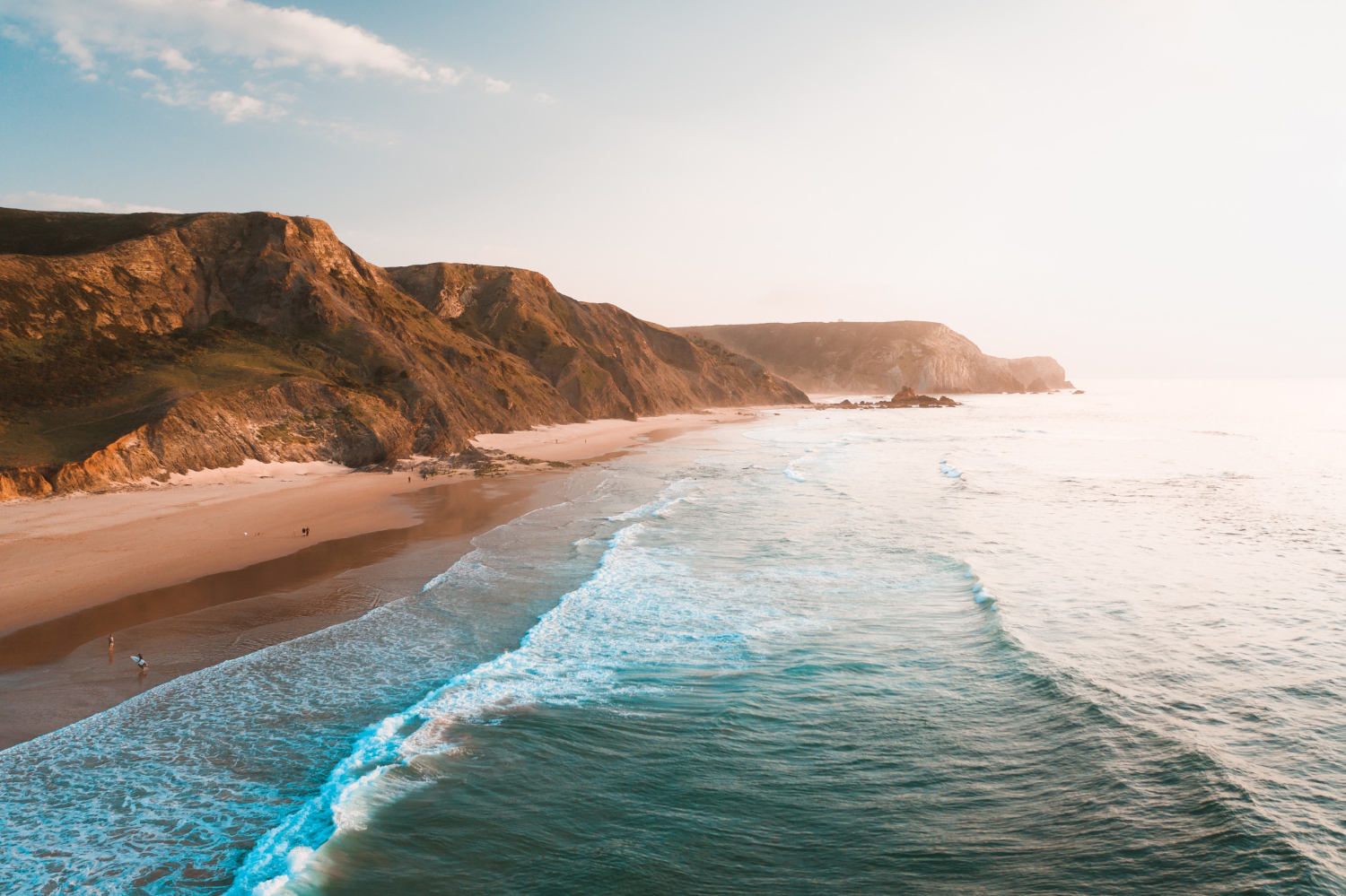
For all its impracticality, the route would deliver an unmatched parade of scenery. Imagine starting amid the dramatic coastline and vineyards around Cape Town, then traversing the wildlife-rich expanses of southern Africa, where safari country stretches to the horizon. Picture reaching the thundering spray of Victoria Falls, crossing the historic deserts and waterways of the Middle East, and skirting the remote, beautiful shores of lakes in eastern Turkey. Then come the vast, open steppes of Central Asia, followed by the haunting, snow-blanketed immensity of Siberia, one of the most sparsely populated regions on the planet. The journey would end in Magadan, an isolated port city on Russia’s far-eastern coast. Few trips, real or imagined, could offer such a complete tour of Earth’s landscapes, from tropical to arctic, in one unbroken line.
Why No One Has Ever Done It
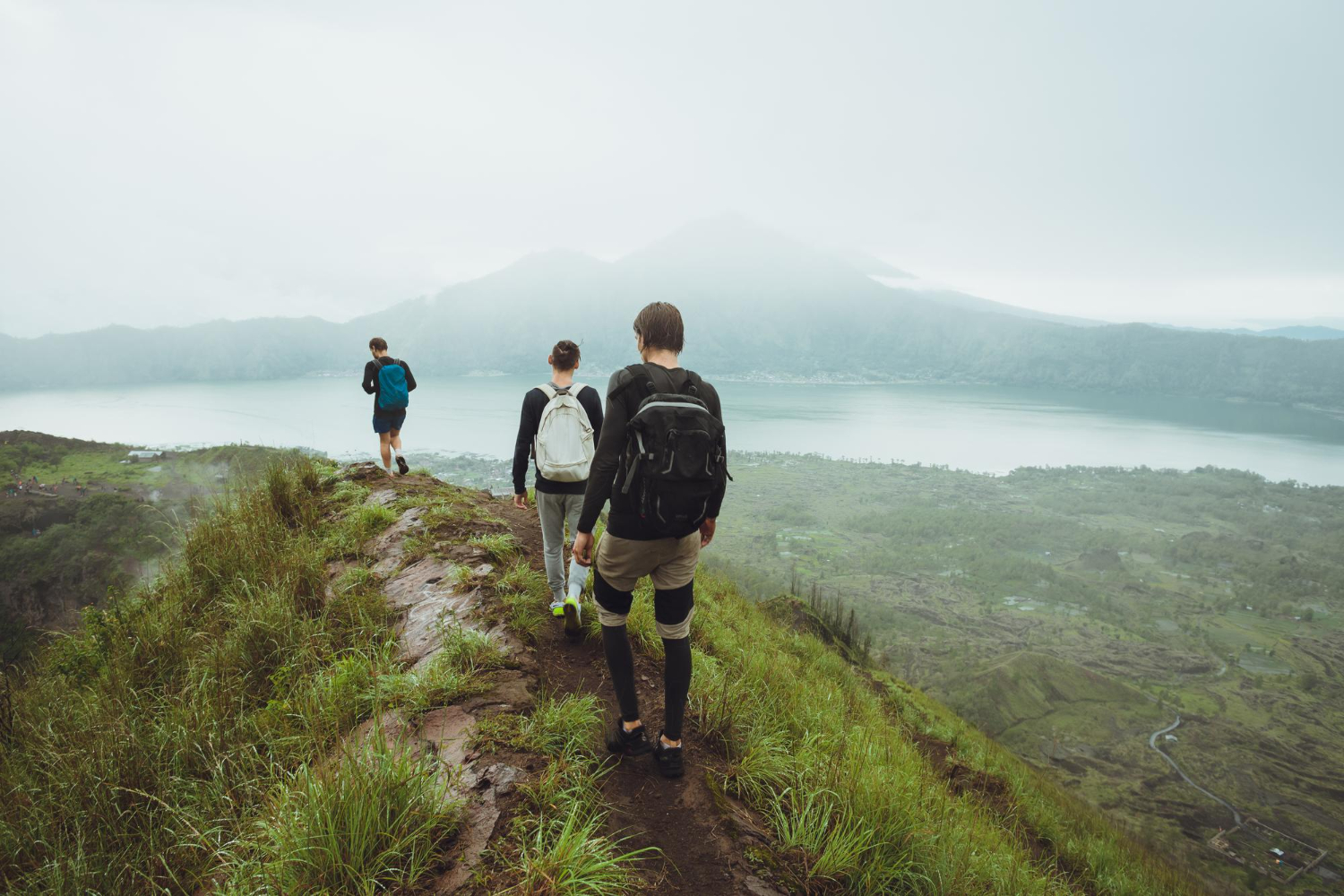
So why has no one completed this walk? The obstacles are immense and very real. For one, the route passes through or near regions affected by conflict and instability, areas where war, unrest, or closed borders would make passage dangerous or impossible for an ordinary traveler. Visa requirements across sixteen countries present a bureaucratic nightmare, with some borders effectively sealed to foot traffic. Then there’s the climate: the journey swings from extreme desert heat to the brutal, sub-zero cold of a Siberian winter, conditions that would require careful timing and could trap or endanger a walker. Add the physical demands, the logistics of food and shelter across remote stretches, and the sheer time commitment, and it becomes clear why this remains a theoretical route. It is a triumph of imagination more than a practical plan. Even resupplying with food and water across the emptiest stretches would demand a support team, and a lone walker would face months of isolation in regions with almost no settlements, roads barely deserving the name, and weather that can turn lethal with little warning. The route asks not just for fitness, but for a tolerance of solitude and risk that few people possess.
A Note on the “No Boats” Claim
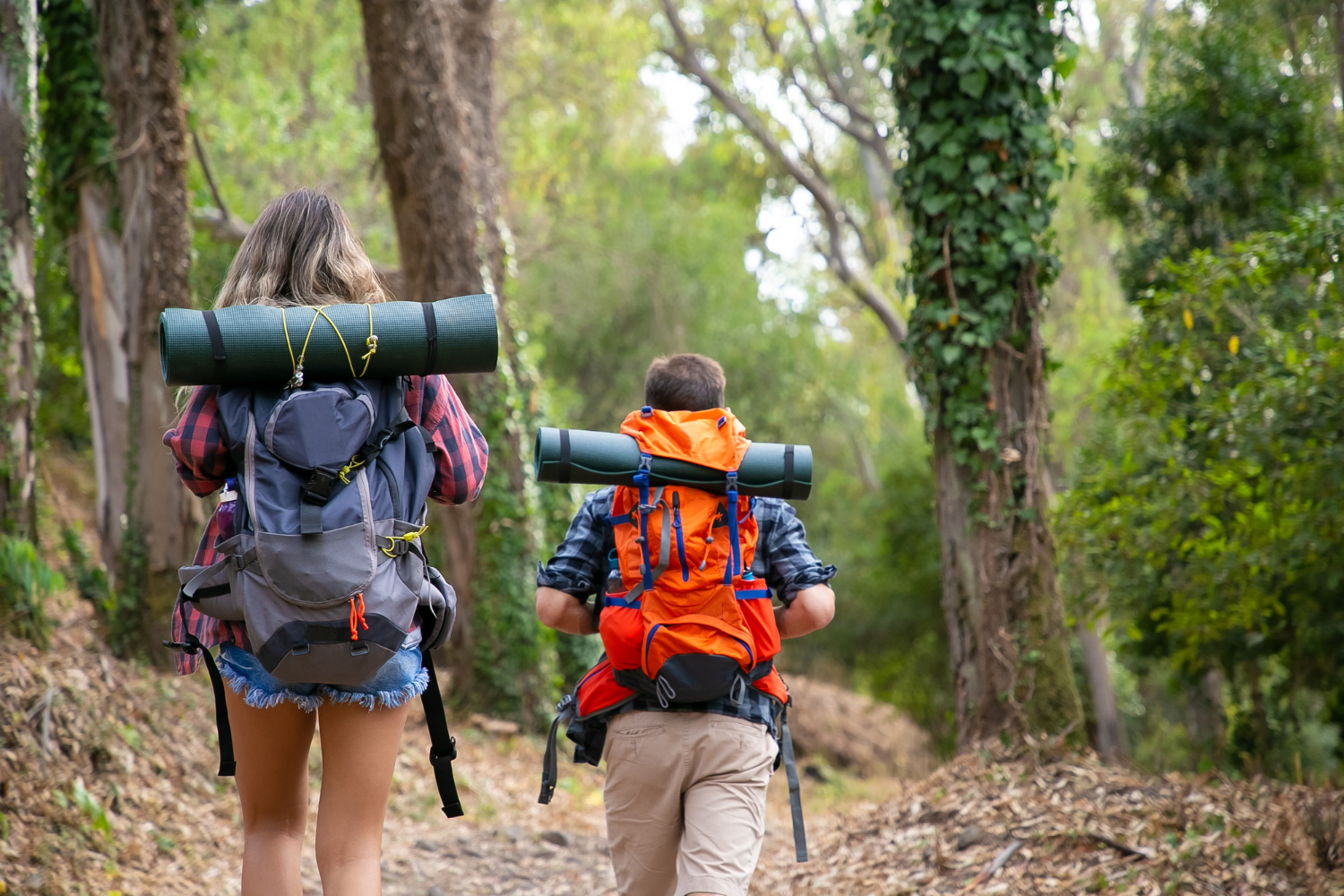
Part of the route’s viral appeal is the claim that it requires no flights and no boats, only roads and bridges. In reality, travelers and analysts who have examined it closely have debated this point, noting that certain water crossings along the way, depending on the exact path, might require a ferry or present other complications. The “purity” of an entirely unbroken land route is part of what makes the concept so appealing, but the real geography is messier than a clean line on a map suggests. This is a useful reminder that the route is more of a fascinating thought experiment, generated by mapping algorithms seeking the longest point-to-point path, than a verified, walkable trail with every step confirmed on the ground.
The Enduring Appeal of the Impossible Journey
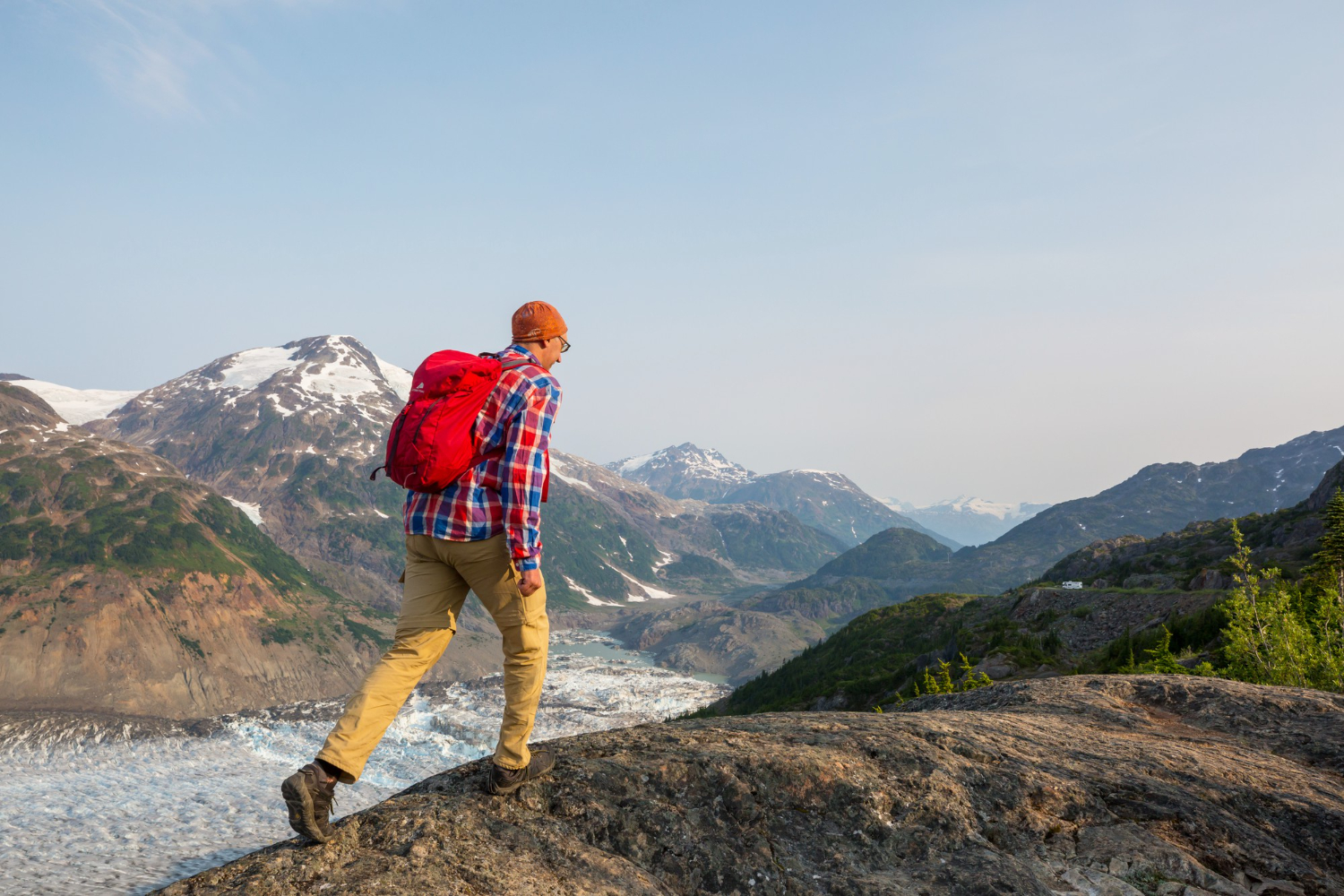
Perhaps that’s exactly why this route endures in the imagination. In an age when much of the world feels mapped, photographed, and within easy reach by plane, the idea of a fourteen-thousand-mile walk that no one has ever finished taps into something primal: the romance of the truly epic journey, the lure of the unconquered. It invites us to picture a slower, older way of crossing the world, one footstep at a time, fully immersed in every changing landscape rather than skipping over them at 35,000 feet. Whether or not a human ever actually completes it, the longest walk on Earth will likely keep capturing imaginations for years to come, a reminder that the planet is still vast, wild, and full of journeys almost too big to comprehend.
Could It Ever Be Done?
It’s not entirely impossible to imagine someone attempting at least parts of it. Long-distance walkers and runners have achieved astonishing feats, including traversing the length of entire continents, so a determined, well-funded, and carefully supported expedition might one day tackle a version of this route in stages, choosing safe windows and negotiating the geopolitical hurdles. But a single, continuous, unsupported journey along the full path, in one go, remains firmly in the realm of fantasy for now. And honestly, that might be for the best. Some journeys are most powerful as dreams, inspiring us to look at a map, trace the impossible line with a finger, and marvel at just how big and varied our world really is. And perhaps that is the route’s real gift: not a trail to conquer, but a fresh sense of the planet’s sheer, humbling scale.
Like our content? Follow us for more.