A new analysis of U.S. domestic travel patterns published by Travel + Leisure in April 2026 ranks the seven most underrated American cities by a composite score combining tourist-visit growth, local liveability indices, walkability scores, restaurant-density rankings, and an inverse of the city’s social-media visibility (measured by Instagram and TikTok geotag volume). The ranking is provocative by design — three of the seven cities are in the South, two are in the upper Midwest, and one — Lubbock, Texas — has drawn sharp criticism from travel writers who argue the city does not belong in the “underrated” category at all. The methodology, however, is consistent across the seven, and the cities share a specific pattern: rapid liveability improvements without corresponding social-media visibility. Here is the May 2026 list, with the case for each city and the specific objection to the Lubbock inclusion.
The methodology underlying the Travel + Leisure analysis weights five factors approximately equally: 2024-2025 domestic tourist arrival growth (data from individual state tourism offices and the U.S. Travel Association); local-resident liveability survey scores (Niche.com city rankings); Walk Score data; the city’s restaurant density per capita (Yelp-derived); and an inverse Instagram and TikTok geotag volume score. The inverse-visibility weighting is what makes the list distinctive — a city with strong fundamental scores but low social-media visibility ranks higher. The intent is to identify cities that are actually good places to visit but have not yet been hyper-promoted online. The methodology produces a defensible top seven, with one notable disputed inclusion.
1. Greenville, South Carolina (Population 72,000)
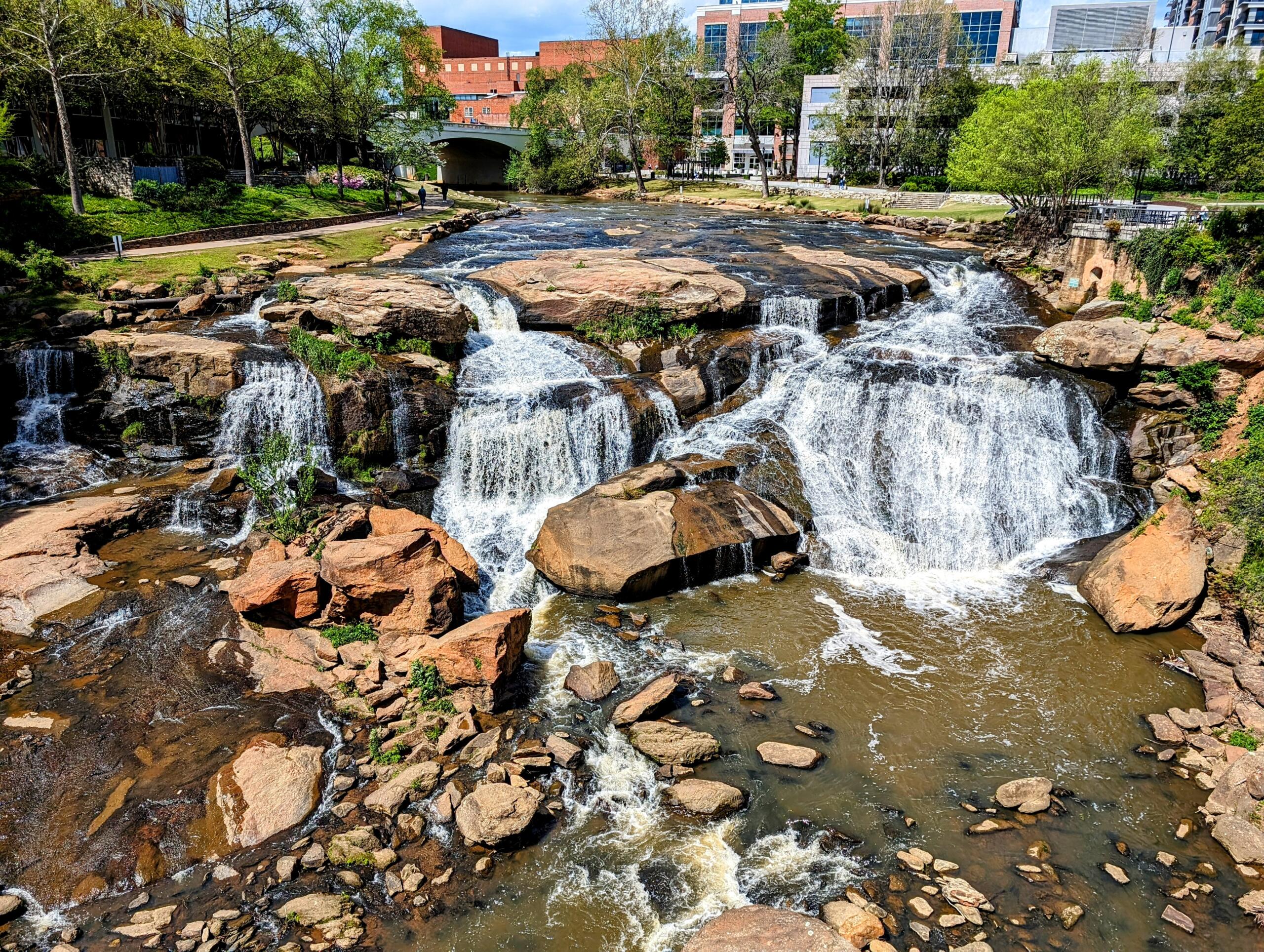
Greenville ranks first on the Travel + Leisure list by a meaningful margin. The city’s Falls Park on the Reedy, completed in 2004 with the Liberty Bridge suspension footbridge over the river falls, anchored a downtown revitalization that has continued steadily for two decades. Main Street is pedestrian-oriented, lined with restaurants and shops in preserved 19th-century commercial buildings, and runs from the Falls Park up to the Peace Center performing arts complex. The city has tripled its downtown hotel inventory between 2010 and 2024 and added the Hyatt Regency, the Westin Poinsett, the Grand Bohemian, and several smaller boutique properties. Greenville’s restaurants have earned multiple James Beard recognitions in 2023-2025. The city’s social-media presence remains modest relative to its actual liveability — most travelers planning Southern visits still default to Charleston, Savannah, or Asheville rather than Greenville.
2. Madison, Wisconsin (Population 282,000)
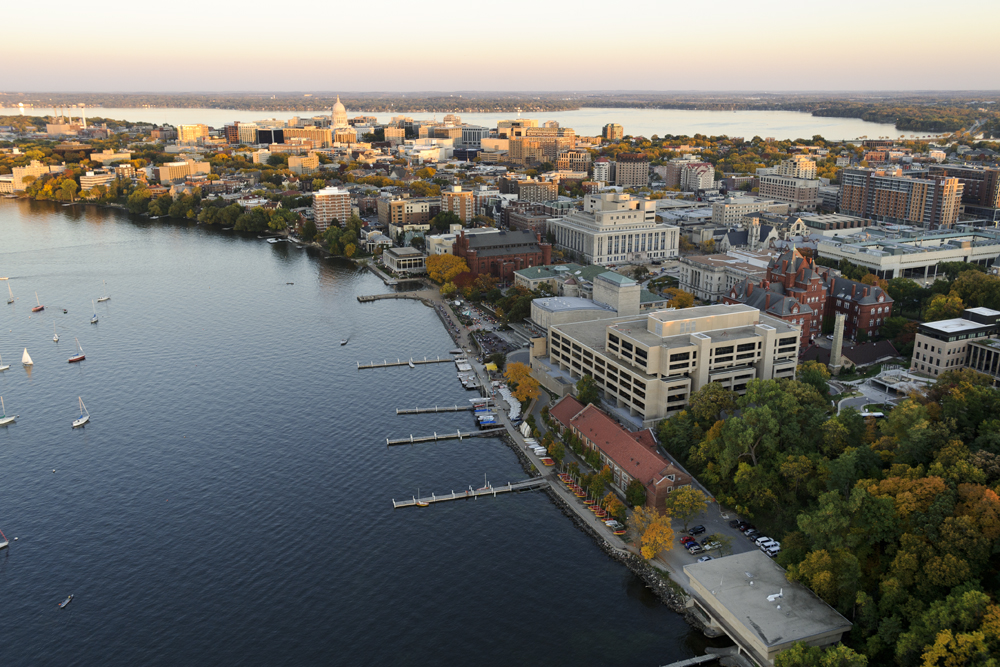
Madison — Wisconsin’s state capital, home to the University of Wisconsin’s flagship campus, and sited between two large lakes (Mendota and Monona) — has consistently ranked among the most liveable American cities for decades but remains under-promoted as a tourist destination. The State Street pedestrian mall, the Wisconsin State Capitol building (modeled on the U.S. Capitol but with a unique smaller scale), the Saturday morning Dane County Farmers’ Market on the Capitol Square (one of the largest producer-only farmers’ markets in the United States), and the active arts and music scene around the campus produce a substantive multi-day visit. Most non-Wisconsinites have never considered Madison as a destination. The Travel + Leisure ranking places Madison second on the underrated list.
3. Knoxville, Tennessee (Population 192,000)
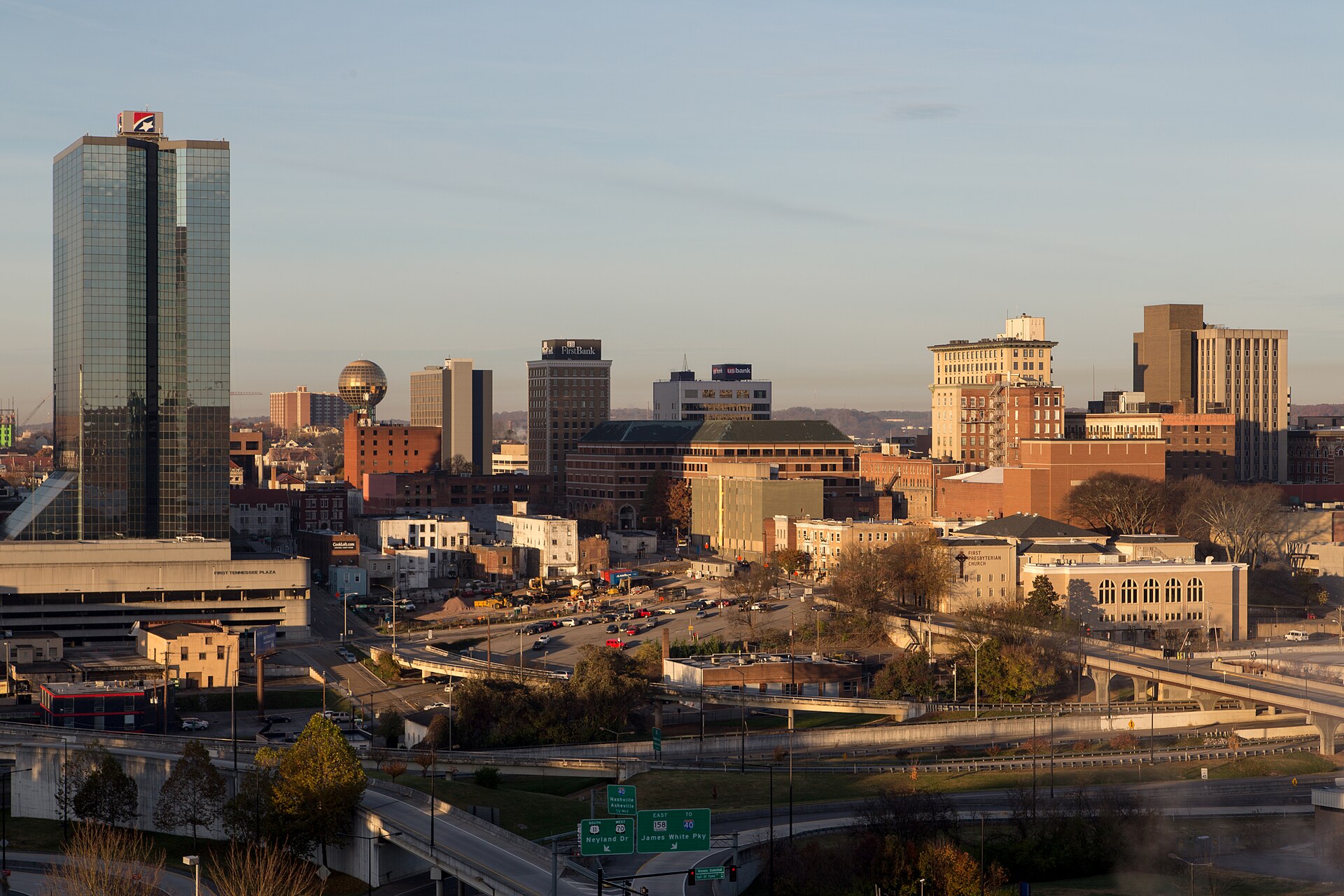
Knoxville sits in East Tennessee at the foot of the Great Smoky Mountains and has historically been overshadowed by both Asheville to the east and Nashville to the west. The downtown has undergone steady revitalization since approximately 2010, with the Market Square pedestrian district anchored by the Tennessee Theatre (a 1928 atmospheric movie palace), the World’s Fair Park (preserved from the 1982 World’s Fair), and a strong craft brewery scene. The city is the gateway to the Smokies — the most-visited national park in the United States — but most park visitors stay in Gatlinburg or Pigeon Forge rather than in Knoxville. The Travel + Leisure analysis argues Knoxville offers a substantially better urban experience than the more-touristed alternatives without correspondingly higher hotel costs.
4. Duluth, Minnesota (Population 86,000)
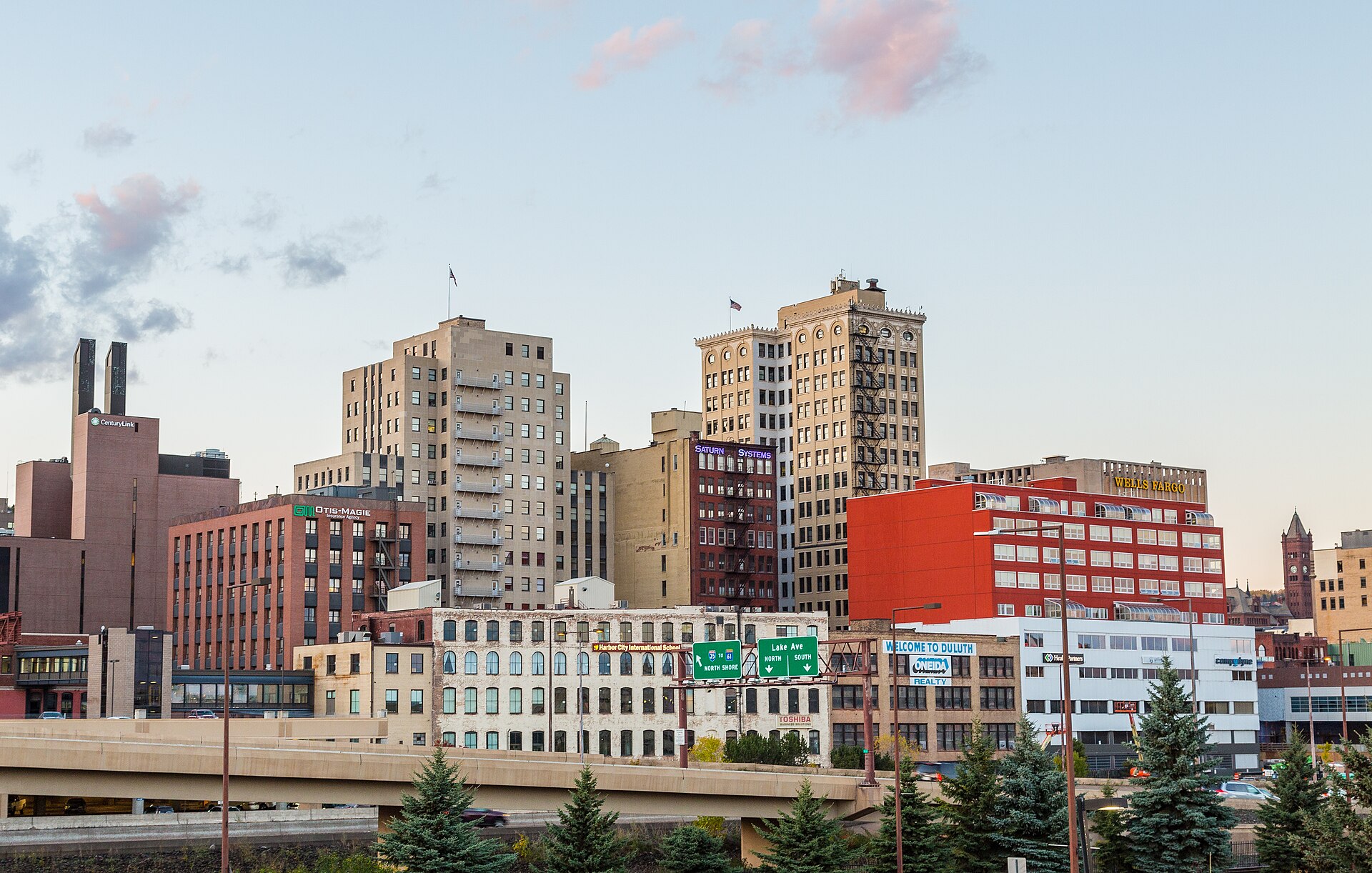
Duluth sits on Lake Superior at the western end of the Great Lakes and remains one of the most under-promoted American small cities for its scale of natural and cultural amenities. The Lakewalk waterfront promenade runs for 7 miles along Lake Superior. The Aerial Lift Bridge, completed in 1905, is a working drawbridge that lifts vertically to allow Great Lakes freighters to pass beneath. Canal Park, immediately south of the bridge, contains restaurants, shops, the Lake Superior Maritime Visitor Center, and the docks where Great Lakes ore-carriers load. Most American travelers planning summer trips do not consider Duluth. The Travel + Leisure analysis specifically calls out the city’s combination of accessibility (regular flights from Minneapolis-Saint Paul), natural amenities, and walkability.
5. Mobile, Alabama (Population 187,000)
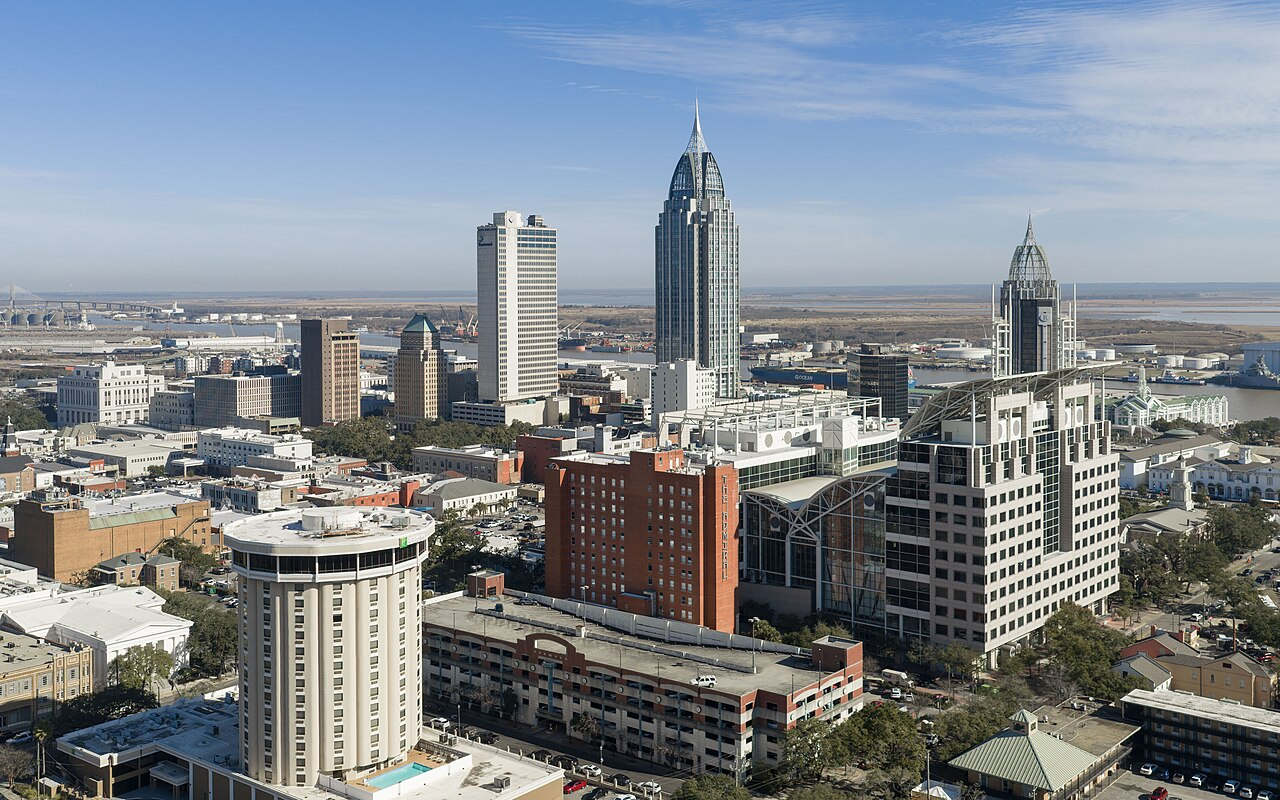
Mobile — Alabama’s only Gulf Coast port and the oldest American Mardi Gras city (1703 founding by the French) — has substantial historic architecture, a strong food scene, and a working port and shipyard that produces distinctive coastal-industrial atmosphere. The downtown contains the Cathedral Basilica of the Immaculate Conception (1850), the Battle House Hotel (1908, restored), the Bragg-Mitchell Mansion, and dozens of preserved historic homes. The Mardi Gras tradition predates New Orleans’ and produces parades and festivities each February that are substantially less commercialized than New Orleans’. The Travel + Leisure analysis places Mobile fifth on the underrated list, citing the genuine historic character and the lower cost relative to New Orleans.
6. Boise, Idaho (Population 235,000)
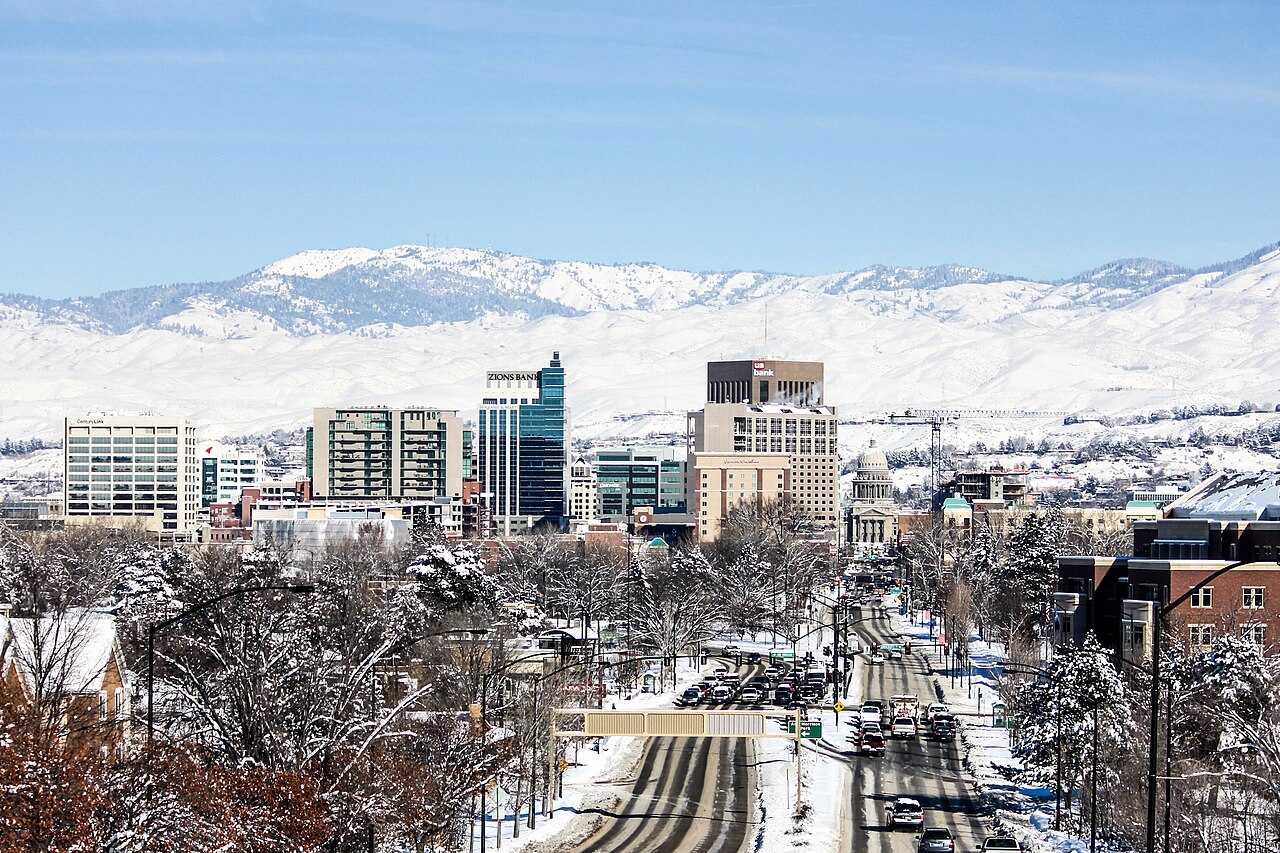
Boise has been one of the fastest-growing American cities since 2018, with both population and tourist arrivals growing approximately 25 percent between 2020 and 2024. The city’s downtown has developed rapidly, with the Basque Block — a historic district preserving Boise’s substantial Basque-American population (the largest outside the Basque Country itself) — providing distinctive cultural character. The Boise River Greenbelt runs for 25 miles through the city and is heavily used for walking, cycling, and tubing. The city is the gateway to the Sawtooth Mountains and the Wood River Valley. Boise’s recent growth has begun to compromise its underrated status — but the Travel + Leisure analysis notes that the city’s social-media visibility remains modest relative to its actual visitor experience.
7. Lubbock, Texas (Population 263,000) — The Disputed Inclusion
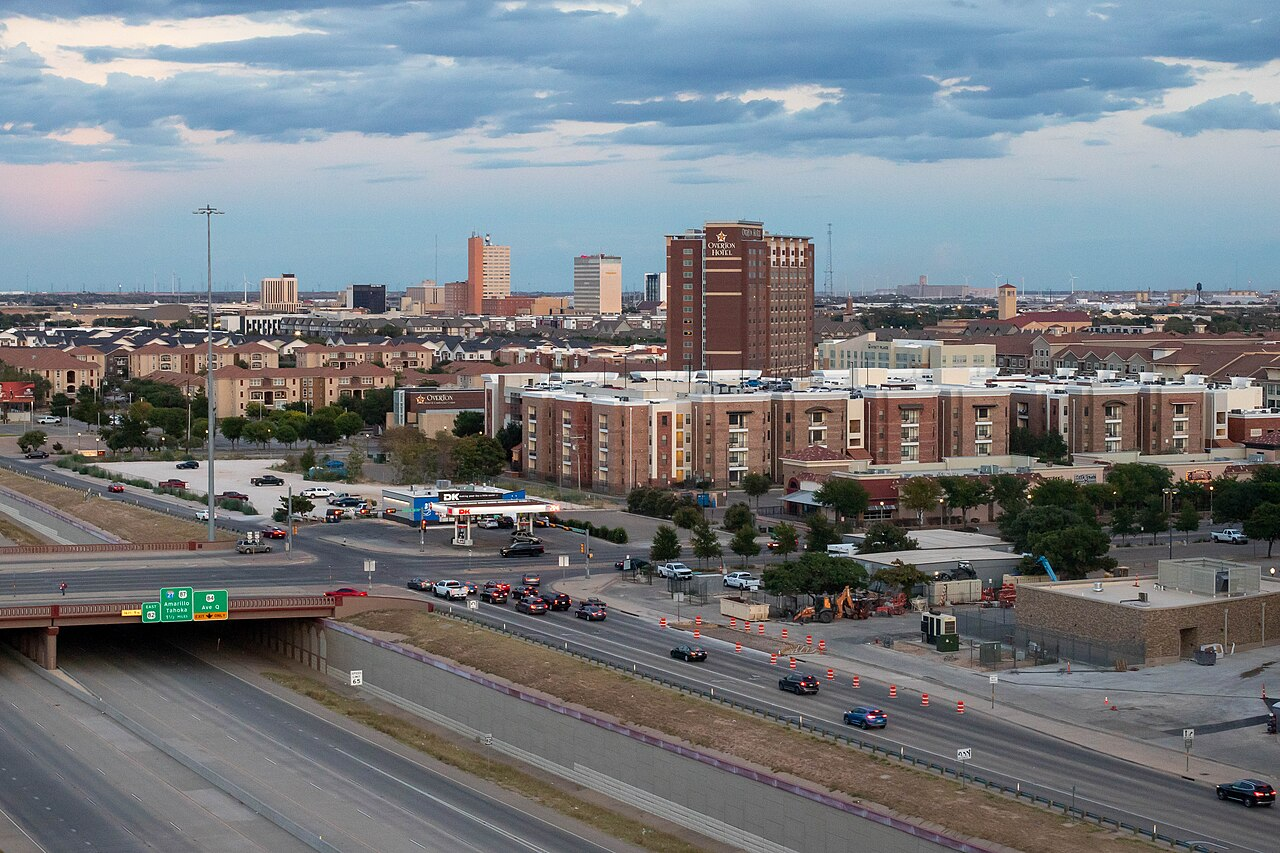
Lubbock is the controversial entry on the Travel + Leisure list. The city, located in the Texas Panhandle and home to Texas Tech University, ranked seventh on the analysis primarily because of its very low social-media visibility despite reasonable Niche.com liveability scores. The Buddy Holly Center honors Lubbock’s most famous native son. The Texas Tech campus is large and well-maintained. The downtown has undergone modest revitalization since 2018. The objection from travel writers, prominently expressed in Conde Nast Traveler’s response coverage, is that Lubbock is genuinely under-promoted because the underlying tourist experience does not justify a trip from outside Texas — that the methodology’s inverse-visibility weighting produces a false positive for Lubbock. The defense is that Lubbock surprises visitors who actually go, and that the city’s lower social-media visibility tracks a genuinely under-recognized destination rather than an over-rated one. The debate has continued in travel media coverage through April and May 2026.
What the Pattern Reveals
The seven cities on the Travel + Leisure underrated list share a specific structural pattern. Each has population between approximately 70,000 and 285,000 — large enough to support a substantial downtown and tourist infrastructure but small enough to remain navigable by foot or short drives. Each has experienced meaningful downtown revitalization since approximately 2010. Each has a defensible natural or cultural anchor (Falls Park, Lake Mendota, the Smokies, Lake Superior, Mobile Bay, the Sawtooth Mountains, the Buddy Holly Center). And each has substantially lower Instagram and TikTok geotag volume than the cities they have begun to compete with — Charleston for Greenville, Chicago for Madison, Nashville for Knoxville, Chicago for Duluth, New Orleans for Mobile, Salt Lake City for Boise, and various other Texas cities for Lubbock.
The Lubbock dispute is real, but the broader list is defensible. The American travel landscape contains dozens of mid-size cities that offer substantial visitor experiences without the crowding or social-media saturation of the famous destinations. The seven cities on the 2026 list are a useful starting point for travelers seeking less-hyped American urban experiences. Whether Lubbock genuinely belongs on the list will be debated through the rest of the year. The other six entries are essentially uncontested.