

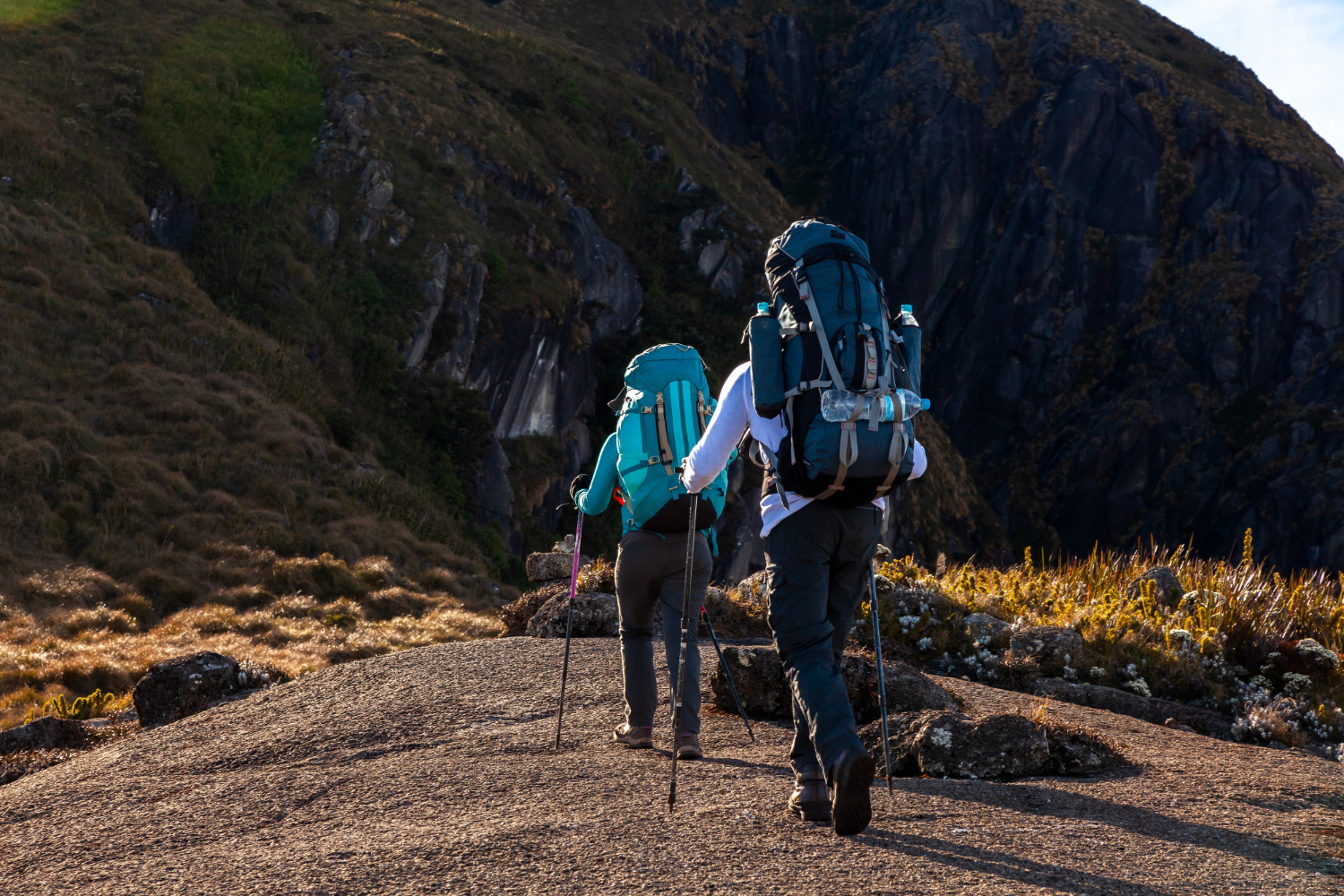
Many hikers assume that if they hold a valid carry permit, they can legally bring a firearm anywhere on the trail. The reality is far messier. Whether you can carry while hiking depends on two overlapping factors: the state you’re in and which agency manages the specific patch of land beneath your boots. A permit that’s perfectly valid on one trail can leave you breaking federal law a few miles away on a different type of public land. This guide walks through where carry is commonly restricted, and why a “technically illegal” trap can catch even careful, law-abiding gun owners. Treat all of it as a starting point for your own research, not a final answer.
The 2010 Rule That Tied Parks to State Law
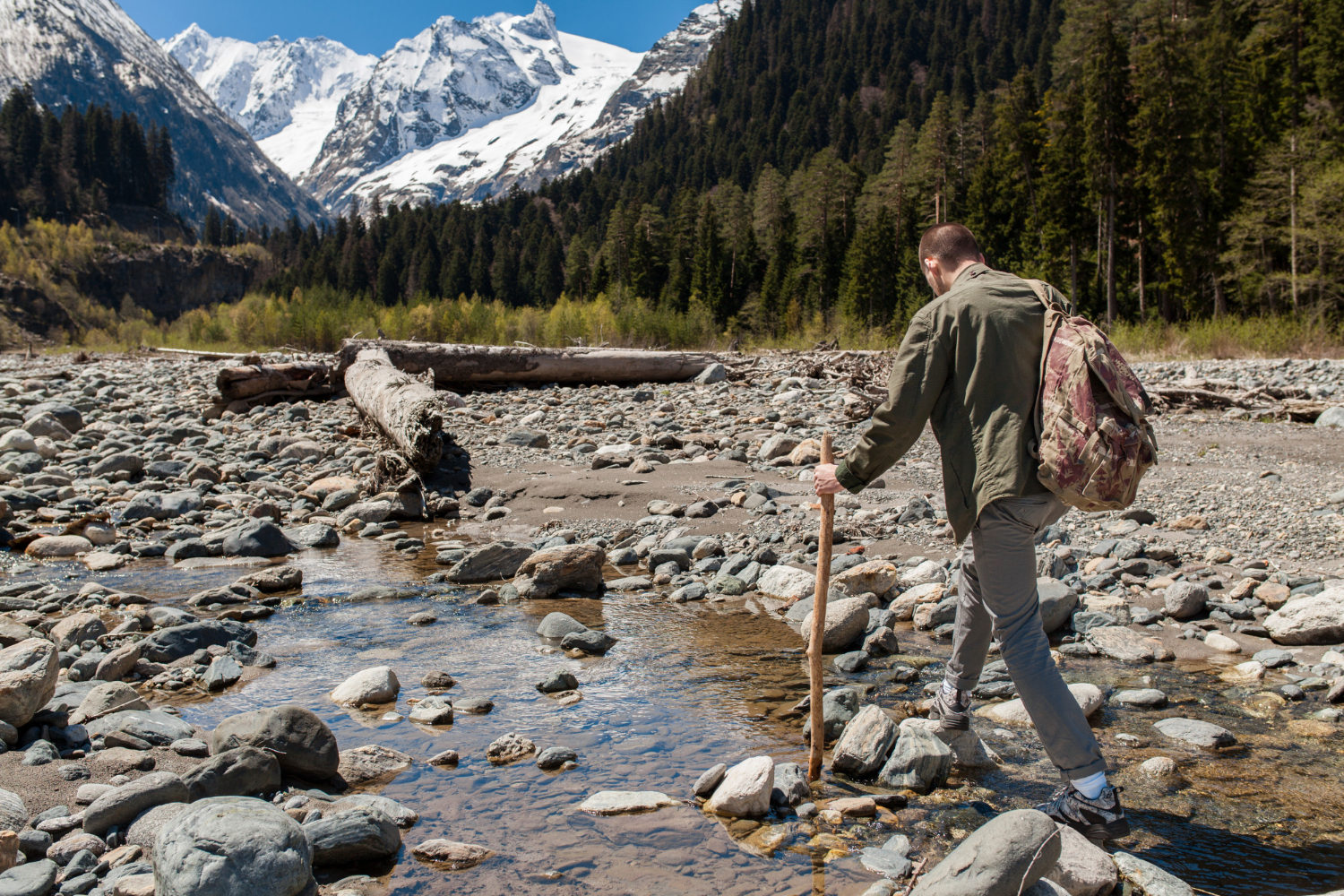
The key federal change came in 2010. Before then, firearms in national parks had to be unloaded, cased, and essentially inaccessible. A law that took effect that February changed everything: carrying in a national park is now governed by the law of the state the park sits in. If your permit is valid in that state, or the state allows permitless carry, you can generally carry on most national park land. That sounds simple, but it’s the root of the confusion, because it means the rules shift the instant you cross a state line, even within a single park.
Like our content? Follow us for more.
National Parks: Whatever the State Says
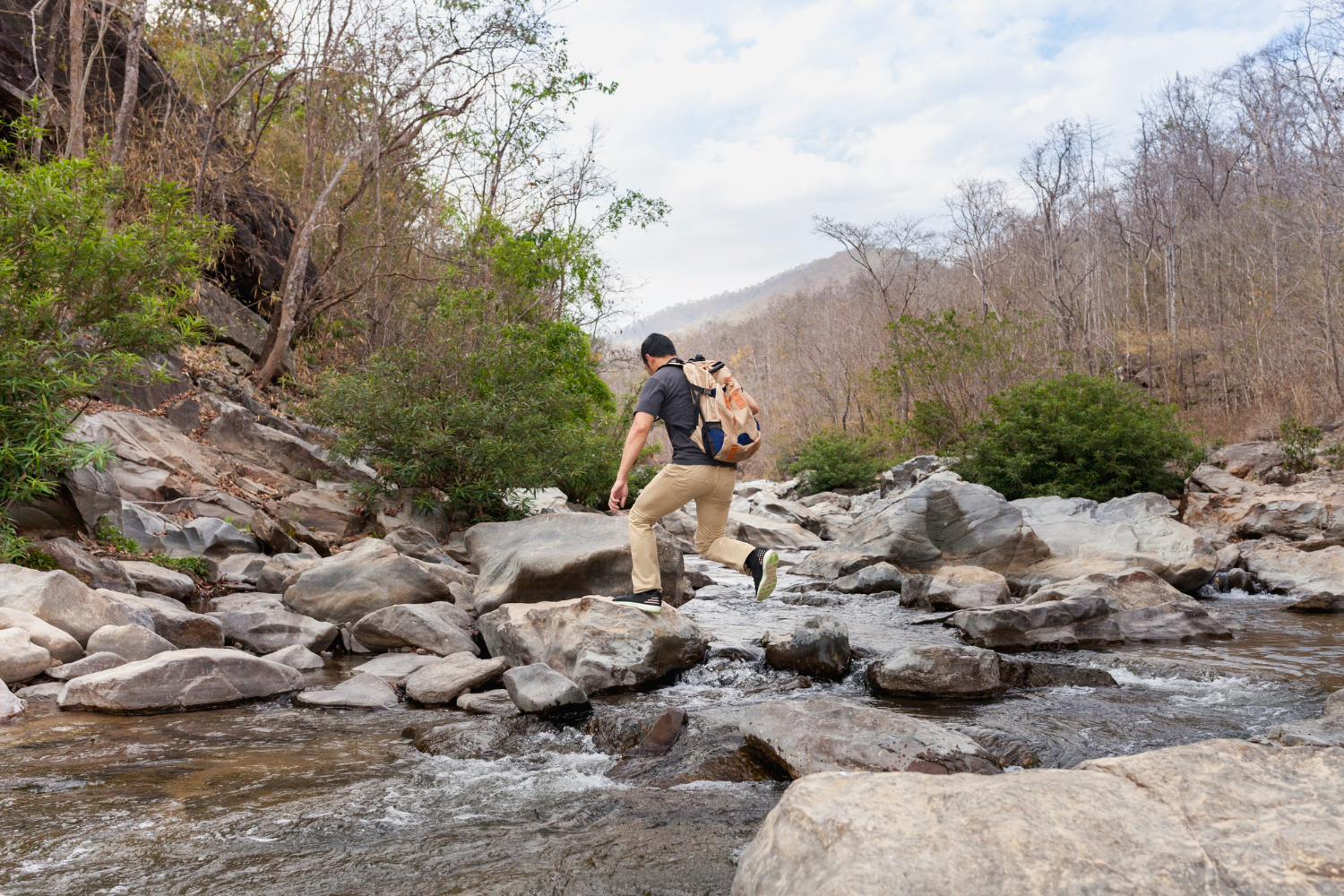
Because national parks defer to state law, your rights change with geography. In a permissive state, you can carry on park trails much as you could on a public street there. In a restrictive state, those same restrictions follow you into the park. Yellowstone is the classic example: it spans Wyoming, Montana, and Idaho, each with slightly different carry and reciprocity rules, so your legal status can change depending on which corner of the park you’re in. Two rules apply everywhere, though: firearms are banned inside federal buildings like visitor centers and ranger stations, and discharging a weapon is prohibited except in genuine self-defense.
The Big Trap: Army Corps of Engineers Land
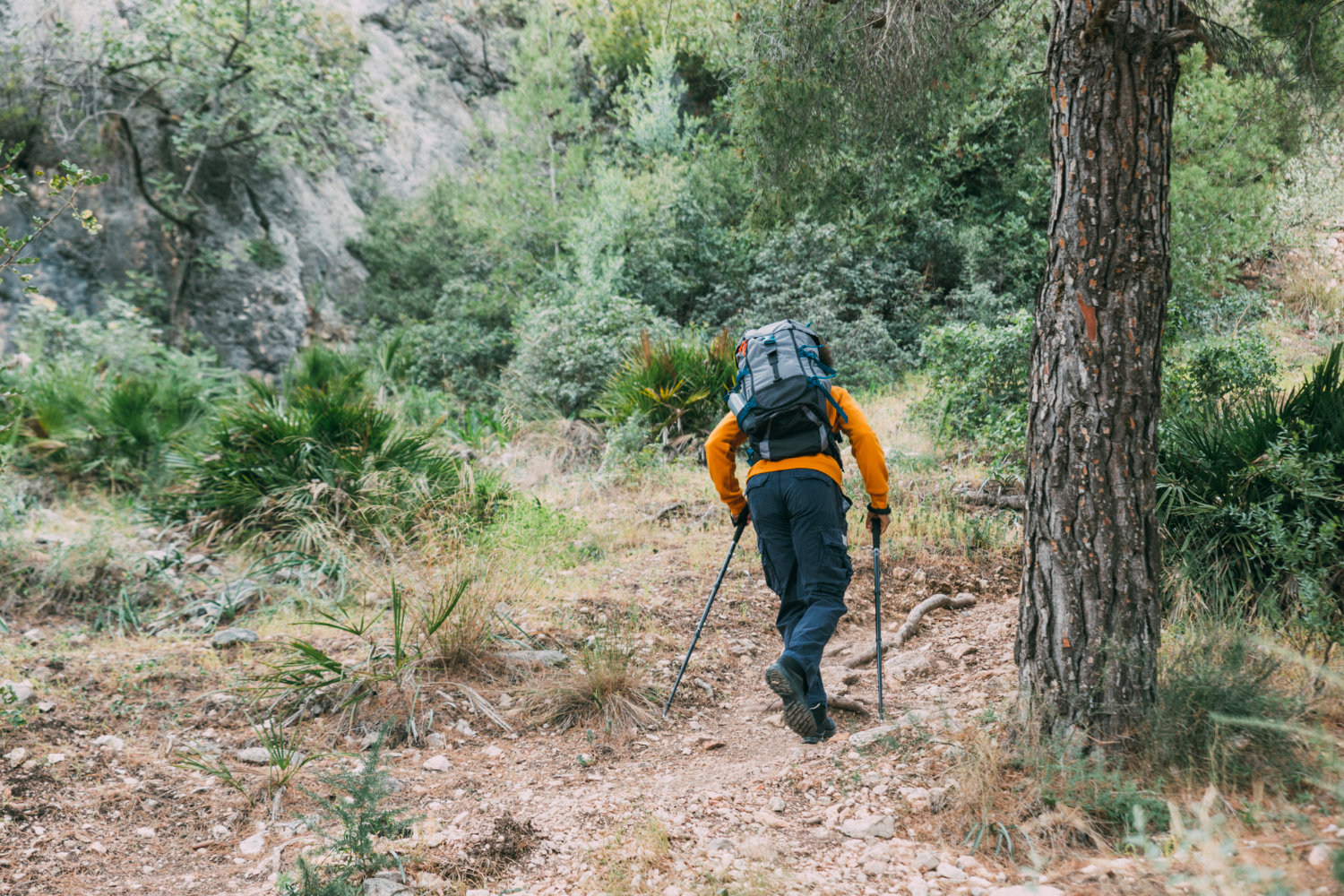
Here’s the restriction that catches the most people. Land managed by the U.S. Army Corps of Engineers — which includes a huge number of popular lakes, reservoirs, campgrounds, and the trails around them — does not defer to state law the way national parks do. Long-standing federal regulations there have generally prohibited carrying loaded, accessible firearms, even for people with a valid state permit that would let them carry in a national park a few miles away. This is the textbook “technically illegal” scenario: a law-abiding hiker at a Corps reservoir can be breaking federal rules without realizing it. If you hike around Corps-managed water, check the current regulations carefully.
National Forests and BLM Land
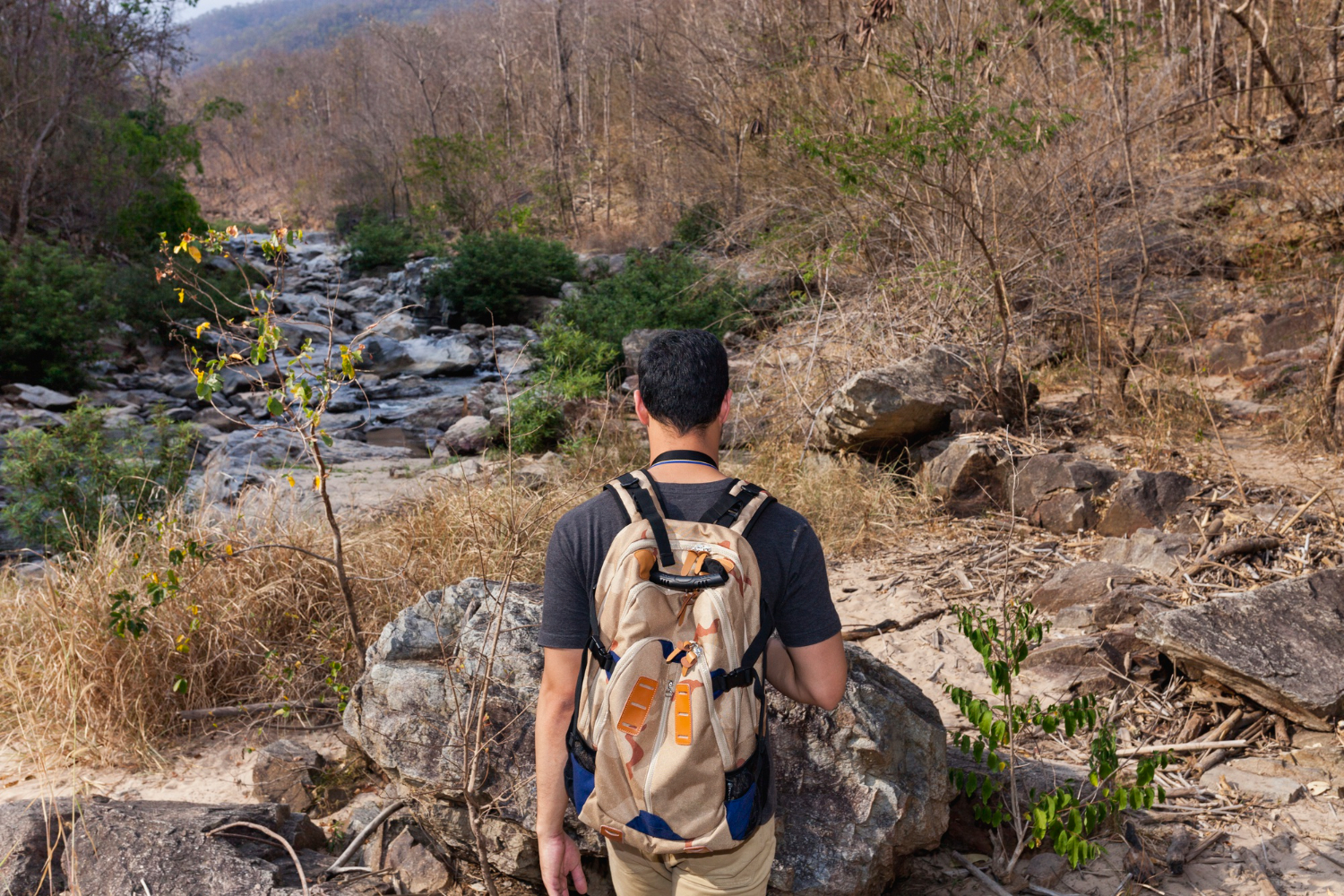
National forests, managed by the U.S. Forest Service, and the vast holdings of the Bureau of Land Management generally follow the law of the state they’re in, similar to national parks. If you can legally carry in that state, you can usually carry while hiking these lands. Discharge rules still apply, though: in national forests, shooting is typically prohibited within 150 yards of developed areas, residences, or campsites, and across roads or bodies of water. These lands cover enormous stretches of Western hiking country, so knowing the state’s carry law is the main requirement, with common-sense shooting restrictions layered on top.
National Wildlife Refuges
Wildlife refuges occupy a middle ground. Federal regulations allow concealed carry of a loaded firearm in accordance with the law of the state where the refuge is located, much like national parks. Outside that concealed-carry provision, however, firearms on refuges are otherwise tightly limited to authorized hunting under refuge-specific rules and to unloaded, cased transport in vehicles along designated routes. The practical effect: if your state allows concealed carry, you can usually hike a refuge armed, but open carry is often restricted even where the state generally permits it. As always, the refuge’s own rules can add conditions.
State Parks and the Stricter States
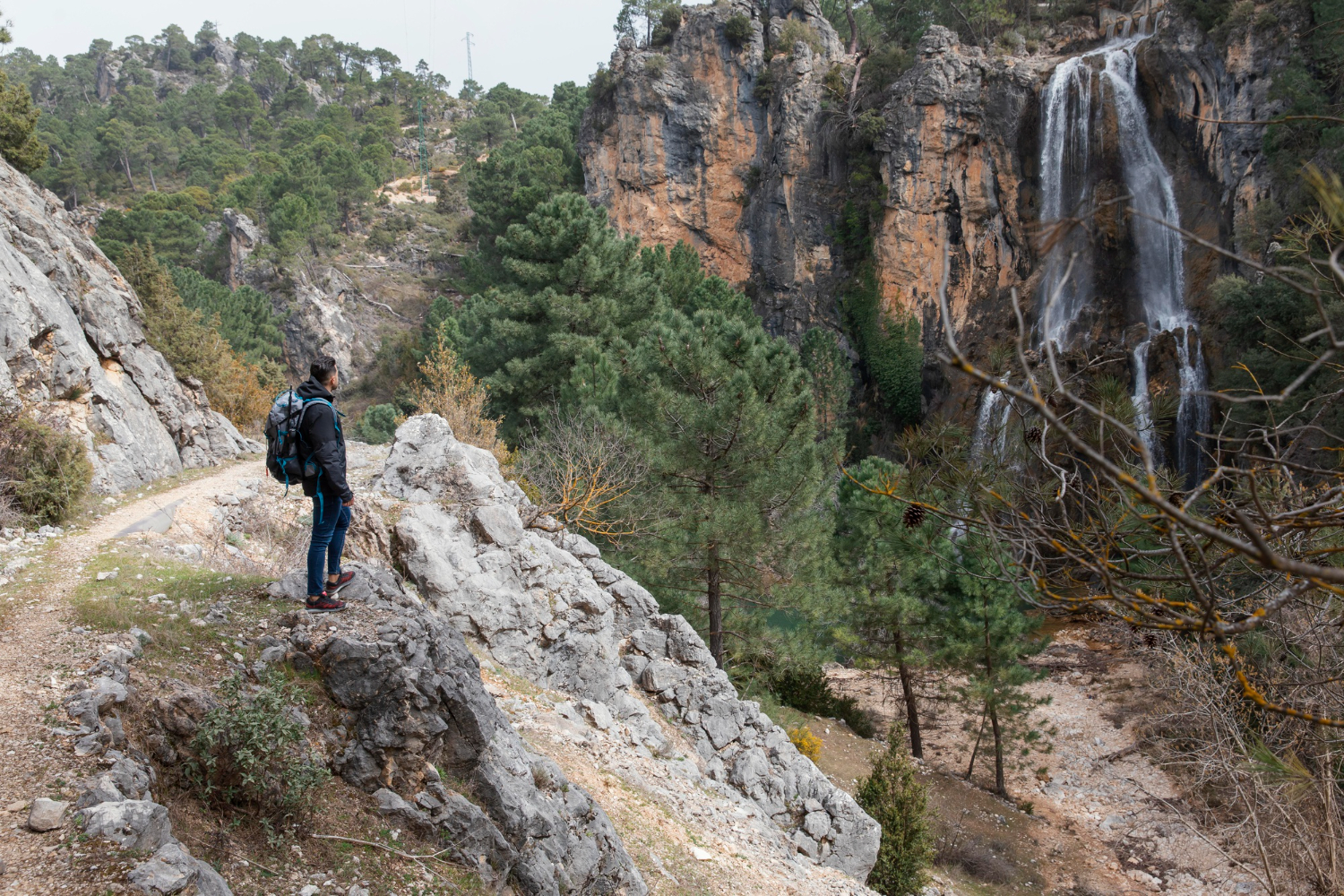
State parks follow state law, and that’s where the biggest variation lives. As of recent years, more than half of U.S. states allow some form of permitless carry, and in most of those, the right extends to state parks. But a number of states with stricter firearm laws — places like California, New York, New Jersey, Massachusetts, Maryland, Illinois, Connecticut, and Hawaii — impose tougher permit requirements, and some restrict or effectively prohibit carry in state parks or on certain public lands. If you’re hiking in one of these states without a permit they recognize, carrying on the trail may simply be illegal. These are the states where trail carry is hardest, and where verifying the rules matters most.
Permits and Reciprocity Traps
Even a valid permit can fail you across state lines. States vary widely in whether they honor permits issued elsewhere, a concept called reciprocity. Your home-state permit might be recognized in the state you’re hiking in, or it might be worthless there, turning legal carry into illegal carry the moment you cross the border. This is especially treacherous on long-distance trails and road trips that pass through multiple states. Before any multi-state hiking trip, map out exactly which states recognize your permit and which don’t, and adjust accordingly. Assuming your permit travels with you is one of the most common and costly mistakes.
Open Carry Versus Concealed
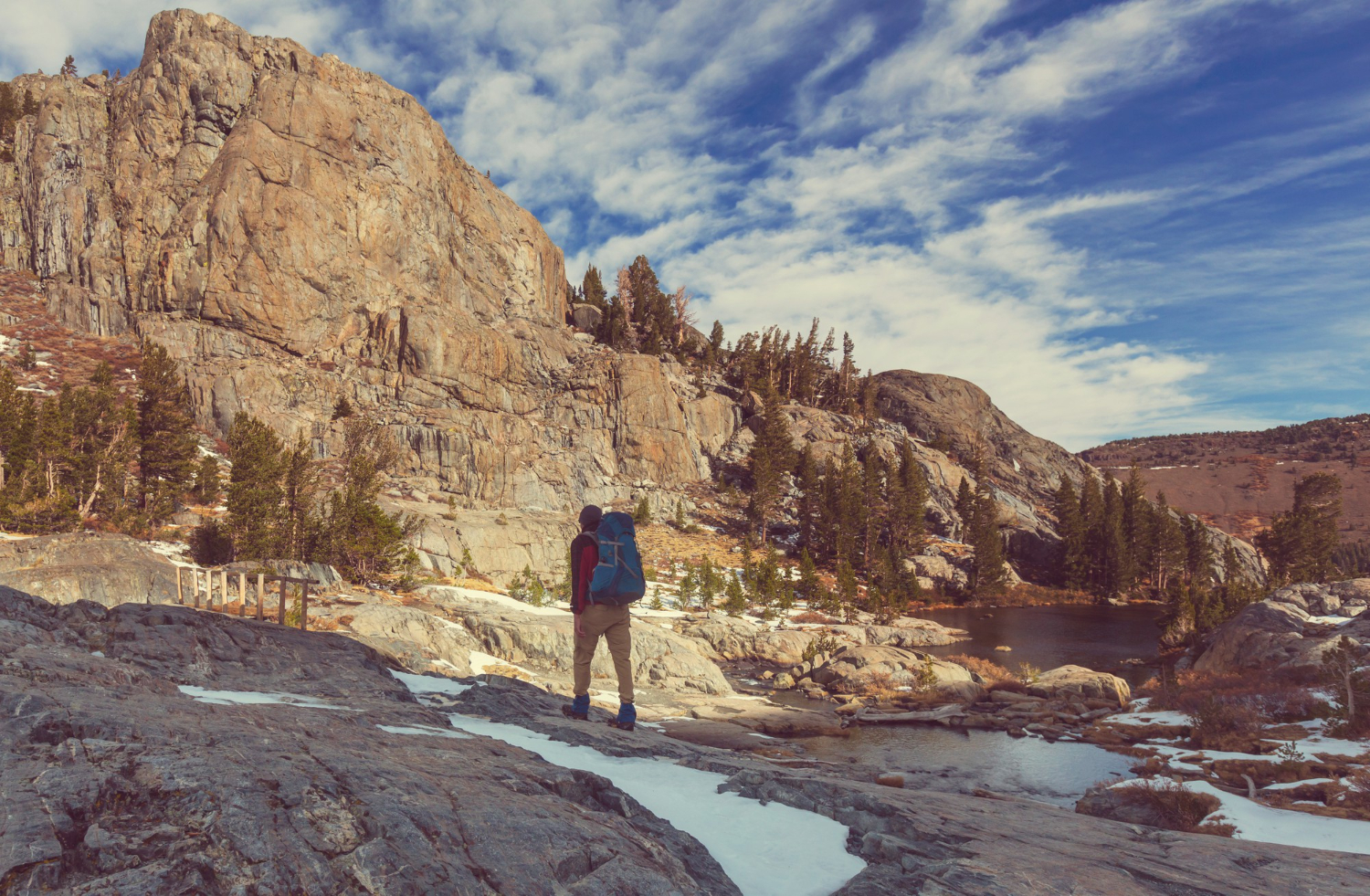
The two forms of carry are treated differently on public lands. In national parks, open carry is effectively barred because target shooting is prohibited, so the lawful option is generally concealed carry where the state permits it. Some states allow open carry broadly but still restrict it on specific lands or near developed areas. The distinction matters because a hiker openly carrying in a spot where only concealed carry is allowed can run afoul of the rules even in an otherwise permissive state. Knowing whether your state and the land type allow open carry, concealed carry, or both is part of doing the homework.
Other Restrictions Worth Knowing
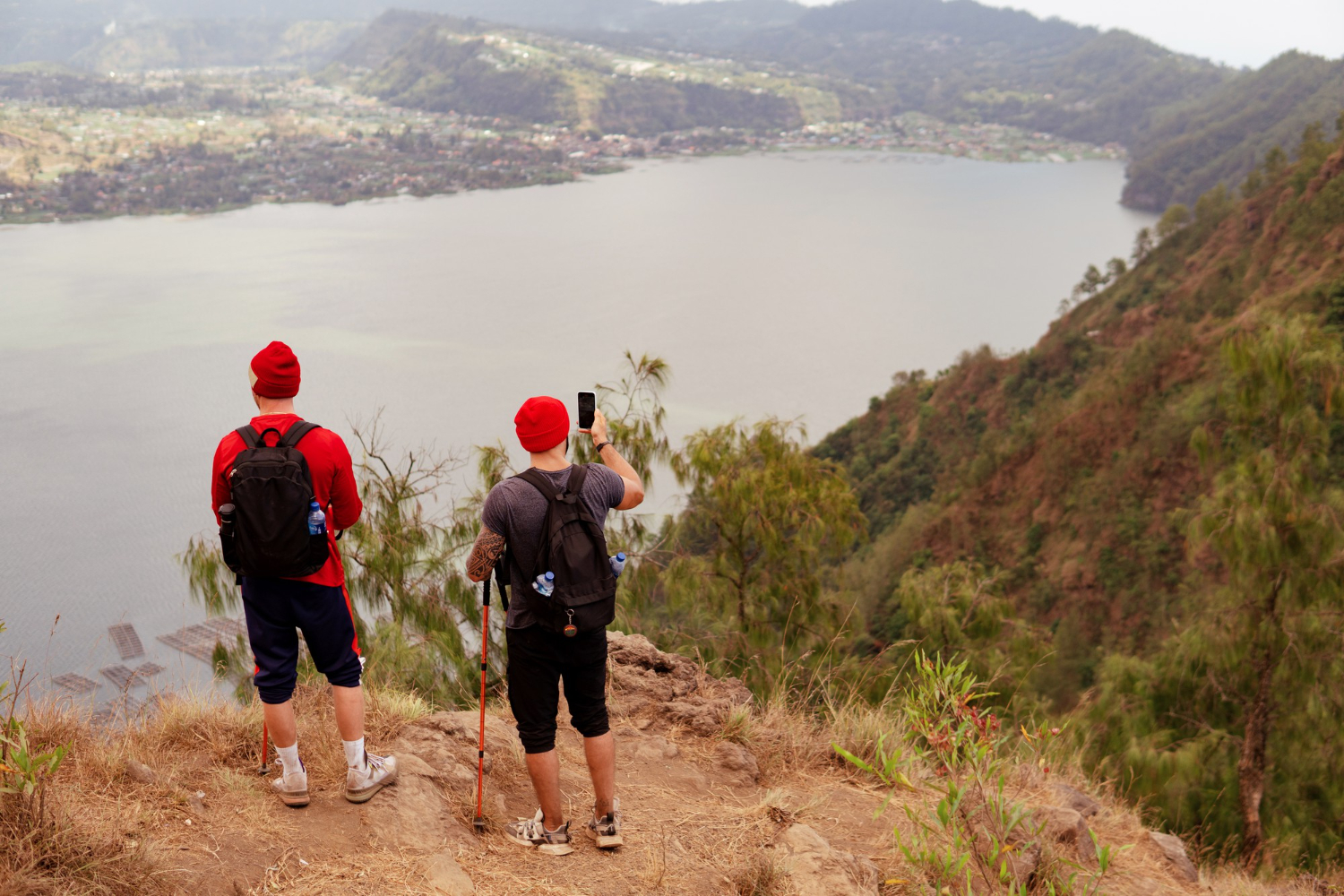
A few additional rules trip people up. Firearms are always prohibited in federal buildings — visitor centers, ranger stations, government offices — regardless of any permit. Some states impose equipment limits that carry onto the trail; in California state and national park land, for example, magazine-capacity limits apply. Eligibility rules never go away either: a felony conviction, certain restraining orders, or other prohibiting factors make carry illegal everywhere, even in permitless-carry states. And vehicle storage at trailheads has its own rules, with a secured lockbox the safest option. The restrictions stack, so legal carry in one respect doesn’t guarantee it in another.
The Bottom Line: Research Before You Go
The honest summary is that there’s no nationwide answer to “can I carry while hiking.” It depends on the state and on which agency manages the land, and the two can conflict in ways that surprise even experienced gun owners — the Army Corps reservoir being the prime example. The safest approach is to treat every trip like crossing a legal boundary: identify the managing agency for each trail, check that state’s current carry and reciprocity laws, confirm your permit is recognized, and verify any land-specific restrictions. Laws change often, so last year’s information may be wrong. This guide is a map of where the pitfalls are, not legal advice, and when anything is unclear, the responsible move is to leave the firearm at home.
Like our content? Follow us for more.


