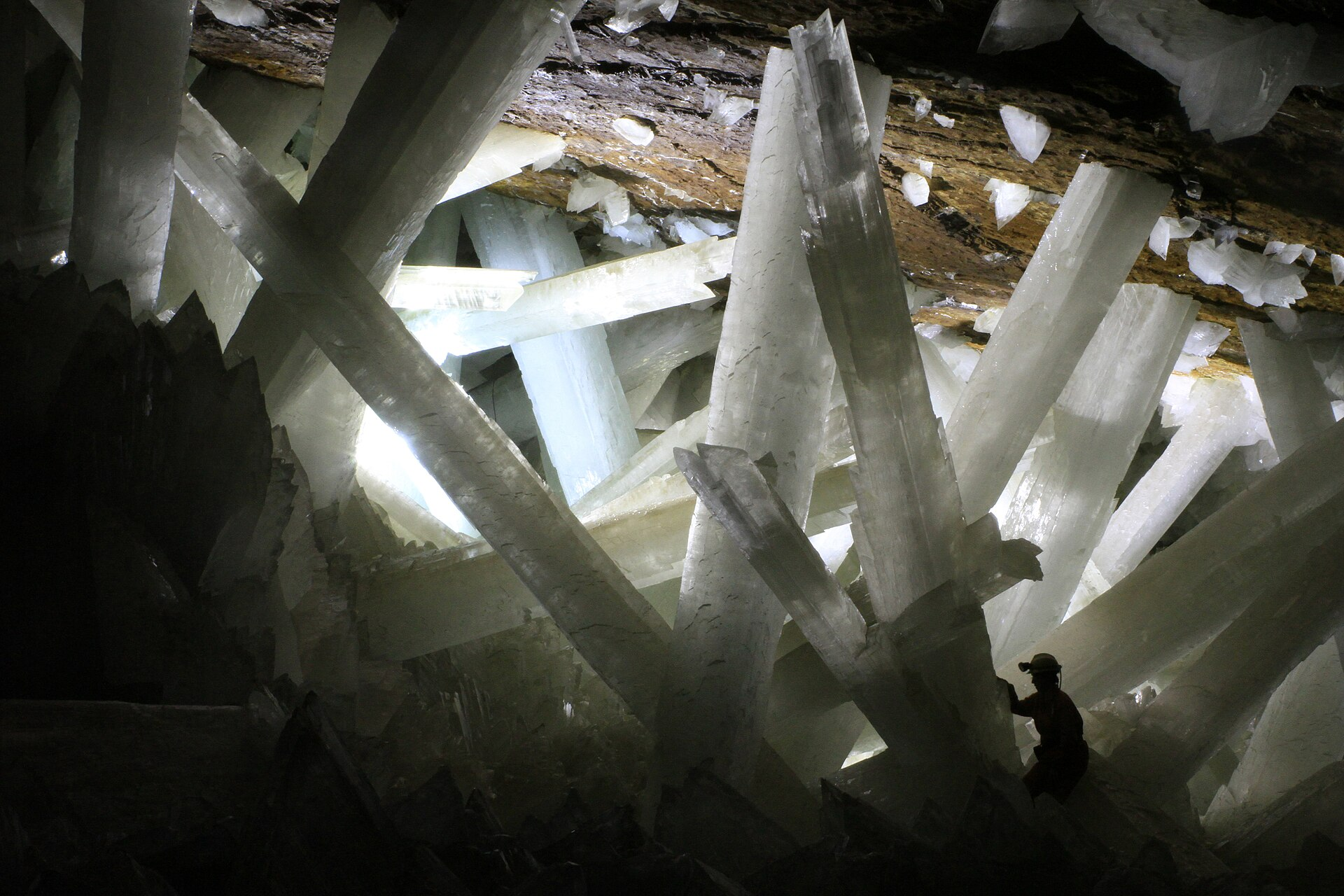
The Naica mine in the Mexican state of Chihuahua has been producing lead, zinc, and silver for well over a century. It is a working industrial site, and the work involves pumping out groundwater to keep the tunnels dry.
In April 2000, two brothers working there were drilling an exploration tunnel roughly 300 metres below the surface when the drill punched through into empty space. The air that came back through the hole was wrong: far too hot, saturated with moisture, smelling of stone and sulphur.
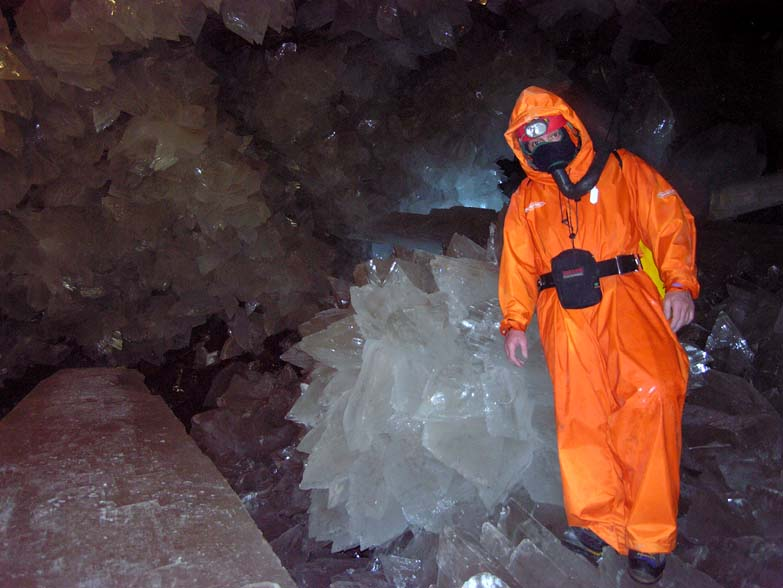
What they had opened was a chamber about 109 metres long, and inside it were crystals on a scale that had never been documented anywhere. Translucent beams of selenite, a clear form of gypsum, crossing the space at angles, the largest measuring around 11 metres in length and weighing an estimated 55 tons. Photographs from inside show people standing at the base of individual crystals like figures at the foot of fallen columns.
It was named the Cueva de los Cristales, the Cave of Crystals, and it is simultaneously one of the most spectacular geological discoveries ever made and one of the least visitable places on the planet. Here is the story of how it formed, why almost nobody has been inside, and why it is now sealed underwater again.
Why the Crystals Got So Big
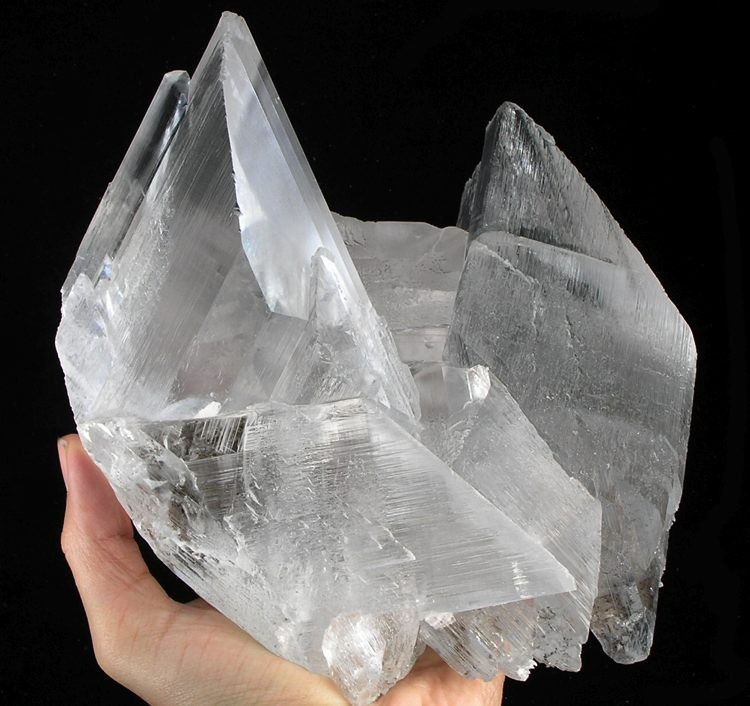
The obvious question about the Naica crystals is how they reached such an extraordinary size, and the answer is the opposite of what intuition suggests. It was not rapid growth. It was extreme slowness combined with extreme stability.
The chamber sits above a magma body, which kept the water filling it at a remarkably constant temperature of around 58 degrees Celsius. That number turns out to be the key to the entire phenomenon. It sits very close to the point at which anhydrite, a mineral dissolved in the water, becomes unstable and converts to gypsum. Held right at that threshold for an enormous span of time, the water slowly and continuously delivered material for gypsum crystals to grow, without the temperature swings that would normally interrupt the process or trigger the formation of many small crystals instead of a few enormous ones.
The growth rate that resulted is difficult to picture: on the order of a millimetre per century. The crystals are estimated to have been growing for hundreds of thousands of years, entirely submerged in mineral-rich water, undisturbed, in total darkness. Everything about the chamber’s size is a product of how long nothing happened to it.
Like our content? Follow us for more.
The Accident That Revealed It, and Started a Clock
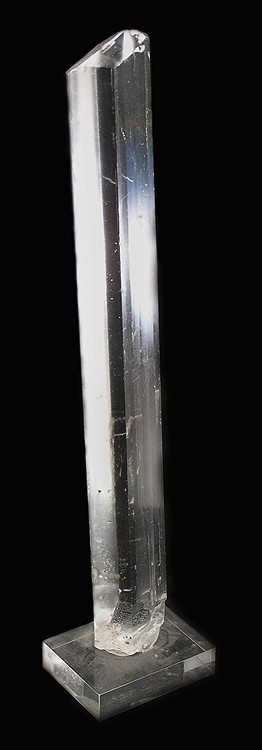
Here is the irony at the centre of the story: the only reason anyone saw the crystals is the same reason they were in danger.
Industrial pumping to keep the mine workable lowered the water table through the 1980s and 1990s and eventually drained the chamber, exposing the crystals to air for the first time in their existence. That is what made the discovery possible when the drill broke through in 2000.
But the crystals had formed in water and were stable in water. Exposed to air, they became vulnerable to degradation, and the drainage effectively started a countdown. The window for human access to the cave was created by the same process that threatened what was inside it.
The Hardest Place on Earth to Work
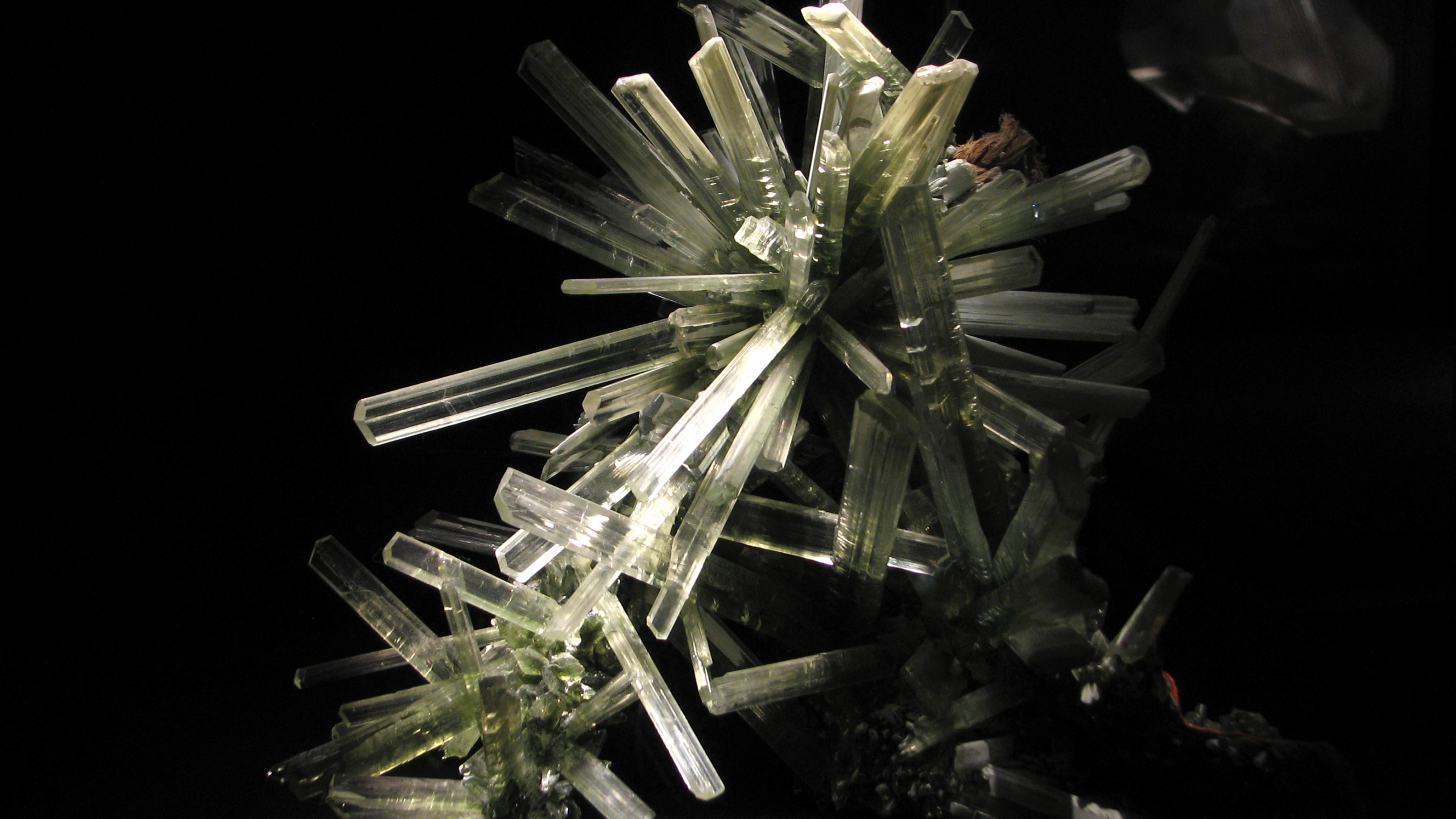
The conditions inside are what made Naica famous beyond geology, and they are worth explaining precisely, because the usual shorthand misses the actual mechanism.
When the cave was drained, the air inside sat at around 58 degrees Celsius, about 136 Fahrenheit, with relative humidity between roughly 90 and 99 percent. The temperature alone is survivable; comparable heat has been recorded in desert environments. What makes Naica’s combination so severe is the humidity, and the concept that connects them is wet-bulb temperature.
The human body sheds heat primarily by evaporating sweat. When the surrounding air is already nearly saturated with moisture, evaporation slows dramatically or stops, and the body loses its main cooling mechanism regardless of how much it sweats. In the Cave of Crystals, an unprotected person cannot shed heat, and body temperature climbs quickly. This is why the environment is described as being at the edge of human tolerance rather than simply “very hot.”
Researchers who worked inside did so in specially engineered ice-cooled suits with self-contained breathing systems, and even then were limited to sessions of roughly ten to thirty minutes at a time. Photographers faced their own problems: lenses fogged within seconds, condensation was relentless, batteries drained fast, and electronics could be permanently damaged. The images that exist of the chamber represent multiple expeditions and a great deal of specialized equipment.
The cave was never open to the public. Access was restricted to authorized personnel throughout.
Not the Only Chamber
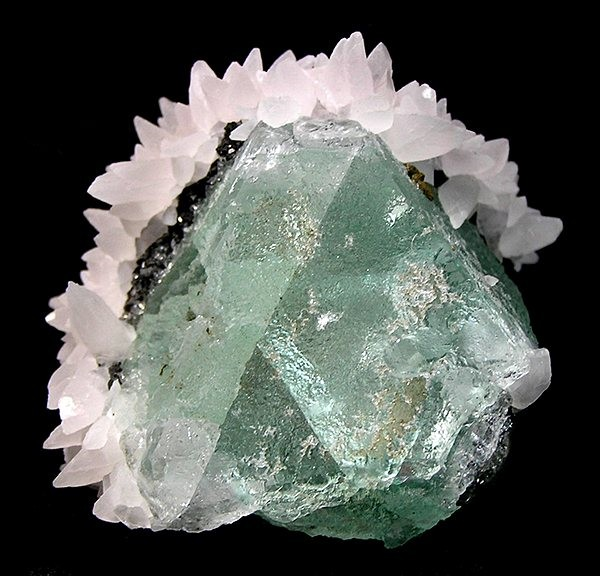
The Cave of Crystals is the famous one, but it is not the only crystal-bearing chamber in the Naica system, and the comparison between them is what makes the science legible.
Other chambers had been encountered at shallower depths in the same mine decades earlier, containing selenite crystals that were impressive by any normal standard but far smaller. The difference between those chambers and the main one comes down almost entirely to depth and temperature: the shallower spaces sat further from the magma body, at lower and less stable temperatures, and produced smaller crystals as a result.
That contrast is effectively a natural experiment. It demonstrates that the giant crystals were not the product of unusual chemistry or a rare mineral, since the material is ordinary gypsum found worldwide. They are the product of a temperature held almost perfectly steady, for an almost unimaginable length of time, at precisely the value where gypsum growth proceeds slowly and continuously. Change the temperature by a modest amount and you get an ordinary crystal cave instead of the largest crystals on Earth.
What Scientists Managed to Learn
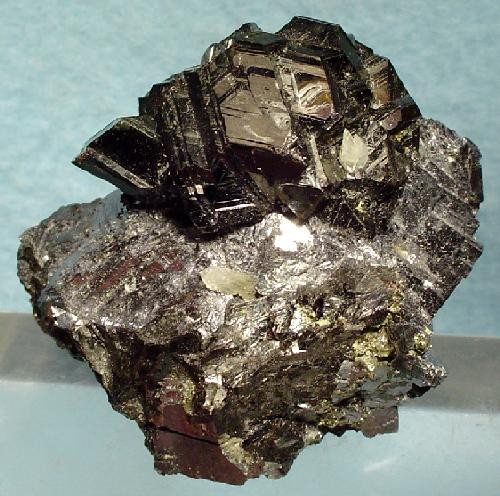
The narrow window between 2000 and the mid-2010s produced a substantial body of research, because the chamber offered something rare: a natural laboratory that had been sealed and stable for hundreds of thousands of years.
Geologists worked out the mechanism of crystal growth in detail, using the site to understand how mineral-rich water at a stable temperature above a magma body produces giant crystals, and what that reveals about processes in the Earth’s crust. The extreme conditions also drew interest from researchers studying life in hostile environments, with attention to microorganisms found in the fluid inclusions trapped within the crystals themselves, a line of work relevant to questions about the limits of habitability.
The documentation effort was itself notable. Because everyone involved understood the access window was temporary, there was an emphasis on measuring and recording as thoroughly as the conditions allowed, which is not always how field science proceeds.
Sealed Again
Mining operations at Naica were suspended and the pumps were switched off in October 2015. Groundwater began returning to the lower levels of the mine, and the crystal chamber has since re-flooded.
That sounds like a loss, and in terms of human access it is: the cave is now inaccessible, and there is no indication that will change. But for the crystals it is almost certainly the best outcome available. Re-flooding halted the deterioration that exposure to air had begun and restored the chemical and thermal conditions in which the gypsum formed in the first place. The crystals are, by most accounts, growing again, at their original glacial pace, in the same hot mineral water that made them.
There is a caveat worth stating honestly. Restoration is not guaranteed to be perfect. If the chemistry or temperature of the returning water differs from the original conditions, the outcome may not exactly reproduce what was there before. But the broad picture is that the chamber has gone back to the state it was in for hundreds of thousands of years before a drill bit interrupted it.
A Wonder Almost Nobody Saw
The Cave of Crystals occupies an unusual place among natural wonders. Most famous landscapes are famous partly because people go to them. Naica was seen in person by a very small number of scientists, photographers, and mine workers over about fifteen years, and it is now shut.
What remains is documentation: photographs, measurements, samples, and research papers. That is a strange kind of legacy for the largest crystals ever found, and it makes the chamber feel less like a destination than like something briefly glimpsed.
There is a neat symmetry in how the whole episode played out. The cave existed for hundreds of thousands of years without anyone knowing. An industrial operation with no interest in geology accidentally revealed it, gave science a narrow window, and threatened it in the process. Then the same operation stopped, the water came back, and the chamber returned to darkness to carry on doing what it had been doing all along.
Somewhere under a mountain in Chihuahua, in hot mineral water in total darkness, those beams are getting fractionally longer, a millimetre or so every hundred years, with nobody watching.
Like our content? Follow us for more.