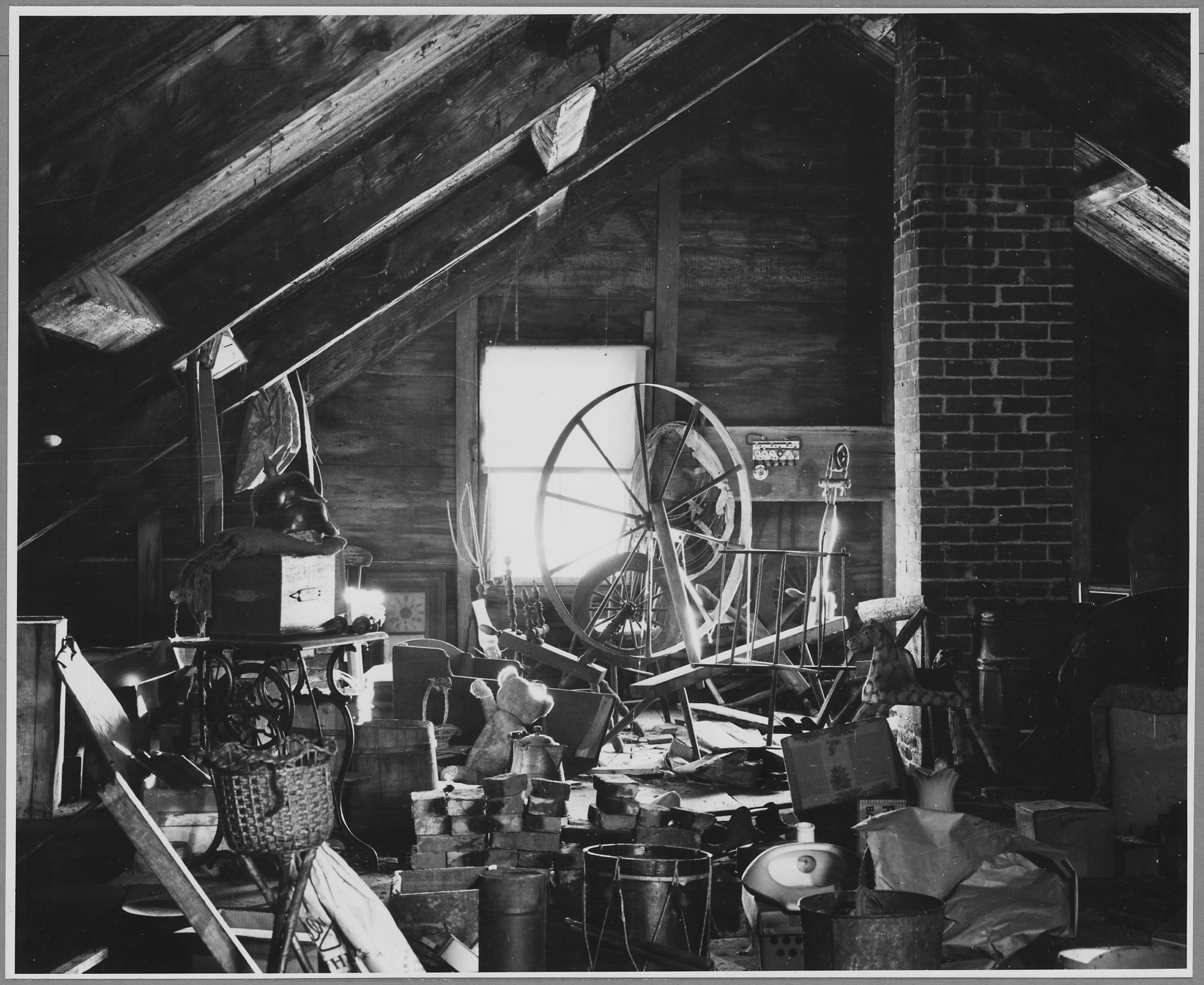
In 1964 the space under the roof was a room a child could get into, and the heat up there was not the heat downstairs by a matter of degree – it was a separate climate, reached by the worst stairway in the building. The contents had not been stored so much as deferred: objects nobody would use and nobody would throw away, in no order whatever, accumulating into the most honest record a family kept. Here are sixteen things every kid remembers about the attic in summer 1964, and why no house allows any of it anymore.
1. The Heat Up There Was Nothing Like the Heat Downstairs
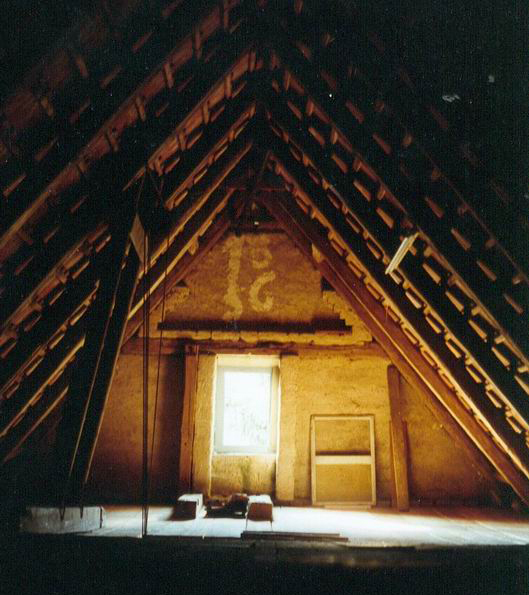
A space directly under a roof with no insulation and no moving air reaches a temperature the rest of the house never approaches.
The difference was physical rather than a matter of degree. A roof absorbs the whole day’s load and radiates it inwards, and a sealed space immediately beneath it holds that heat with nothing to carry it away.
Children registered it as a separate climate. Going up those stairs in July meant passing through a boundary, and the first breath at the top was the thing that made the place memorable decades later.
Like our content? Follow us for more.
2. Getting Up There Was Deliberately Awkward
A folding ladder, a hatch, a narrow flight behind a door – the access was always the worst stairway in the building.
The difficulty was a design decision rather than an oversight. A space used twice a year does not justify a proper staircase, so households accepted an access route that was uncomfortable for adults and genuinely risky for anybody carrying anything.
That made it a place children went alone. An adult had to want something badly to make the climb, which meant a child who went up for no reason at all was almost certainly unaccompanied.
3. Everything Up There Had Been Put Away Rather Than Thrown Out
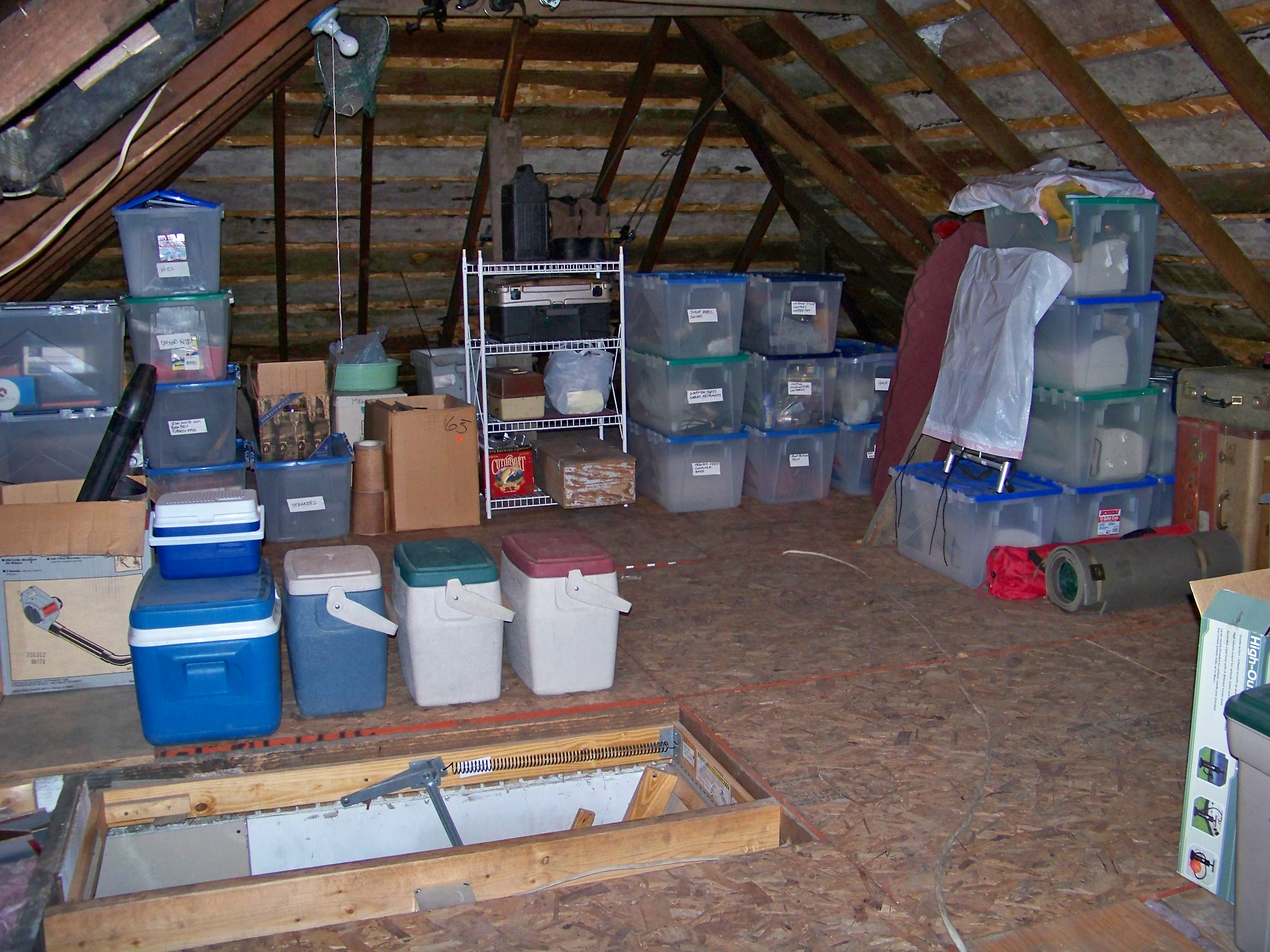
The contents were not stored so much as deferred – objects nobody would use and nobody would discard.
The function was psychological as much as practical. A household with no attic has to make a decision about every object, and a household with one can postpone that decision indefinitely, which is exactly what every household did.
The result was an unedited record. What accumulated was a layered account of a family’s purchases, mistakes, inheritances and abandoned intentions, in no order whatever, which is a more honest archive than anything deliberately kept.
4. The Smell Was Specific and Impossible to Describe
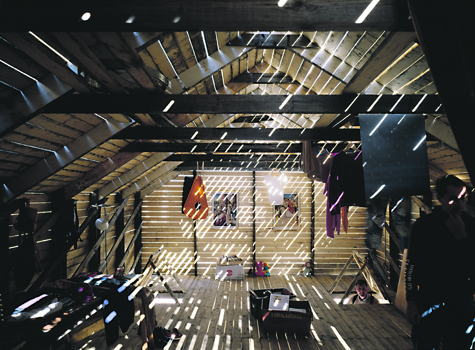
Hot timber, old paper, dust and whatever the roof was made of produced a single smell that every child recognised instantly.
The combination was a consequence of heat and enclosure. Materials release more of themselves when warm, and a sealed space concentrates whatever they release, which is why the smell was strongest in the afternoon and nearly absent in winter.
It is the detail that survives best. People who cannot remember a single object from these spaces can still describe the smell, which says something about which senses keep a record and which do not.
5. The Light Came From One Small Window at the Wrong End
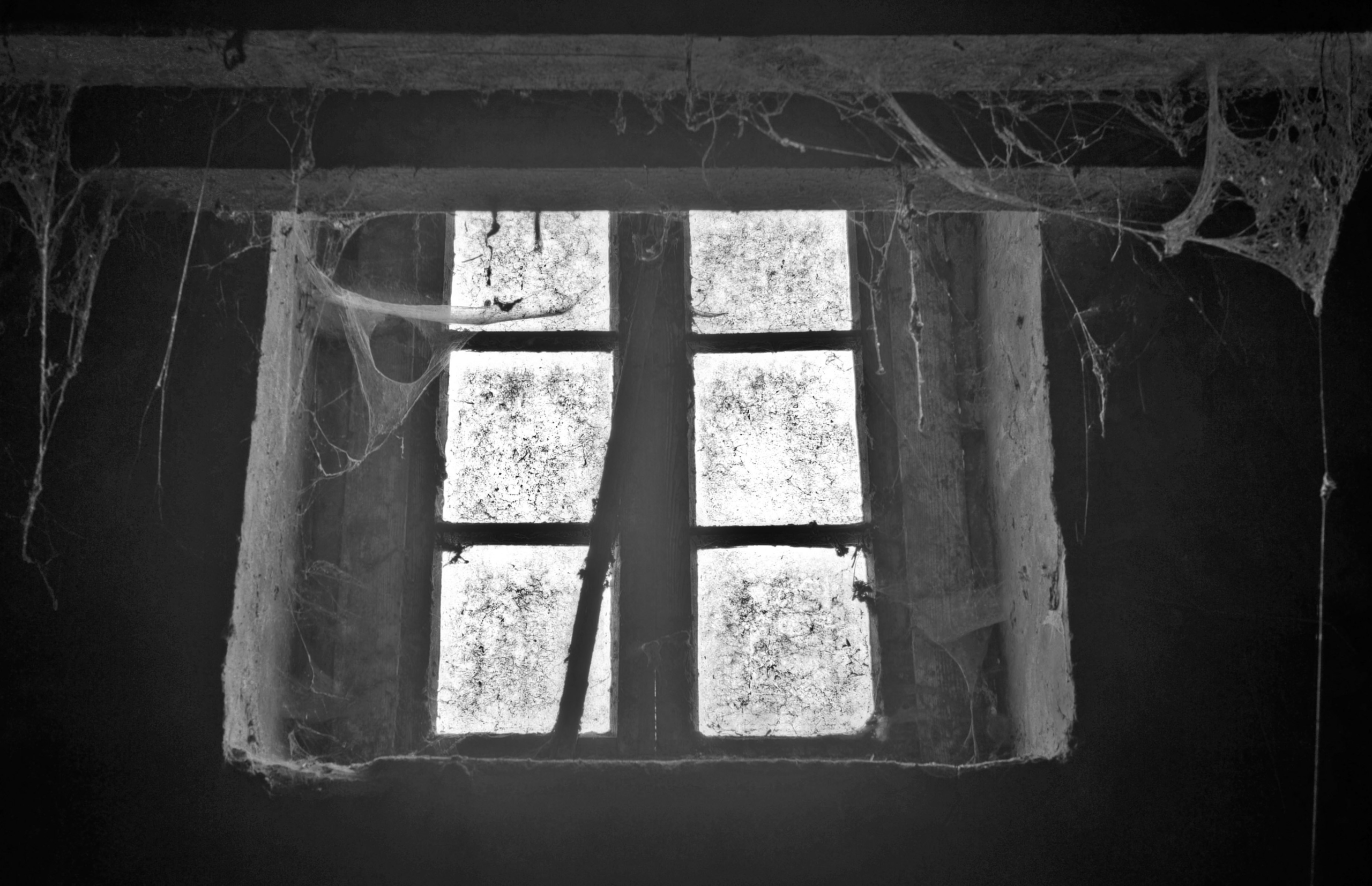
A single vent or gable window did all the illumination, which meant the whole space was arranged around one shaft of light.
The lighting determined how the place was used. Objects near the window could be examined and objects anywhere else could not, so a child’s exploration consisted of carrying things to the light and back again.
The dust made the light visible. A shaft through still air in a space nobody had disturbed for months shows every particle in it, which is why these rooms are remembered as having had a visible beam rather than simply being lit.
6. The Floor Was Not Really a Floor

Boards laid over joists, with gaps, with sections missing, over a ceiling that would not carry anybody’s weight.
The construction is the serious hazard in the whole subject and it is stated plainly. A partial floor over an unsupported ceiling is a genuine risk, children were up there unsupervised, and the standards of the period did not address this at all.
Everything about it has improved since. Nothing in this piece should be read as describing how anybody ought to use such a space or what any child ought to be allowed to do in one, and the reasons for present-day caution are not in dispute.
7. You Could Hear the Whole House From Up There
Sound travels upwards through a building and arrives in the attic with remarkable clarity and no indication of where it came from.
The acoustics were an accident of construction. Ducts, stairwells and uninsulated cavities all terminate near the top of a house, which means a space up there receives everything and locates nothing.
Children used it as an information position. A child in an attic could hear adults talking downstairs without being visible or suspected, which is the single most valuable property such a space had.
8. The Boxes Were Sealed and Opening Them Was Forbidden
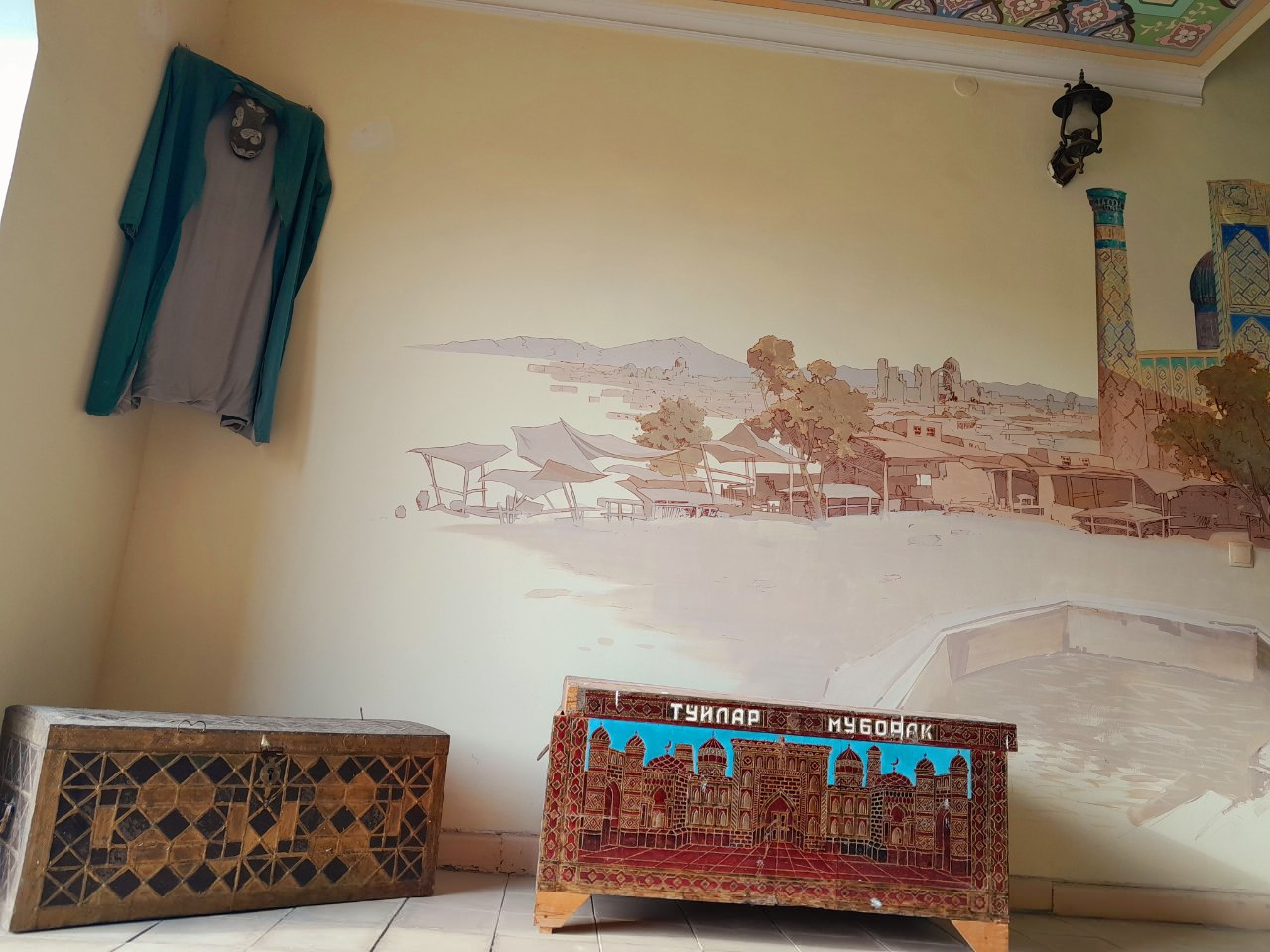
Most of the contents were in containers somebody had closed deliberately, which is precisely why children opened them.
The prohibition made the place interesting. A loft of exposed junk would have been exhausted in an afternoon, and a loft of sealed boxes offered an indefinite supply of things nobody had shown anybody.
What was inside was almost always disappointing. Papers, clothing nobody wanted, equipment for activities the household had given up, and a great deal of material whose only quality was that somebody had once decided not to throw it away.
9. Something Up There Belonged to Somebody Who Had Died
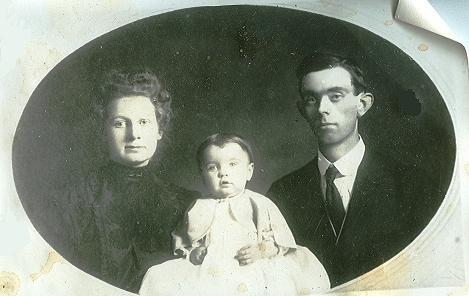
Every attic of any age contained the effects of a relative, which the household had neither sorted nor discarded.
The deferral was the point again. Dealing with such things requires a decision nobody wants to make, and a loft permits the decision to be postponed for a generation, which is how most of this material got there.
Children encountered it without context. A box of somebody’s belongings, found by a child who had never met them, is how a great many people first learned that their family had existed before they did.
10. The Noises Had No Explanation and Were Taken Seriously
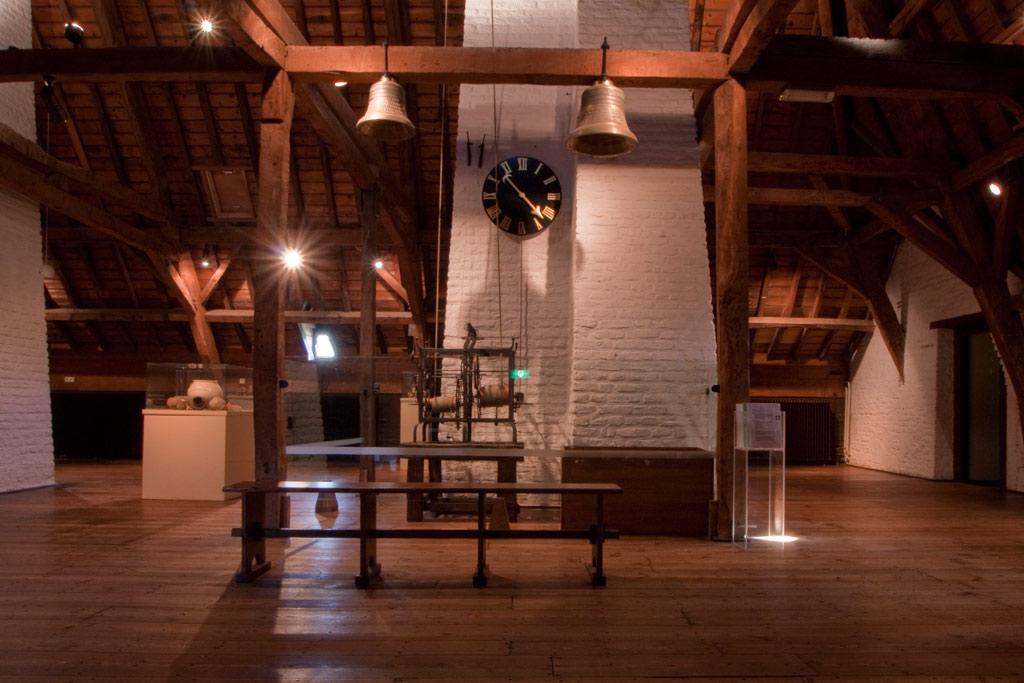
Timber moving as it heats and cools produces sharp irregular sounds, and nobody up there knew that was what they were hearing.
The mechanism is ordinary and the experience was not. A structure that expands all day and contracts all evening cracks audibly, and a child alone in a space they have been told not to enter interprets that sound in the least reassuring way available.
It ended most visits. The commonest reason for leaving an attic was a sound nobody could account for, and almost nobody went back up the same day.
11. Things Lived Up There and Everybody Knew It
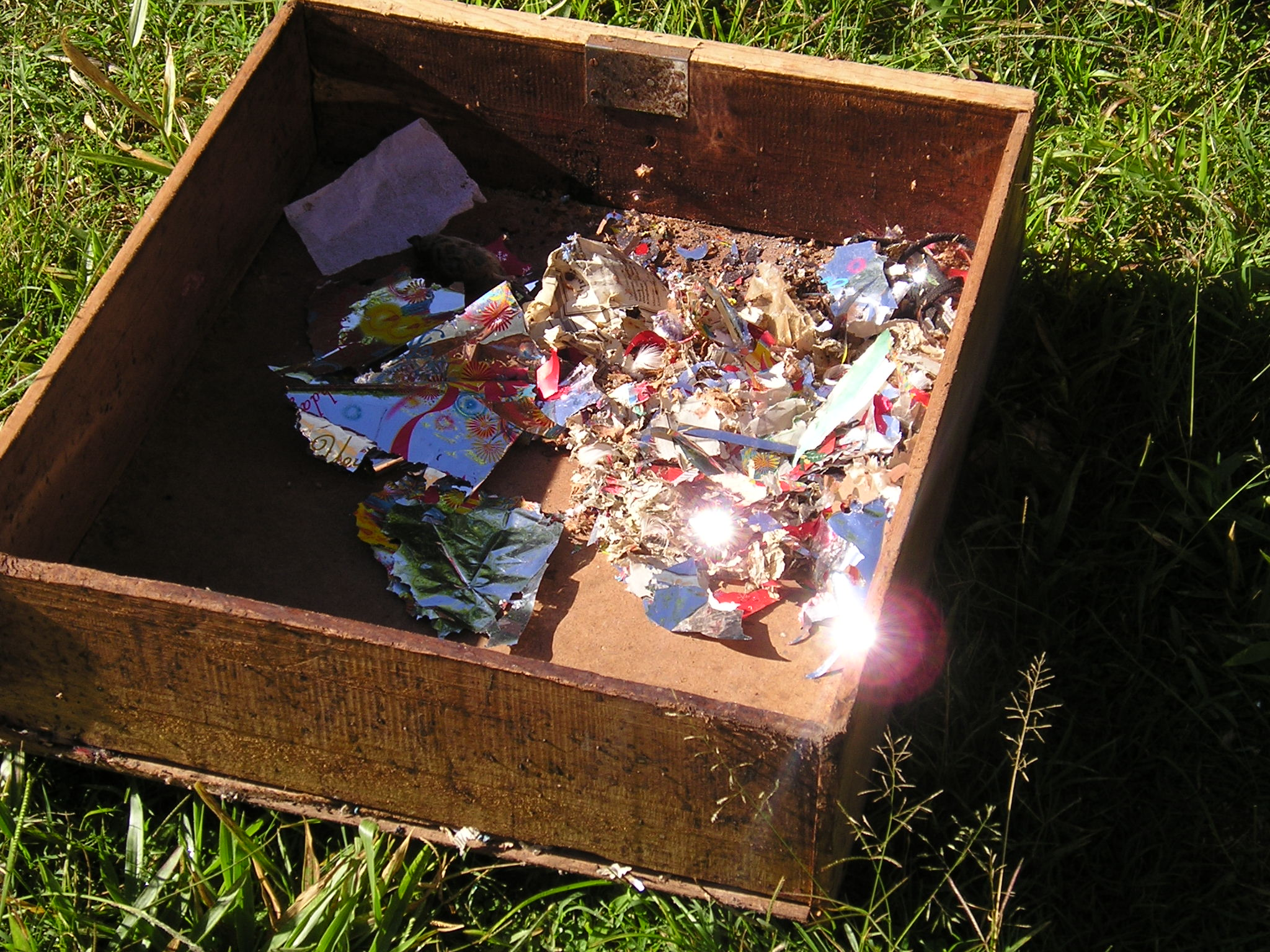
Whatever creature had got in under the eaves was established, was audible, and was a permanent condition rather than a problem.
Access was built into the construction. A roof space with vents, gaps at the eaves and no sealed boundary is an available cavity, and anything looking for one found it, generally within a season of the house being built.
The household’s response was to ignore it. The evidence was noted, the situation was described as something to deal with eventually, and in the overwhelming majority of houses nothing whatever was done.
12. It Was the Only Place Nobody Else Went
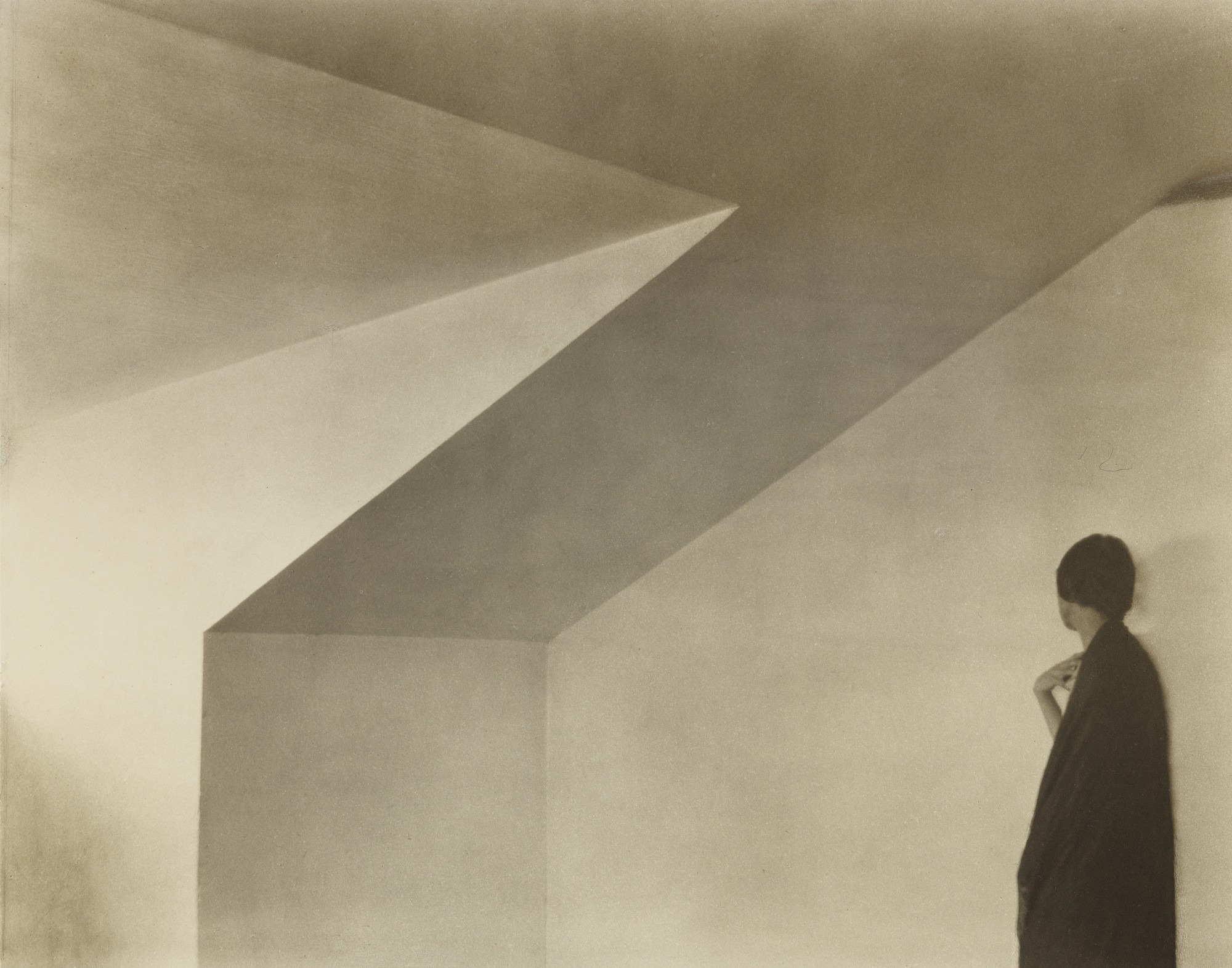
In a house with too many people and no spare rooms, a loft was the single location with a guaranteed absence of adults.
The privacy was a function of the access. A space nobody would climb to without a reason is a space a child can occupy without being interrupted, which in a crowded household was a resource of real value.
That is what children actually went up for. Not the contents and not the exploring, but twenty minutes in which nobody knew where they were, which was otherwise almost impossible to arrange.
13. Winter Made It a Completely Different Place
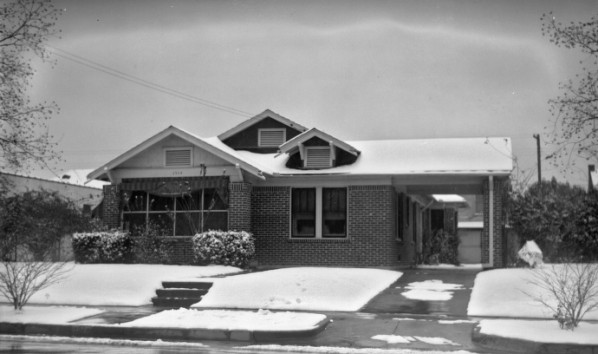
The same space that was unbearable in July was so cold in January that nobody went up at all.
The swing is the consequence of having no insulation in either direction. A space under a bare roof follows the outside temperature closely and exaggerates it, so the summer version and the winter version had almost nothing in common.
Only summer is remembered. These spaces are recalled as hot, still and smelling of timber, because that is the version children chose to visit, and the January version was simply never experienced.
14. Something Was Always Being Looked For Up There
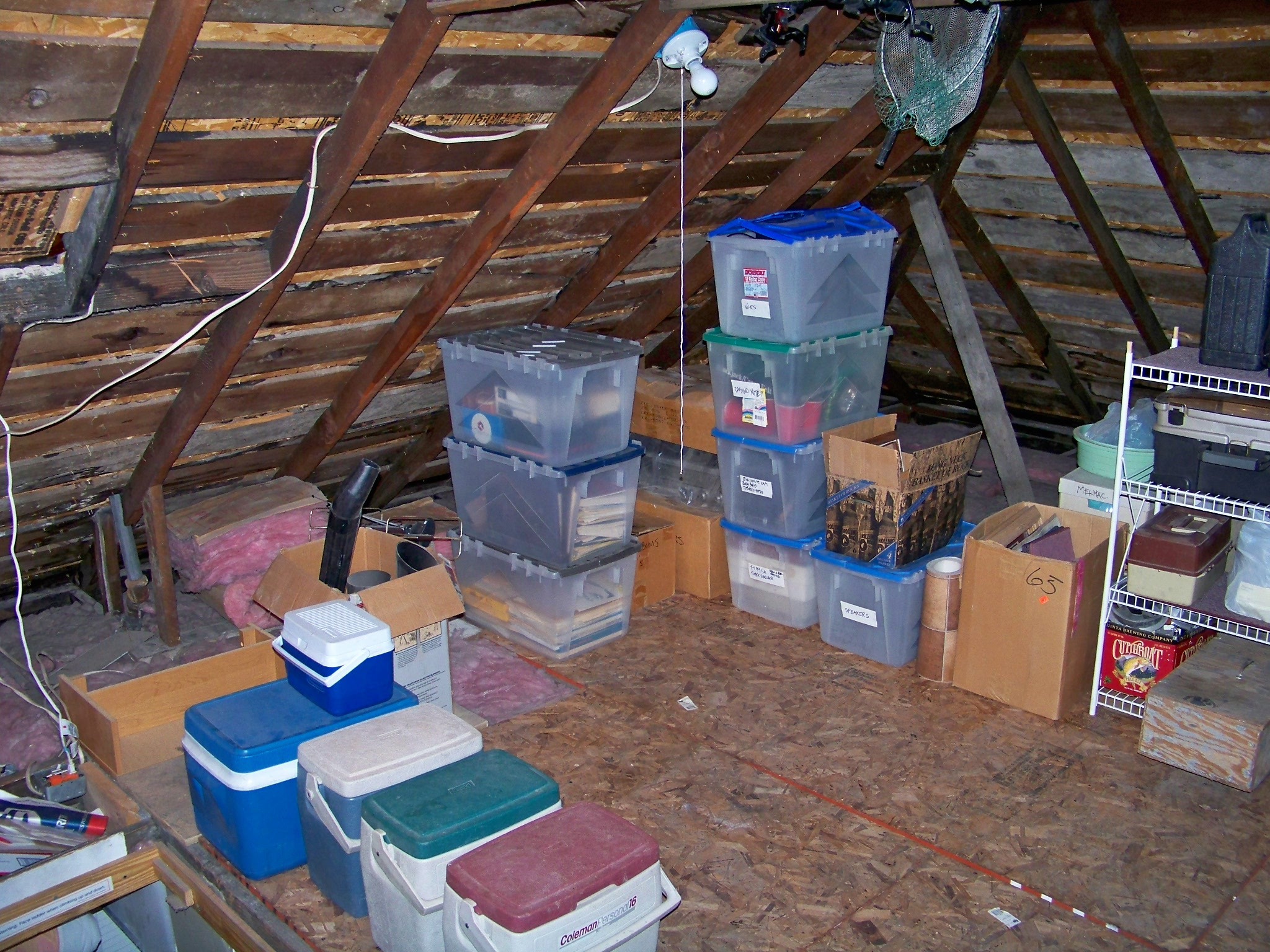
Twice a year an adult went up after a specific item, and the search was always longer than expected.
The failure was structural. A space where nothing was ever put away in any order cannot be searched efficiently, and an object placed there four years earlier was effectively lost whatever anybody remembered about it.
Children were sent up as assistants. A small person who could reach the back of a roof space was useful, which is how many children got authorised access to a place they had been visiting without permission for years.
15. It Was Where Things Were Hidden Before Christmas

A space nobody enters casually, reached by a ladder, is the most secure location in a house.
The security was real and well understood. A child who had been in the loft a hundred times still would not go up on a December evening while adults were awake and listening to the ladder, and the adults knew that.
Discovery happened in January rather than December. The commonest way these hiding places failed was a child going up for an unrelated reason weeks later and finding the packaging, which was a worse outcome than finding the thing itself.
16. Then Lofts Stopped Being Rooms and Became Insulation
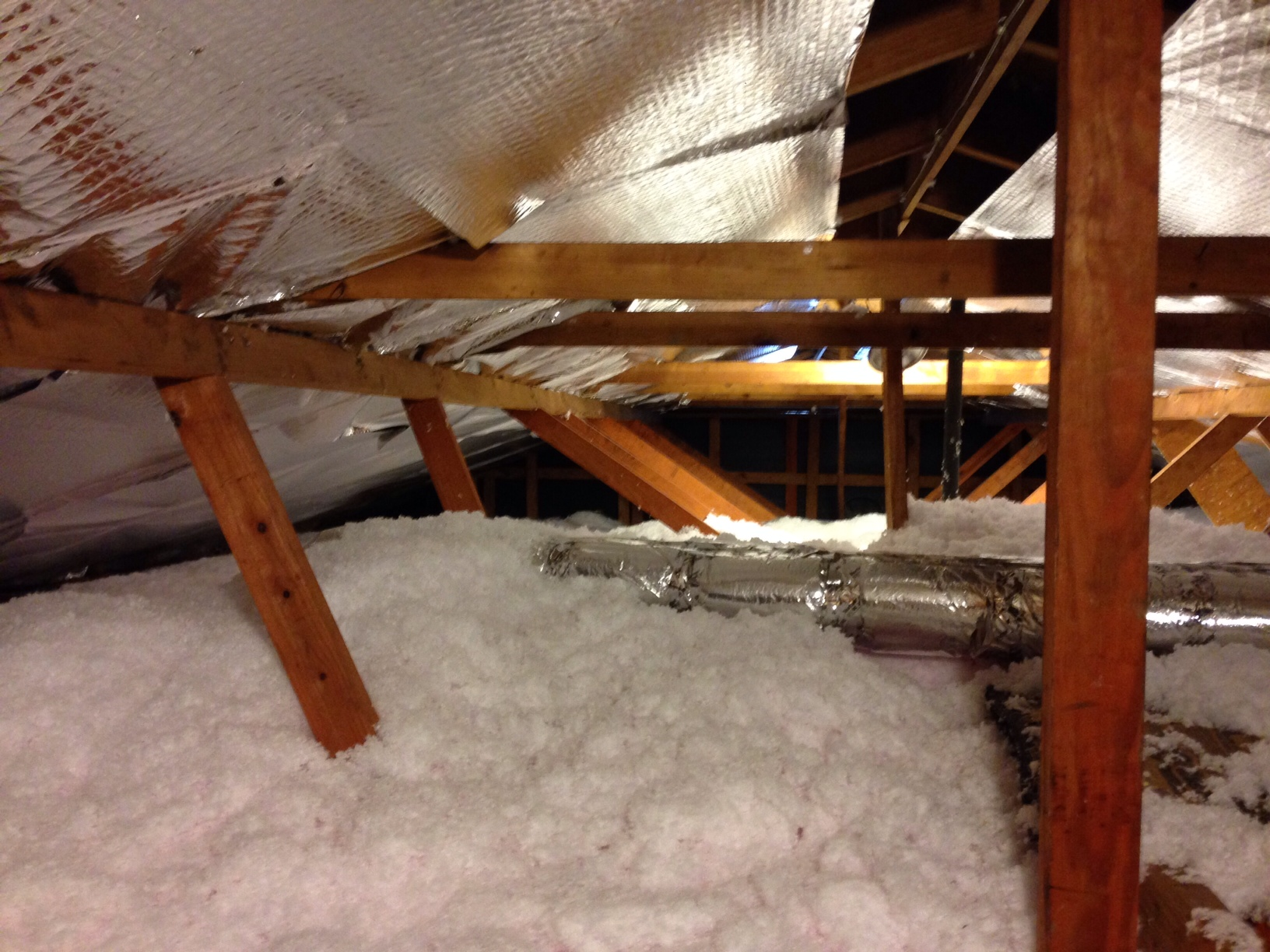
Proper insulation, sealed hatches, boarded storage, converted bedrooms and a general unwillingness to let children into roof spaces removed the place entirely.
The space was improved out of existence. A roof void filled with insulation and closed with a sealed hatch is a far better arrangement for the house in every respect, and it is no longer anywhere a child can go.
What went with it is the privacy. One child, a climate nobody else was experiencing, a smell they would still be able to describe fifty years later, the whole household audible below them, and twenty minutes in which nobody at all knew where they were.
What the Roof Space Actually Was
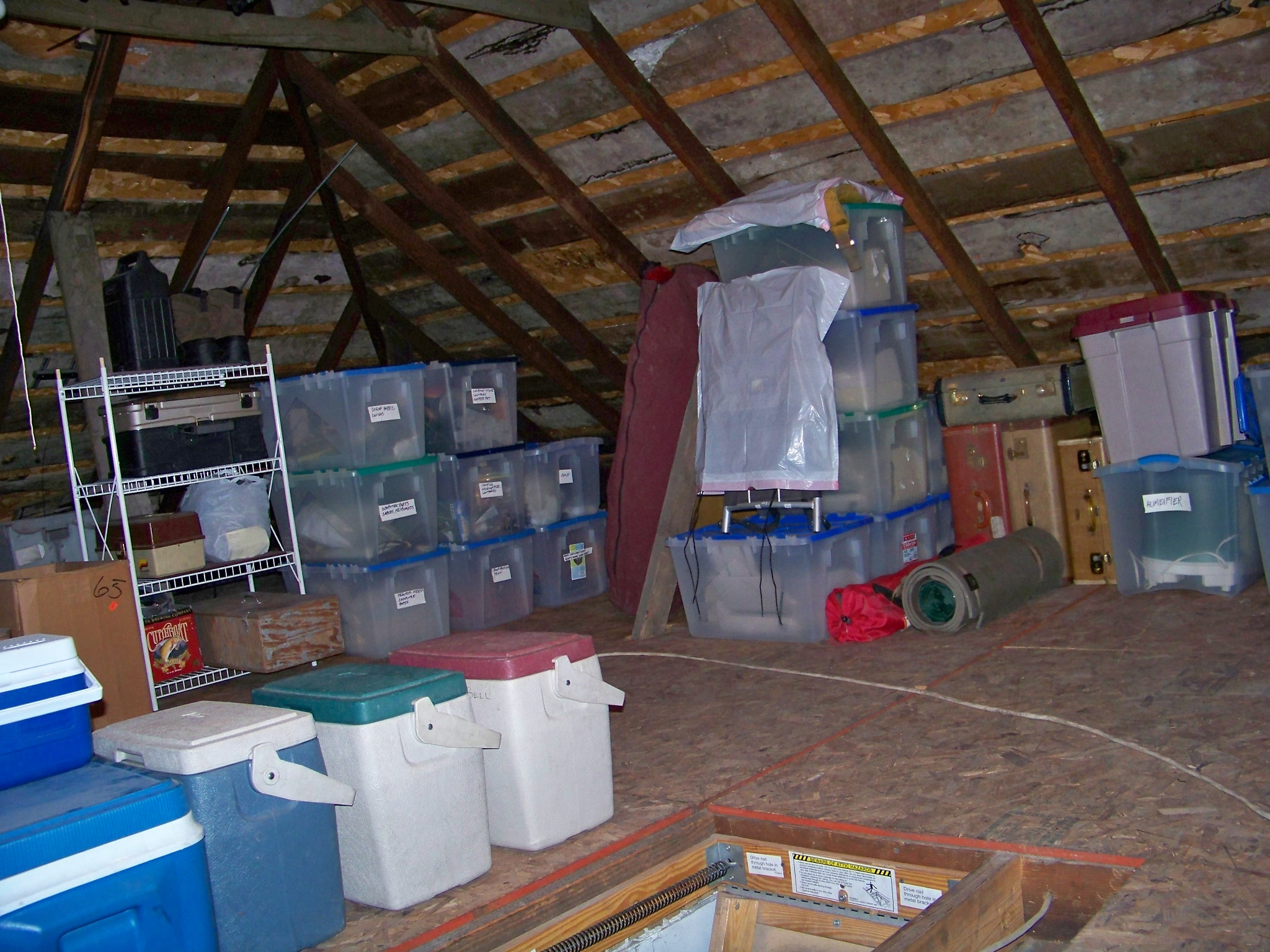
Read in order, the sixteen describe a room that existed because of two absences: no insulation and no proper access. The first produced the climate, which swung so far in both directions that the July version and the January version had almost nothing in common – and only July is remembered, because that is the version children chose to visit. The second produced the privacy, because a space nobody would climb to without a reason is a space nobody interrupts.
The contents follow from a third absence: no decision. A household with no attic has to resolve every object, and a household with one can postpone that indefinitely, which is exactly what every household did. That is why these spaces held a relative’s effects, equipment for abandoned activities, and sealed boxes whose only quality was that somebody had once decided not to discard them – and why children found, without any context at all, the evidence that their family had existed before they did.
What children were actually up there for was none of that. It was twenty minutes in which nobody knew where they were, with the whole house audible below them, which in a crowded household was otherwise almost impossible to arrange.
The serious problem is the one in the sixth item. Boards laid over joists, with gaps and missing sections, over a ceiling that will not carry anybody’s weight, in a space children entered unsupervised, is a genuine hazard that the standards of the period did not address. Everything about it has improved since, and the reasons for present-day caution are not in dispute. Nothing above should be read as describing how anybody ought to use such a space or what any child ought to be allowed to do in one.
What went when the roof void was filled and the hatch was sealed is a far better arrangement for the house in every respect, and it is no longer anywhere a child can go: one child, a climate nobody else in the building was experiencing, a smell they would still be able to describe fifty years later, and twenty minutes nobody could account for.
Like our content? Follow us for more.