Most meals carry no greater risk than a stomachache. But scattered across the world’s cuisines are dishes that can genuinely kill you, foods laced with natural toxins so potent that a single mistake in handling them can be fatal. Some are national delicacies eaten daily; others are thrill-seeker bucket-list items served only by specially trained chefs. What they share is a thin margin between delicacy and disaster. This is a look at the most dangerous foods on the planet, what makes each one perilous, and why, despite the risks, people keep eating them. One thing up front: this is informational, not a how-to. These foods should only ever be eaten when prepared by trained, licensed professionals, and some carry risk no matter what.
A note on framing: many of these foods are safe when handled correctly by experts, and dangerous only when that expertise is missing. Here’s where the real risks lie.
Fugu: The Fish That Can Kill Thirty People
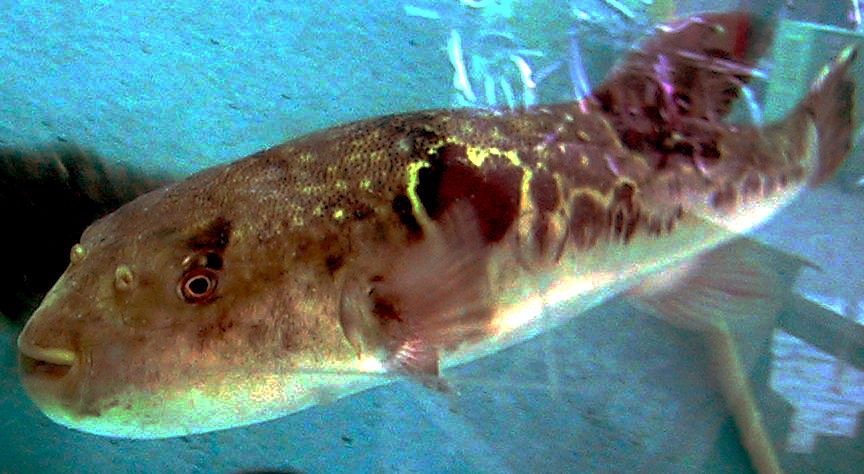
No food is more notorious than fugu, the Japanese pufferfish. Its organs, particularly the liver, ovaries, and skin, contain tetrodotoxin, a neurotoxin estimated to be over 1,000 times more deadly than cyanide. A lethal dose is smaller than a pinhead, and a single fish carries enough poison to kill around 30 people. There is no known antidote; the toxin paralyzes the muscles while the victim often remains fully conscious, and death comes from respiratory failure. To serve it, Japanese chefs must train for years and earn a special license, and restaurants must be certified. Even so, Japan’s health ministry reports dozens of poisonings each year, usually from amateurs preparing it at home. It remains a prized, expensive delicacy.
Ackee: Jamaica’s Deadly National Fruit
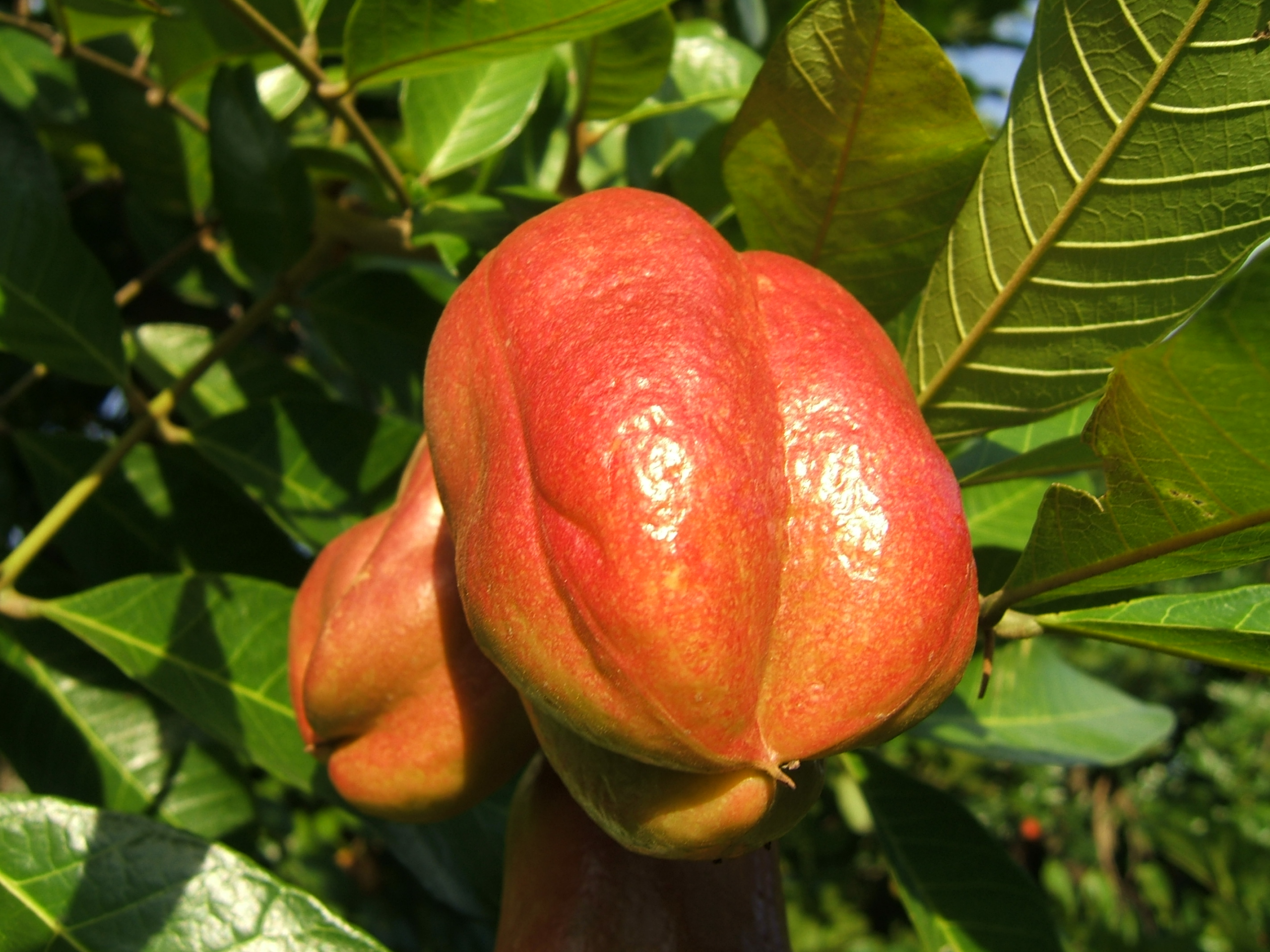
Ackee is the national fruit of Jamaica and the star of the beloved dish ackee and saltfish, yet it’s one of the more dangerous things on many dinner tables. Unripe ackee contains hypoglycin, a toxin that can trigger a condition grimly nicknamed “Jamaican vomiting sickness,” which can cause severe vomiting, seizures, a dangerous drop in blood sugar, coma, and in serious cases death. The fruit is only safe once it has fully ripened and opened naturally on the tree, after which the edible portion is cooked; the pink flesh and black seeds remain toxic and must never be eaten. Generations of Jamaicans prepare it safely every day, but the margin for error is real, which is why ackee’s reputation travels alongside its flavor.
Cassava: A Global Staple Laced With Cyanide
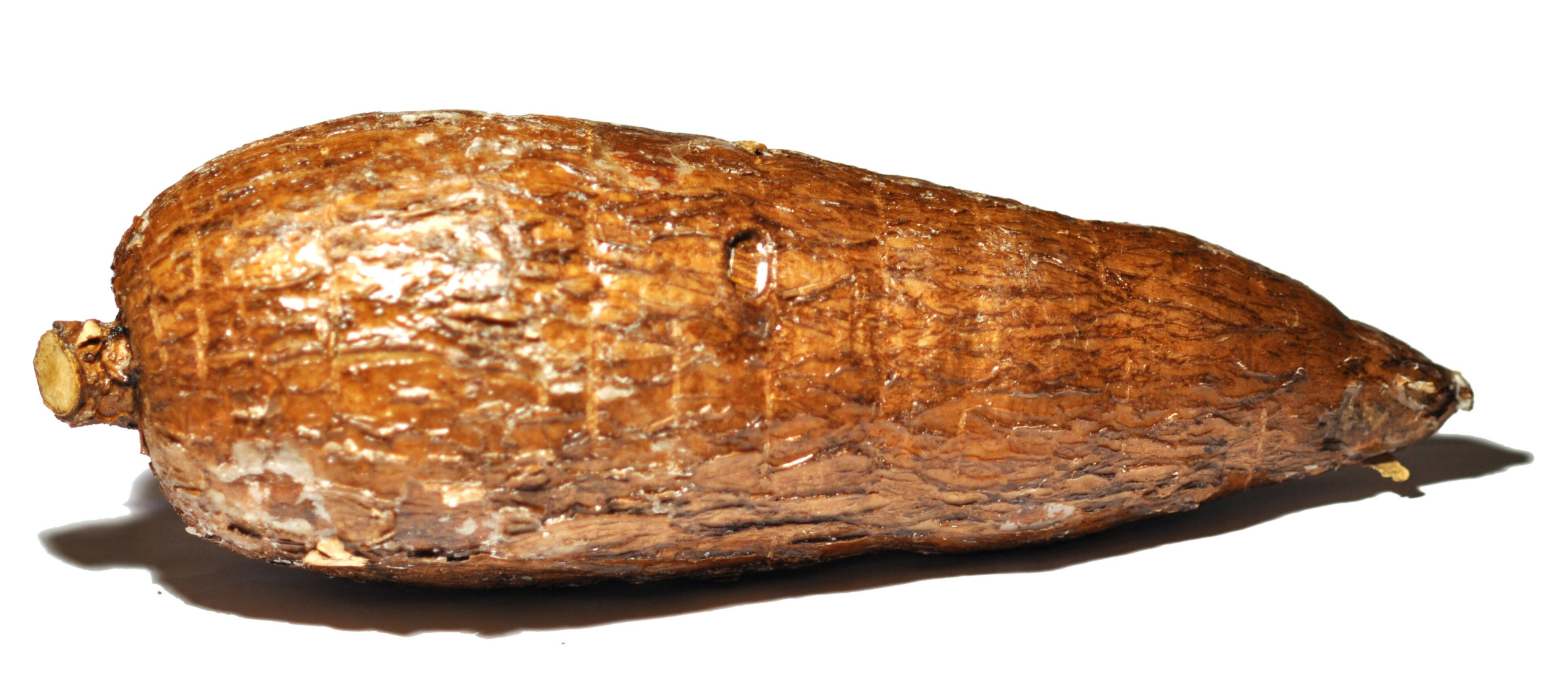
Cassava is one of the most important food crops on Earth, feeding hundreds of millions of people and turning up in everything from tapioca pudding to gluten-free flour. It’s also naturally laced with cyanogenic compounds that can release cyanide. The roots and leaves of the plant, especially the “bitter” variety, must be properly processed before they’re safe, and confusing the safe preparation of one type for another has cost lives, with cases of cyanide poisoning reported where the crop is a dietary mainstay. The reassuring news for most readers is that commercially processed cassava products, like the tapioca in bubble tea, are perfectly safe; the danger lies in improperly prepared raw root, not the products on supermarket shelves.
Casu Marzu: The Cheese Full of Live Maggots
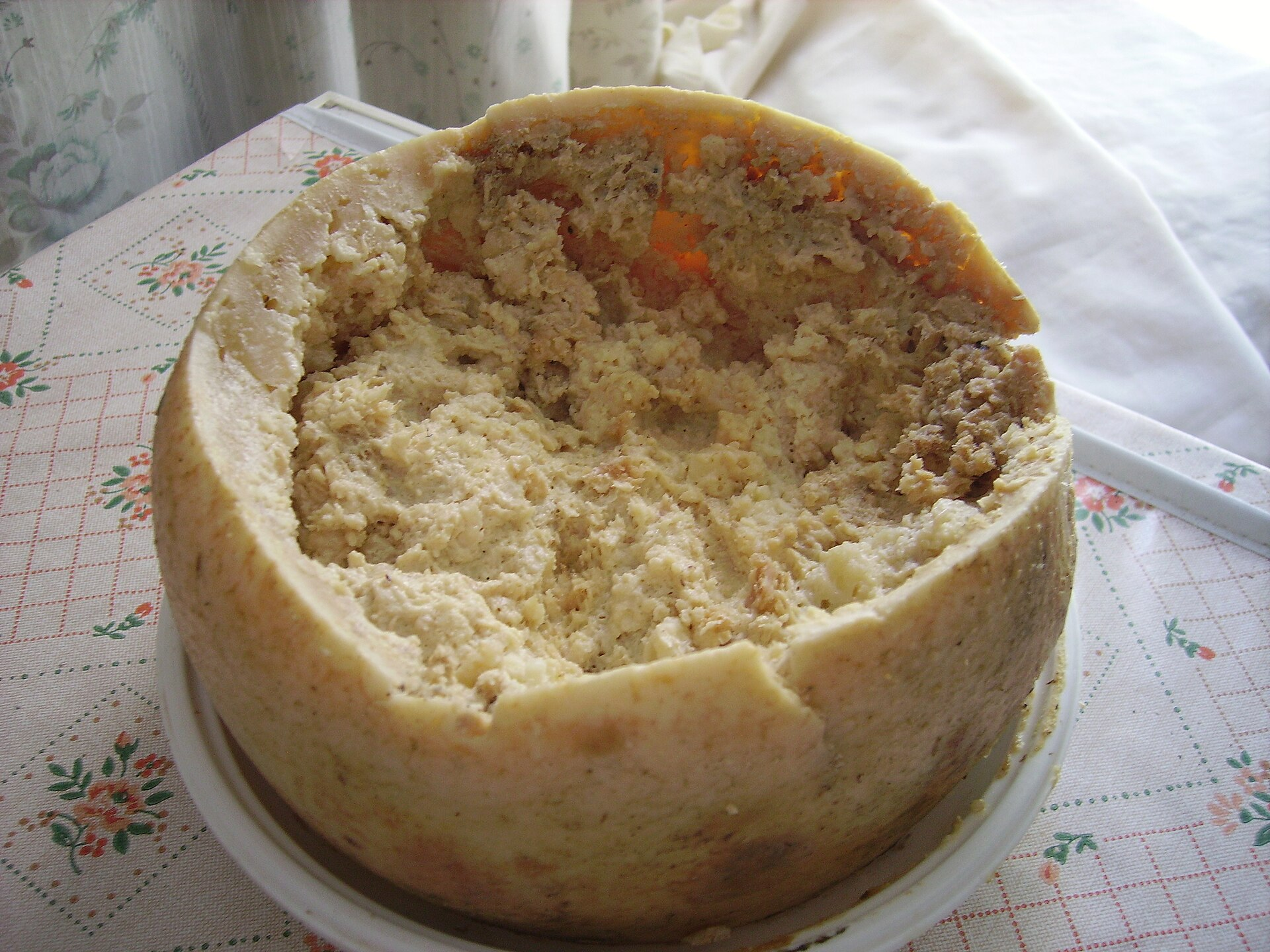
Sardinia’s casu marzu, whose name translates roughly to “rotten cheese,” may be the most stomach-turning entry on this list. It begins as a traditional sheep’s-milk cheese, into which cheese-fly larvae are deliberately introduced; as the maggots digest the fats, they ferment the cheese into a famously soft, oozing texture. The danger is twofold: the larvae can survive stomach acid and potentially cause intestinal distress, and the live maggots are known to leap several inches when disturbed, which is why eye protection is sometimes only half-jokingly recommended. The cheese is banned in Italy and across the European Union and circulates mainly through unofficial channels, a genuinely hazardous delicacy kept alive by tradition.
Sannakji: The Dish That Fights Back
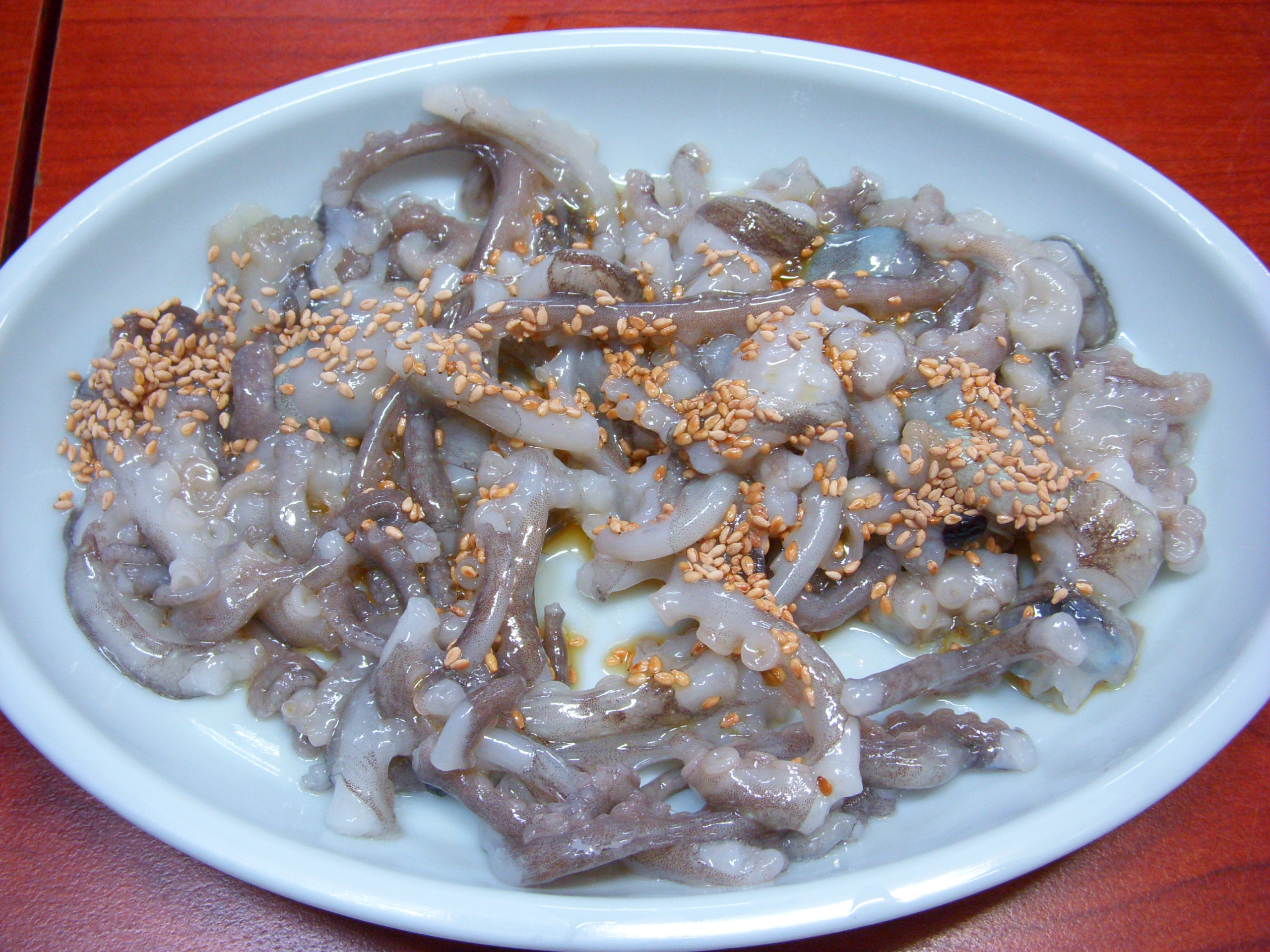
Some foods are dangerous not because of toxins but because of how they’re eaten. Sannakji, a Korean dish, consists of live octopus tentacles, cut up, lightly seasoned, and served while still moving on the plate. The hazard is choking: the suckers on the still-active tentacles can grip the inside of the throat and block the airway, and fatalities are reported when diners don’t chew thoroughly. Nutritionists bluntly warn against it, noting the obstruction risk. For thrill-seeking eaters, the wriggling spectacle is the entire appeal, but it’s a genuine choking danger that makes careful, deliberate eating essential, and that no amount of expert preparation can fully remove.
Hákarl: Iceland’s Fermented Shark
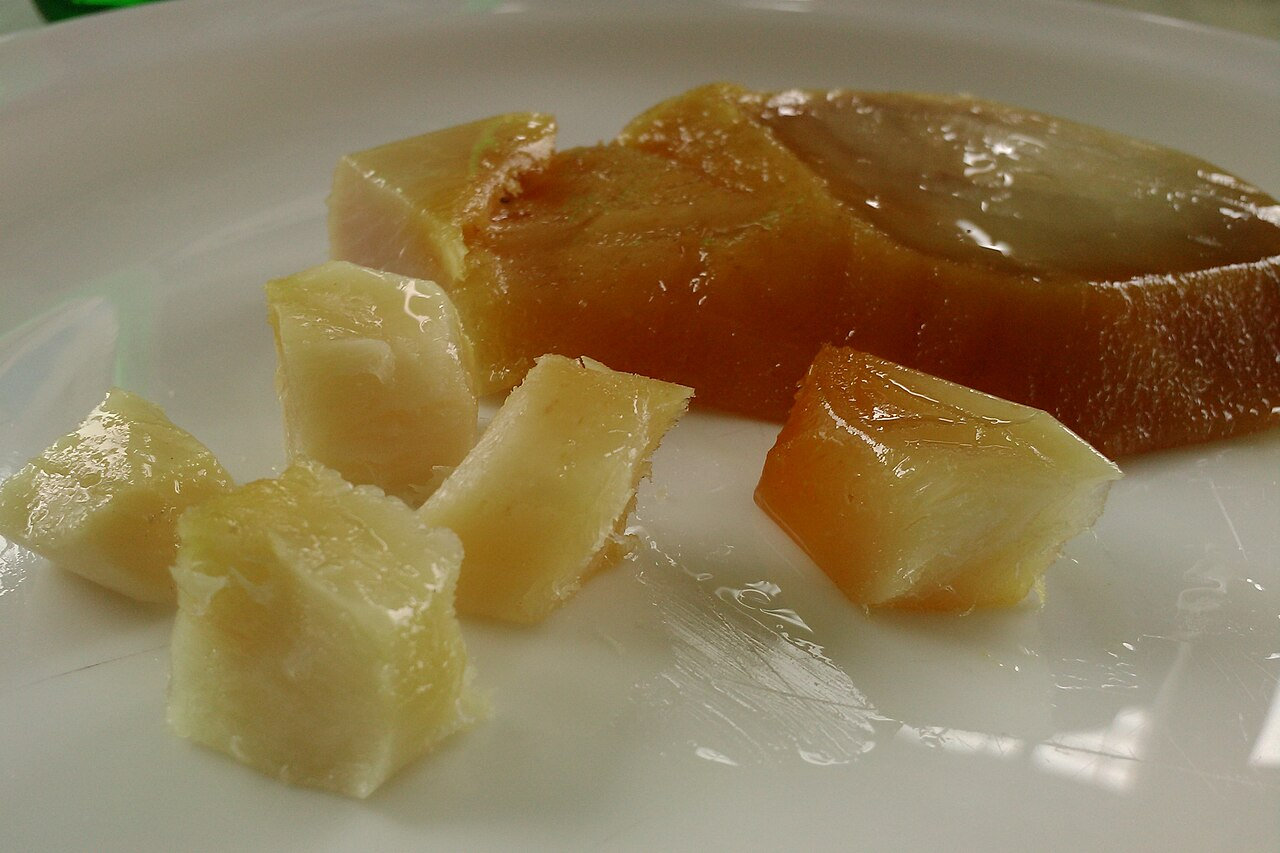
Iceland’s hákarl is fermented Greenland shark, and the process behind it exists precisely because the fish is poisonous when fresh. Greenland sharks lack a urinary tract, so their flesh is loaded with high levels of urea and a compound called trimethylamine oxide, which is toxic to humans. To make it edible, the meat is cured and hung to dry for months, breaking down the toxins. Done properly, it’s safe, if famously pungent; done improperly, the result can be severe food poisoning, with vomiting and neurological effects. It’s a striking example of a food that human ingenuity turned from outright poison into a national tradition, but one that still demands the curing be done exactly right.
The Everyday Plants That Hide Poison
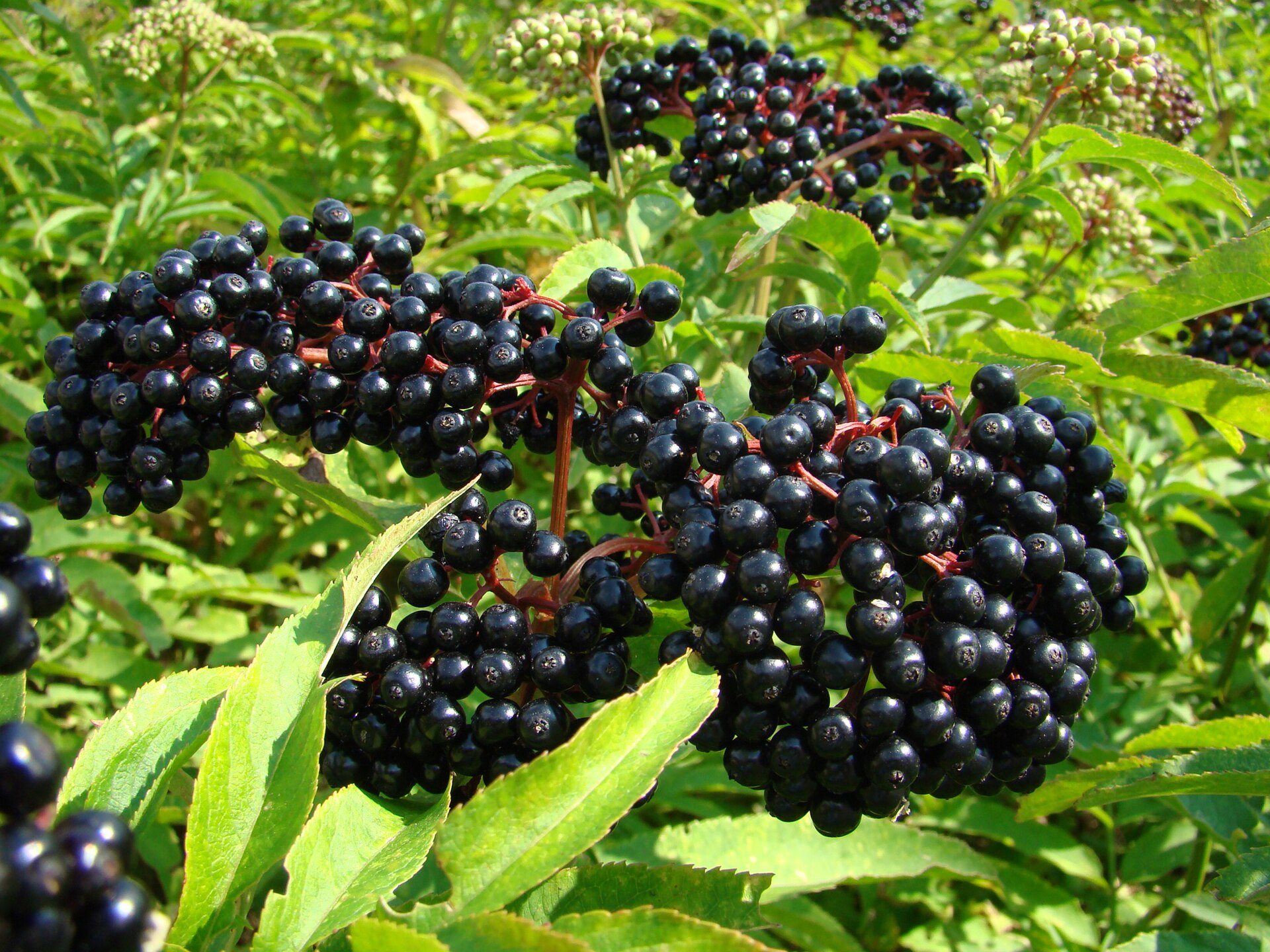
Not every dangerous food is exotic. Several common plants conceal toxins in their less obvious parts. Raw elderberries, along with the seeds, leaves, and bark of the elder tree, contain cyanogenic glycosides and must be cooked or processed before eating, or they can cause nausea, vomiting, and worse. Rhubarb is a familiar dessert ingredient, yet its leaves contain oxalic acid in amounts that can be dangerous, even though the stalks are perfectly fine. And spices aren’t exempt: nutmeg consumed in large quantities can cause hallucinations and serious illness. The lesson is that “natural” never automatically means safe, and that knowing which part of a plant to eat, and how, matters.
Why People Still Eat Them
Given the risks, why do these foods persist? The answers are deeply human. For many, it’s culture and tradition: ackee, cassava, and hákarl are woven into national identity, prepared safely by communities that have done so for generations. For others, it’s the thrill, the same impulse that draws people to extreme sports, with fugu in particular treated almost as a test of nerve. And for some, it’s simply taste, the prized flavors and textures that no safe substitute quite matches. These dishes survive because the reward, whether cultural, sensory, or psychological, is judged worth the risk, especially when expert preparation keeps that risk in check.
How to Stay Safe
The practical takeaway is straightforward. If you’re curious about any of these foods, only ever try them where they’re prepared by trained, licensed professionals, in their country or culture of origin, never as a do-it-yourself experiment. Be honest about the ones whose danger can’t be fully eliminated, like sannakji’s choking risk, and eat with appropriate caution. Pay attention to which foods carry hidden dangers in everyday cooking, such as raw elderberries or rhubarb leaves, and stick to the safe, edible parts. And remember that the everyday products on supermarket shelves, like processed cassava, have already been made safe. When in doubt about any unfamiliar dish, the smartest move is to ask, and if the answer isn’t reassuring, to pass.
When the Danger Is Overstated
It’s worth keeping the risks in perspective, because headlines often make these foods sound more lethal than they are in practice. For most of them, expert preparation reduces the danger dramatically: in Japan, the licensing system means fugu deaths overwhelmingly involve amateurs preparing it themselves, not diners in certified restaurants. Cassava feeds hundreds of millions of people safely every day, and the processed products sold in shops have already been made harmless. Ackee and hákarl are dietary staples that countless people eat without incident. The point isn’t that these foods are safe to treat casually; it’s that the danger is concentrated in improper handling and amateur shortcuts. Eaten where they’re prepared by people who genuinely know what they’re doing, most are far less risky than their fearsome reputations suggest.
A Thin Line Between Delicacy and Disaster
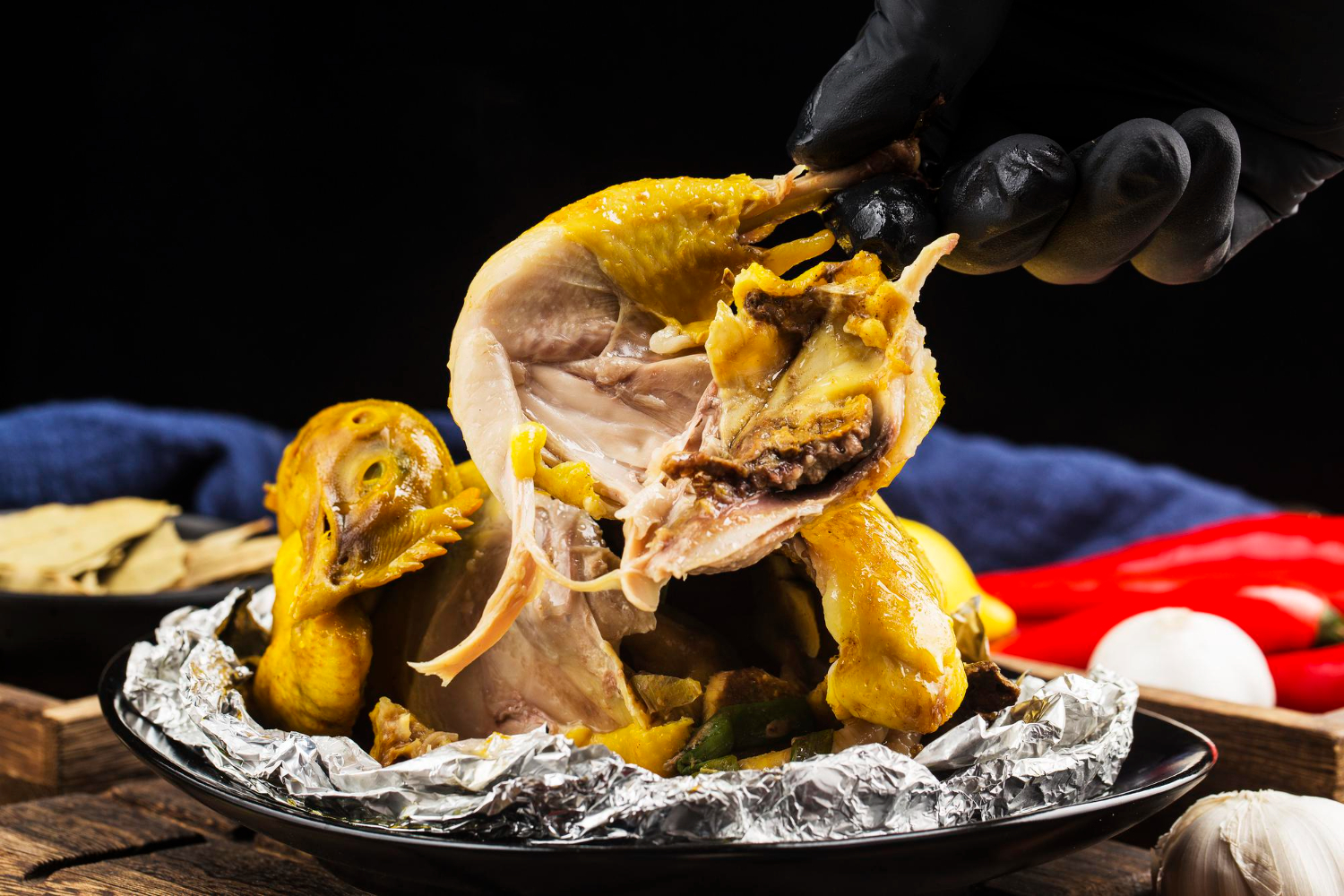
The world’s most dangerous foods are a fascinating reminder of how far people will go for flavor, tradition, and a thrill. They also show human skill at its most impressive, turning a fish that can kill 30 people or a shark that’s poisonous when fresh into celebrated dishes through generations of hard-won expertise. The danger is real, and every year it claims lives, almost always when that expertise is missing. Approached with respect and left to the professionals who know them best, these foods can be experienced safely. Approached carelessly, they’re a stark reminder that some meals really can be your last. As with so much in travel and food, the difference comes down to knowledge, caution, and knowing when not to take the risk.
Like our content? Follow us for more.