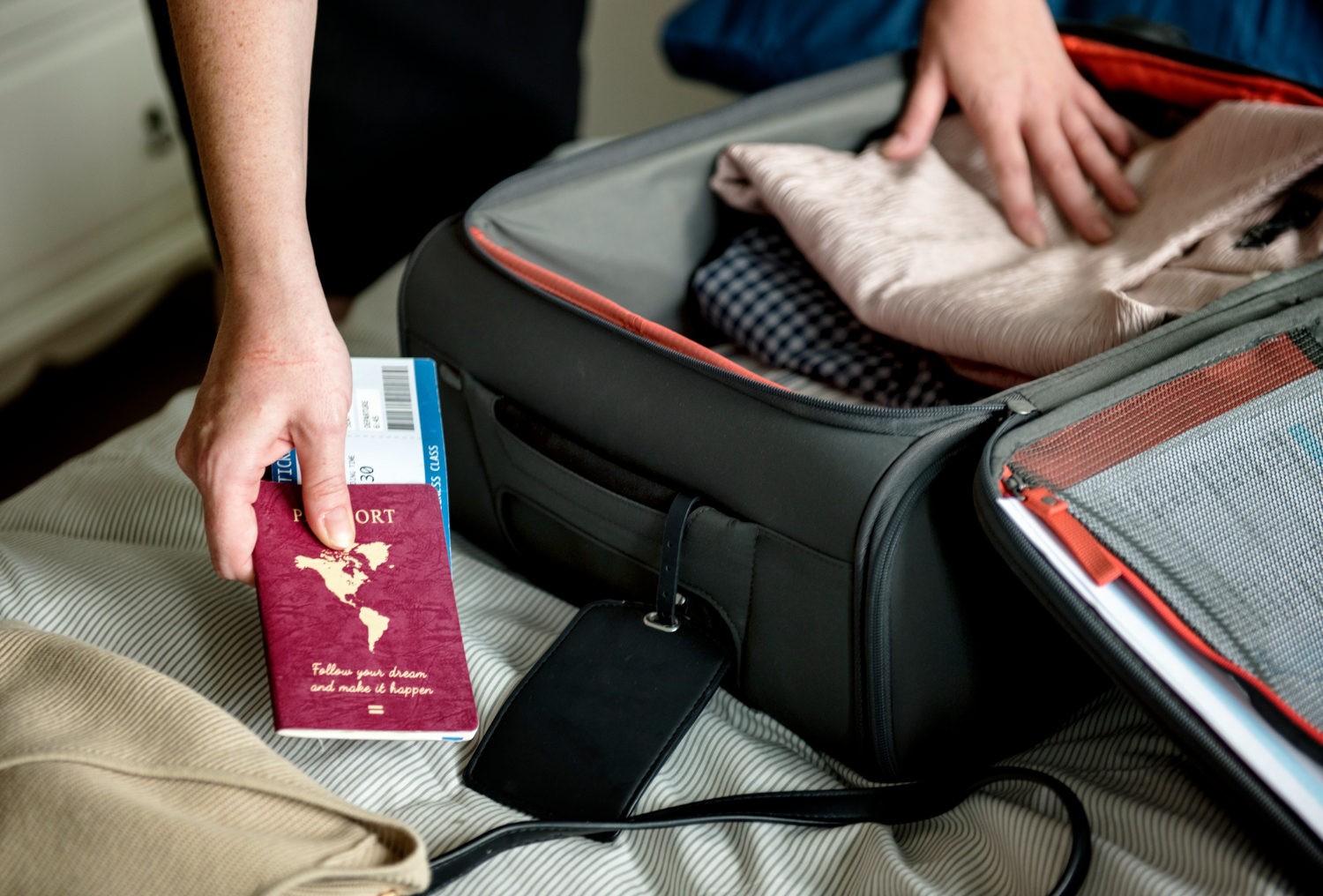
Most trip disasters aren’t bad luck — they’re week-before oversights wearing a disguise. The card frozen abroad, the passport with five months left, the prescription in a checked bag that went to the wrong continent: all preventable, all famous, all still happening every day. Here are nine things smart travelers handle in the final week, while the fixes are still easy.
1. Pull Out the Passport and Actually Read It
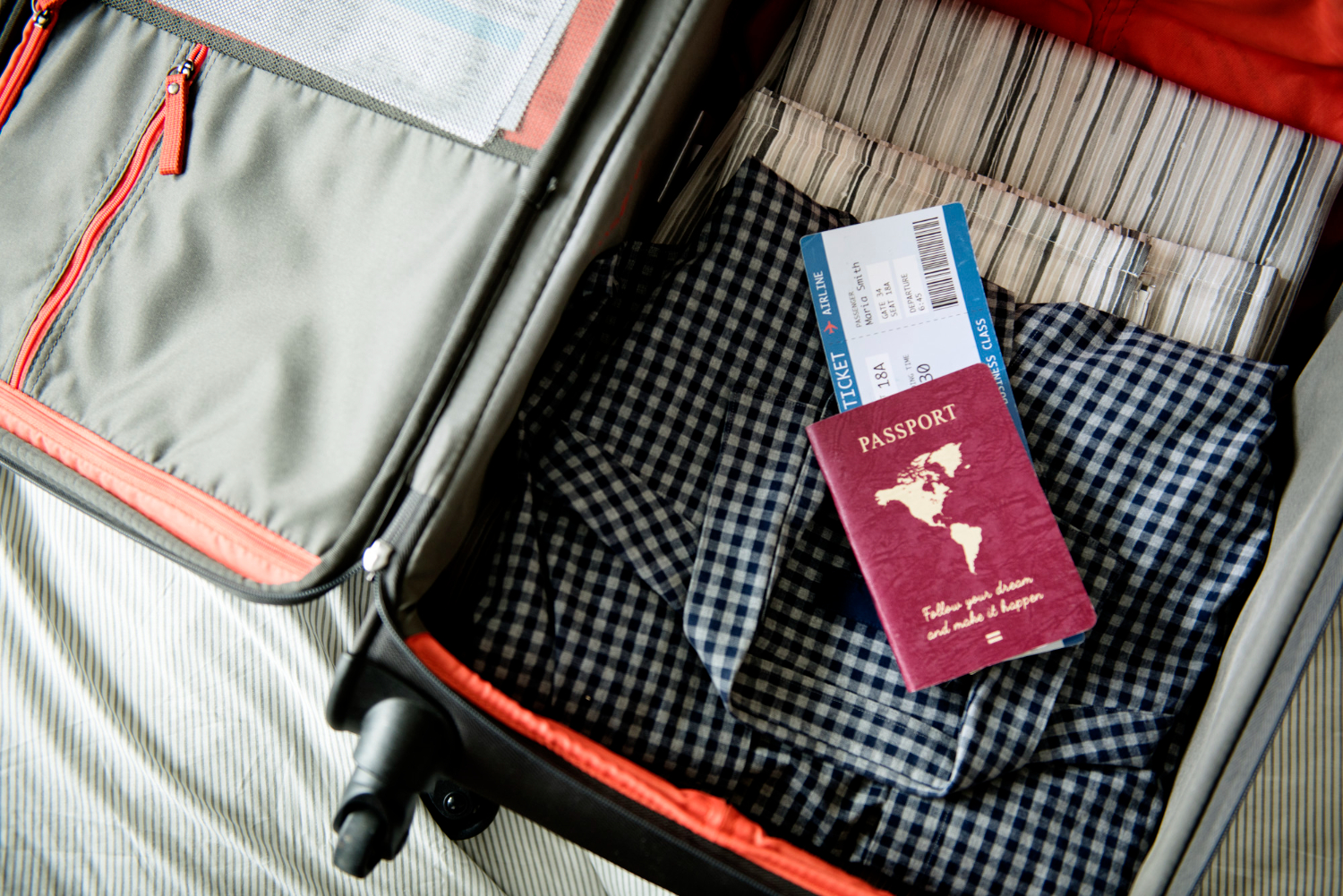
Six months of validity is the rule that catches people. Check the expiration today, not at the counter.
Start with the document everything depends on. Many countries deny entry if a passport expires within six months of arrival, and airlines enforce it at check-in — which is the worst possible place to learn your passport has five and a half. Confirm the expiration, confirm any visa or entry-authorization requirements for your destination, and confirm the name on your ticket matches the passport letter for letter. If something’s wrong, a week is tight but sometimes workable; the day of departure is not.
Like our content? Follow us for more.
2. Tell Your Bank, or Your Bank Will Protect You Into a Corner

Fraud departments love blocking foreign charges. A two-minute travel notice keeps your cards alive.
Nothing ends a first evening abroad like a declined card at dinner, courtesy of a fraud algorithm doing exactly its job. Most banking apps bury a “travel notice” feature — use it for every card you’re carrying, then go one better: confirm which cards skip foreign transaction fees, memorize one PIN that works overseas, and stash a backup card somewhere that isn’t your primary wallet. A modest amount of destination cash for the first taxi-and-tips stretch rounds it out; airport exchange rates punish the unprepared, so a bank ATM on arrival usually beats the currency counter.
3. Solve Your Phone Before It Solves Itself Expensively

Roaming surprises are self-inflicted. Pick a plan, an eSIM, or airplane mode — on purpose.
Your phone will connect to something the moment you land; the only question is at what price. The week before is when you choose deliberately: your carrier’s international day pass, a travel eSIM installed and tested before departure, or the disciplined airplane-mode-and-Wi-Fi approach. While you’re in there, download offline maps for your destination city, load the translation app’s offline language pack, and screenshot the hotel address in the local script — the three downloads that rescue more travelers than any gadget.
4. Photograph Everything That Would Ruin the Trip if Lost

Passport, cards, prescriptions, itinerary. Copies in the cloud and one set on paper.
A lost passport abroad is a bad day; a lost passport with no copy is a bad week. Photograph the photo page, both sides of your cards (stored somewhere secure), your prescriptions, insurance details, and bookings — then email the set to yourself and to someone at home, and print one paper copy for the bag. Embassies replace passports far faster with a copy in hand, and the whole exercise takes ten minutes on the couch. It’s the highest-return ten minutes in travel.
5. Sort Medications the Way Border Agents Prefer

Original bottles, carry-on only, plus a written list. Some common medications are controlled abroad.
Every seasoned traveler runs the same medication drill: everything in the carry-on, never checked; everything in original labeled packaging; a written list of prescriptions and dosages riding alongside. The week-before addition most people skip is a quick check of your destination’s rules, because a handful of medications sold freely in the U.S. are restricted in other countries, and “I didn’t know” is not a customs strategy. Pack a few days extra of anything essential — delays happen to the best-planned trips.
6. Register the Trip and Check the Landscape

Enrollment programs put you on the embassy’s radar. Entry rules change more often than guidebooks do.
Five minutes on official government travel pages does two jobs at once: it surfaces anything you’d want to know — entry requirements, health notices, local conditions — and it lets you enroll your trip so your embassy can reach you if something significant happens while you’re there. It’s free, it takes minutes, and in the rare situation where it matters, it matters enormously. File it under things that cost nothing and buy peace of mind at scale.
7. Pre-Fight the Battle With Your Own Luggage

Weigh the bag now, not at the counter. Check the airline’s rules for your specific fare.
Baggage rules vary by airline, route, and fare class — the international carry-on allowance is often smaller than the domestic one, and budget carriers weigh bags with religious devotion. The week before is when you check your specific ticket’s rules, weigh the packed bag on a bathroom scale, and make the hard choices at home where the closet is, instead of at the counter where the fee is. Leaving a quarter of the suitcase empty is the old-timer’s move: souvenirs need to ride home somehow.
8. Give Your Home a Vacation Plan Too

Mail piles announce empty houses. A neighbor, some timers, and a paused routine cover it.
The trip’s home front takes one evening: pause mail and packages or recruit a neighbor to collect them, set a light on a timer, deal with the perishables, take out the trash that would otherwise greet you in two weeks, and leave a key and your itinerary with someone you trust. Skip the vacation countdown on public social media until you’re back — broadcasting an empty house is the one packing mistake that happens online. The best souvenir is a home exactly as you left it.
9. Build the First Day, Then Stop Planning

Know how you’ll get from the airport to the bed. The rest of the trip can breathe.
The final move separates relaxed travelers from frazzled ones: script the first day only. Know exactly how you’ll get from the airport to your lodging — the train line, the official taxi stand, the pre-booked ride — because arrival hour, jet-lagged in a new currency, is the trip’s most scam-prone and worst-decision window. Confirm the first night’s booking, note check-in times, and plan a gentle first evening. Beyond that, resist over-scheduling. You did the week-before work precisely so the trip itself could improvise.
Boring Now, Brilliant Later

None of these nine tasks is exciting, which is exactly the point — excitement during trip prep is a bad sign. An hour of validity checks, bank taps, and photographed documents converts into two weeks of never once thinking about any of it, which is what vacation is supposed to feel like.
Experienced travelers aren’t lucky; they’re rehearsed. The passport got read, the bank got told, the phone got sorted, and so the trip’s dramas stayed small and its stories stayed good. Run the list this week, then close the laptop, zip the bag, and go enjoy the part all this was for.
Like our content? Follow us for more.