The breakfast cereal aisle is a good place to see how American food regulation actually arrived, because almost none of it arrived as a ban on a product. Cereal itself was never the target. What changed was the box: what a manufacturer was required to tell you, what it was permitted to claim, who it was allowed to say it to, and what could legally be put inside with the food.
Some of what follows is prohibition in the strict sense, and those items are the ones a 1965 brand could not repeat at any price. A good deal of the rest is commercial impossibility rather than illegality, which is a different thing and is flagged where it applies. Both are worth separating out, because the difference between what a law stopped and what a market stopped is the most interesting part of the story. Here are sixteen features of a 1965 cereal box that could not be repeated now.
1. Sugar in the brand name, printed in the largest type on the box
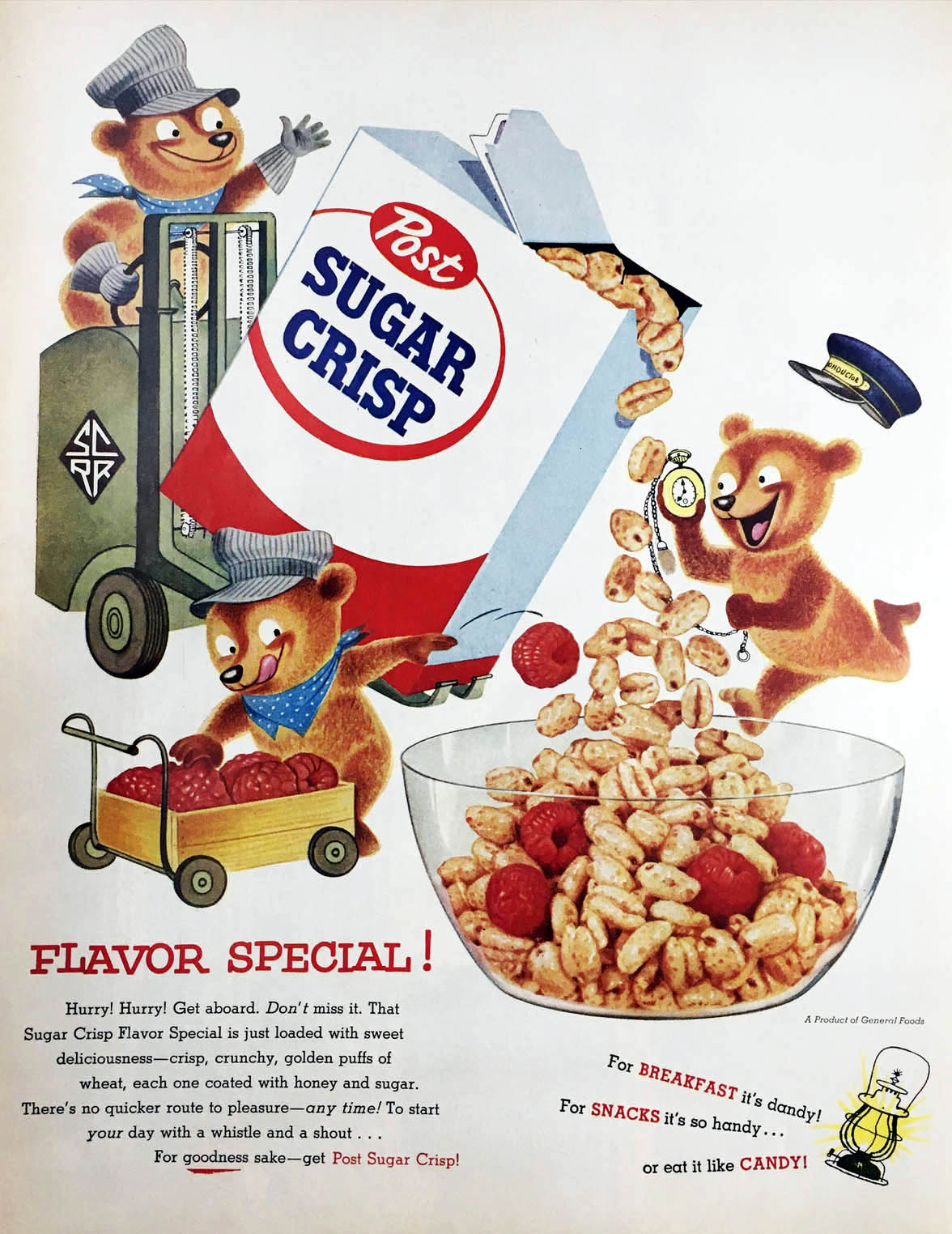
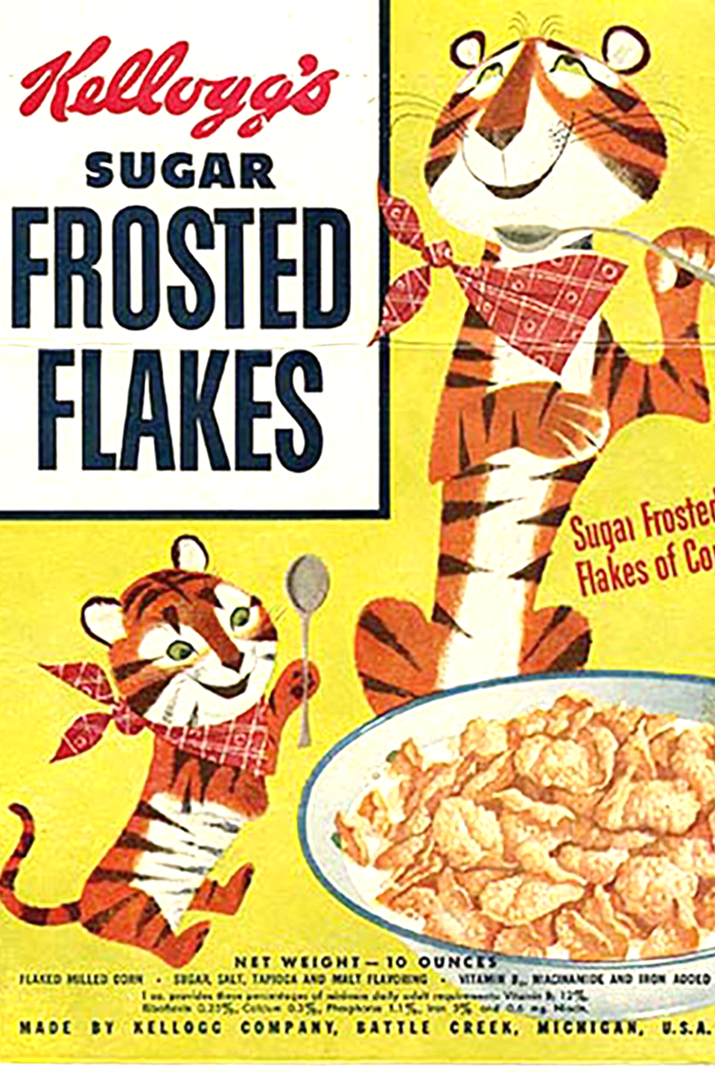
Three of the best-selling American cereals of the period carried the word outright in their names, on the front, as the selling point. It was not a confession. It was the claim, aimed at children, and the packaging treated it the way a modern box treats protein.
All of them were quietly renamed. The word came off the fronts through the 1980s, replaced by shortened versions of the same names that are still on shelves, and a generation of shoppers absorbed the change without ever being told it had happened.
Nothing in law required the renaming. It was a commercial judgement about what a parent would carry to a checkout. That is the pattern across a good half of this list: not prohibition, but a shift in what a brand can be seen doing.
Like our content? Follow us for more.
2. No nutrition panel anywhere on the package
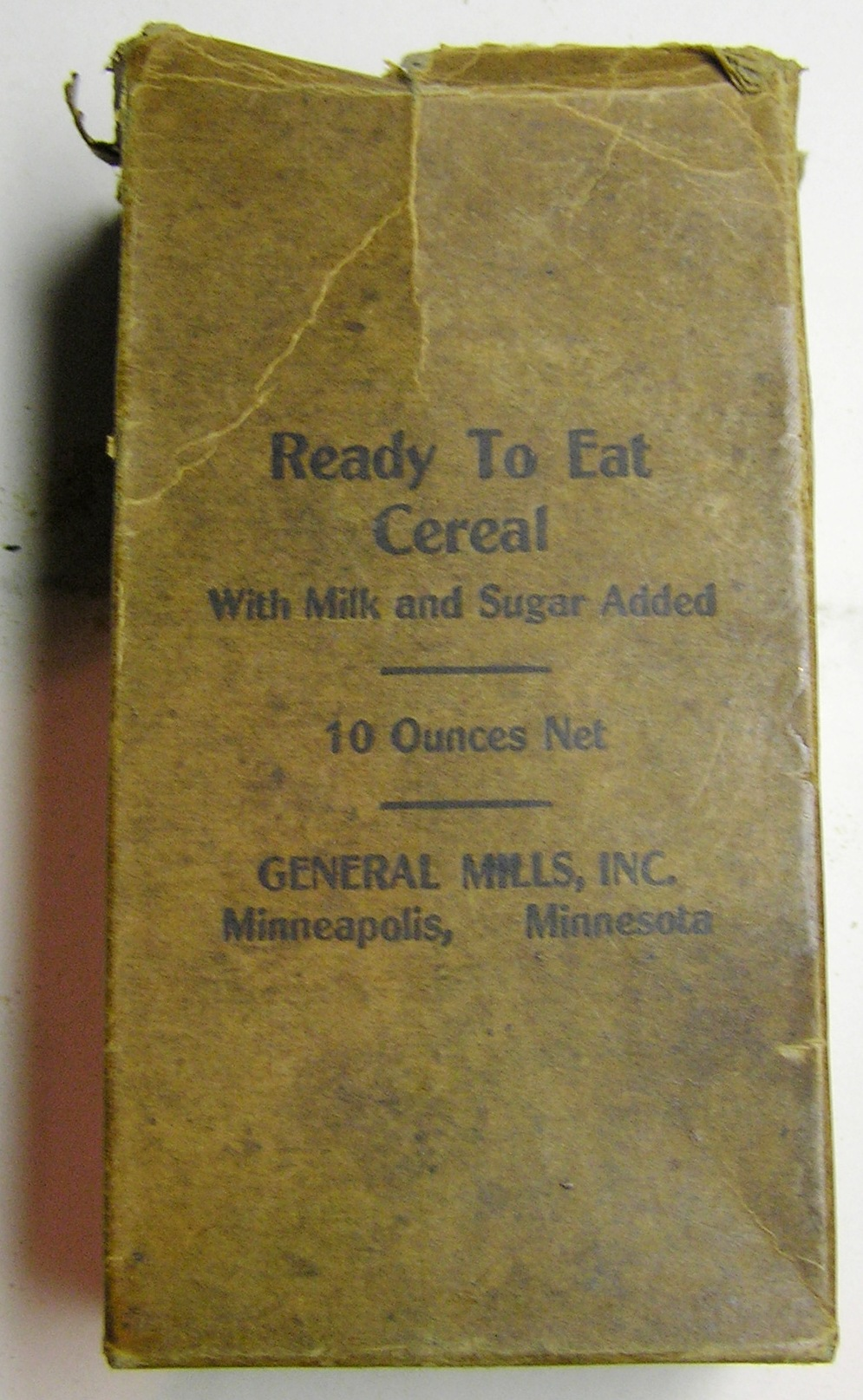
A 1965 box told you the net weight and, if the manufacturer felt like it, a list of added vitamins. There was no standard table of calories, fat, sugar or sodium, because no such table was required and most boxes did not carry one.
Nutrition labelling was voluntary in the United States until the Nutrition Labeling and Education Act of 1990, and the familiar panel became mandatory on packaged foods in 1994. Before that, comparing two cereals on anything measurable was essentially impossible for a shopper.
This is the single largest difference between the 1965 aisle and the modern one, and it is invisible in photographs. The boxes look similar. One set of them is making checkable statements and the other set is not.
3. The serving size decided by the manufacturer
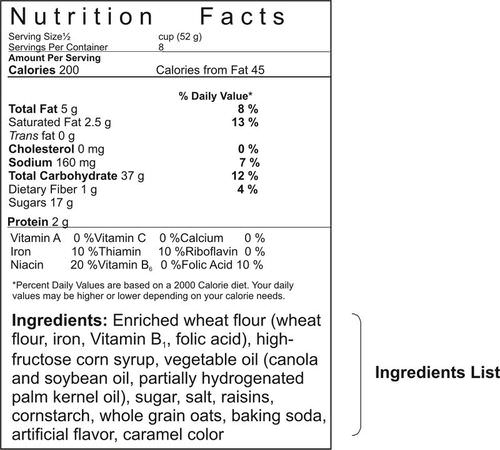
Even where a box did make a nutritional claim, the quantity it applied to was the brand’s own choice. A company that wanted a flattering number could define the serving small enough to produce one, and nothing stopped it.
The same 1990 act established standardised reference amounts for food categories, so that a serving of breakfast cereal means roughly the same thing from one box to the next. The point was to make the panel comparable rather than decorative.
It is worth noticing that this was the reform the industry resisted hardest. A mandatory panel is a disclosure. A standardised serving size removes the main tool for managing what the disclosure says.
4. No allergen statement of any kind
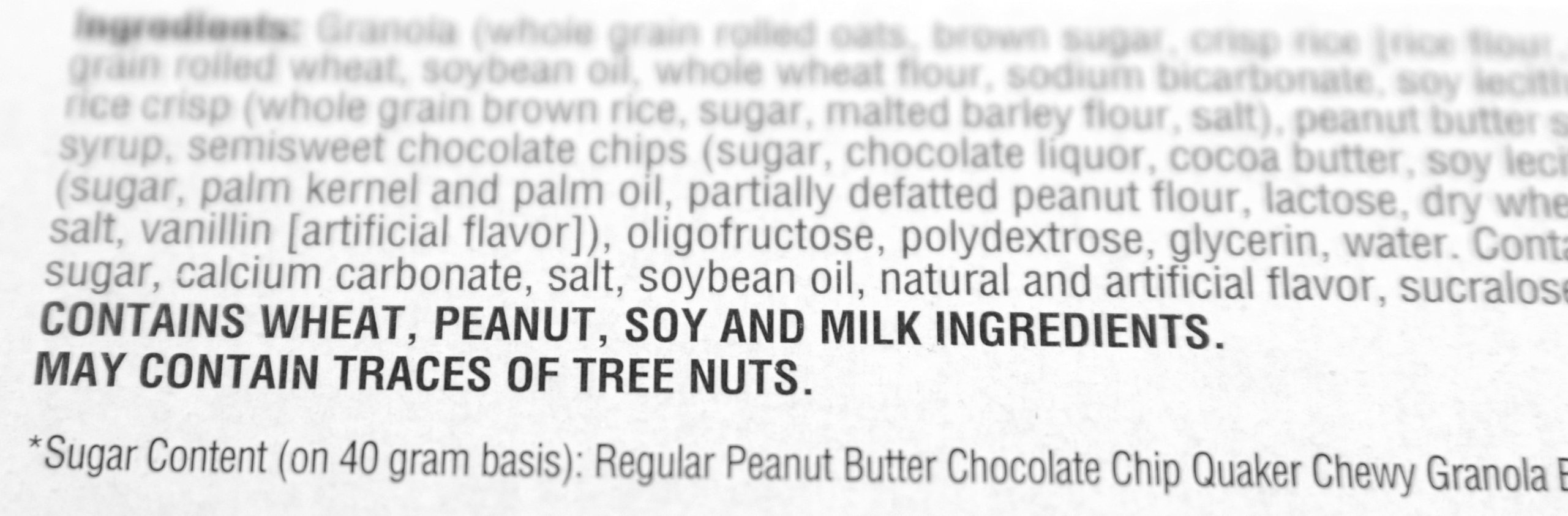
A 1965 box did not tell you that it contained wheat, milk, soy or nuts, and it did not warn that it had been made on equipment shared with anything else. Families managing a food allergy read ingredient lists and guessed.
The Food Allergen Labeling and Consumer Protection Act, which took effect in 2006, requires plain-language declaration of the major allergens. The advisory statements about shared equipment that now appear on most boxes are a later industry practice built on the same logic.
No manufacturer could put a 1965 label on a shelf today, in any category. This is the clearest legal impossibility on the list and it is also the one nobody nostalgic for the old packaging ever mentions.
5. A toy loose in the cereal, in contact with the food
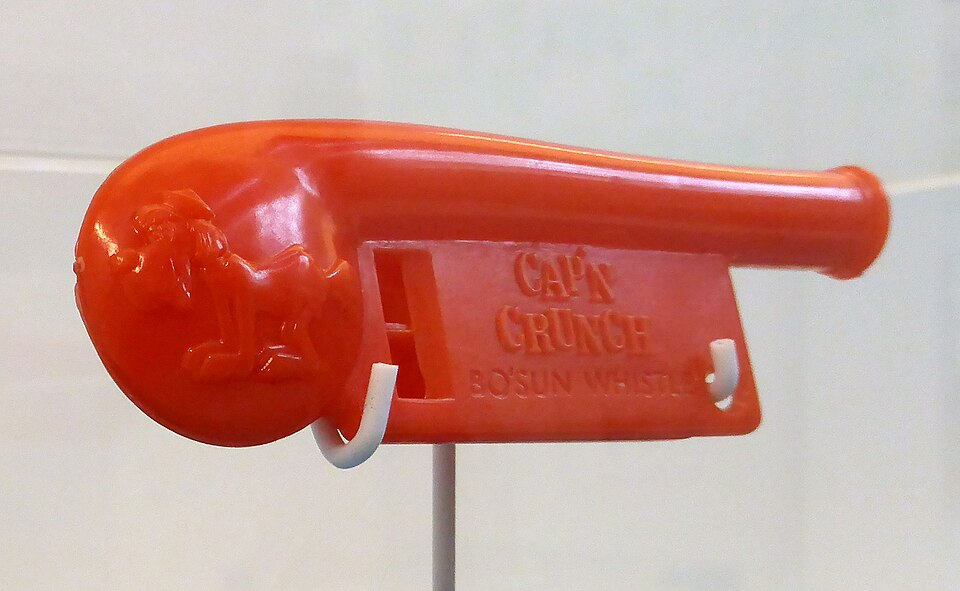
The premium went in the box with the product. You dug for it, and in many houses the rule was that whoever found it kept it, which produced a certain amount of dishonest pouring.
Loose toys among food are now out of the question on contamination grounds alone, and separately wrapped premiums are standard where premiums survive at all. The sealed inner bag that modern cereal comes in makes the old arrangement physically impossible.
The change was not one decision. Packaging improved, contamination rules tightened, and the premium itself largely migrated to a code printed on the box that you redeemed online, which is a much cheaper way to do the same marketing.
6. Premiums small enough to be a choking hazard
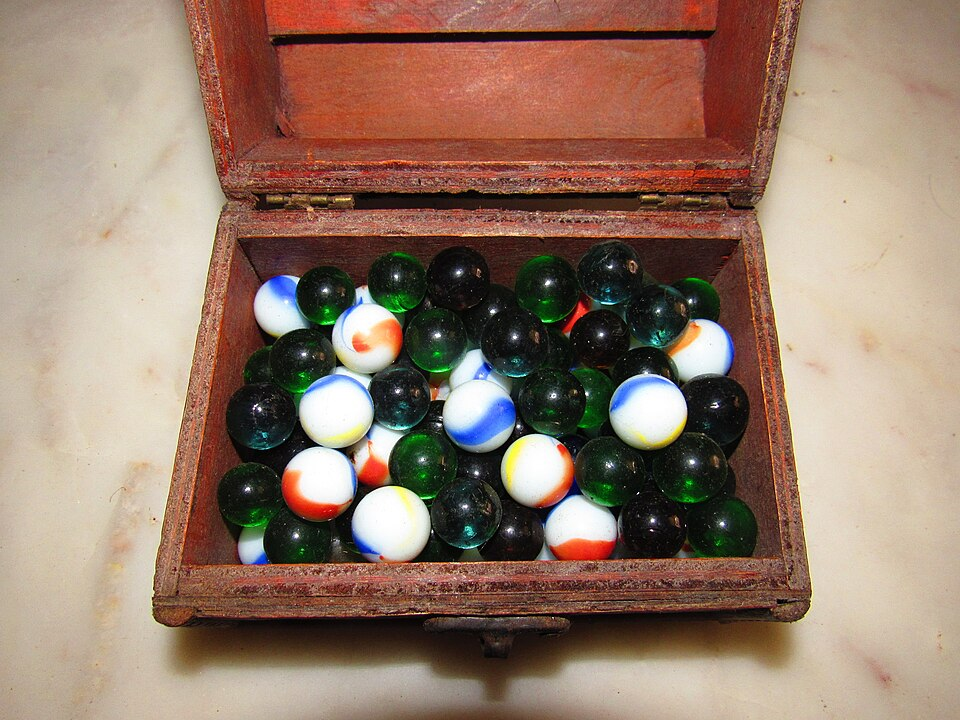
The toys were small by design, because they had to fit and they had to be cheap. Rings, badges, figures, whistles, tiny plastic vehicles: all of them well inside the size that modern regulation treats as unsafe for young children.
The Consumer Product Safety Commission’s small-parts rule, in force from 1979, sets a physical test for toys intended for children under three and bans anything that fails it. A cereal box reaches every child in the house regardless of who the toy was aimed at.
That last point is the regulatory difficulty with a cereal premium specifically, and it is why the category was effectively closed off rather than reformed. There is no way to age-restrict something that arrives in the family’s breakfast.
7. Premiums that were themselves dangerous objects

Beyond the size problem, some premiums were simply hazards. Toy guns that fired things. Darts. Objects with points and edges. Rings and badges finished in paint whose composition nobody was required to disclose or test.
Lead in paint on children’s products was restricted by the Consumer Product Safety Commission in 1978, and the broader testing and certification regime for children’s goods tightened substantially again in 2008. A mid-century cereal premium would fail several modern requirements at once.
The objects survive in collections in large numbers, which is how their specifications are known. Collectors who have had them tested report findings that would stop a modern product line immediately.
8. Health claims made directly on the front of the box
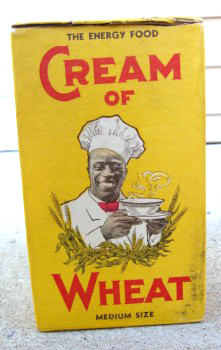
Cereal packaging of the period asserted outcomes. It built strong bodies, it supplied energy, it was what active children needed. These were not hedged statements and they were not supported by anything a shopper could examine.
Health claims on American food packaging are now a regulated category. A claim connecting a food to a disease or health condition requires authorisation, the permitted wording is specified, and a manufacturer cannot simply assert a benefit in its own words.
What replaced the old claims is the nutrient content claim, which is narrower and checkable: a statement about how much of something the product contains, with the panel beside it. Duller to read, and the dullness is the point.
9. Cereal sold as the entire breakfast
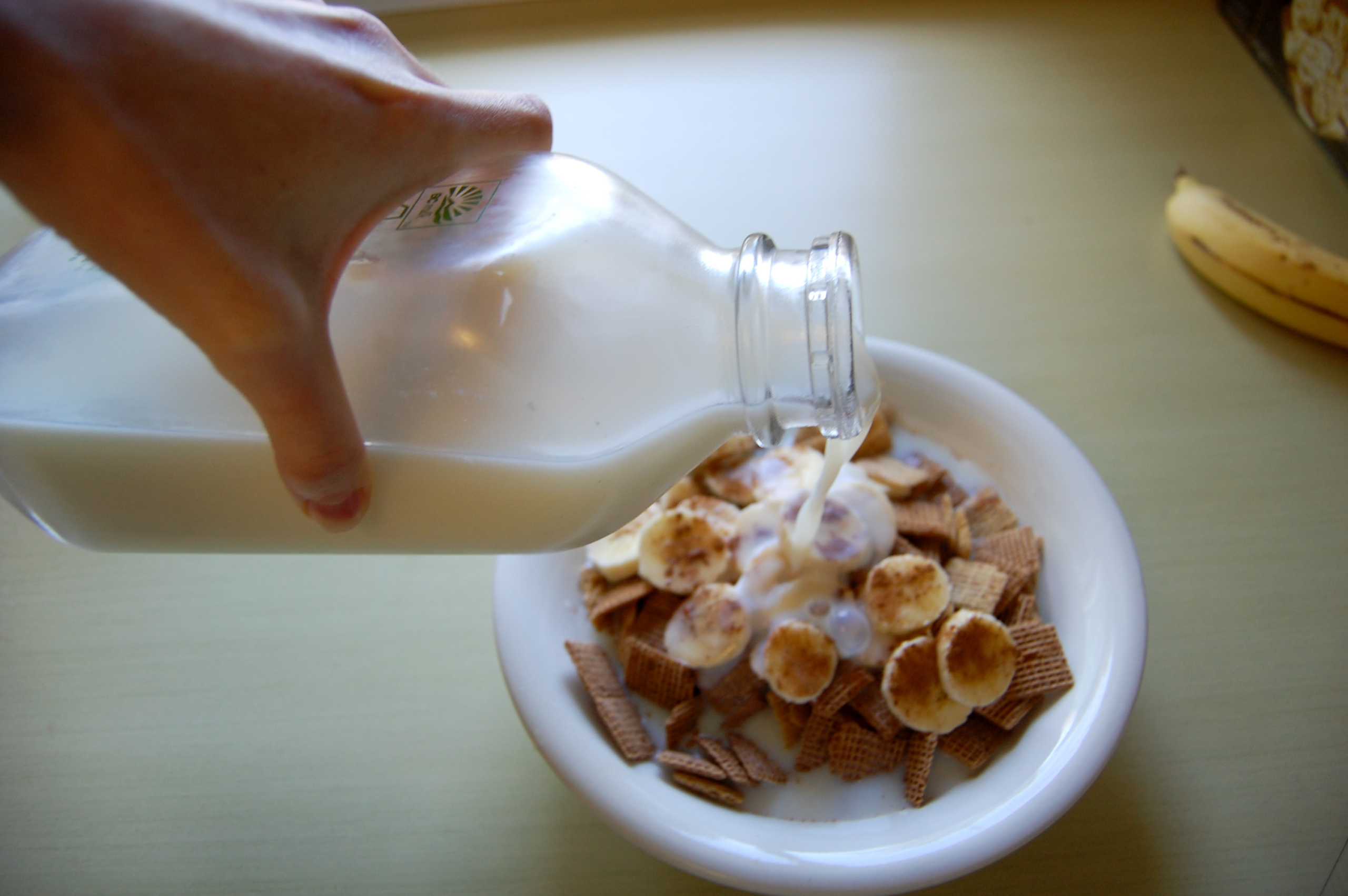
The 1965 pitch was that the bowl was the meal. Advertising showed the box, the milk and nothing else, and the implication that this constituted breakfast was not qualified anywhere.
The familiar phrase about being part of a complete breakfast, with the glass of juice and the toast arranged beside the bowl, came later and is a direct response to exactly that criticism. It is a qualification bolted onto the original claim.
The modern version of the pitch is the fortification panel rather than the promise. The interesting thing is that the product barely changed; what changed was what a brand is permitted to say the product does.
10. Vitamin claims presented as a complete answer
Fortification was the proudest thing on many 1965 boxes. A cereal could announce that it supplied the full daily requirement of a long list of vitamins and minerals, and the implication was that a bowl of it closed the nutritional question.
Fortification itself is unchanged and uncontroversial; it has done real public health good. What is no longer permissible is the framing, because a percentage of a vitamin requirement says nothing about the sugar, and the panel now puts both numbers on the same label.
This is a good illustration of how disclosure works as regulation. Nobody banned the vitamin claim. They required the rest of the information next to it, and the claim lost most of its force on its own.
11. Synthetic dyes that have since been withdrawn
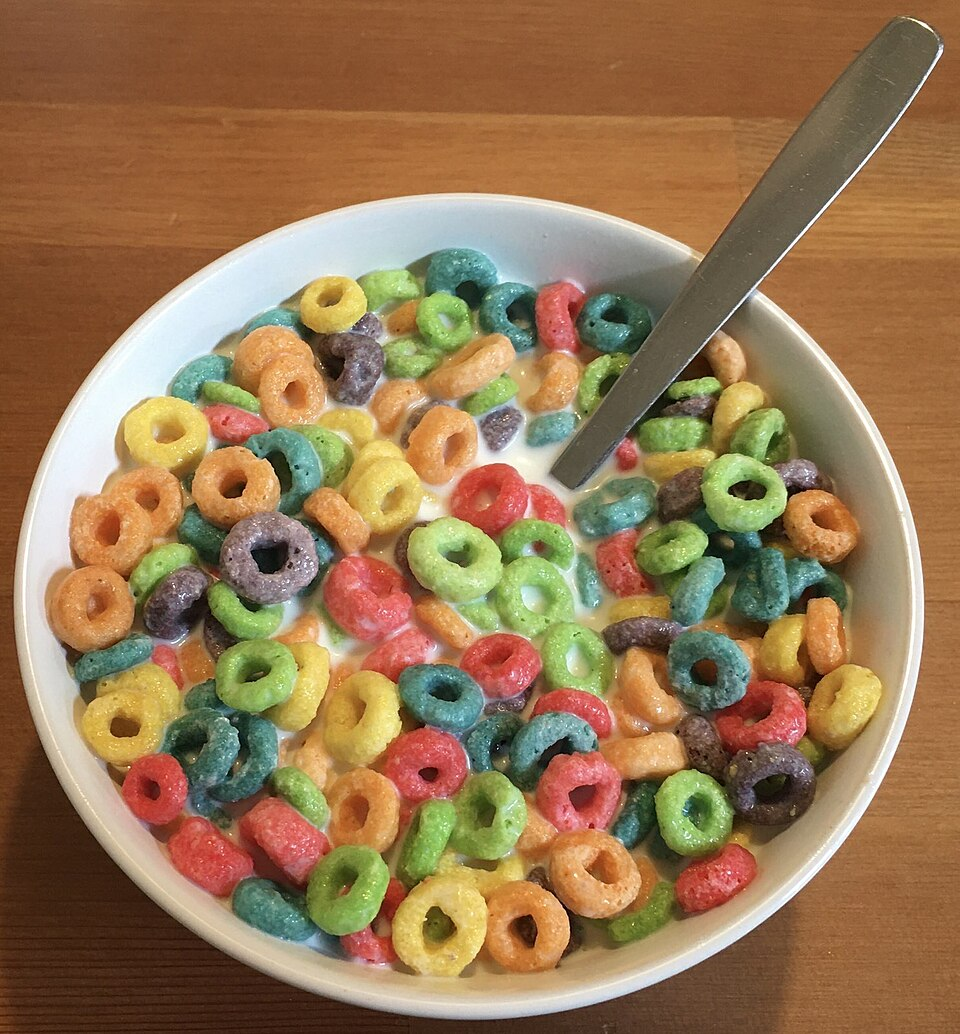
The brightly coloured cereals of the period used colour additives from a list that has since been pruned. Red No. 2, which was in very wide use across American food, was banned by the Food and Drug Administration in 1976, and others were delisted before and after it.
The pruning has continued in a different form recently, with manufacturers removing synthetic dyes from children’s cereals voluntarily and reformulating with plant-derived colours, mostly in response to consumer pressure rather than prohibition.
A 1965 box of a coloured cereal therefore contains at least one additive that is now illegal and several that a brand has chosen to abandon. The colours in the photographs are not the colours a modern version can achieve.
12. The back of the box as a cut-out toy

Cardboard was a free medium and brands used all of it. The back panel was a mask, a model, a board game, a set of trading cards to cut apart, or, in one celebrated format, a flexible gramophone record printed directly onto the card and playable once cut out.
None of this is prohibited. It simply cannot be justified now, because packaging has been engineered down to the minimum weight that will protect the product, and a back panel sturdy enough to cut a record out of is a quantity of board nobody is willing to pay for.
The nutrition panel also has to go somewhere. A modern box back is largely occupied by mandatory information, which is the quiet trade a shopper made: the disclosures came in and the games went out.
13. Mail-in offers that asked children to send coins
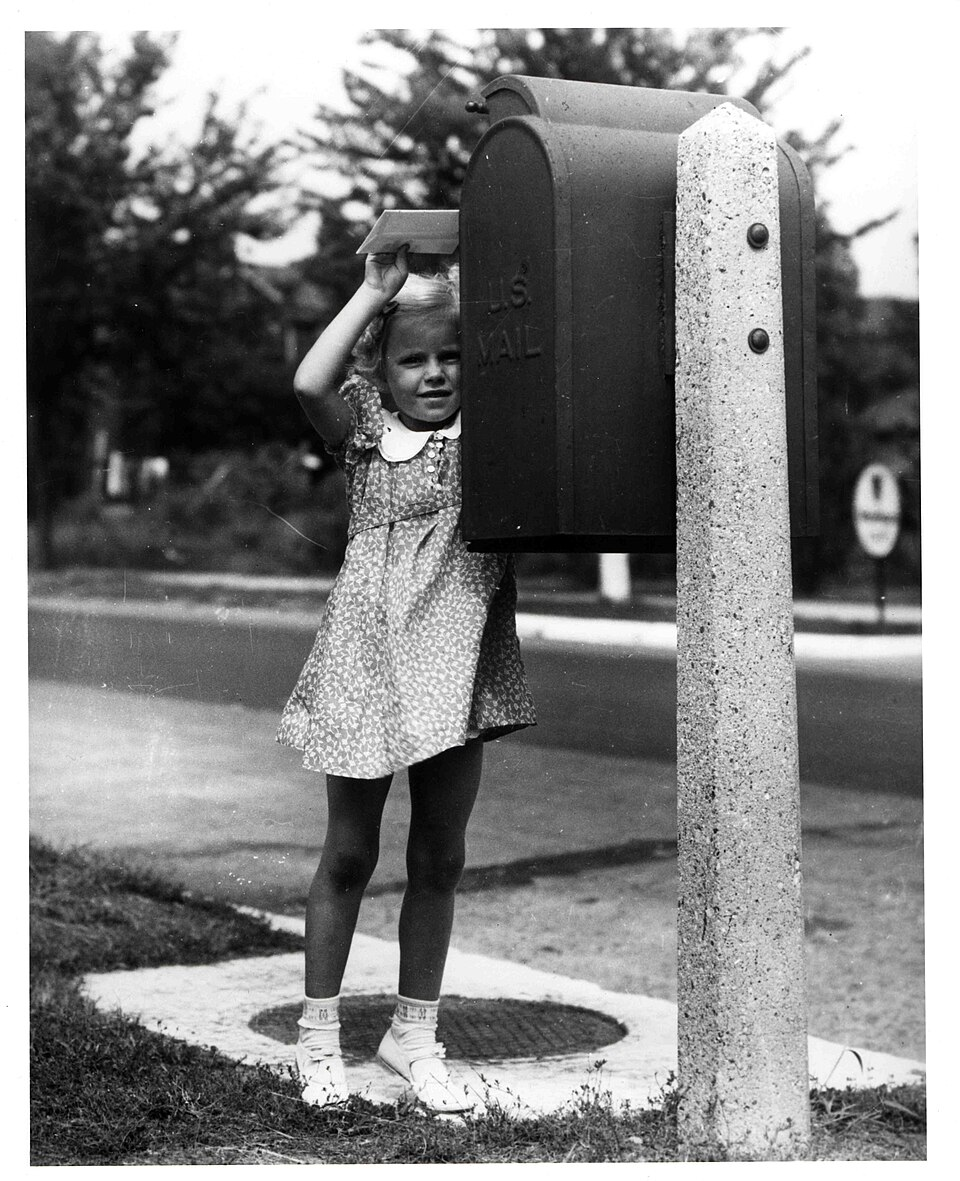
The standard premium offer required box tops and a small sum of money, and the instruction was to tape a coin or two to a card and post it to an address in another state. Millions of American children did this unsupervised.
Nothing about it was illegal and it worked remarkably well. What has changed is that no brand would now build a children’s promotion around sending cash through the mail to an unverified address, for reasons that are about liability and child safety rather than about postage.
The replacement is a code on the box and a website, which is better in every operational respect and has removed the six-week wait that was, for a lot of people, the most memorable part of the whole transaction.
14. Advertising aimed squarely at children, in children’s programming
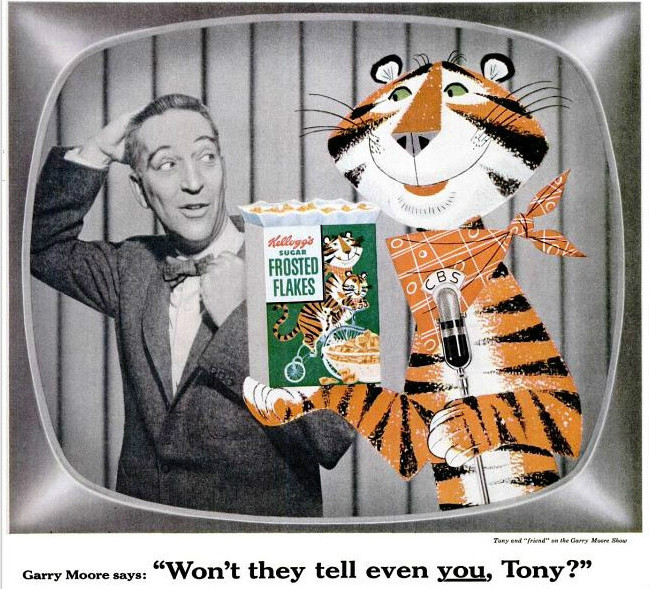
Cereal advertising in 1965 was built for the Saturday morning audience and spoke directly to it. The mascot, the jingle and the demand it was designed to produce in a supermarket aisle were the entire mechanism, and nobody pretended otherwise.
The Federal Trade Commission opened a rulemaking in 1978 aimed at restricting advertising to young children, which became known as the kid-vid proceeding and was abandoned in the early 1980s without a rule. The Children’s Television Act of 1990 addressed the surrounding programming instead.
What actually constrained it was industry self-regulation. From 2007, participating companies pledged not to advertise to children products failing agreed nutrition criteria, which removed a number of cereals from children’s programming without any law being passed.
15. Mascots with no limits on where they appeared
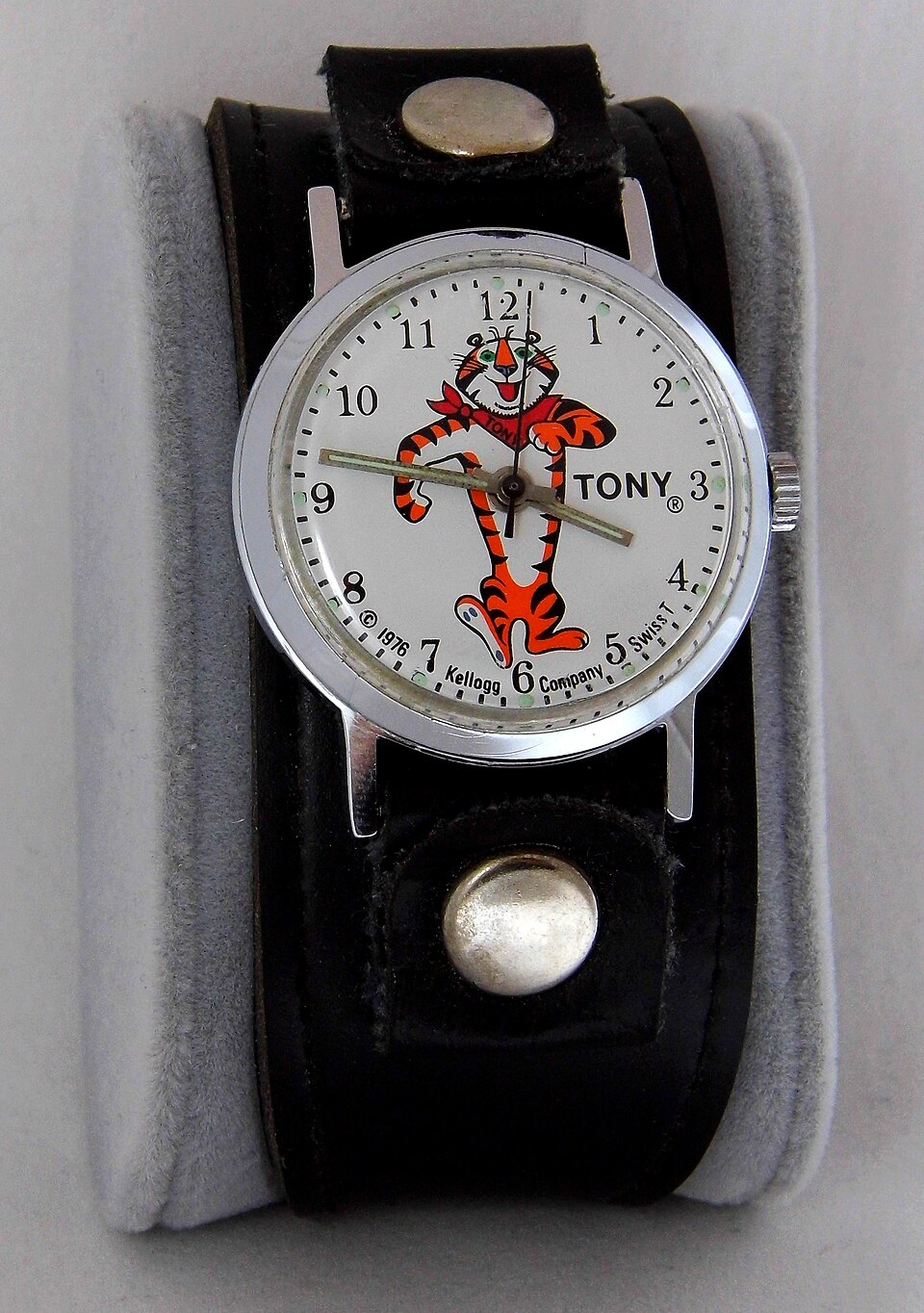
The animated characters were used everywhere: on the box, in advertising, on merchandise, in comics, in supermarket displays at a child’s eye level, and in material distributed through schools. There was no boundary to the territory a mascot could occupy.
The same self-regulatory framework narrowed this considerably, and the marketing of branded food characters in American schools in particular has been constrained by both policy and local objection. The characters still exist; the range of places they are allowed to stand has shrunk.
It is worth saying that the mascots are also the most genuinely loved thing in this whole story. People who are entirely clear-eyed about the sugar still remember the characters with real affection, and that affection is precisely what made the technique work.
16. No date marking and no ingredient order you could rely on
Open dating of packaged food was not standard in 1965. A box carried a production code that meant something to the distributor and nothing to a shopper, and the familiar best-before marking spread across American groceries through the 1970s.
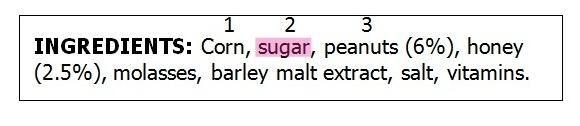
Ingredient listing in descending order of predominance, which is the convention that lets a shopper see at a glance that sugar is the second item, was also not the universal requirement it later became. Both changes shifted information from the trade to the customer.
Put those two together with the nutrition panel and the allergen statement and the scale of the change becomes clear. The 1965 box was a poster. The modern box is a disclosure document with a poster printed on the front of it.
What a cereal box became
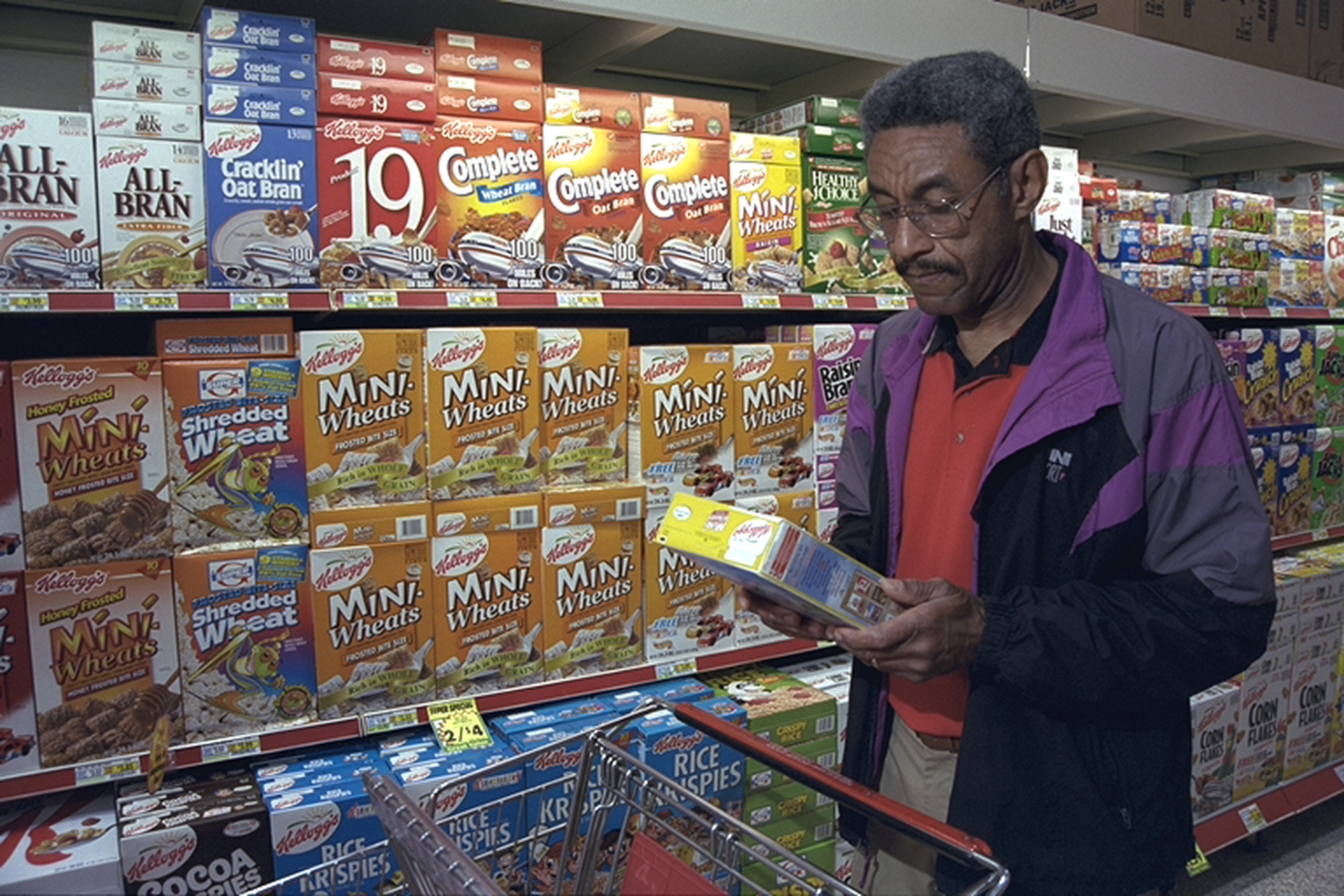
The product on the shelf is remarkably unchanged. Several of the biggest American cereals of 1965 are still on sale under names a 1965 shopper would mostly recognise, in formulations that are not radically different, eaten in much the same way. The aisle is the same aisle.
What changed is the package as an instrument. In 1965 it was a piece of advertising that happened to contain food, free to assert whatever its owner thought would sell it, carrying a toy, a game and a promise. Now it is a legal document that happens to be printed in colour, obliged to disclose the things a shopper would need in order to disbelieve the front of it. The nutrition panel, the ingredient order, the allergen statement and the standardised serving size were all fought over, all arrived separately, and together they did more to change American eating than any restriction on a product ever has.
The nostalgia for the old boxes is entirely understandable and mostly about the back panel: the masks, the games, the records printed on cardboard, the six-week wait for something posted from Michigan. That was real and it is gone, and what took its place is a table of numbers.
It is a fair trade and it does not feel like one at breakfast. Both things can be true.
Like our content? Follow us for more.