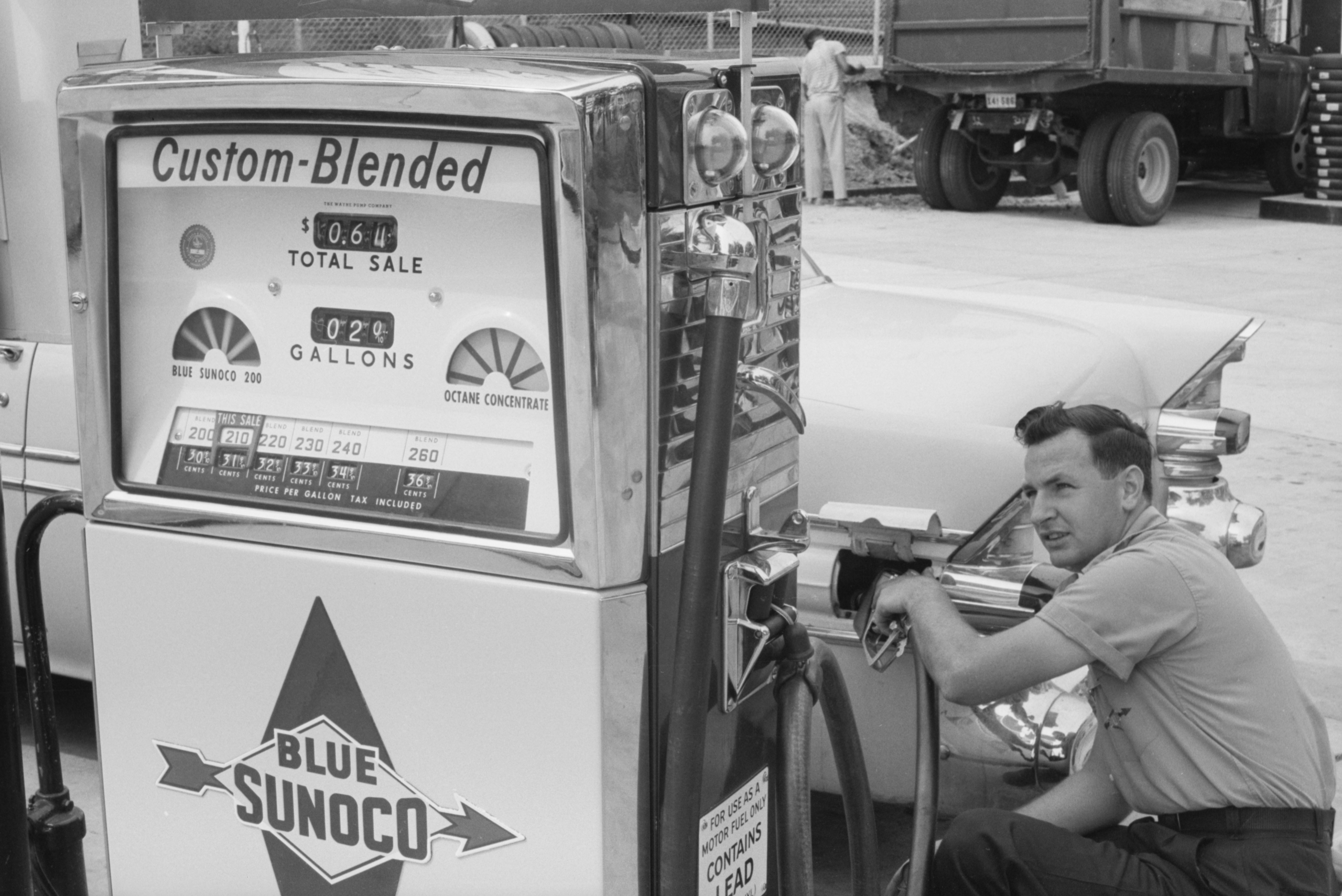
The full-service station is one of the warmest images in American roadside memory: the uniform, the windshield wiped without being asked, the oil checked, the tyres kicked, the free road map. All of that was real, and the courtesy was genuine.
What the photographs do not show is that the forecourt was an unregulated chemical workplace and the attendant was the most exposed person on it. Almost every item below was ended by a specific federal rule with a date, and the striking thing when they are lined up is how late most of those dates are. The attendant of 1965 was working with lead, benzene, asbestos and chlorinated solvents, in every case without being told that was what he was working with. Here are sixteen practices from that forecourt, each with the rule that ended it.
1. Pumped leaded gasoline into every tank on the forecourt
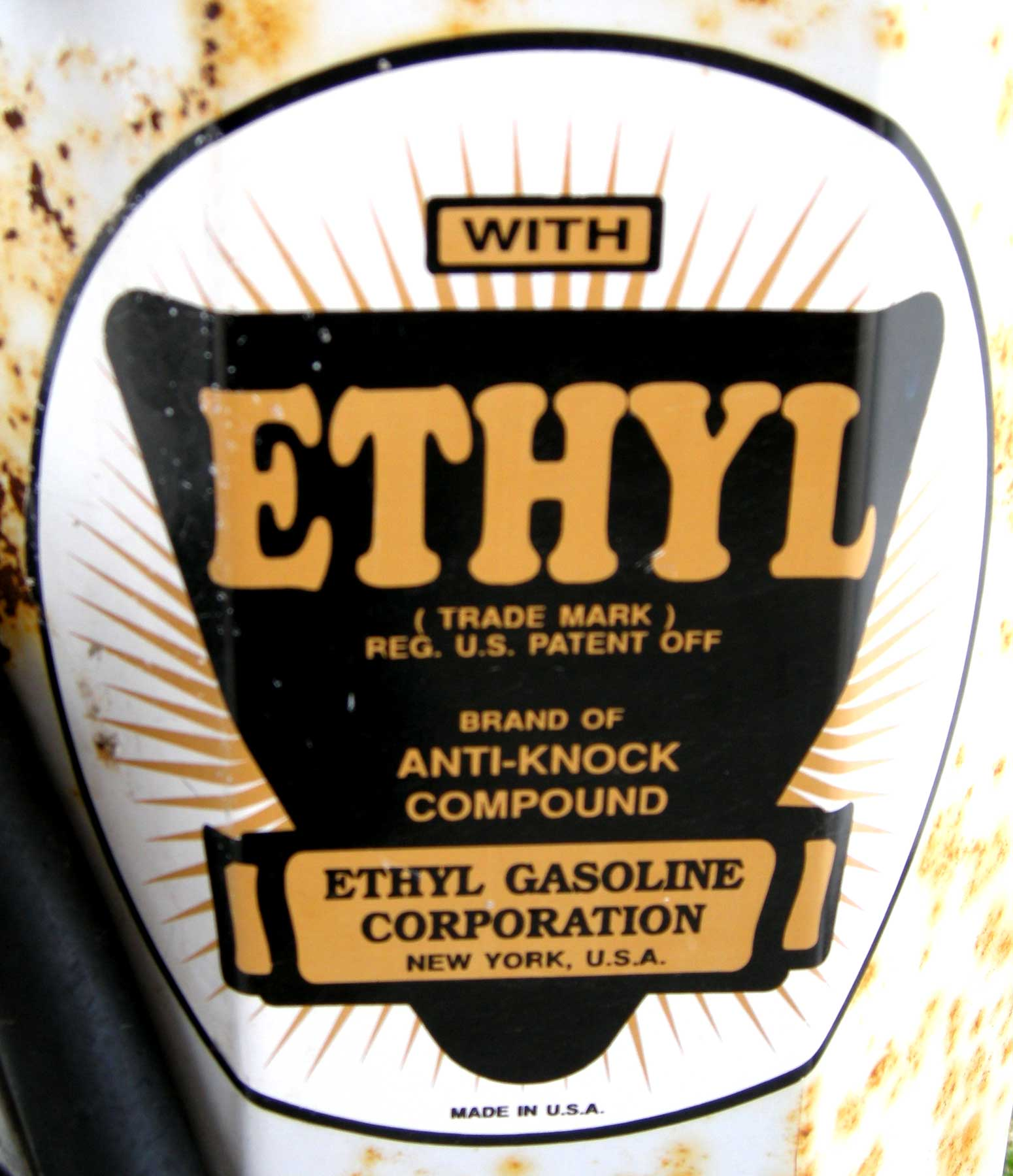
Regular grade contained tetraethyl lead, added since the 1920s to stop engine knock, and the attendant handled it all day in liquid and vapour form with no protection and no information about what it was.
The United States began phasing lead out of motor fuel in 1973 and completed the ban for on-road vehicles in 1996. The population-level fall in blood lead that followed is one of the most dramatic public health results ever recorded in the country.
Nothing about the attendant’s job changed when the lead went. The pump looked the same and the work was the same. The difference is entirely in what was going into the air at the nozzle and into the man standing beside it.
Like our content? Follow us for more.
2. Filled a tank with no vapour recovery on the nozzle
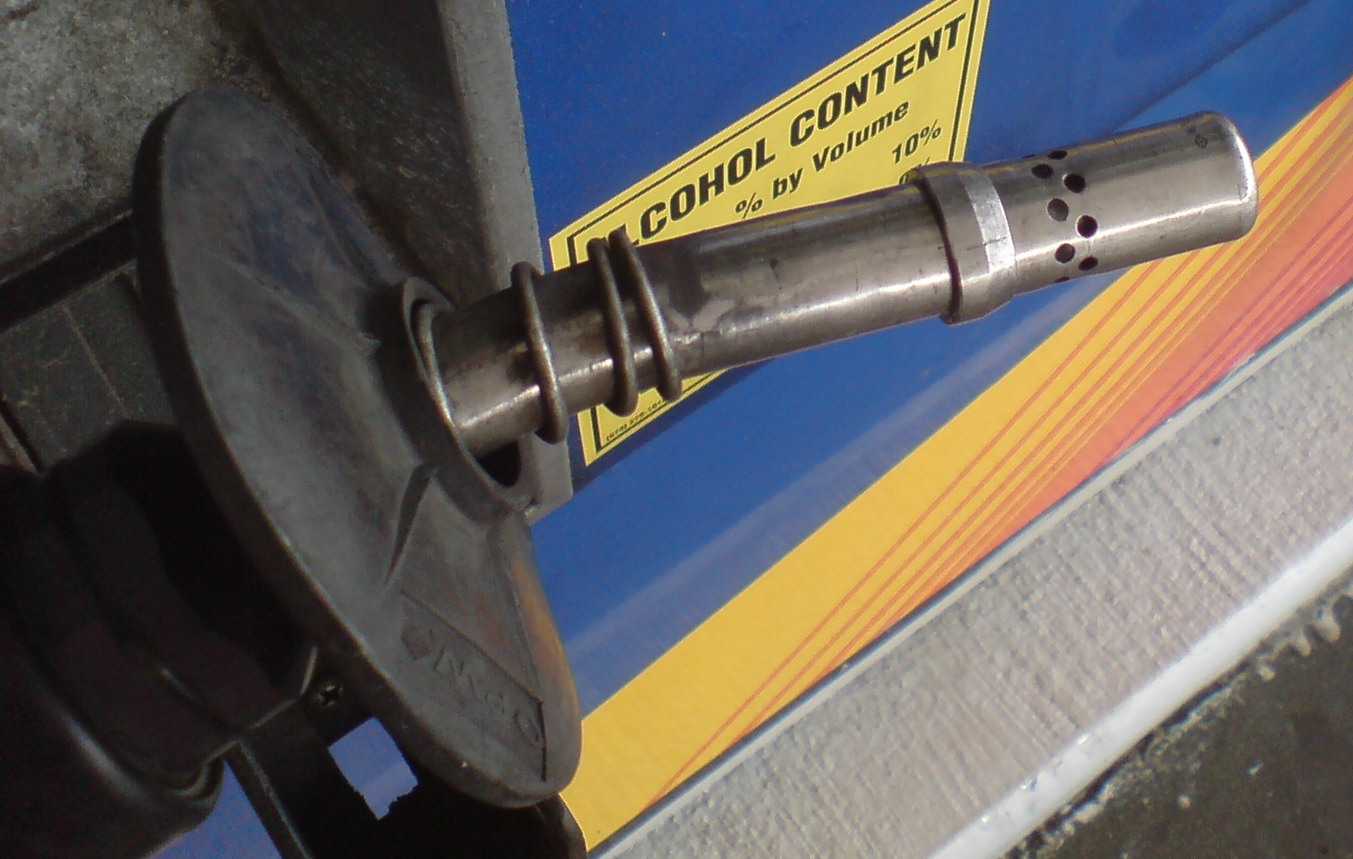
A 1965 nozzle was a spout. Fuel went in and an equal volume of gasoline vapour came straight back out of the filler neck into the face of whoever was holding it, every fill, all day.
Vapour recovery systems, which capture the displaced vapour and return it to the tank, were mandated in stages from the 1970s onward, first in the areas with the worst air quality and then much more widely. The bellows on a modern nozzle is that system.
Gasoline vapour contains benzene, which is a known human carcinogen, and the occupational standard for it in the United States was substantially tightened in 1987. The attendant of 1965 was the most exposed person on the site and nobody had measured it.
3. Washed parts and hands in a bucket of gasoline
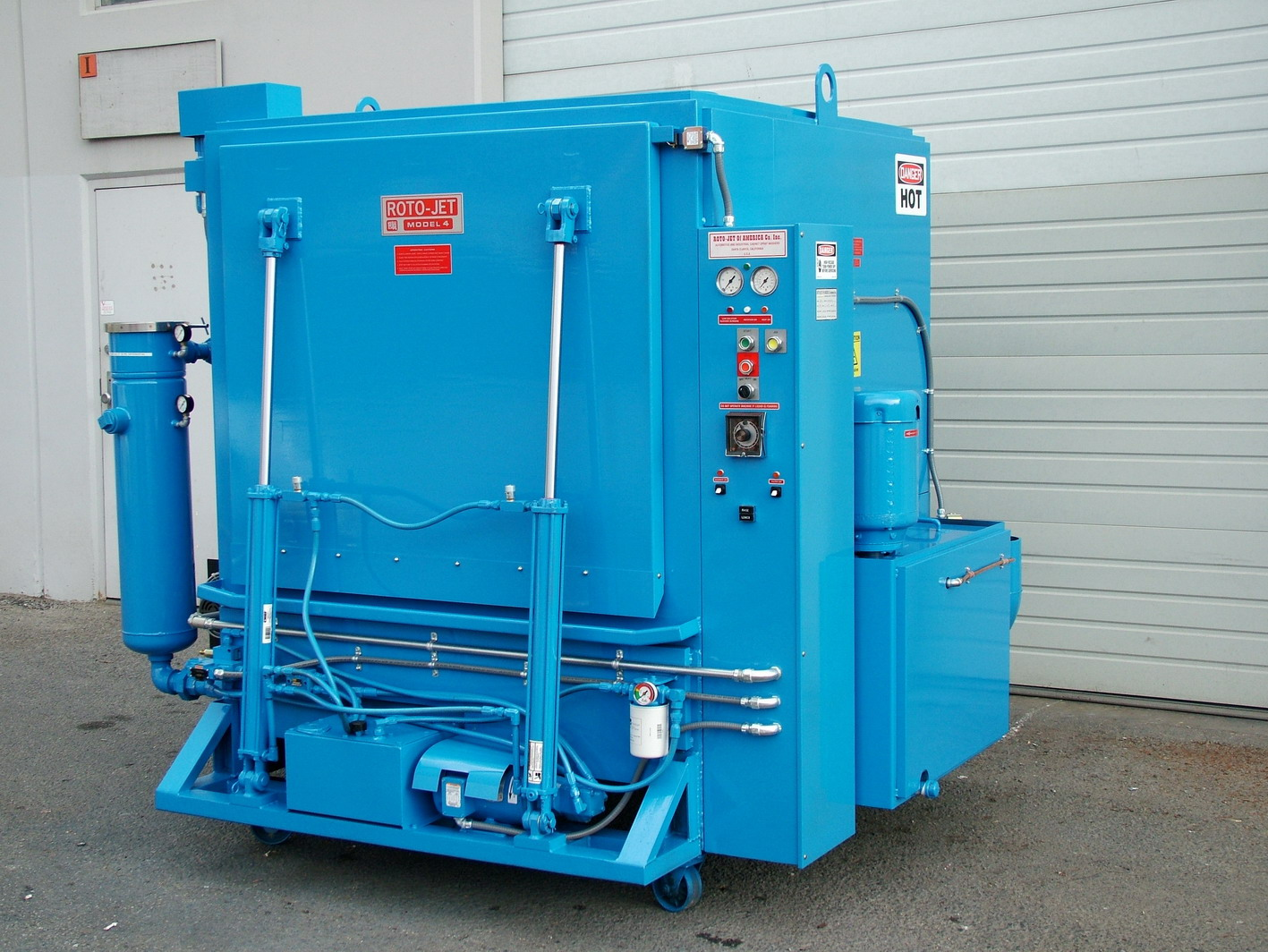
Gasoline was the cheapest solvent in the building and it was used as one. Parts went into a tray of it, brushes were dipped in it, and men washed grease off their hands and forearms with it and dried them on a rag.
Using a flammable liquid of that volatility as a cleaning agent is prohibited under American workplace safety rules, and the parts washer that replaced it is a closed unit with an approved solvent, a fusible lid and documented waste handling.
The skin exposure was the quieter half of the problem. The fire risk was understood at the time, roughly; the dermal absorption of benzene through an afternoon of hand-washing was not understood by anybody on the forecourt.
4. Ground asbestos brake linings in the back of the shop
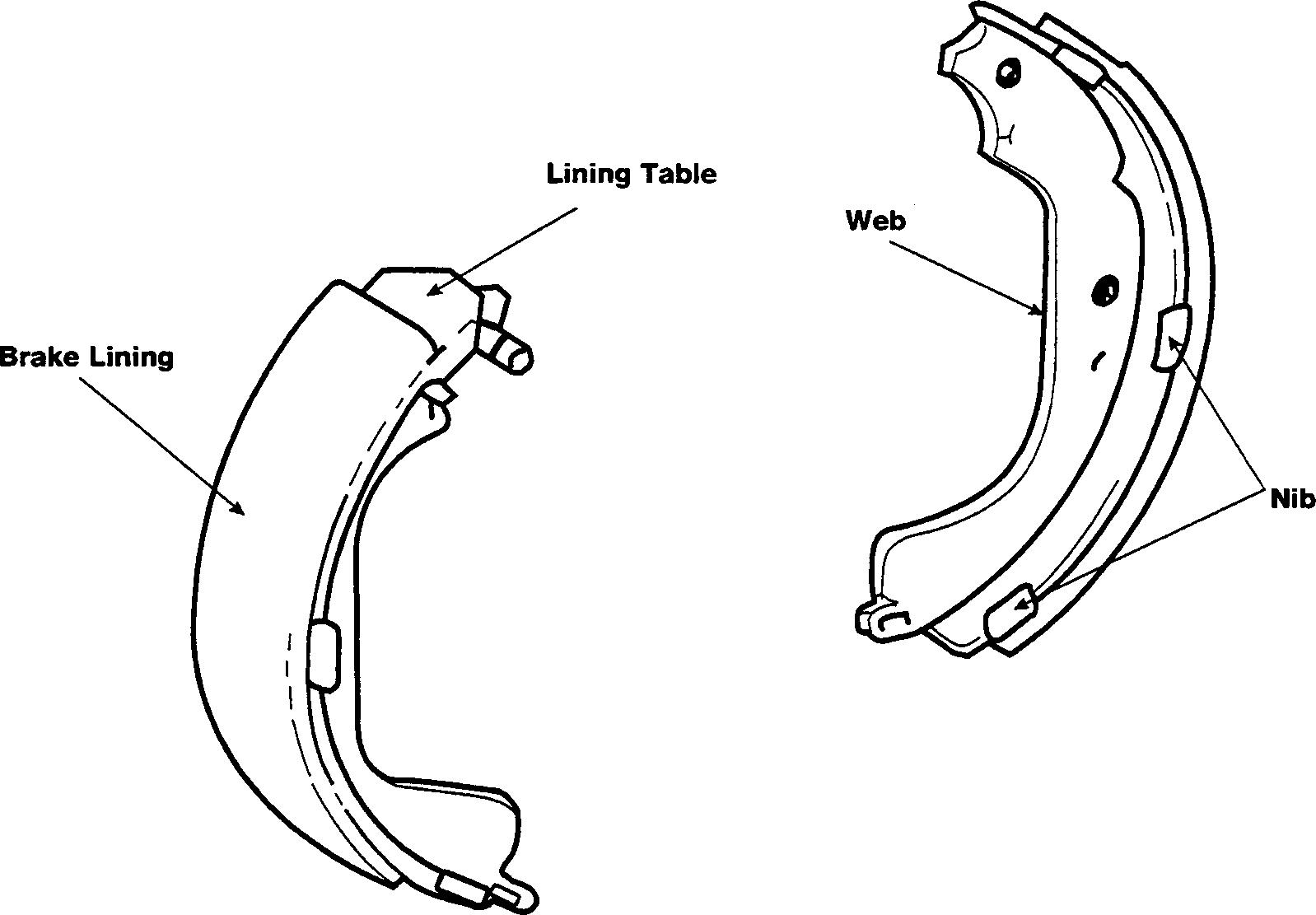
Brake shoes were relined and the new linings were ground to fit on a machine in the service bay. The linings were asbestos, the grinding produced a fine dust, and the dust went into the air of a room men worked in without respirators.
Asbestos brake work in the United States is now governed by a specific standard requiring enclosure, negative pressure or wet methods, and relining with asbestos is no longer part of the trade. Brake dust is handled as a regulated material.
This is the item with the longest tail. Grinding and arcing linings was ordinary work in thousands of American service bays for decades, and the exposure was concentrated on a small number of men doing it daily.
5. Vented air conditioning refrigerant straight into the air
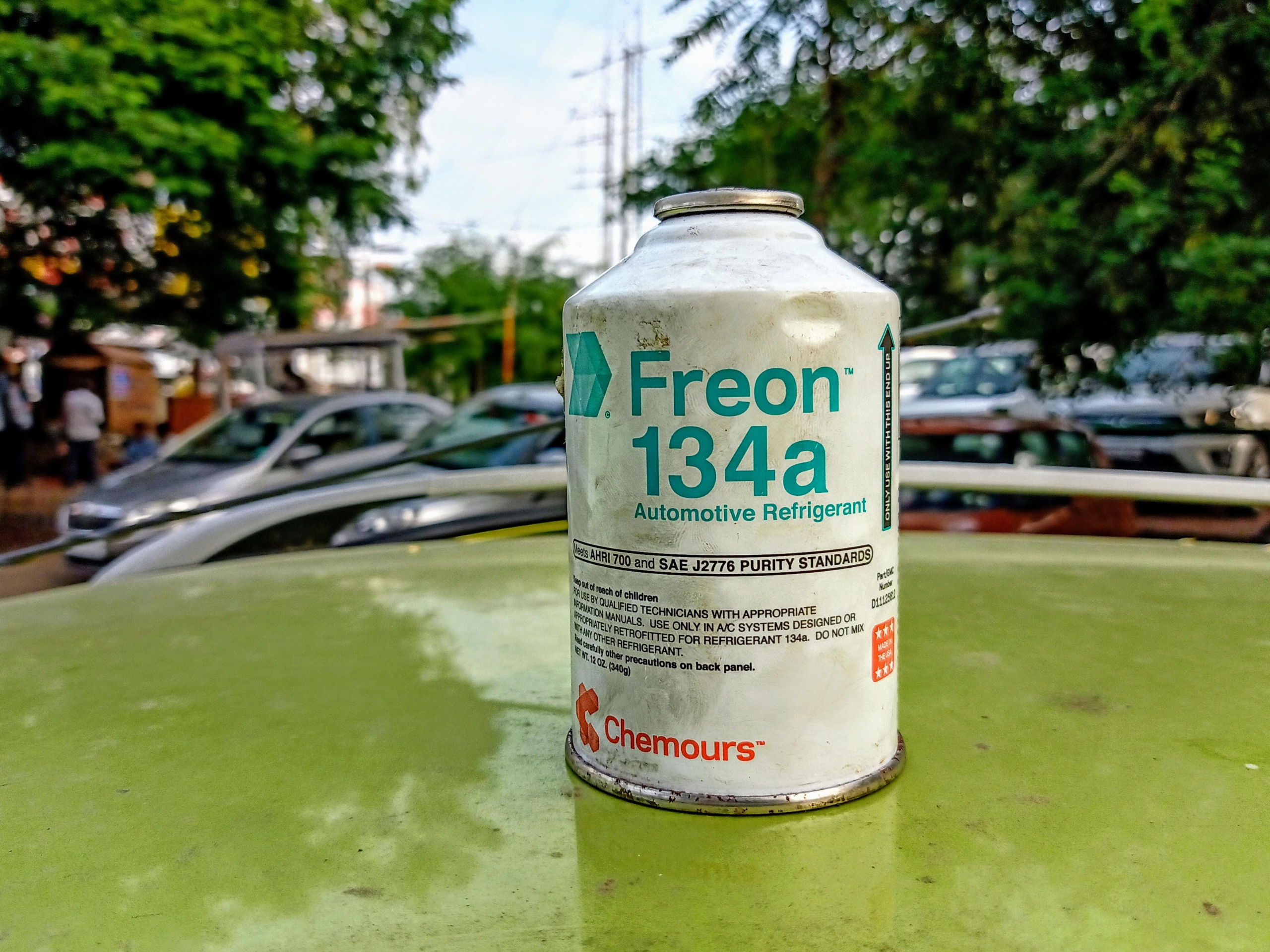
Servicing a car’s air conditioning meant opening the system and letting the refrigerant go. It was cheap, it was not thought to be harmful, and recovering it would have required equipment nobody had a reason to buy.
Knowingly venting ozone-depleting refrigerant during motor vehicle air conditioning service was prohibited in the United States in 1992 under the Clean Air Act, with recovery and recycling equipment and technician certification required.
This is the fastest reversal on the list. A practice that was universal and unremarkable became a federal offence inside a few years, on the strength of atmospheric chemistry that had nothing to do with cars when the work began.
6. Poured used oil onto the ground or down the drain
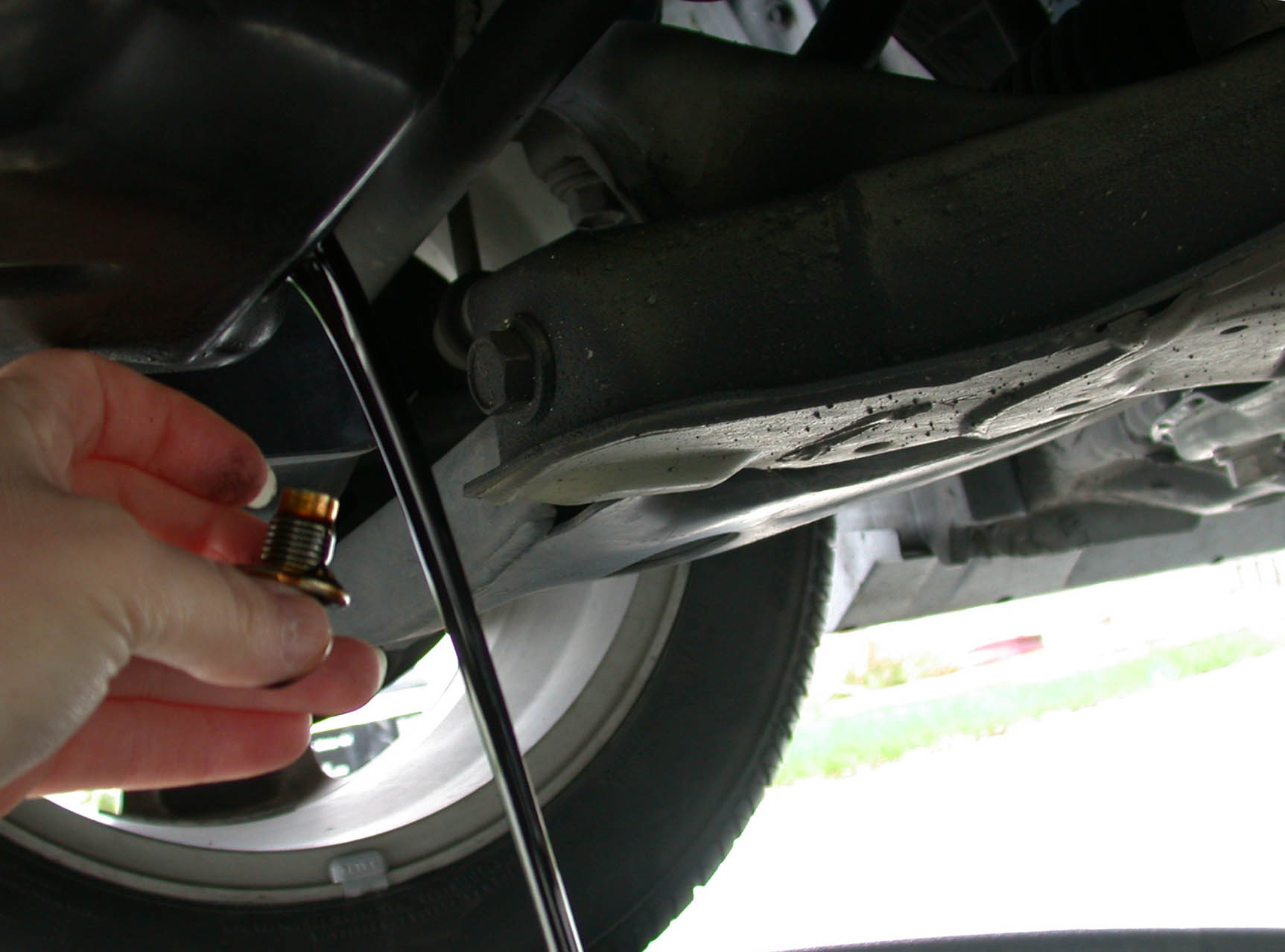
An oil change produced several quarts of waste, and the disposal method was whatever was nearest: the gravel at the back of the lot, the storm drain at the kerb, or a drum that went out with the rubbish when it filled.
Used oil is handled in the United States under federal hazardous waste rules, with specified storage, labelling, spill response and manifested collection by a licensed hauler. Discharging it to a storm drain is a straightforward violation.
The soil contamination from decades of this is the reason so many former American service station sites sat empty for years. The buildings came down easily. The ground underneath them was the expensive part.
7. Stored fuel in bare steel tanks with no way to know if they leaked
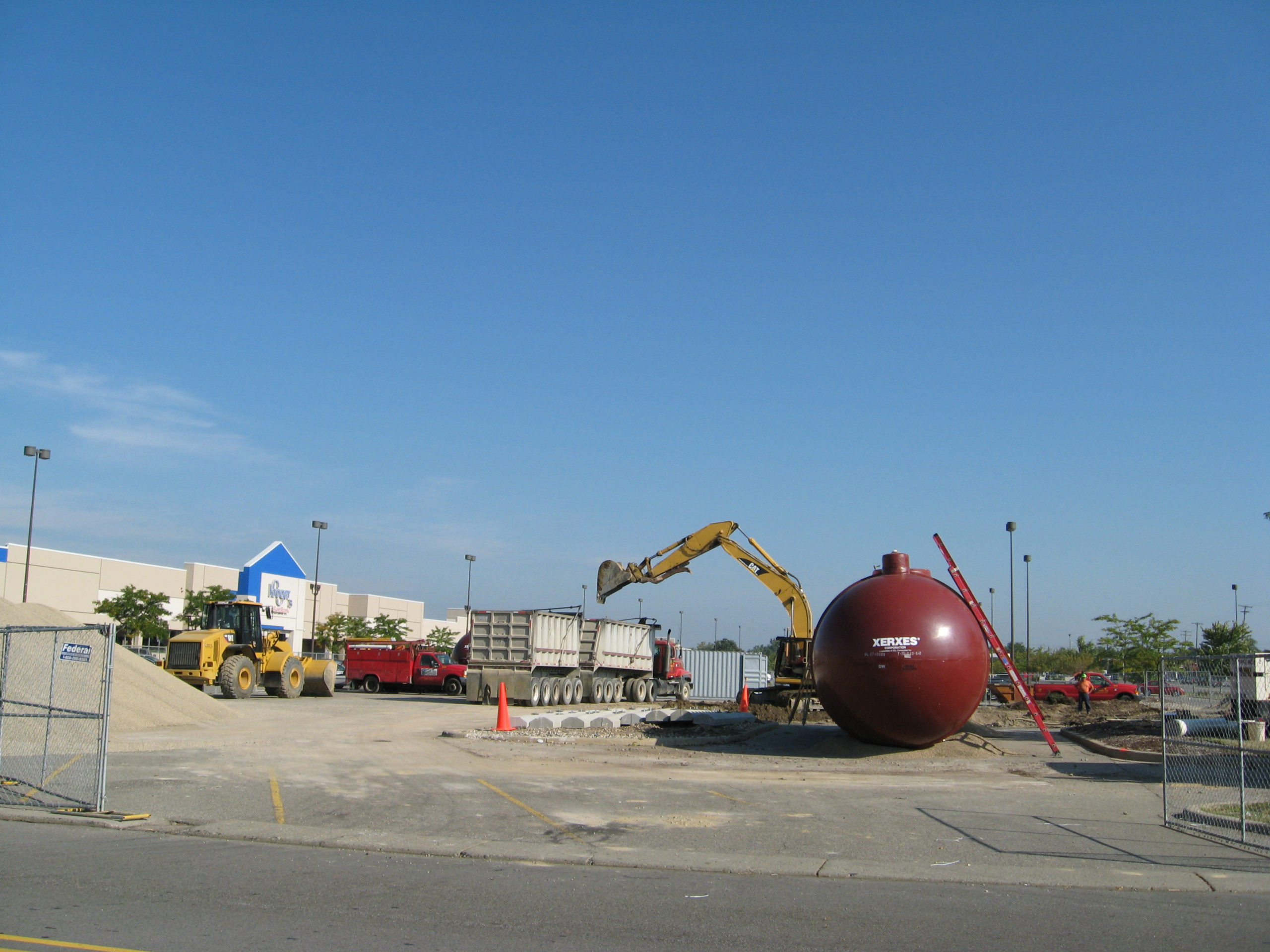
Underground tanks were unlined steel, buried, and monitored by the simple method of comparing deliveries against sales and seeing whether the numbers looked wrong. A slow leak could run for years without anyone noticing.
Federal underground storage tank regulations arrived in 1988 and required corrosion protection, spill and overfill prevention and leak detection, with an upgrade or closure deadline in 1998. A very large number of old stations closed rather than comply.
That single deadline reshaped the American roadside more than any other rule on this list. The small independent station with two pumps and three buried tanks was, in many cases, ended by the cost of the tanks and not by competition.
8. Repaired multi-piece wheels without a restraining cage
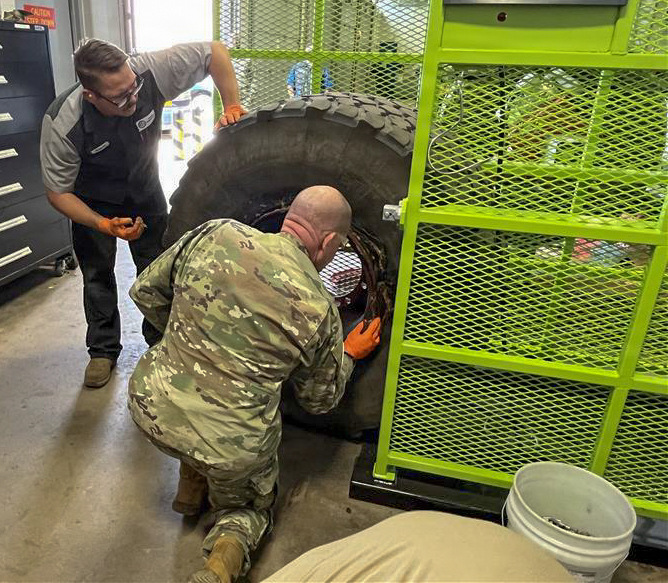
Split-rim and other multi-piece wheel assemblies release stored energy violently if they come apart under pressure, and men inflated them standing beside them, holding the tyre, with nothing between.
American workplace rules now require a restraining device for inflating any multi-piece wheel assembly, along with a specific procedure and training, and the cage is standard equipment in any shop that touches truck tyres.
The physics were understood by the men doing it, which is why experienced hands had their own ways of standing. What they did not have was the cage, and the cage is the only thing that actually works.
9. Blew dust off everything with a full-pressure air line
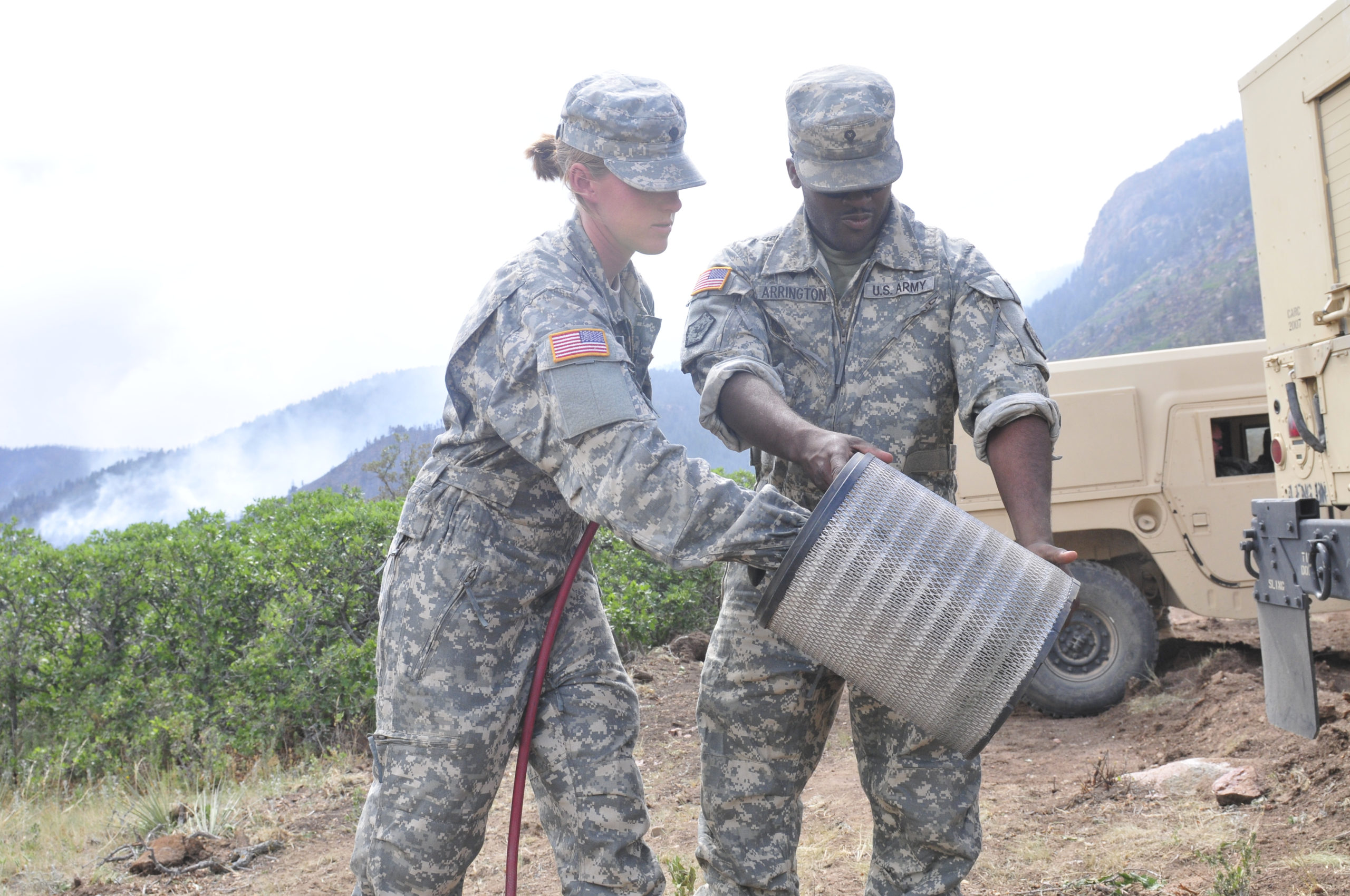
Compressed air was the all-purpose tool. Brake dust, floor sweepings, upholstery, a man’s overalls at the end of a shift and occasionally a colleague were all cleaned with the air line at whatever pressure the compressor was running.
American rules limit compressed air used for cleaning to a low pressure at the nozzle and require chip guarding and eye protection. Using an air line on a person is prohibited outright, for reasons involving air entering the body.
It is also the exact wrong tool for brake dust, because it takes a settled hazardous material and makes it airborne in an enclosed room. Two separate rules now forbid the same long-standing habit.
10. Worked under a car held up on a jack
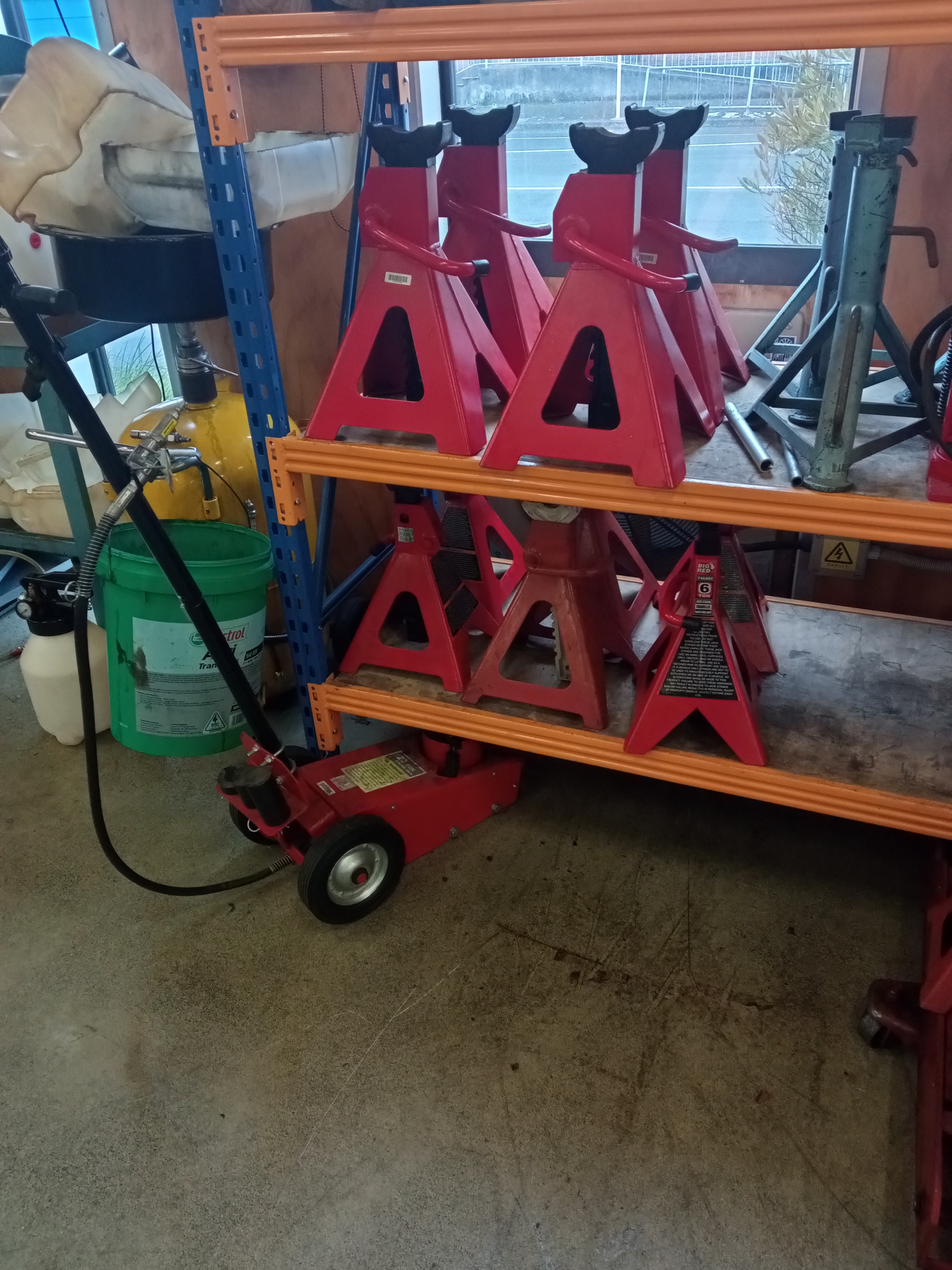
A bumper jack or a trolley jack raised the car and the man went underneath it. Stands were available and were often not used, because the job was five minutes and moving the stands took two.
Vehicle lifts with mechanical locks are the standard now, and where a jack is used the requirement is to support the load on stands before anybody goes under. This is among the most strictly enforced rules in the trade.
Every experienced mechanic from that era has a story about this, and the stories divide sharply into the ones that are funny and the ones that are not told. The rule exists because of the second category.
11. Handled battery acid with no eye protection
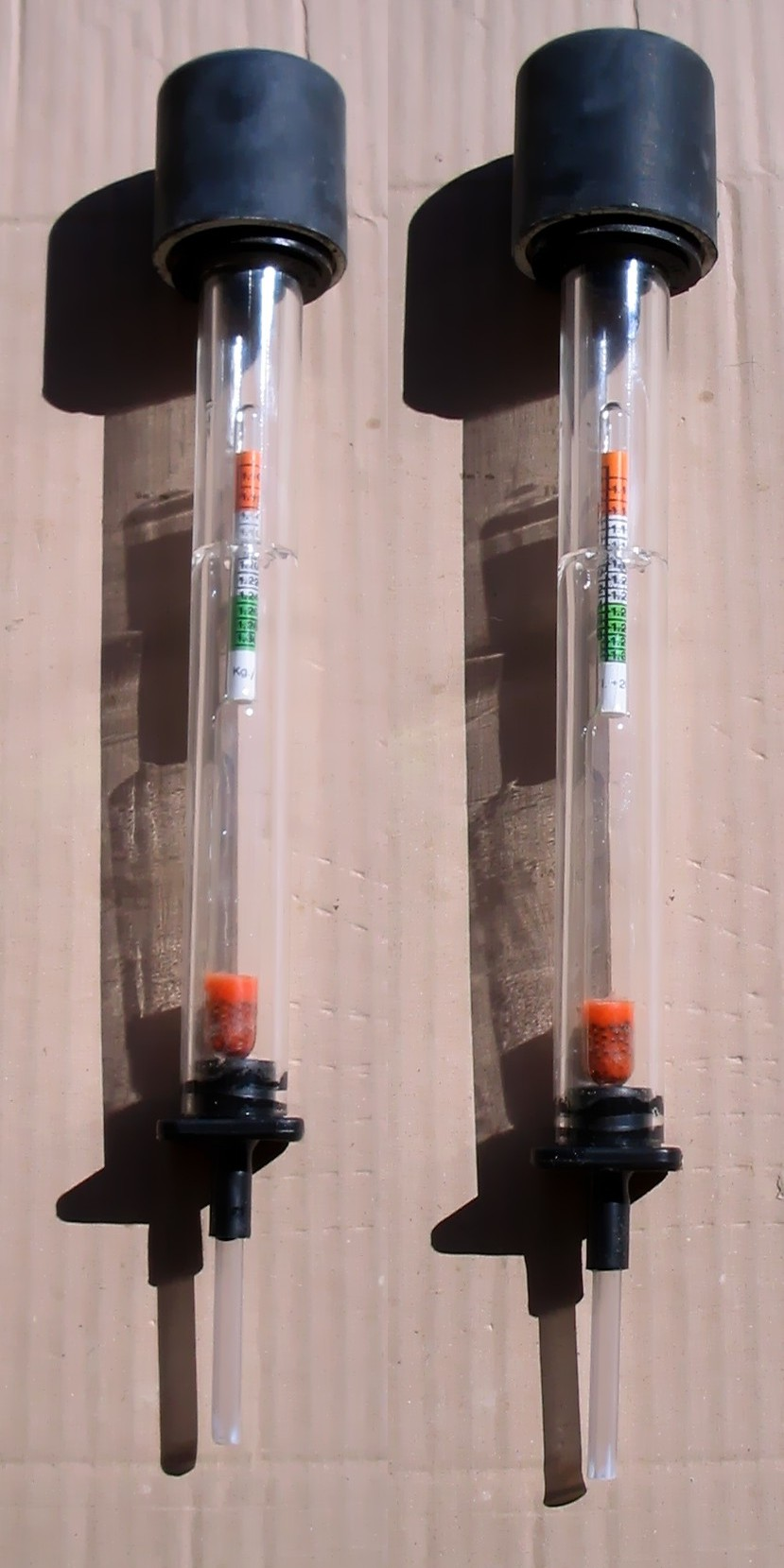
Batteries were serviced rather than replaced. Cells were topped up, specific gravity was tested with a hydrometer drawn by mouth suction in some shops, and acid was decanted from a glass carboy into a filler.
Eye protection and a face shield are now required for battery work, along with an accessible eyewash station, specified handling for the electrolyte and a prohibition on any form of mouth suction anywhere near it.
Lead-acid batteries have also become sealed units that are swapped rather than maintained, which removed most of the exposure by removing the task. The hydrometer is now a piece of garage nostalgia.
12. Let customers smoke on the forecourt while the tank was filling
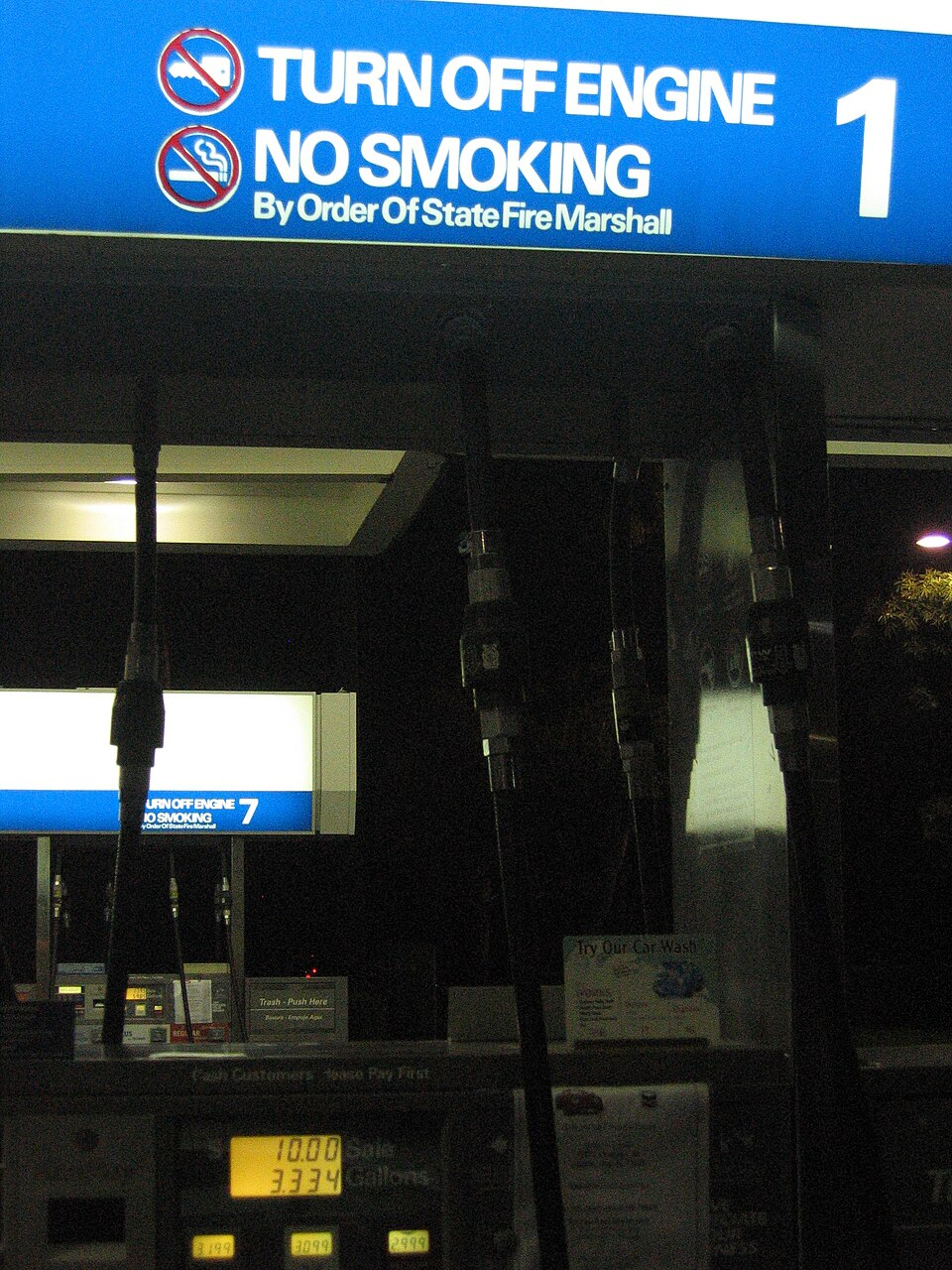
Smoking at the pump was not treated as remarkable. Drivers smoked while being served, attendants smoked between cars, and ashtrays were emptied onto the forecourt along with everything else from the floor of the car.
Fire codes now prohibit smoking on a fuelling forecourt, require the signage that is on every American pump, and address ignition sources including engines left running and the static discharge risk from re-entering a vehicle mid-fill.
The signs are so familiar that they read as decoration. Every line on them is there because the practice it forbids was normal within living memory and somebody worked out what it cost.
13. Topped the tank off well past the click
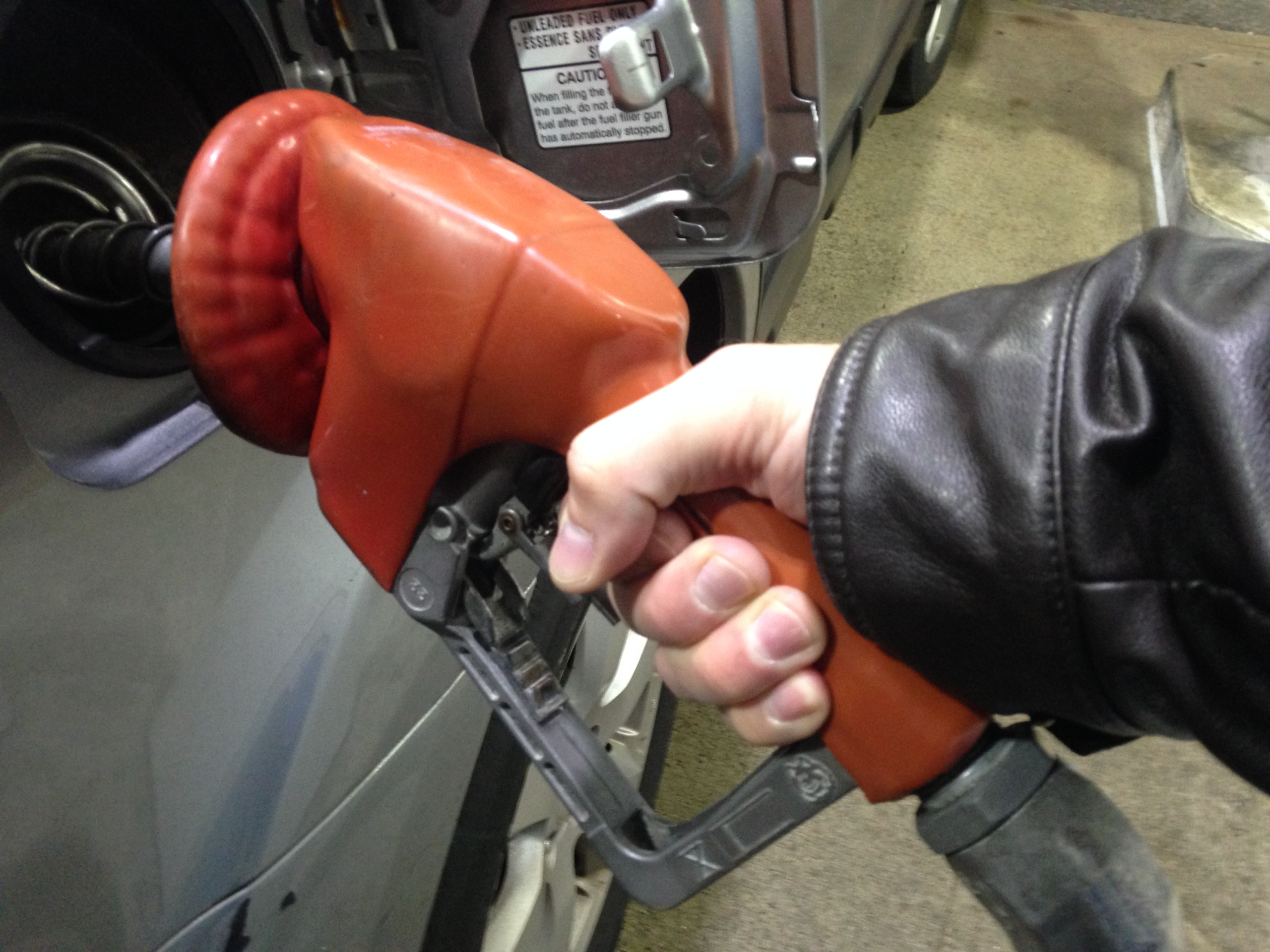
Full service meant full, and the attendant squeezed in the last fraction after the automatic shutoff tripped, often up into the filler neck, because a round number on the dial and a genuinely full tank were both part of the service.
Overfilling defeats the vapour recovery system, pushes liquid fuel into the vapour line and spills onto the forecourt, and modern pumps and signage both advise against it. It is the one item here that drivers rather than operators still do.
The click is not a suggestion. It is the point at which the system is doing what it was designed to do, and everything after it goes somewhere other than the tank.
14. Degreased with chlorinated solvents in an open tank
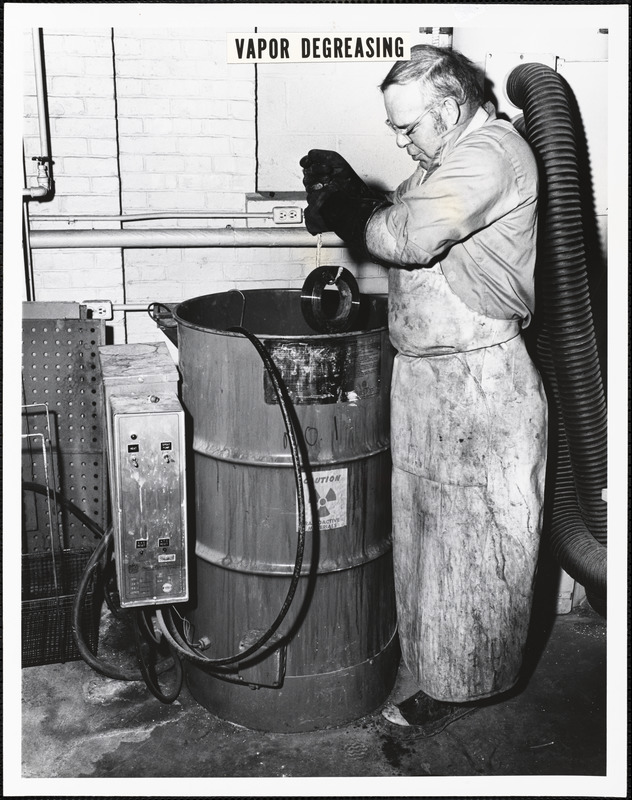
Heavy degreasing used chlorinated solvents in open tanks and trays, evaporating freely into the workshop. They worked extremely well, which is why they were used, and they were cheap enough to be treated as consumables.
Those solvents are now tightly controlled in the United States as air toxics, with enclosed equipment, emission controls and occupational exposure limits, and several of the specific compounds used then have been restricted or withdrawn from this use.
The characteristic sweet smell of a 1965 workshop was largely this. People who worked in those bays describe it with some affection, which is an uncomfortable thing to read now.
15. Sold gasoline into whatever container the customer brought
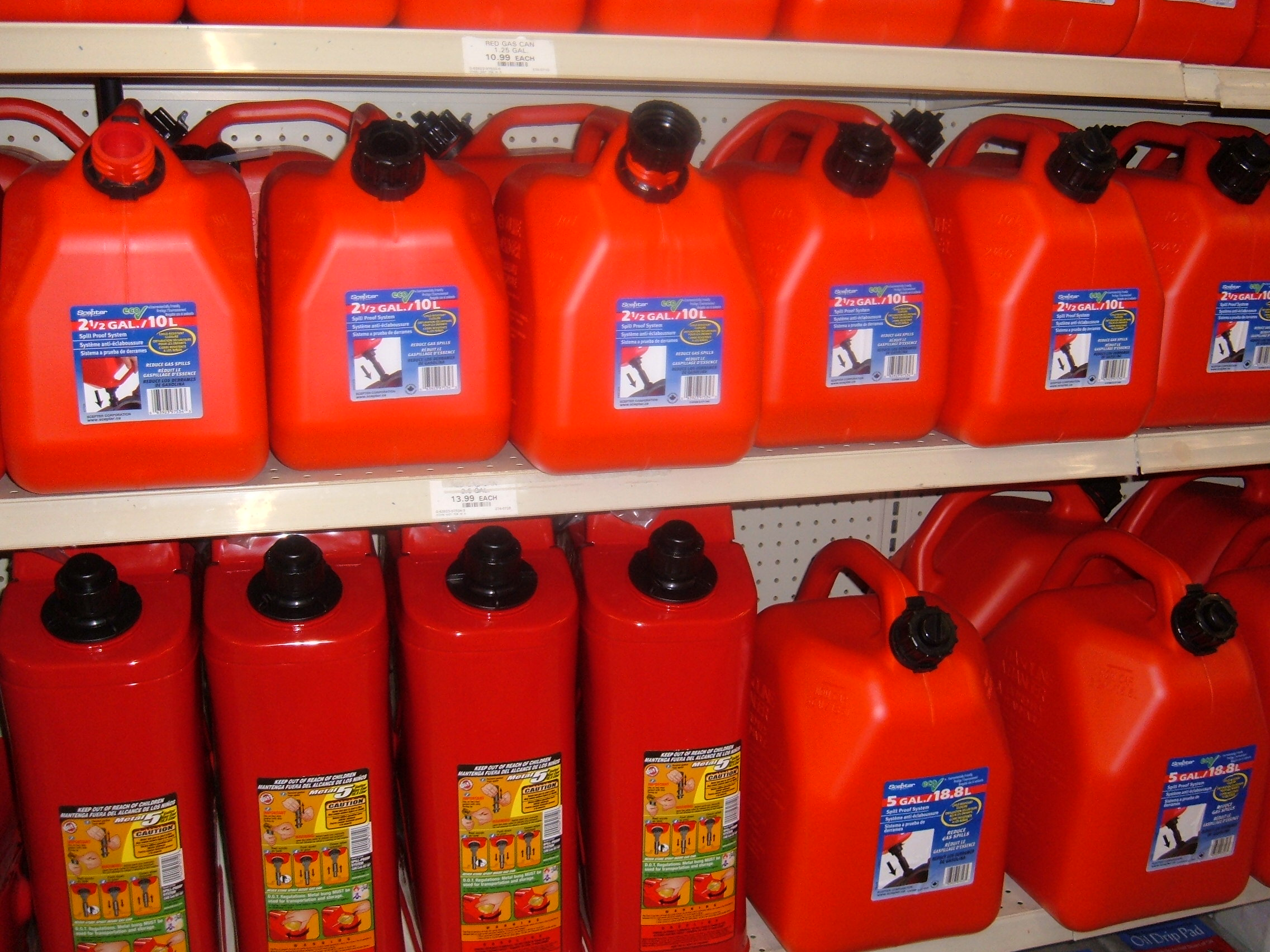
A can, a jerrican, a glass jug, a bucket: if somebody wanted two gallons for a mower or a boat, they were filled. There was no standard for the container and no requirement that it be designed for fuel.
American rules now require portable fuel containers to be approved, with specified construction, closures and labelling, and dispensing into an unapproved container is prohibited. Containers must be on the ground, not in a vehicle, when filled.
The static ignition hazard from filling a container in a truck bed or on a plastic liner was not understood in 1965 and is the reason for that last and oddly specific rule.
16. Did all of it with no written procedure for any of it
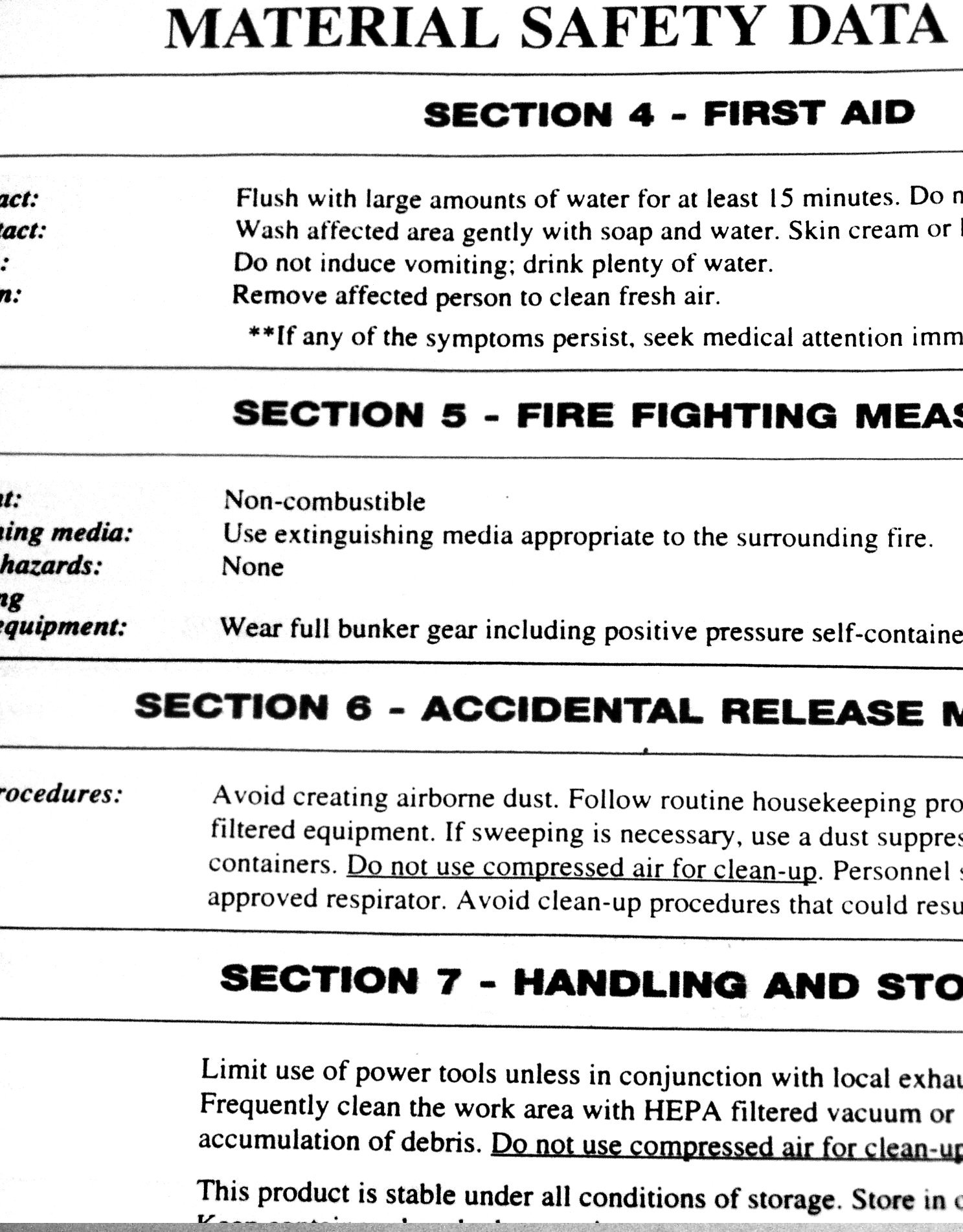
There were no safety data sheets, no training records, no exposure monitoring, no hazard communication programme and no written procedure for anything described above. The attendant learned the job from the man who had it before him.
The Occupational Safety and Health Act was passed in 1970, and the hazard communication standard requiring that workers be told what they are handling followed in the 1980s. Both postdate every practice on this list.
That is the honest summary of the whole forecourt. The men doing this work were skilled and careful within what they knew, and almost nothing they needed to know about the chemistry they were standing in had been told to them.
What ended the full-service station
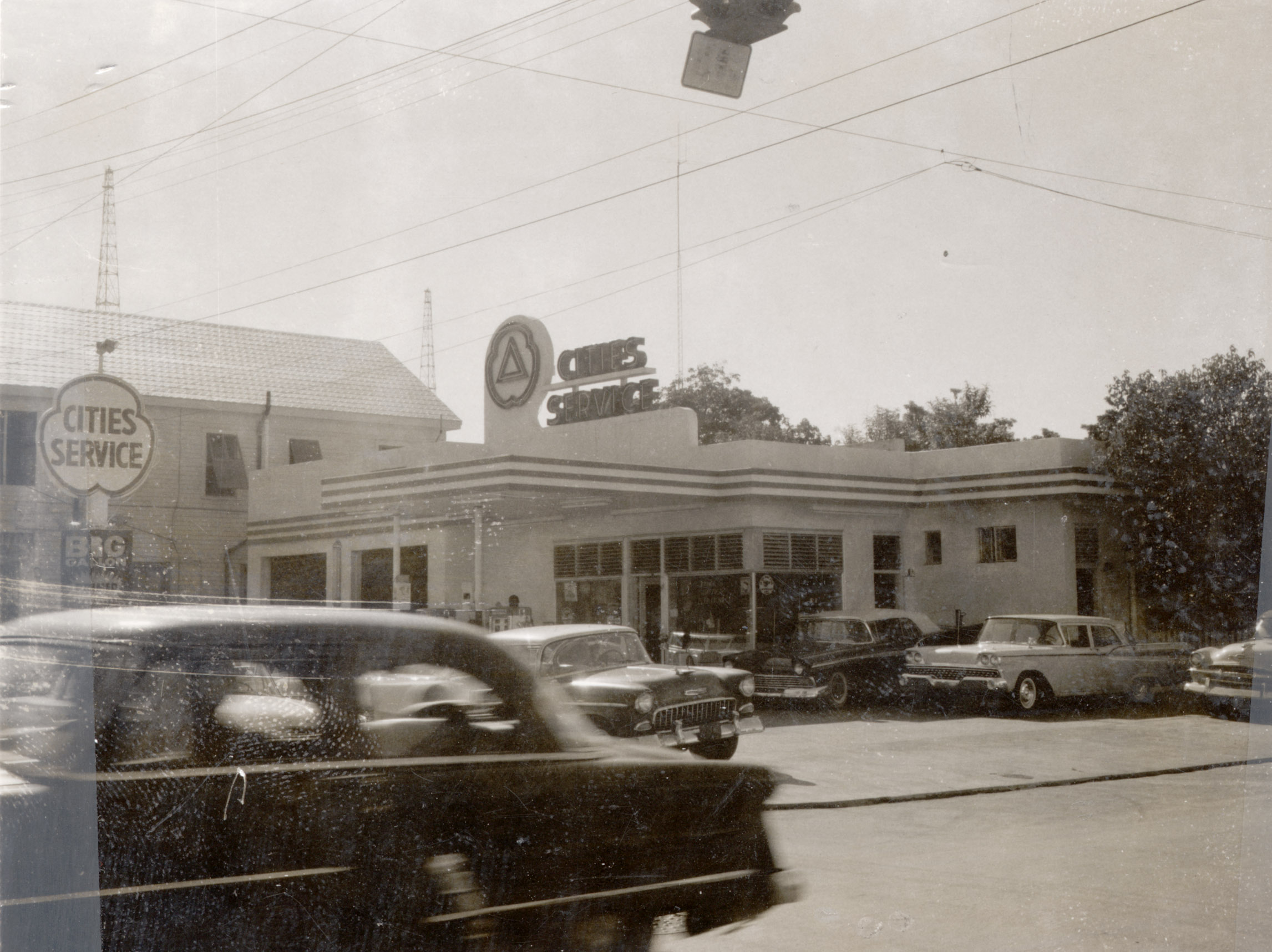
The usual explanation for the disappearance of the attendant is self-service and labour cost, and that is a large part of it. Self-service spread through the American market from the late 1960s onward and the economics were decisive: a station could serve more cars with fewer people, and drivers accepted the trade for a lower price at the pump.
But the regulatory story matters at least as much and is almost never told. The 1988 underground storage tank rules, with their 1998 deadline, closed a very large number of small independent stations outright, because relining or replacing buried tanks costs more than a two-pump business is worth. The service bay went the same way, as emissions rules, waste rules and asbestos rules each added a cost that a small operation could not carry. What replaced the full-service station was not simply a cheaper version of it. It was a different business: a fuel forecourt attached to a convenience store, with the repair work moved to specialists and the chemistry moved behind a permit.
If you want to see the whole of this list in one object, look at a modern nozzle. The bellows is the vapour recovery. The automatic shutoff is the overfill rule. The label about not re-entering your vehicle is the static ignition finding. The no-smoking sign is the fire code. The sticker about containers on the ground is there because of a specific and unpleasant discovery about filling a can in a truck bed.
Every one of those is a rule written after somebody measured something. The attendant in the peaked cap had none of them, and he was the one holding the hose.
Like our content? Follow us for more.