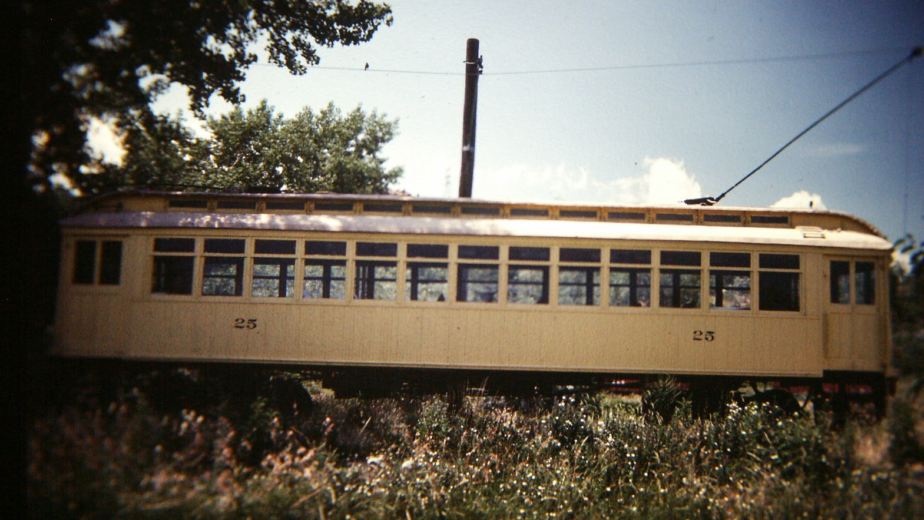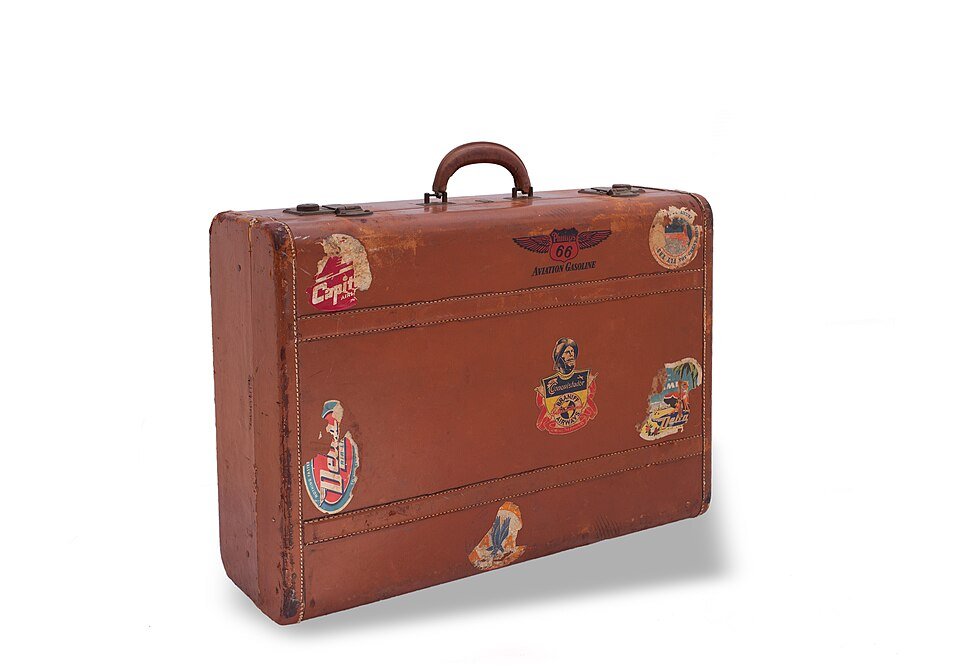
The bag was packed by somebody else, it contained exactly what they thought you needed, and you were handed over at a door with it. In 1964 a child staying somewhere else overnight was conducting the first experiment of their life in being away from home, and the whole thing was arranged, supervised and concluded entirely by adults who never explained any part of it.
The Stay Was Arranged Between Adults and Announced Afterwards
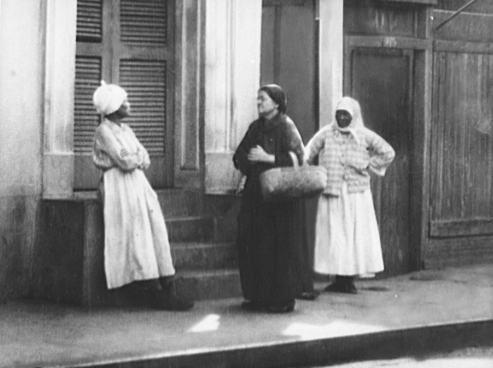
A child found out they were going, not whether they wanted to, and the negotiation had been conducted entirely without them.
The exclusion from the decision is the first thing to understand about it. A household with a reason to be short of one child for two days arranged matters with another household, and the child was informed of the outcome at the point the bag came out.
Like our content? Follow us for more.
There Was Always a Reason and It Was Rarely Given
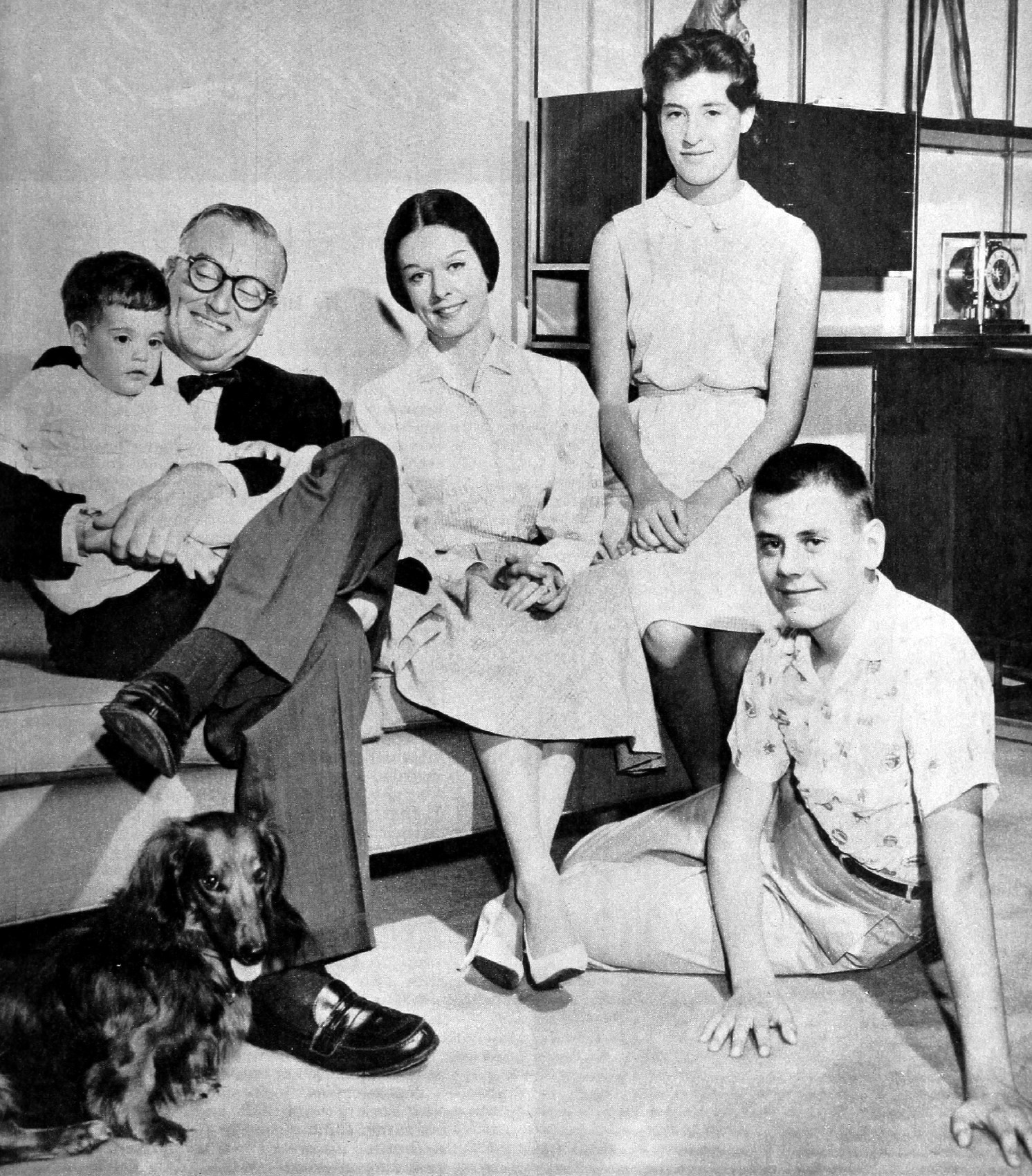
Something was happening at home – an event, a difficulty, a piece of work, somebody arriving – and the child was being removed from it.
The silence about causes was standard practice. Children were not told why arrangements were being made, which meant a stay could mean anything from a treat to something considerably more serious, and a child had no way of telling which.
The Packing Was Done for You and Was Always Wrong
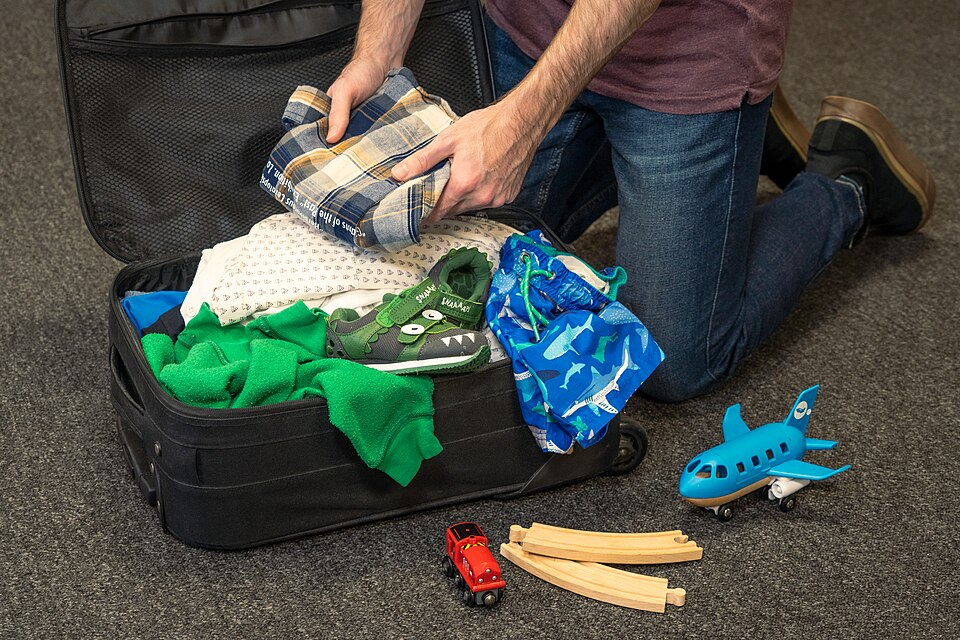
An adult decided what went in, and it reliably included something unnecessary and omitted something essential.
The misjudgements were consistent across households. A parent packing for a child packs for a version of that child about eighteen months younger, and the bag was therefore slightly insulting as well as incomplete.
One Item Was Yours and Was Non-Negotiable

Whatever a child could not sleep without went in, and this was the only part of the packing the child controlled.
The exception was universal and quietly respected. An adult who had made every other decision about the trip conceded that one entirely, which is a reasonably humane piece of judgement from people who otherwise explained nothing.
The Handover Happened at a Door and Was Brisk
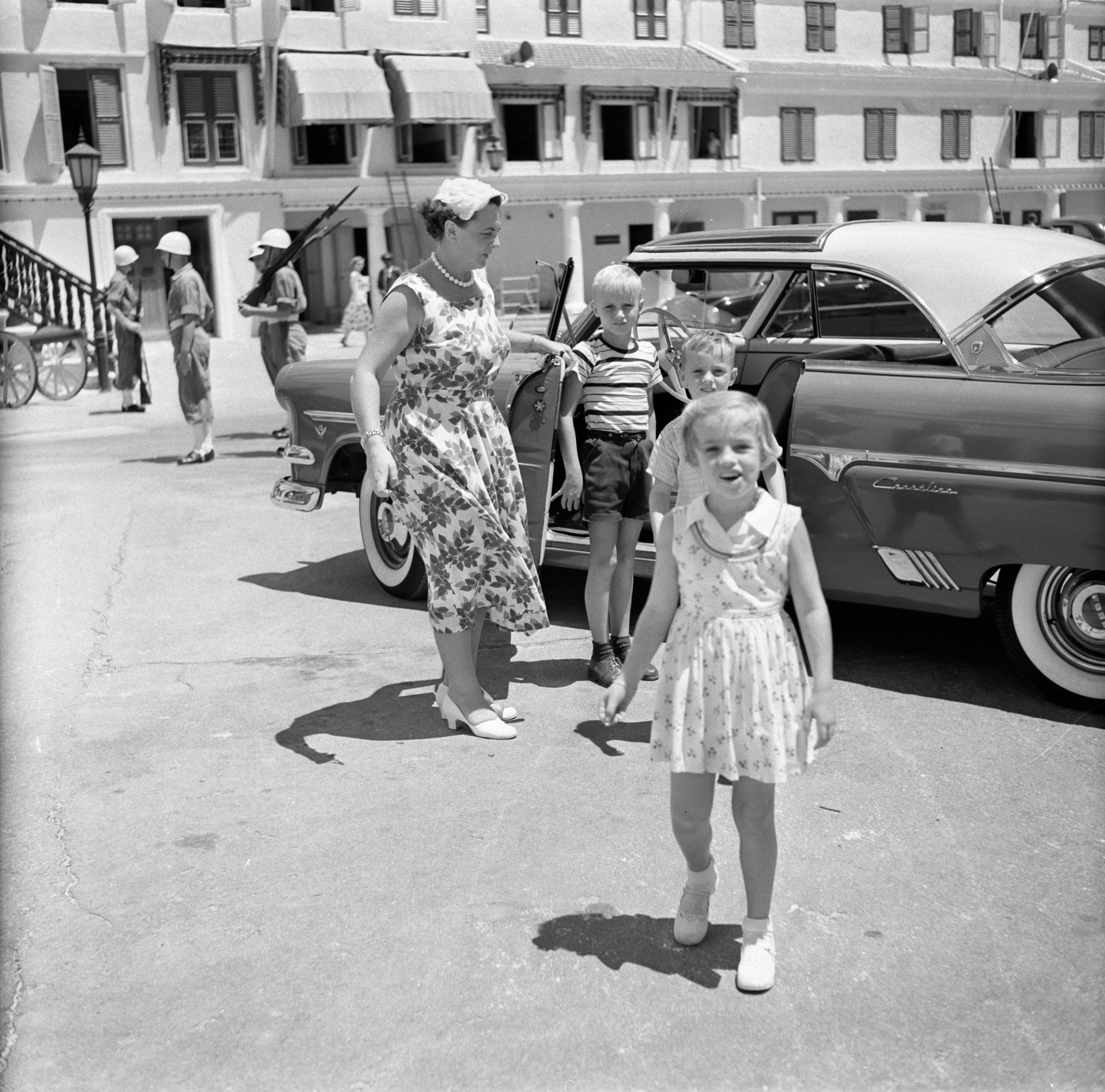
A short conversation between adults, a kiss or a word, and then the departing car, all inside about ninety seconds.
The speed was deliberate and kind. Extending the goodbye prolongs the difficult part for everybody, and the adults involved had worked out through repetition that the shortest possible transition was the one children managed best.
The First Twenty Minutes Were the Worst

Once the car had gone and before anything else had started, there was a specific interval that almost everybody reports.
The gap is structural rather than emotional. A child has arrived, has nothing to do yet, has not been shown where they are sleeping and has no role in the house, and the hosts are typically putting a kettle on, which leaves a short period with nothing in it at all.
The House Smelled Wrong and That Was the Hardest Thing
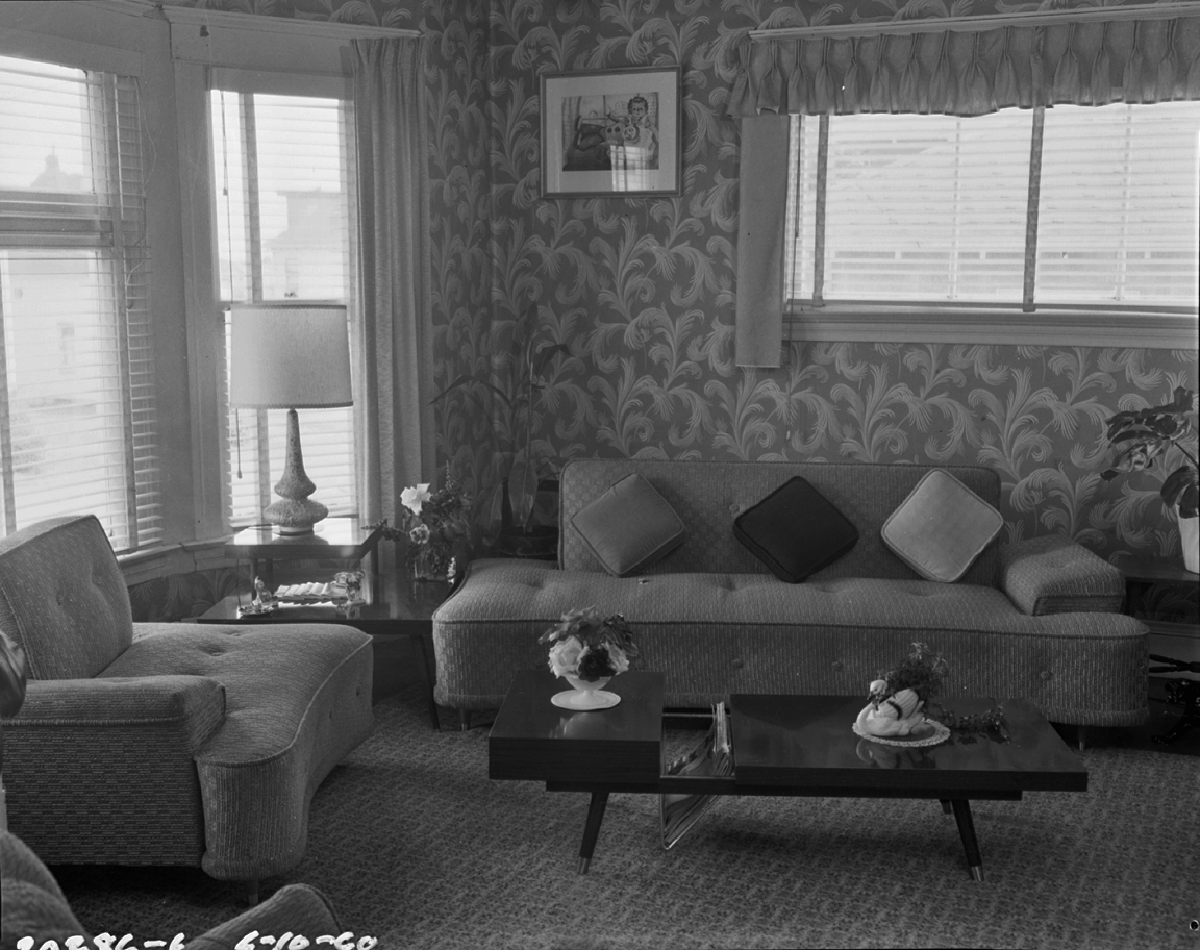
Everything looked different and the difference people actually report is the smell, which could not be adjusted to.
Smell is the sense with the shortest route to the part of the brain that handles familiarity, which is why an unfamiliar house registers as strange before anybody has looked at anything, and why the memory survives sixty years later.
The Bed Was Somewhere Nobody Normally Slept
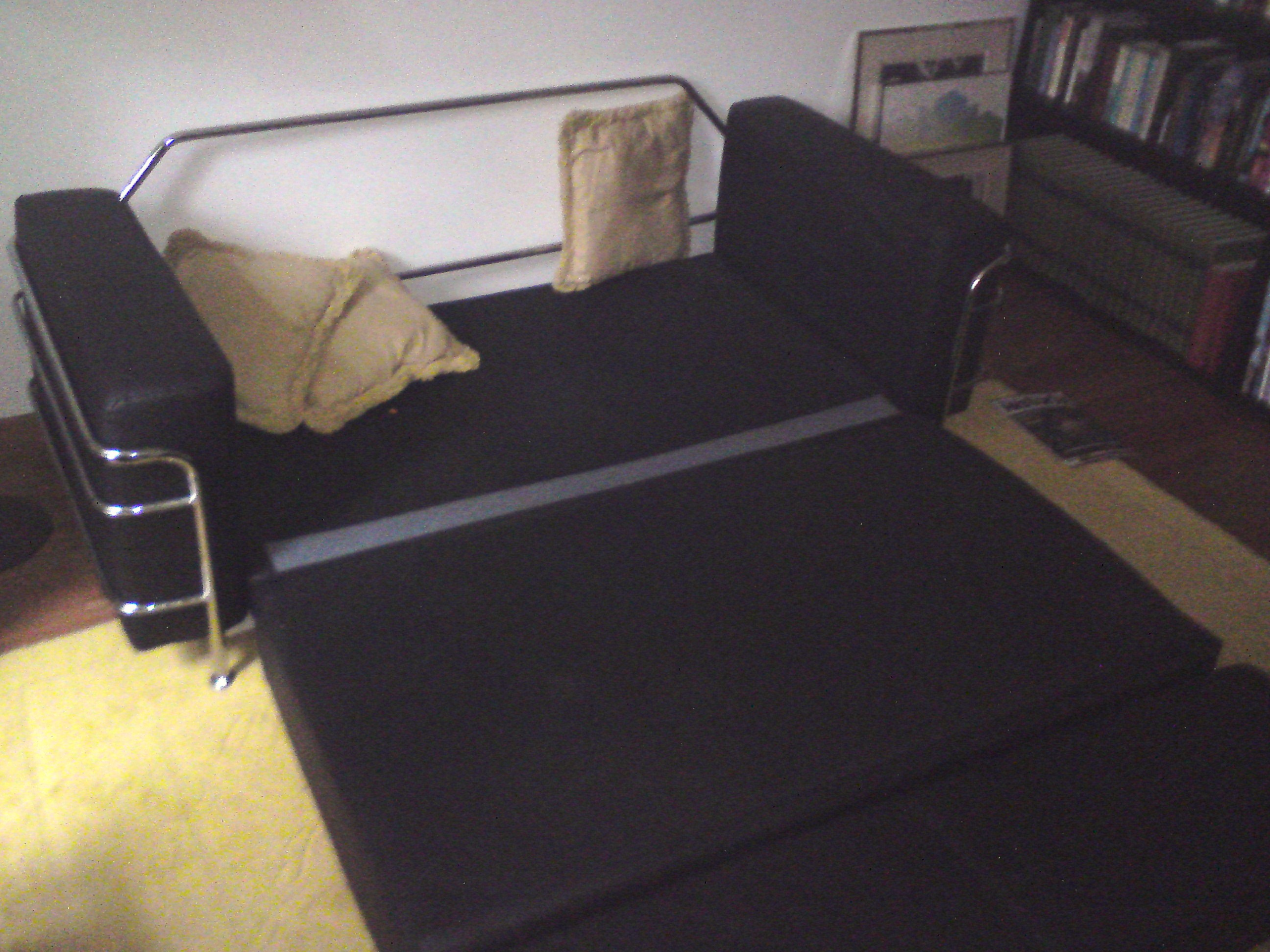
A spare room, a put-up bed, a sofa or a shared room with a cousin – the arrangement was always improvised.
The improvisation was part of the signal. A child placed somewhere that is not a bedroom has been accommodated rather than expected, and the whole experience of lying awake in a dining room is specific to exactly this situation.
The Rules Were Different and Had to Be Learned by Trial
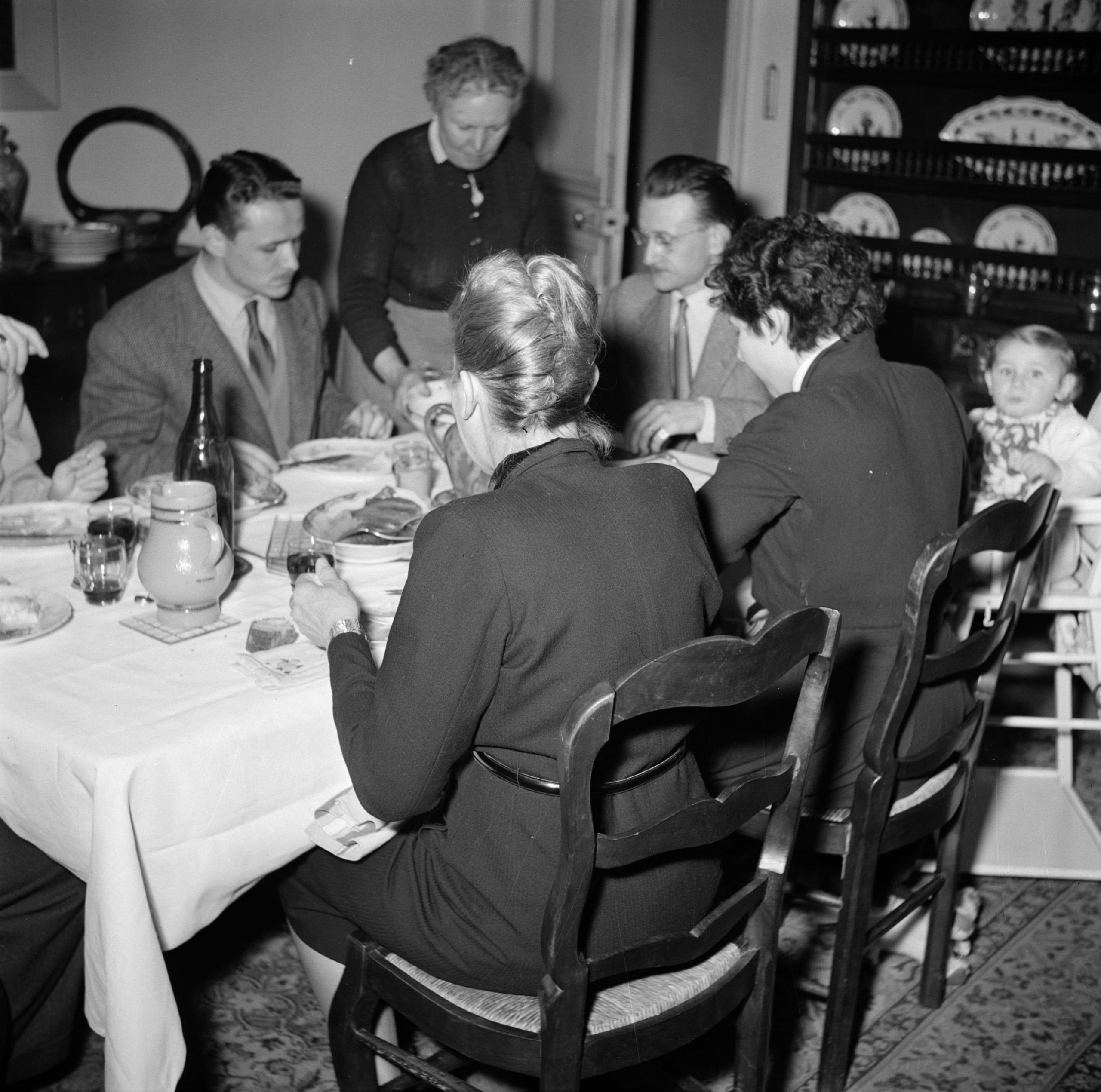
Mealtimes, bedtime, what was allowed, what was not and who was permitted in which rooms all differed, and nobody set them out.
Discovering them by failure was the only available method. A child who did something that was ordinary at home and produced a reaction had learned a rule, and three or four such discoveries covered most of the ground within the first evening.
Grandparents Were Lenient in Unpredictable Directions
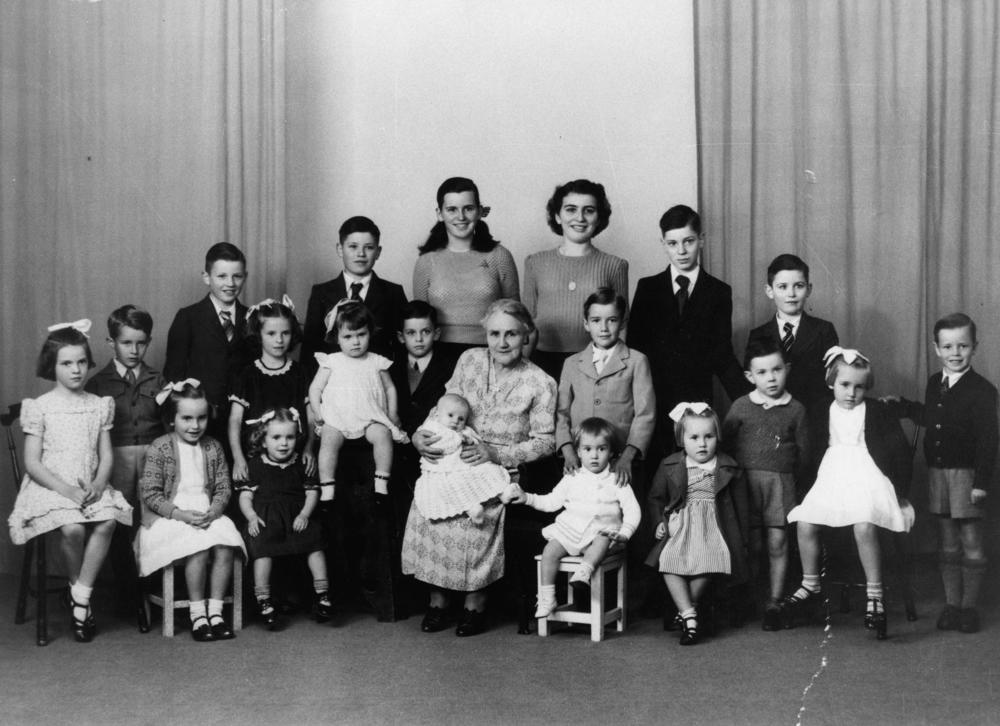
Things forbidden at home were permitted and things nobody had ever restricted were suddenly not allowed.
The pattern was never the simple indulgence of the stock picture. The permissions and prohibitions came from an entirely different generation’s set of assumptions, and the result was a mixture a child could not possibly have predicted.
The Food Was the Main Shock
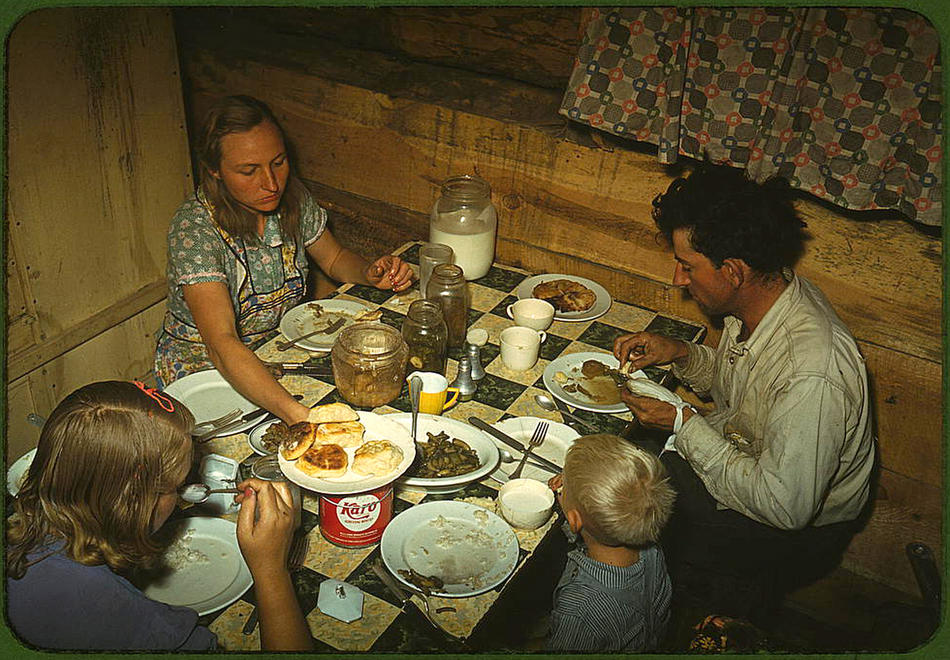
Different meals, at different times, in different quantities, with different expectations about finishing them.
The dietary gap between two households was wider then than people now assume, and a child confronted with unfamiliar food at an unfamiliar hour under an obligation to eat it has a genuine problem with no diplomatic solution available.
Being Talked About in the Third Person Was Constant
Adults discussed the child’s arrangements, habits and appearance in front of them, as though they were not present.
The practice was universal and nobody considered it rude. A child in somebody else’s house was a subject of conversation rather than a participant in it, and the experience of being described while standing there is reported by almost everybody.
Nothing Happened All Day and That Was the Point

There were no activities, no entertainment and no programme, and the hosts had not planned anything.
The absence of provision is what made these stays what they were. A child with two days, no plan and no company of their own age was returned entirely to their own resources, which is either the best or the worst thing about the whole experience depending on the child.
You Were Taken Along to Whatever the Adults Were Doing
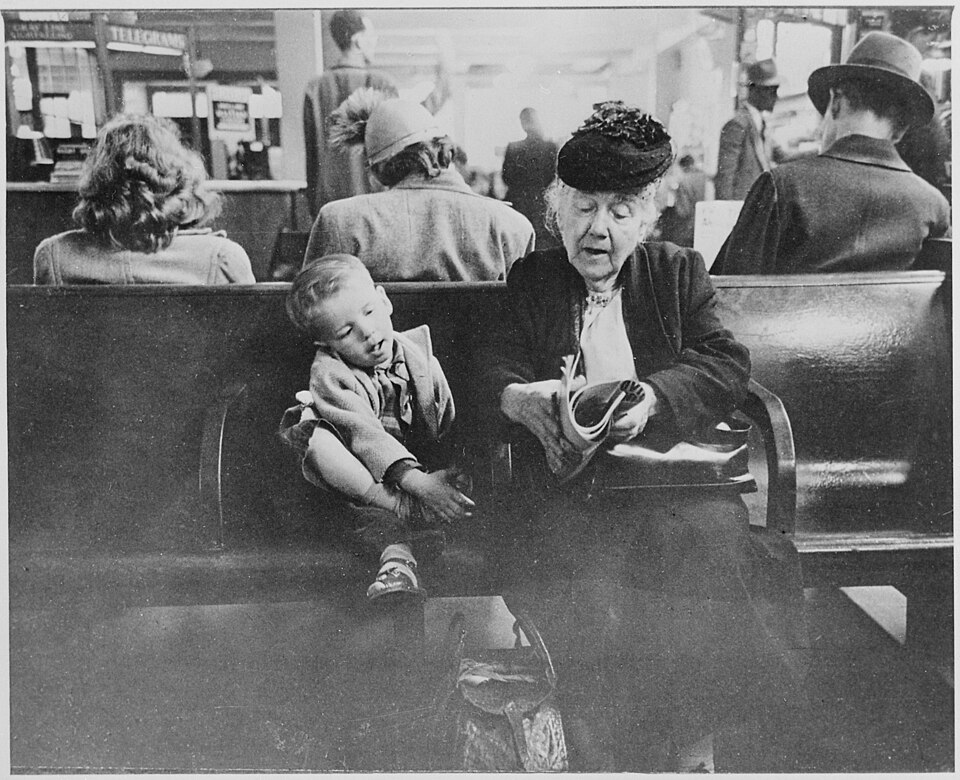
Errands, visits, appointments and ordinary business all simply acquired a child, and the child went.
The attachment is how most of the time was actually spent. A grandparent’s week continued unaltered with somebody small following it, which meant the stay consisted largely of sitting in places children do not normally go.
The Telephone Call Home Was Rationed
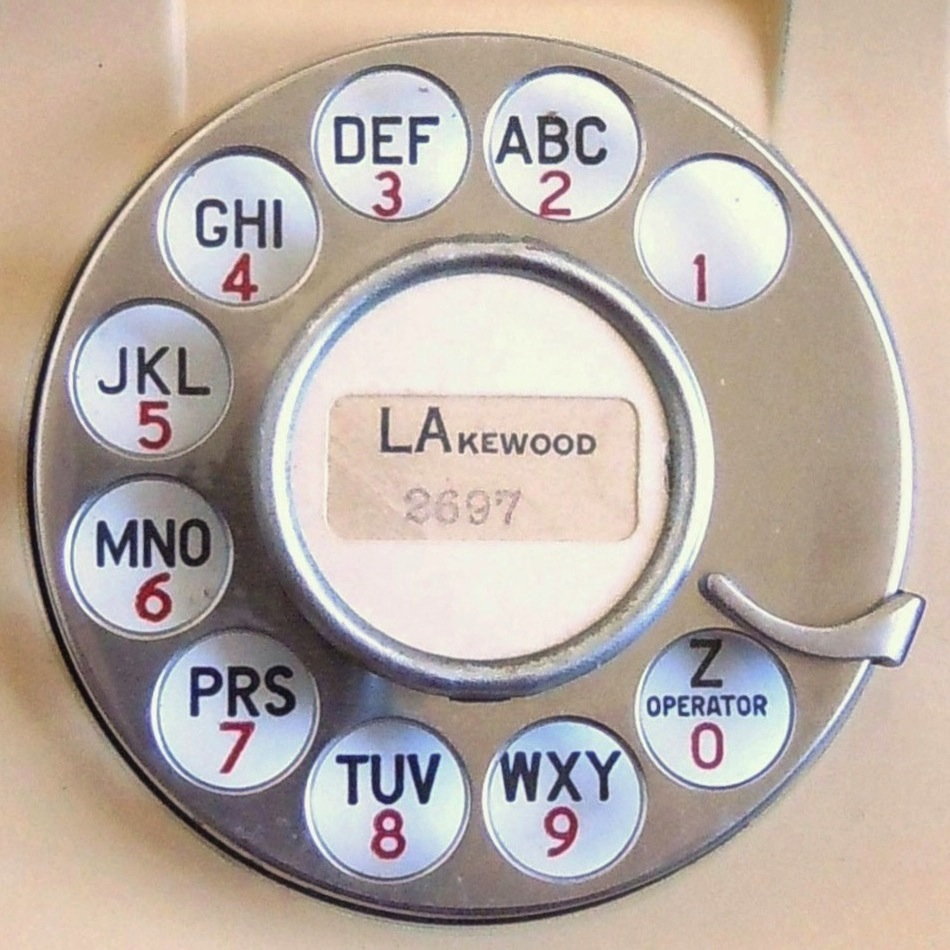
A call was permitted, or arranged, or quietly not mentioned, and in many cases a two-day stay produced none at all.
The restriction was practical rather than harsh. Calls cost money, the arrangement was short and there was nothing to report, and a great many children spent two days entirely out of contact with their own household without anybody thinking it remarkable.
Homesickness Arrived at a Predictable Hour
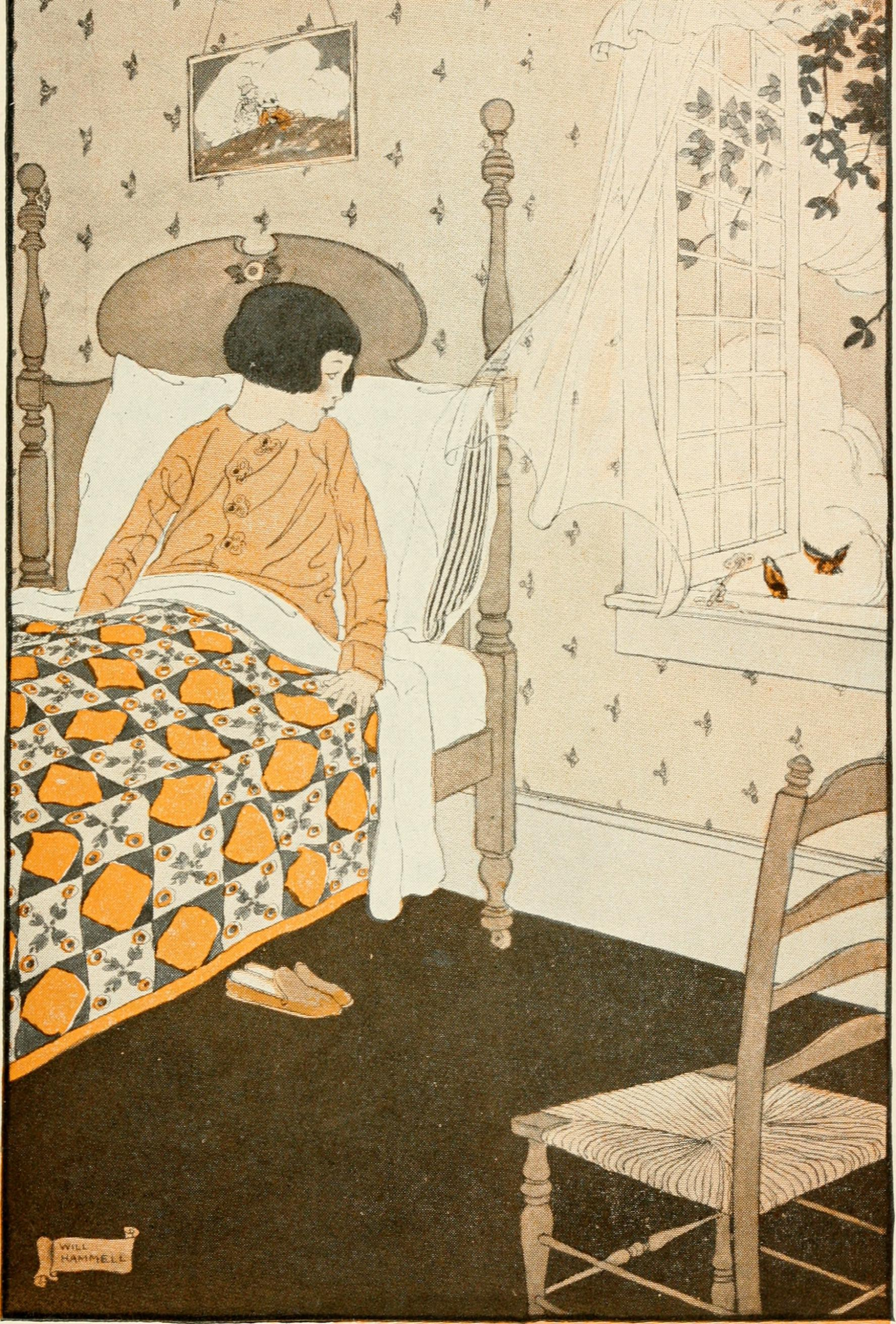
It was fine all day and it was not fine at bedtime, and every adult involved knew exactly when it was coming.
The timing is consistent across every account. An unfamiliar room, the lights off, nothing to do and no distraction is the precise set of conditions in which a seven-year-old notices where they are, and the hosts were generally waiting for it.
Somebody Always Handled It Well
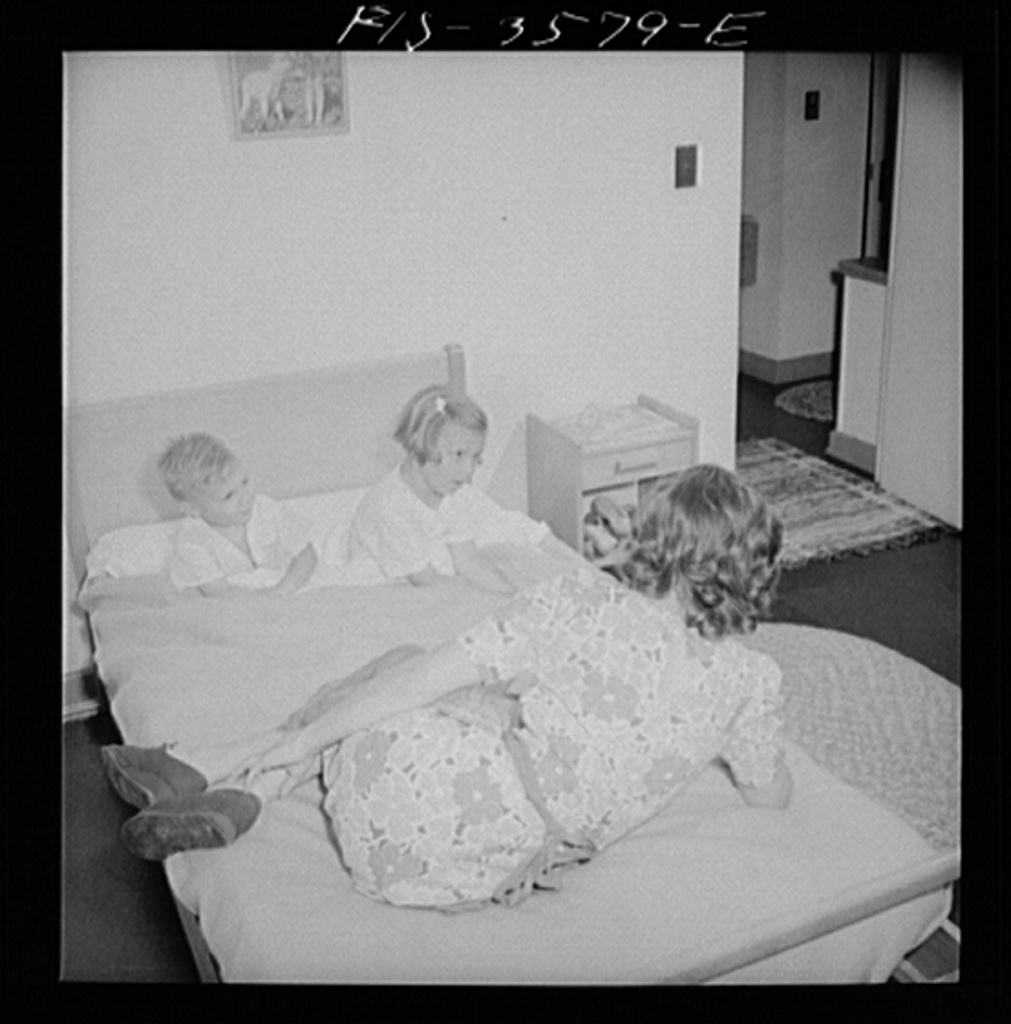
One adult in the house knew what to do about a child crying at nine at night, and that person is who the stay is remembered for.
The competence was not evenly distributed. Every household had one person who could sit on the edge of a put-up bed and make the problem smaller, and children identified that person within hours and went to them for the rest of the stay.
The Second Night Was Always Easier
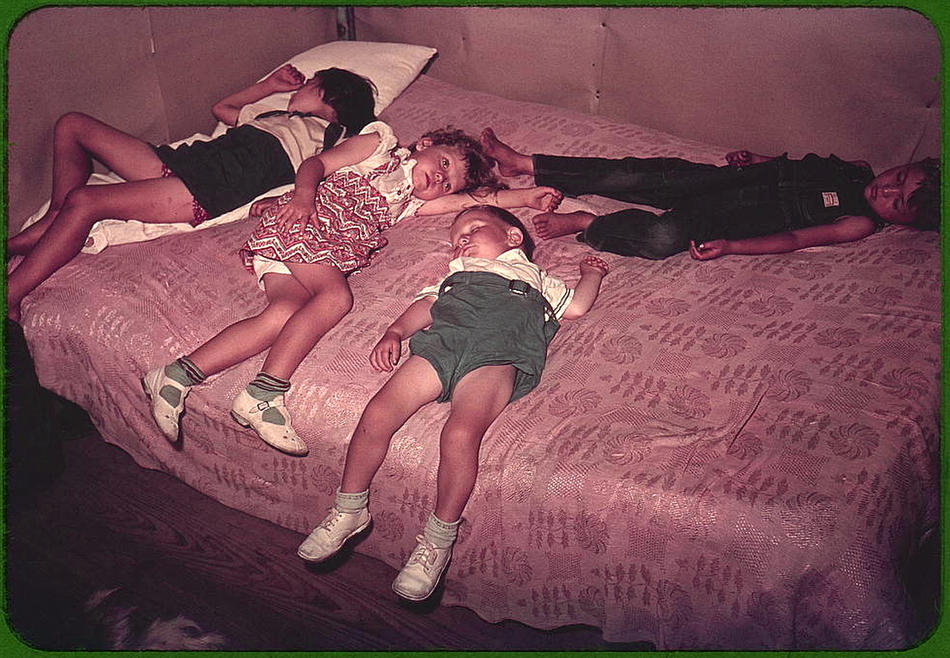
Whatever happened on the first night did not repeat, and by the second evening the house had stopped being strange.
The speed of the adjustment is the most reassuring fact in the whole subject. Familiarity arrives in about thirty-six hours, which means almost every one of these stays ended better than it began.
Going Home Was Unexpectedly Difficult
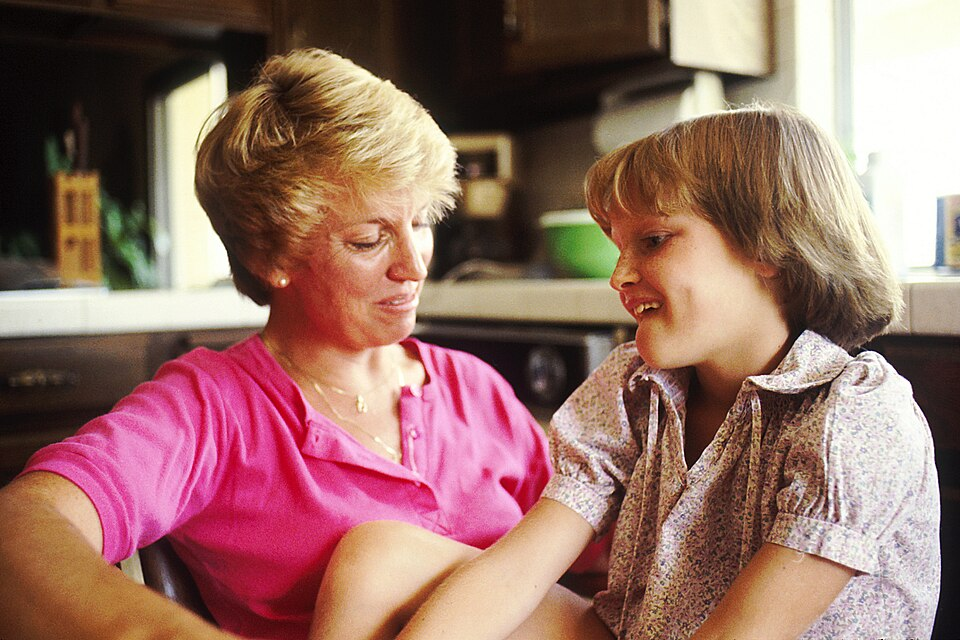
A child who had wanted to leave on the first evening frequently did not want to on the third, and the reversal was not acknowledged by anybody.
The flip is almost universally reported and almost never discussed at the time. A child collected from a house they had settled into had the second transition to manage, and nobody had warned them there would be one.
Something Came Home in the Bag That Had Not Gone Out
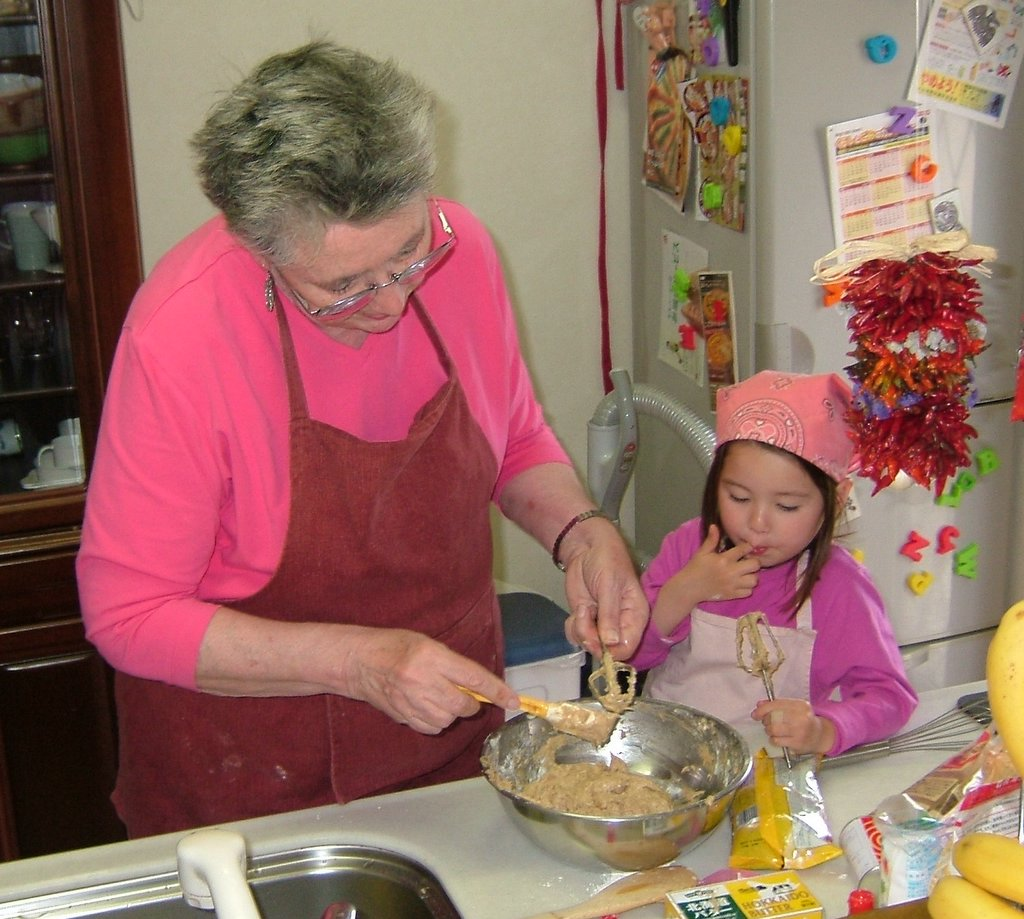
A biscuit, a coin, an object, something pressed on the child at the door – the bag came back heavier than it went.
The parting gift was close to invariable. A host sending a child home with something had converted the stay into a relationship, and the object frequently survived considerably longer than the memory of what the two days had actually consisted of.
Then the Reason for the Stays Went Away

Smaller families, more available childcare, cars that made a short visit possible instead of an overnight one and grandparents living much further off all removed the arrangement.
Distance did most of it. An overnight stay makes sense when the journey is long enough to be worth making once and short enough to be made at all, and as households spread out the arrangement fell out of that window.
And Children Stopped Being Handed Over Without Explanation
Expectations changed about telling a child what was happening, consulting them about it and keeping them in contact while they were away.
All of which is an improvement and removed the specific thing the old arrangement produced. A child who knows why they are going, for how long, and who can ring home whenever they like is having a considerably better time and a completely different experience. What has gone is the version with no explanation in it: a bag somebody else packed, a door, ninety seconds, a bed in a dining room, two days with nothing arranged, a house that smelled wrong, and the discovery on the third morning that it had stopped smelling wrong without anybody noticing when.
Like our content? Follow us for more.