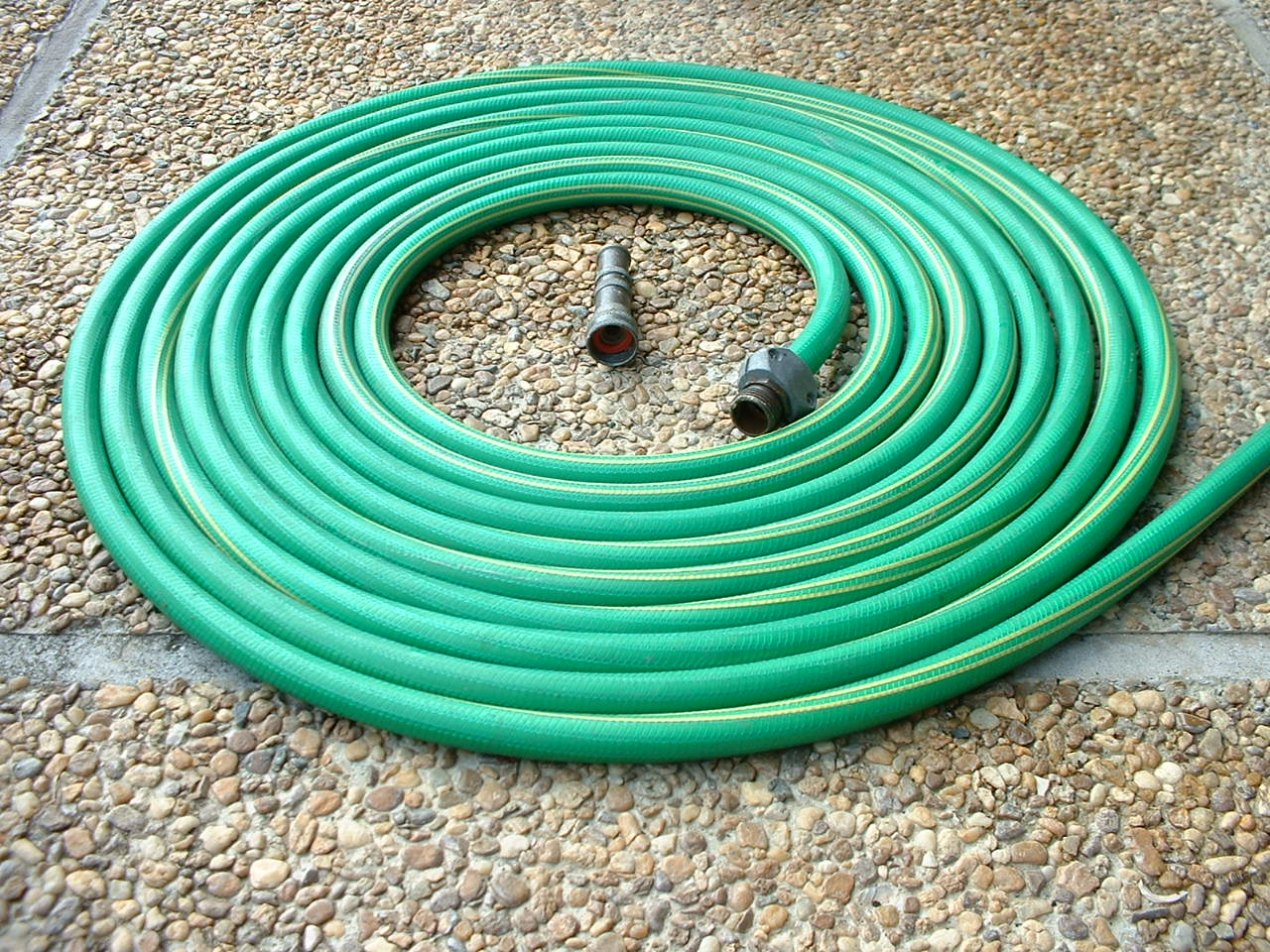
In 1964 a child playing outside had exactly one way to get water, and it was not the kitchen. Going indoors meant being seen, being asked where you had been, being handed a job or simply being kept in – which made the indoor tap far more expensive than it looked. So the outdoor line won by default, and nobody chose it because it was pleasant. Current advice against drinking from outdoor plumbing is sound and this piece is not an argument with it. Here are fifteen things every kid remembers about drinking from the garden hose in 1964, and why nobody allows it today.
1. It Was the Only Option and That Is the Whole Explanation
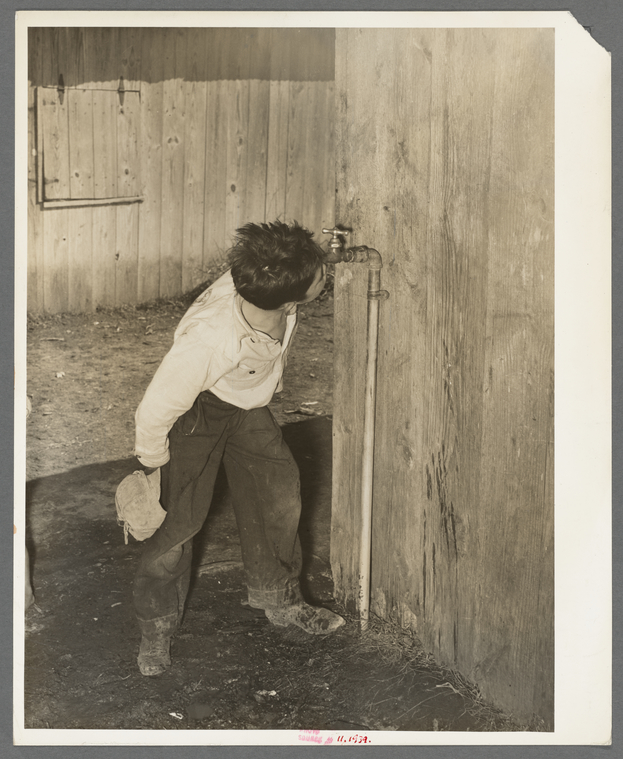
A child playing outside had no other access to water, because going indoors ended the afternoon.
The alternative was the real constraint. Entering a house meant being seen, being asked where you had been, being given a job to do or simply being kept in, which made the indoor tap considerably more expensive than it looked.
So the outdoor one won by default. Nobody chose this because it was pleasant; they chose it because it was the only way to get water without surrendering an hour of the afternoon, and every child had worked that out.
Like our content? Follow us for more.
2. The First Water Out Was Undrinkable and Everybody Knew to Wait
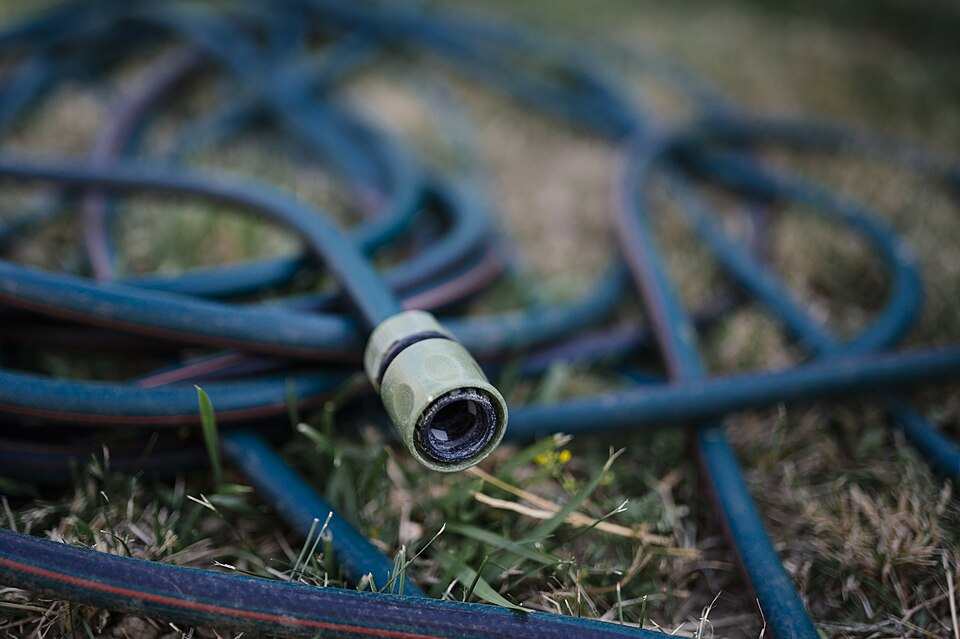
Whatever had been sitting in the line all day came out hot, and children waited for it to run through.
The reason was simple physics. A length of pipe lying in direct sun holds water at the temperature of the pipe, which means the first portion is unpleasantly warm and the rest is whatever the supply is.
The waiting was a learned discipline. Children who had not learned it got a mouthful of hot water once and never made the mistake again, which is how the knowledge spread without anybody formally teaching it.
The length of the wait was also worked out by every child independently. Too short and the water was still warm, too long and somebody else had taken the end off you, which produced a rough consensus of about a slow count of ten that nobody had ever stated out loud.
3. The Taste Was Specific and Nobody Pretended Otherwise
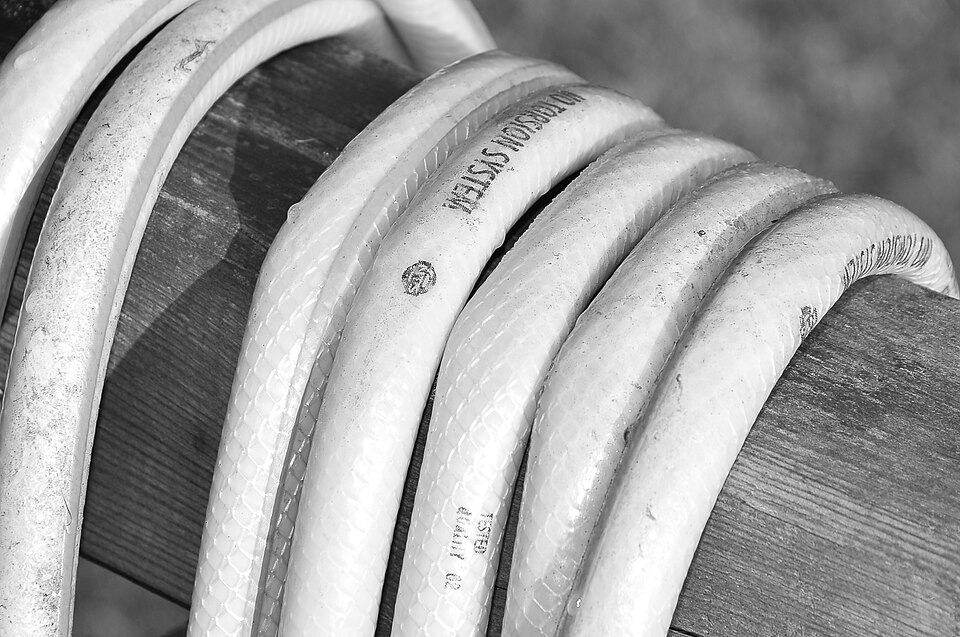
Water from an outdoor line tasted of the line, and children drank it anyway while acknowledging the fact.
The flavour came from the material. A long tube of whatever it was made of, warmed and emptied and refilled daily, contributes something of itself, and that contribution was perfectly detectable.
It became oddly nostalgic later. A taste nobody would accept in a glass was tolerated outdoors because the alternative was thirst, and the memory of it is now recalled with more affection than it ever earned at the time.
4. Modern Guidance Says Not to Do This and Modern Guidance Is Right
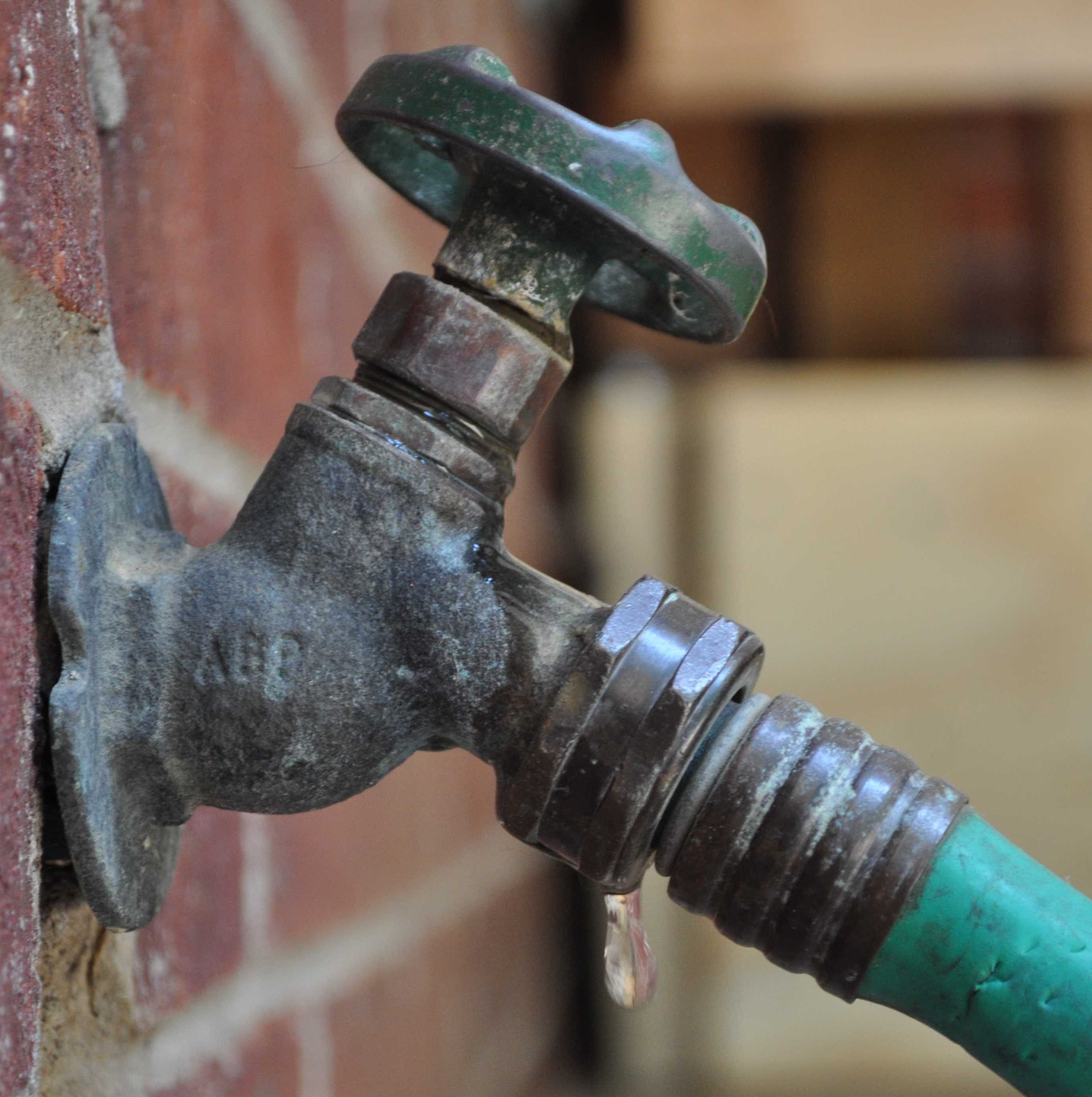
Current advice against drinking from outdoor lines exists for well-established reasons and should be followed.
The position needs stating plainly rather than treated as fussiness. Outdoor plumbing is not made or maintained to the standard of drinking supply, what accumulates inside a warm line is not something anybody should consume, and the advice reflects real knowledge that did not exist in 1964.
Nothing here is a recommendation. This piece describes what children did when nobody knew better and no alternative was available, and it should not be read as suggesting that anybody do it now.
5. Drinking Required a Technique Nobody Taught You
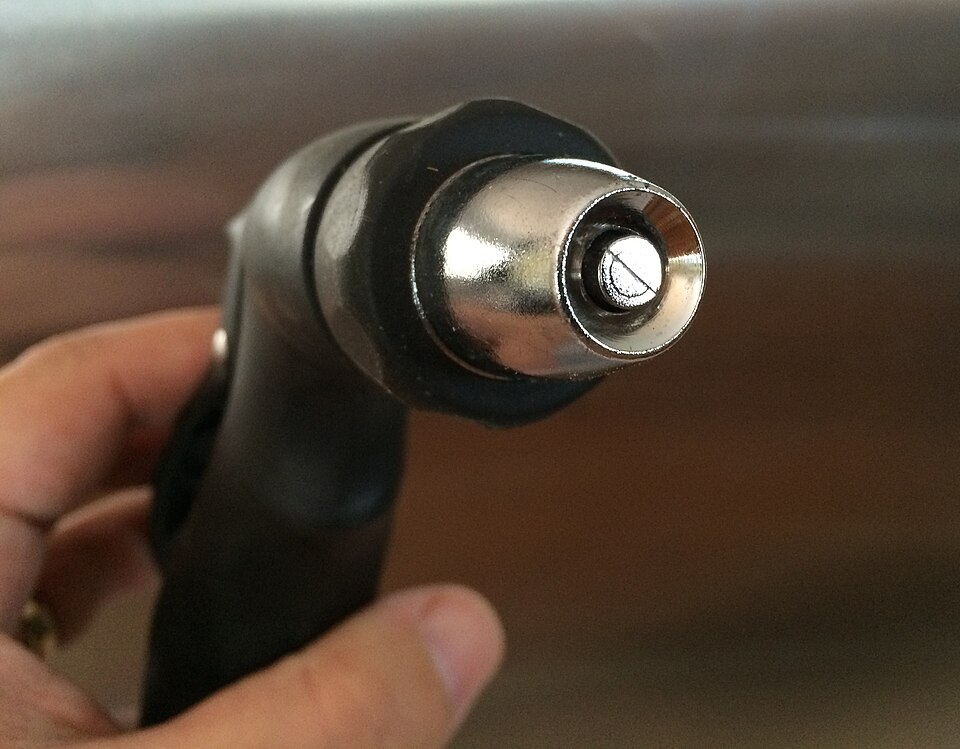
Getting water into your mouth from a wide uncontrolled stream was a skill, and the first several attempts were failures.
The difficulty was the flow rate. A stream intended to fill a bucket is far too much for a person to drink from directly, which means the technique consists of managing most of it away while catching some.
Everybody arrived at the same solution. A thumb across the opening, reducing the flow to something manageable, was independently discovered by every child who ever tried this, which is a small piece of universal engineering.
6. The Thumb Over the End Was a Tool in Its Own Right
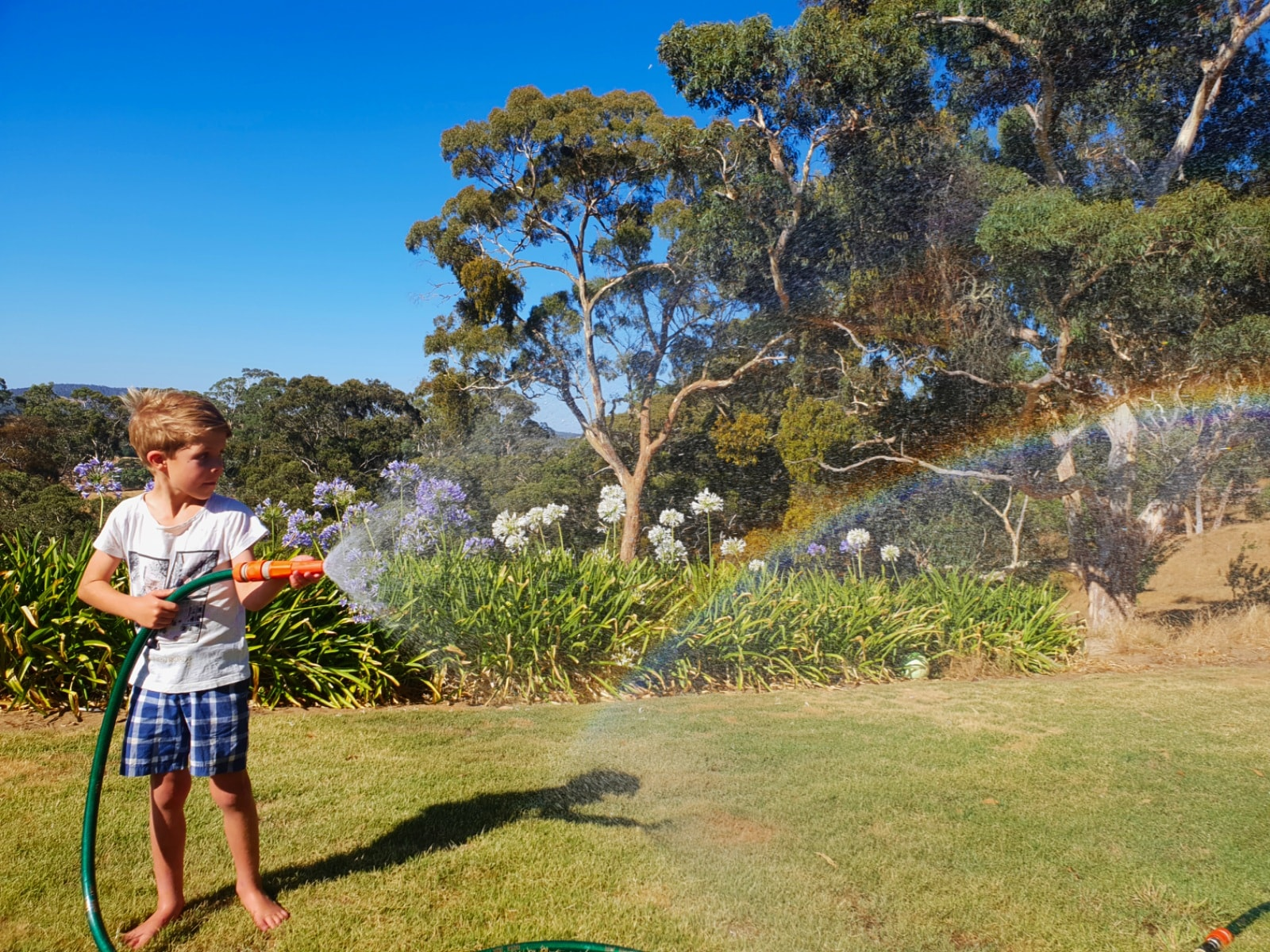
Partially blocking the opening produced a spray, a jet or a fan depending on exactly how it was done.
The versatility is why it was learned so thoroughly. One hand position controlled the whole behaviour of the thing, and a child who had mastered it had a considerable range of effects available from a single piece of equipment.
It had obvious applications beyond drinking. The same technique that made the stream manageable made it directable, which means the drinking skill and the far more popular alternative use were acquired simultaneously.
7. You Got Soaked Every Single Time
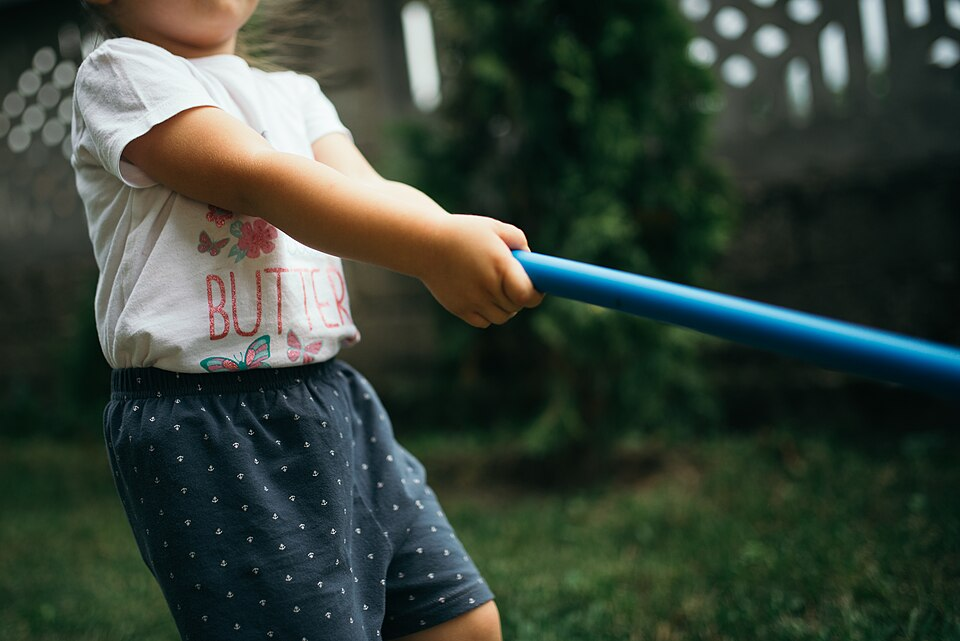
Drinking from an uncontrolled stream at close range is a wet activity, and nobody ever managed it cleanly.
The outcome was unavoidable. Most of the water went past, over or around the person drinking, which means a child who had taken a drink was visibly and immediately identifiable as having done so.
Nobody minded in July and everybody minded in September. The same soaking that was welcome in high summer was a problem once the weather turned, which is roughly when children went back to using the indoor tap.
Where the line ended up also told you who had used it last. A child who arrived to find it stretched down the garden rather than coiled by the wall knew somebody had been there within the hour, which was useful information on an afternoon where everybody was looking for everybody else.
8. It Was Always Lying Somewhere It Should Not Have Been
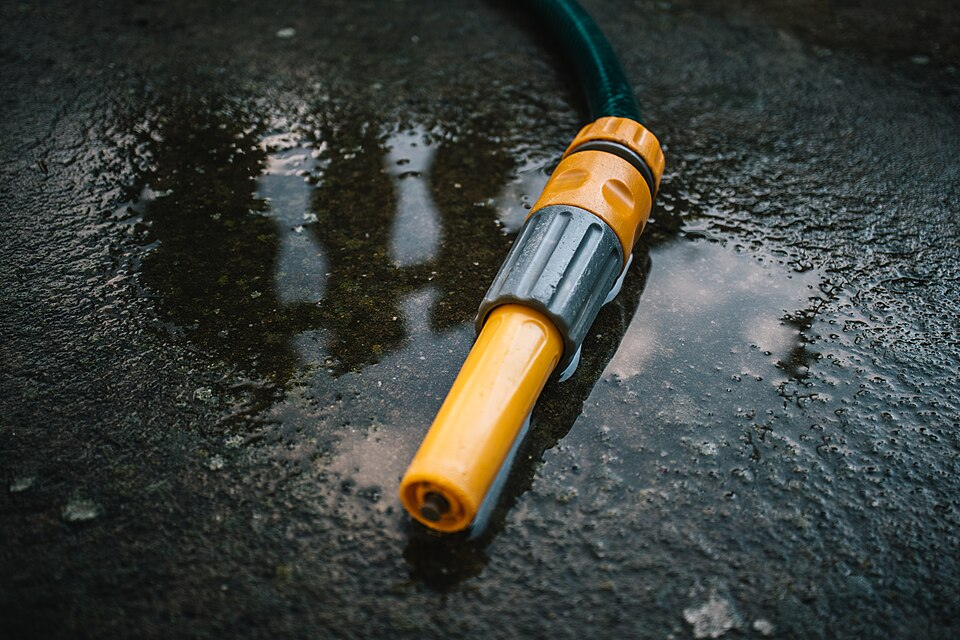
The line was never put away properly, which meant it was permanently across a path, a lawn or a driveway.
The failure was built into the object. A long flexible thing that must be dragged out, used and coiled again will not be coiled again by anybody who is in a hurry, and children were always in a hurry.
Adults raised it constantly and nothing changed. The instruction to put it away was given in every household in the country, was acknowledged, and had almost no observable effect across an entire decade.
9. Kinks Were the Permanent Engineering Problem
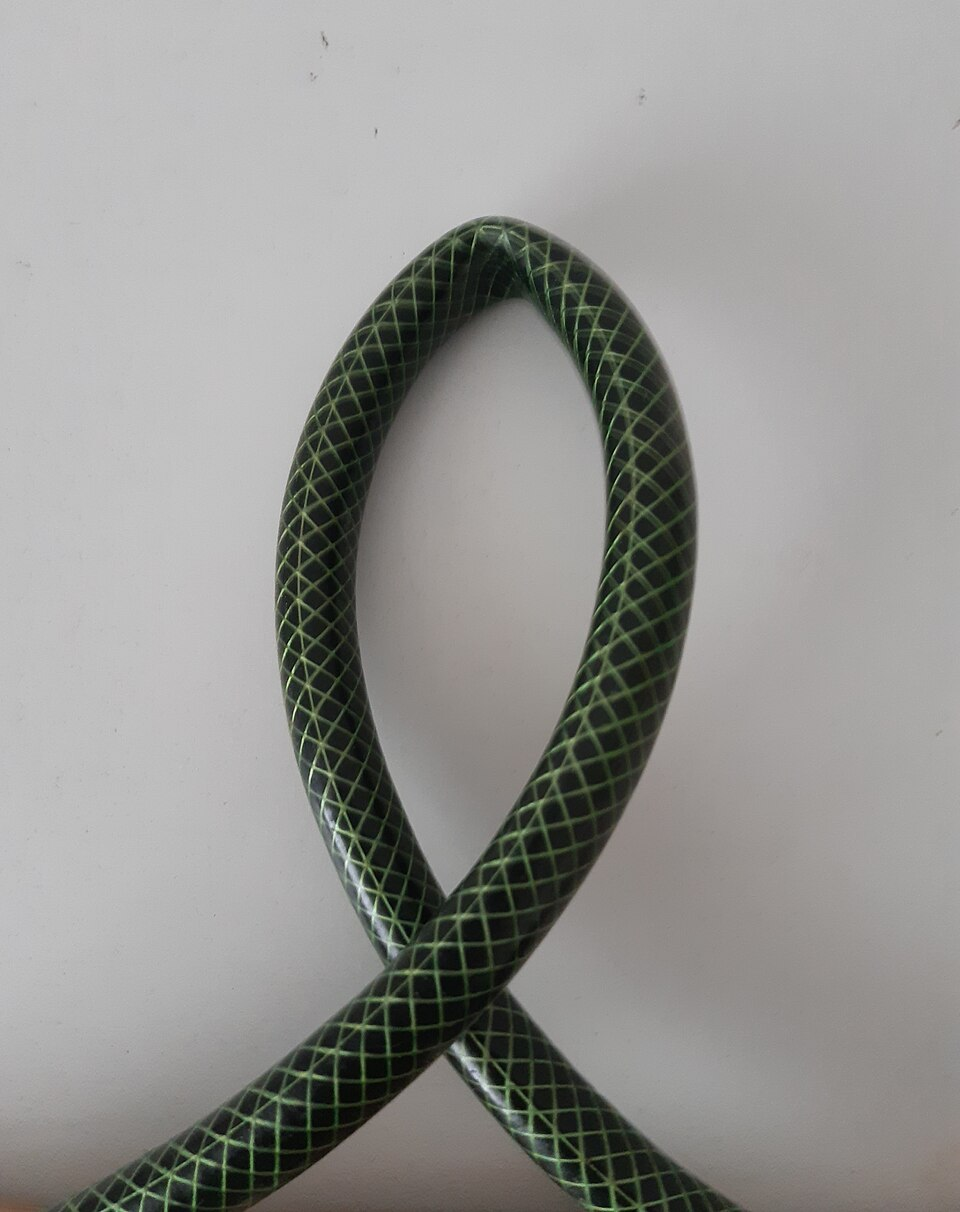
A fold in the line stopped the flow entirely, and the fault was never where you were standing.
The mechanics made it maddening. A kink forms out of sight, cuts the supply instantly and must be found by following the whole length, which means solving it required walking the entire thing while the water was off.
Two children could solve it and one could not. The problem is trivially fixed by a second person at the other end, which is why this is remembered as a cooperative activity by anybody who had a sibling and as a solitary ordeal by anybody who did not.
10. The Connection at the Tap Leaked and Everybody Accepted It
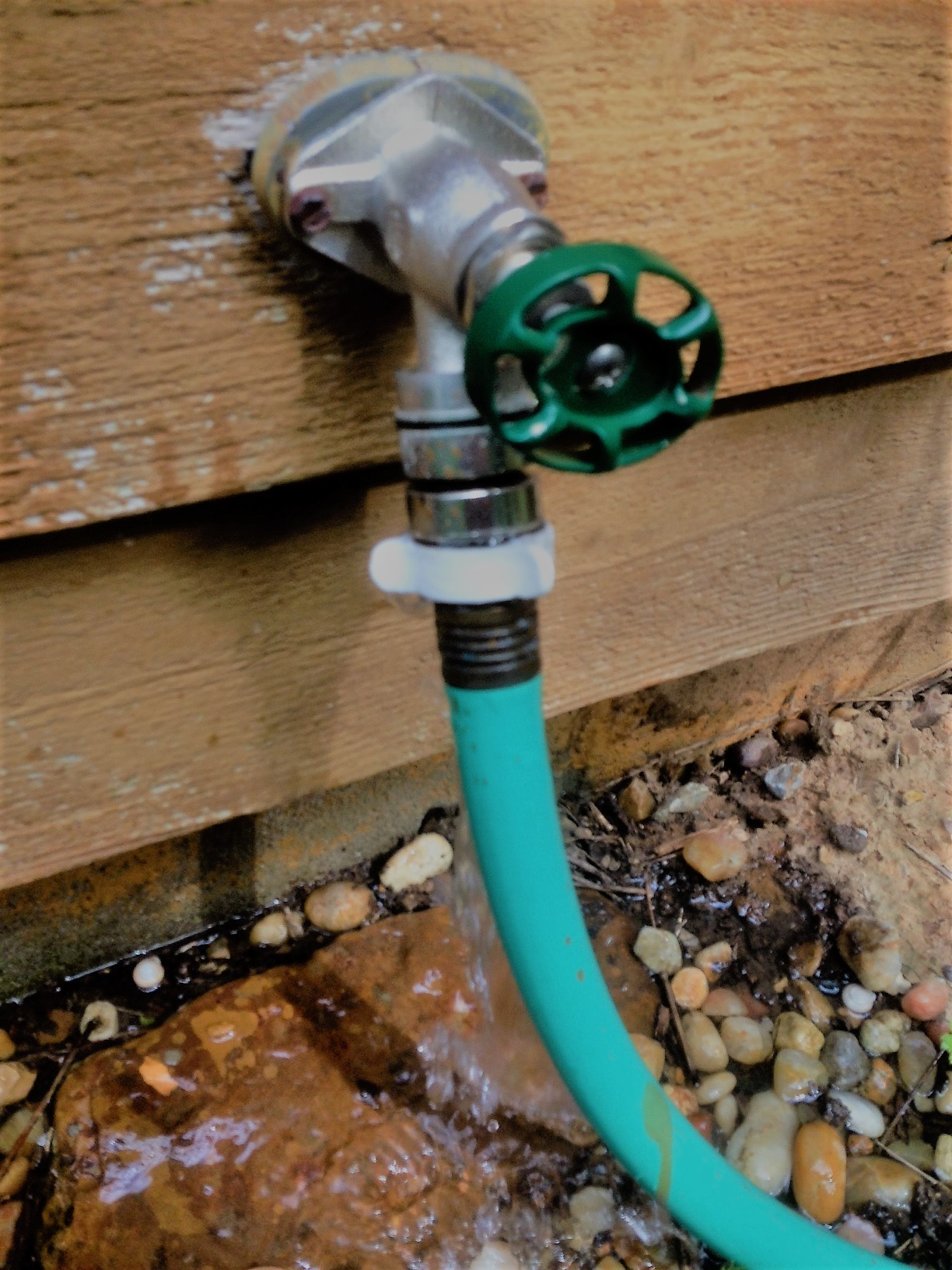
Water escaped at the joint in every household, producing a permanent wet patch that nobody fixed.
The tolerance is the interesting part. A leak that wastes water continuously and makes a mess is a straightforward thing to repair, and the overwhelming majority of households simply lived with it for years.
The patch became a feature of the garden. A permanently damp area by the wall, with whatever grew there as a result, existed at thousands of houses for exactly the same reason and was never connected to the leak by anybody.
The damp patch also made the tap harder to reach. A permanently wet area at the foot of a wall develops a particular character, and a child going for a drink learned to approach it from one specific angle to avoid standing in it, which is the sort of detail nobody ever mentions and everybody did.
11. Turning It On for Somebody Else Was a Position of Power
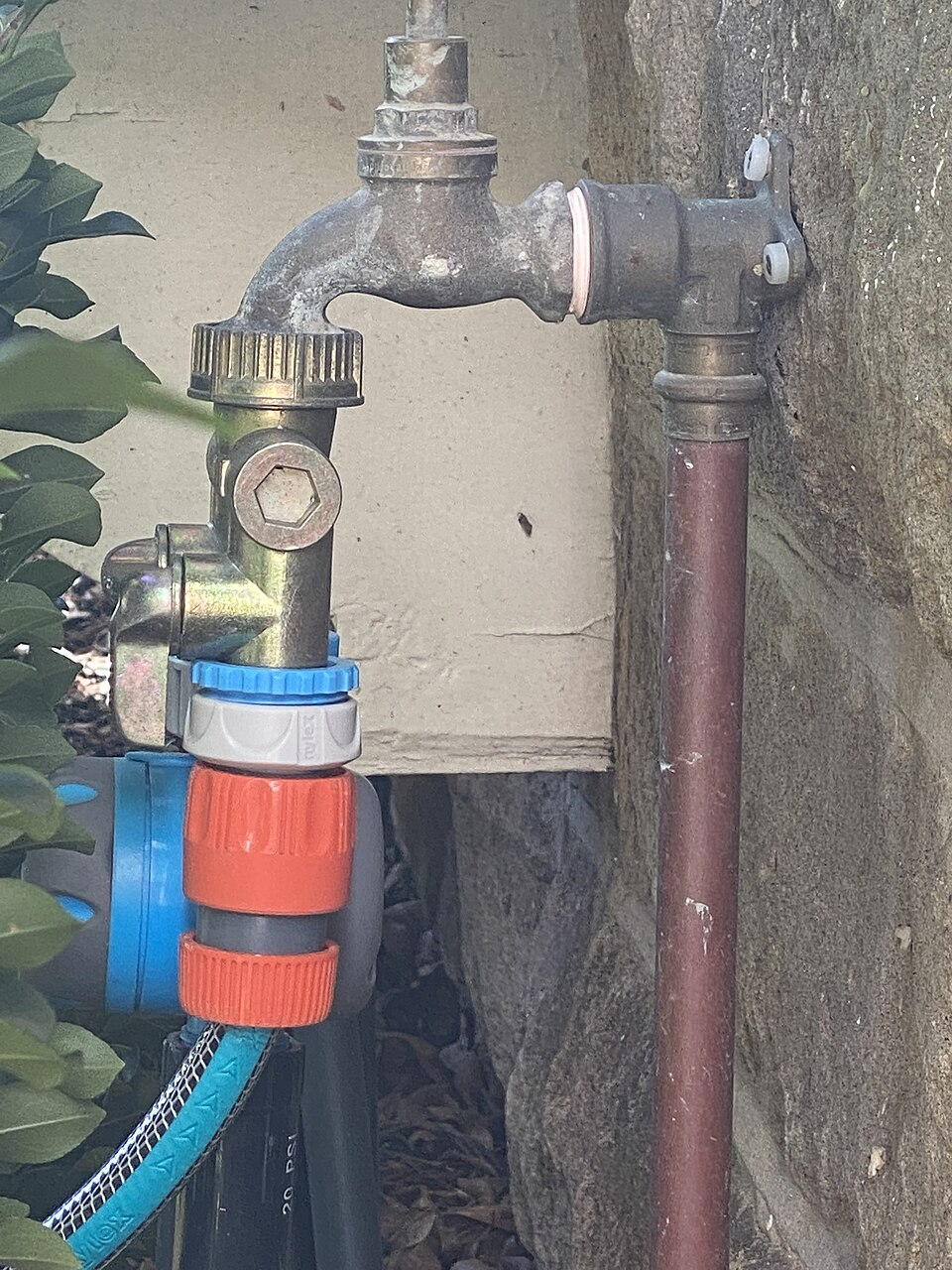
Whoever controlled the tap controlled the whole arrangement, and the person at the far end was entirely at their mercy.
The asymmetry was total. A child drinking has their face at the opening and no ability to stop anything, and a child at the tap can increase the flow instantly with no warning.
It was abused immediately and universally. The arrangement whereby one child drinks while another stands at the tap looking helpful is one of the oldest and most reliable betrayals available in a back garden.
12. Everybody in the Street Used the Same One
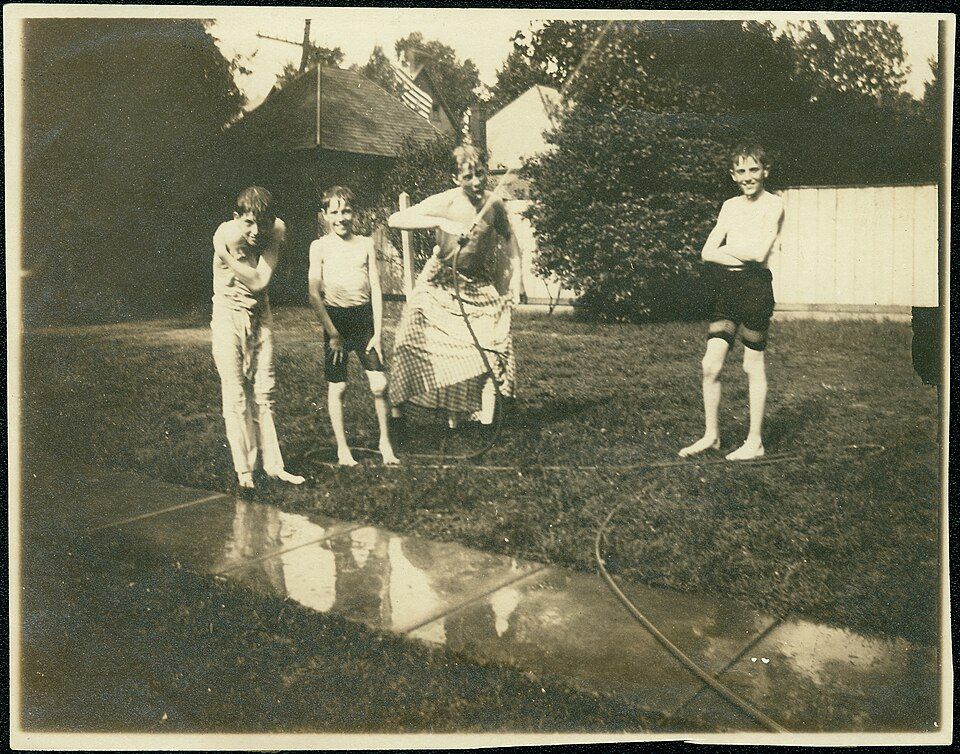
A line in one garden served every child in the vicinity, which made that household’s tap a neighbourhood facility.
The sharing happened without anybody arranging it. Children playing across several gardens needed water somewhere, and the house with the most accessible outdoor tap became the default for a dozen children nobody had invited.
The household rarely objected. A tap being used by other people’s children was a minor cost and a visible sign that the garden was where everybody played, which most households regarded as a reasonable trade.
13. It Was Also the Washing Facility for Everything
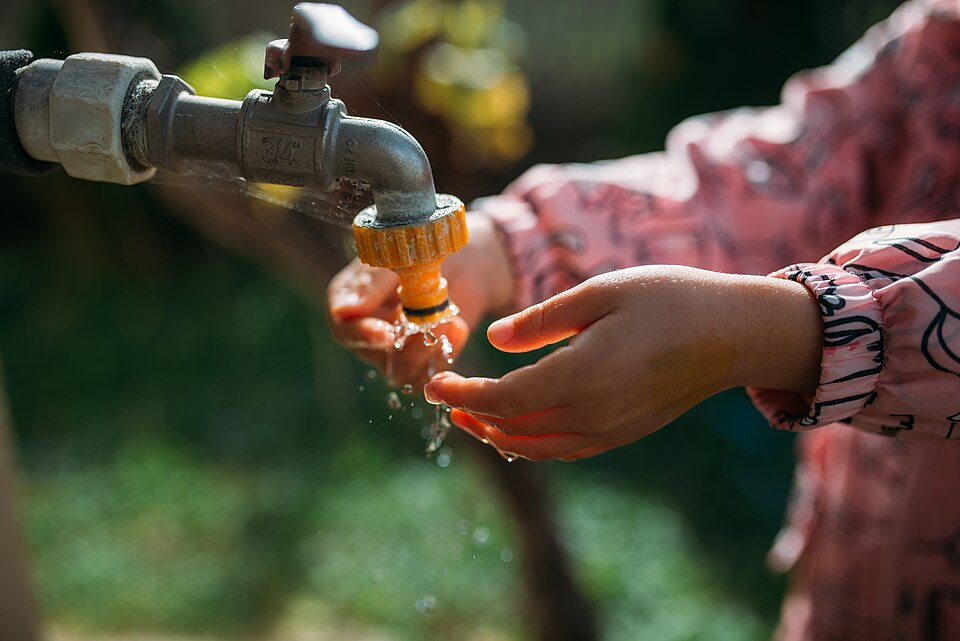
Hands, feet, equipment, anything brought in from outside and occasionally an entire child went under it before being allowed indoors.
The function was the household’s rather than the child’s. An adult who did not want mud in a house had one tool available for dealing with it, and that tool was outside and worked on everything.
Being hosed down was a standard childhood indignity. A child made to stand still while somebody else directed cold water at their legs is a specific memory that an enormous number of people share and nobody enjoyed.
The whole arrangement was also a piece of household infrastructure that nobody had designed for any of this. An outdoor tap exists to fill a bucket and water a garden, and children had converted it into a drinking fountain, a washing facility, a signalling device and a weapon without anybody ever acknowledging that a conversion had taken place.
14. The Sound of It Starting Carried Across Several Gardens
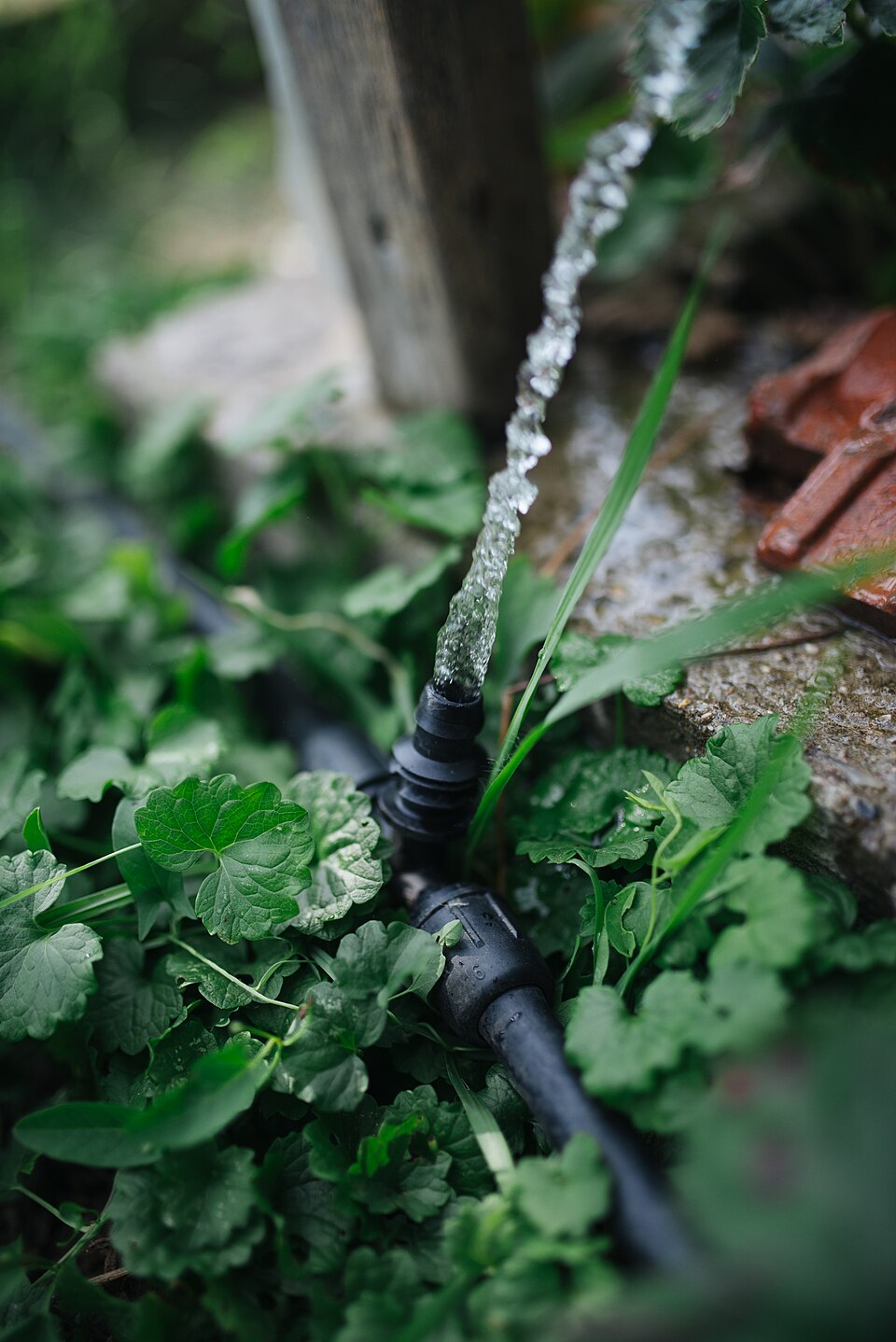
A tap being turned on outside was audible to everybody nearby and functioned as a signal.
The acoustics did the work. Water hitting a hard surface outdoors is loud, carries over fences and tells anybody listening that somebody is in a garden doing something.
Children responded to it. The sound of water starting up two gardens away was reliable information that there was activity to join, which is how a considerable number of afternoons began.
15. Then Nobody Drank From It Again
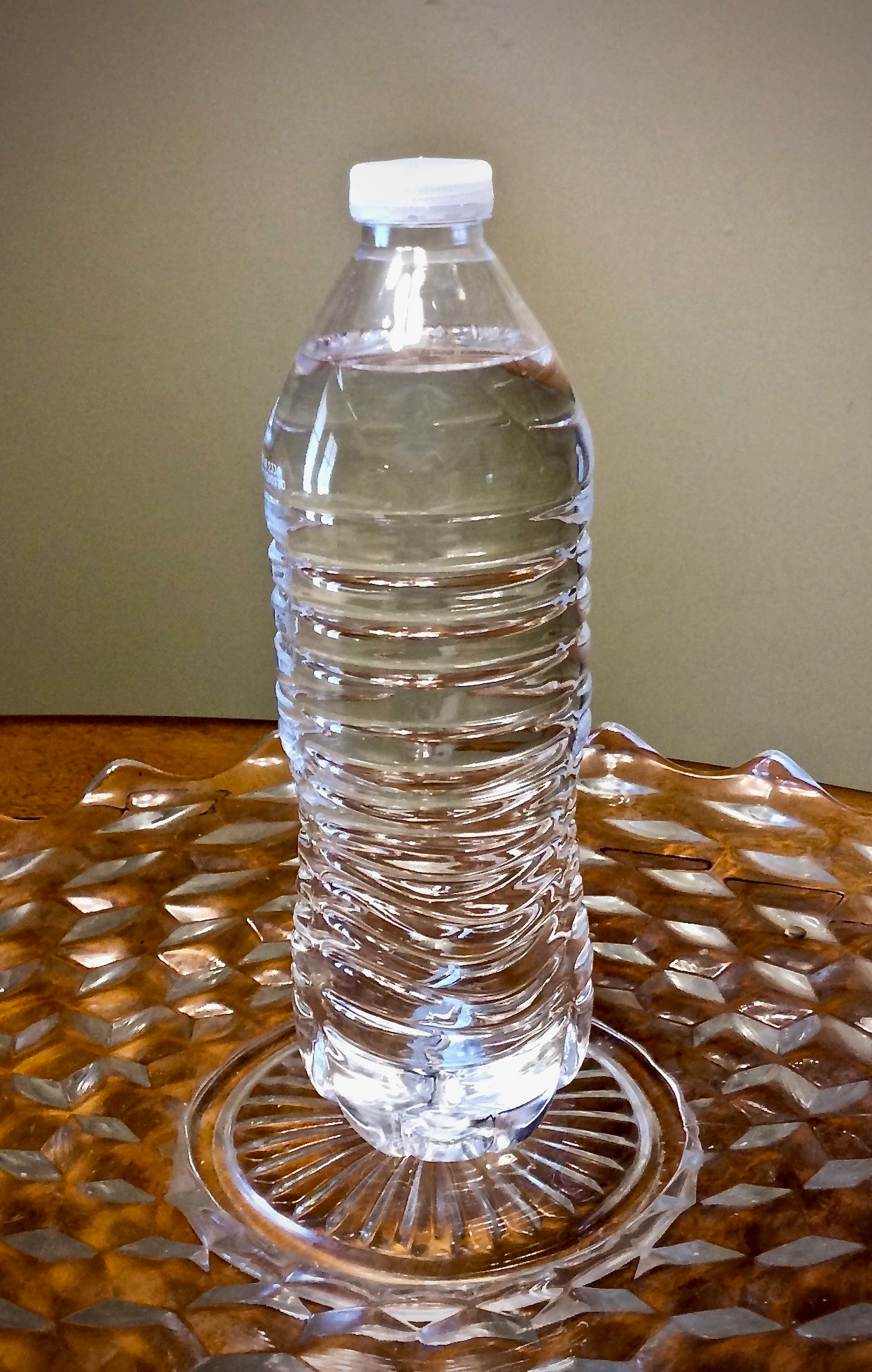
Better knowledge, bottled water, outdoor taps nobody plumbs for drinking and a general understanding of why this was a bad idea ended the practice completely.
That outcome is entirely correct. Children now have access to water that is intended for drinking, which is plainly better than a warm line lying in a garden, and the change needs no defending.
What went with it is one object doing everything. The only water source an afternoon offered, drunk through a thumb held across the opening, soaking whoever used it, kinked somewhere nobody could find, leaking permanently at the tap, controlled by whichever child had got there first, and audible across four gardens the moment anybody turned it on.
Why One Object Did Everything
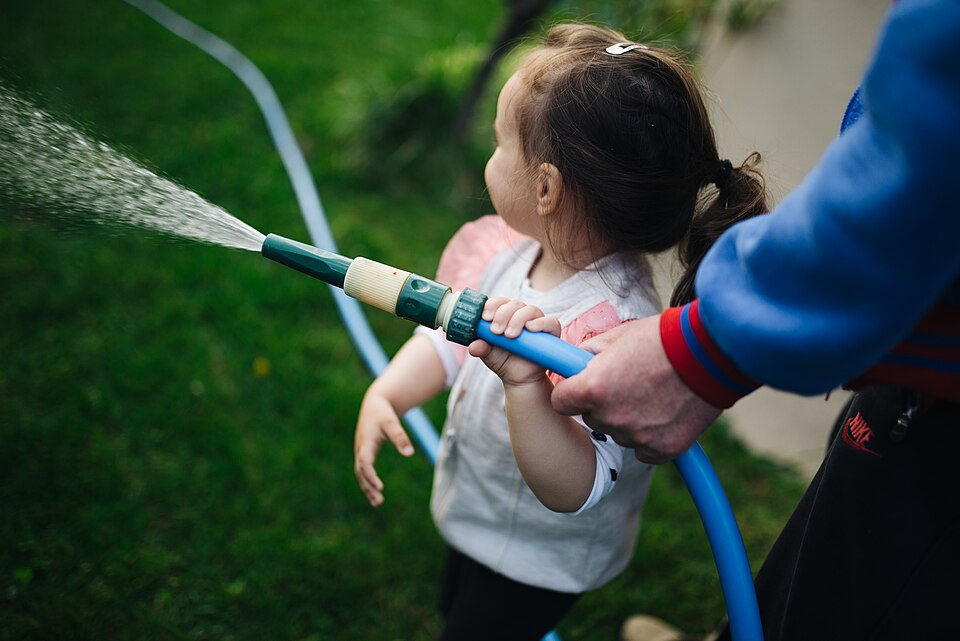
Read in order, the fifteen describe a single piece of equipment that an entire afternoon was organised around, for one unglamorous reason: it was the only water source that did not cost a child their afternoon. Everything else follows. The hot first portion that had to be run through, learned once and never forgotten. The taste of the line itself, acknowledged honestly and tolerated because the alternative was thirst. The thumb across the opening, independently discovered by every child who ever tried it, which solved the flow problem and simultaneously supplied the far more popular alternative use. And the soaking, which was unavoidable, welcome in July and the reason everybody went back to the kitchen tap in September.
It was also permanently broken in the same four ways in every household: lying across a path nobody had agreed to, kinked somewhere out of sight that had to be found by walking the whole length, leaking at the joint in a way nobody ever fixed, and controlled by whichever child was standing at the tap – which made the person drinking completely helpless and was exploited immediately and universally.
The modern position is stated plainly in the fourth item and it is correct. Outdoor plumbing is not made or maintained to drinking standard, what accumulates in a warm line is not something anybody should consume, and the advice against it reflects knowledge that did not exist in 1964. Children now have water intended for drinking, which needs no defending. Nothing above should be read as suggesting anybody do this now.
What went with it is one object doing everything: the only water an afternoon offered, drunk through a thumb held across the opening, soaking whoever used it, kinked somewhere nobody could find, leaking at the tap for years, and audible across four gardens the moment anybody turned it on.
Like our content? Follow us for more.