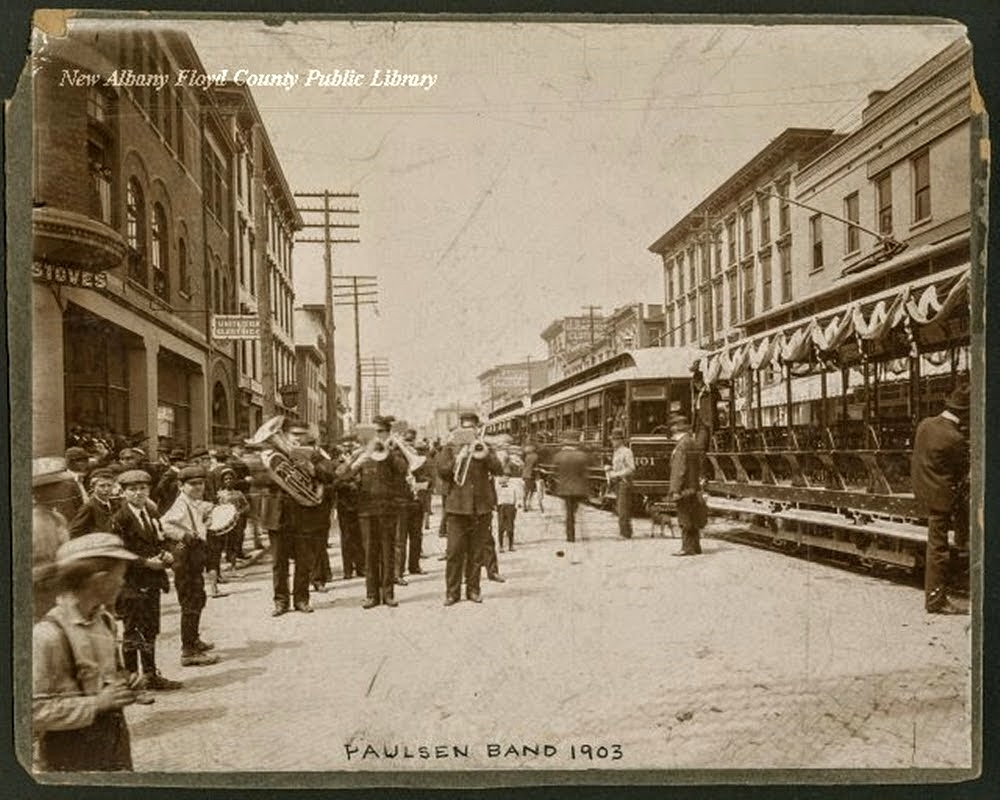
America had an electric railway network between its towns, and almost nobody now knows it existed.
Interurban cars ran on their own tracks between communities, frequently alongside the roads and straight down the main street at each end, and they stopped wherever a passenger stood and waved – at a crossroads, a farm lane, an individual house. That is what made them genuinely useful: a steam railroad stops at depots miles apart, while an interurban stopped at the end of your lane.
Electricity is why it worked. No fireman, no boiler, no coaling, so one man could run a car and a line could send them out hourly. They carried freight too – milk, produce, express, mail – which frequently kept them solvent. Here are sixteen things every American town knew.
1. It Was an Electric Railway That Went Everywhere
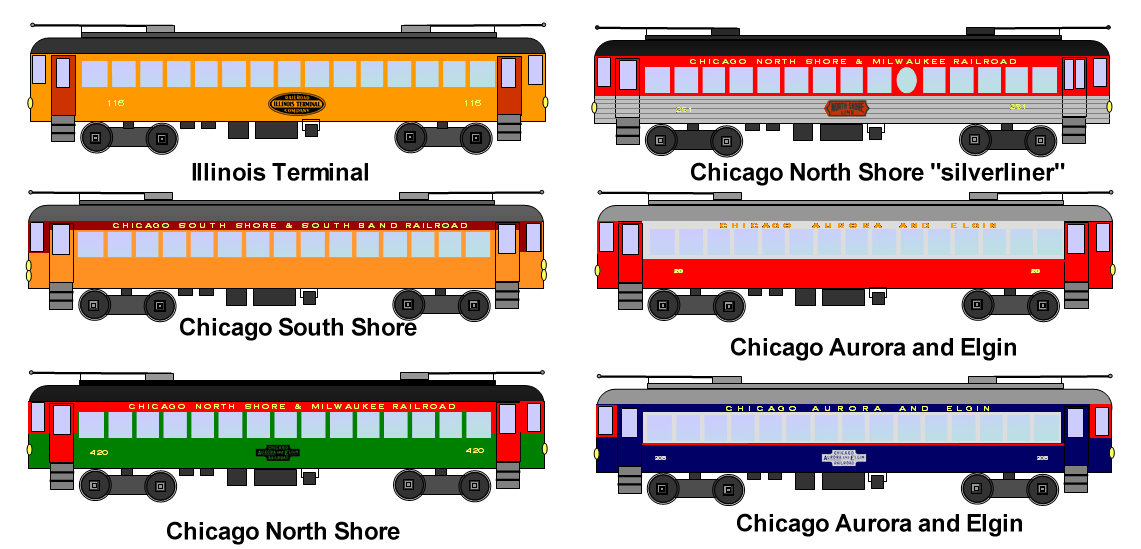
Interurban lines ran electric cars between towns on their own tracks, frequently alongside roads and straight down the main streets at each end, connecting places too small for a steam railroad to serve properly.
Automobiles on paved highways, with almost no trace of the systems left.
The scale is the part nobody knows. At its height the United States had an enormous mileage of interurban track, enough that a determined traveller could cross whole states by changing cars from one local system to the next – and essentially all of it was gone within about thirty years.
Like our content? Follow us for more.
2. It Stopped Wherever You Wanted
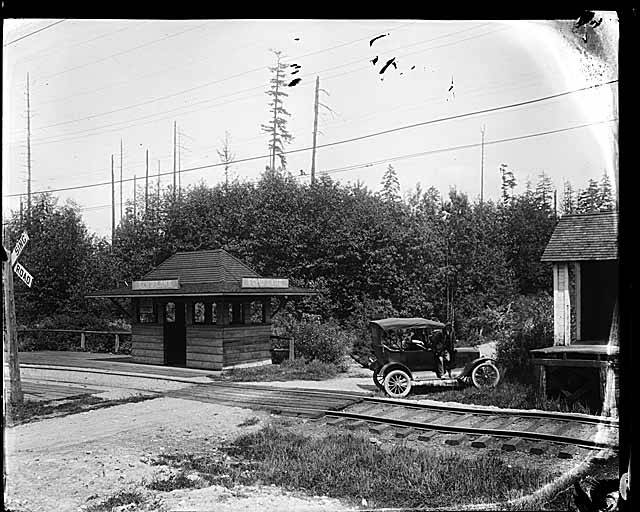
Cars halted at crossroads, farm lanes, individual houses and anywhere a passenger stood and waved, in addition to town stops and shelters.
Not applicable. Transport stops at designated places or takes you door to door for a fare.
Flag stops are the thing that made these genuinely useful rather than merely available. A steam railroad stops at depots several miles apart; an interurban stopped at the end of your lane – which means it served a farm household the way no main-line railroad ever could.
3. Electricity Made Frequent Service Possible
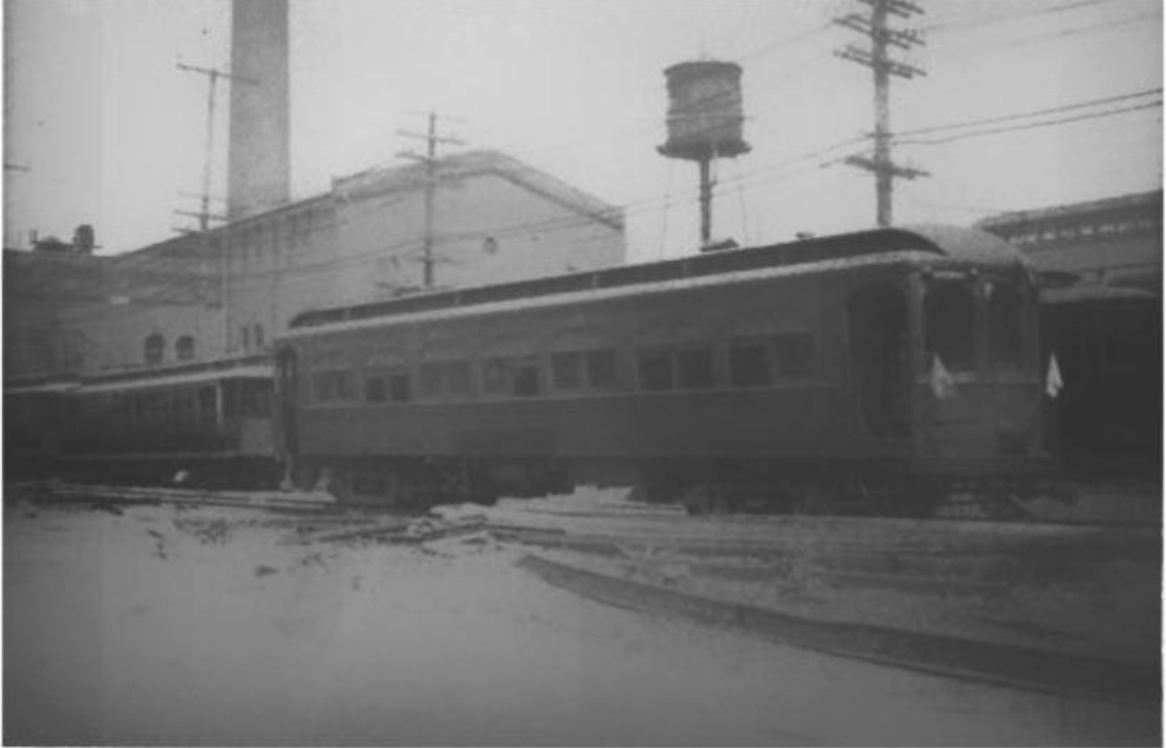
An electric car needs no fireman, no boiler, no coaling and no long preparation, so a single operator could run one and a line could send cars out every hour or better.
Not applicable in that form.
Frequency is the real product and it follows directly from the technology. A steam train is expensive to start and stop, so it runs a few times a day; an electric car can run hourly, which turns a railway from something you plan around into something you simply use.
4. The Cars Were Big, Heavy and Fast
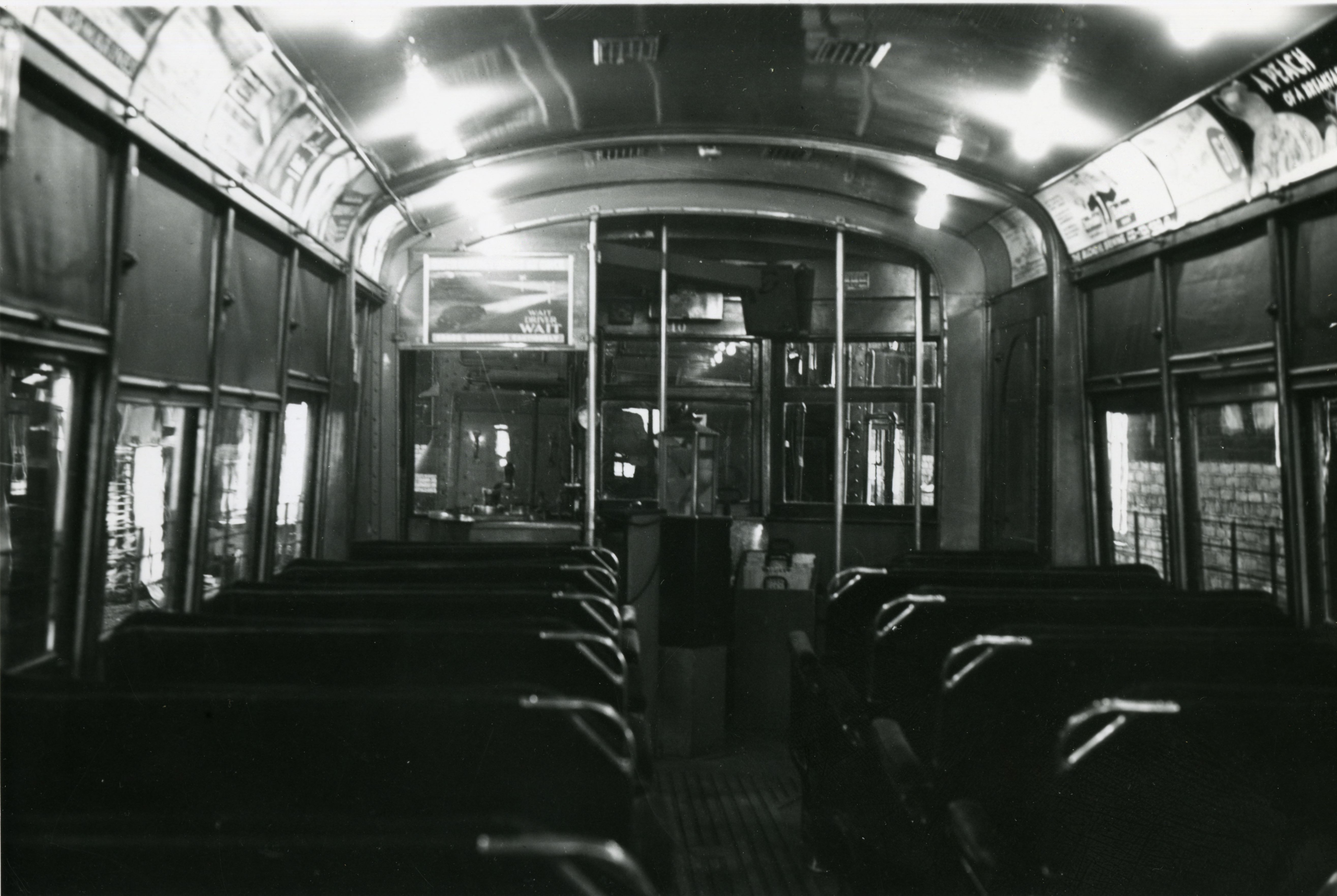
Interurban cars were substantially larger and heavier than city streetcars, built for sustained speed between towns, with comfortable seating and sometimes smoking compartments, baggage space and lavatories.
Not applicable.
Mistaking these for trolleys is the usual error. An interurban car was a railroad coach with its own motors, capable of real speed on private right of way, and the better lines offered a standard of travel comparable to a steam railroad’s local service.
5. They Carried Freight as Well as People
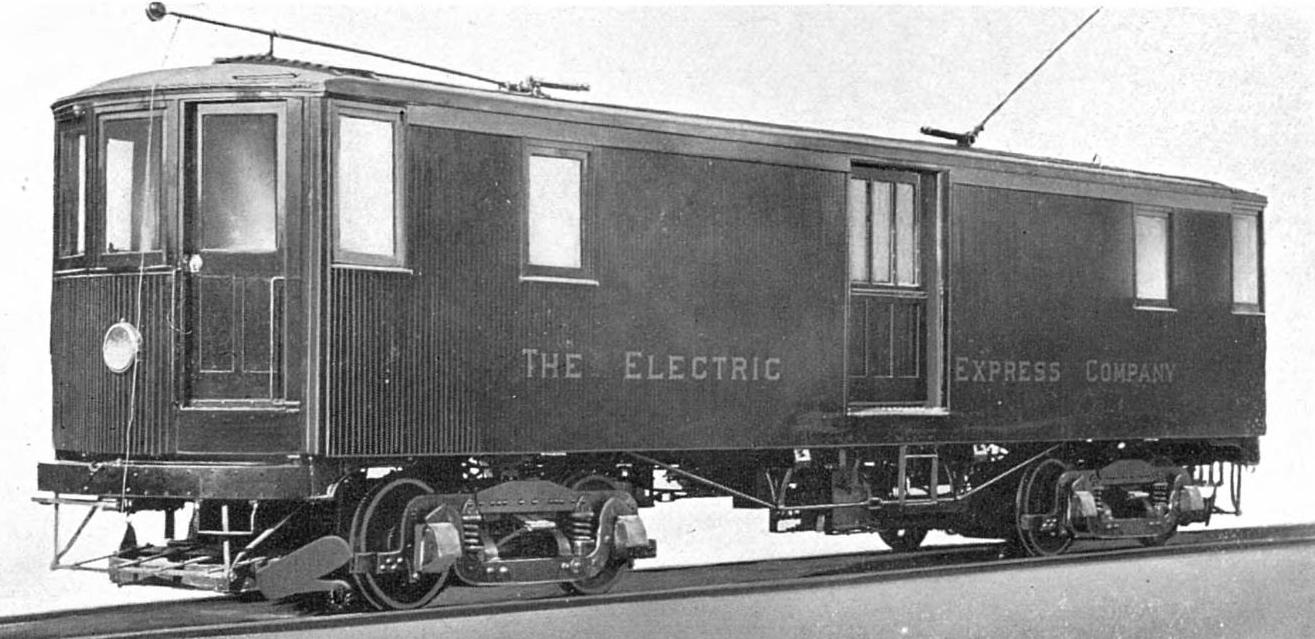
Lines hauled milk, produce, packages, express, mail and in some cases whole freight cars, with dedicated freight motors and interchange with steam railroads.
Trucking.
Freight is the half that is usually forgotten and it was frequently what kept a line solvent. A daily service collecting milk and produce from farms along the route and delivering it to a city is a genuine logistics operation, and passengers were sometimes the less profitable traffic.
6. Farm Households Used Them Constantly
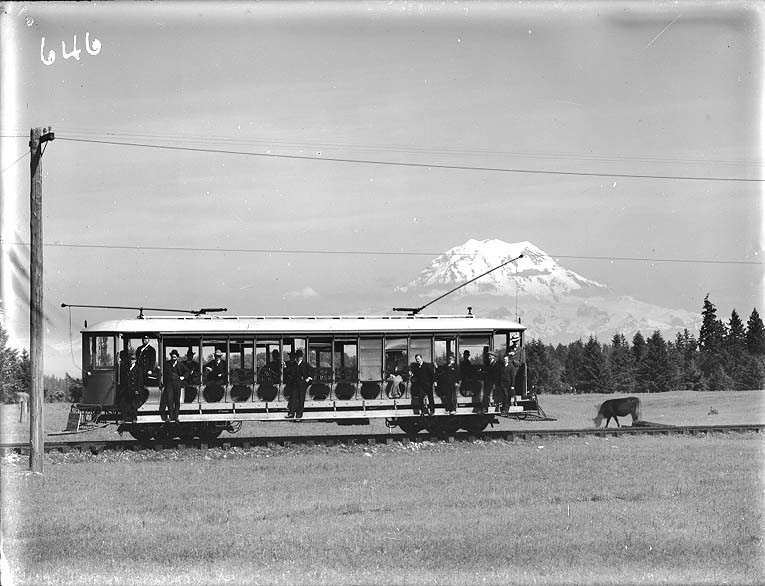
A farm on an interurban line had hourly access to town, to the county seat and to a city – for shopping, selling, doctors, schooling, visiting and entertainment.
Not applicable in that form.
This is the social consequence and it was substantial. A household that had been effectively four hours from a city became an hour from it, with no horse to harness and no need to stay overnight – which changed what a farm family could do with a day.
7. The Track Went Down the Middle of Main Street
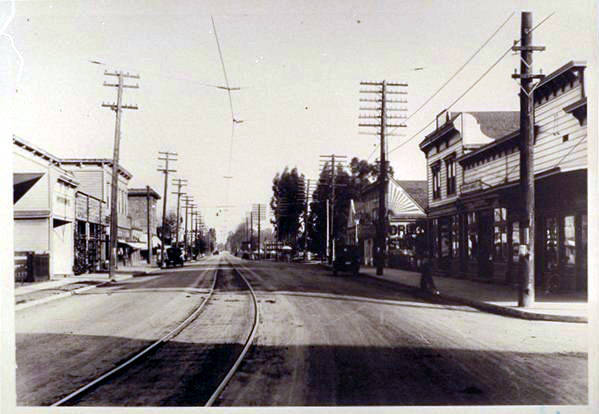
At each town the line left its private right of way and ran in the street, which put the cars directly in front of the stores and gave passengers a stop at the centre of things.
Not applicable.
Running in the street is what made the service convenient and what eventually made it impossible. The car stopped where people wanted to be, and it also shared a narrow street with everything else – which was fine with wagons and became a serious problem with automobiles.
8. Towns Fought to Get a Line
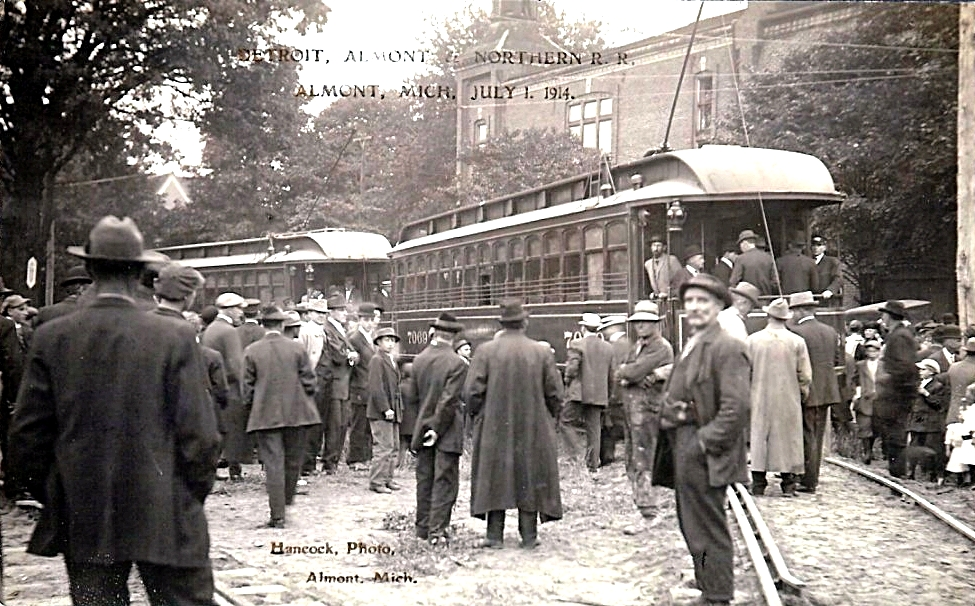
Communities offered subsidies, land, franchises and local investment to bring a line through, because being on one was understood as decisive for a town’s prospects.
Not applicable. Towns compete for highway access and interchanges instead.
The competition tells you how the technology was regarded. A town on a line had hourly connection to the wider economy and a town off it did not, and local people put their own money into construction on exactly that reasoning.
9. A Great Deal of It Was Badly Financed
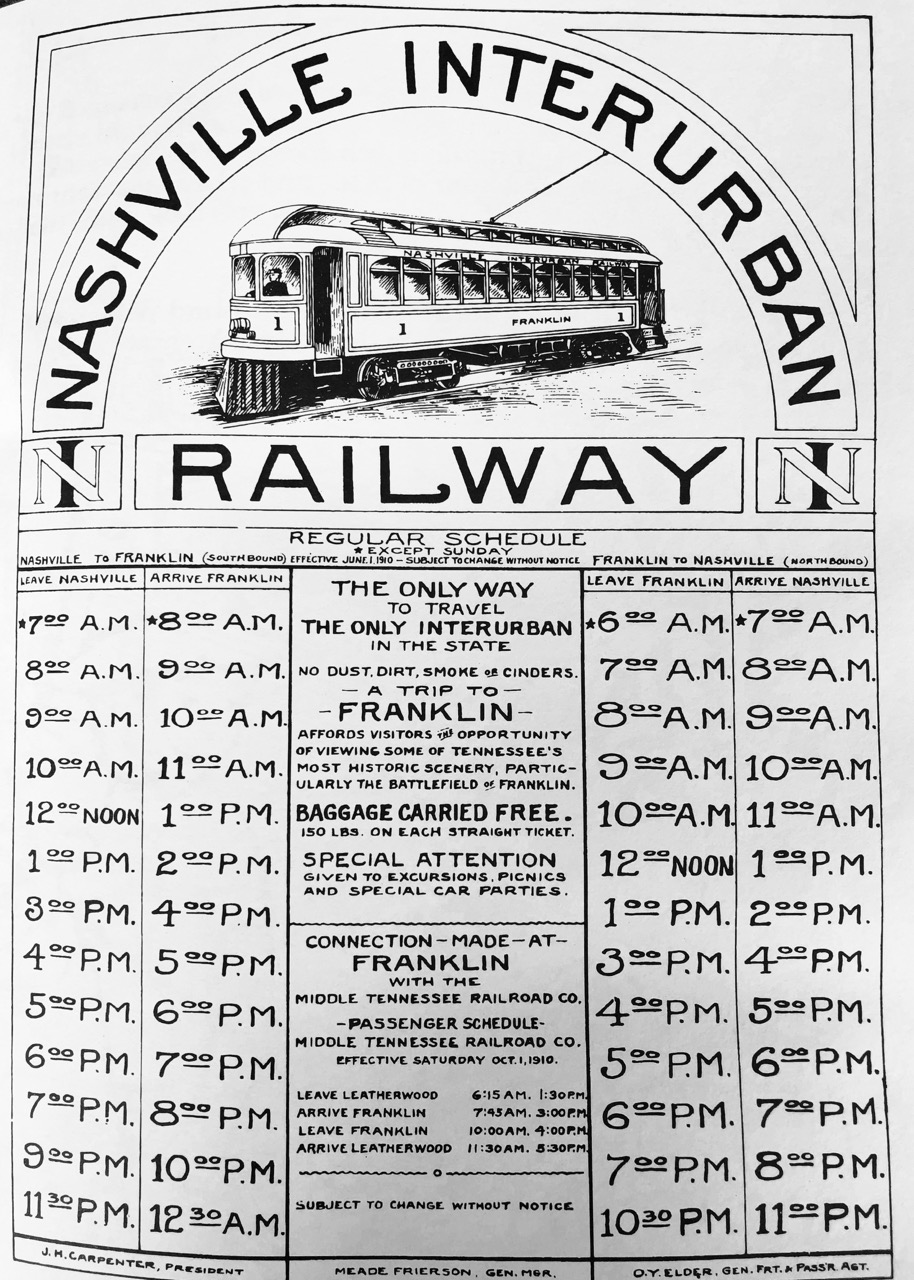
Lines were built in a speculative boom, frequently on optimistic traffic projections, with heavy debt, duplicated routes and construction standards that varied enormously.
Not applicable.
The financial weakness is central to what happened next and should not be glossed over. A great many of these companies were fragile before the automobile existed – over-built, over-borrowed and competing with each other – which means the car did not have to be very good to finish them.
10. The Right of Way Was Cheap and That Showed
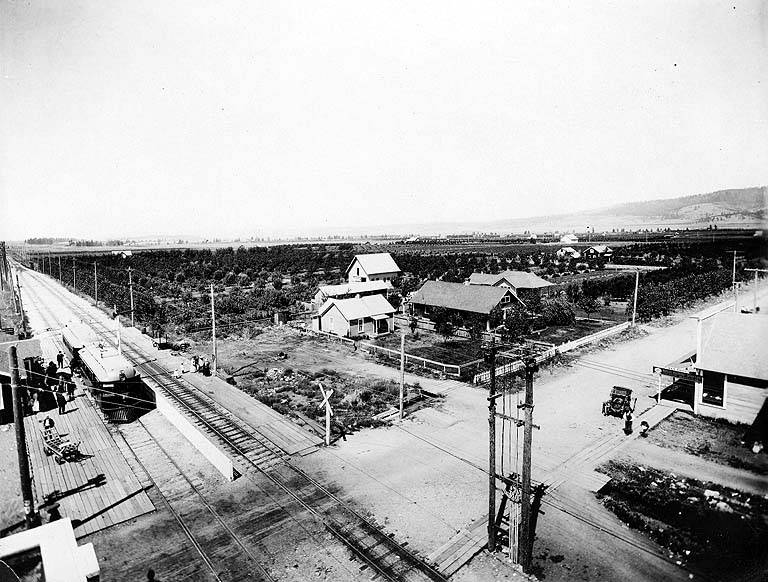
To save money, lines were built alongside public roads rather than on graded private land, with sharp curves, steep grades and level crossings wherever a road crossed.
Not applicable.
Building along a road is cheap and creates a permanent limitation. A railway that follows a road inherits the road’s curves and crossings, which caps speed, raises operating cost and produces a conflict at every intersection – and that conflict got worse every year that car ownership grew.
11. Safety at Crossings Was a Genuine Problem
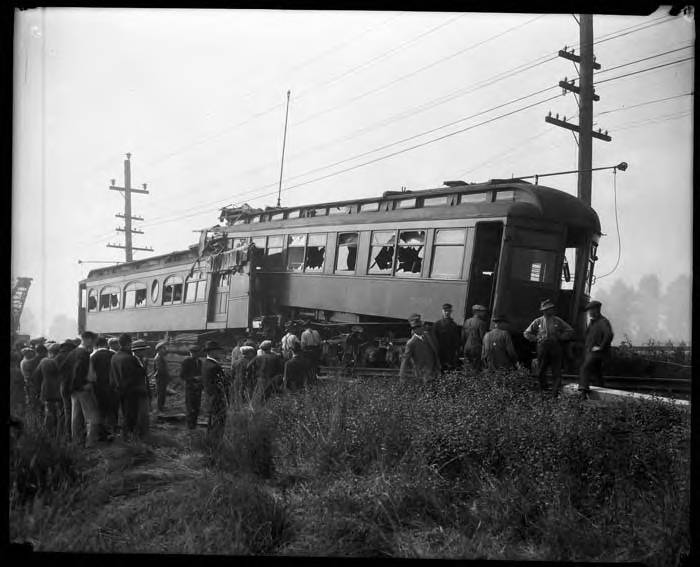
Heavy fast cars crossing roads at grade, in an era of growing automobile traffic and limited signalling, produced collisions – and the resulting liability was a real burden on operators.
Grade separation, modern signalling and far stricter regulation.
This deserves naming rather than skipping. The combination of a heavy vehicle that cannot stop quickly, a road crossing with minimal protection and a rapidly rising number of inexperienced drivers was a bad one, and the consequences were part of why operating these lines became untenable.
12. Then the Automobile Took the Passengers
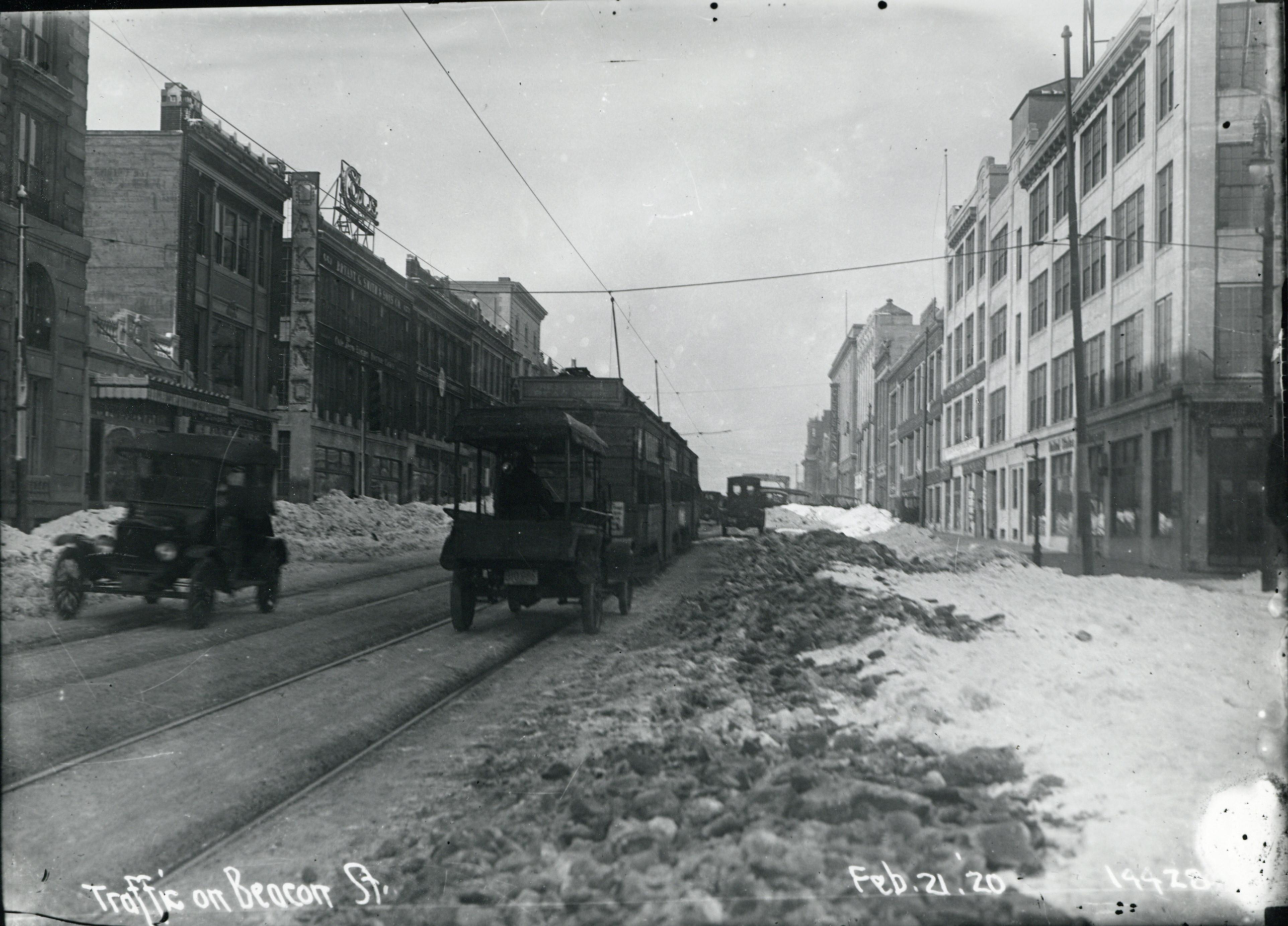
Once a family owned a car, it went where it wanted, when it wanted, with its parcels, without a timetable – and the interurban’s whole advantage over a horse disappeared.
Universal.
The comparison is unkind and it was immediate. An interurban beats a horse comprehensively and loses to a car on every dimension except cost, and the moment car ownership became general the line was competing with something strictly better for most trips.
13. Then Paved Roads Finished the Job
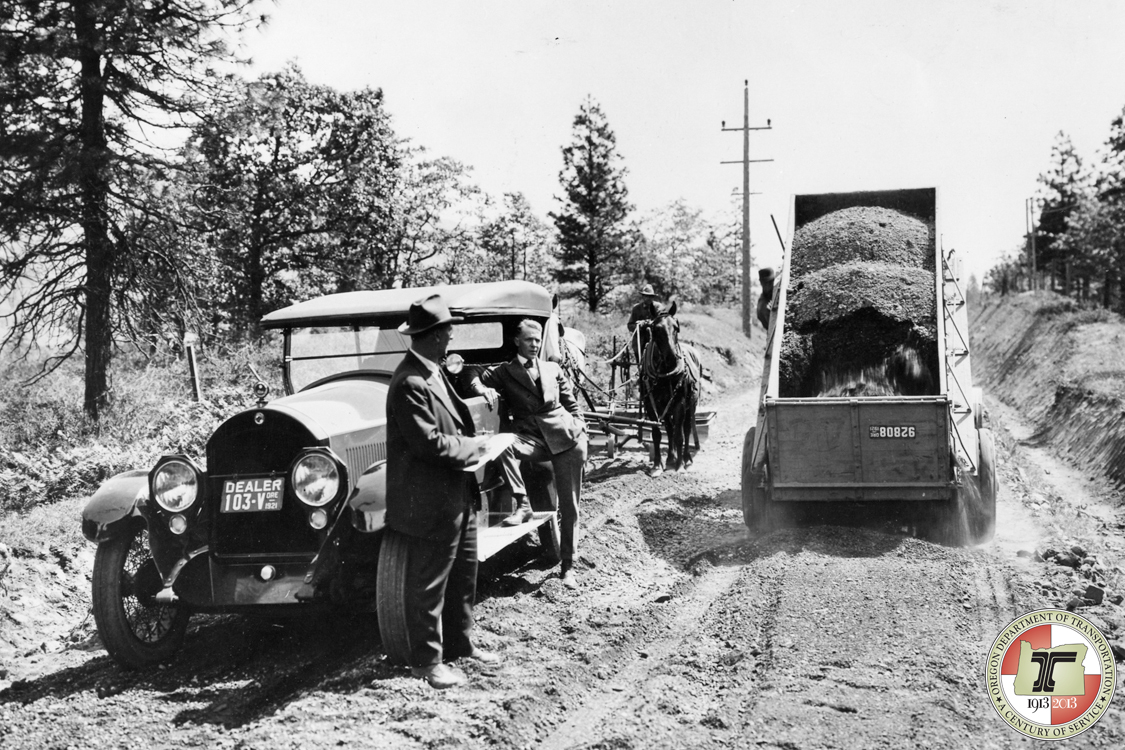
Public money built hard-surfaced highways along the same corridors the lines served, which improved the competition at taxpayers’ expense while the railway maintained its own track out of fares.
Standard.
This is the structural unfairness at the heart of the story and it is worth stating plainly. A private company paying to maintain its own right of way was competing with vehicles running on a surface provided by the public – and no amount of efficiency closes a gap like that.
14. Then the Bus Replaced What Was Left
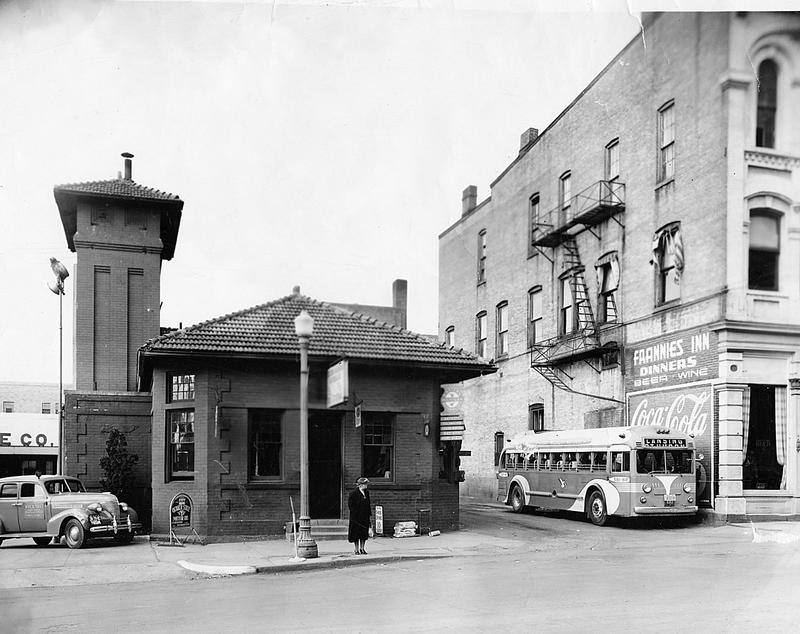
Where service was still wanted, operators replaced cars with buses, which used the public road, needed no track, no overhead wire and no power plant, and could be rerouted at will.
The surviving form of intercity public transport in most places.
The bus is the honest end of the line and the operators knew it. Every fixed cost an interurban carried – track, wire, substations, bridges – a bus simply does not have, and a company that can shed all of it and keep the passengers will do so.
15. Then the Track Was Pulled Up and Sold
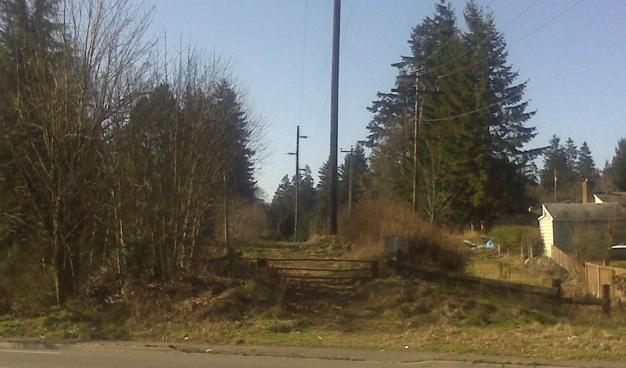
Rails were lifted for scrap, overhead wire was recovered, substations were sold, and right of way reverted to farmland, roads or nothing.
Standard. Most of it is undetectable now.
The thoroughness of the removal is why so few people know this existed. A railway that has had its rails lifted and its wire taken down leaves almost nothing – a line of poles for a while, an embankment in a field, a straight stretch of road that is suspiciously wide – and within a generation the evidence is gone too.
16. Then an Entire Transport Network Vanished
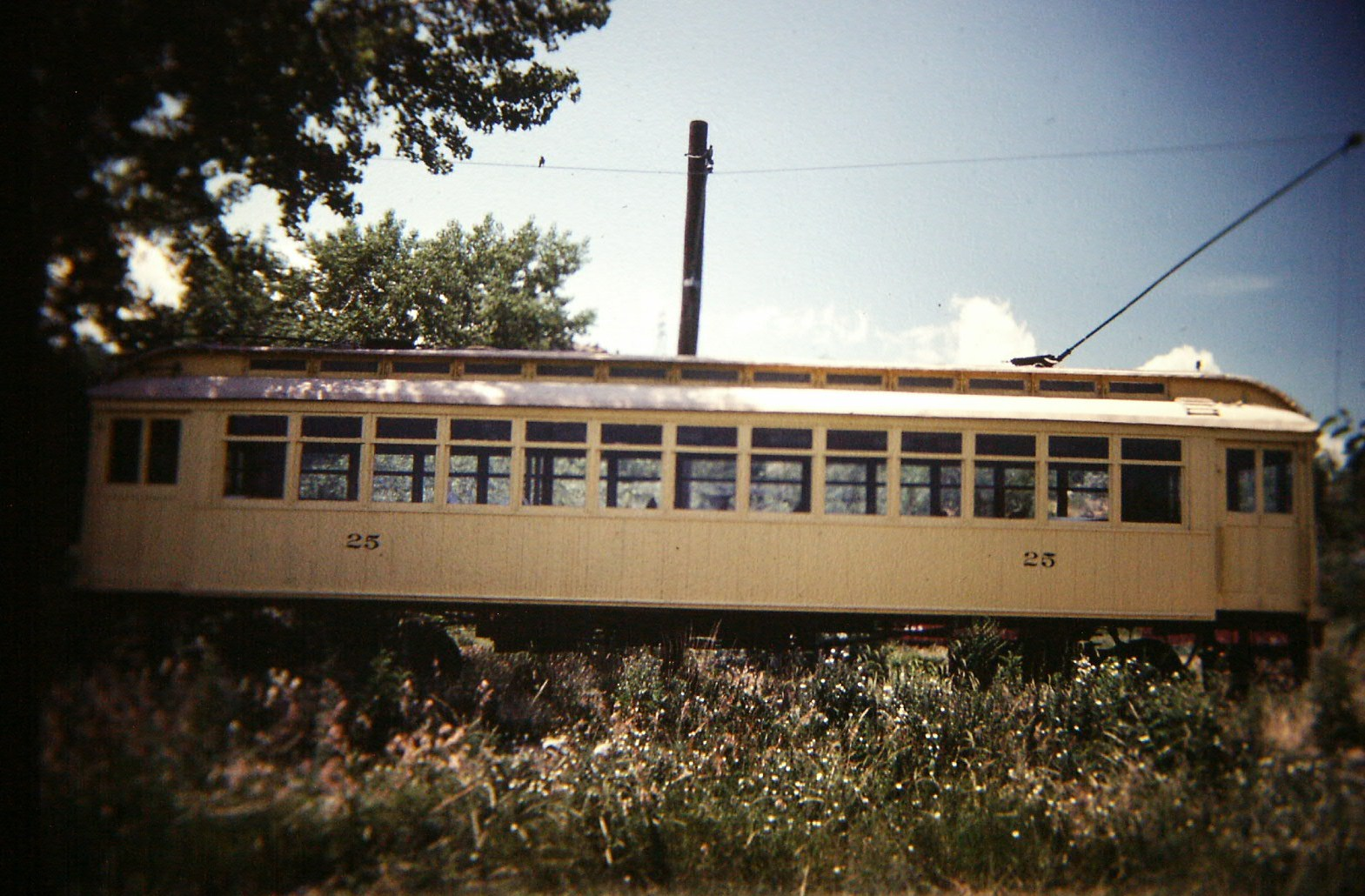
By 1964 the American interurban was effectively extinct, with a handful of survivors and the rest remembered only by the people who had ridden them.
Gone, apart from a few preserved lines and museum operations.
And what makes this worth knowing is the completeness of it. This was not a technology that declined into a niche – it was a national network of electric railways, built with enormous local enthusiasm and local money, which connected small towns and individual farms to cities on an hourly service, and which was almost entirely erased within about three decades. Several things killed it at once and none of them was a failure of the idea. The lines were over-built and over-borrowed in a speculative boom, so many were fragile before the car arrived. They were built cheaply alongside roads, which capped their speed and put a level crossing at every intersection just as the roads filled with automobiles. They paid for their own track while their competition ran on publicly funded pavement. And the car, once ordinary families had one, was simply better for most of the trips people wanted to make. If there is a dead straight unusually wide stretch of country road near you, or a line of old poles across a field, or a town whose main street has a strangely generous centre, you may be looking at it. Somebody’s grandparents caught a car there every Saturday.
A National Network Erased in About Thirty Years
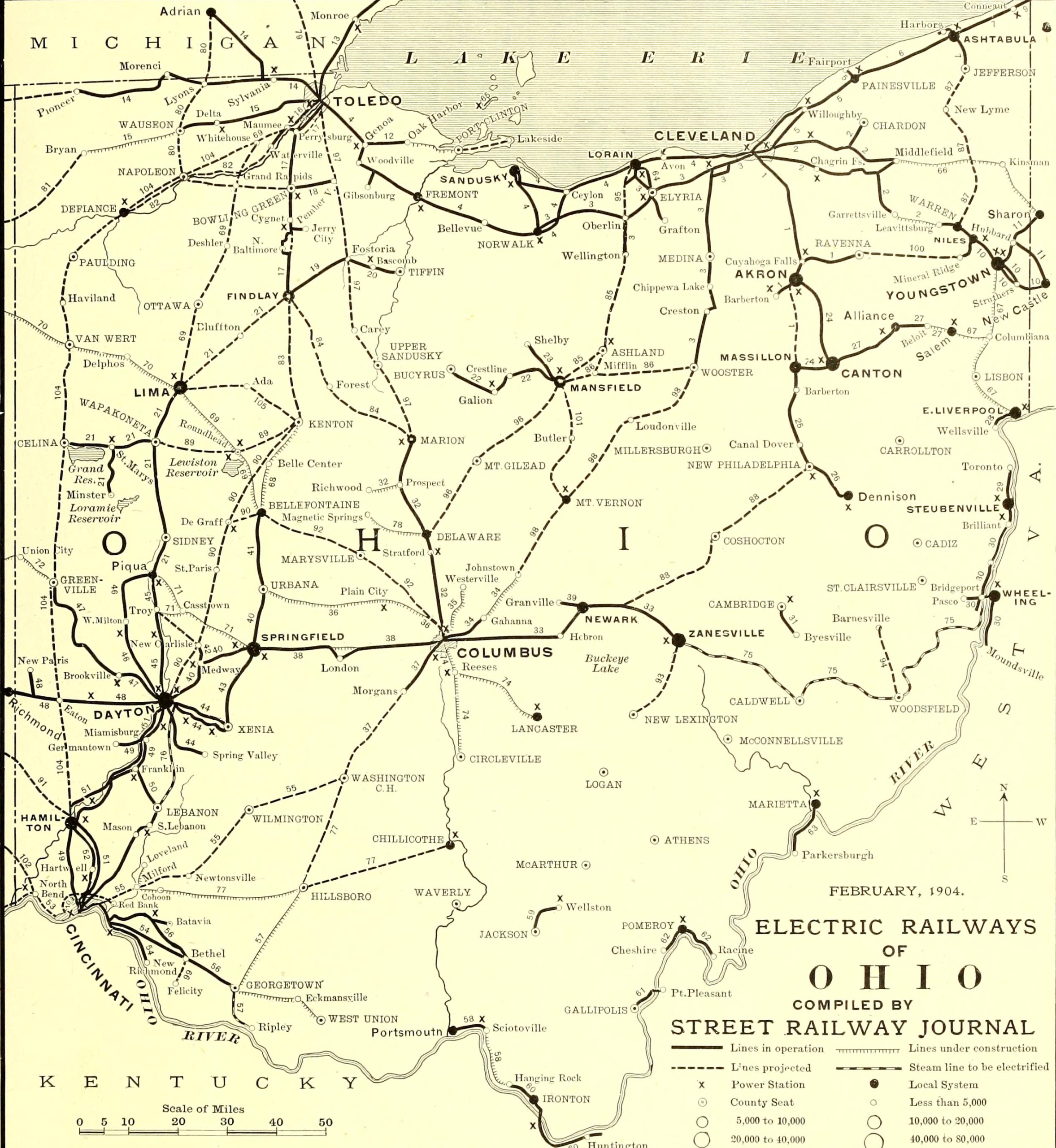
The remarkable thing here is not that the interurban declined. It is that it was comprehensively deleted.
At its height the United States had an enormous mileage of interurban track – enough that a traveller could cross whole states by changing from one local system to the next. Within roughly three decades essentially all of it was gone, the rails lifted for scrap, the wire recovered, the substations sold and the right of way returned to farmland.
And the idea was a good one. Electric traction meant no fireman, no boiler, no coaling and no long preparation, so one man could run a car and a line could operate hourly rather than a few times a day. Frequency is the actual product: a steam train is expensive to start and stop, while an electric car turns a railway from something you plan around into something you simply use.
The cars themselves were not trolleys, which is the usual misunderstanding. They were substantial railroad coaches with their own motors, built for sustained speed on private right of way, with proper seating and sometimes baggage space and lavatories.
They stopped anywhere. At a crossroads, a farm lane, a house, or wherever somebody waved – which is why they served farm households in a way no main-line railroad could. A family four hours from a city became an hour from it, with no horse to harness and no overnight stay, and that changed what could be done with a day.
They carried freight, which is the forgotten half and frequently what paid the bills: milk, produce, packages, express, mail, and in some cases whole interchanged freight cars.
And towns fought to get one, offering subsidies, land, franchises and local investment, because being on a line was understood as decisive for a community’s prospects.
So why did all of it vanish? Four reasons, and none is a failure of the concept.
The financing was bad. These were built in a speculative boom on optimistic traffic projections, with heavy debt, duplicated routes and wildly variable construction standards – which means a great many were fragile before the automobile existed. The car did not have to be very good to finish them.
The construction was cheap in a way that mattered. To save money, lines were laid alongside public roads rather than on graded private land, which inherits the road’s sharp curves and steep grades and puts a level crossing wherever a road crosses. That caps speed, raises cost and creates a conflict at every intersection – and the conflict got worse every year car ownership rose. Heavy fast cars at grade crossings with limited signalling and a growing number of inexperienced drivers produced collisions, and the liability was a real burden on operators.
The competition was publicly subsidised. Public money built hard-surfaced highways along the same corridors while the railway maintained its own track, wire, substations and bridges out of fares. That is a structural gap no amount of efficiency closes.
And the car was better. An interurban beats a horse comprehensively and loses to an automobile on everything except cost, so once ordinary families had one the line was competing with something strictly superior for most trips.
Where service was still wanted, operators switched to buses – which carry none of those fixed costs and can be rerouted at will. Any company that can shed track, wire and substations and keep its passengers will do it.
What is left is subtle. A dead straight unusually wide country road. A line of old poles across a field. A main street with a strangely generous centre.
If your family was in a small town in that era, somebody caught a car on Saturdays.
And the track was pulled up before most of us were born.
Like our content? Follow us for more.