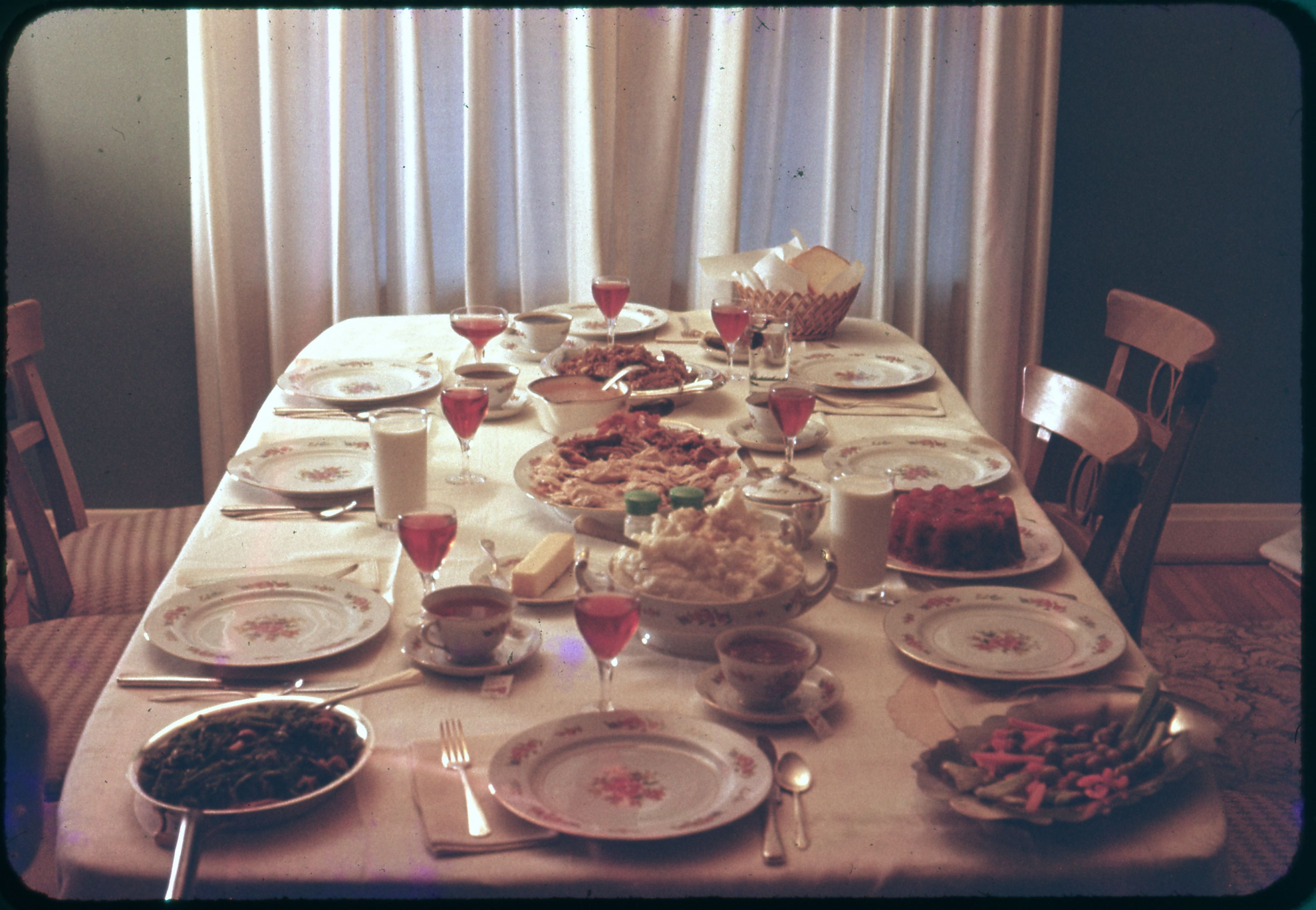
In 1964 Sunday dinner was at noon, and it was the largest meal of the American week.
The oven was lit before church, or by somebody who stayed behind, with the timing calculated in one person’s head so that everything landed within fifteen minutes of the household walking back in. It was eaten in church clothes, at a fixed table, in fixed places that stated everybody’s standing. There was one roast, two or three long-cooked vegetables, bread, something pickled and a dessert that was assumed.
There was deliberately far too much of it, which was Monday and Tuesday’s plan. And then nobody left for four hours. Here are sixteen things every American family did.
1. It Was at Midday, and That Is the Whole Thing
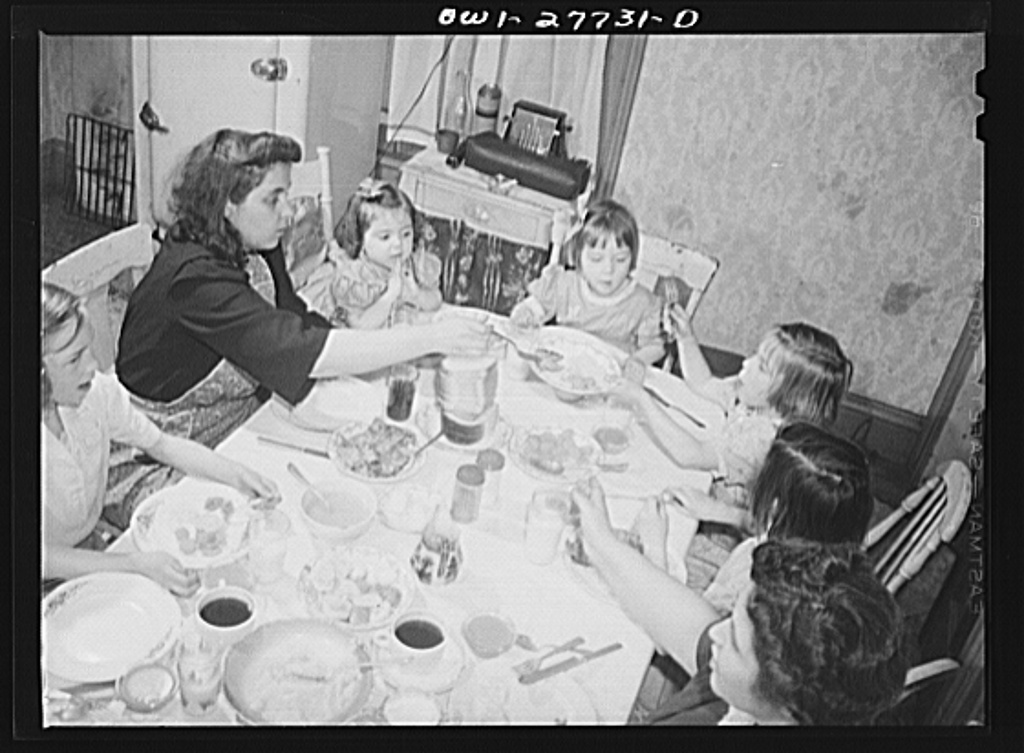
Sunday dinner happened around noon or shortly after – not in the evening. It was the main meal of the day and of the week, eaten in the middle of the day, with a lighter supper later if anybody wanted one.
An evening meal, if it happens at all, with midday Sunday occupied by errands, sport, organised activities and work – and the main Sunday meal moved to six or seven o’clock.
Everything else on this list follows from the time. A midday main meal requires that nobody is at work, nobody is travelling and everybody is in the same place before noon – which Sunday guaranteed absolutely and no other day did, because almost everything was closed and nothing was scheduled.
Like our content? Follow us for more.
2. It Was the Only Meal of the Week With a Roast in It
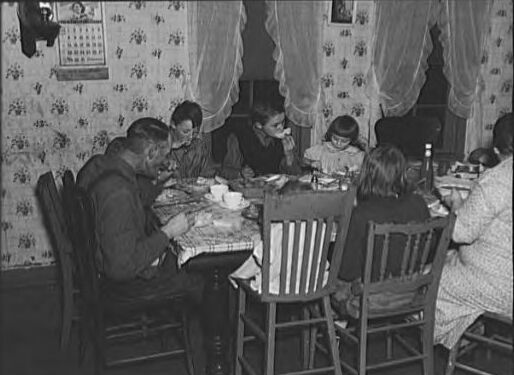
The centre of the table was a large single piece of meat – a roast, a ham, a chicken or several chickens, a shoulder – cooked whole and carved at the table, which happened once a week and not otherwise.
Large cuts cooked at any time by anybody who wants one, with no particular day attached and no weekly rhythm governing when meat appears.
The weekly concentration was economic. A household bought one substantial piece of meat and built the week around it, which meant Sunday got the whole thing and the following days got progressively less of it – so the roast was not a treat on top of normal eating, it was the start of the week’s eating.
3. The Cooking Started at Dawn or Before Church
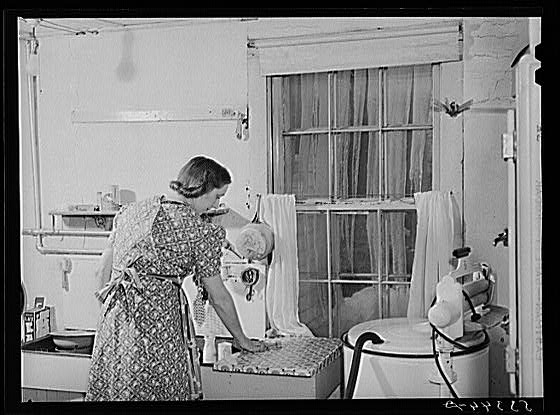
Preparation began early – the oven lit, the meat in, vegetables prepared, pies made – either before anybody left the house or by somebody who stayed behind, with timing calculated so that everything landed within fifteen minutes of the household returning.
Cooking that begins when people are already home, assisted by timers, temperature control and appliances that hold food without ruining it.
The timing was a genuine feat of planning with no safety net. An oven with an unreliable thermostat, a roast of uncertain weight, and a fixed arrival time produced a calculation that one person in the household did in their head, every week, and got right – and the consequences of getting it wrong were visible to everybody including guests.
4. Everybody Changed Clothes, and Then Changed Again
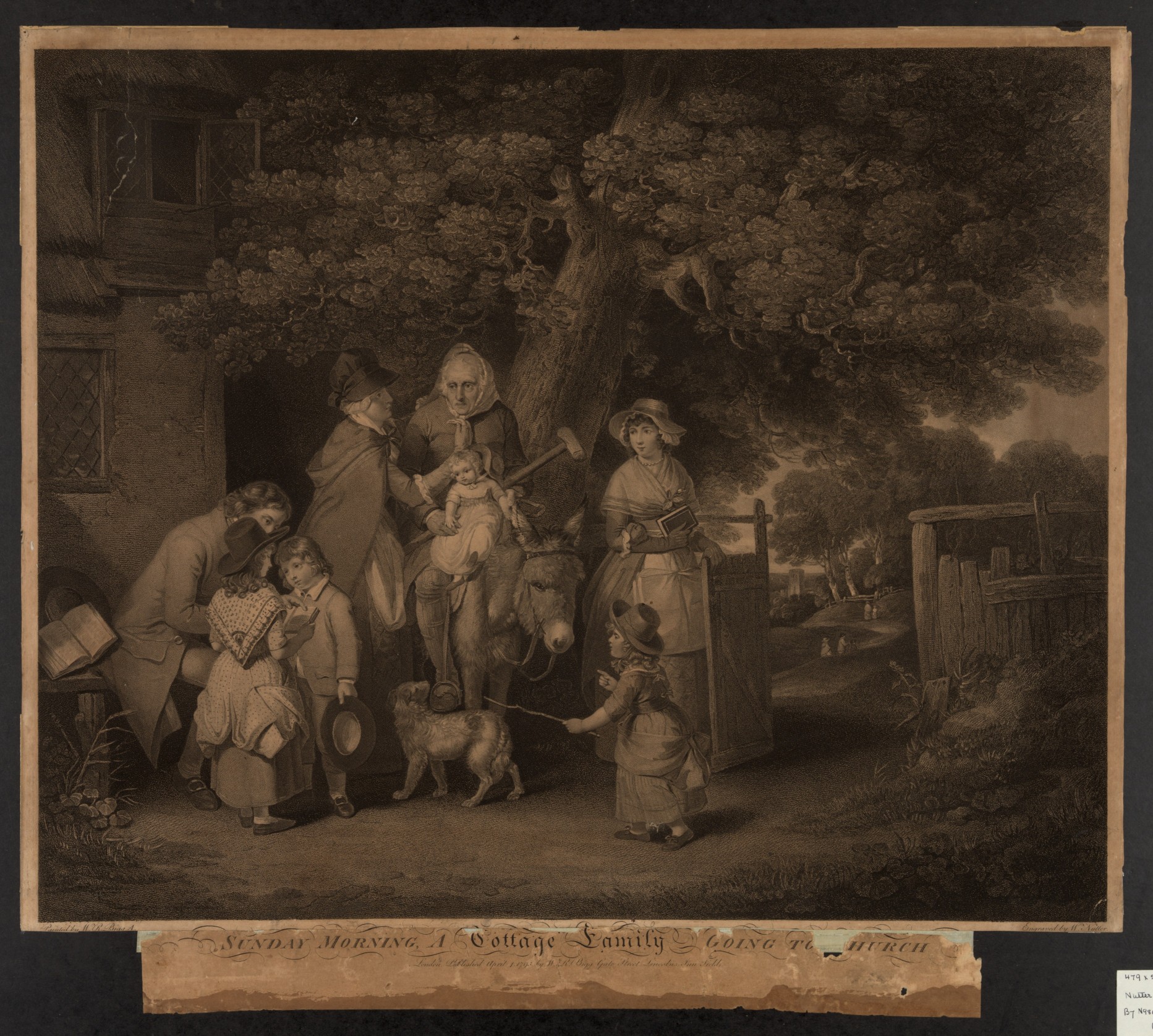
The household was dressed for church and stayed dressed for dinner, so the meal was eaten in the best clothes anybody owned – and children were changed out of them immediately afterwards and not before.
No dress expectation of any kind for a family meal, and in most households nothing in the wardrobe that would count as better clothes for the purpose.
Which is why the afternoon had a shape. There was a period after dinner when everybody was still formally dressed, sitting about, unable to do anything that would spoil anything – and that enforced stillness is the reason so many people remember Sunday afternoons as specifically, memorably slow.
5. There Was a Seating Order and It Did Not Change
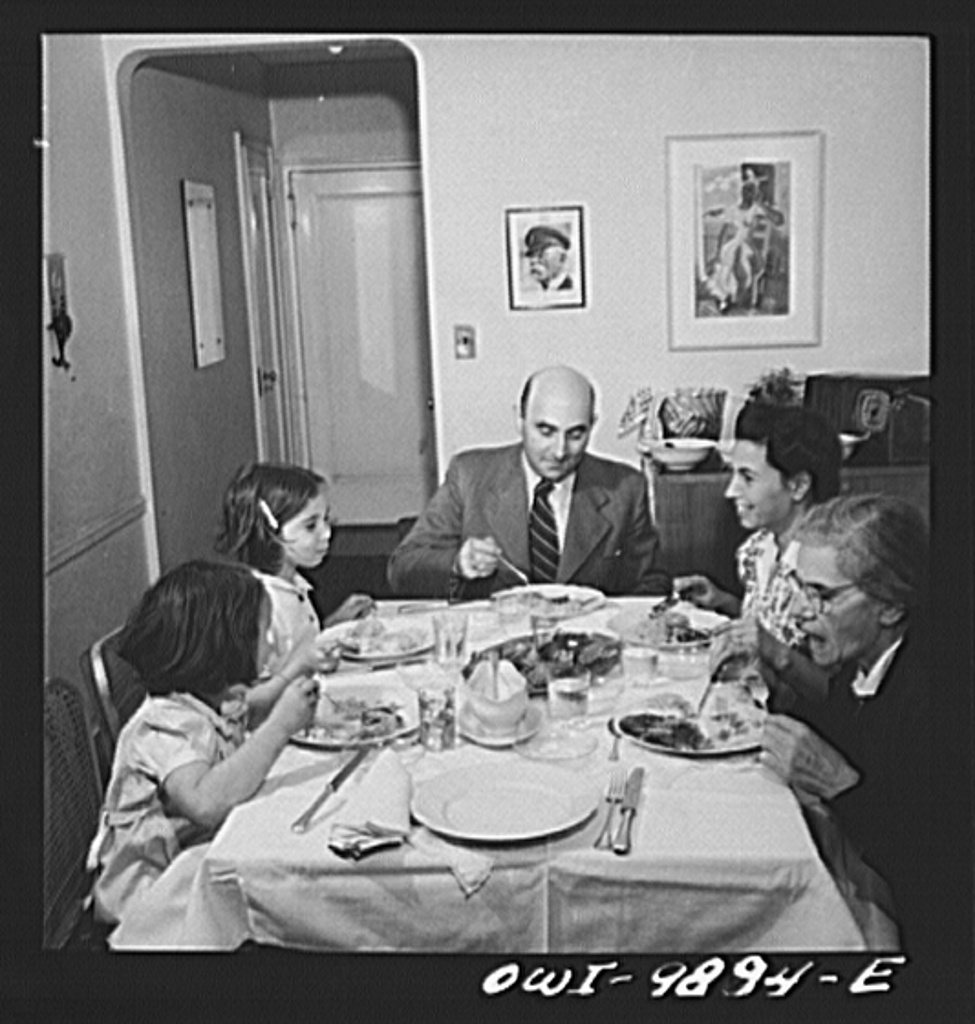
Places at the table were fixed and known: the head, the foot, the sides in a settled arrangement by age and relationship, with the same people in the same chairs week after week for years.
Seating by convenience, with no fixed places and nothing signalled by position.
The order was information. Where a person sat stated their standing in the household, and a change in it marked a real change – a child promoted to the main table, a new spouse given a place, a widow moved to the head. Nobody announced any of it and everybody understood it immediately.
6. Grace Was Said and Everybody Waited
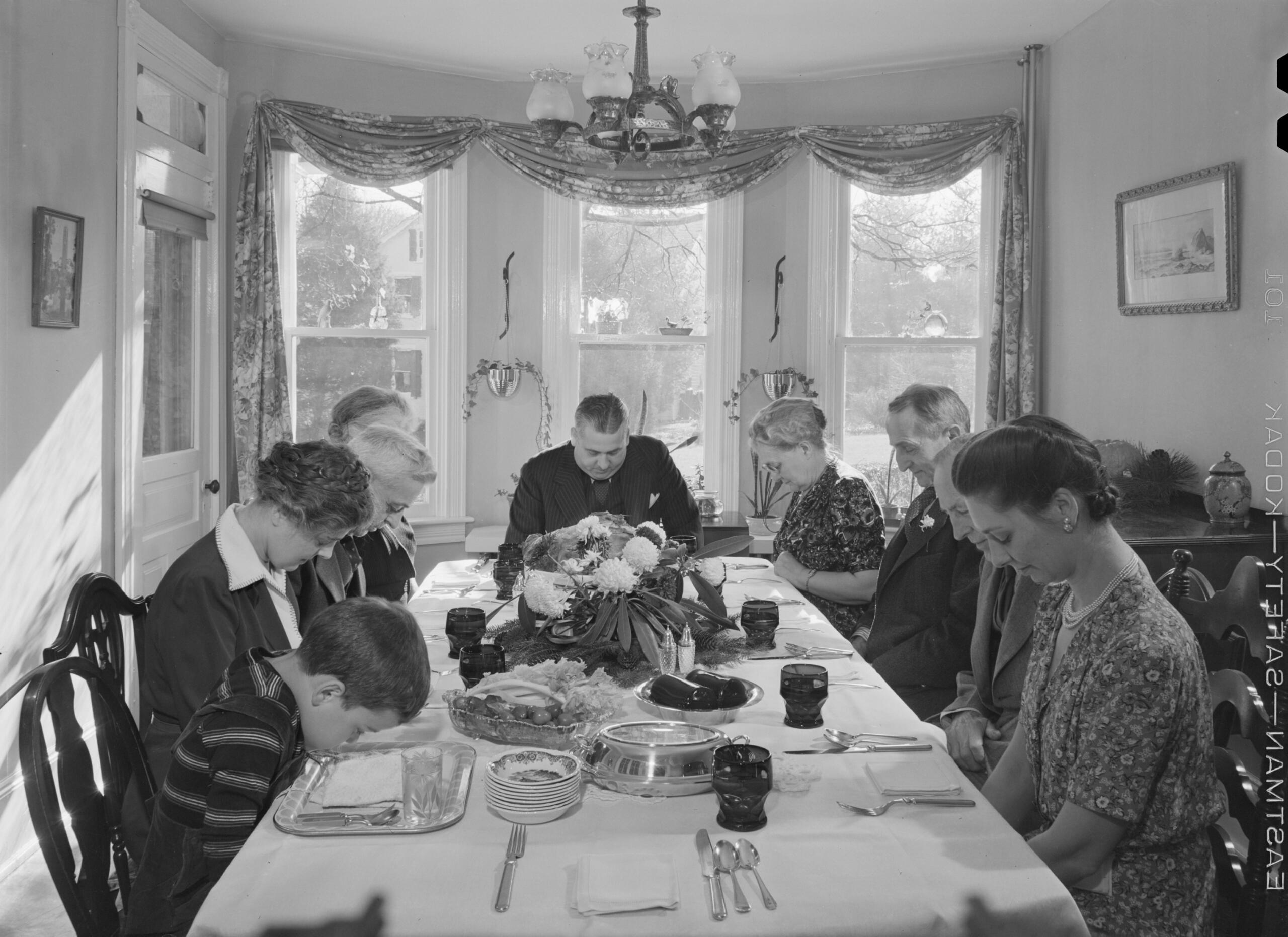
The meal began with a blessing, spoken by one person at the head of the table, with everybody seated, still and silent – after which the food moved.
The same practice in households where it is customary, considerably less widespread, and absent entirely from most family meals.
Whatever a reader’s own view, the function at the table was structural as well as religious. It marked a definite beginning, it required everybody to be seated and quiet simultaneously, and it meant the meal started as a single event rather than as people drifting into their chairs – which is a thing nothing else in the week accomplished.
7. Company Came, Frequently, and Was Expected
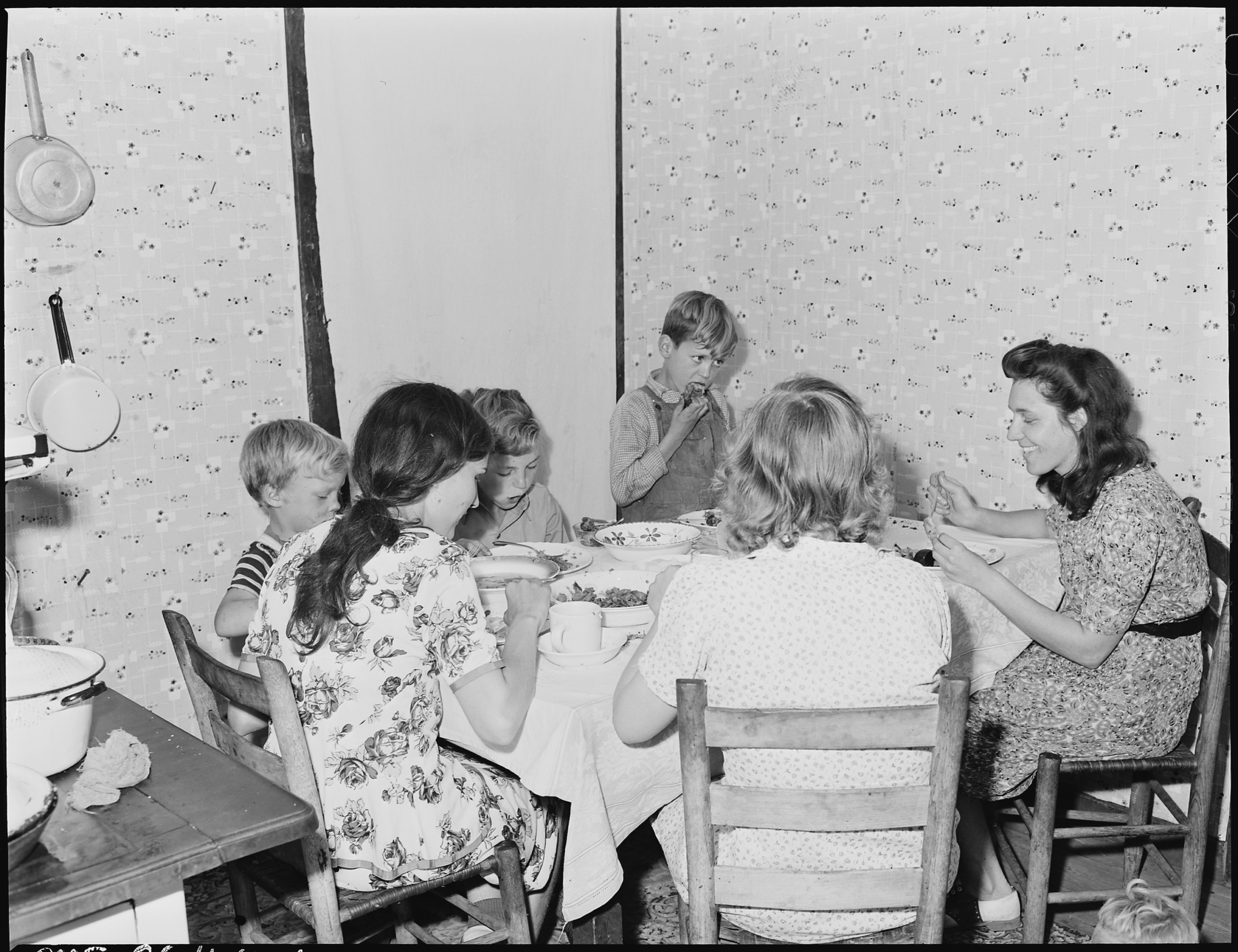
Sunday dinner was the occasion to which other people were invited – grandparents, aunts and uncles, cousins, the minister, a neighbour, somebody new in town, a young man being looked over.
Hosting arranged in advance for a specific reason, far less often, with a meal chosen for the occasion rather than the occasion attaching itself to a meal that was happening anyway.
The standing nature of it is what made hospitality cheap. A household cooking a large meal every Sunday regardless could absorb four extra people without any additional planning, which meant an invitation cost nothing and could be issued on the spot – and a great deal of American social life ran through that.
8. The Structure of the Meal Was Fixed
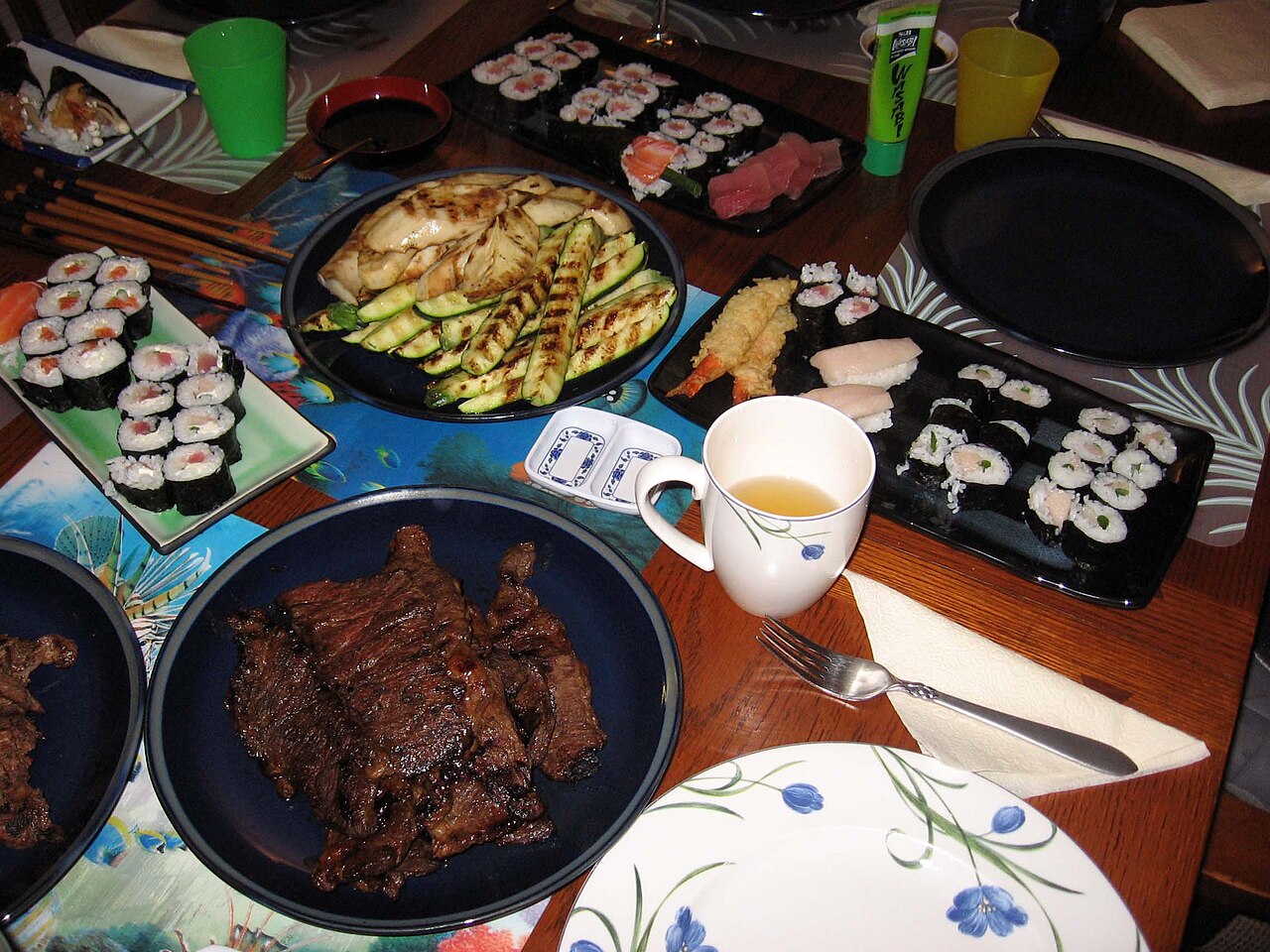
The composition did not vary much: one meat, two or three cooked vegetables, potatoes in some form, a starch or bread, something pickled or relish on the side, and a dessert that was understood to be coming.
Meals of any composition, frequently a single dish, with dessert an occasional rather than an assumed element.
The fixity was the point rather than a limitation. Everybody knew what was coming, which meant nobody had to be told, the serving order ran itself, and the only variable was which meat and which pie – so the conversation was never about the food.
9. The Vegetables Were Cooked a Long Time and Seasoned With Pork
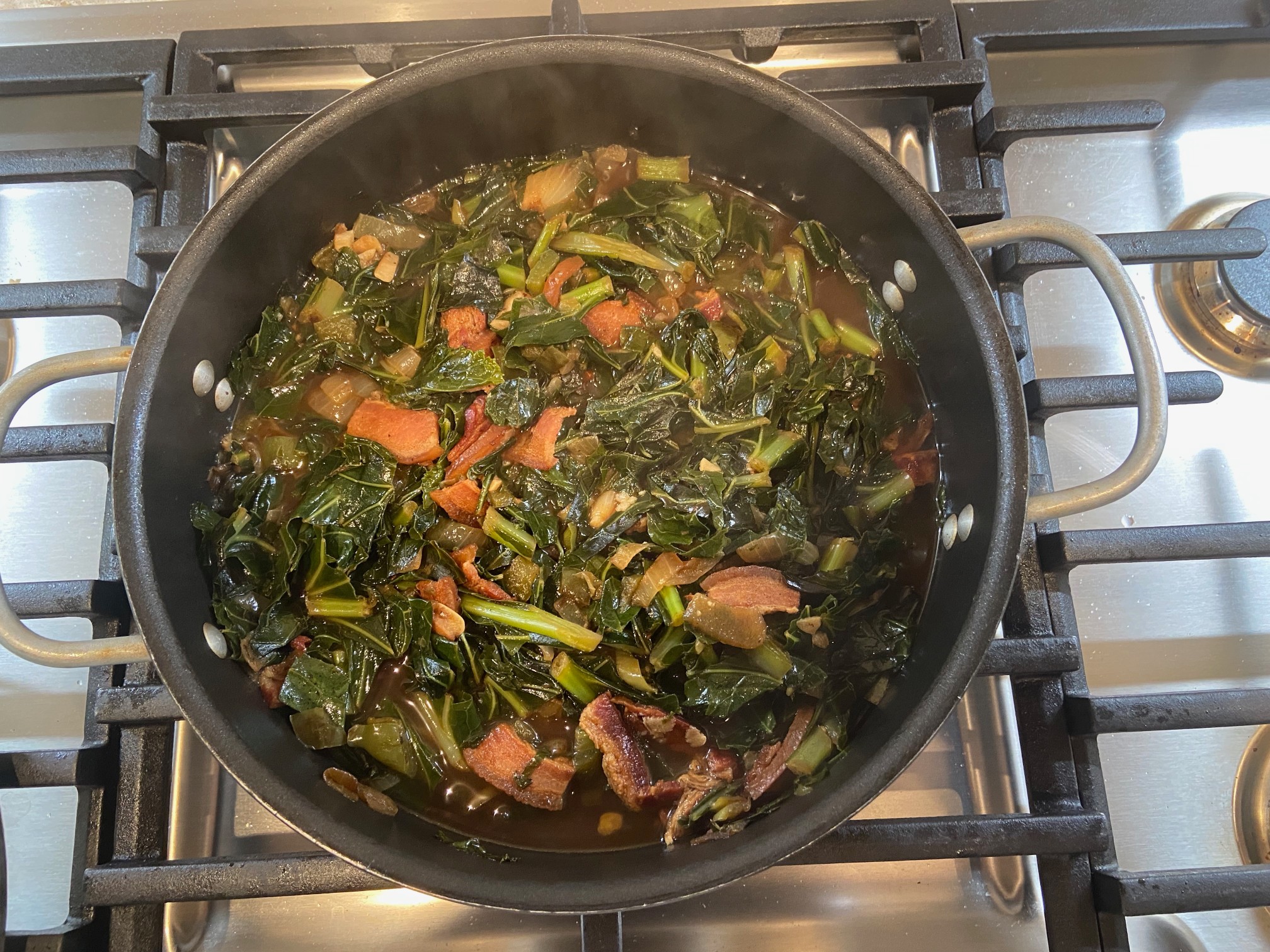
Beans, greens, cabbage, corn and peas were cooked slowly and for a considerable period, in many regions with a piece of salt pork, bacon or ham in the pot for seasoning – producing something quite unlike a modern briefly cooked vegetable.
Brief cooking, steaming and roasting aimed at retaining texture and colour, with seasoning from fat added at the end rather than simmered in.
This is one of the few items on the list where the modern way is simply better on most measures, and it is also the one where the old result is genuinely missed. Long-cooked greens with pork in the pot are a distinct and good thing rather than an overcooked version of a modern dish, and the two are not substitutes for each other.
10. There Was Always More Than Anybody Could Eat
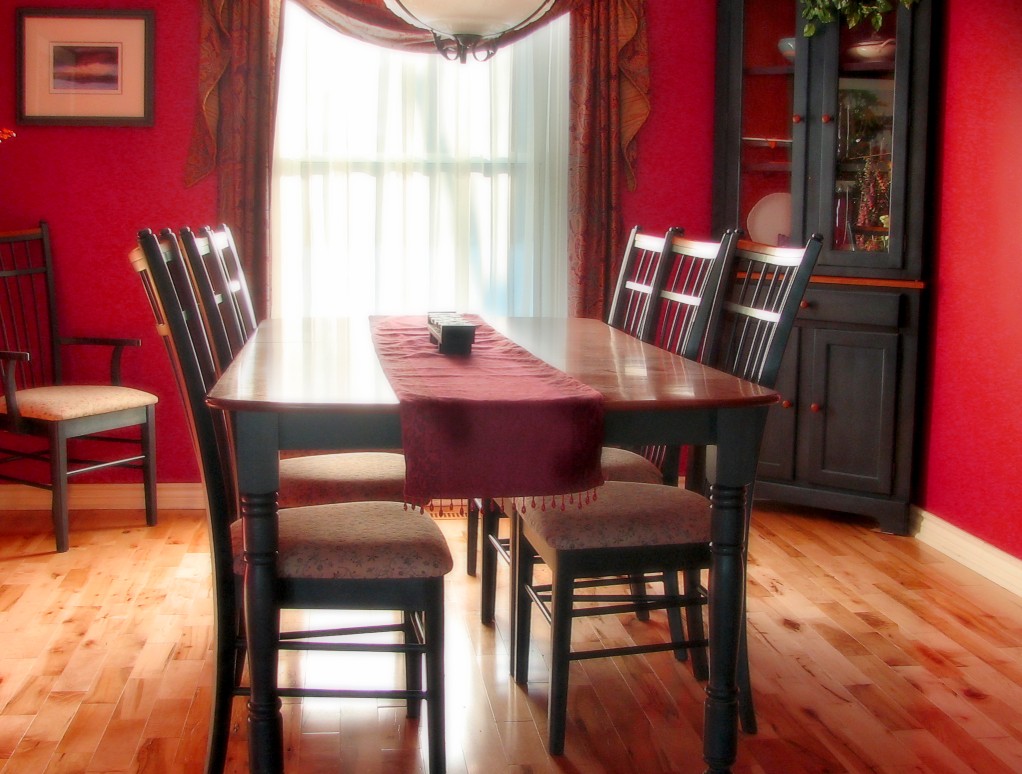
Quantity was deliberately excessive. A household cooked substantially more than the people present would consume, as a matter of course, every single week.
Cooking to the number of people expected, with surplus treated as an error rather than as the plan.
There were two reasons and both were serious. Company might arrive unannounced and sending anybody away unfed was not acceptable. And the surplus was not waste – it was the plan for Monday and Tuesday, which is the next item and which governed the rest of the week.
11. The Leftovers Ran the Week
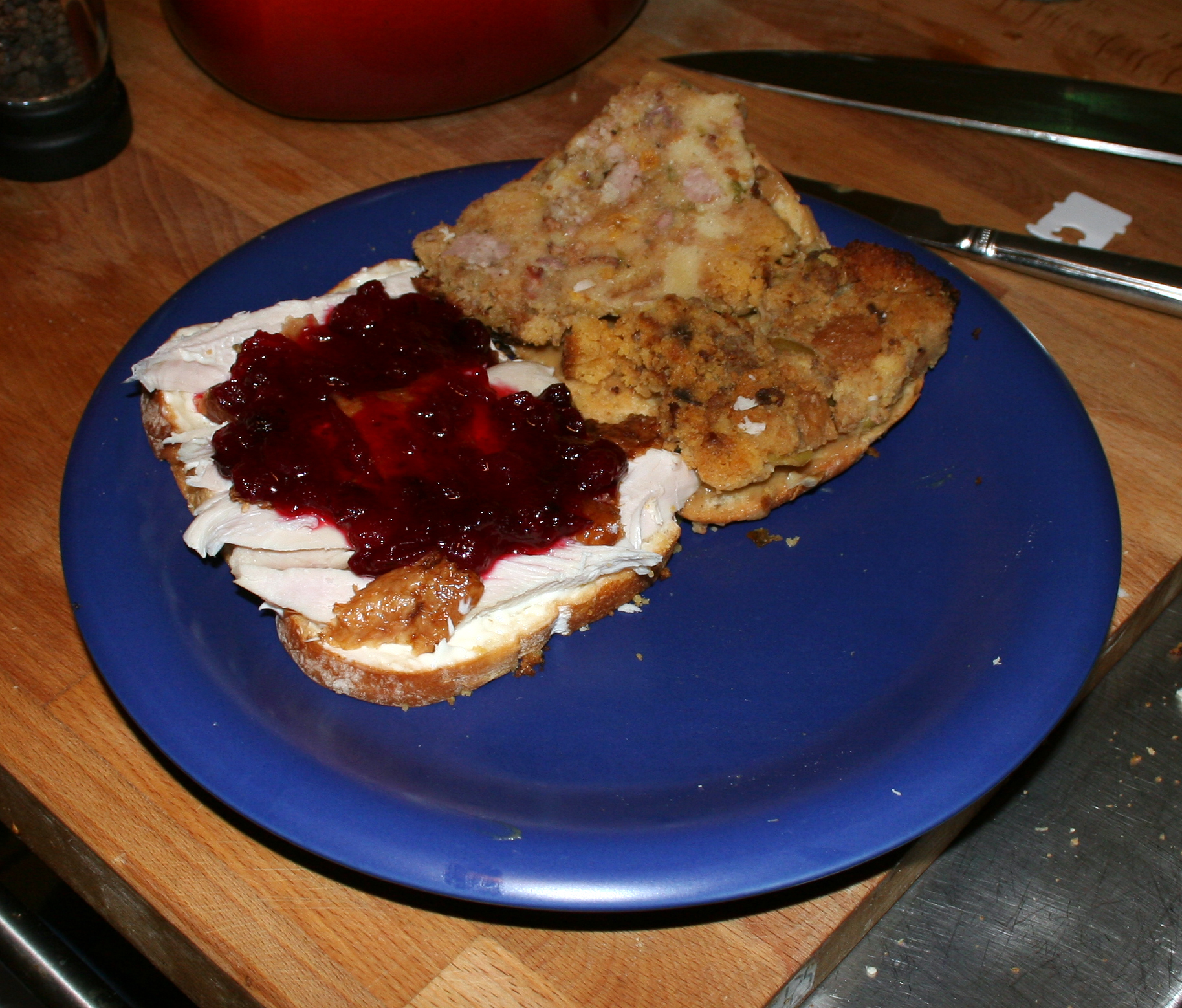
What came off the Sunday table determined several days of eating: cold meat on Monday, the bones into soup, the remainder into hash, croquettes, sandwiches, pie or a casserole by Wednesday.
Leftovers eaten or discarded without a plan, and a weekly menu that does not descend from one large meal.
Which is why the Sunday roast was not extravagance. A household spending heavily on one piece of meat was buying the protein for most of a week, and the skill involved was in the descent – knowing how to take one roast through four more meals without anybody complaining by Thursday.
12. It Took the Whole Afternoon and Nobody Left
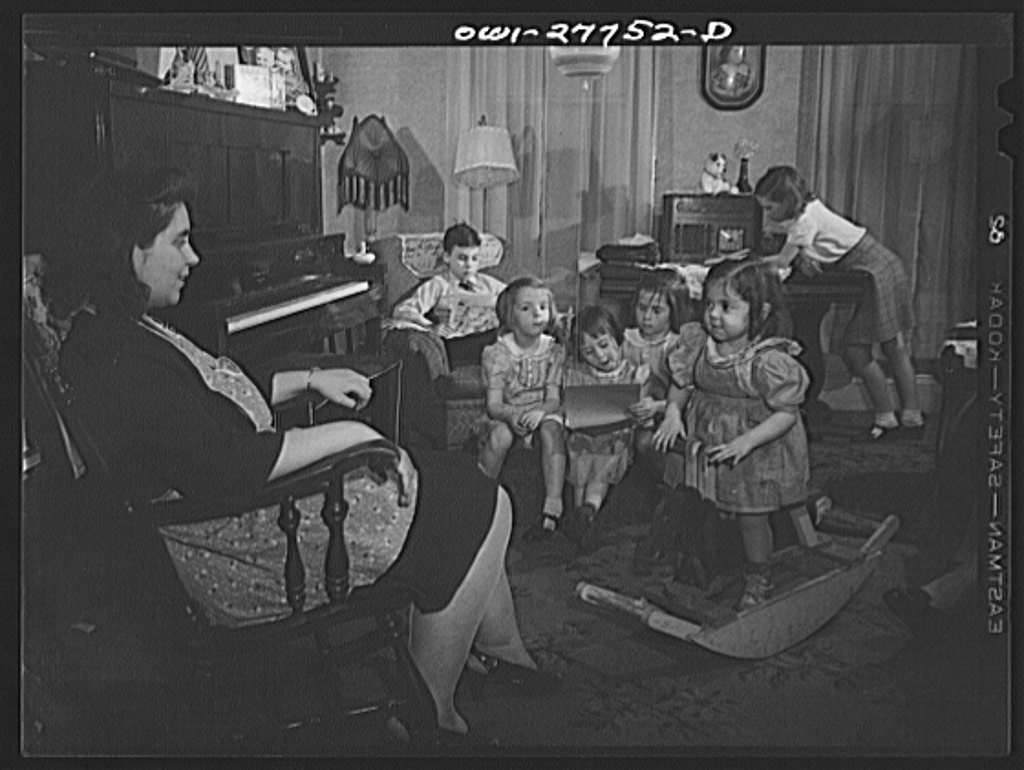
The meal itself ran an hour or more, and then the household stayed – at the table, in the front room, on the porch, in the yard – for the rest of the afternoon, because there was nowhere to go and nothing open.
An afternoon with options, in which people leave after eating to do other things, and a meal that ends when it ends.
The absence of alternatives is what produced the duration, and it should be stated honestly rather than romanticised. Nobody chose to spend four hours with their relatives; there was simply nothing else available on a Sunday afternoon in 1964, and the long afternoons people remember so fondly were enforced rather than elected.
13. The Men Went Outside and the Women Cleared
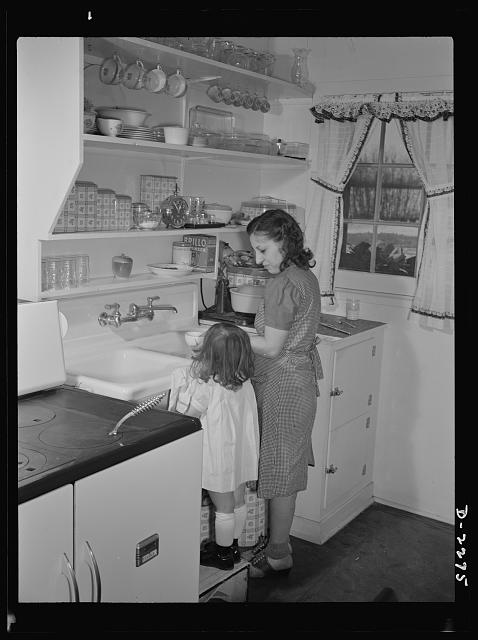
When the meal ended, the division was immediate and absolute. The men rose, went to the porch or the yard or the front room, and talked or slept. The women cleared the table, washed everything by hand, dried it and put it away.
A considerably more shared arrangement in most households, and dishwashers, though the division of domestic work remains a live subject rather than a settled one.
The size of the job is the part that gets lost. A meal for twelve people with four courses and the best china generates an enormous amount of washing up, done by hand, in a kitchen that had just produced it – which means the women of the household worked from dawn until mid-afternoon on the day everybody else remembers as restful.
14. Children Ate at a Second Table When There Was Company
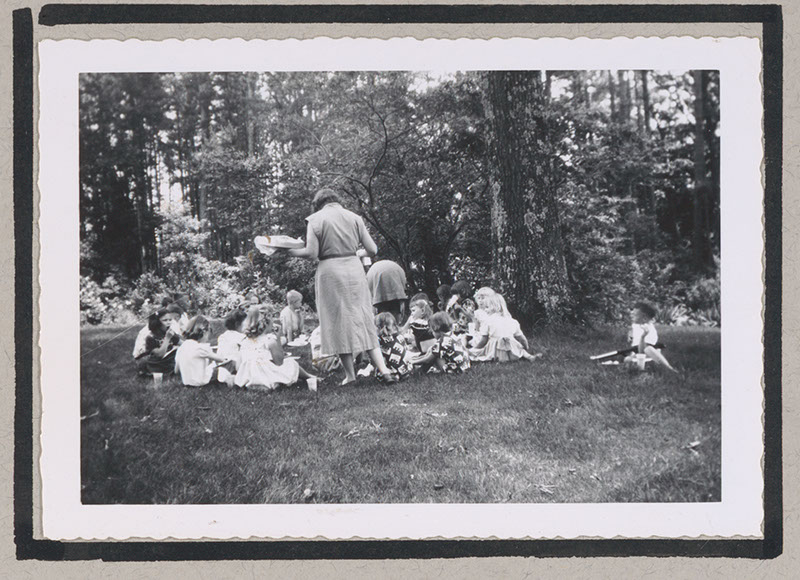
With guests present the children were put at a separate table, in the kitchen or at a card table in the next room, and they ate the same food out of the way of the adults.
Children seated with everybody else in nearly all households, and no concept of a separate table by age.
Moving up from the children’s table to the main one was a genuine milestone that children tracked closely and remembered for the rest of their lives, and it was never awarded by age alone – it depended on the number of chairs, who else was there, and somebody’s judgement that you would now sit still.
15. The Dishes Came Out and Went Back
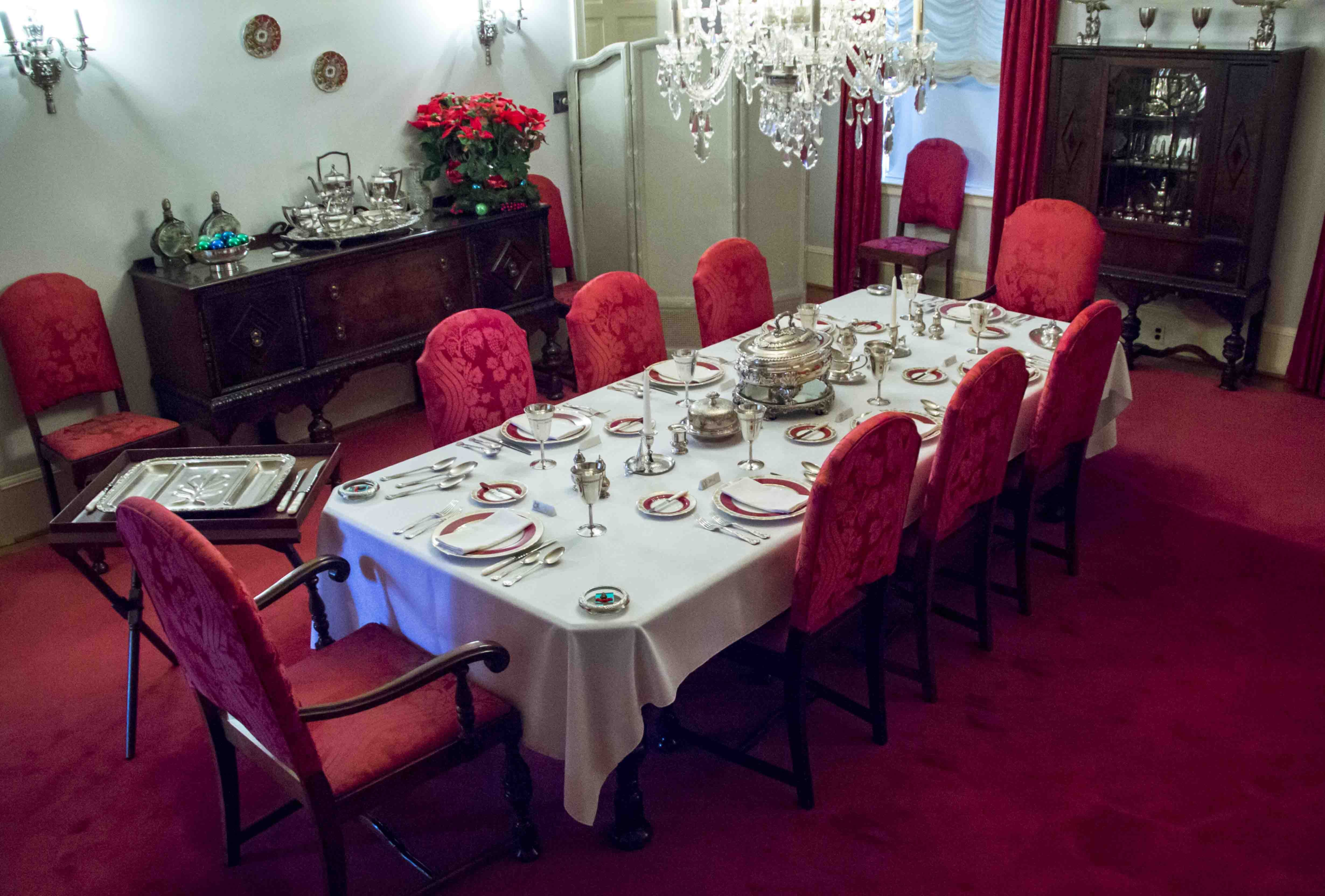
The meal was served on china, serving dishes and flatware kept for the purpose, washed by hand, dried and returned to a cabinet or a sideboard until the following Sunday.
Everyday dishware used for everything, with any reserved set brought out once or twice a year at most and in a great many households not owned at all.
Using it weekly rather than annually is the difference, and it meant the good china was not ornamental. It was in service fifty-two times a year, which is why so much of it is chipped, why households had replacements, and why a complete unchipped set is rarer than people expect.
16. Then the Middle of Sunday Stopped Being Empty
The institution was a large midday meal, cooked from before dawn, eaten in church clothes at a fixed table in fixed places, open to whoever turned up, running into an afternoon nobody could leave – which the week produced reliably because Sunday was closed.
An evening meal on a day now occupied by retail, organised sport, children’s scheduled activities, shift work, travel and everything else that is open – with the extended family gathering a few times a year by arrangement.
And the thing that was lost is not the food, it is the slot. A midday main meal is only possible if there is one hour in the week when an entire extended family is reliably not at work, not in transit and not committed to anything – and Sunday supplied that absolutely, because almost nothing was open and nothing was scheduled. When Sunday filled up, that hour ceased to exist, and no other hour could take its place because no other hour has the same property. Which is why the usual lament gets the target wrong. The American family dinner is discussed as an evening institution in decline, and the evening meal is indeed harder to assemble than it was. But the thing that actually disappeared was far larger: a weekly four-hour midday gathering of three generations, in their best clothes, at a set table, which happened every single week without being arranged and absorbed any guest who arrived. Nobody abolished it. The day it lived in was simply opened for business.
We Are Mourning the Wrong Meal
The decline of the American family dinner is one of the most discussed subjects in the country, and almost all of the discussion is about the evening.
Families used to sit down together at six, the argument runs, and now they do not – because of work, screens, activities and the general acceleration of everything. That is broadly accurate and the evening meal is genuinely harder to assemble than it used to be.
But it is the smaller loss, and focusing on it has concealed the larger one.
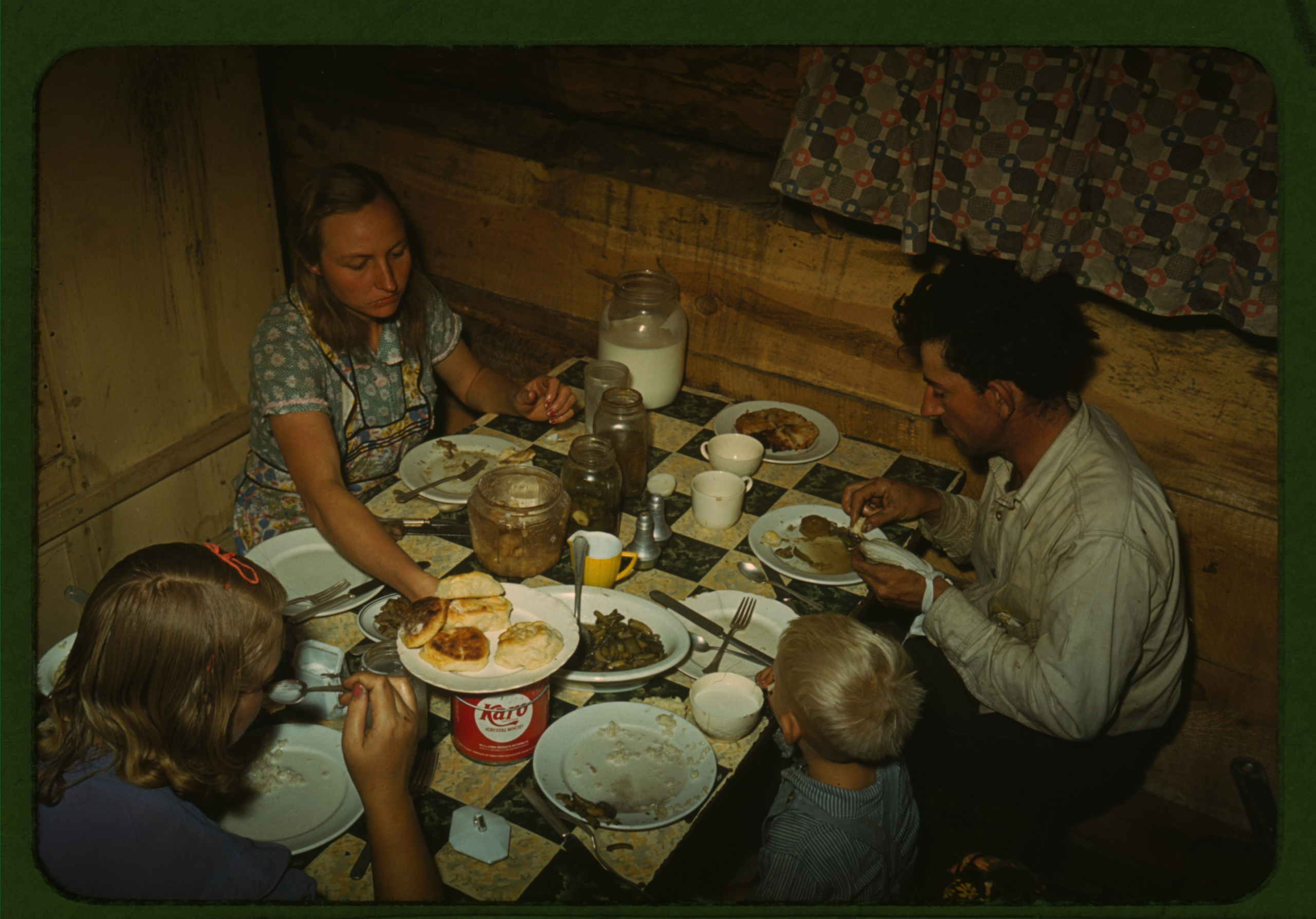
The institution that actually disappeared was at midday. Not six o’clock on a Tuesday for four people, but noon on a Sunday for twelve: three generations, in the best clothes anybody owned, at a table with a carved roast on it and a seating order everybody understood, with children at a second table when there was company, running into an afternoon that lasted until dark.
And here is what made it possible, which is the one condition no modern arrangement can reproduce.
A midday main meal requires an hour in the week when an entire extended family is simultaneously not at work, not travelling, and not committed to anything else. That is an extraordinarily demanding requirement. It cannot be arranged, because arranging it across twelve people with separate obligations is close to impossible. It has to be supplied by the calendar.
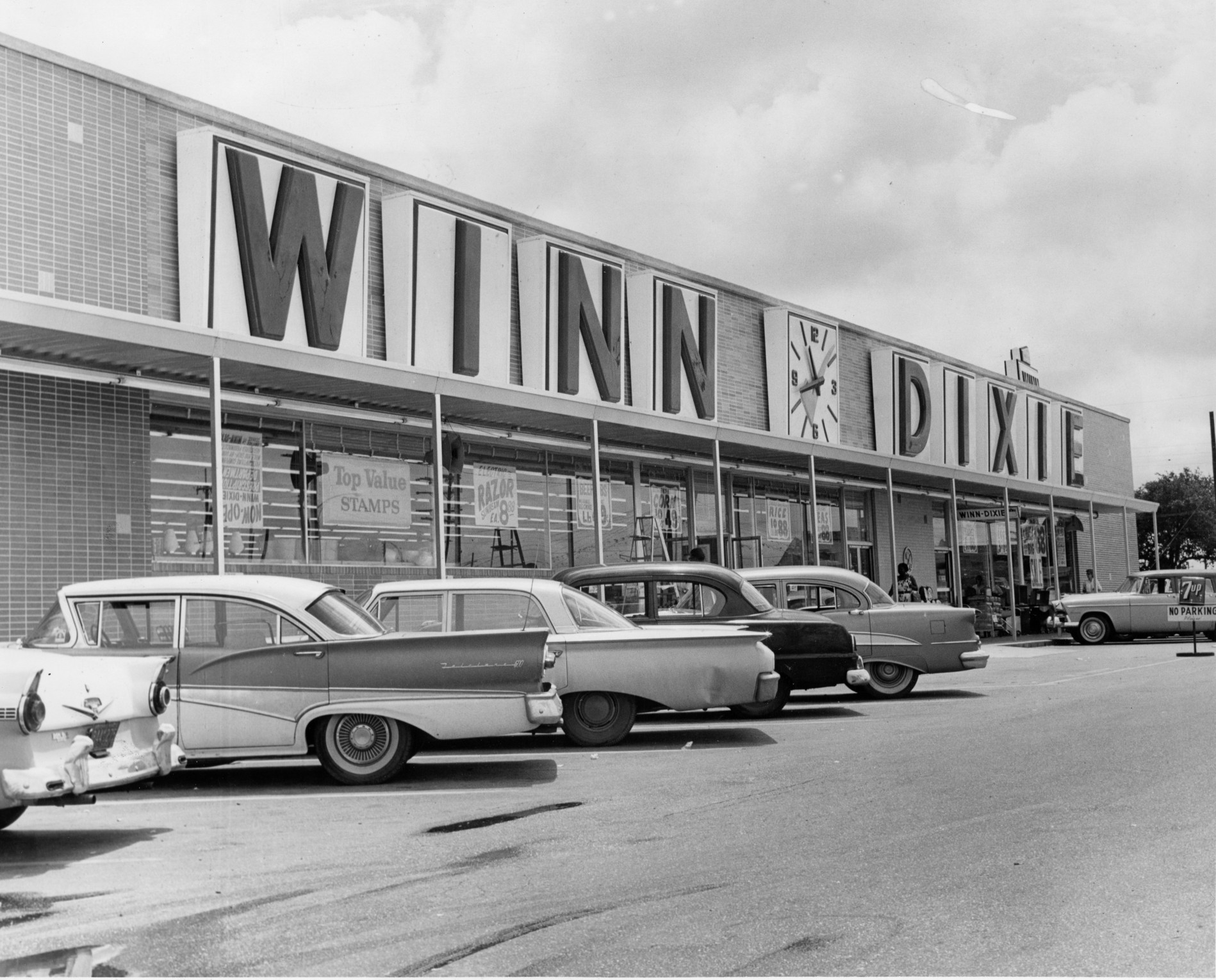
Sunday supplied it. Almost nothing was open. Retail was closed, by law in a great many places and by custom nearly everywhere else. There was no organised sport for children. There were no scheduled activities. There was very little shift work in the sectors most families worked in. There was nowhere to drive to and nothing to drive there for.
Which meant the hour existed automatically, every week, without anybody organising it – and because it existed, the meal could be enormous, formal and open to whoever turned up, since no guest had to be fitted into anybody’s diary.
Then Sunday opened for business. Stores opened, then opened all day. Youth sport expanded to fill both weekend days and now frequently requires travel. Children’s activities multiplied. Shift work spread. Everything became available on a Sunday afternoon, which is in nearly every respect a good thing and has given an enormous number of people choices and wages they did not previously have.
And the hour ceased to exist. Not because anybody valued it less, but because its existence had depended entirely on everything else being shut.
No other hour in the week can take its place, because no other hour has that property. An evening meal can be assembled for the people who live in one house. A midday gathering of three generations cannot be assembled at all – it can only be supplied by a day on which nobody has anything to do.
So the honest accounting is this. The evening family dinner is under pressure and that is worth discussing. The Sunday midday dinner is simply gone, it was several times larger, it included people who no longer see each other at all, and nothing is being proposed that would bring it back – because what it needed was not a decision by families. It needed a closed country, one day a week.
If you grew up with this, you know where you sat, and you know when you got moved to the big table.
And you remember the women still in the kitchen at three o’clock while everybody else was asleep on the porch.
Like our content? Follow us for more.