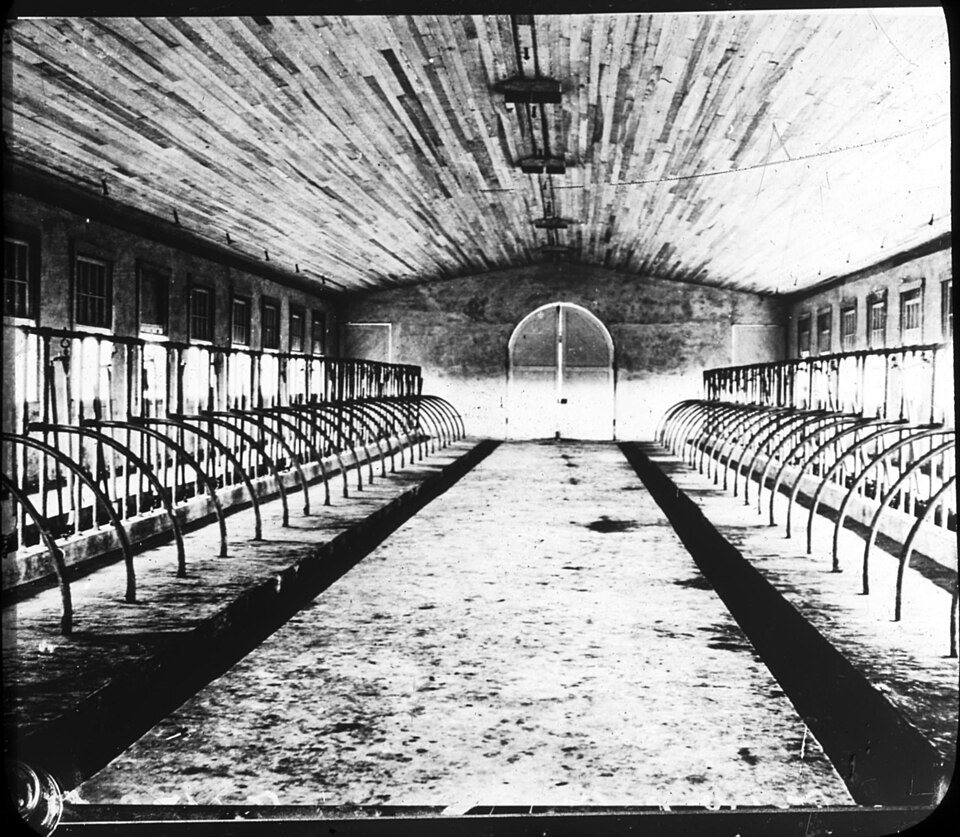
In 1964 a great many American farms coated the inside of every animal building with lime wash every single spring, and almost nobody now understands why.
It was not decoration. Slaked lime makes a strongly alkaline wash, and a strongly alkaline surface is hostile to a great many organisms and to some insects – which meant whitewash was the only disinfectant an ordinary farm could afford. A sack of lime did an entire barn.
It also made a dark building usable, since weathered boards absorb nearly all available light. And it burned your hands. Here are fourteen things every farm family knew.
1. It Was Lime and Water and Almost Nothing Else
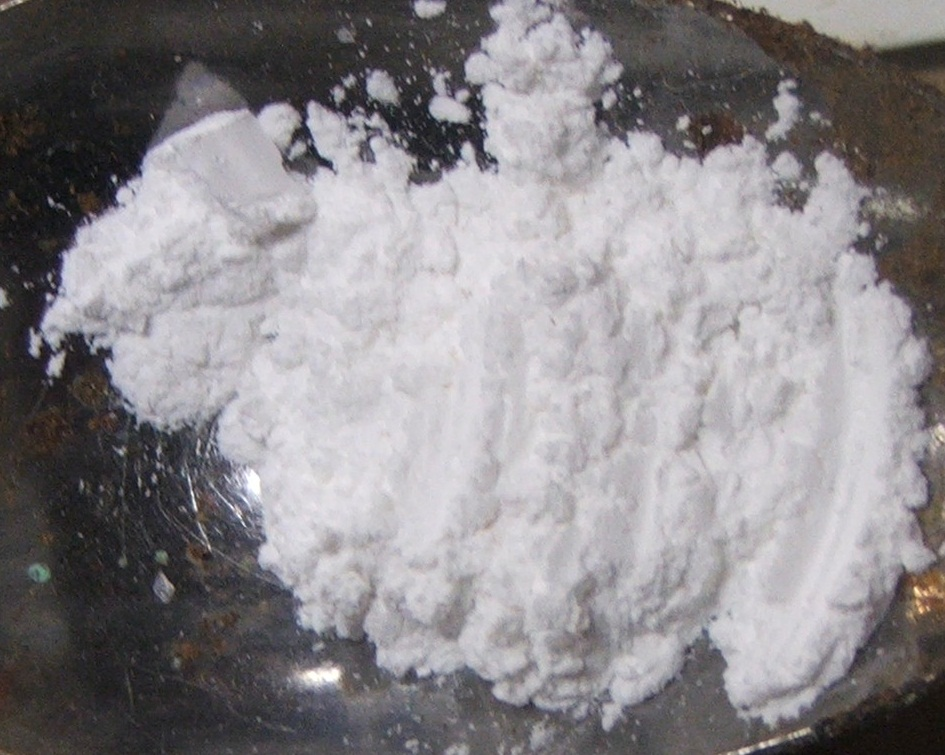
Whitewash was made from slaked lime stirred into water, sometimes with salt, tallow, skim milk or glue added to help it stick – a mixture that cost almost nothing and could be made in any quantity in a barrel.
Commercial paints, coatings and sealers, with lime-based wash now a specialist product used mainly for heritage buildings and by people who want the look.
The cost is the reason it was universal. A farm could whitewash every interior surface it owned for the price of a sack of lime, which meant the practice was available to every household regardless of money – and that is not true of a single modern alternative.
Like our content? Follow us for more.
2. The Point Was Not How It Looked
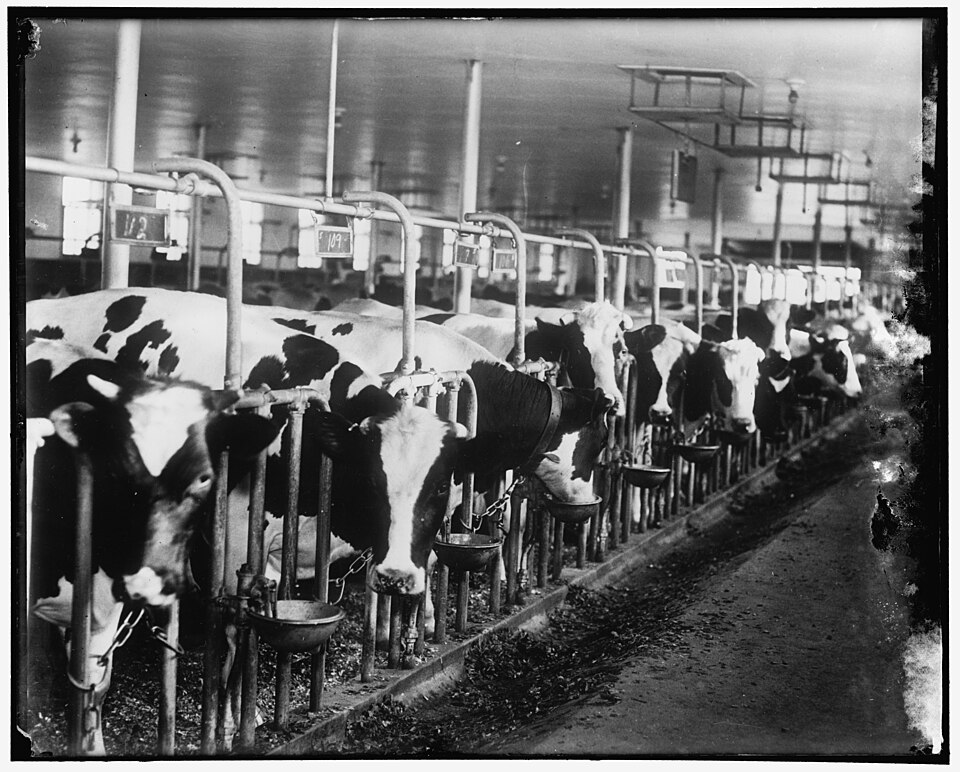
Whitewash was applied to barn interiors, milk houses, poultry houses, hog houses, cellars, fences and tree trunks – as an annual sanitary measure rather than as decoration.
Sealed and washable surfaces, commercial disinfectants, pressure washing and formal cleaning protocols in commercial livestock buildings.
Treating it as a cosmetic job is the standard modern misreading and it gets the whole practice backwards. The brightness was a genuine secondary benefit in a dark building, but the reason it was done every single spring was hygiene.
3. Lime Is Strongly Alkaline and That Is Why It Worked
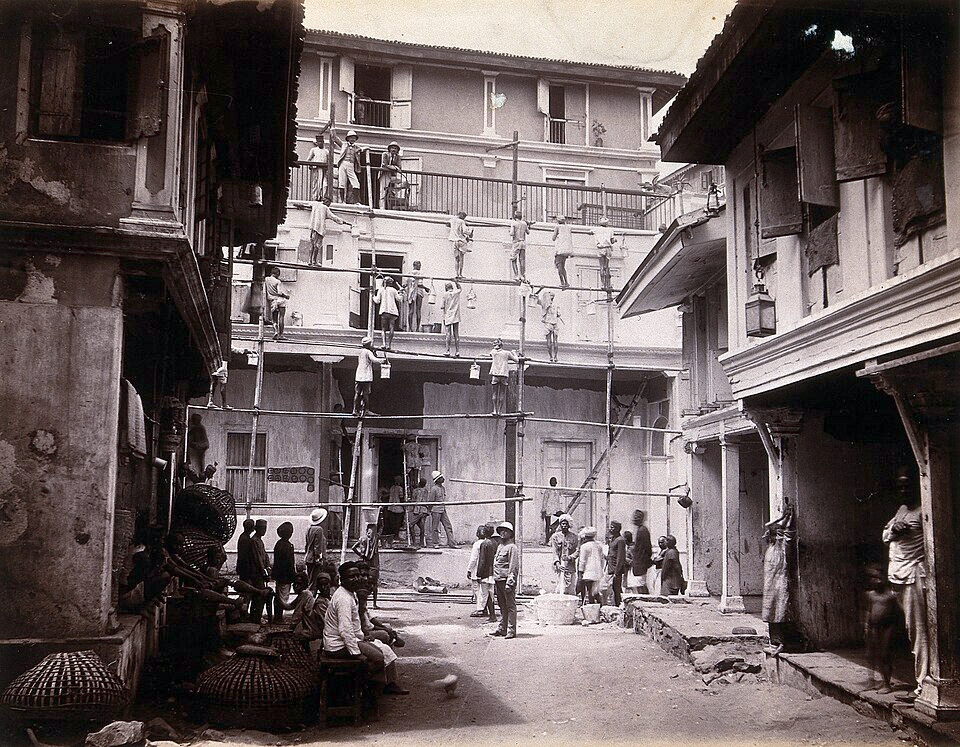
Slaked lime makes a highly alkaline wash, and a strongly alkaline surface is hostile to a great many organisms and to some insects – which gave a farm with no money for anything else a disinfecting coating it could make itself.
The same chemistry, now used knowingly in specific applications, alongside commercial products developed for the purpose.
This is the fact that makes sense of everything else. Whitewash was the only affordable disinfectant an ordinary American farm had access to, and the annual coating of every animal building was a deliberate health measure that people performed without having any theory of microbiology.
4. It Had to Be Redone Every Year
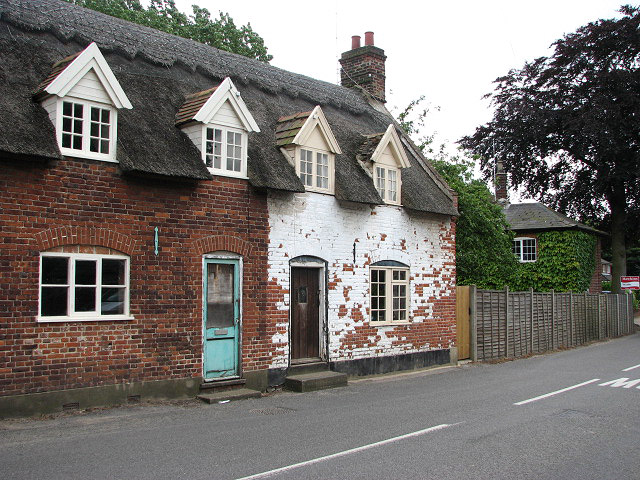
Whitewash does not form a durable film – it chalks, dusts off, washes away and loses its effect – which meant the job came round annually and was simply part of the spring.
Not applicable, with modern coatings expected to last years and cleaning done on a schedule rather than by recoating.
The impermanence was a feature rather than a defect given what it was for. A coating that chalks away takes the surface dirt with it and leaves a fresh alkaline layer behind, which is exactly what an annual sanitary treatment wants – whereas a durable paint film seals whatever is underneath it in place.
5. It Was Sprayed, Brushed and Thrown
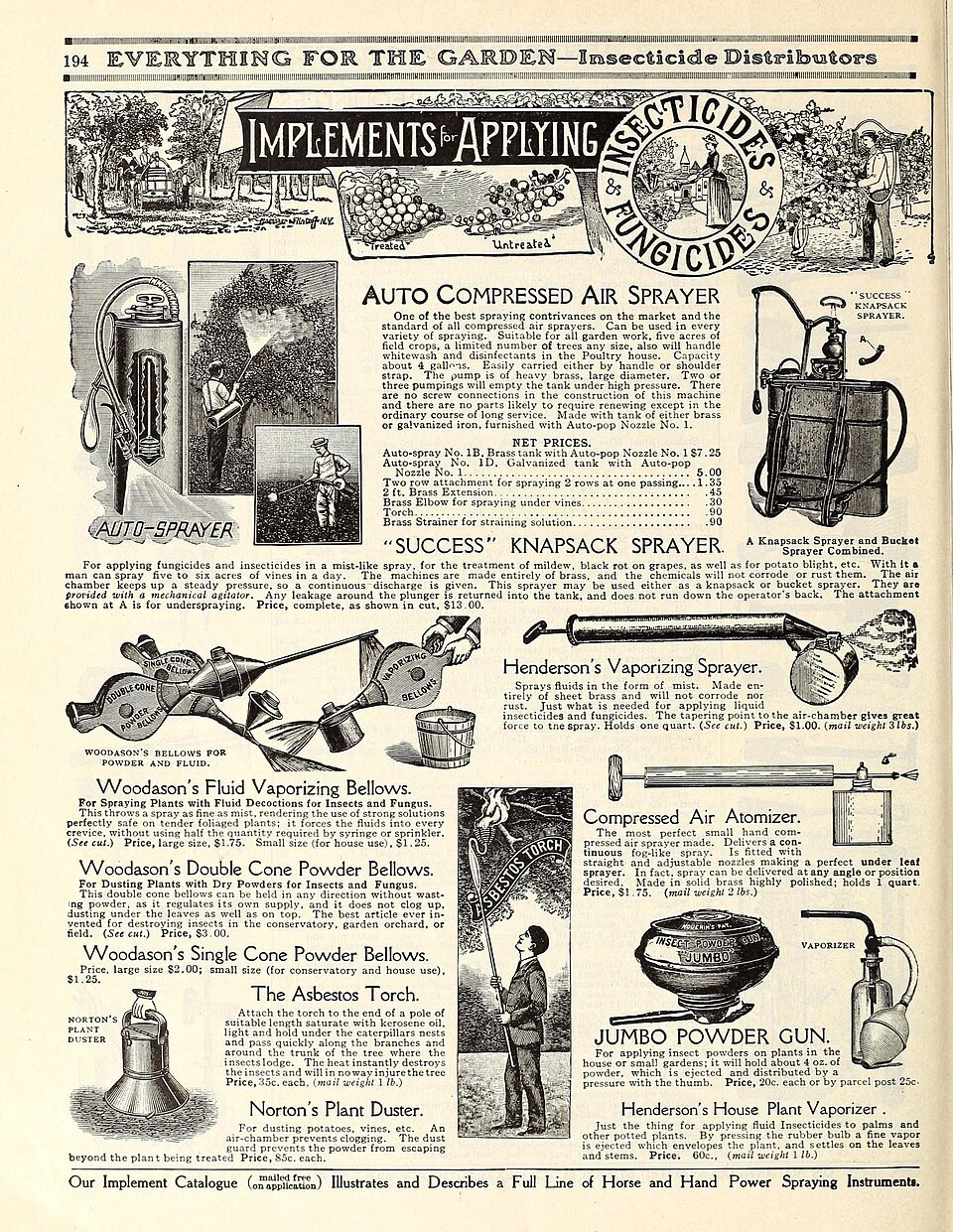
Application was by brush, by a hand-pumped sprayer, by a powered sprayer where one was available, and in the roughest cases by dipping and slinging it onto the surface from a bucket.
Not applicable at farm scale, with powered washing and spraying equipment used for cleaning rather than coating.
The slinging method is remembered with some affection and it was entirely practical. A barn interior with rough sawn boards, cobwebs and a hundred corners does not need a finish, it needs coverage – so getting the wash onto everything by whatever means was the whole objective.
6. Lime Burns and Everybody Knew It
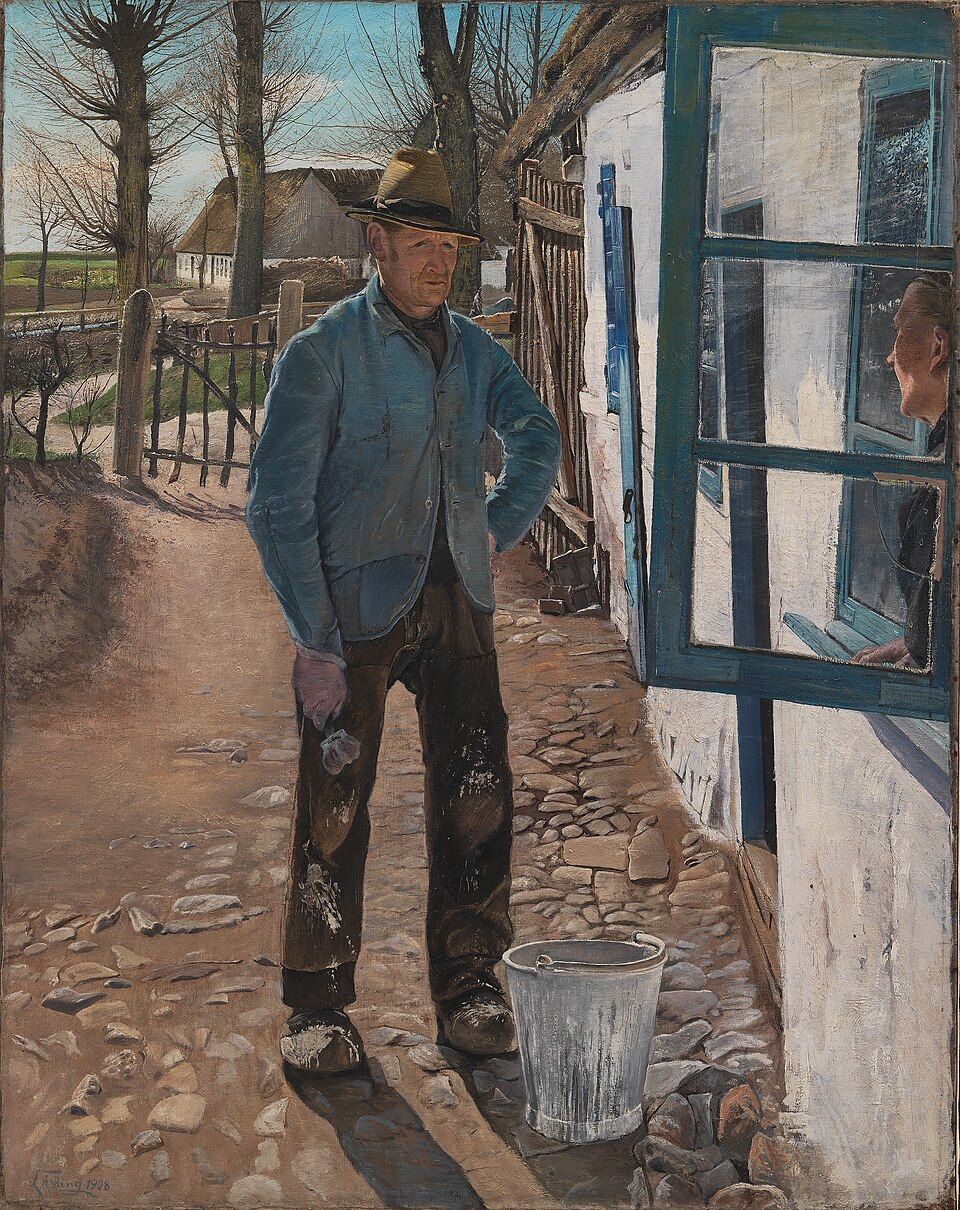
Slaked lime is caustic, and whitewashing produced burned hands, irritated eyes and sore throats – which was accepted as part of the job and managed with old clothes, a hat and a rag over the face.
Not applicable, and lime handling is now covered by specific safety guidance, protective equipment requirements and material information in every context where it is used.
This piece states that plainly and gives no mixture, proportion, method, protective measure or procedure of any kind. Lime is a caustic material with real hazards, current authoritative safety information for it exists and is specific, and that is the only appropriate source for anybody handling it.
7. The Trees Got Done Too and for a Different Reason
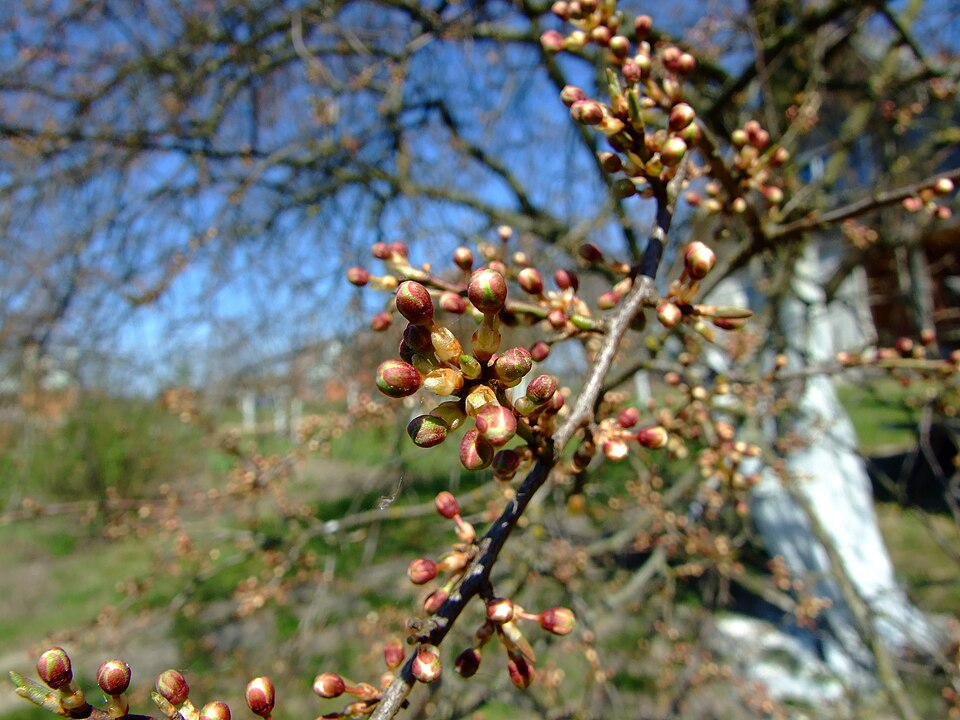
Fruit tree trunks were whitewashed, which is not a hygiene measure – it reflects winter sun off dark bark and reduces the damage caused by the trunk warming in the day and freezing hard at night.
Still a recognised and recommended orchard practice in many regions, now generally with purpose-made products rather than farm-mixed lime.
Two completely different jobs were being done with the same bucket, which is why the practice looks arbitrary from outside. In a barn the lime was a disinfectant; on a tree trunk it was purely a reflector, and the whiteness was doing all the work.
8. The Milk House Got the Most Attention
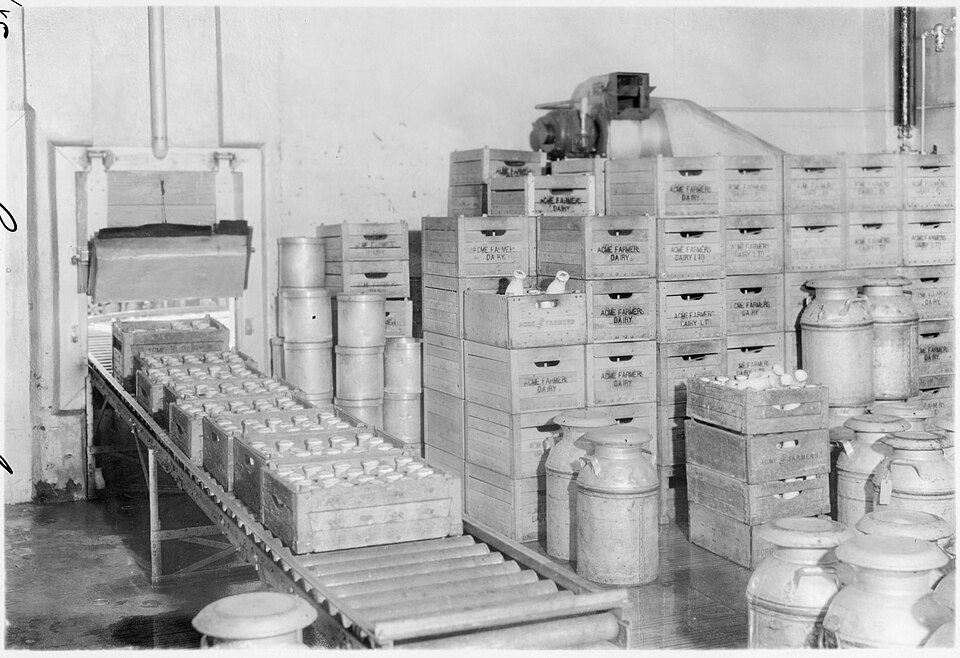
Any building where milk, cream or eggs were handled was whitewashed most thoroughly and most often, because that was where cleanliness directly affected both the product and the price it fetched.
Sealed, washable, inspected surfaces under formal sanitary standards, which is a genuine improvement over an annual lime coating.
The price connection made the job economically rational rather than merely dutiful. A dairy’s grade and a household’s egg reputation both depended on visible cleanliness, so the building that earned the money got the first and best coat.
9. It Was Part of a Whole Spring Campaign
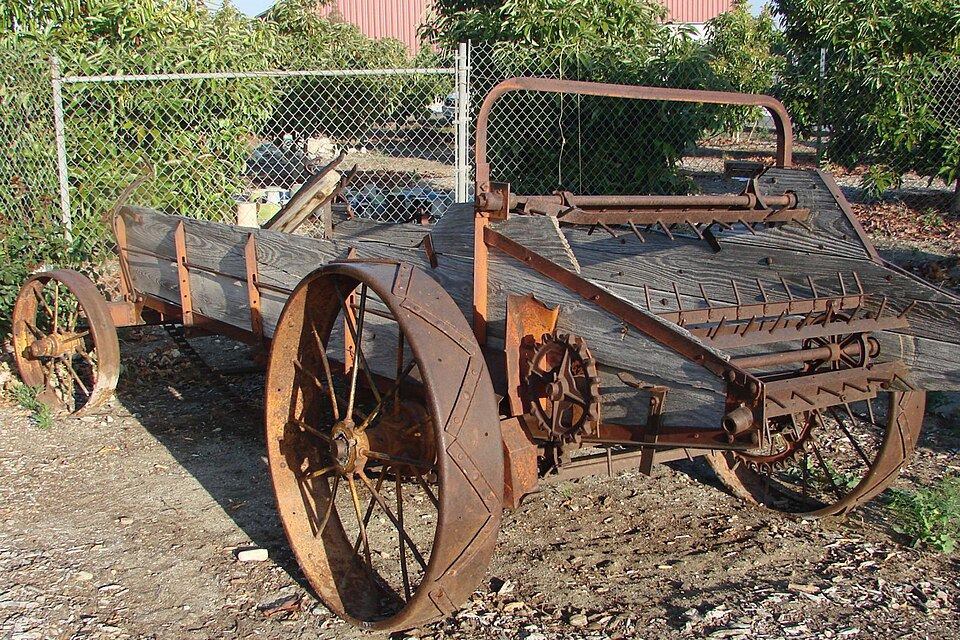
Whitewashing sat inside a larger annual clear-out – manure hauled, bedding stripped, pens emptied, lofts swept, windows washed, equipment moved out and the buildings aired and coated.
Continuous cleaning and scheduled maintenance distributed through the year rather than concentrated into an annual campaign.
The seasonal concentration made sense when the work depended on weather and on labour being available. Spring was when the stock went out to pasture, which emptied the buildings and created the only window in the year when the whole job could actually be done.
10. Everybody in the Household Worked on It
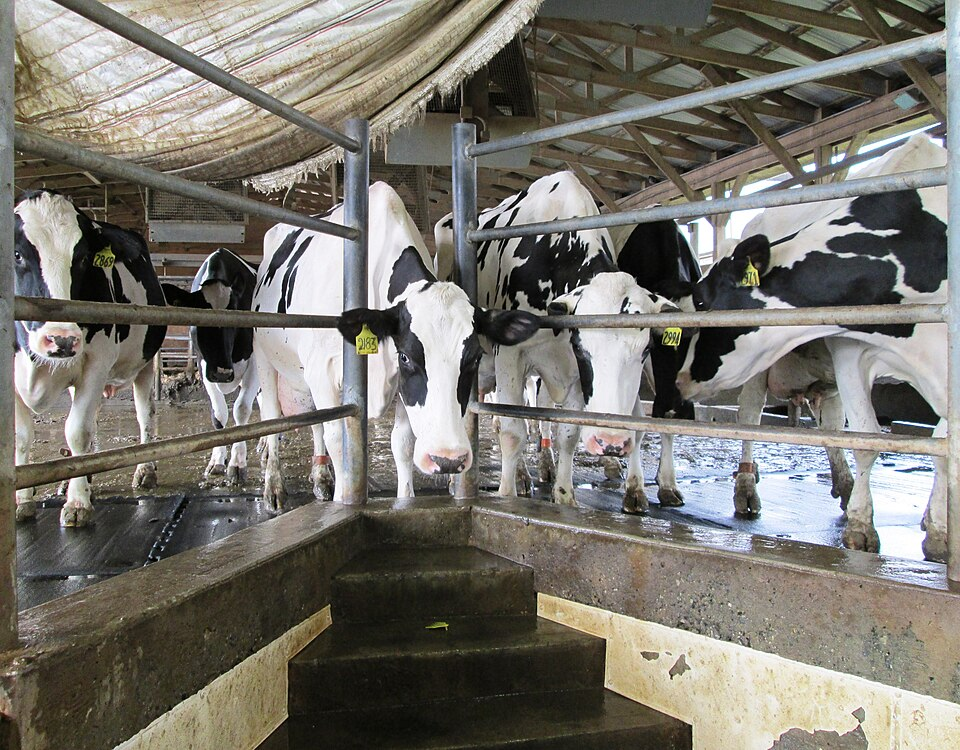
Whitewashing was a job with no skill barrier – children, hired help, visiting relatives and anybody available were handed a brush or a bucket and put to work on the lower parts.
Not applicable, with commercial building maintenance done by contractors or specialised staff.
A job that anybody can do badly to acceptable effect is extremely useful on a farm and whitewashing was the best example of one. The wash covers unevenly, nobody can tell who did which patch, and the result is the same regardless – which made it ideal work for a crowd of untrained hands.
11. The Fences Were Done for Visibility
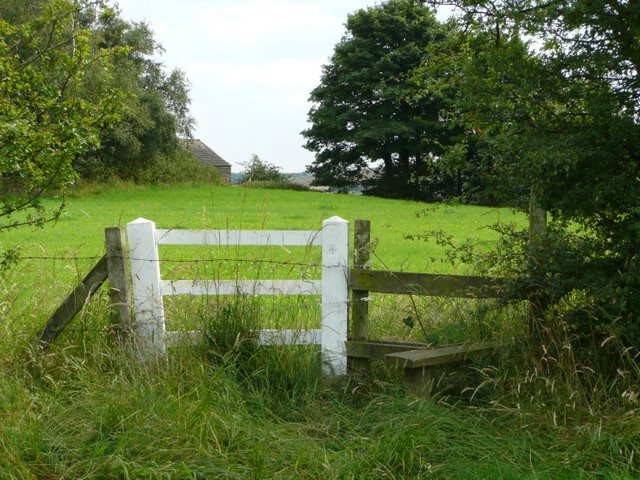
Yard fences, gate posts and the corners of buildings were whitewashed partly for the same sanitary reasons and partly because a white post is visible at dusk and in snow to anybody driving a vehicle or leading an animal.
Reflective markers, paint and lighting.
That is a small and genuinely practical detail. A farmyard at night with no outdoor lighting is a difficult place to move a tractor or a team through, and a line of white posts is a cheap and effective way of showing where the gate is.
12. It Made Dark Buildings Usable
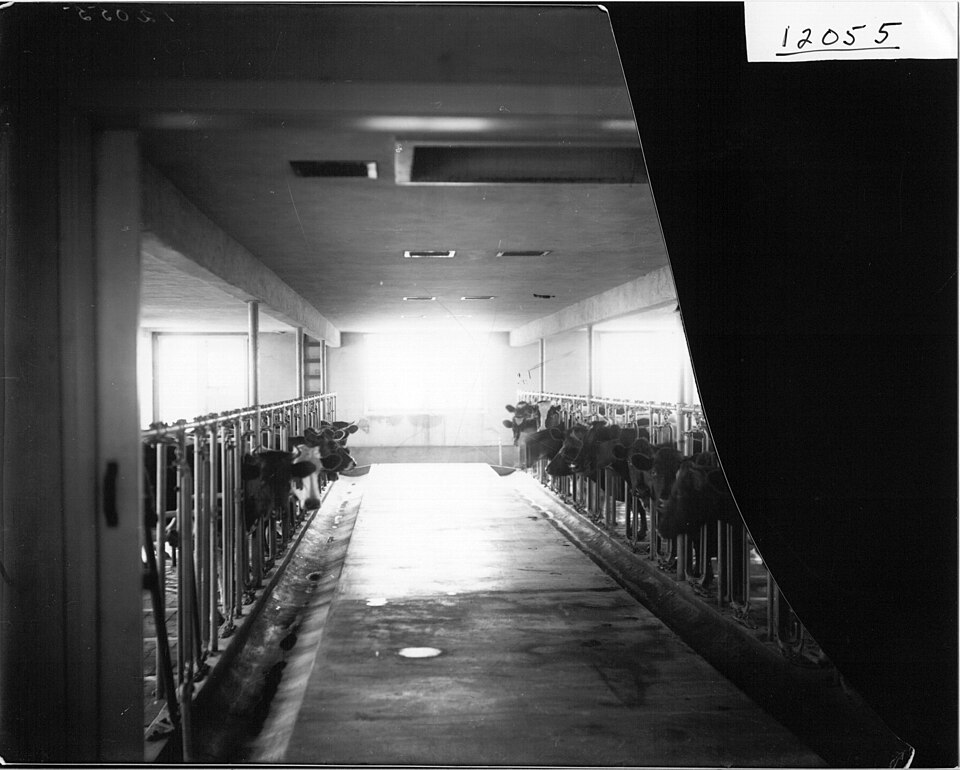
A barn interior of weathered boards absorbs almost all available light, and whitewashing every surface inside dramatically increased how much a person could see by a single window or a single bulb.
Adequate electric lighting throughout, which solves the problem directly rather than by reflection.
The lighting benefit was substantial and it is easy to underrate from a modern building. In a structure with two small windows and one bulb, the difference between dark boards and whitewashed boards is the difference between being able to work and not.
13. The Smell and the Look Marked the Season
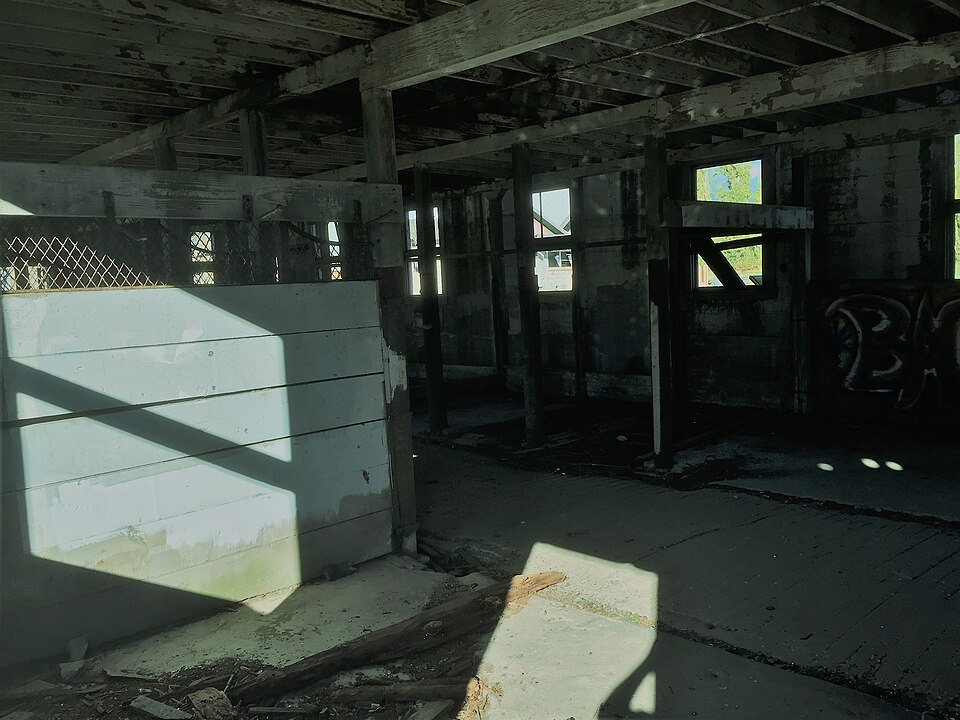
Freshly whitewashed buildings had a distinctive smell and an unmistakable brightness, and the sight of a whitewashed interior was the visible announcement that winter was over.
No equivalent seasonal marker.
The sensory memory is strong and consistent across accounts, which is usually the sign of something that happened at a fixed point every year and involved the whole household. People remember the smell of a whitewashed barn the way they remember the smell of hay.
14. Then Something Better Replaced It
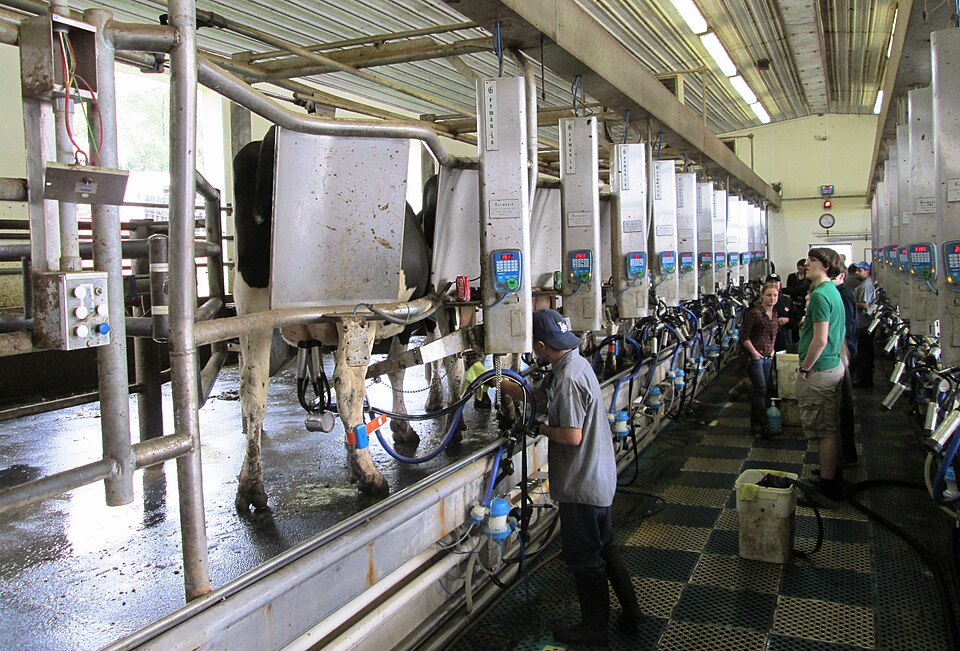
In 1964 a great many American farms coated the inside of every animal building with lime wash every spring – a disinfectant they could make for the price of a sack of lime, applied by everybody in the household, which also made dark buildings bright enough to work in.
Sealed concrete and metal surfaces, commercial disinfectants, pressure washing, formal biosecurity protocols and electric lighting – each of which does one part of the job considerably better than whitewash did.
And this is one of the clearer cases in which an old practice was simply superseded rather than carelessly abandoned, which is worth stating because so much of this subject gets written as loss. Whitewash was doing three separate jobs with one bucket: disinfecting, brightening and, on tree trunks, reflecting winter sun. Every one of those is now done better. Modern disinfectants are more effective and specific than an alkaline coating, and sealed washable surfaces can be cleaned properly instead of being recoated over whatever is underneath. Electric lighting in a barn is a direct solution to darkness rather than an indirect one, and no amount of reflectance beats a light fitting. Purpose-made trunk coatings outlast farm-mixed lime. And formal cleaning and biosecurity practice in commercial livestock buildings is a genuine advance in animal health that an annual lime coat could never have delivered. On top of which the material itself was unpleasant and genuinely hazardous – caustic, burning hands and eyes, applied by children in old clothes with a rag over the face – and nobody should be nostalgic about that. What went with it is modest and real: a job with no skill barrier that the entire household did together at a fixed point in the year, and a visible, bright, unmistakable signal that the winter had ended. The disinfecting got better. The annual event did not survive, because nothing replaced the bucket that everybody could carry.
This One Really Was Replaced by Something Better
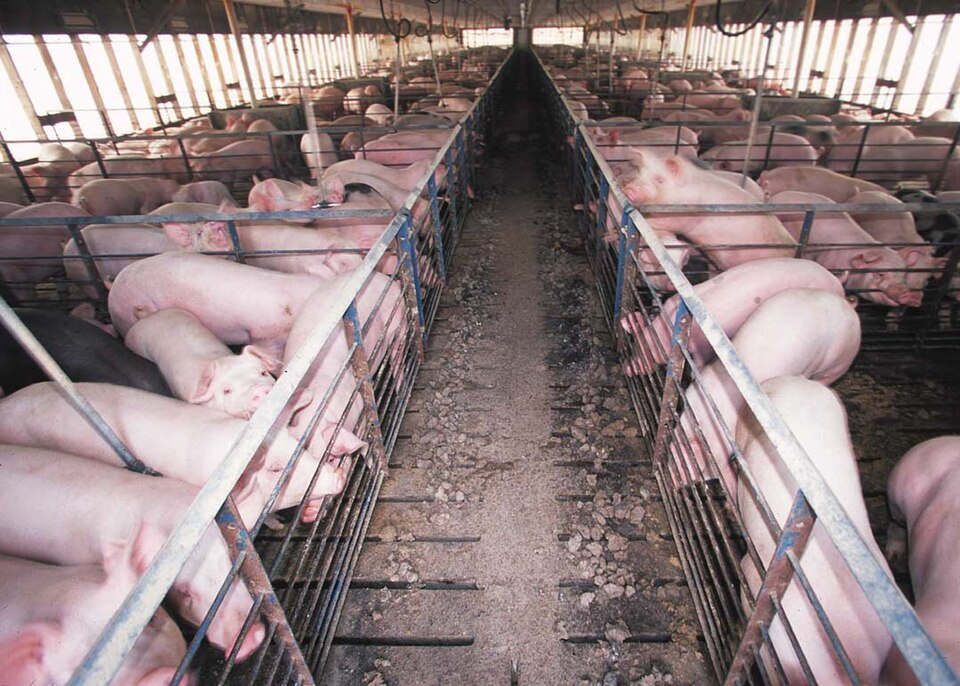
A great deal of writing about vanished rural practice argues, explicitly or not, that something valuable was thrown away.
Whitewashing is not one of those cases, and it is worth having an honest example in the set.
Start with what the bucket was actually doing, because it was doing three unrelated jobs at once and that is why the practice looks eccentric from outside.
Job one was disinfection. Slaked lime in water produces a strongly alkaline coating, and high alkalinity is hostile to a great many organisms and to some insects. That gave a farm with no money for anything else a surface treatment it could make itself, in a barrel, for the price of a sack of lime – and the annual coating of every barn, milk house, poultry house, hog house and cellar was a deliberate animal health measure carried out by people with no theory of microbiology whatsoever. They knew it worked. They could not have told you why.
Job two was light. A barn built of weathered sawn boards absorbs nearly all the light that gets into it, and in a building with two small windows and one bulb the difference between dark boards and whitewashed boards is the difference between being able to work and not. Whitewash was lighting.
Job three was on the trees, and it was something else entirely. Whitewashing a fruit tree trunk is not a hygiene measure – it reflects winter sun off dark bark, which reduces the damage done when a trunk warms in the day and freezes hard at night. There the whiteness is doing all the work and the lime is incidental.
Now look at what replaced each one.
Disinfection: modern products are more effective and more specific than an alkaline coating, and sealed washable surfaces – concrete, metal, proper coatings – can actually be cleaned rather than recoated over whatever is underneath. That is a real improvement, and the formal cleaning and biosecurity practice now standard in commercial livestock buildings delivers animal health outcomes an annual lime coat never could.
Light: a barn with adequate electric lighting does not need reflectance. The problem is solved directly.
Trees: purpose-made trunk coatings outlast farm-mixed lime and are easier to apply.
Three jobs, three better answers. And there is the material itself to account for, which the nostalgic version tends to skip. Slaked lime is caustic. Whitewashing produced burned hands, irritated eyes and sore throats, it was accepted as part of the job, and the protective equipment was old clothes, a hat and a rag over the face – worn, frequently, by children. Nobody should want that back, and this piece gives no mixture, proportion, method or handling procedure for exactly that reason. Lime has specific current safety information attached to it and that is the only appropriate source.
So what was lost is modest, and it is worth naming precisely because it is small.
Whitewashing was a job with no skill barrier. The wash covers unevenly, nobody can tell who did which patch, and the finished result is identical regardless of competence – which made it perfect work for a crowd of untrained hands, so children, hired help and whoever was available all got a brush and did the lower parts. It was one of very few farm tasks the entire household could perform together without anybody being in the way.
And it was a marker. The buildings came out bright, the smell was unmistakable, and a whitewashed interior was the visible announcement that winter had ended – at a fixed point in the year, every year, for everybody.
The disinfecting got better. The annual event did not survive, because nothing replaced a bucket that anybody could carry.
If you ever whitewashed a barn, you remember your hands afterwards and you remember how bright it was when you finished.
And you remember that you were given the bottom four feet because you were short.
Like our content? Follow us for more.