

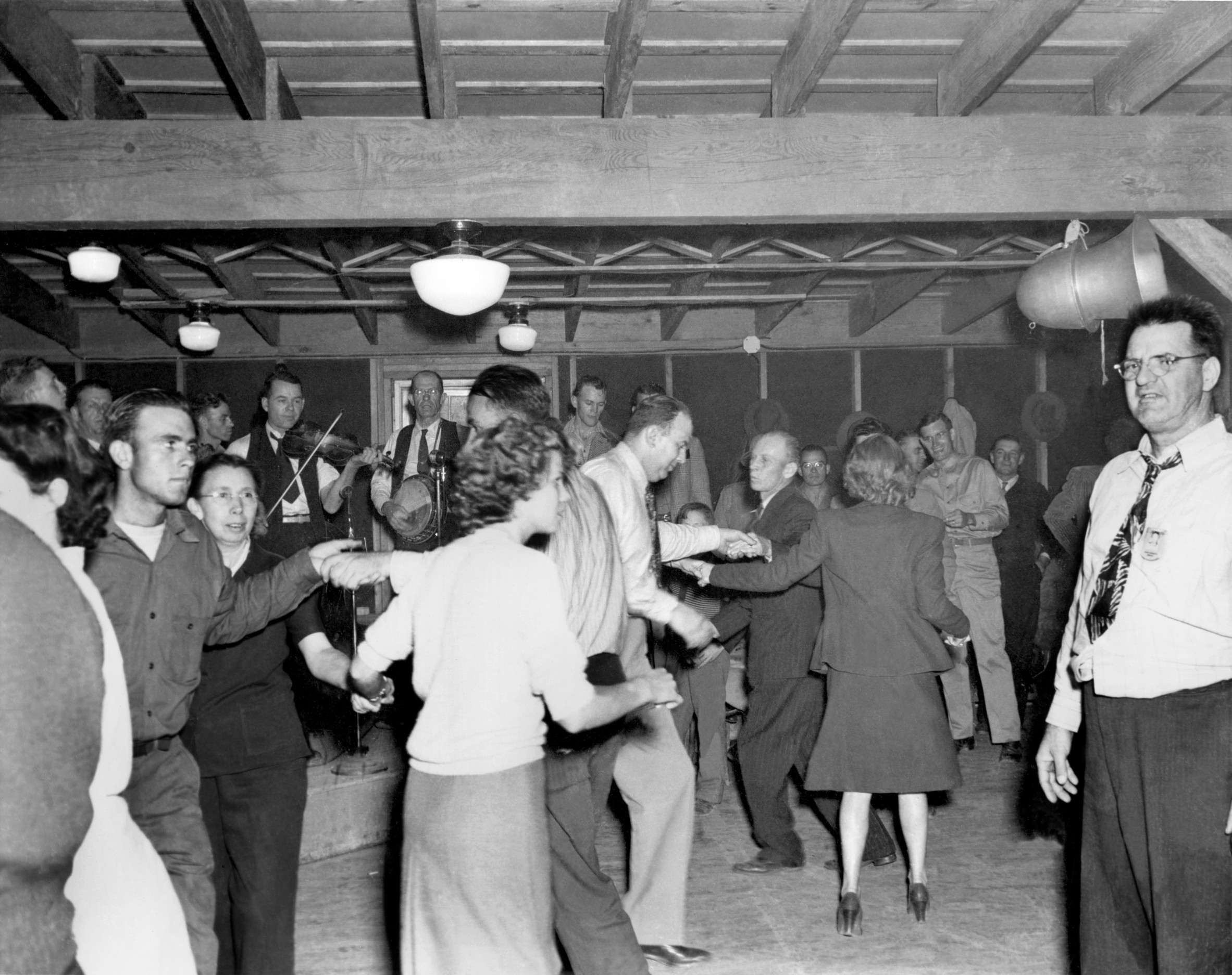
In 1964 an American town danced on a Friday or Saturday night in a school gymnasium, a grange hall or a fire station bay, and anybody could join in without knowing how.
That was the whole trick. A caller stood at the front and told the dancers what to do, one figure at a time, in time with the music – so a person who had never danced before was dancing correctly inside a minute, in the same square as somebody who had been doing it for fifty years.
The band was a fiddle, a guitar, a bass and whoever else turned up. There was no alcohol, which is why there were nine-year-olds there. Here are sixteen things every American town knew about it.
1. Nobody Had to Know the Dance
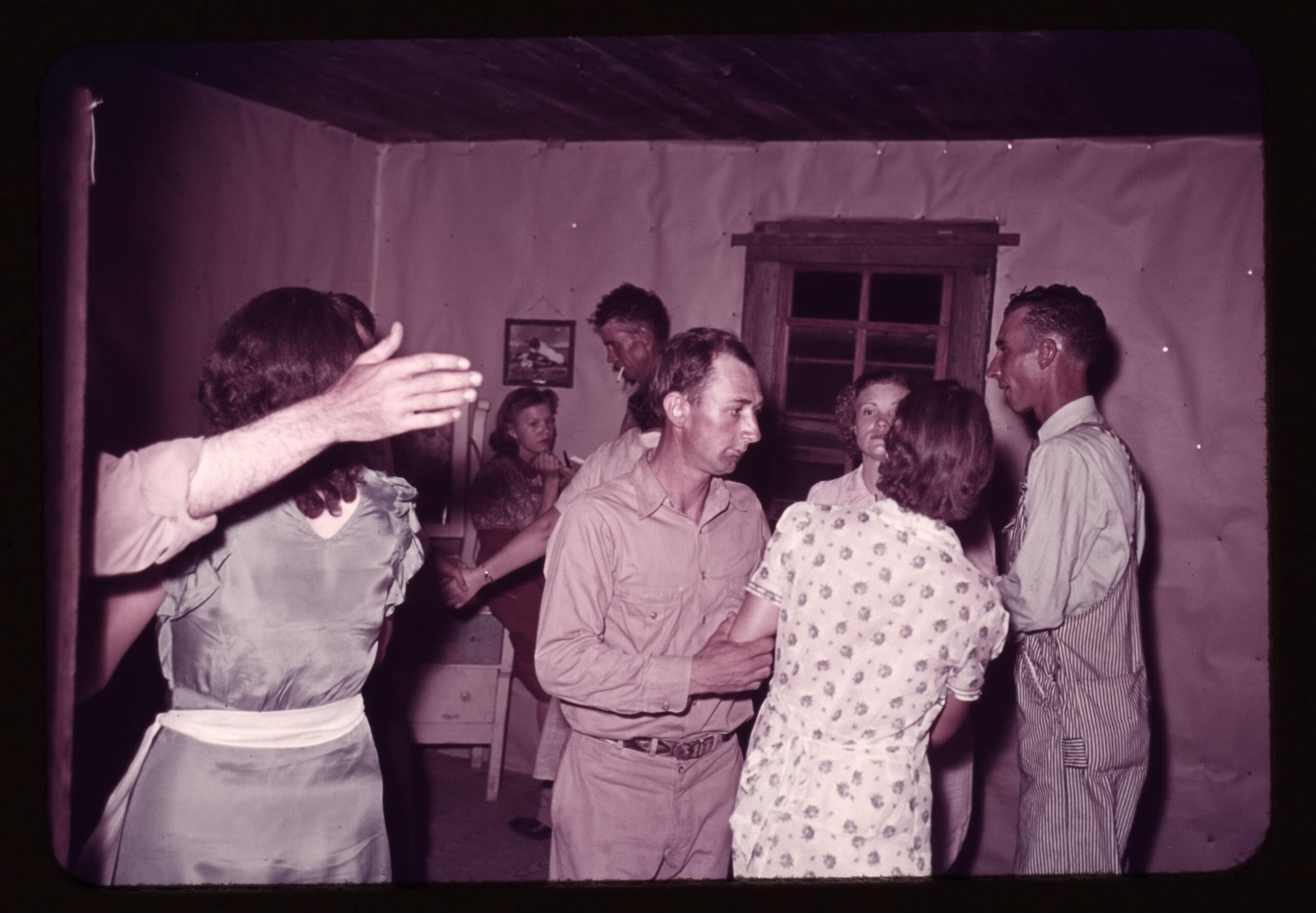
A caller stood at the front and told the dancers what to do, in time with the music, one figure at a time – so a person who had never danced before could join a square and be dancing correctly within a minute.
Social dancing in which you either know the steps or you do not, with no instruction during the dance and no mechanism for including a beginner except teaching them beforehand.
This is the single most remarkable property of the form and it explains everything about who was in the room. A called dance is the only social dance in which competence is supplied from outside the dancer – which means a fourteen-year-old and a seventy-year-old who had danced for fifty years could be in the same square, and both were dancing.
Like our content? Follow us for more.
2. The Calls Were a Shared Public Language
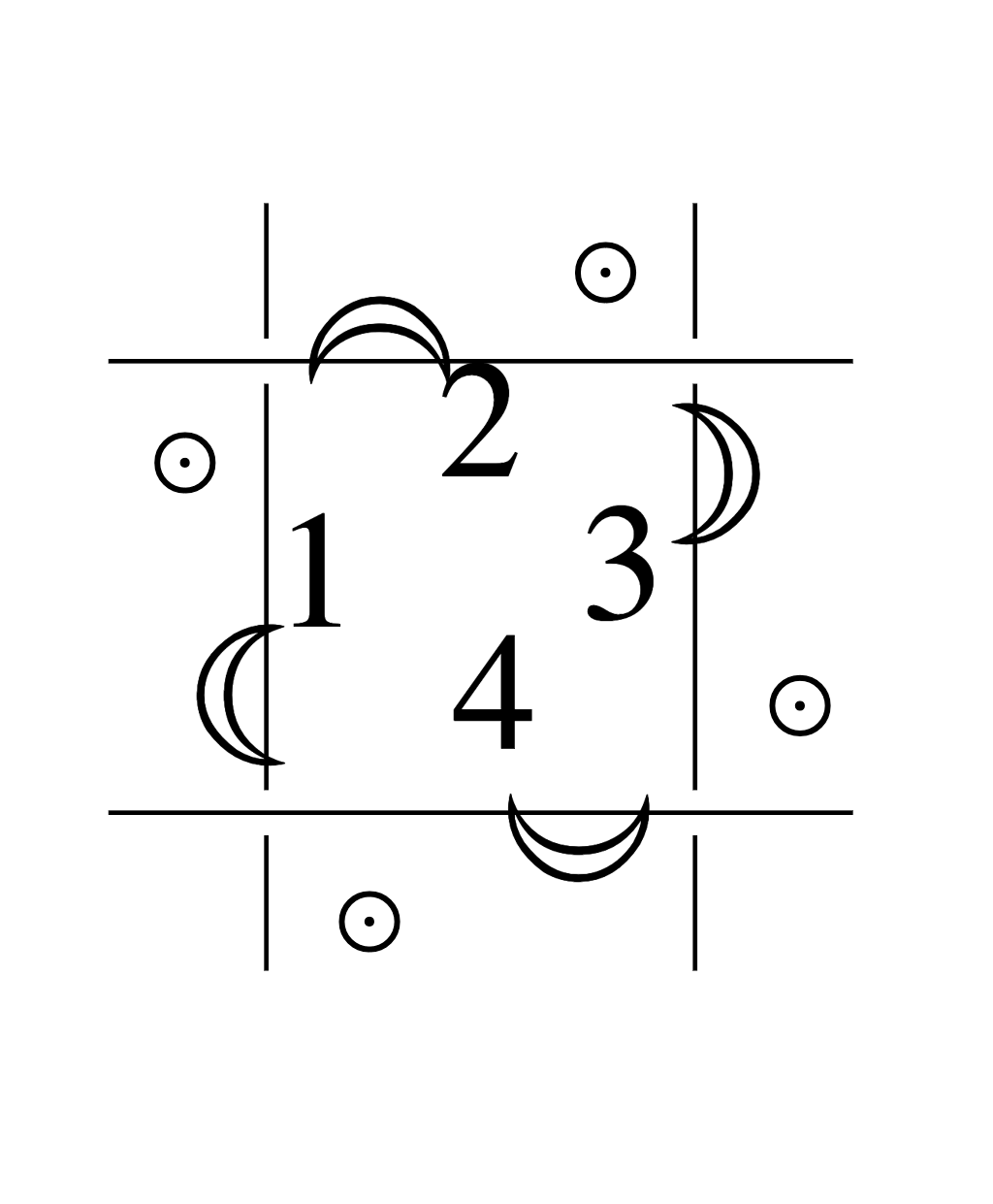
The figures had names everybody knew: allemande, do-si-do, promenade, swing your partner, right and left grand, ladies chain, circle left, honour your corner. A caller said the name and the dancers executed it.
A specialist vocabulary known within square dance clubs and essentially unknown outside them, with a handful of terms surviving in general speech as jokes.
The vocabulary was general knowledge rather than expertise, which is the whole mechanism. If every adult in a county knows what a do-si-do is, then a caller can assemble a functioning dance out of any eighty people who happen to be in a hall – and that is not possible with any other form of dancing.
3. There Was a Walk-Through Before the Music
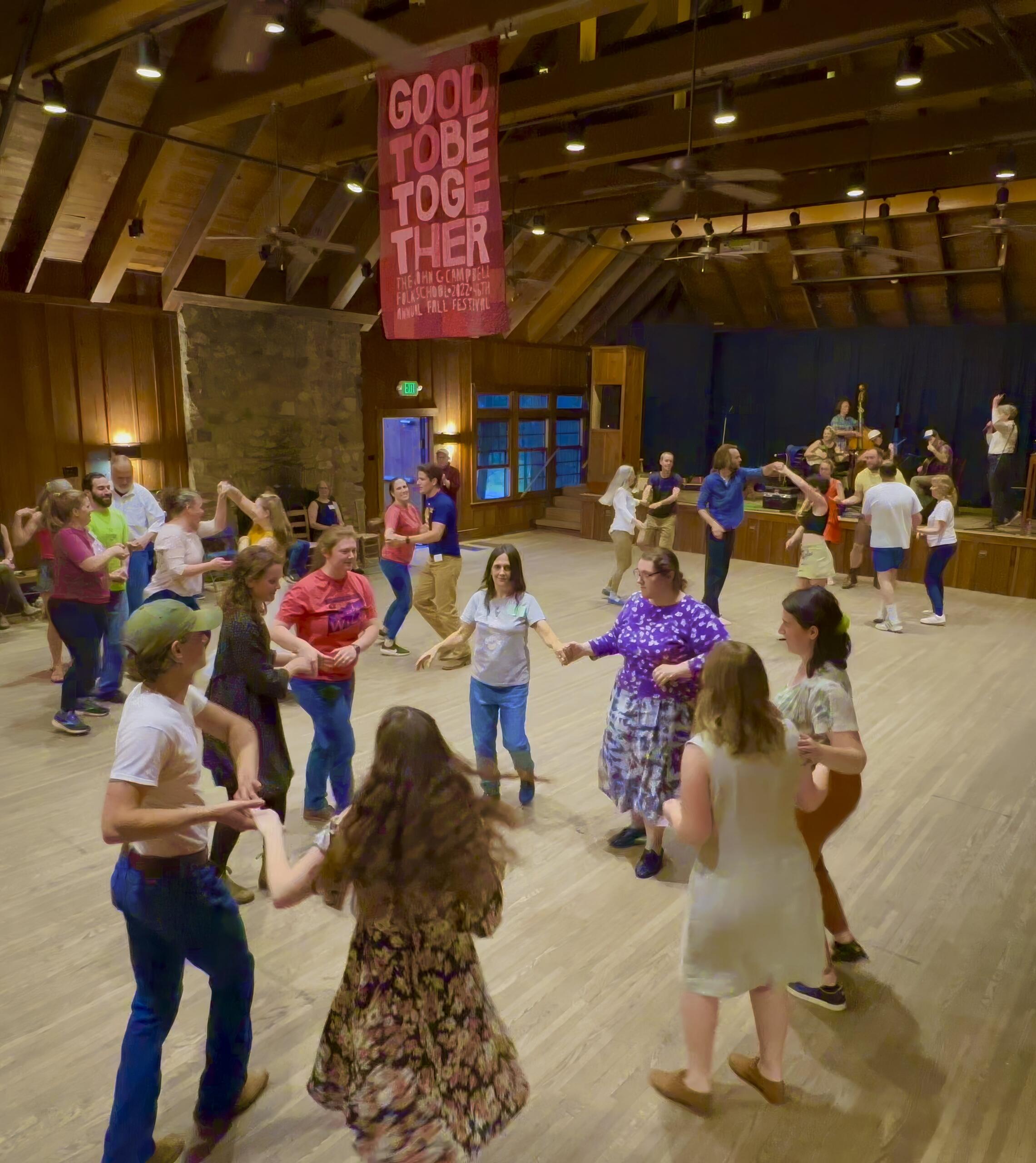
New or complicated figures were taught first, at walking pace, without music, with the caller talking the squares through the pattern until everybody had it – and then the band started.
Nothing comparable at a social event, with the equivalent happening only in a class that people attend separately and pay for.
The walk-through is a piece of teaching design that modern instruction has mostly rediscovered. Demonstrate slowly, let people do it wrong with no consequence, repeat until it is in the body, and only then add the music and the speed – which is why a complete novice could be competent in one evening.
4. Four Couples Made a Square and the Square Was the Unit
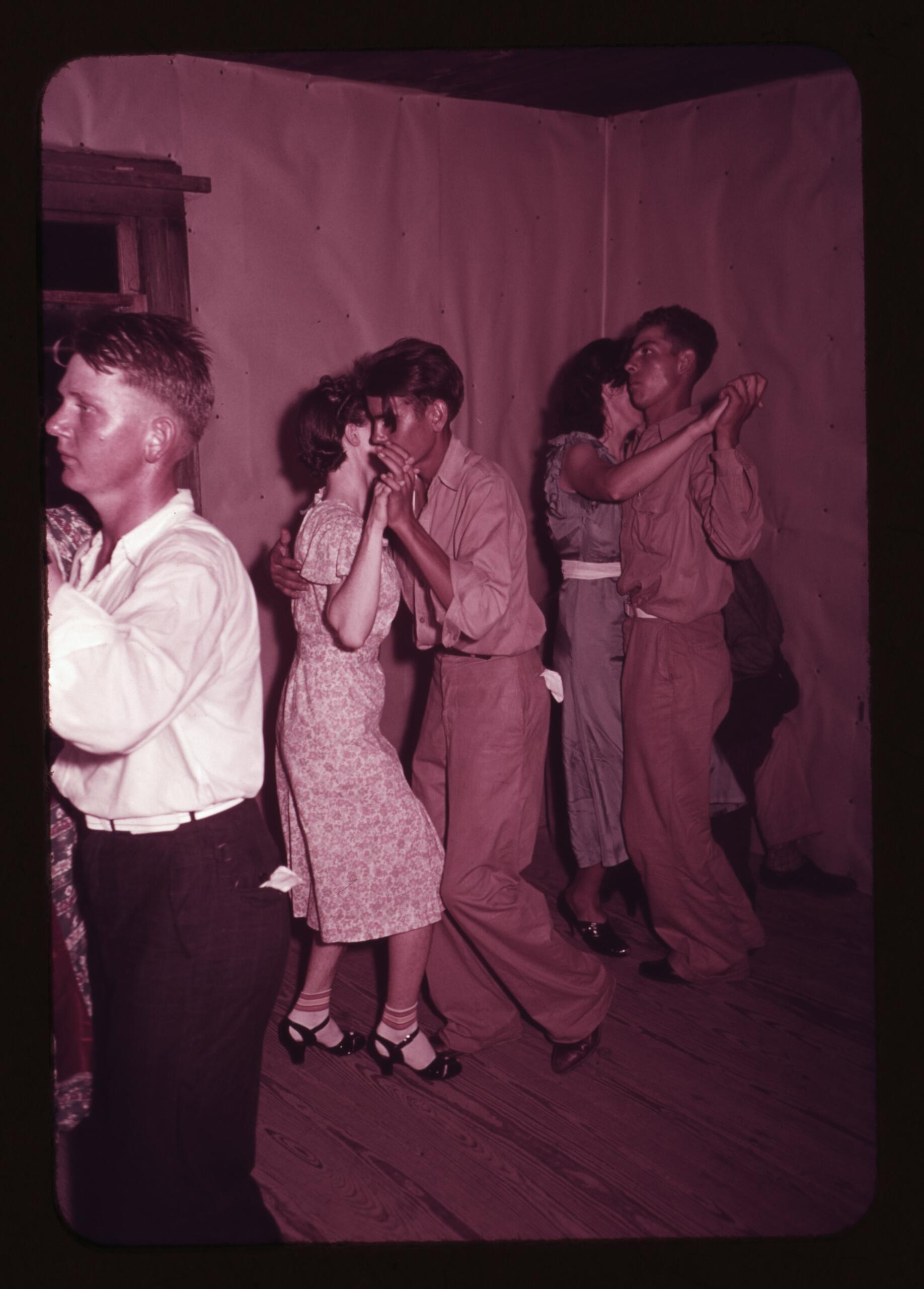
Dancers formed sets of four couples facing inward, and that square of eight people was the working unit – it danced together, succeeded or failed together, and stayed together for the duration of a dance.
Couples or individuals dancing independently, with no group of fixed size and no shared responsibility for anything.
Eight people is an unusually effective social number and the form exploits it. It is small enough that everybody matters and a mistake is noticed, large enough that a weak dancer is carried rather than exposed, and arranged so that over the course of one dance you interact directly with every other person in it.
5. You Danced With Everybody in the Square, Not Just Your Partner
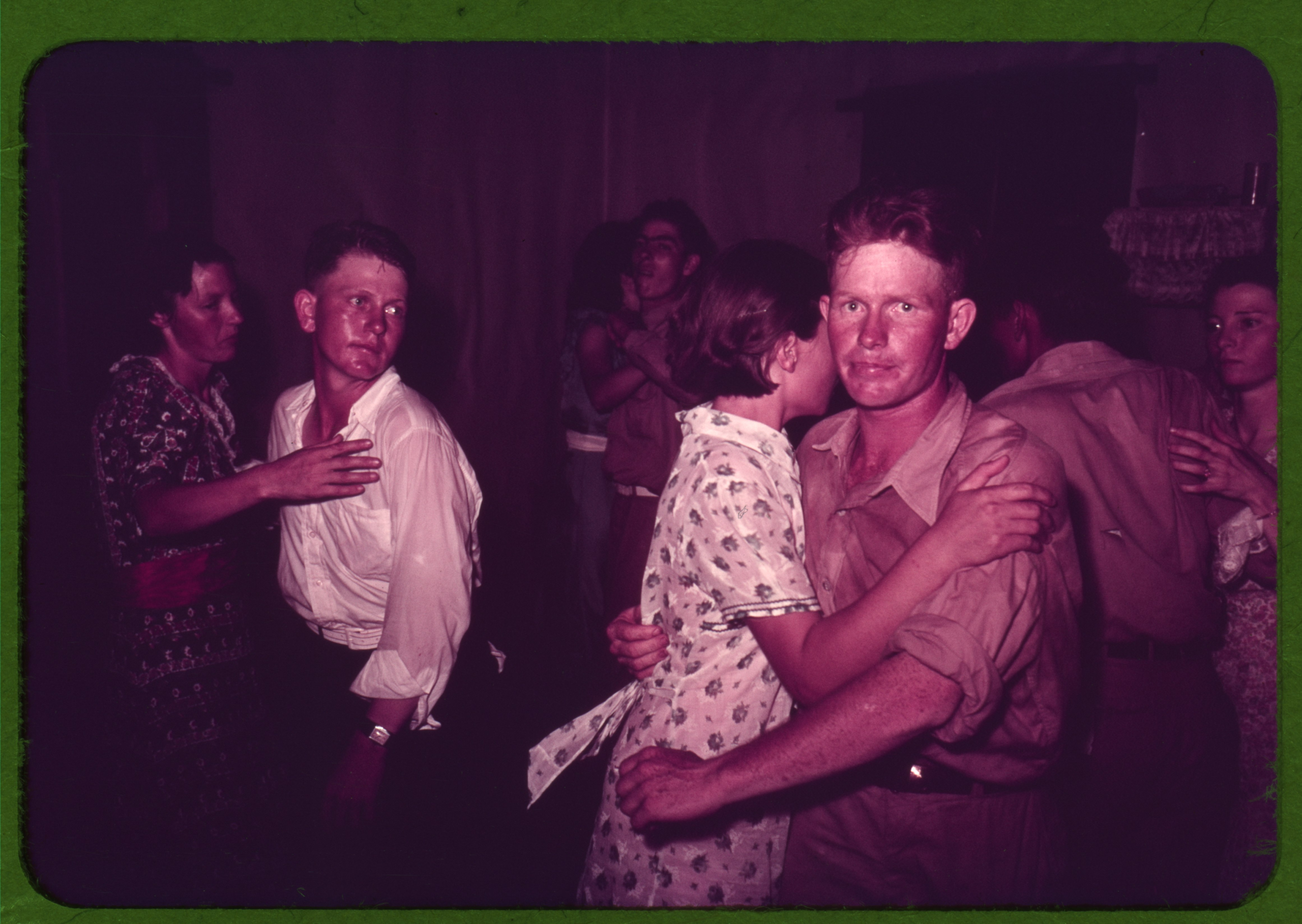
The figures moved dancers continuously – to the corner, to the opposite, around the ring, through a chain – so that in a single dance you took the hands of every other person in the set, repeatedly.
Dancing that happens between two people for the duration, with no structural requirement to make contact with anybody else.
That is a deliberate feature and it did specific social work. A form that obliges everybody to dance briefly with everybody else removes the entire problem of who asks whom, eliminates the possibility of being left out, and means that a shy person and a popular one have exactly the same evening.
6. The Music Was Live and the Band Was Small
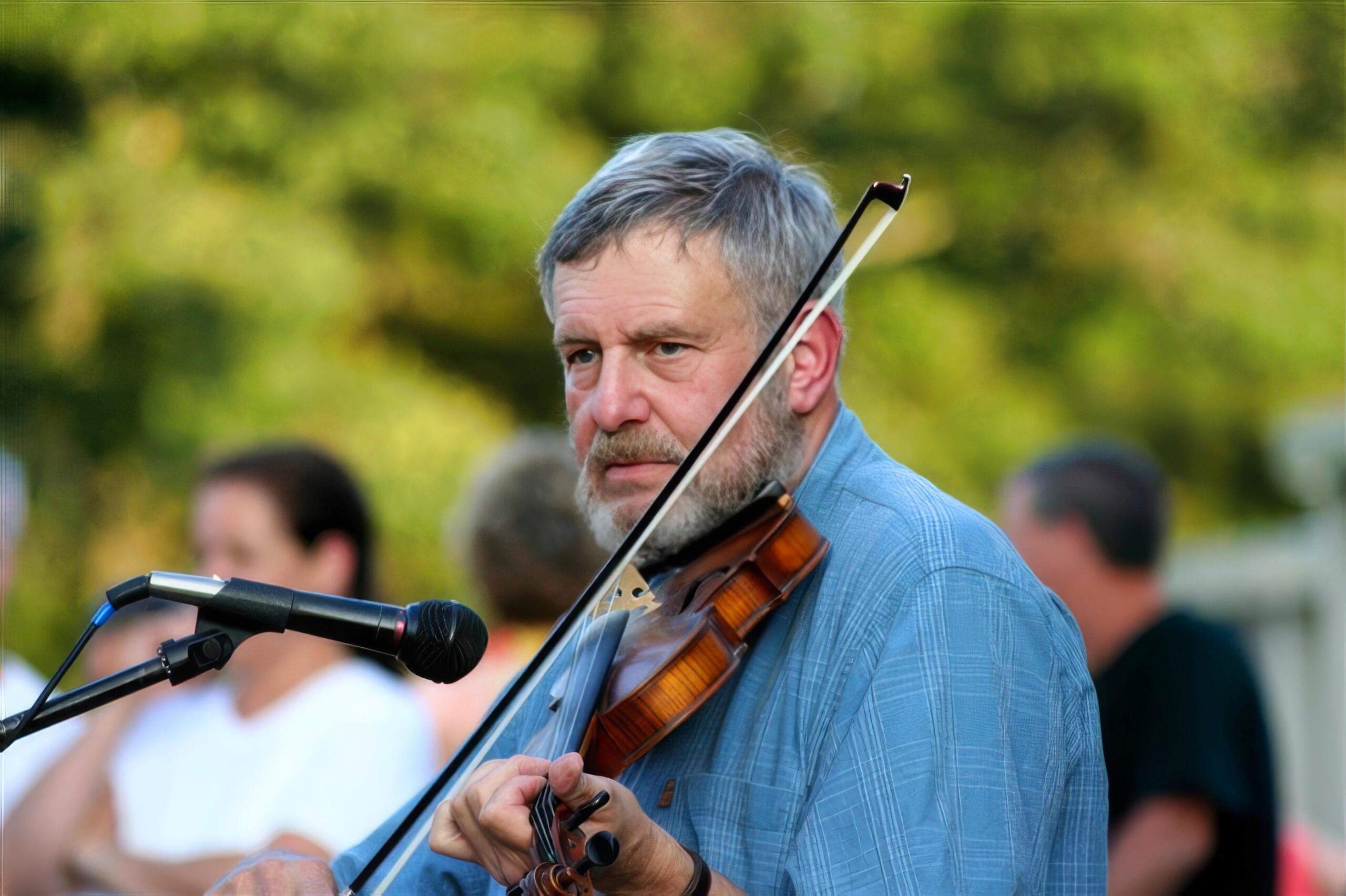
A fiddle, a guitar, a banjo or mandolin, a bass and sometimes a piano or an accordion – three to six players, local, playing traditional tunes at a steady tempo for as long as the caller needed.
Recorded music from a sound system in the great majority of cases, with live bands at a minority of events and a far smaller number of musicians who play this repertoire.
The band’s job was unlike a performing band’s. It had to hold a dead-steady tempo indefinitely, follow the caller rather than lead, and be audible over eighty people without amplification – which is a specific skill, and the musicians who had it were booked constantly.
7. The Caller Was the Most Important Person in the Building
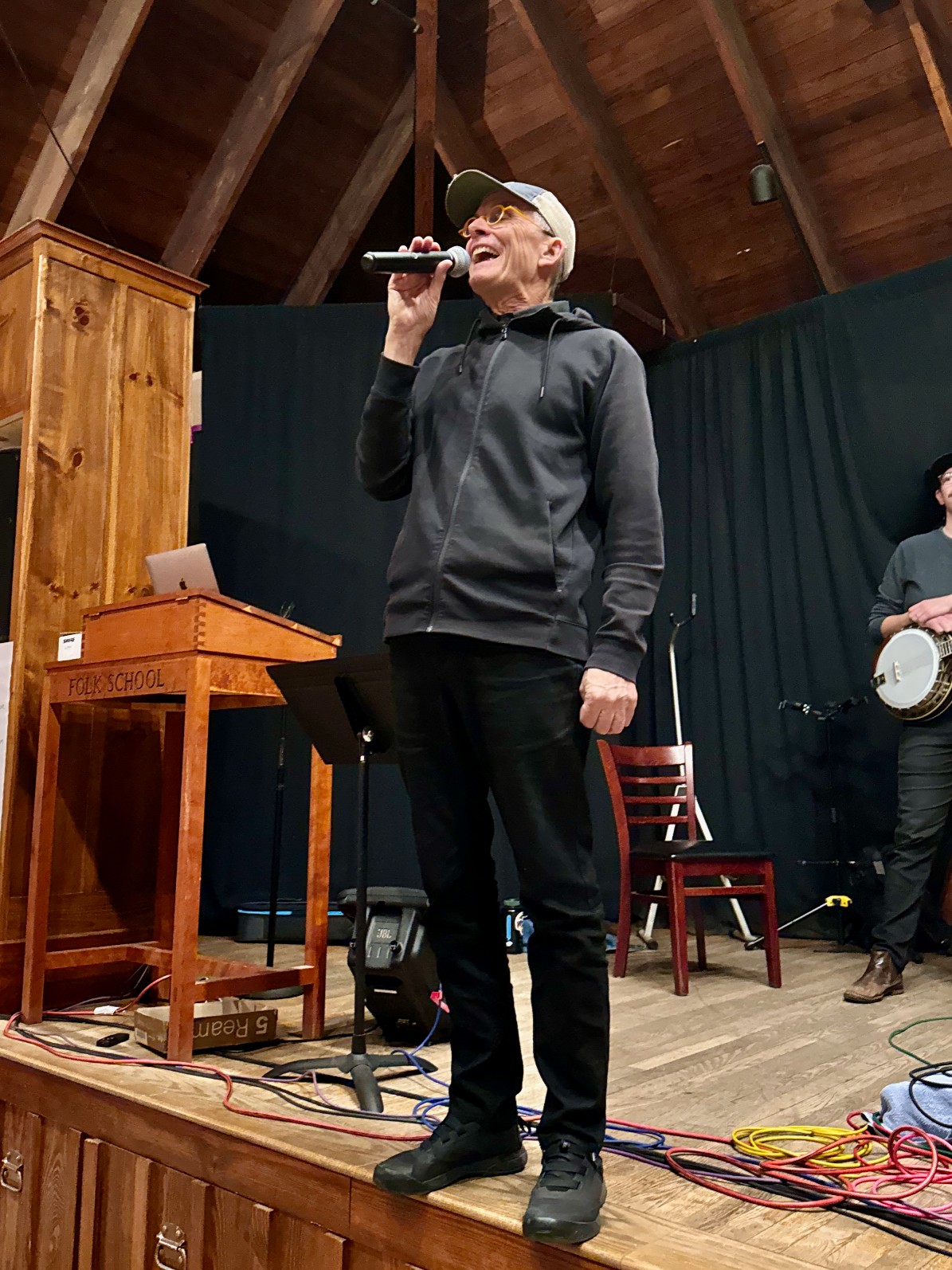
The caller chose the figures, judged the room, set the pace, taught what needed teaching, kept the squares working and decided when a dance ended – frequently while also playing an instrument.
Callers still central within the activity, now a recognised specialism with its own training, recordings and certification, and essentially unknown to the general public.
A good caller was reading the whole room continuously. If the squares were struggling, the figures got simpler. If they were bored, harder. If one square broke down, the call changed to let it recover – all in real time, in rhythm, over music, without stopping. It is a genuinely difficult thing to do well and the good ones had reputations across several counties.
8. The Hall Was Whatever the Town Had
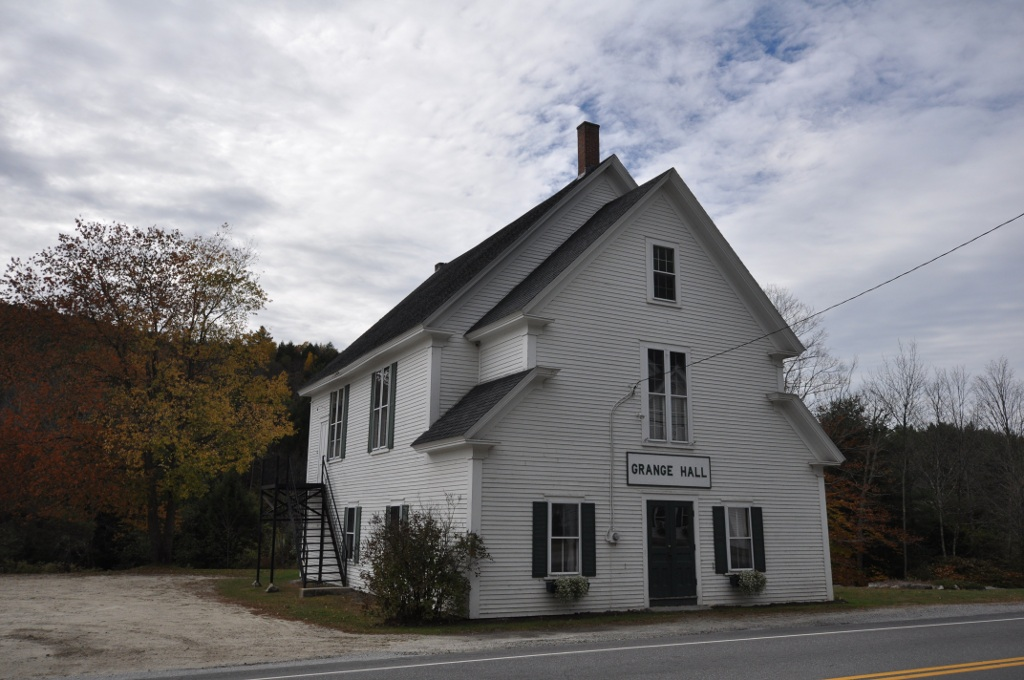
Dances happened in school gymnasiums, grange and lodge halls, fire station bays, church basements, community buildings, barns cleared for the purpose and on outdoor platforms built for the summer.
Dedicated club venues hired by the evening, in a much smaller number of locations, used by the people who belong to the club.
Using the building the town already had is what made it cheap and frequent. A dance that needs nothing but a floor, a caller and three musicians can happen anywhere there is a room – which is why there were so many of them and why they were not an occasion requiring planning.
9. Every Age Was in the Room at the Same Time
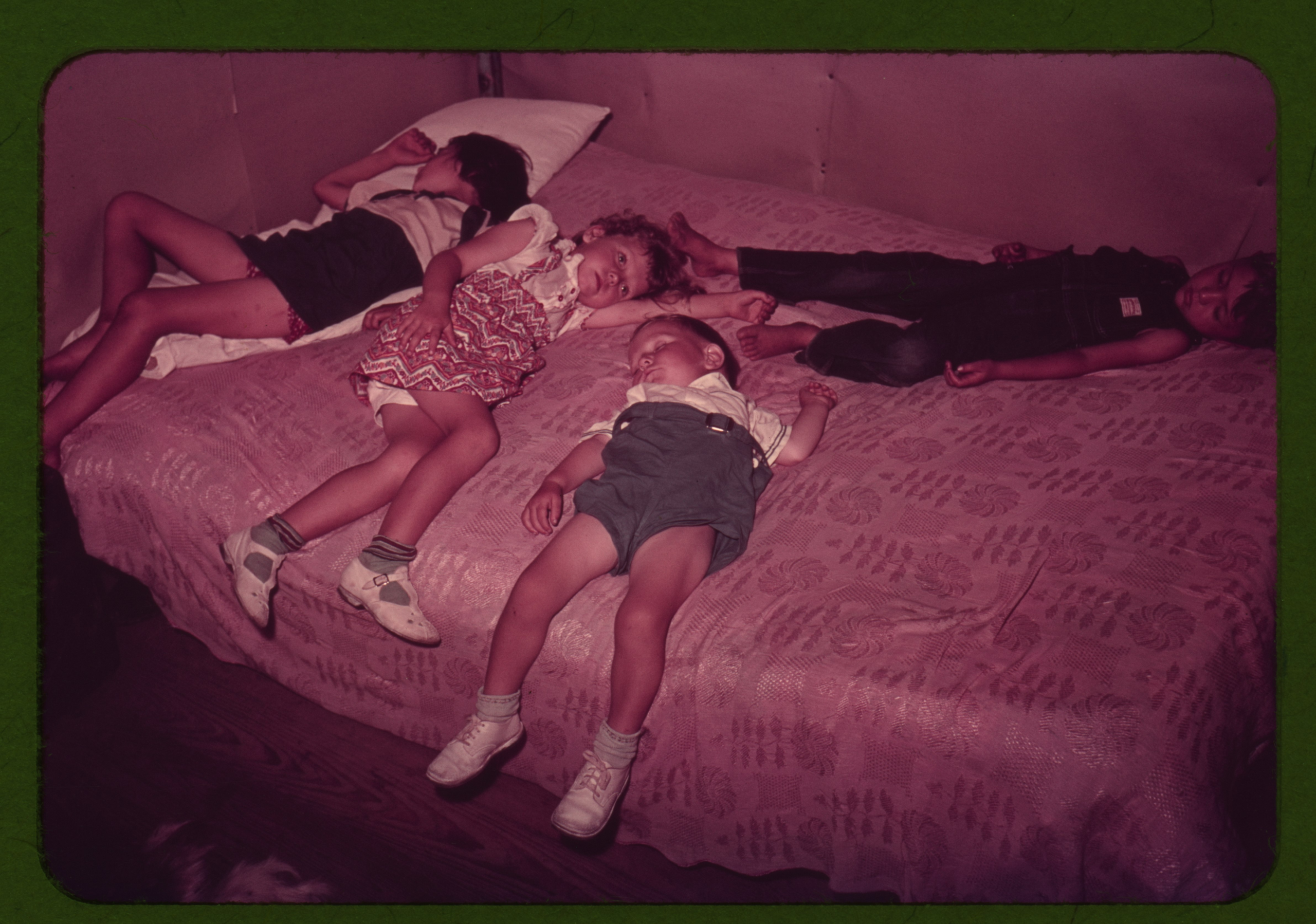
Children, teenagers, young adults, parents and grandparents all attended the same dance, in the same squares, at the same time – with small children sleeping on coats along the wall when they gave out.
Social dancing almost entirely segregated by age, with the activity’s surviving clubs skewing substantially older and youth social dancing happening somewhere else entirely.
The mixing was a consequence of the called instruction rather than of anybody’s values. A form in which the dance is explained as it happens can accommodate a nine-year-old and a sixty-year-old simultaneously; a form in which you must already know the steps cannot – so the inclusiveness was structural.
10. The School Taught It in Gym Class
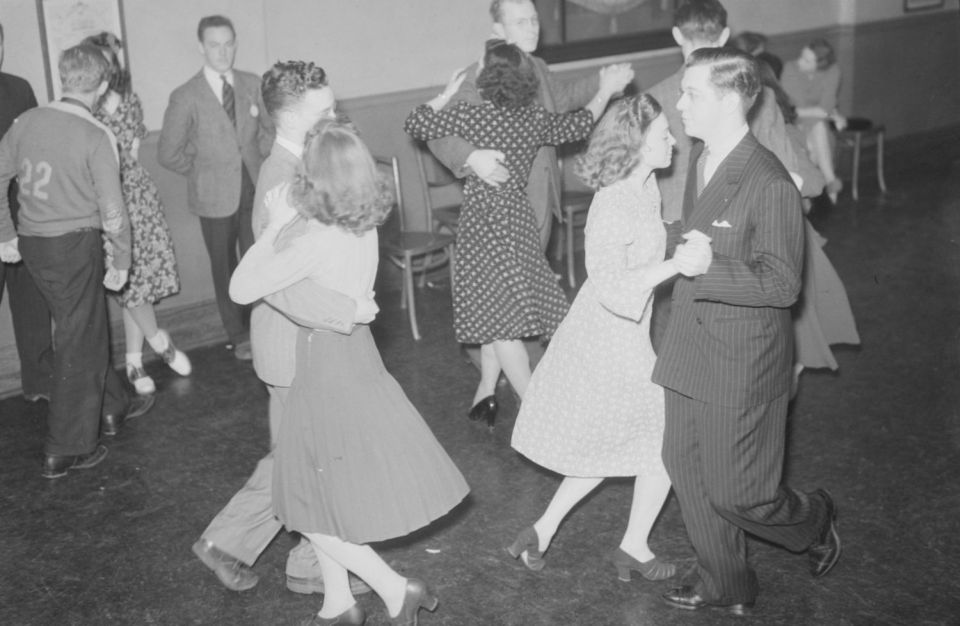
Square dancing was part of physical education in an enormous number of American schools, taught to every child, which meant the whole population arrived at adulthood knowing the basic figures.
Taught in a much smaller number of schools, with most American children never encountering it and no general adult familiarity with the vocabulary.
That instruction was the supply line for the entire institution, and it is worth seeing as such. A community dance that depends on everybody knowing a vocabulary requires somebody to teach the vocabulary to everybody – and the schools did that, universally, for decades, which is why a caller could walk into any hall and be understood.
11. Refreshments Were Brought and Somebody Ran a Table
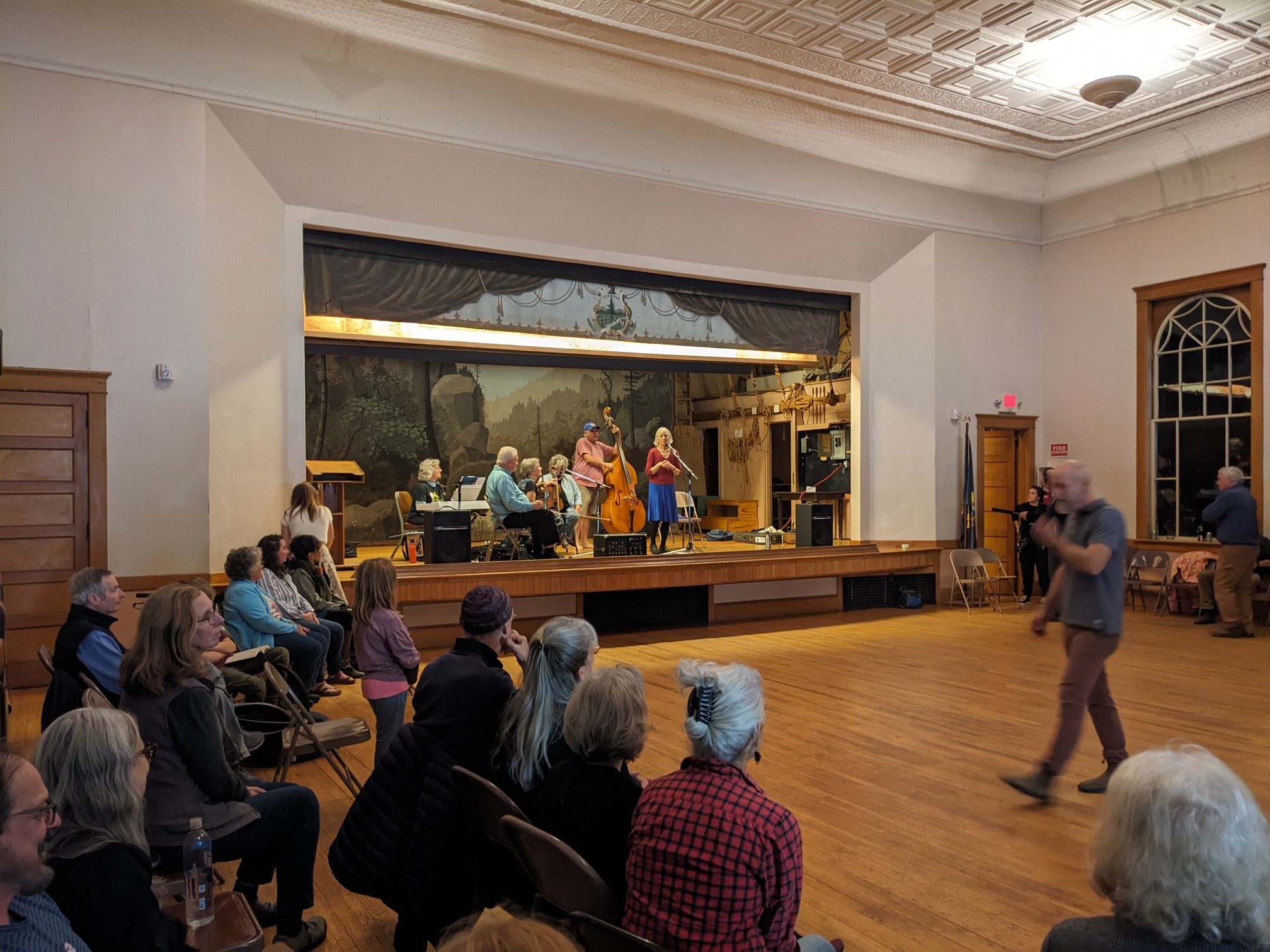
Coffee, lemonade, punch, cake, pie, sandwiches and ice cream were supplied from a table at the side, brought by the attending households or sold cheaply by a committee for a cause.
Bar service at commercial venues and a refreshment table at club events, with no community contribution and no beneficiary.
It was also the structural break. Dancing a square is genuinely hard work, so the evening alternated between dancing and standing at the table – which means the refreshments were not an accompaniment but the other half of the event, and a great deal of the actual socialising happened there.
12. There Was No Alcohol and That Was the Point
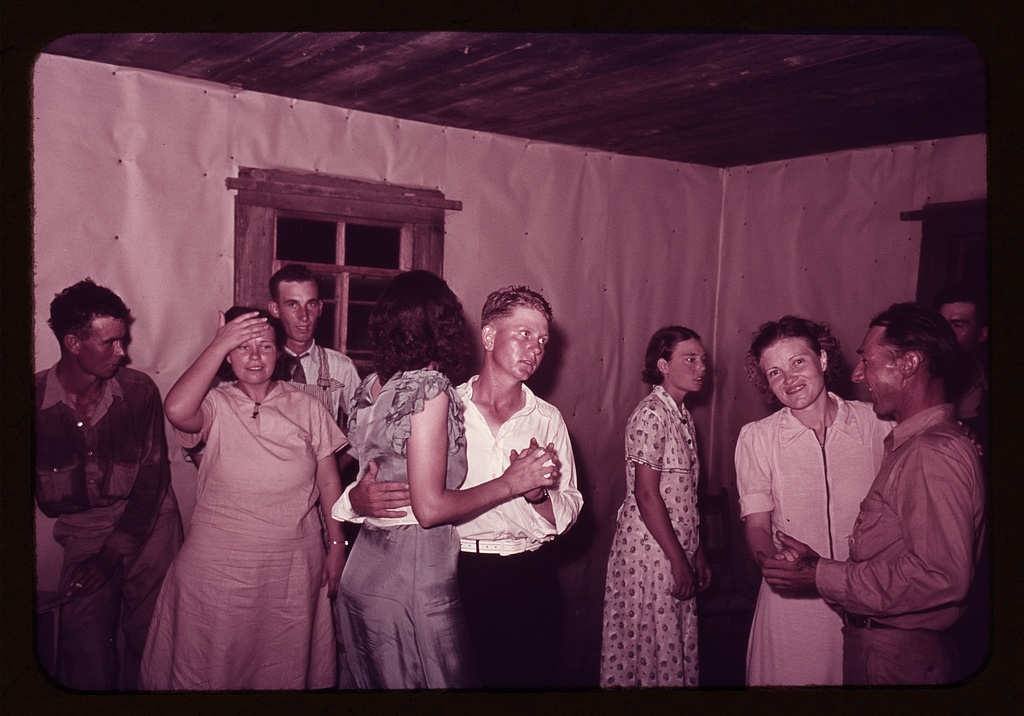
The great majority of these dances were dry – in a school, a church basement or a grange hall, with no alcohol served, permitted or expected.
Social dancing substantially centred on licensed venues, with the dry community dance now unusual outside specific settings.
Being dry is what allowed every age in the room, and the two facts are directly connected. A parent will bring a nine-year-old to a dance where nothing is being served and will not bring one where it is – so the absence of alcohol was not primness, it was the precondition for the whole-family character of the event.
13. It Was Cheap or Free
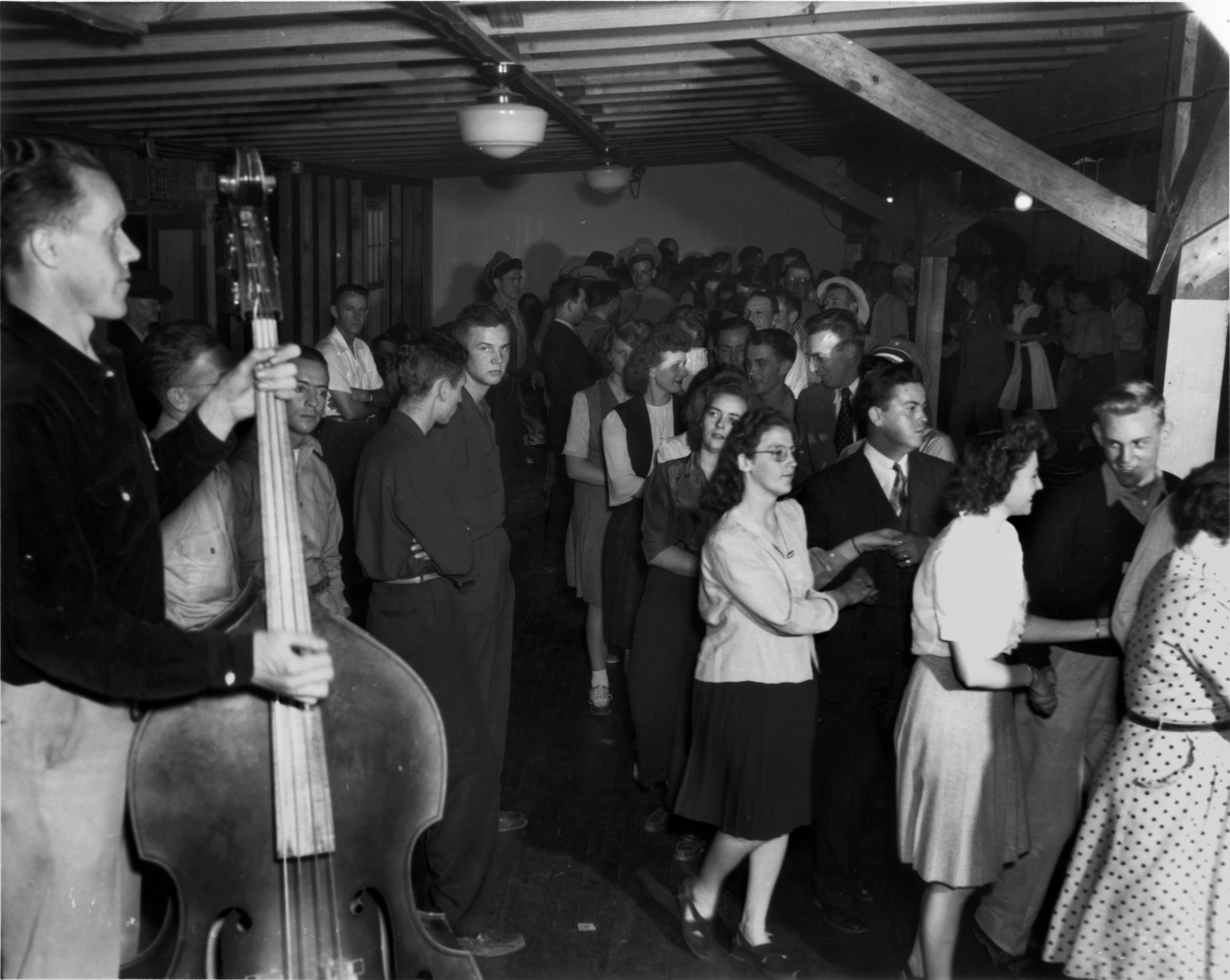
Admission was a small sum or a donation, frequently going to the band, the hall, a school fund or a cause – and in many communities the dance was simply free because the band was local and the hall was the town’s.
Paid admission, a drinks minimum, club membership dues or lesson fees, with participation costing a meaningful sum.
The price is why it was weekly rather than occasional. An evening out that costs almost nothing can happen every Friday for a decade, and one that costs money becomes an event – which changes it from a habit into a decision.
14. The Clothes Were Ordinary and Then They Were Not
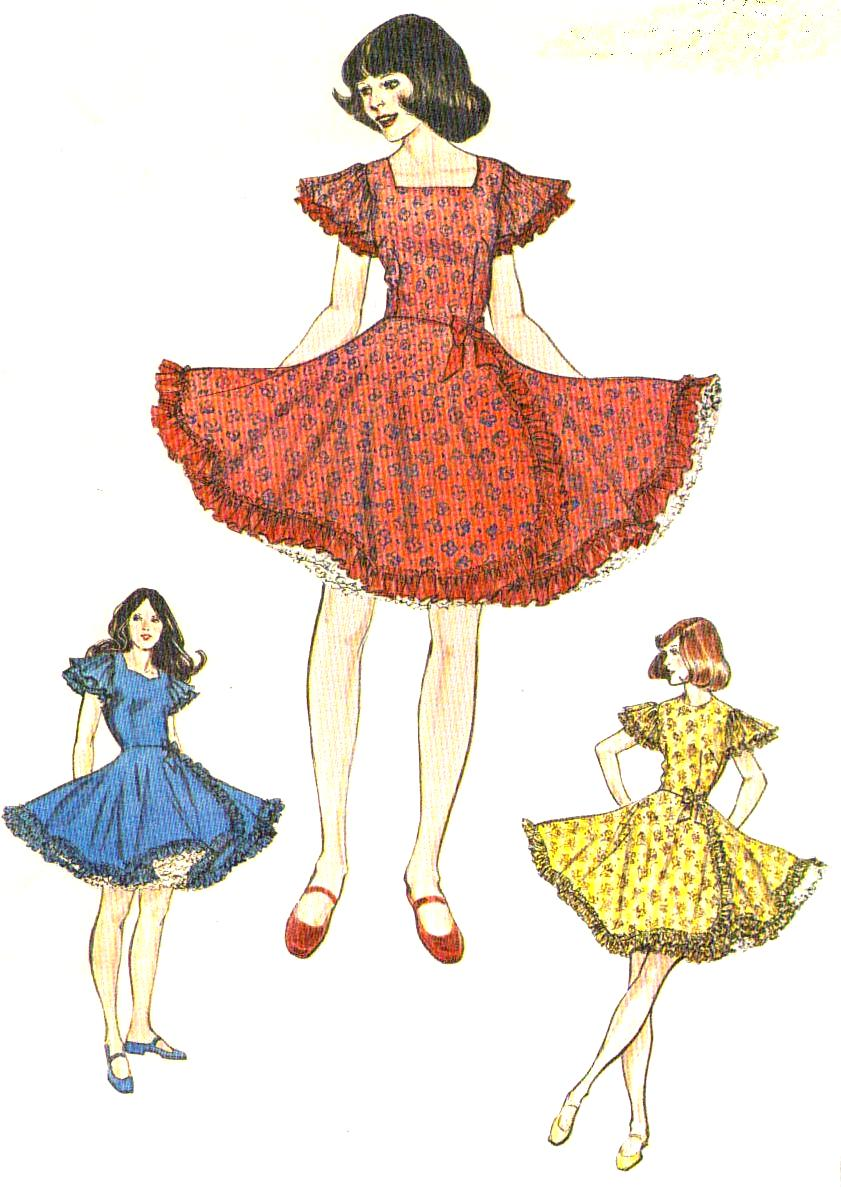
In 1964 most people came in whatever they wore – a clean shirt, a dress, work clothes tidied up – and the elaborate full skirts, petticoats and matching western outfits were a later club development.
Distinctive club costume at organised events, which is now one of the activity’s most recognisable features and is also one reason newcomers hesitate.
The costume is a genuinely interesting marker of what happened to the form. Clothing that identifies participants as members of a group is a sign that the activity has become a club rather than a community event – and it arrived at roughly the moment the dances stopped being for everybody.
15. You Went With Your Family and Left With Your Neighbours
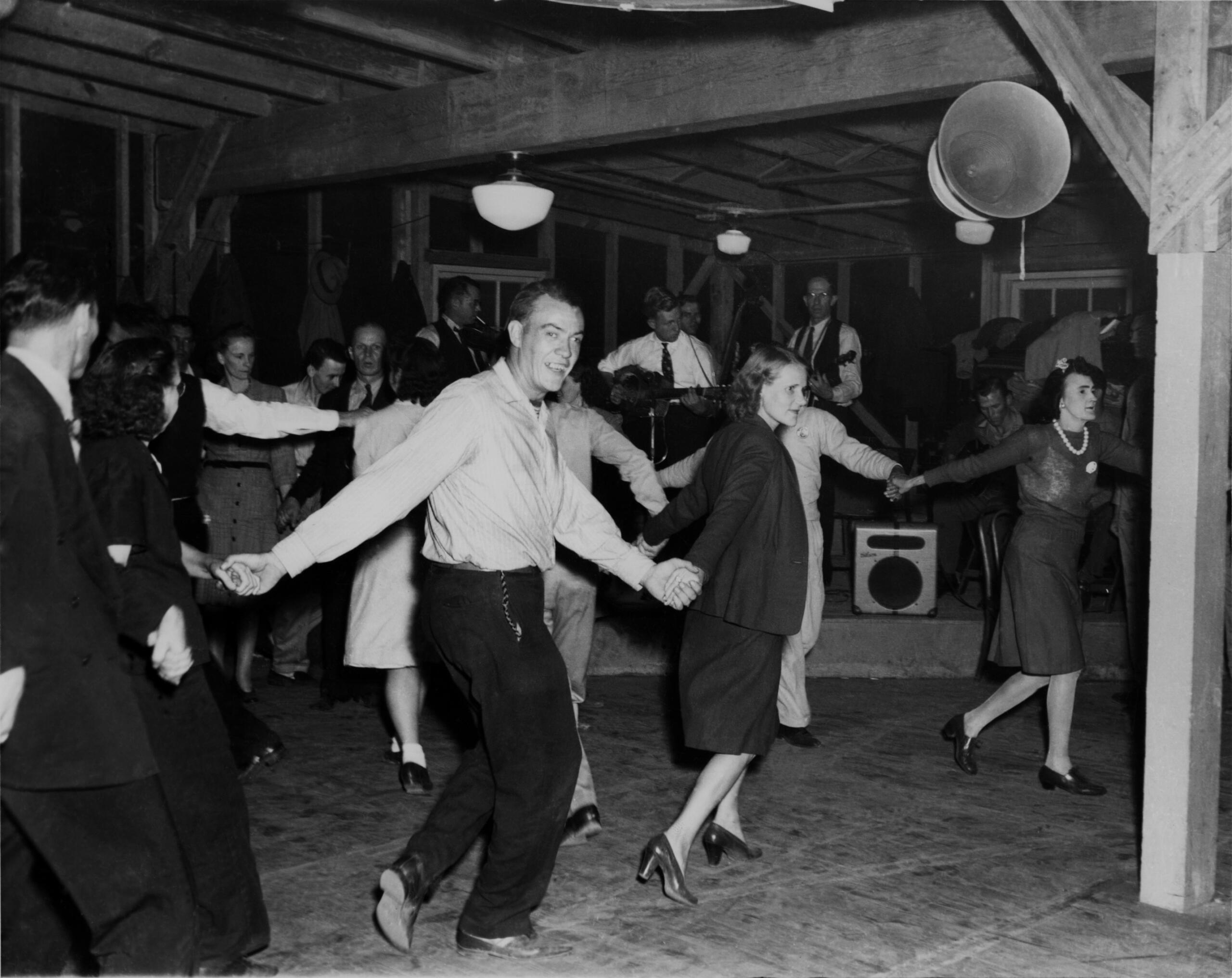
People arrived as households, danced with whoever was in the square, talked at the refreshment table with everybody, and went home having spent three hours in direct physical cooperation with forty people they lived near.
Social events attended with a chosen group of friends, where most attendees do not interact and nobody is obliged to cooperate with anybody.
The cooperation is the unusual part. A square dance requires eight people to coordinate physically, in time, repeatedly, with a shared goal and immediate feedback – which is a very specific social experience that almost nothing in modern life provides, and which people report remembering as closeness rather than as dancing.
16. Then the Calls Got Too Hard for Anybody to Walk In
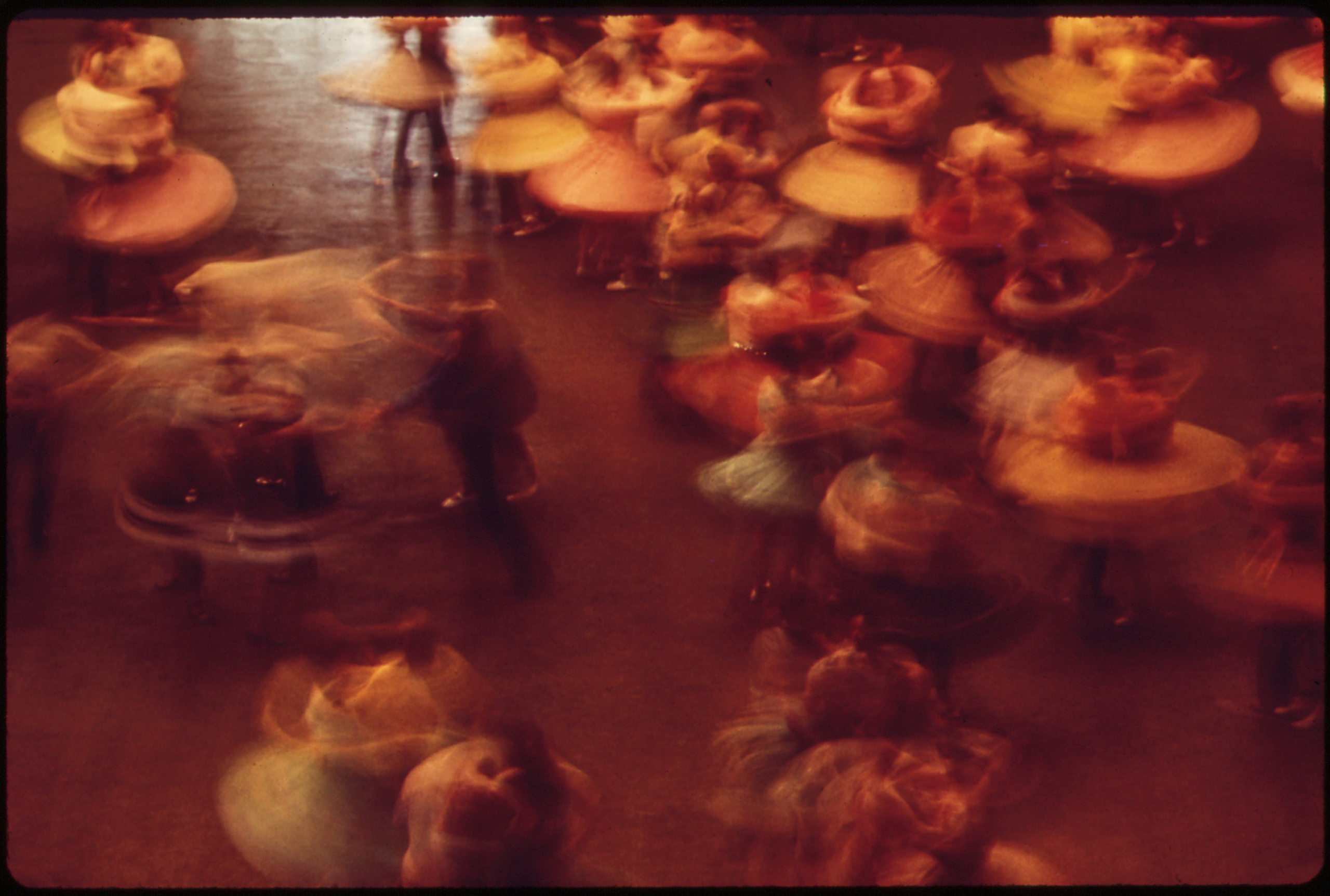
The form’s defining property was that competence came from the caller, so the vocabulary had to stay small enough that any adult already knew it and any beginner could absorb the rest in one evening.
An activity organised into clubs with graded programmes, lesson courses running for months, and published call lists running to many hundreds of figures at progressive levels.
And that is what closed the door, which is a genuinely sad mechanism because nobody intended it. As the activity organised itself into clubs through the later twentieth century, the callers and the dancers who stayed with it got better – and the calls expanded to suit them, which is what any skilled community does. But the expansion destroyed the one property that had made the form universal. Once the vocabulary runs to hundreds of figures across graded levels, a newcomer can no longer be absorbed into a square on the night; they have to take a course first, which costs money, takes months and requires committing before you know whether you like it. So the thing that had let a fourteen-year-old and a seventy-year-old dance together in a fire station bay in 1964 was not killed by rock and roll or by television. It was removed by the activity’s own improvement, and what is left is a skilled, welcoming, genuinely enjoyable hobby that you cannot simply walk into – which is the exact opposite of what it was built to be.
It Was Improved Until Nobody Could Walk In
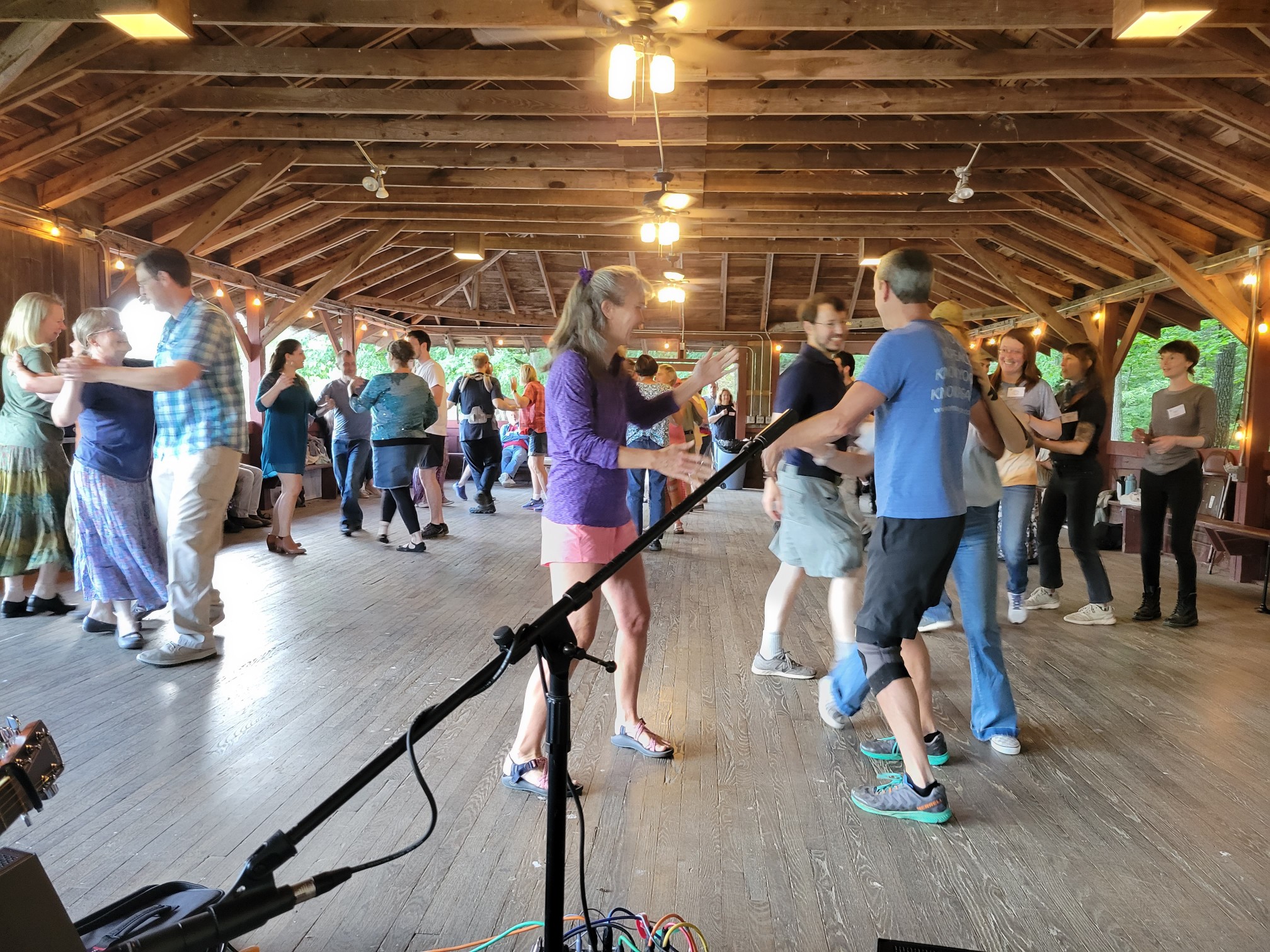
Square dancing did not lose to rock and roll, or to television, or to the general collapse of community life that gets blamed for everything of this kind. The form is still danced, by clubs, across the country, and the people who do it are skilled and genuinely welcoming.
It lost the one property that had made it universal, and it lost it by getting better.
Start with what that property was, because it is remarkable and almost nothing else has it. In a called dance, the dancer does not need to know the dance. A caller supplies the instructions in real time, in rhythm, one figure at a time, from a vocabulary that every adult in the county already knew because they had been taught it in school. Which means competence arrives from outside the dancer.
Follow the consequences and the whole institution falls out of that single fact.
A complete beginner can join a square and be dancing correctly within a minute, so nobody has to be excluded for not knowing how. A nine-year-old and a seventy-year-old can be in the same set, because neither of them is relying on their own knowledge. A square of eight carries a weak dancer rather than exposing one. The figures move everybody past everybody, which eliminates the question of who asks whom and makes it impossible to be left out. And because the whole thing needs nothing but a floor, a caller and three local musicians, it could happen weekly, in whatever building the town already had, for nothing.
That is a social technology, and it was deliberately maintained. The schools taught the basic vocabulary to every child in the country for decades, which is the supply line that made a caller intelligible in any hall he walked into.
Then the activity organised itself into clubs, and the clubs did what every community of skilled enthusiasts does: they got better, and the material expanded to suit them. More figures. More complex sequences. Graded levels, each with its own published list, running up through hundreds of calls. Callers trained, certified and recorded. The standard of dancing rose substantially, and everybody inside the activity enjoyed it more.
And the door closed, because the expanded vocabulary is no longer something a person already has.
A newcomer today cannot be absorbed into a square on the night. They have to take a course – typically a series of lessons running for months, costing money, requiring a commitment made before they know whether they like it, and completed in the company of other beginners rather than alongside experienced dancers. Which is a perfectly reasonable way to run a skilled hobby and is the exact opposite of a dance you can walk into.
Nobody did this on purpose and nobody is at fault. The clubs kept the form alive, which is a real service, and they were never trying to make it exclusive. But improvement and accessibility were in direct tension here, and improvement won – and the thing that got traded away was the property that had let an entire town of every age dance together in a fire station bay with no lessons, no fee and no prior knowledge.
The gymnasiums are still there. The vocabulary is not in the population any more, so a caller walking into one would be talking to a room that cannot understand him.
If you learned this in school, you can probably still do an allemande left without thinking about it.
And you remember that the hardest part of the evening was not the dancing. It was that everybody had to get it right together.
Like our content? Follow us for more.
