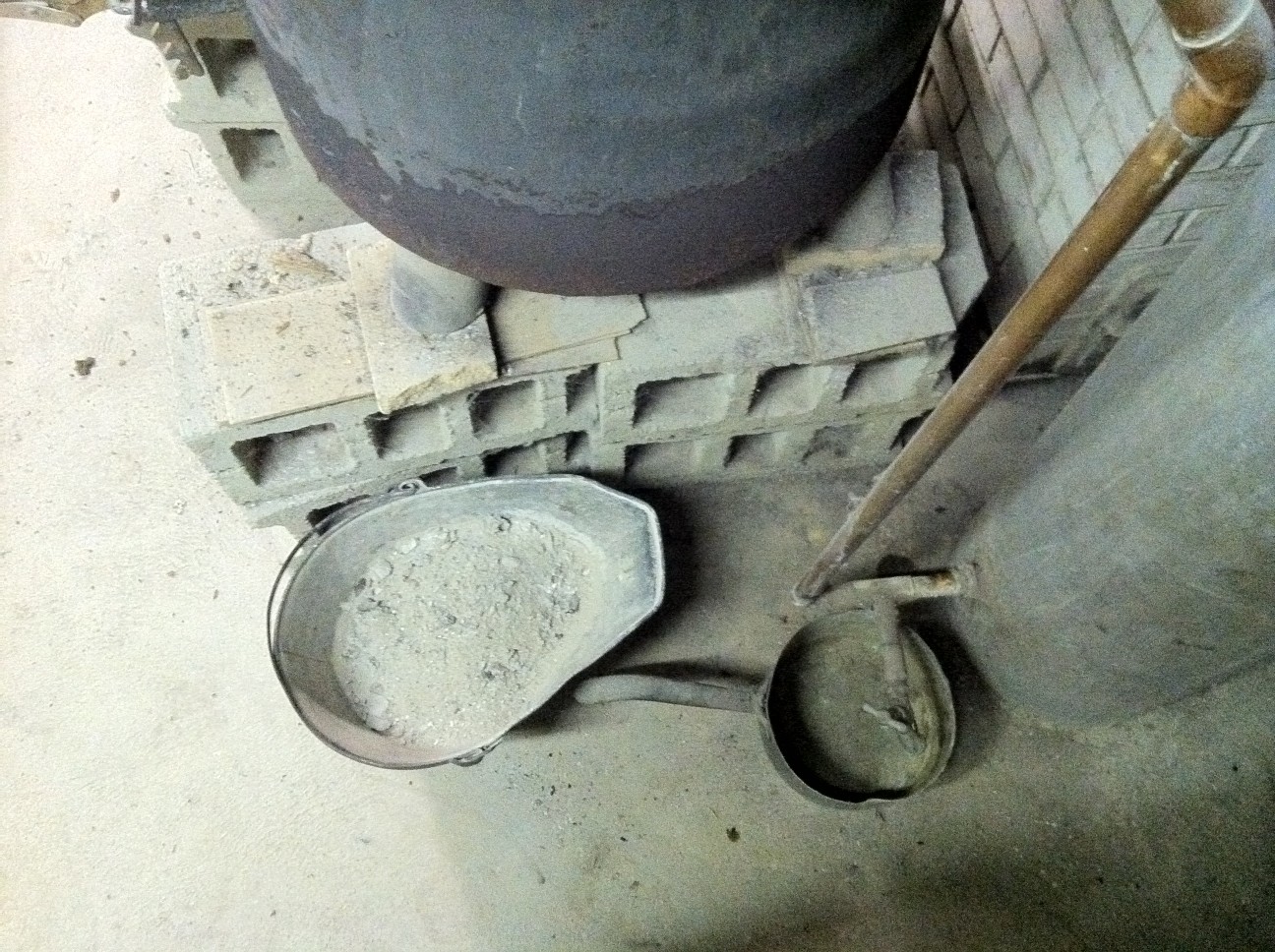
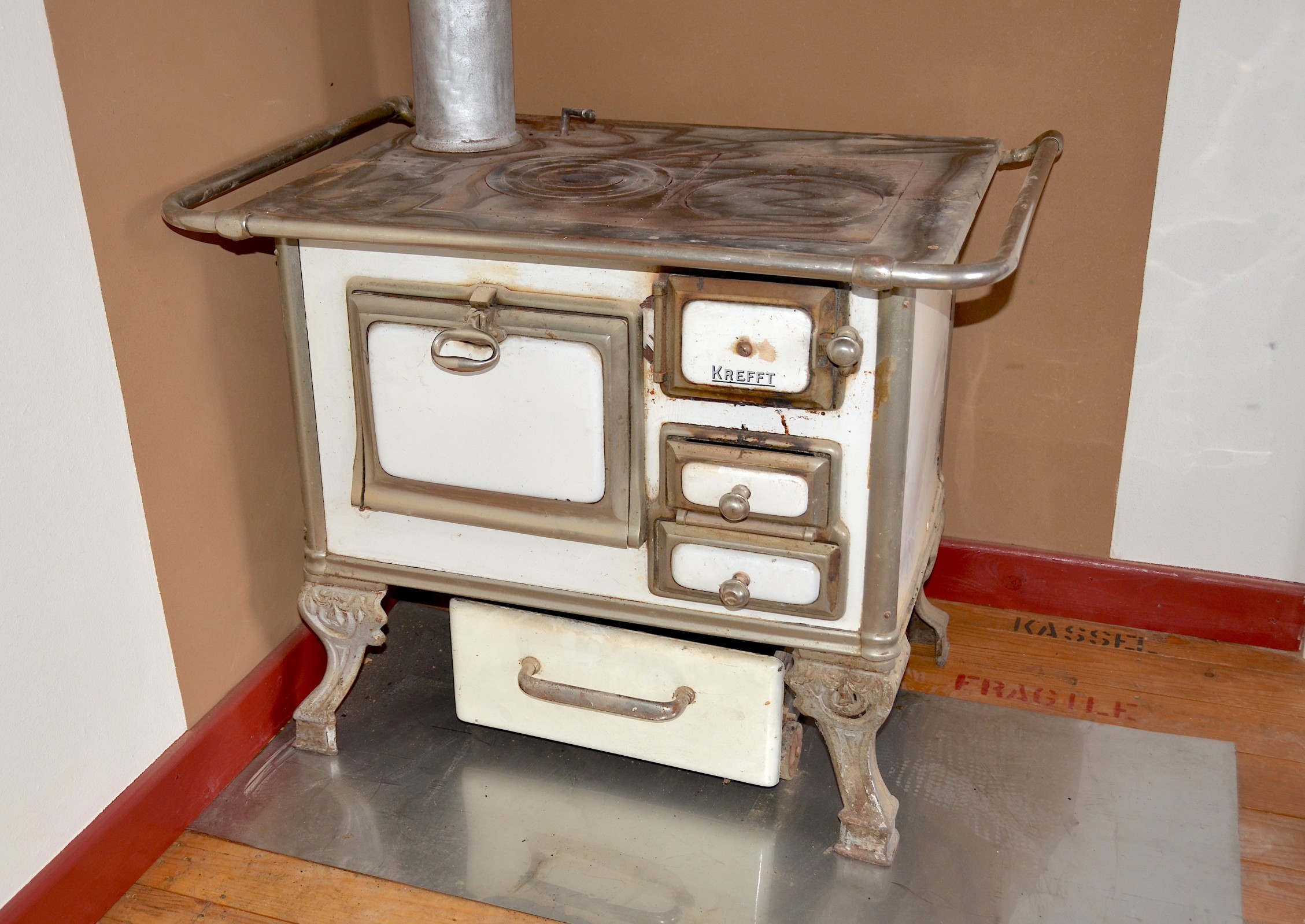
In 1964 a great many American houses were heated with wood or coal, which meant somebody carried ashes out every day all winter – in a dedicated galvanised bucket, with a small flat shovel, on a route to a fixed place outside.
And none of it was thrown away. Wood ash went on the garden, scoured the pots, packed around stored vegetables and gritted the icy step. Coal ash and clinkers filled the ruts, surfaced the lane and made a hard dry place to park. Ash went down the privy. Ash was the starting point for soap.
Households knew those were two different materials. That distinction went with the stoves. Here are fourteen things every household knew.
1. Ashes Came Out Every Single Day All Winter
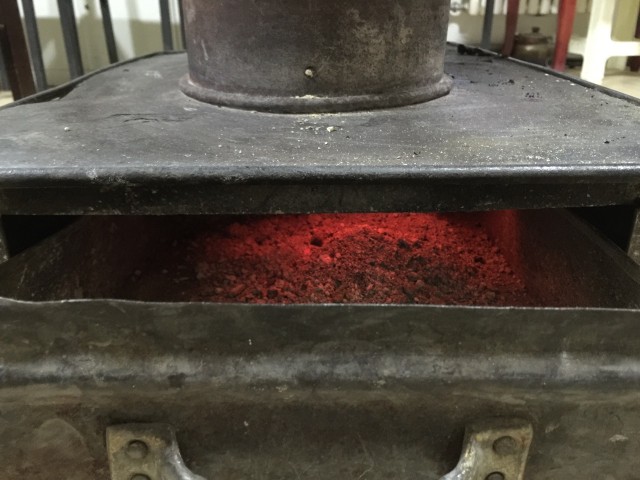
A house heated by wood or coal produced ashes continuously, and somebody carried them out daily or near enough – a routine, unavoidable, year-after-year chore that nobody thought about because it simply was the winter.
Nothing at all. A house with gas, oil, electric or heat pump heating produces no solid residue of any kind and the chore has no modern equivalent.
The volume is the part people underestimate. A house burning solid fuel through a cold month generates a serious quantity of ash by weight, every week, which had to be removed from the firebox, carried somewhere and put down – and that single physical fact created everything else on this list.
Like our content? Follow us for more.
2. There Was a Specific Bucket and a Specific Shovel
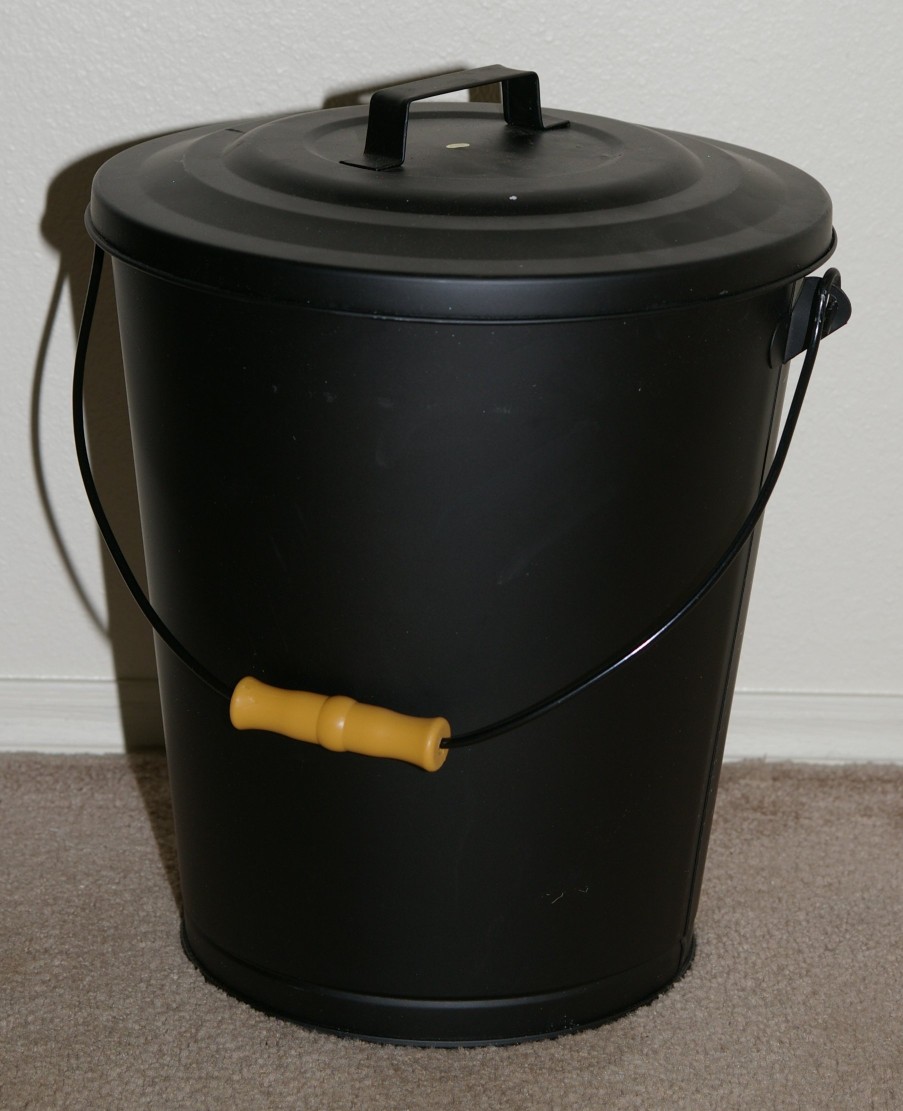
A galvanised ash bucket or a scuttle with a small flat shovel sat by the stove, used for nothing else, and was emptied on a route to a fixed place outside.
Gone, with ash buckets and scuttles now sold as decorative items and bought by people who have no ashes.
The dedicated bucket existed because ash is uniquely awkward to handle. It is light, extremely fine, holds heat for a long time after it looks cold, and will blow everywhere given any opportunity – which is why the bucket had a lid and why it was never used for anything else.
3. Wood Ash and Coal Ash Were Completely Different Materials
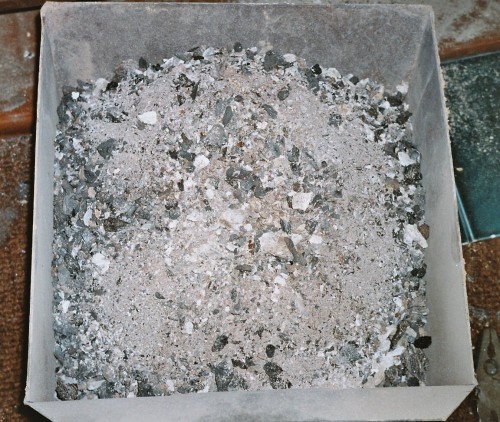
Households that burned both knew they were not interchangeable: wood ash was useful on the garden and in several household applications, and coal ash was used as fill, grit and surfacing and kept off the ground that grew anything.
The distinction has been lost along with the materials, and the word ashes now means nothing in particular to most people.
This is the most important thing on the list and the first thing to go. Those are not two grades of one substance; they are two chemically different materials with different compositions, different effects on soil and different handling – and a household in 1964 made that distinction automatically without necessarily being able to explain it.
4. Wood Ash Went on the Garden Because It Does Something
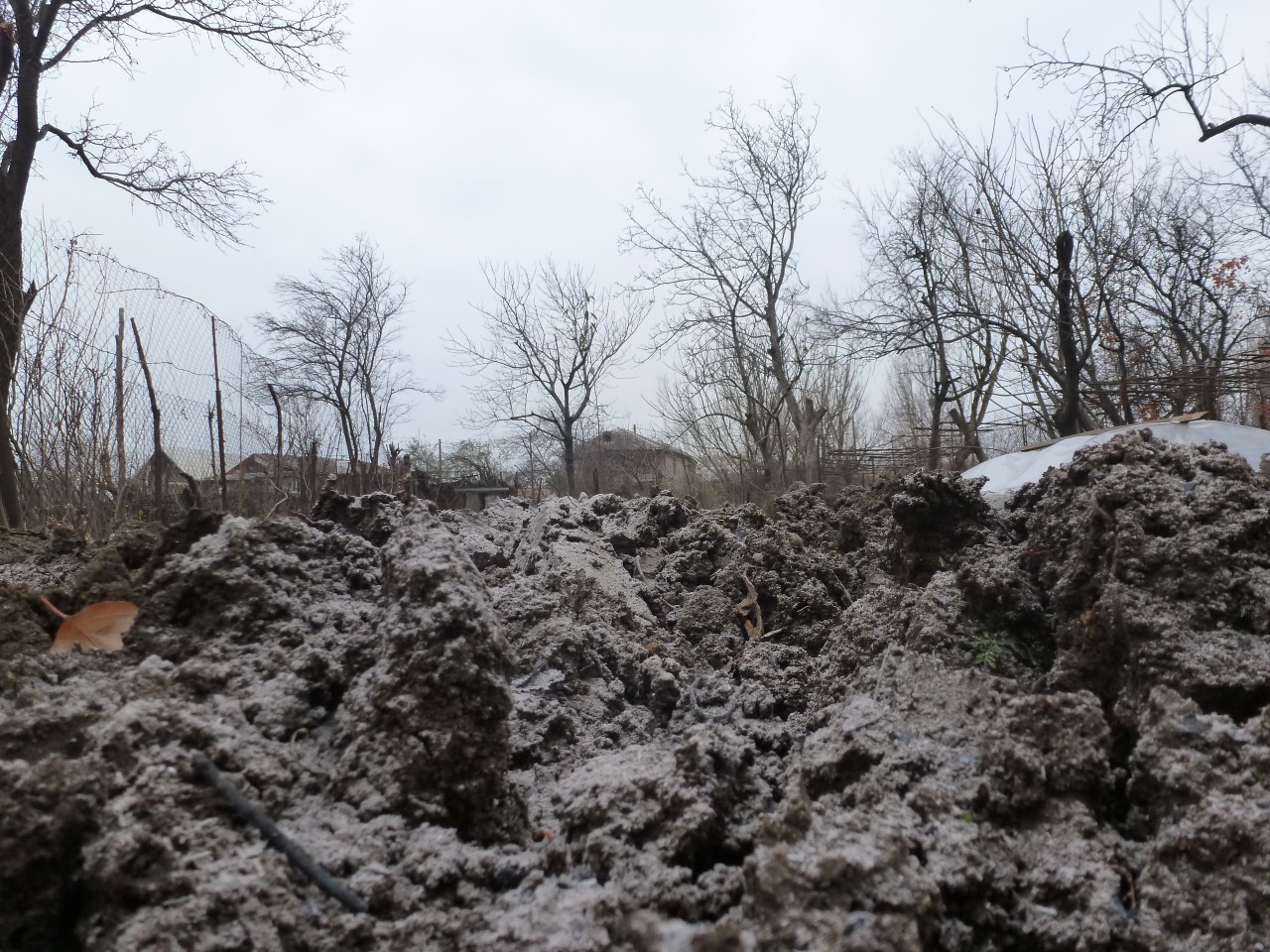
Wood ash was spread on garden ground as a soil amendment, and gardeners had firm opinions about where it helped, where it did harm and which plants resented it.
Still a recognised garden amendment, with current guidance on soil testing, application and the plants it does not suit – which is where anybody considering it should start.
The old practice had real knowledge inside it and real errors too. Wood ash genuinely alters soil chemistry and supplies certain nutrients, which is why it worked – and it is also easy to overdo with consequences that take years to correct, which is why this piece gives no amount, timing or method and points to current guidance instead.
5. Wood Ash Was the Starting Point for Soap
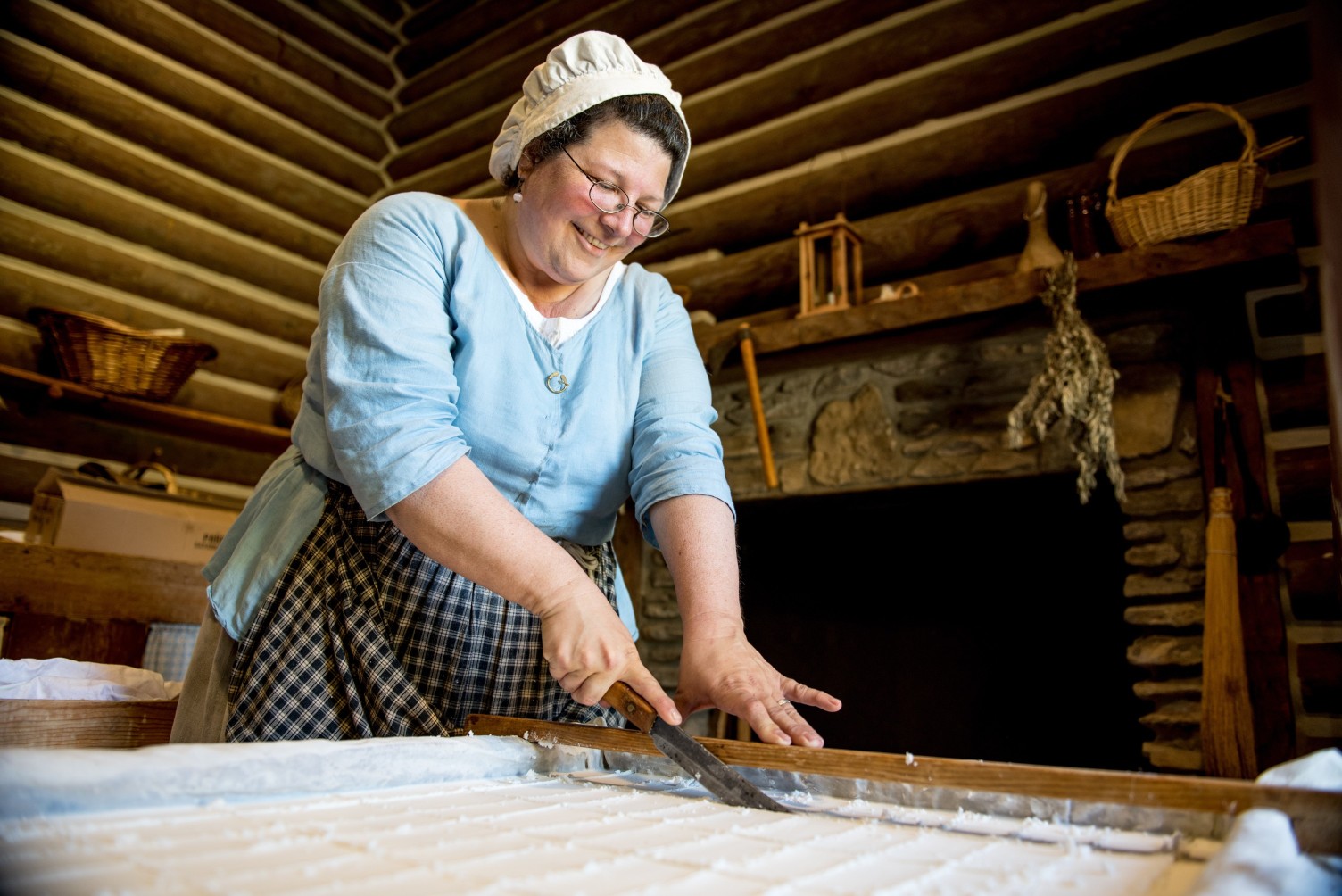
Before manufactured soap was universal, ash was the source of the alkali that soap-making required, and the knowledge of how to get it existed in ordinary households within living memory of 1964.
An entirely historical craft, practised deliberately by a small number of people from documented modern sources.
This piece names the fact and gives nothing else, and that is deliberate. The process involves a strongly caustic substance capable of causing serious injury, so no method, proportion, equipment or procedure appears here – the point being only that a household’s own fire residue sat at the base of something it would now buy.
6. Ash Went on the Ice and It Worked
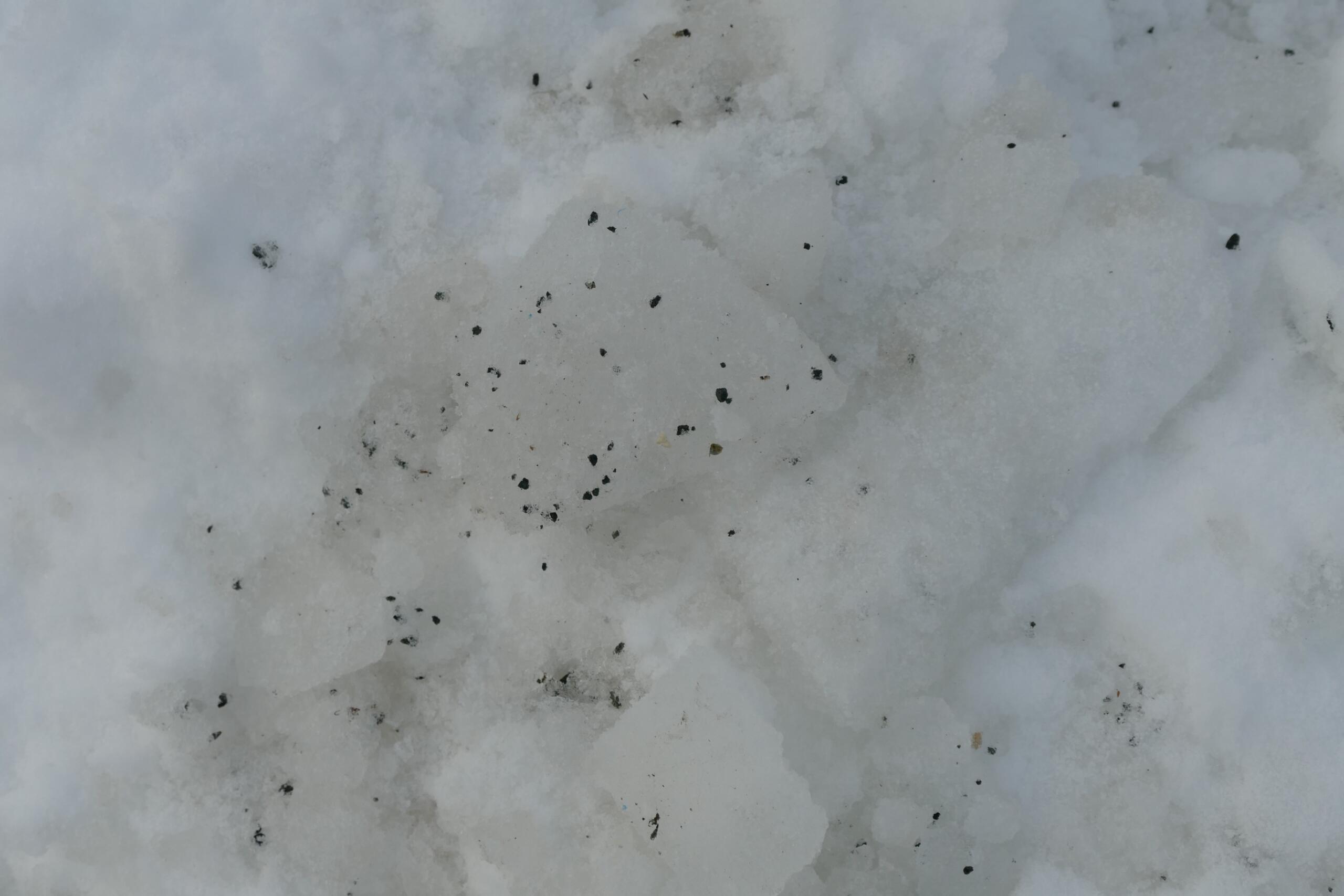
Spread on a frozen path, a step, a driveway or a hill the car could not climb, ash provided grit and traction – and the dark colour absorbed sun and helped the ice go.
Commercial ice melt, sand and grit, with far better performance and no mess tracked into the house.
The ice use is the one almost everybody over a certain age remembers and it was genuinely effective. It also tracked indoors on every boot, left grey smears on everything until spring, and in the case of coal ash put a material on paths and driveways that nobody would now choose – but on a frozen hill at six in the morning it was what there was.
7. Ash Went Into the Privy
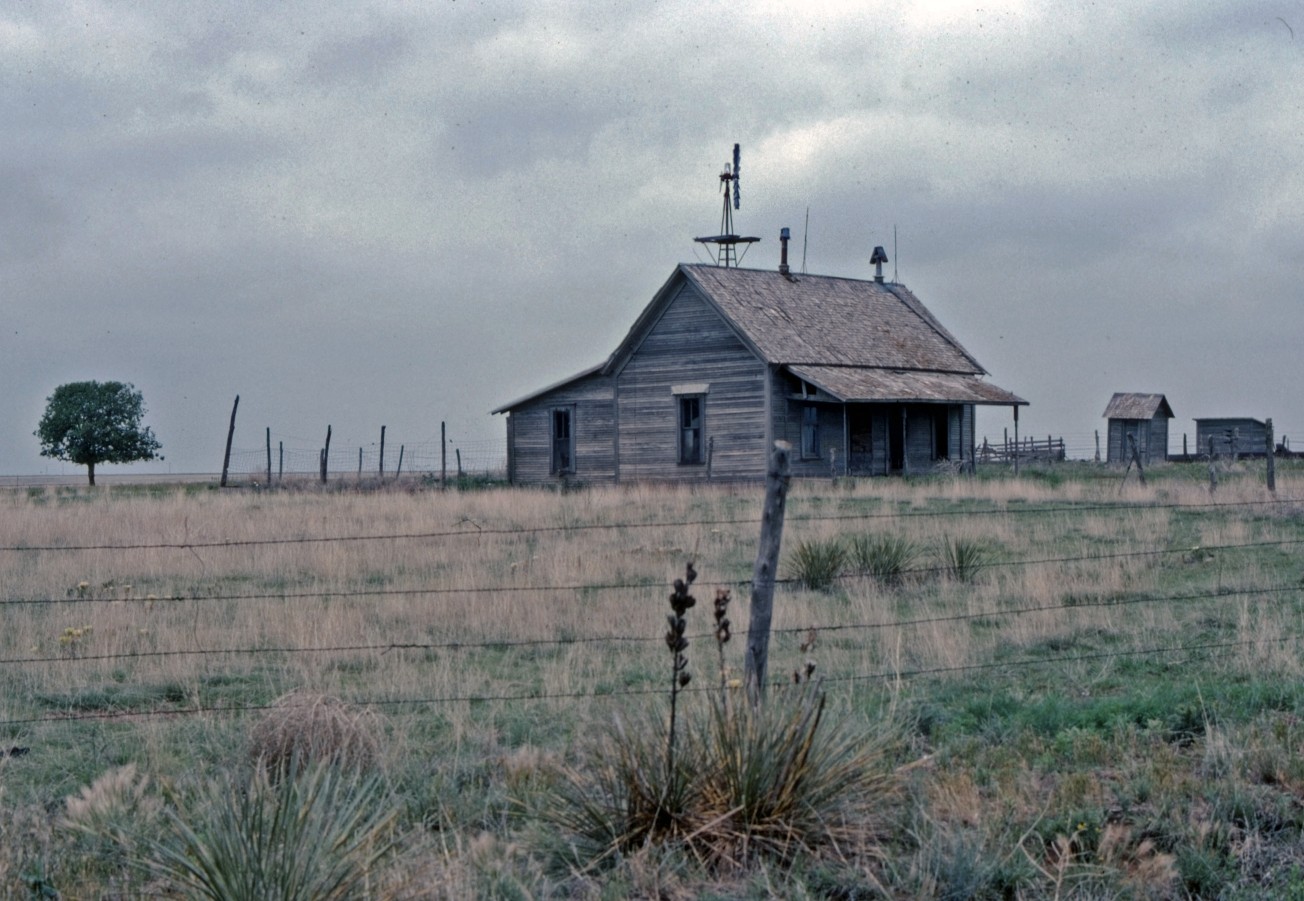
Where households still had an outdoor toilet, ash was thrown down it regularly – for odour, for dryness and because it was the material at hand in the quantity required.
Irrelevant, since indoor plumbing is universal and the practice has no application.
The pairing was practical rather than clever. A privy needs a dry absorbent material added regularly, a solid-fuel house produces exactly such a material daily in quantity for nothing, and the two facts met – with the result that two of the least discussed features of an old house were directly connected.
8. Ash Was a Scouring Material
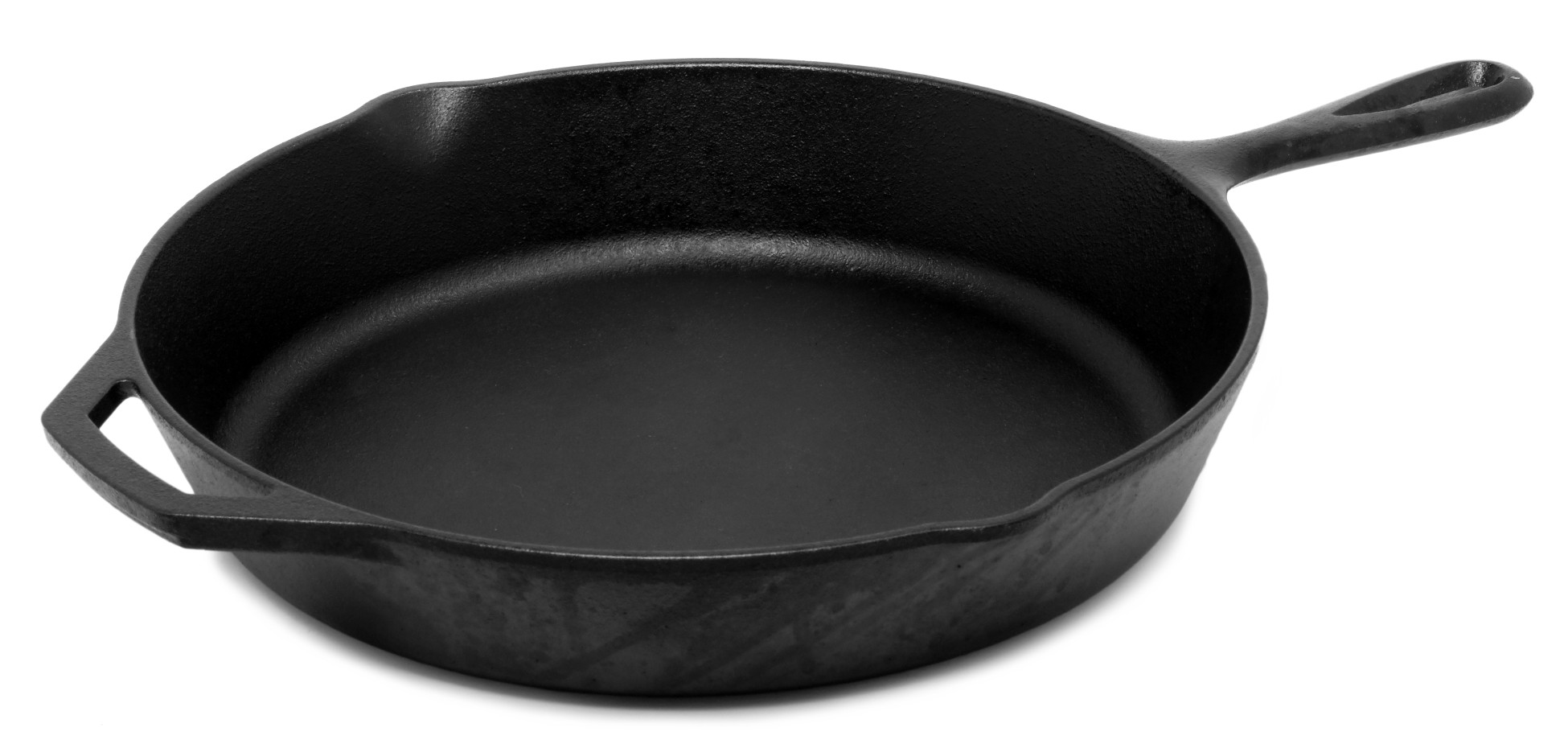
Fine wood ash, sometimes mixed with a little water, was used to scour pots, clean glass, polish metal and scrub surfaces that needed abrasion.
Manufactured cleaning products of every description, with nobody scouring anything with fire residue.
Ash works as an abrasive for straightforward physical reasons: it is a very fine hard powder, mildly alkaline in the case of wood, and free. That combination made it the default cleaning material in a household with little money long before anybody marketed a product for the purpose.
9. Ash Was Used Around Stored Vegetables
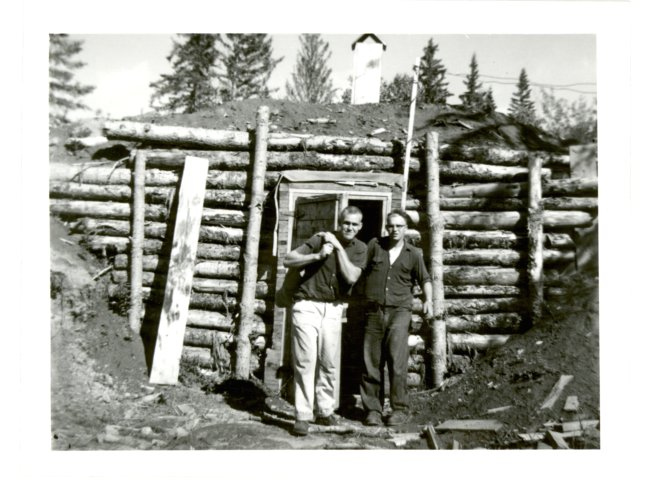
In cellars and pits, dry ash or ash and sand were used around and between stored root crops as a dry packing material that discouraged rot and kept things apart.
Controlled storage, refrigeration and purchased produce, with the practice surviving only among deliberate root-cellar keepers working from modern sources.
The reasoning was sound even where the practice was inconsistent. A packing material needs to be dry, cheap, available in volume and not attractive to anything that eats – and ash meets all four, which is why it turned up in cellars across an enormous range of households and climates.
10. Coal Ash Was Fill and Surfacing
Coal ash and cinders were dumped to make paths, fill ruts and holes, surface a lane, build up a low spot, bed a walk and provide a hard dry place to park.
Gravel, crushed stone and aggregate, with coal ash handled as a regulated waste stream in the industrial contexts where it still arises.
Using it as fill was obvious at the time and is the use that has aged worst. Coal ash was free, abundant, compacted hard, drained well and was right there – and the understanding of what it contains, and therefore of what it should be kept away from, came considerably later.
11. The Clinkers Were a Separate Problem
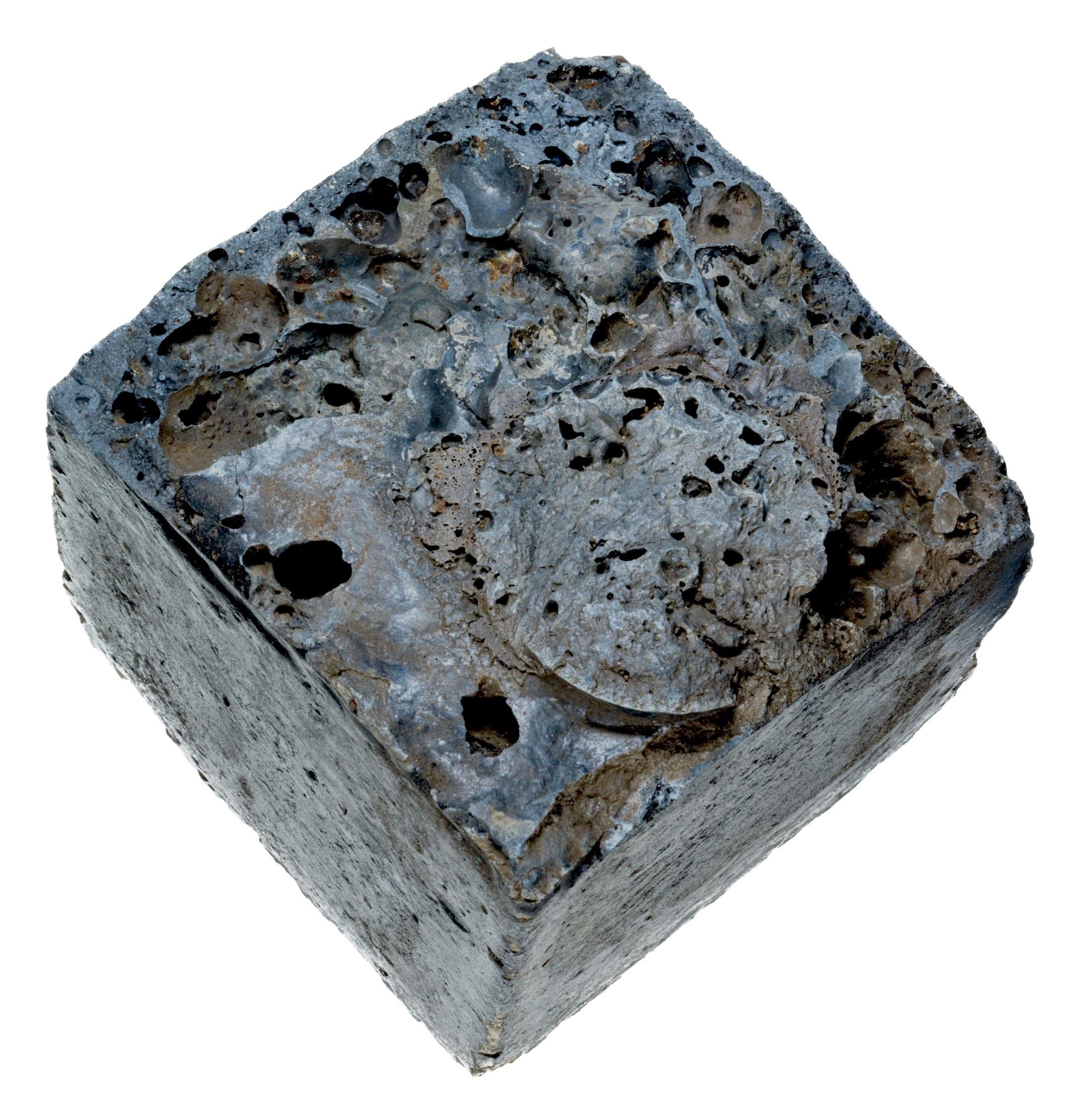
Coal burning produced clinkers – fused, glassy lumps of residue – which had to be broken up and raked out, would not pass through a grate, and were useless for most of the purposes ash served.
Gone, with the word clinker surviving mainly as a figure of speech whose origin almost nobody knows.
The clinker is the detail that gives away how much physical work a coal fire was. It was not a matter of sweeping out a soft powder – there were hard fused masses to break loose with a tool, every day, before the fire could draw properly.
12. The Ash Pile Had a Known Location and You Could See It
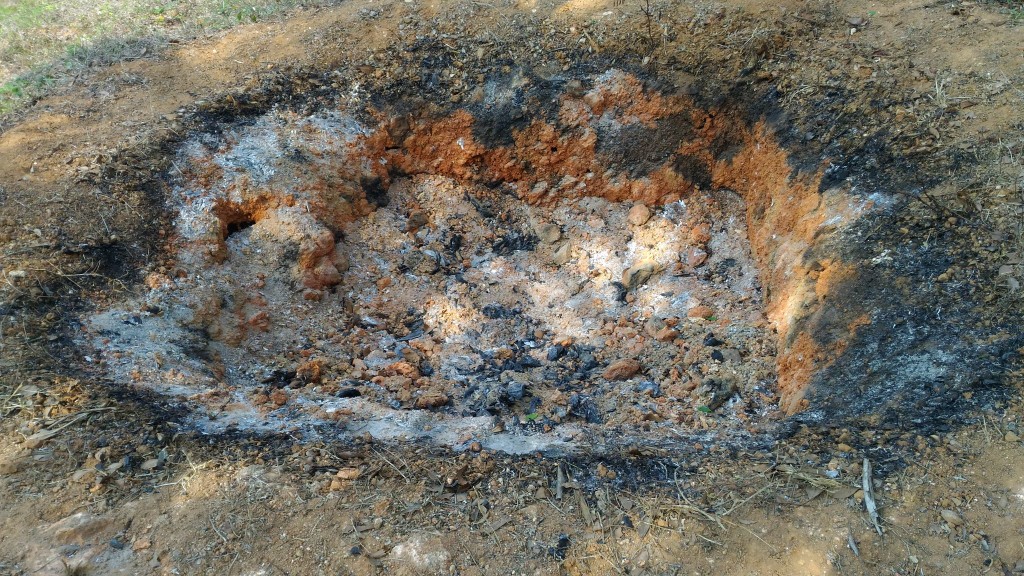
Every solid-fuel household had a place the ashes went – a corner of the lot, a bank, a hollow, the end of the lane – and it accumulated for decades into a visible grey feature that nothing much grew on.
Absent, though the piles themselves persist in a great many old properties, usually unidentified by whoever owns the place now.
Those piles are still out there and that is the genuinely interesting part. The grey patch at the back of an old property, the strip beside a drive where plants struggle, the hollow filled level with something that is not soil – a great many of them are a century of household heating, and the people who own them have no idea what they are looking at.
13. Spring Was When It All Got Dealt With
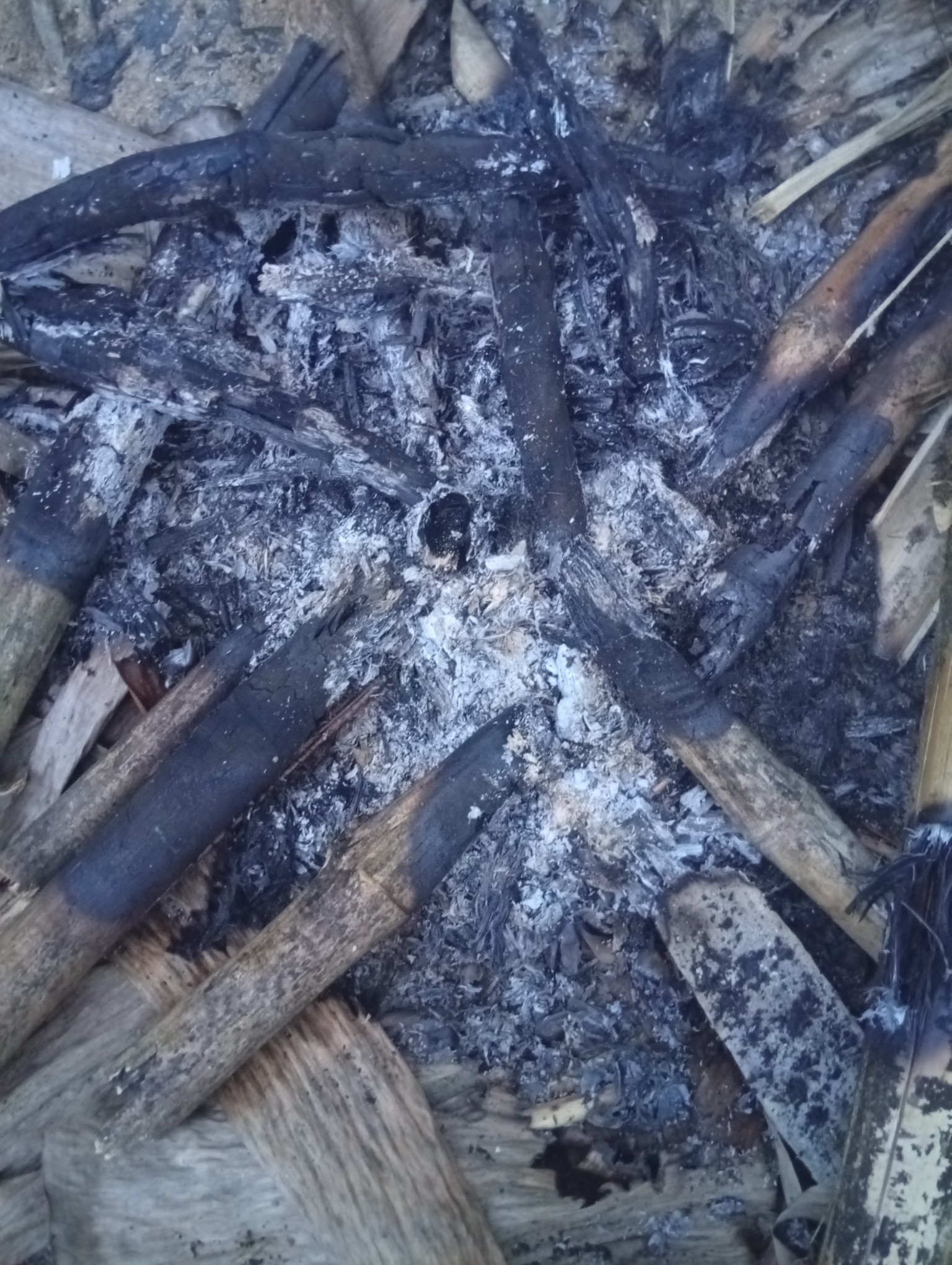
The accumulated winter ash got moved in spring – spread, hauled, dumped, worked into ground or levelled into a low place – as a standing seasonal job alongside everything else that happened when the weather broke.
No equivalent task exists.
The spring clearing is what kept it from becoming unmanageable and it was built into the year. A winter’s ash is a serious volume of material, it had to go somewhere before the next winter started producing more, and that meant a defined job in April that everybody simply knew was coming.
14. Then the Ash Stopped and the Knowledge Went With It
In 1964 a great many American households produced ten to thirty pounds of solid residue a day in winter, and had a working practical understanding – usually unspoken and sometimes wrong – of what the two kinds were and what each was good for.
Central heating that leaves nothing behind, and a complete loss of the distinction between the materials, including the knowledge of what should not be done with one of them.
And what is interesting here is which half of the knowledge turned out to matter. The useful half has held up: wood ash is still a legitimate soil amendment, still recognised for what it does to soil chemistry and what nutrients it supplies, and modern guidance on it is detailed and freely available – so a household in 1964 spreading wood ash on the garden was doing something defensible. The other half aged badly. Coal ash, which households put on paths, in driveways, around walks, into low ground and on surfaces where children played, is now understood to concentrate metals and other constituents that were not being thought about at all – which is why its large-scale disposal is a regulated matter and why no modern source recommends spreading it where anybody grows food or digs. The uncomfortable part is that nobody in 1964 was being careless. They were working from genuine experience with a material that behaved well: it was free, it compacted hard, it drained, it gave grip on ice, and nothing visible went wrong. The difference between then and now is not diligence but information, which arrived decades later. So the thing to take from it is not a method, and this piece deliberately gives none – no amount, no application, no procedure, no soap process, no advice about any ground. It is that a daily domestic by-product shaped a whole set of household practices, that those practices disappeared completely within one generation of central heating, and that if you own an old place with a grey patch at the back of it, it is worth knowing what that patch probably is and checking current guidance before you dig in it.
One Half of the Knowledge Held Up. The Other Half Did Not.
The most interesting thing about the ash pile is not what people did with it. It is that they were right about one of the two materials and wrong about the other, for reasons that had nothing to do with carelessness.
Start with the basic physical fact, because everything follows from it. A house heated by solid fuel through a cold winter produces a continuous daily output of solid residue – a real quantity, by weight, every single week, for months. It has to come out of the firebox, it has to be carried, and it has to be put down somewhere. That is not optional and there is no bin service coming for it. So a household facing that volume did the only sensible thing and found uses for it, and the uses they found were genuinely clever: traction on ice, abrasive for scouring, dry packing for stored roots, odour and dryness control in a privy, fill for ruts, surfacing for a lane, amendment for garden ground, and the alkali base for soap.
Now separate the two materials, because they are not the same thing and the households knew it.
Wood ash holds up. It is a legitimate soil amendment, it genuinely alters soil chemistry, it supplies certain plant nutrients, and current guidance on its use is detailed, specific and freely available from the same kinds of institutions that were publishing about it then. A gardener in 1964 spreading wood ash on a vegetable patch was doing something defensible, and a gardener doing it now – working from modern guidance on soil testing, amounts and the plants that resent it – is doing something recognised. The old practice had real errors inside it, mostly of quantity, because the effects are easy to overshoot and take years to correct. But the core of it was sound.
Coal ash aged very differently.
Households put coal ash and cinders on paths, in driveways, under parked cars, around walks, into low spots and across yards where children played. It was an excellent material by every criterion anybody was applying: free, abundant, right there, compacted hard, drained well, gave grip. Nothing visible went wrong, ever, which is exactly the problem with it.
Coal ash is now understood to concentrate metals and other constituents that nobody in 1964 was thinking about, which is why its disposal at scale is a regulated matter and why no modern source recommends spreading it where food grows or where ground gets dug. That understanding arrived decades after the practice, through work nobody in a 1964 kitchen had any access to.
And that is the part worth sitting with, because it is not a story about people being reckless. They were working from the best evidence available to them, which was direct physical experience of a material that performed well and caused no observable harm. The difference between then and now is information, not diligence. Anybody would have done the same.
Which is also why this piece gives no methods. No amounts, no application rates, no timing, no soap process, no advice about any particular ground – the soap chemistry alone involves a strongly caustic substance capable of serious injury, and the garden question depends entirely on what your soil is already doing. All of that properly belongs to current authoritative guidance, which exists, is free, and is considerably better than anything a household had then.
The one genuinely practical thing to take away is about property rather than practice.
Those piles are still there. A great many old American houses have a grey patch at the back of the lot where nothing much grows, or a strip beside the drive where plants struggle, or a hollow that got filled level with something that is not soil. That is frequently a century of household heating, sitting exactly where it was put, and the people who own it now generally have no idea what they are looking at.
Which seems worth knowing before anybody puts a vegetable bed on it.
If you carried the ash bucket out as a child, you remember that it was heavier than it looked and that it was still warm.
And there is a grey place at the back of your grandparents’ property that nobody ever explained.
Like our content? Follow us for more.