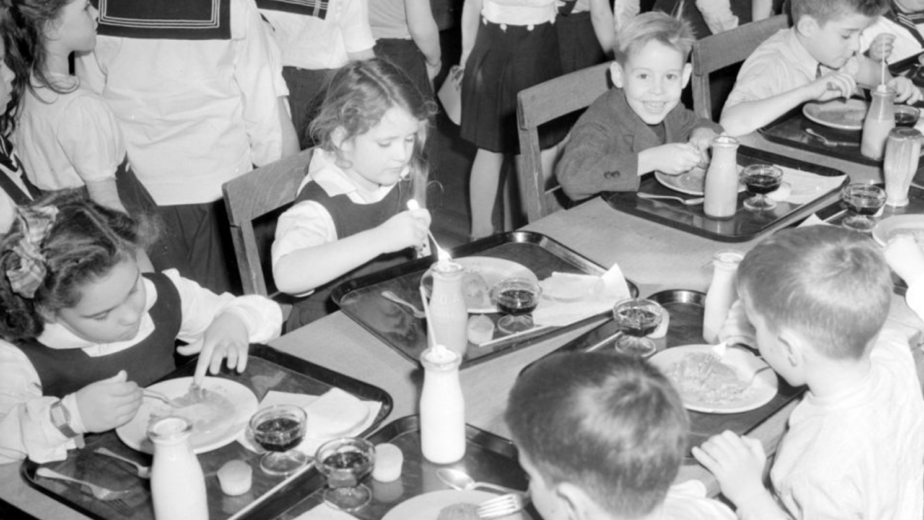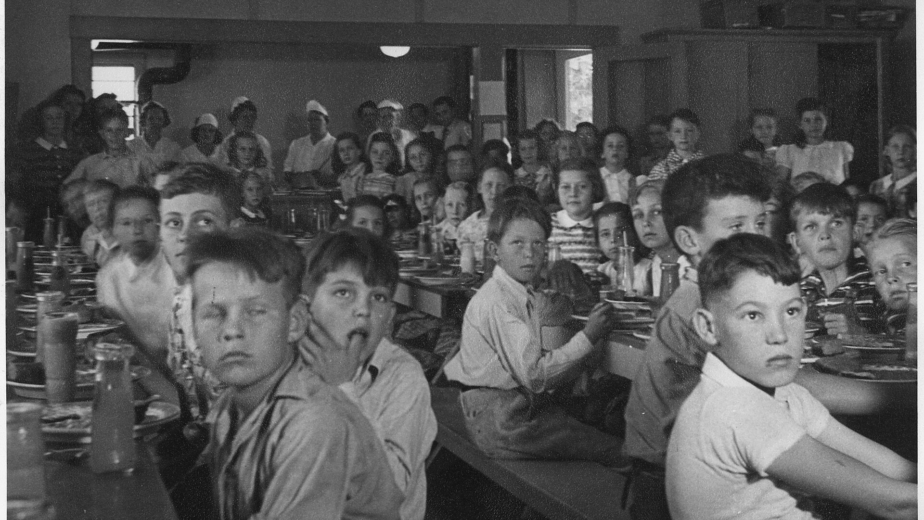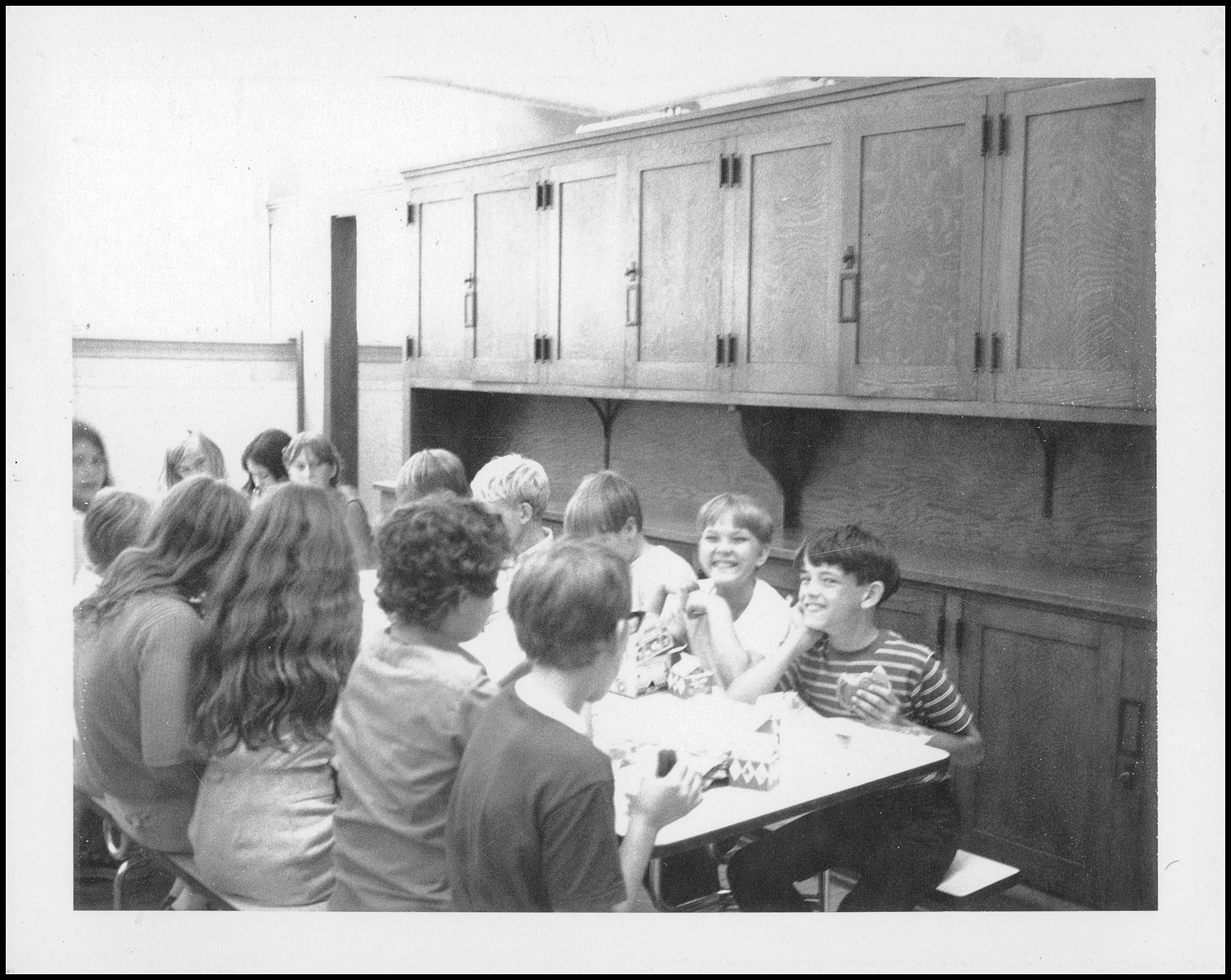
In 1966 the contents of a child’s lunch were decided by an adult at home, in the morning, with no consultation. Thirty children consequently arrived in one room each holding something they had not chosen and each wanting something somebody else was holding, and what followed every day for twenty minutes was a functioning market with stable prices, a currency, a credit rule, a reputational system and a hard close. Nobody taught any of it and no adult knew the half of it. Here are sixteen things every class did at the lunch table in 1966, and why identical trays ended the whole thing overnight. The rates were the striking part. Nobody had ever negotiated a schedule of values, and yet any two children in the room would have agreed on what was worth more than what, and the figures held from September to December without revision. What set them was not taste but supply: an item in twenty lunches was worth almost nothing even when everybody liked it, and an item in one was worth a great deal even when it was only moderately good. Nine-year-olds were operating on that principle daily without any instruction and without a word for it.
1. Nobody Chose What Was in Their Own Lunch
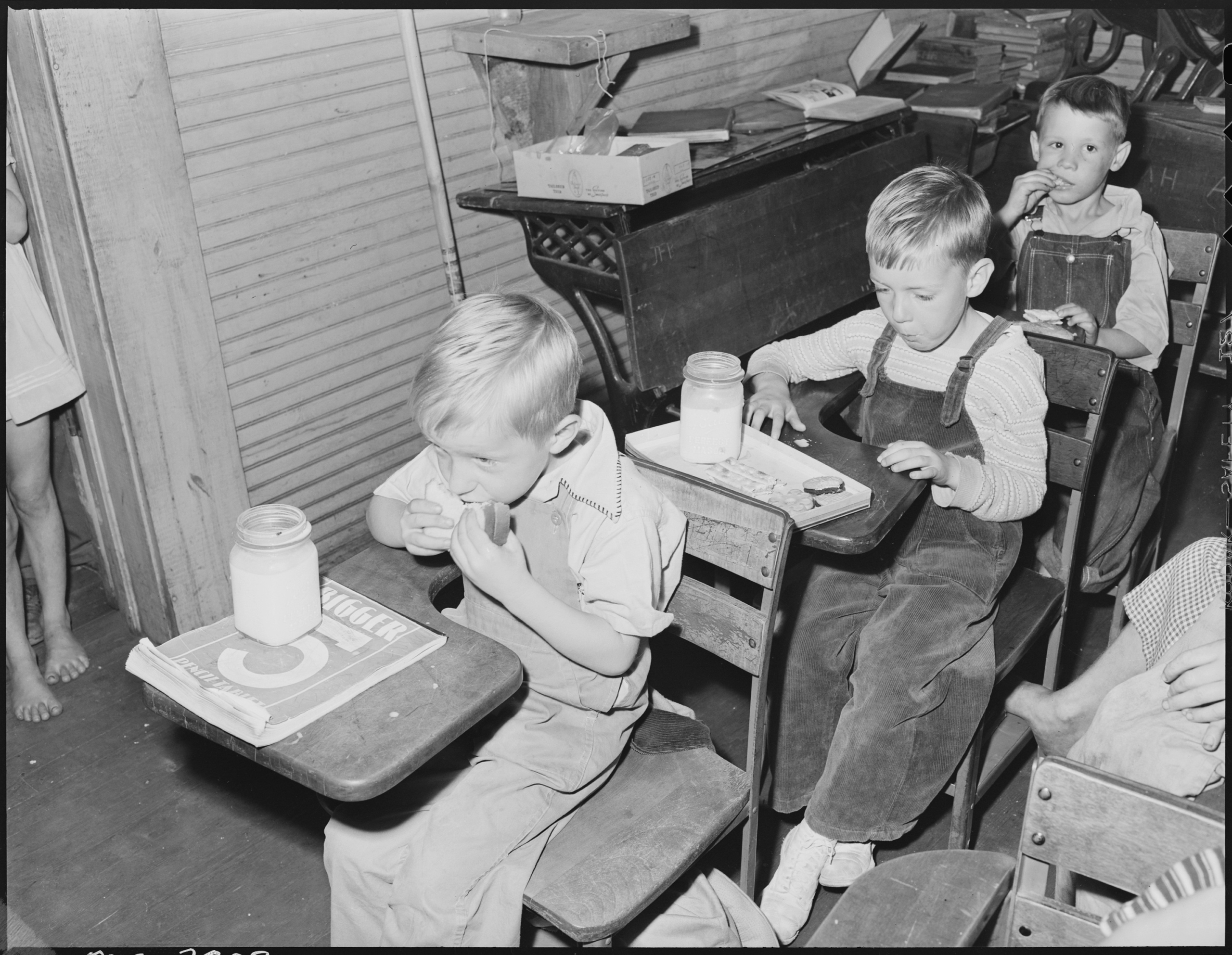
The contents were decided by an adult at home, in the morning, without consultation, and the child found out when they opened it.
That single fact creates the entire market. A room of thirty children each holding something they did not select, and each wanting something somebody else is holding, is a textbook case for exchange, and the exchange began the moment the lids came off.
The adults had no idea any of this was happening. A parent packing a lunch believed they were feeding their own child, and in a substantial proportion of cases they were feeding somebody three seats along.
Like our content? Follow us for more.
2. Every Item Had a Price and Everybody Knew It
A stable set of relative values existed across the whole room, was never written down and was understood identically by everybody.
The consistency is the remarkable part. Nobody had negotiated a schedule of rates, and yet any two children in the room would have agreed on what was worth more than what, which is a functioning price system arrived at by nothing but repetition.
The values held for a whole term. A rate that was established in September was still being used in December, and a child who tried to trade outside it was simply refused.
3. Scarcity Set the Rates Rather Than Taste
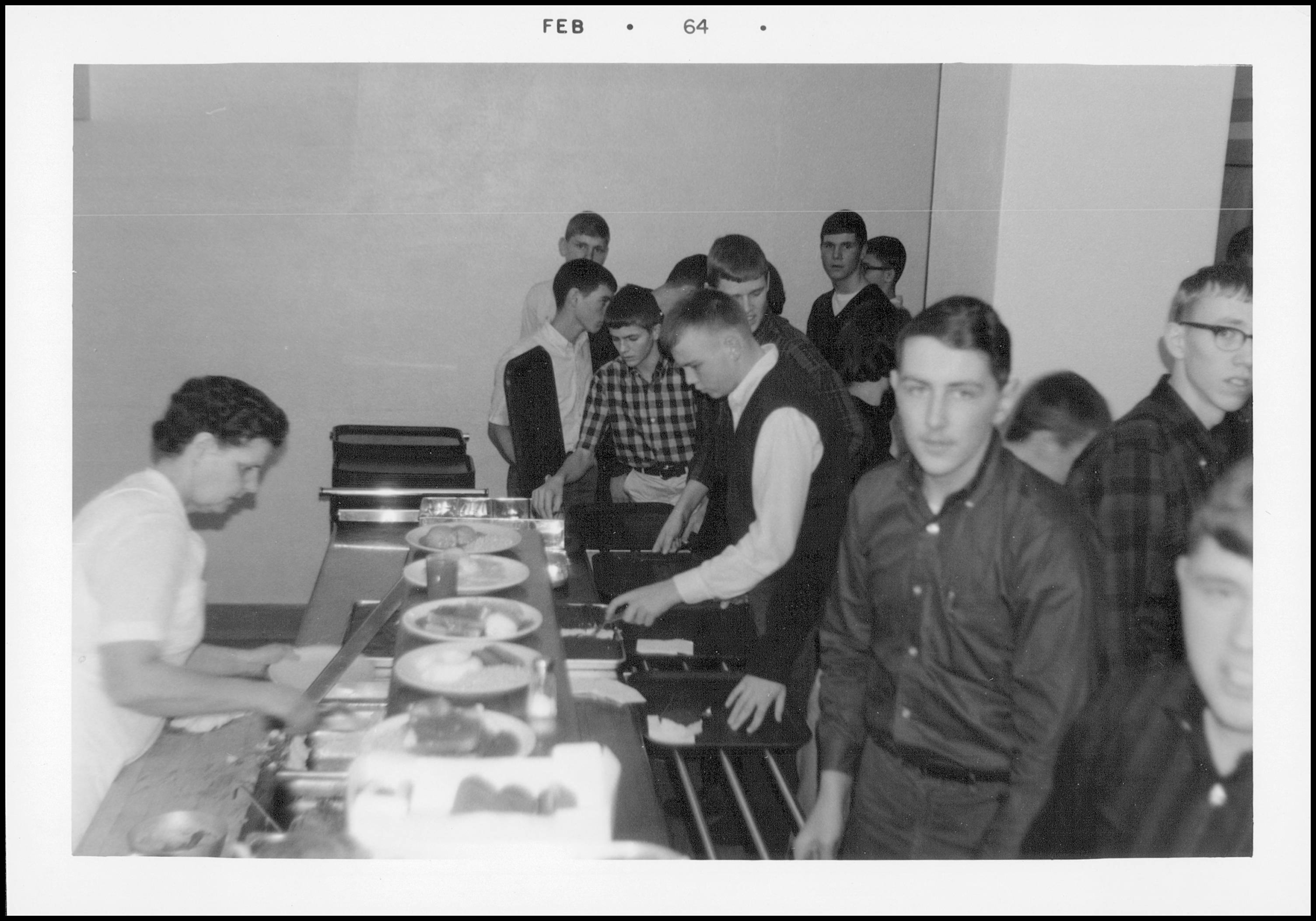
What was expensive was whatever only two or three households supplied, regardless of whether anybody actually liked it.
The market behaved exactly as a market does. An item that appeared in twenty lunches was worth almost nothing even if everybody enjoyed it, and something that appeared in one was worth a great deal even if it was only moderately good.
Children discovered this without any instruction. A nine-year-old who had worked out that the value of their lunch depended on what everybody else had rather than on what they had was working with a concept nobody had taught them.
4. The Fruit Was the Universal Currency Nobody Wanted
Almost every lunch contained one, almost nobody wanted theirs, and it therefore functioned as the small change of the entire system.
Its position was unique and slightly comic. An item in near-universal supply and near-universal low demand cannot command anything on its own, but it can be added to a trade to balance it, which is precisely what money does.
It was also the thing that went home uneaten. A great many of these items completed a full circuit from a kitchen to a school and back without ever being opened, several times, until somebody noticed.
5. The Sweet Item Was the Thing Everything Was Measured Against
Whatever a household had included as the treat was the high-value item, and the whole scale was calibrated from it.
The anchoring effect is what made valuations possible. A market needs a reference point, and a single category that every child wanted and only some received supplied one, which is why everything else was priced in relation to it.
Its presence or absence structured a child’s whole position. A lunch containing one made its owner solvent for the day, and a lunch without one made its owner a buyer rather than a seller.
6. Some Children Were Rich Every Single Day
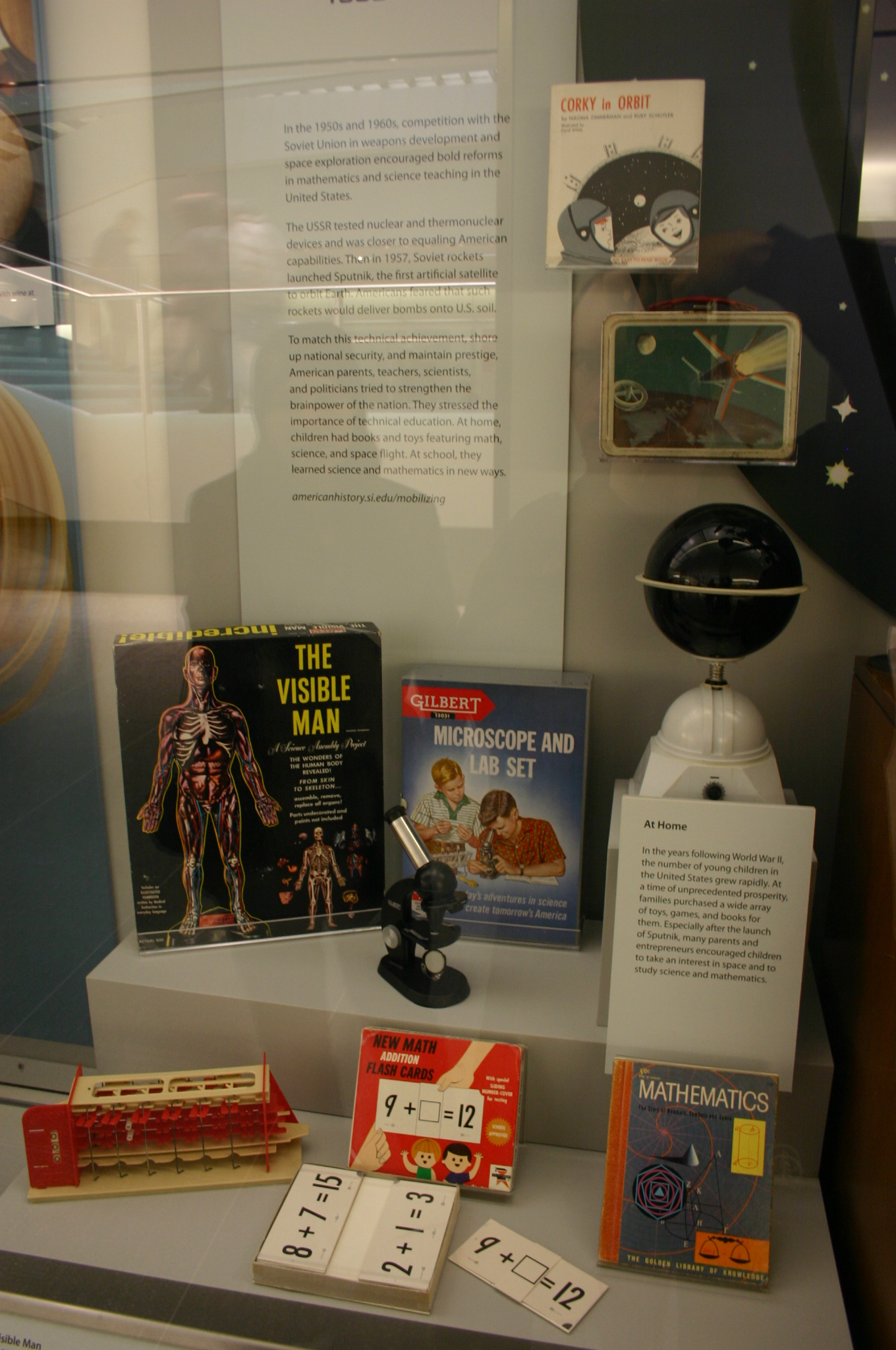
A household that consistently supplied high-value items produced a child who could trade for whatever they wanted all term.
The consistency rather than the generosity was what mattered. A lunch that was occasionally impressive produced an occasionally advantaged child, while one that was reliably well stocked produced somebody with a permanent position in the room.
Nobody involved understood where the advantage came from. A child trading from a strong hand believed they were good at trading, and a child trading from a weak one believed they were bad at it, and neither was correct.
7. Some Children Never Traded at All
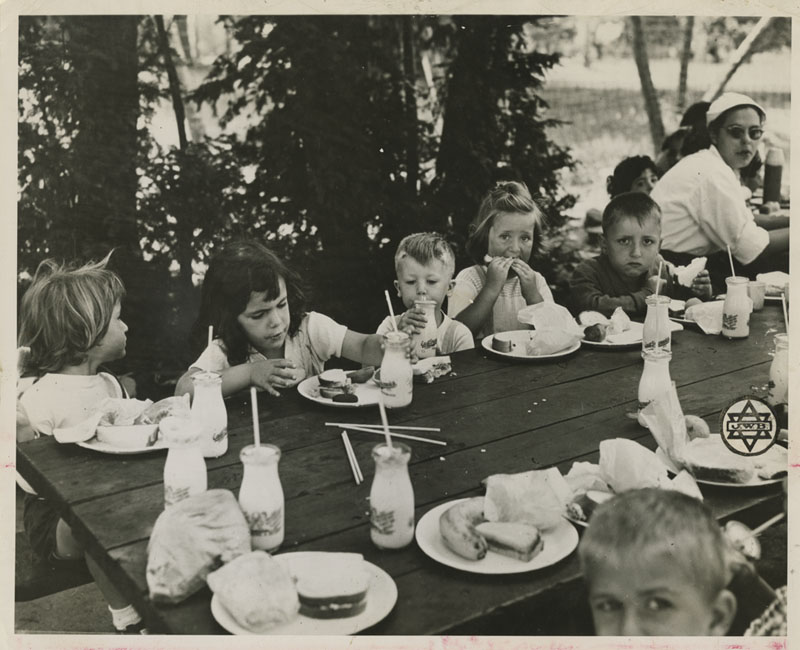
A proportion of the room took no part, and the reasons varied and were not discussed by anybody.
The abstention is the part of the subject that requires care rather than amusement. A child who did not trade may have had nothing to trade, may have been told not to, may have had restrictions on what they could eat, or may simply have liked their own lunch.
Nobody asked. The market operated around them without comment, which is in its own way the kindest available arrangement, and the children concerned were neither pressed to join nor remarked upon for staying out.
8. The Teacher Knew and Mostly Allowed It
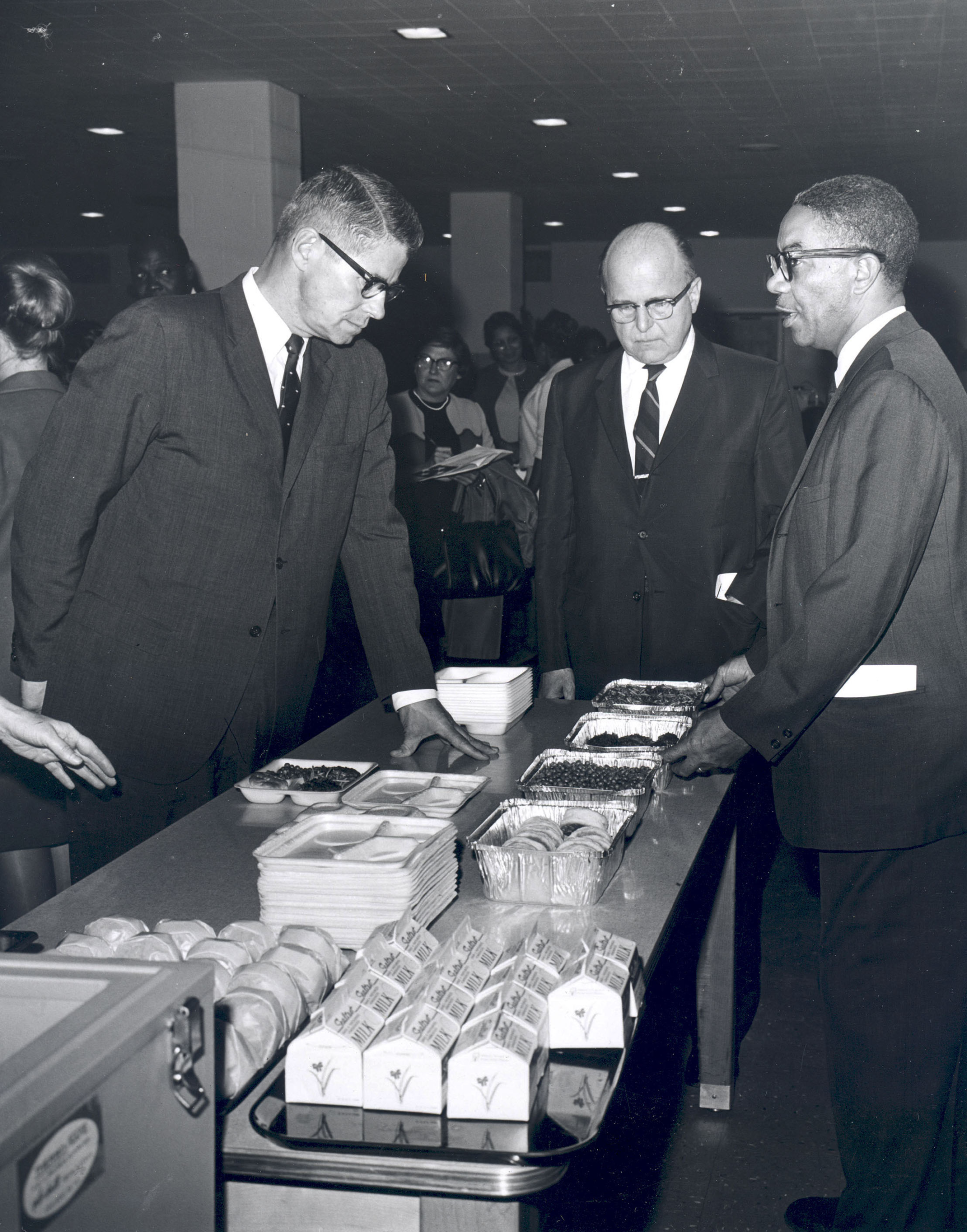
Trading happened in plain sight at a supervised table, and the adults present chose not to intervene.
The tolerance was deliberate rather than inattentive. An adult watching a room of children conduct an orderly exchange with no arguments and no raised voices has very little reason to stop it.
Intervention happened on specific grounds. A child who had traded away everything, a trade that had produced tears or an exchange that looked one-sided would be reversed, and the reversal was the only rule anybody enforced.
9. A Trade Could Be Reversed and Almost Never Was
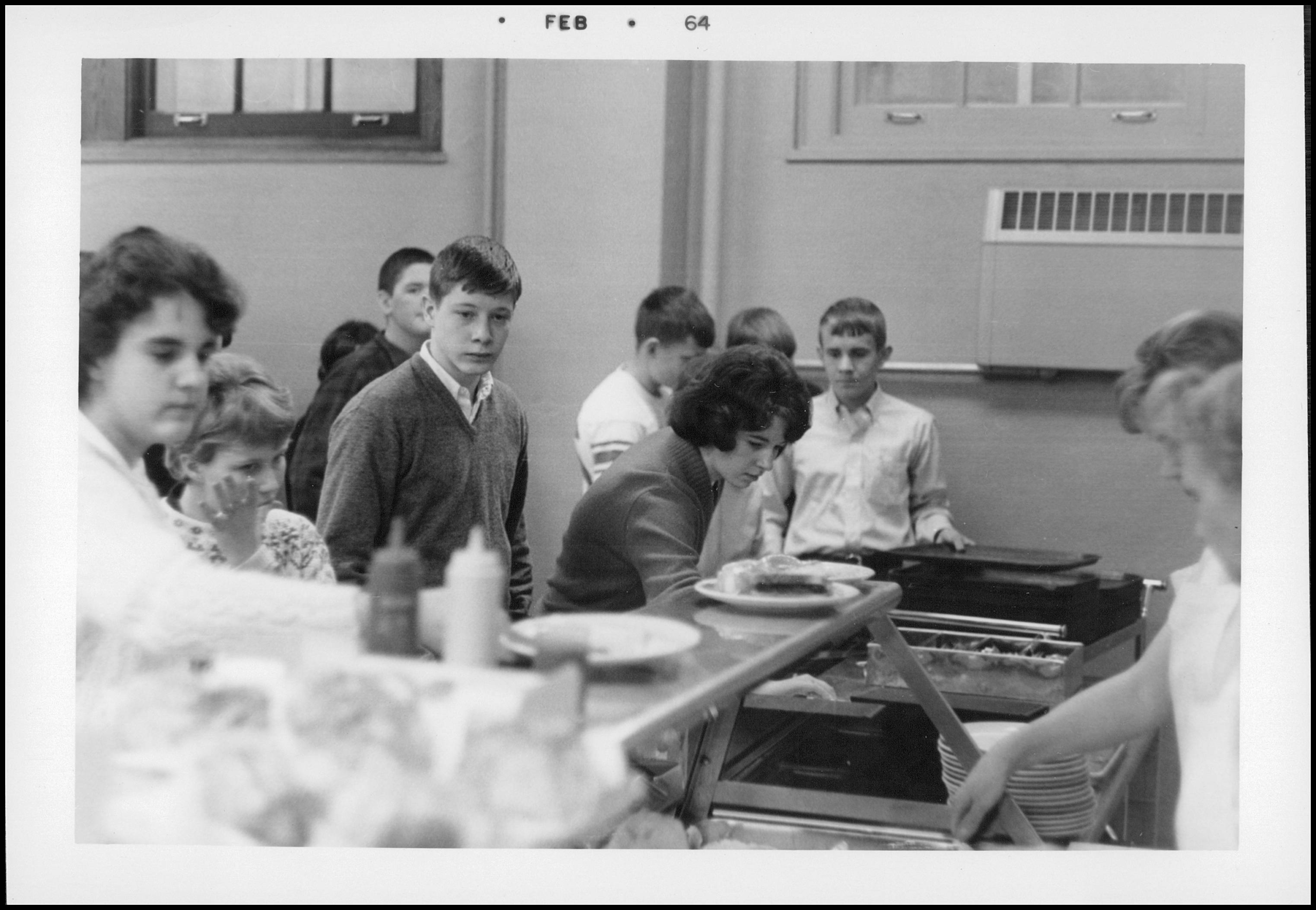
The convention permitted somebody to change their mind immediately, and the right was understood but rarely exercised.
The existence of the remedy is what kept the market honest. A system in which a bad deal can be undone within thirty seconds does not need an adjudicator, because nobody can be badly cheated, and the knowledge that it was available made it unnecessary.
Using it carried a cost. A child who reversed trades acquired a reputation and found their offers declined, which is a self-correcting mechanism nobody had to design.
10. Multi-Party Deals Were Constant and Entirely Verbal
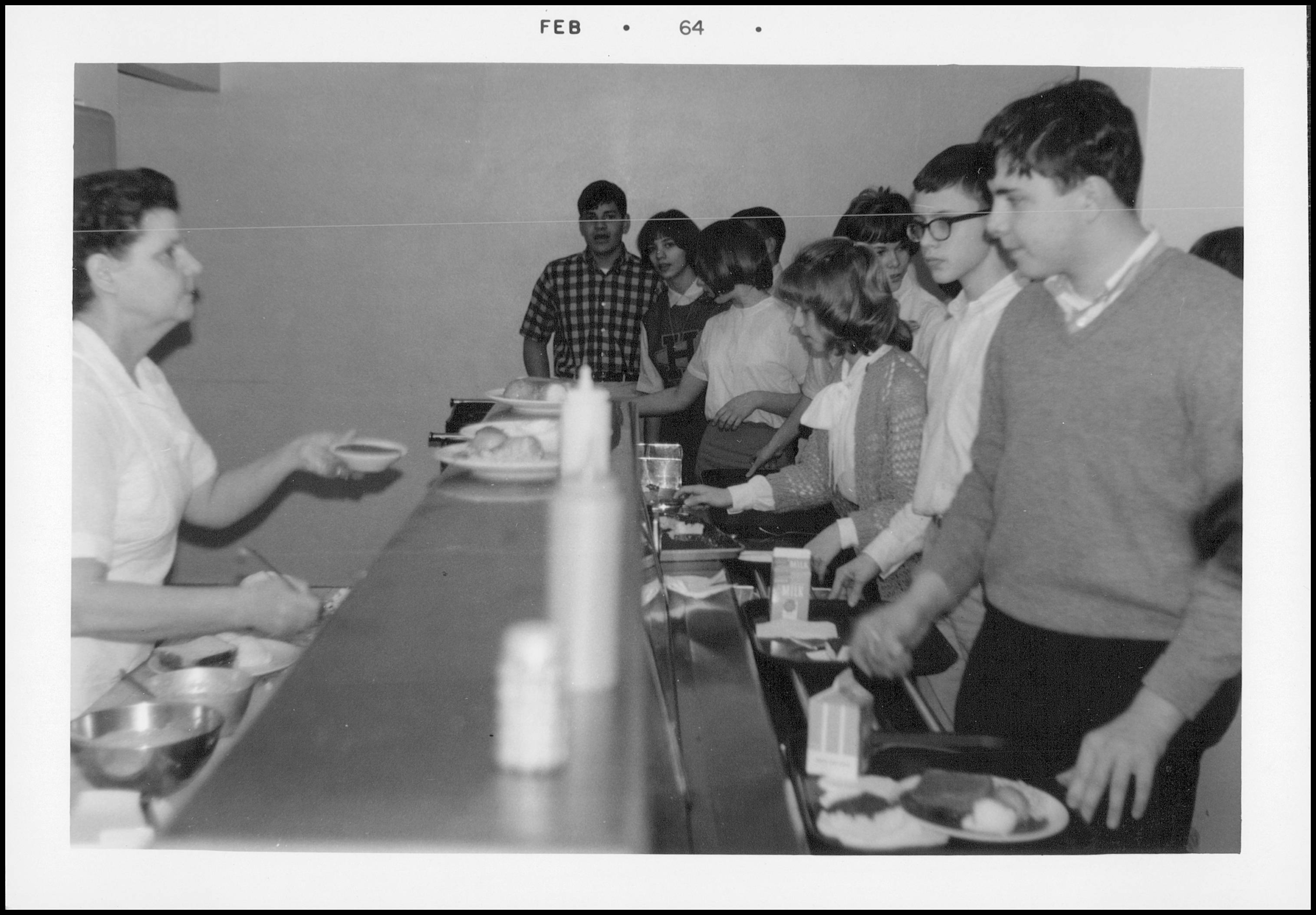
Three and four-way exchanges were negotiated across a table with nothing written down and nothing held as security.
The complexity achieved is genuinely impressive. A deal in which three children each give something to one person and receive something from another requires everybody to perform simultaneously, and the whole thing was held together by nothing but everybody watching.
11. Being Known as Straight Was Worth More Than Any Item
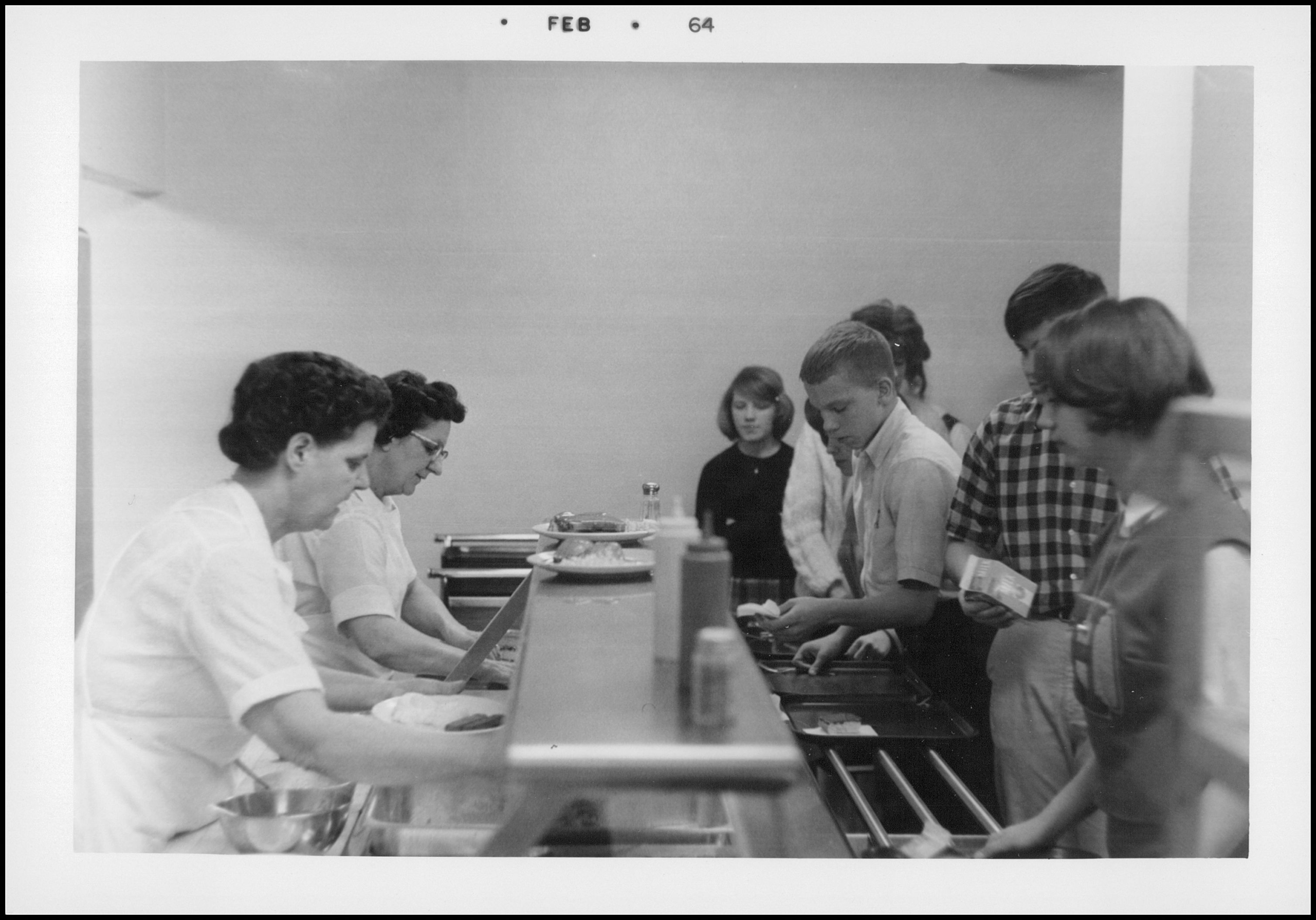
A child with a reputation for completing what they had agreed could trade on terms nobody else got.
The reputational economy ran alongside the material one and was considerably more valuable. Nothing a child carried in a lunch box was worth as much as being somebody whose word held, and the children with that standing knew it.
Losing it was almost impossible to recover from. One failure to hand something over was remembered for a year, and the rebuilding of a reputation in a room of thirty people who see each other daily took considerably longer than the offence warranted.
12. The Market Closed Abruptly Every Day
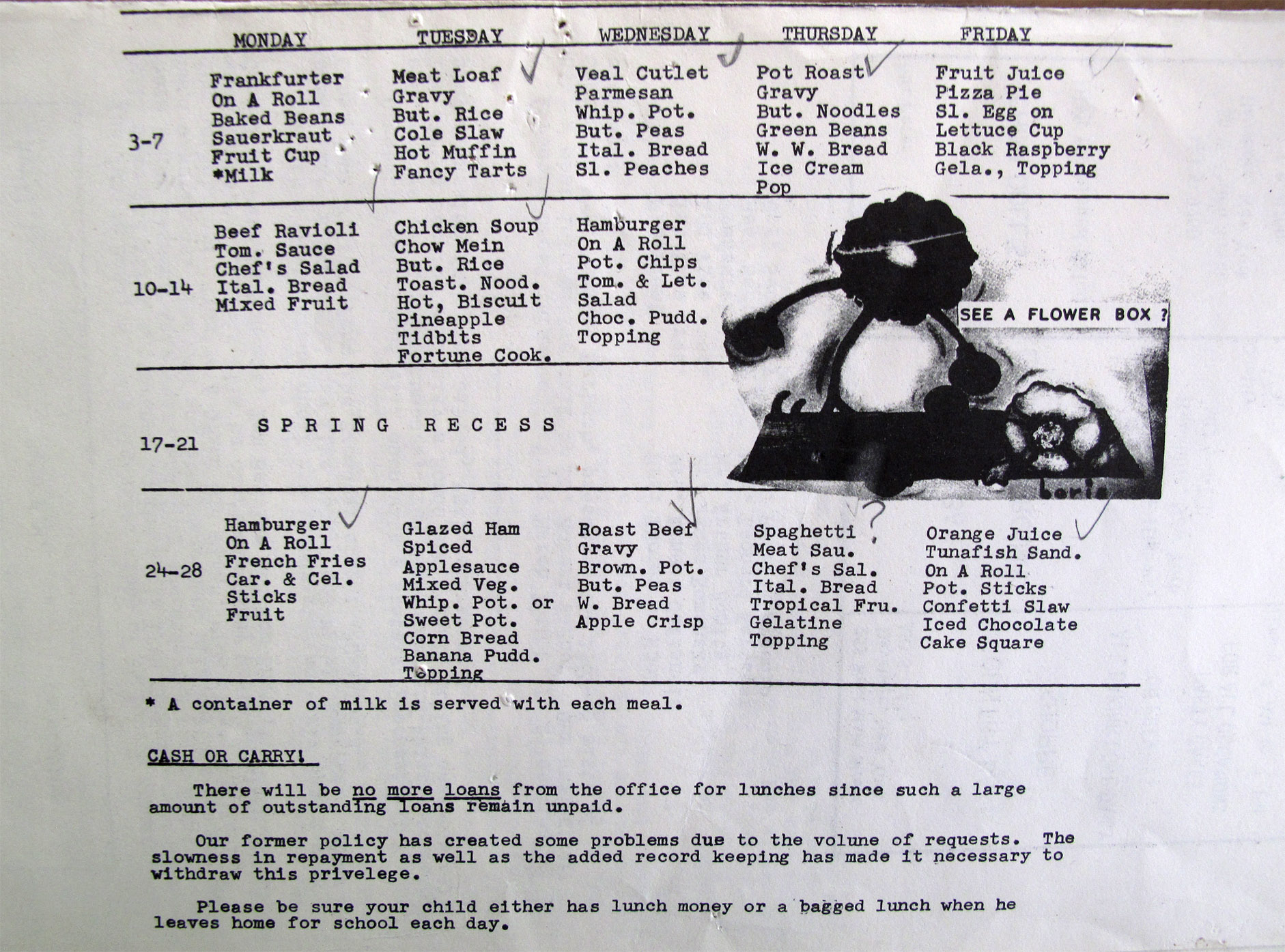
Everything had to be settled before the end of the period, which produced a rush at the finish.
The deadline shaped the whole session. A market with a hard close concentrates its activity at the end, and the final two minutes contained a disproportionate share of the day’s deals and almost all of its bad ones.
Nothing carried over. A deal agreed and not completed was void by the next day, which meant the entire economy reset every twenty-four hours and nobody could accumulate anything.
13. Younger Children Were Routinely Fleeced
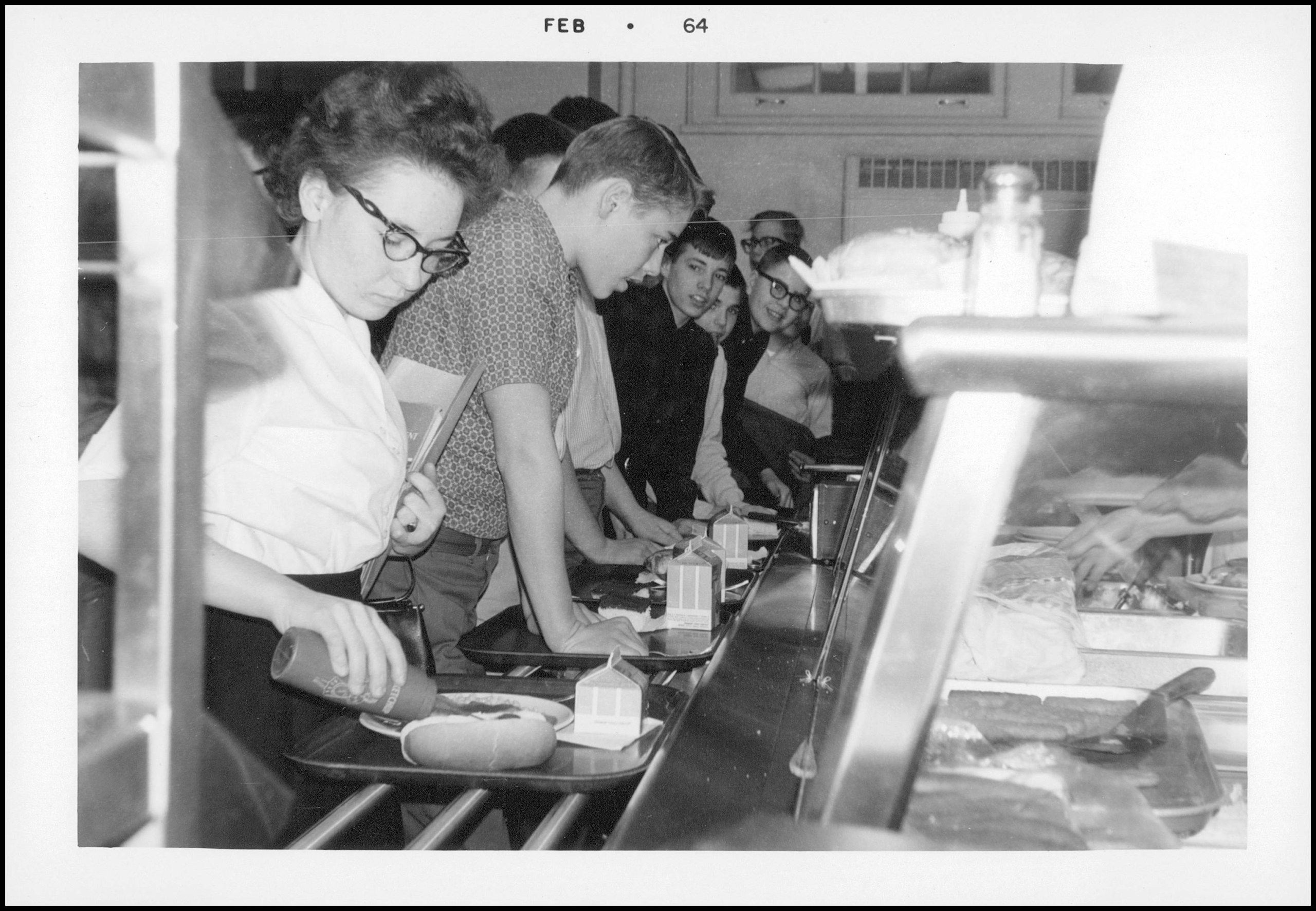
A five-year-old trading with an eight-year-old was not getting a fair price, and everybody at the table could see it.
The exploitation was mild, universal and self-limiting. A younger child who had been badly treated declined to trade with that person again, which is a correction that arrives within about two days and requires no adult at all.
The older children policed it inconsistently. A grossly unfair trade would be stopped by somebody senior, which suggests the room had a rough sense of fairness it applied unevenly and only when something was egregious.
14. The Whole Thing Was an Education in Exchange
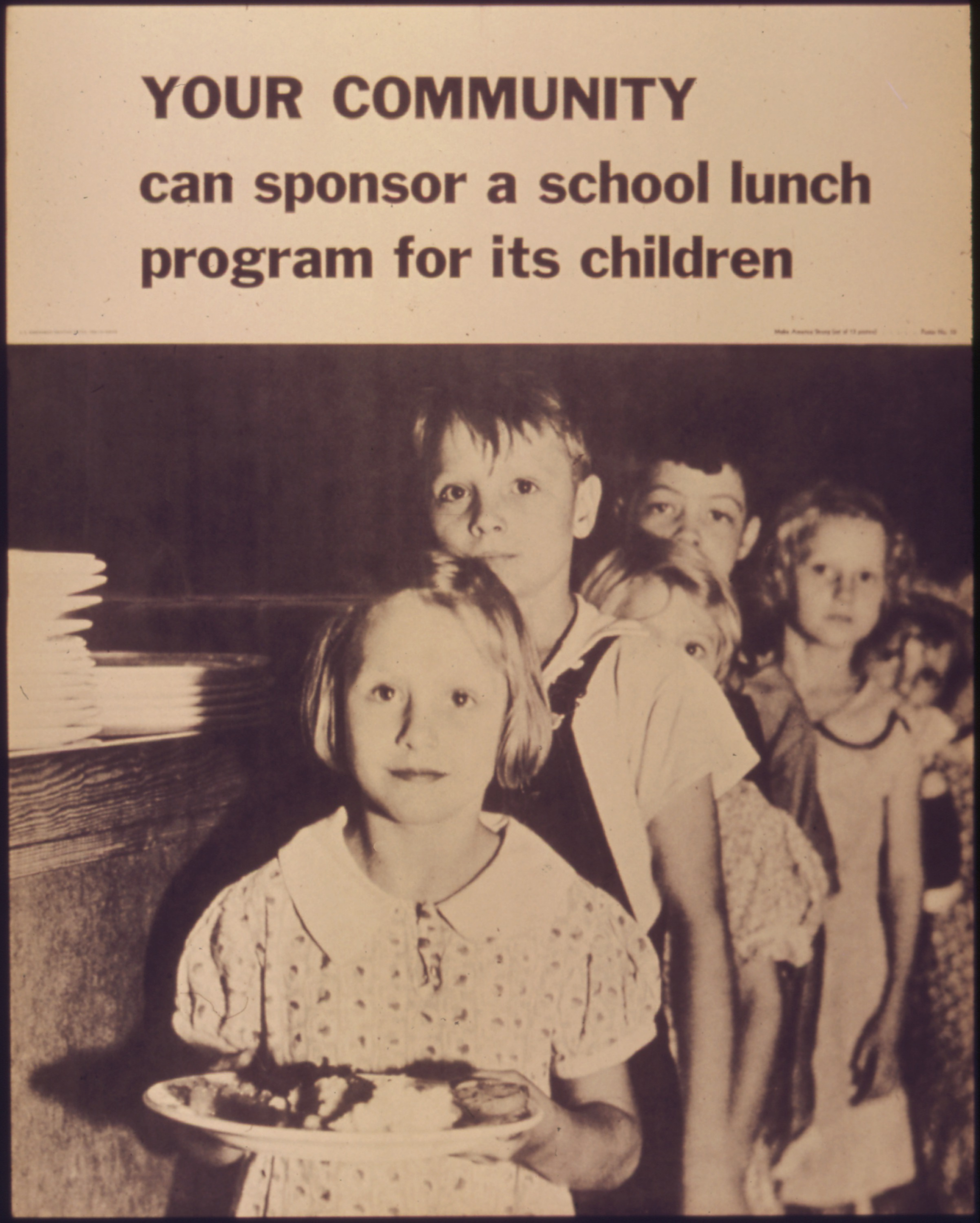
Relative value, scarcity, reputation, credit, enforcement and the cost of a bad deal were all encountered before anybody could do long division.
Nobody described it that way and nobody taught any of it. A child who had learned that an abundant item cannot command a scarce one, that a reputation is an asset and that a market with a reset has no credit in it had acquired a working model of exchange from a lunch box.
The lesson was more durable than the formal version. A great many people who could not define a single economic term can still describe exactly what their lunch was worth in 1966 and why.
15. Parents Found Out Eventually and Reacted Variously
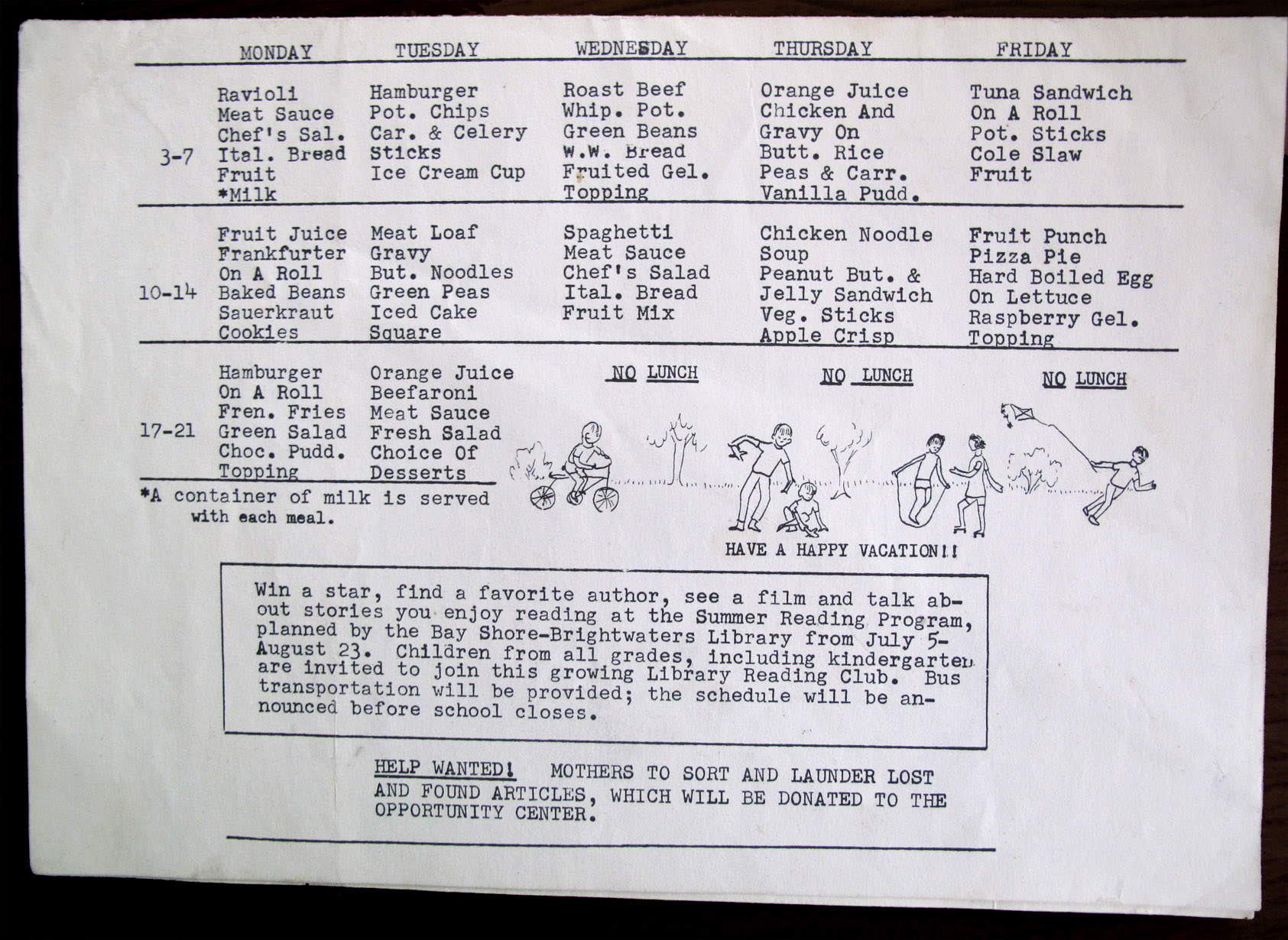
A household that discovered its child had traded away the lunch it had packed took the news differently depending on the household.
The discovery was usually accidental. A parent who learned what had been happening had been feeding somebody else’s child for a term, and the reaction ranged from amusement to a firm instruction that was obeyed for about four days.
Nothing any household did stopped it. A rule against trading is unenforceable at a distance of two miles, and the market simply continued with one participant operating slightly more discreetly.
16. Then the Lunch Stopped Coming From Home
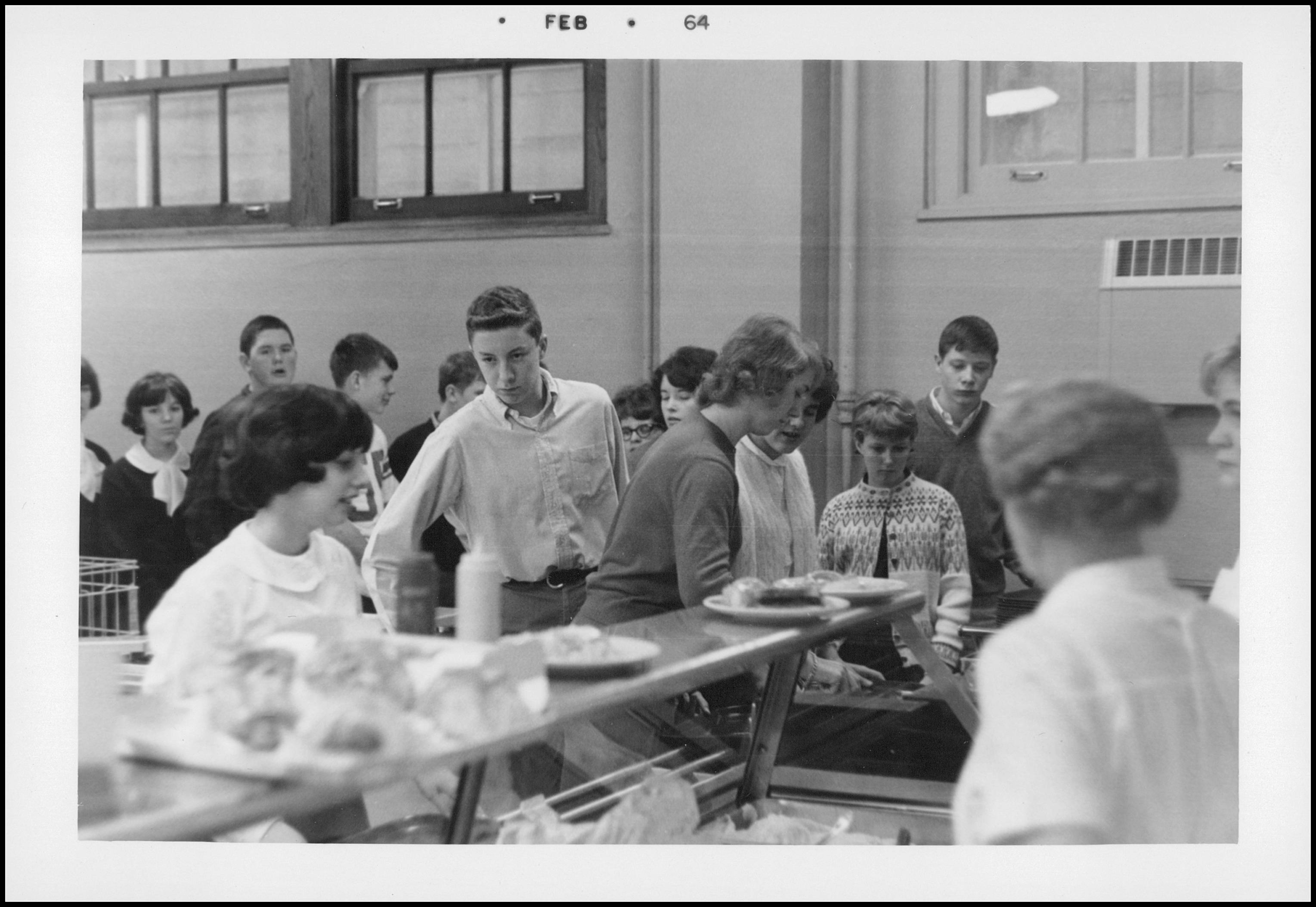
As more children ate what was provided at school, the room filled with identical meals and the whole basis of exchange disappeared.
Identical inputs kill a market instantly. Thirty children holding the same thing have nothing to trade, and the entire structure – the rates, the currency, the reputations – evaporated the moment variety went.
What went with it was a daily exercise nobody had planned. Thirty children, each holding something chosen by somebody else, with twenty minutes, no money, no enforcement, no records and a complete reset every night, running an orderly market that produced a better distribution than the one the adults had posted that morning.
What Thirty Lunch Boxes Actually Built
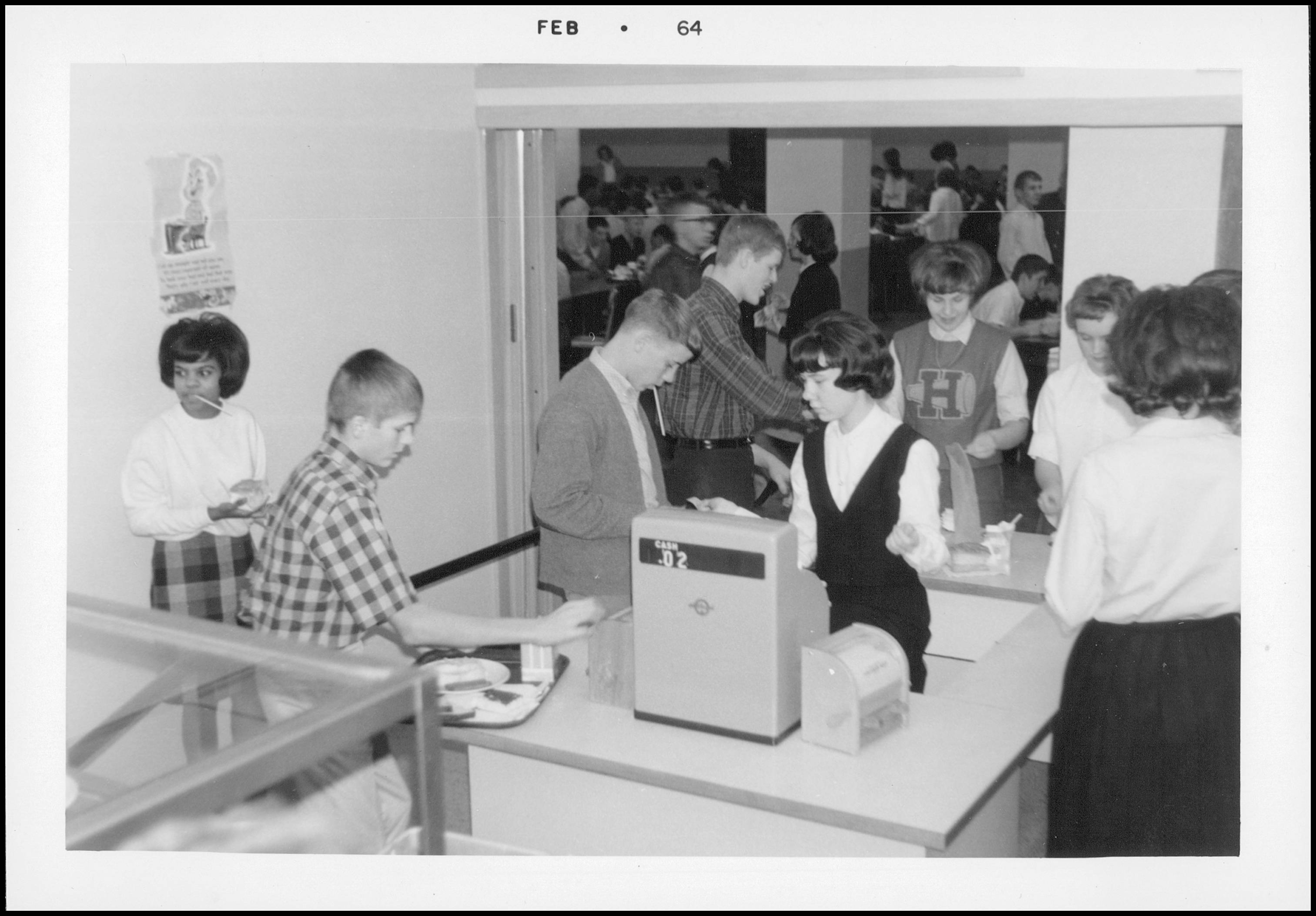
Read in order, the sixteen describe an economy rather than a mealtime. The prices were stable across a whole term and nobody had ever negotiated them. Value tracked scarcity rather than taste, which meant an item everybody liked and everybody had was worth nothing. One near-universal item functioned as small change because it was in high supply and low demand, which is exactly what money does. One category that only some households supplied anchored the entire scale. A reversal right existed and was almost never used, which is precisely why the market stayed honest. And nothing carried overnight, so there was no credit in the system and nobody could accumulate a position.
The children conducting all this could not have defined a single term in it. What they had worked out, by repetition alone, is that the value of what you are holding depends on what everybody else is holding, that a reputation is worth more than any object, and that a market with a daily reset punishes a bad deal immediately and forgives it completely by morning. The enforcement is worth examining separately, because there was none and it did not matter. No adult adjudicated, nothing was written down and nobody held security on anything, including in three and four-way deals that required several children to perform simultaneously. What held the whole structure together was that a reputation in a room of thirty people who see each other every day is worth considerably more than anything a lunch box can contain. One failure to hand something over was remembered for a year. That is a sanction no written rule could match, and the children applying it had worked out, without being told, that in a market with no enforcement the only asset that matters is being somebody whose word holds.
Identical inputs kill a market instantly, which is the whole explanation. As more children ate what was provided rather than what had been packed, the room filled with the same meal thirty times over, and there was nothing left to exchange. The rates went, the currency went and the reputations went with them, inside about a term. What disappeared alongside them was a daily exercise nobody had designed: thirty children, twenty minutes, no money, no records, no enforcement and a complete reset every night, arriving at a distribution of lunch considerably better than the one the adults had posted that morning.
Like our content? Follow us for more.