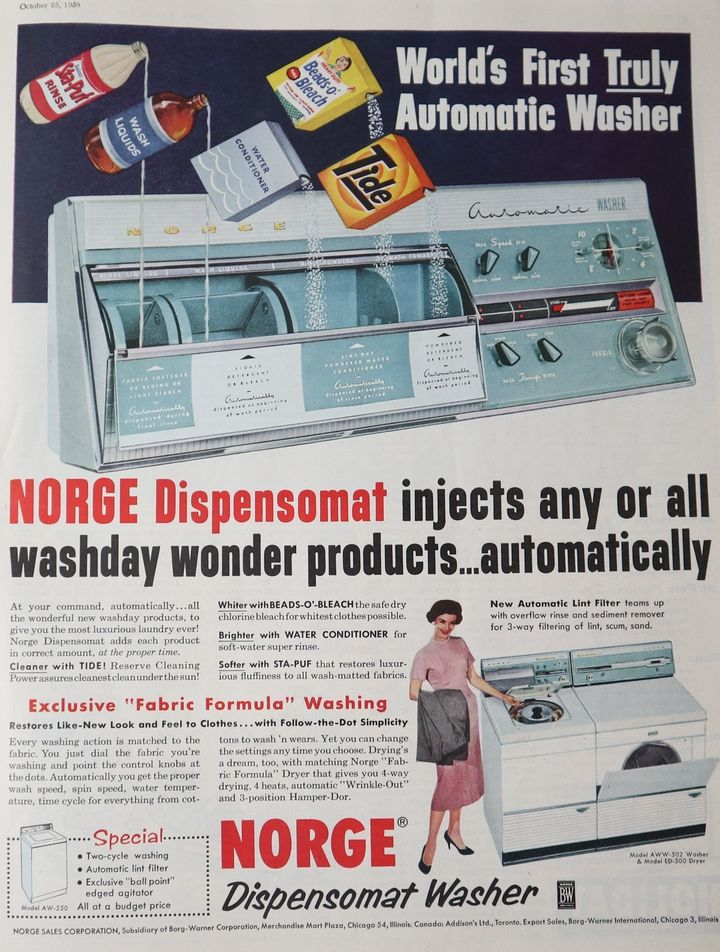
The laundry room is the most chemically loaded place in a 1960 American house, and it is the one nobody thinks of that way. The kitchen gets the attention and the garage gets the shelf of solvents, but the laundry corner had detergent, bleach, caustic soda, solvent cleaning fluids, mothballs and a gas appliance with a standing pilot, usually in an unventilated basement with the windows painted shut.
What follows is a mixture of ingredients that were prohibited, practices that were abandoned and one product that turned out to be completely fine and is included for exactly that reason. Here are fifteen things from that corner, and what happened to each of them.
1. Detergent built on phosphates
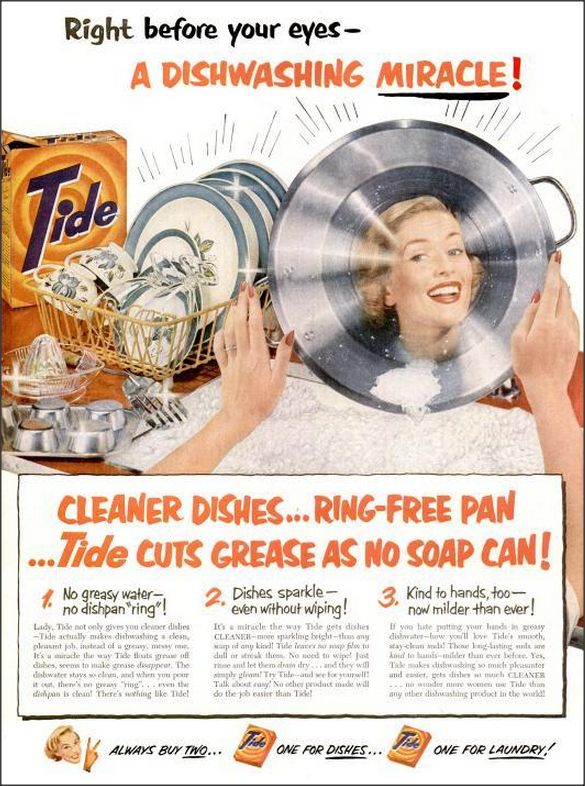
Phosphate builders were what made post-war American detergent work. They softened water, kept dirt suspended and lifted performance so far above soap flakes that the whole category changed within a decade.
Phosphates in laundry detergent were restricted and then banned by a long sequence of American state laws from the early 1970s onward, because the phosphorus running into lakes and rivers fed algal blooms that stripped the water of oxygen. The industry reformulated state by state, which was an expensive way to do it.
The same argument reached automatic dishwasher detergent much later, with a largely voluntary American withdrawal around 2010. Anybody who remembers detergent getting worse at some point was not imagining it; the builder that did most of the work was taken out.
Like our content? Follow us for more.
2. The first phosphate substitute, withdrawn almost immediately
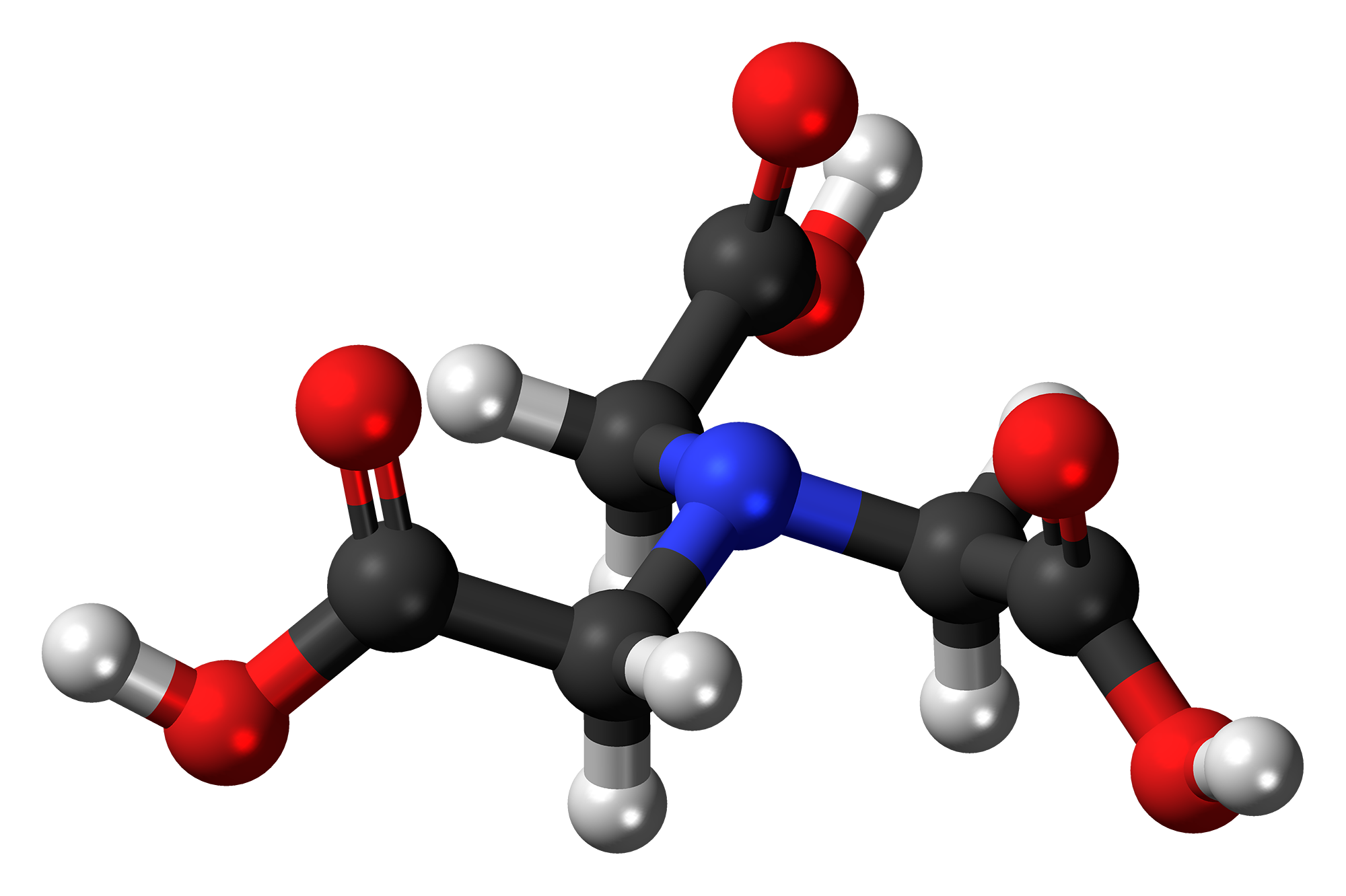
When the phosphate pressure began, the industry moved to nitrilotriacetic acid as a replacement builder, and it went into American detergents at scale very quickly because it did the same job.
It came out again almost as fast, around 1970, after concerns were raised about its behaviour with heavy metals in water and about toxicity findings. Manufacturers withdrew it from American products voluntarily while the questions were examined.
This is the most useful item on the list, because it is the clearest case of a substitute arriving faster than the evidence about it. The pattern recurs throughout this batch, and it is the strongest argument for testing a replacement as hard as the thing it replaces.
3. Cleaning fluids built on benzene
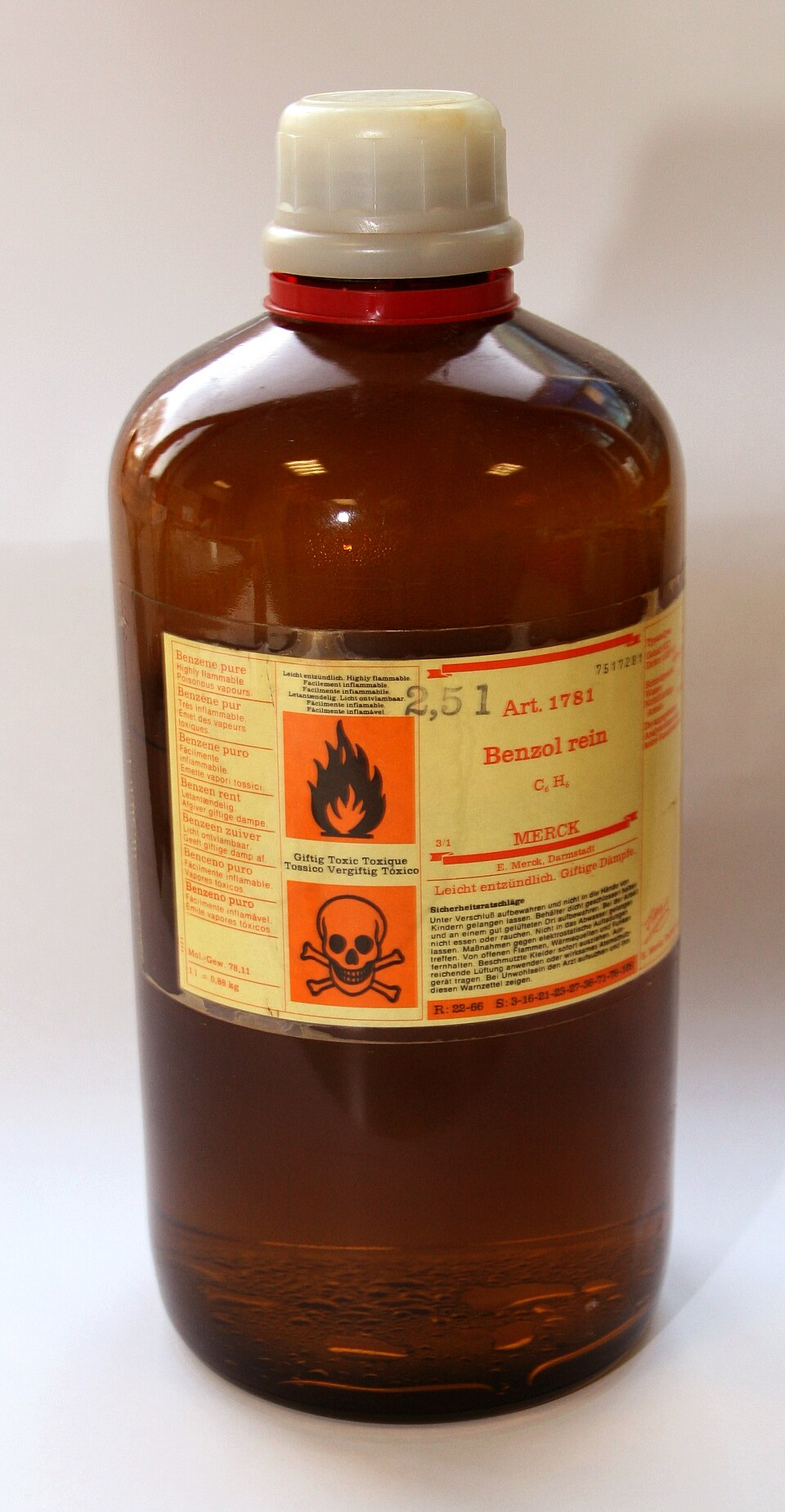
Spot removers, degreasers and general cleaning fluids for home use were sold in bottles and tins with benzene as the solvent, used on a kitchen table with a cloth, in a room with the windows shut because it was February.
Benzene is a known human carcinogen and has been progressively removed from American consumer products, with occupational exposure substantially tightened in 1987. No consumer cleaning product is formulated with it now.
The dermal and inhalation exposure from an afternoon of spot removal was never measured for anybody. It is one of the exposures from this period that leaves no record at all, because nobody was looking and the people doing it were at home.
4. Chlorinated dry-cleaning solvent sold for use at home
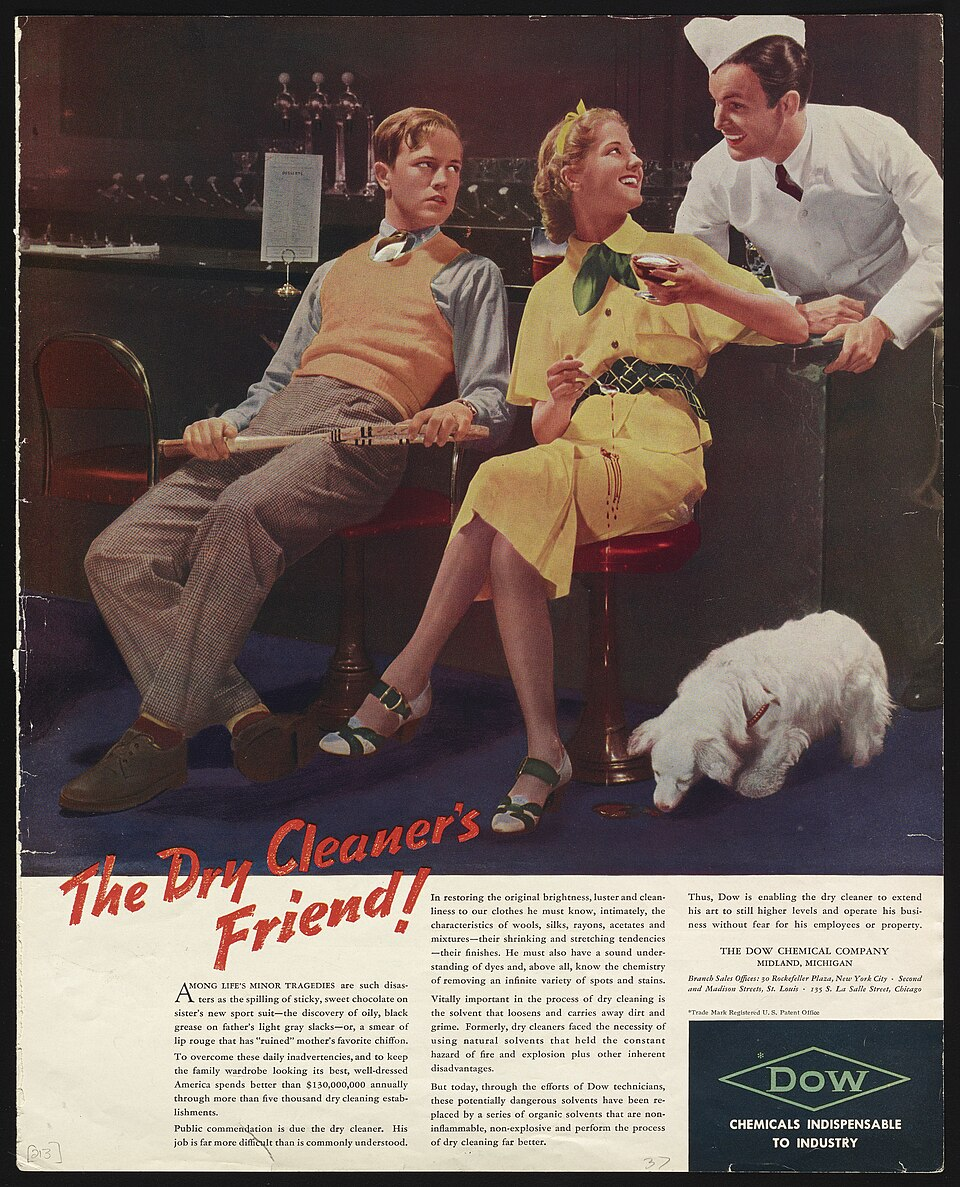
Home dry-cleaning fluids using chlorinated solvents were sold in American hardware stores and supermarkets in quantity, for spot work and for cleaning whole garments in a basin.
Those solvents are now controlled in the United States as air toxics and as drinking water contaminants, with occupational exposure limits, and recent federal action has moved to restrict or prohibit several of them in consumer products entirely.
A basin of chlorinated solvent in a closed basement with a gas water heater nearby is a combination that reads as alarming now and was an ordinary Saturday morning. The ventilation advice on the tin, where there was any, said to open a window.
5. Lye sold loose with nothing to stop a child opening it
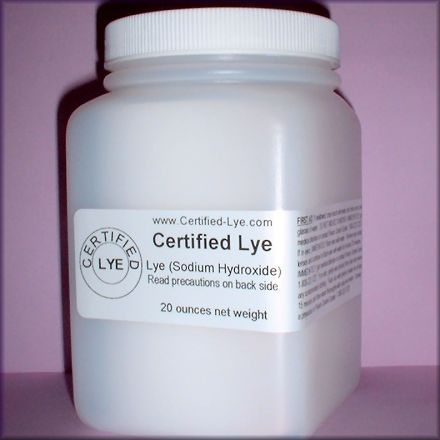
Caustic soda was on the shelf for soap-making, for drains and for heavy cleaning, in a tin or a card drum with a friction lid or a simple screw cap, usually stored under the sink at a toddler’s eye level.
The Poison Prevention Packaging Act of 1970 required child-resistant packaging for a list of hazardous household substances, and the Federal Hazardous Substances Act of 1960 had already begun requiring cautionary labelling. Both postdate the shelf described here.
Alkali injury is worse than acid injury and progresses for longer, which is the specific reason this substance was high on the packaging list. Nothing further is described here; the point is that in 1960 the container was the only barrier and it was not designed to be one.
6. Bleach decanted into whatever bottle was handy
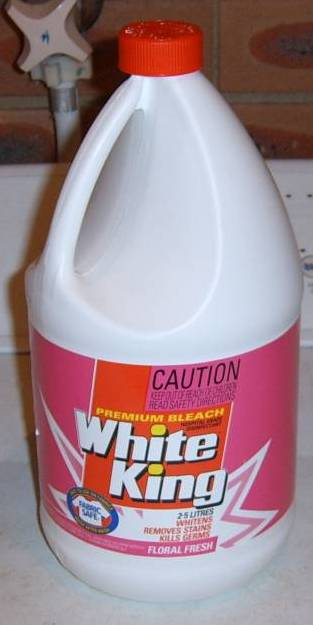
Bleach was bought in bulk and poured off into smaller containers for use around the house, frequently into bottles that had held something else and that still carried the other label.
Current hazard labelling rules require the label to travel with the product, and the practice is now universally advised against for the obvious reason. Modern packaging also makes it unnecessary, with resealable handled containers in household sizes.
It is a practice rather than a product and it belongs on the list because it was so widespread. The single most dangerous object in a 1960 American utility room was frequently an unlabelled soft drink bottle under the sink.
7. No warning anywhere against mixing products
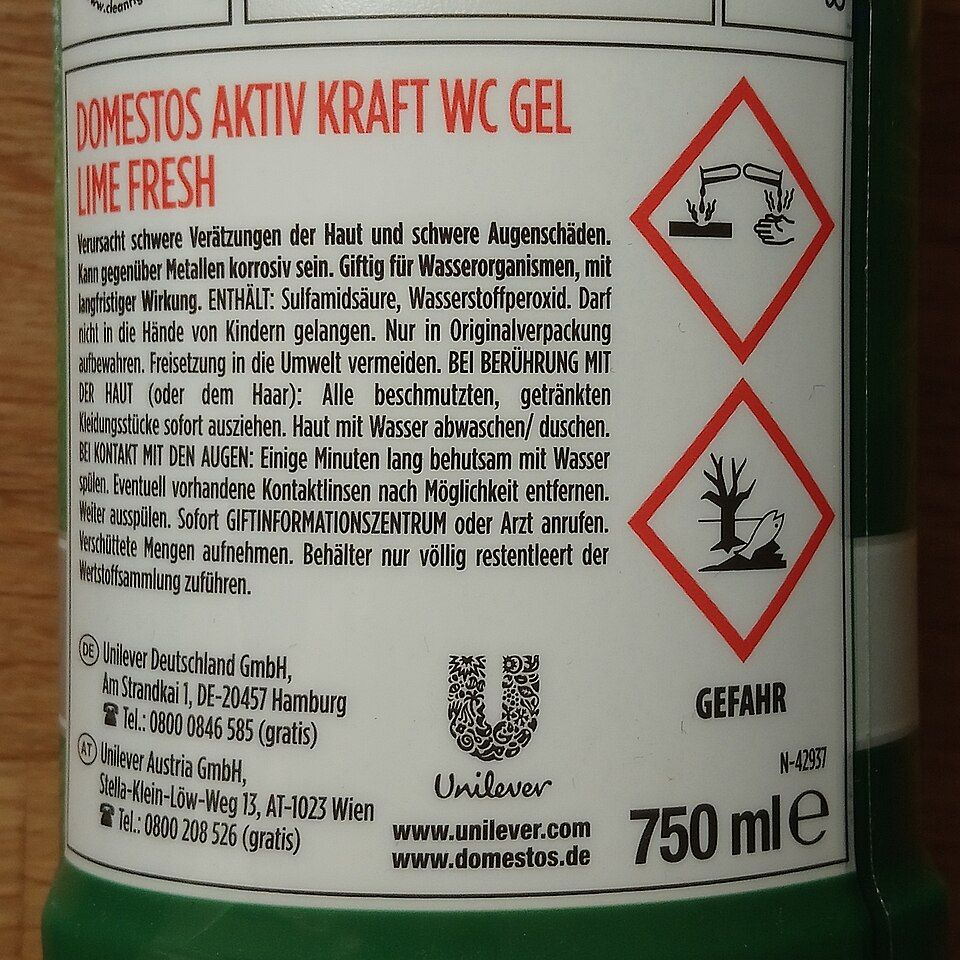
Labels in 1960 told you what a product was for. They did not tell you what not to combine it with, and the most dangerous combinations in a laundry room involve products that each seem entirely ordinary.
American hazard labelling now requires cautionary statements, and the warning against combining chlorine bleach with ammonia-based or acidic cleaners — which produces toxic gas — is standard on packaging and in every public safety message on the subject.
No further detail is given here, deliberately, beyond the warning that is already printed on every bottle. The point is historical: in 1960 the information was not on the label, and the person doing the laundry had no way of knowing.
8. Asbestos ironing board pads and iron rests
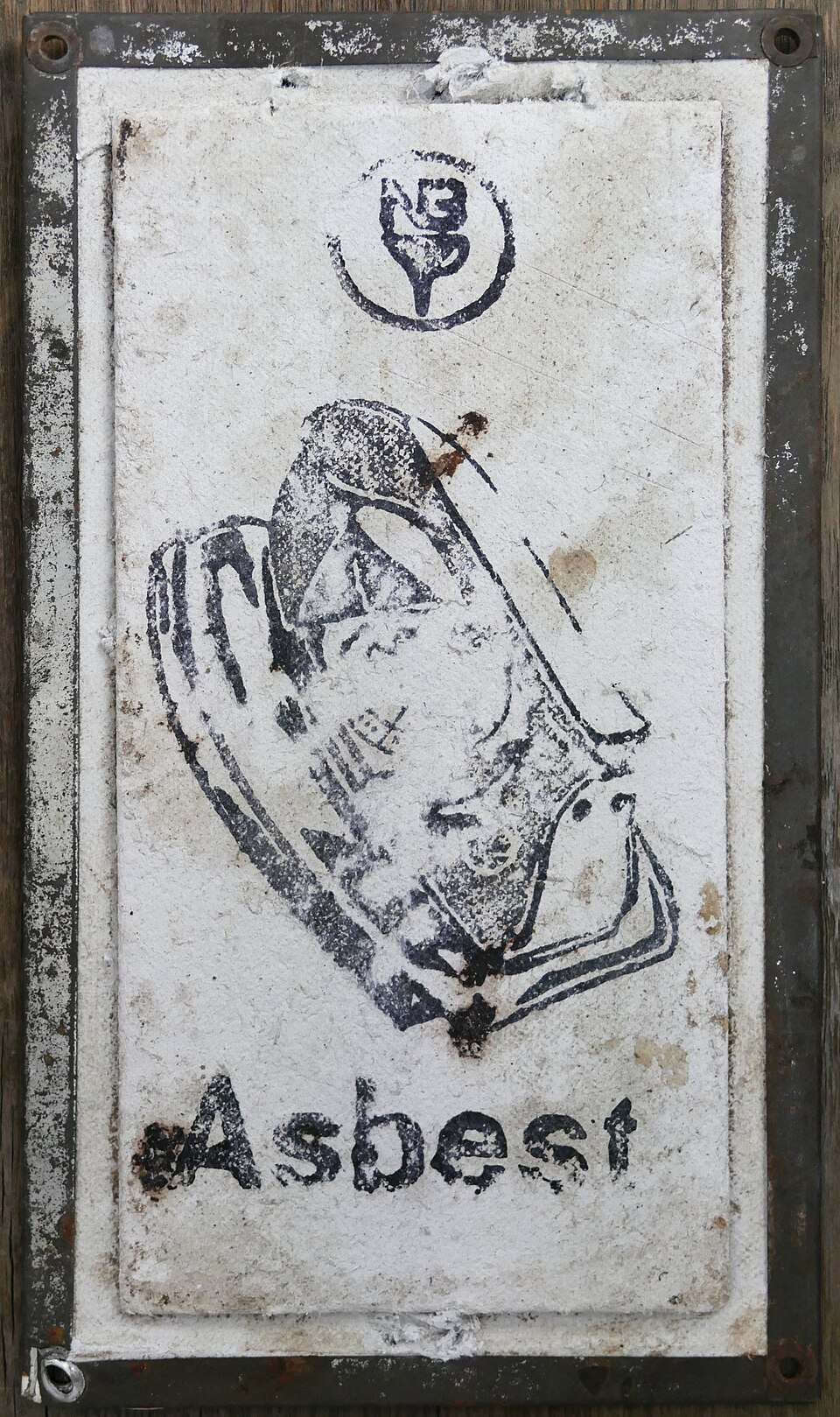
The pad on the board, the rest the iron stood on and the mat under it were asbestos, because asbestos was the obvious heat-resistant material and cost almost nothing. They were sewn, cut, worn out and replaced by hand.
Asbestos is prohibited in American consumer products of this kind, and the equivalents were replaced with silicone, ceramic and metal through the 1970s and 1980s. The substitutes work at least as well.
The worn pad is the problem rather than the new one. An asbestos pad being replaced after years of use, cut and folded and shaken out on a kitchen table, is the condition in which the material actually becomes a hazard.
9. Enzyme detergents, and the episode that followed
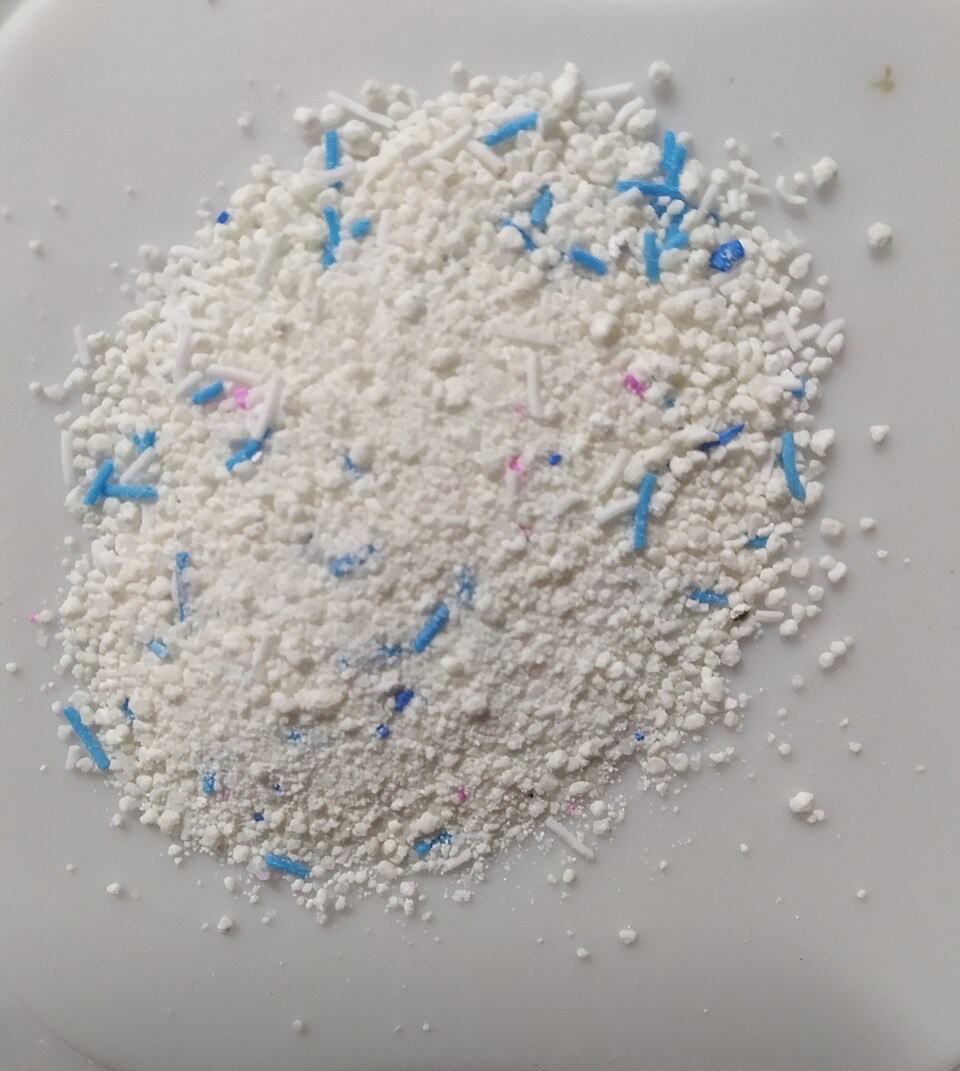
Enzyme detergents arrived in American supermarkets at the end of the 1960s and were marketed hard as a step change in cleaning power. They were, and they still are, the basis of modern detergent.
What followed was a wave of reported skin and respiratory reactions, affecting both consumers and workers at the plants where the enzyme dust was handled. The industry responded by encapsulating the enzymes and by changing plant handling, and the problem largely went away.
This item is included because it is the only one on the list where the product survived. Enzymes are in every detergent now, the technology was fixed rather than abandoned, and it is the best example in the batch of a problem solved by engineering instead of prohibition.
10. Flammable cleaning fluids stored beside a gas water heater
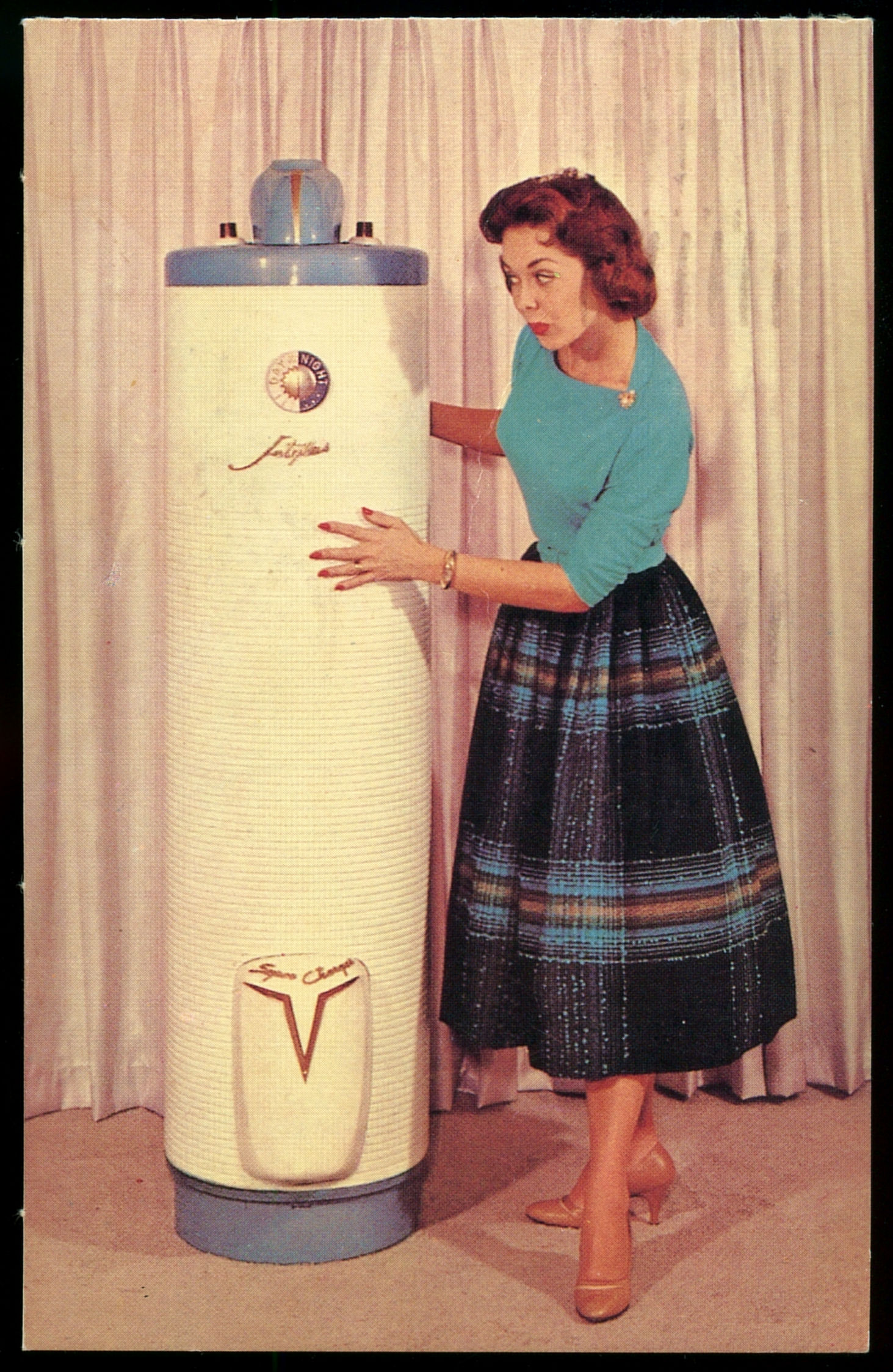
The laundry area, the water heater and the furnace were commonly the same corner of an American basement, and the shelf of cleaning fluids sat next to a standing pilot light in an unventilated space.
Fire codes and manufacturer guidance now address the storage of flammable liquids near ignition sources, and modern water heaters are designed with flammable vapour ignition resistance specifically because of this combination.
The appliance was redesigned around the behaviour rather than the behaviour being successfully changed, which is an honest admission by the industry that telling people where to put a tin does not work.
11. No signal word, no hazard statement, no first aid instruction
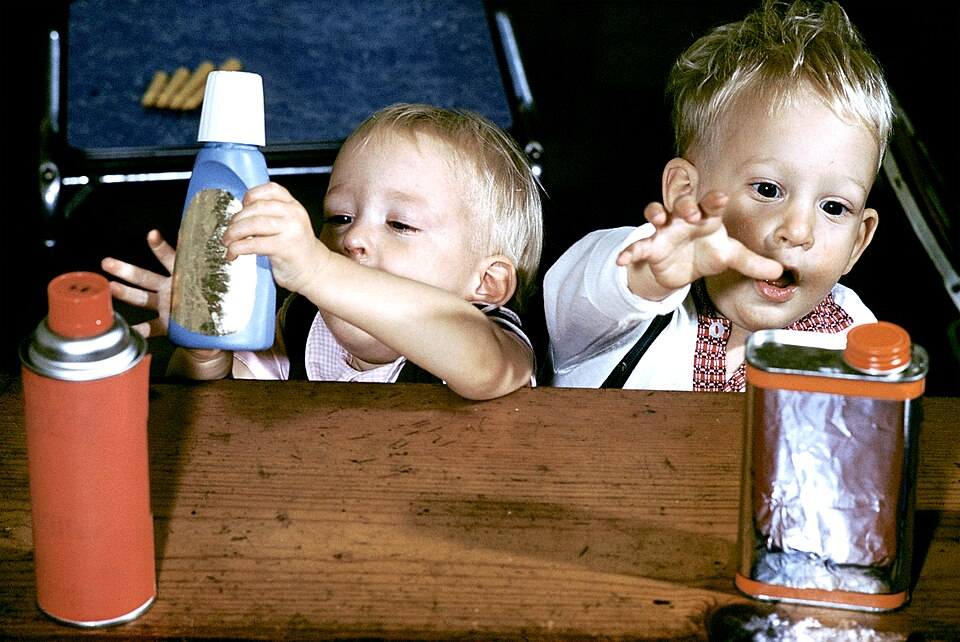
A 1960 label gave the product name, the maker and directions for use. There was no standardised danger or warning wording, no statement of the hazard, no first aid instruction and no telephone number to call.
The Federal Hazardous Substances Act of 1960 began requiring cautionary labelling on hazardous household products, built out considerably over the following two decades, and the poison centre telephone number became a standard label element.
The act is dated 1960 and the shelf described here is dated 1960, which is the point. The labelling arrived during this period rather than before it, and the products in most American homes predated the requirement by years.
12. The wringer washer, with the rollers running
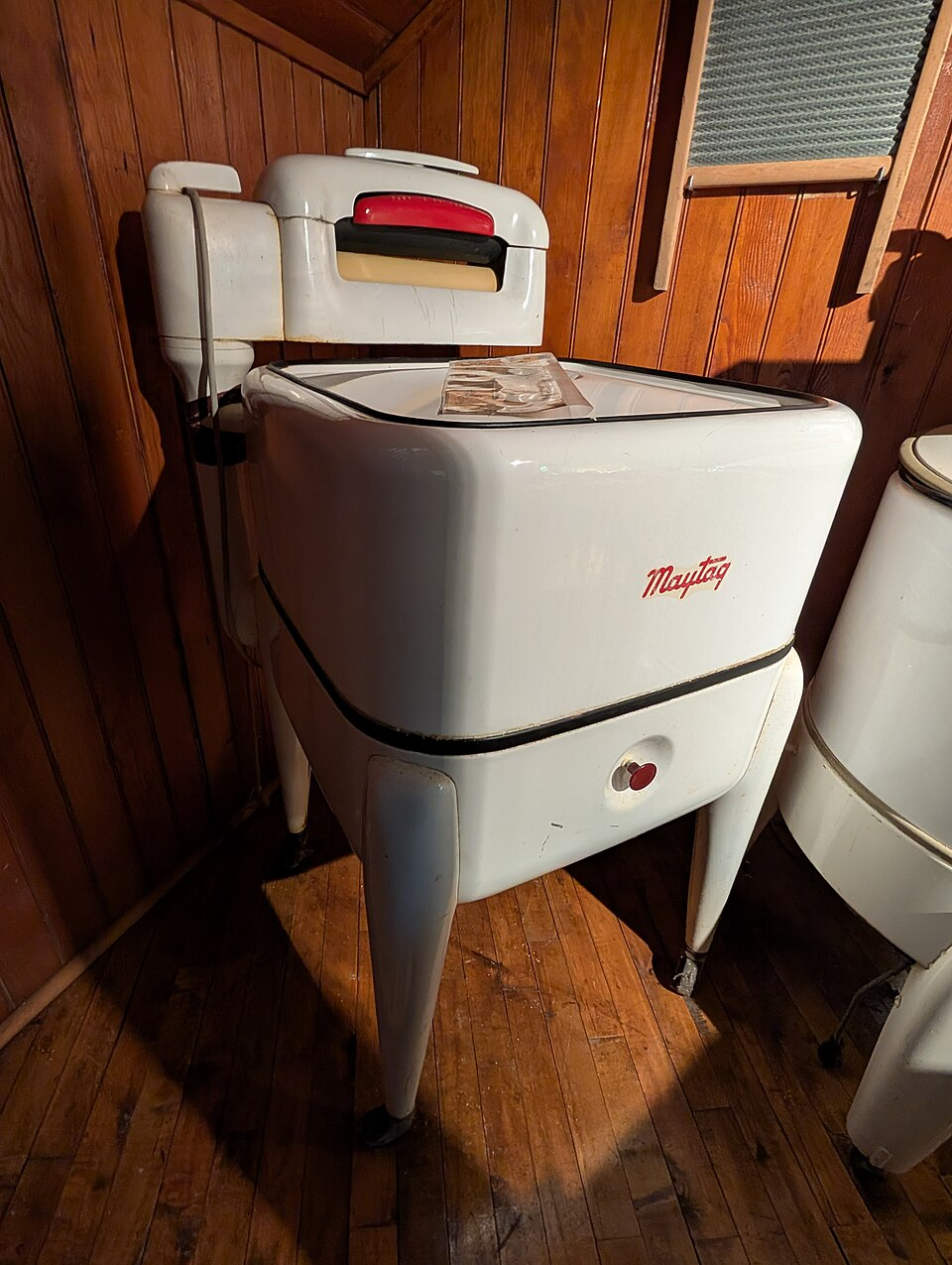
The wringer was two powered rollers that pulled wet cloth through under pressure, and it pulled in whatever was feeding the cloth. Machines had a release bar and the release was not always within reach of somebody who needed it.
Powered wringers disappeared from American homes as automatic washers took over, and modern appliance safety standards would not permit an exposed powered nip at that height in a domestic machine.
This is the item that every family with a long memory has a story about, and the stories are not told lightly. Nothing is described here. The mechanism and the fact that the release bar existed are the whole of what needs saying.
13. Mothballs in the linen closet and the drawers
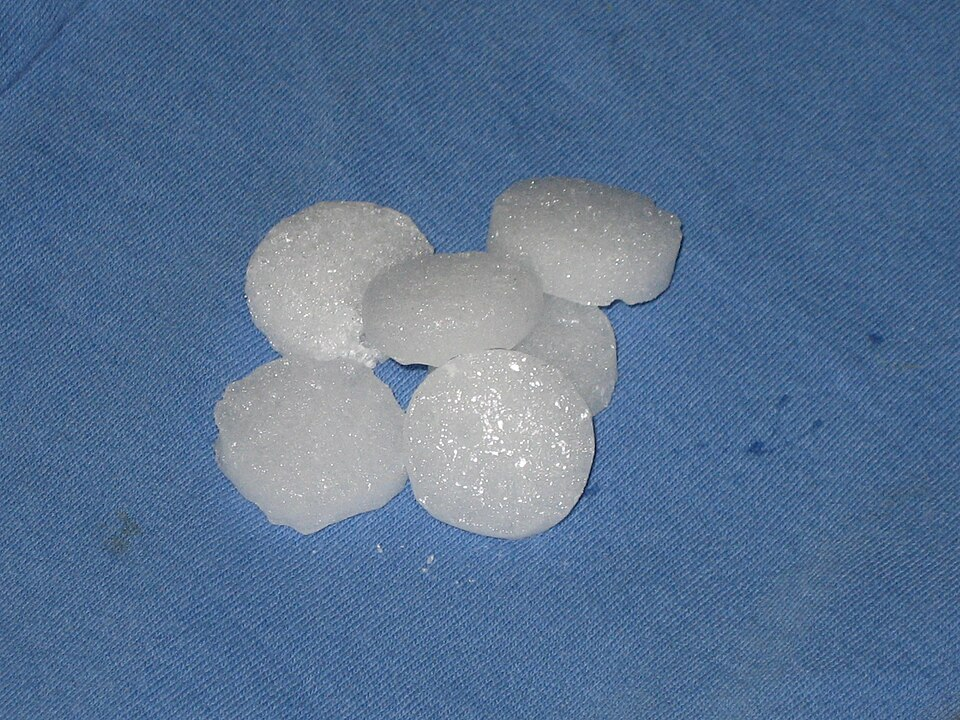
Mothballs, flakes and hanging blocks were standard in American closets, made with naphthalene or paradichlorobenzene, placed among clothes and bedding in enclosed spaces and left there for months.
Both compounds are now subject to registration, labelling and use restrictions in the United States as pesticides, paradichlorobenzene is classified as a possible human carcinogen, and child-resistant packaging requirements apply. The products are still sold with considerably more on the label than before.
The smell is one of the most instantly recognisable in American domestic memory, and what people are remembering is a vapour-phase pesticide filling an enclosed space that clothes and linen were then taken out of and worn.
14. Bluing, which was the one thing on the shelf that was fine
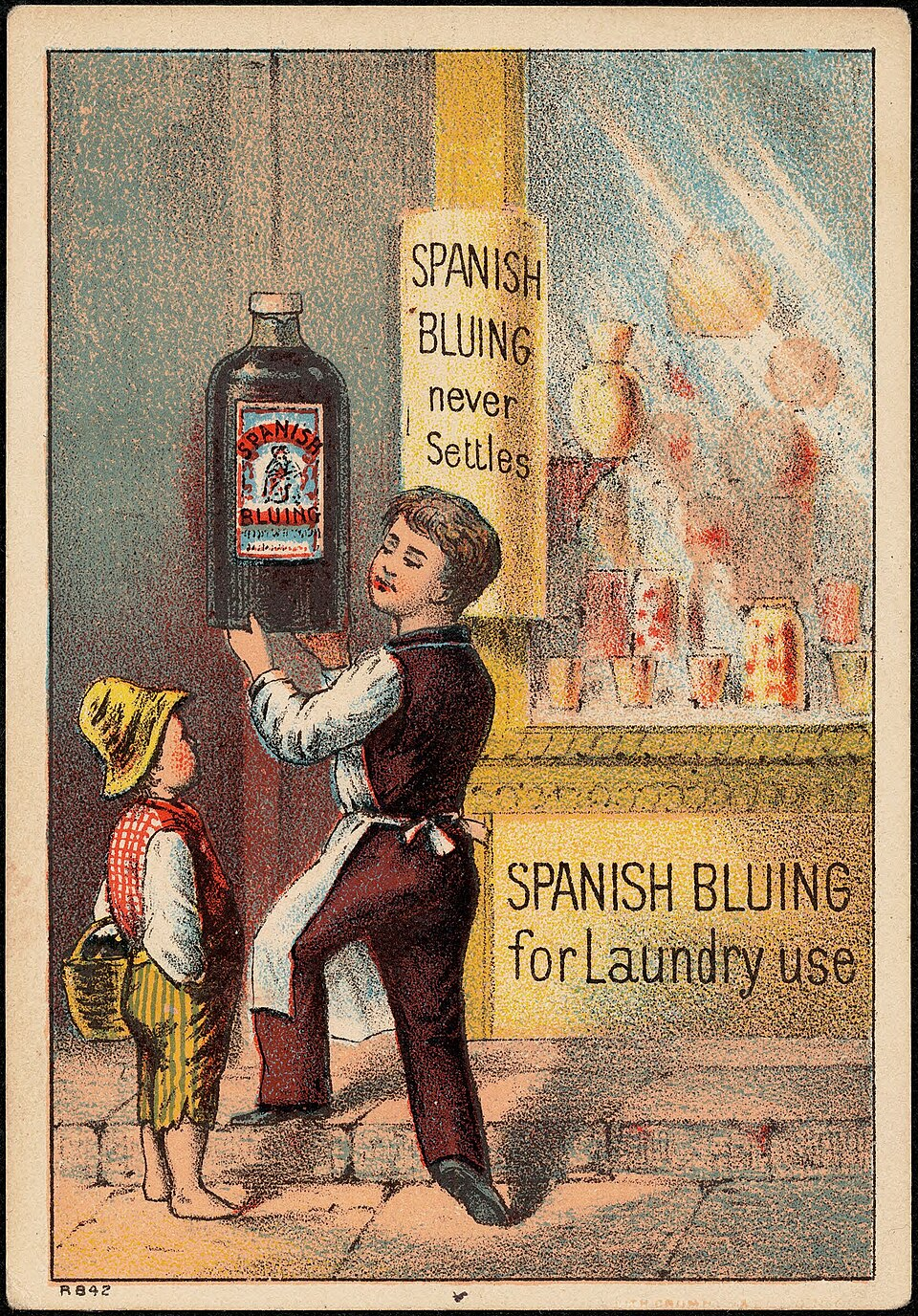
Laundry bluing was a suspension of a blue pigment that counteracted the yellowing of white cotton, added to the rinse by the capful or the tablet. It worked, it was cheap, and it is still sold today in substantially the same form.
Nothing happened to it. It was not banned, restricted, reformulated or withdrawn, and it remains available in American stores. It is included here on purpose, as the control case.
A list like this gives a misleading impression if every item on it is a hazard. Most of what was in a 1960 laundry room — soap, soda, starch, borax, bluing, a washboard, a line and some pegs — was entirely benign, and the four or five genuinely dangerous things were the exception rather than the rule.
15. The hazard that arrived afterwards, in a brightly coloured sachet
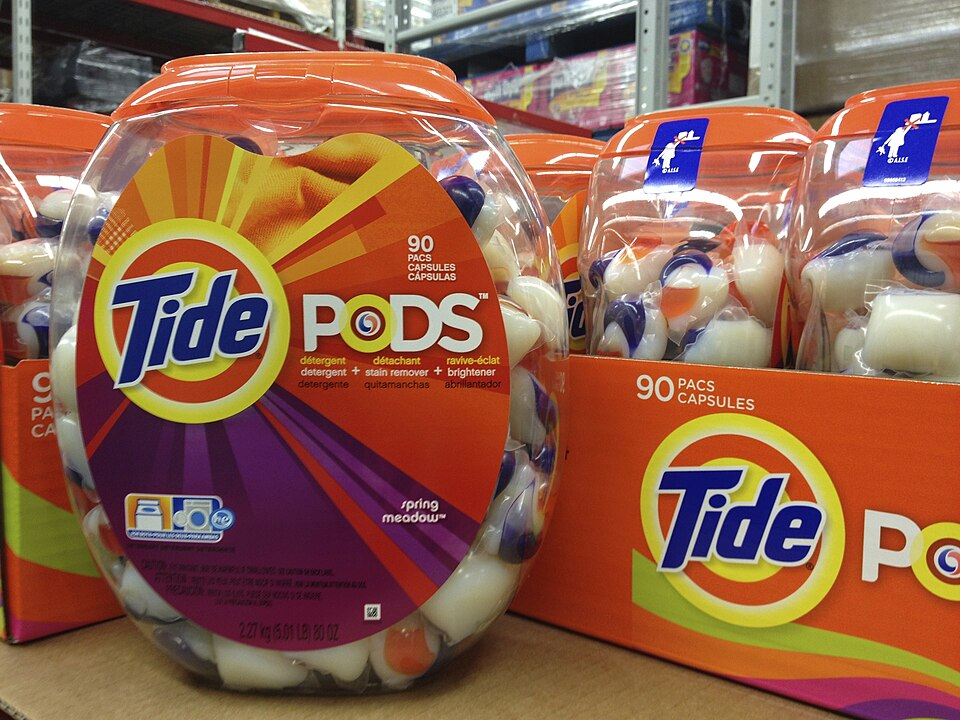
The list would be dishonest if it stopped in 1980. Concentrated liquid laundry packets were introduced to the American market in 2012, in small soft translucent sachets in bright colours, and were immediately involved in a significant number of child exposure incidents.
A voluntary American safety standard followed, covering opaque outer packaging, child-resistant latches, warning labelling and a bitter coating on the film, and the standard has been strengthened since. Reported incidents fell substantially.
This is the right place to end. The 1960 shelf is not a closed chapter about a careless past. It is the same process still running, and the most recent serious hazard in an American laundry room is younger than most of the people reading about the old ones.
What the list is actually a history of
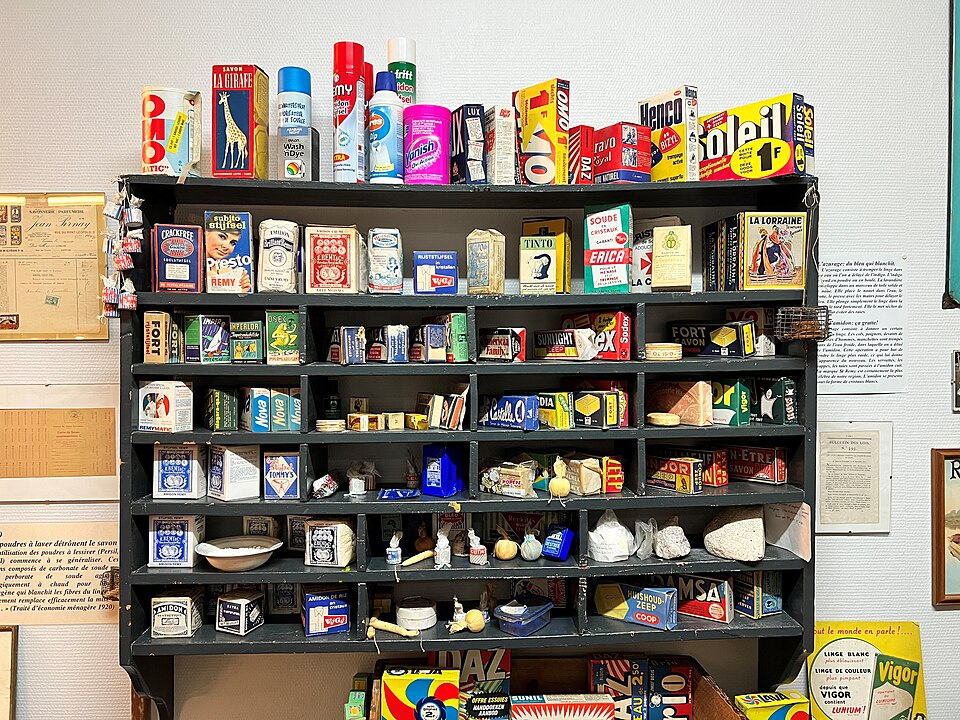
Three threads run through it. The first is substitution: phosphates out, nitrilotriacetic acid in and straight back out again, enzymes in and then fixed rather than removed. The second is packaging, which did more good than any ingredient prohibition on this list — the child-resistant closure, the label that stays on the product, the opaque outer wrap on a sachet.
The third is the one worth holding onto. The Federal Hazardous Substances Act is dated 1960 and the shelf described here is dated 1960, which means the labelling requirements most people assume had always existed arrived during the period this piece is about. The woman doing the washing in 1960 was working with caustic soda, chlorinated solvent and benzene, from containers that carried the maker’s name, the directions and nothing else at all.
The item to argue with is bluing, and that is deliberate. A list of fifteen dangerous things from a 1960 laundry room suggests the whole room was dangerous, and it was not. Soap, soda, starch, borax, bluing, a board and a line were most of it, and they were fine.
The last item is the other correction. If the laundry packet had been introduced in 1962 it would sit comfortably in the middle of this list, and it was introduced in 2012.
Like our content? Follow us for more.