The waiting was not incidental. It was built into how everything worked, and it shaped how much you wanted the thing by the time it arrived. Here are twelve.
1. Photographs Coming Back
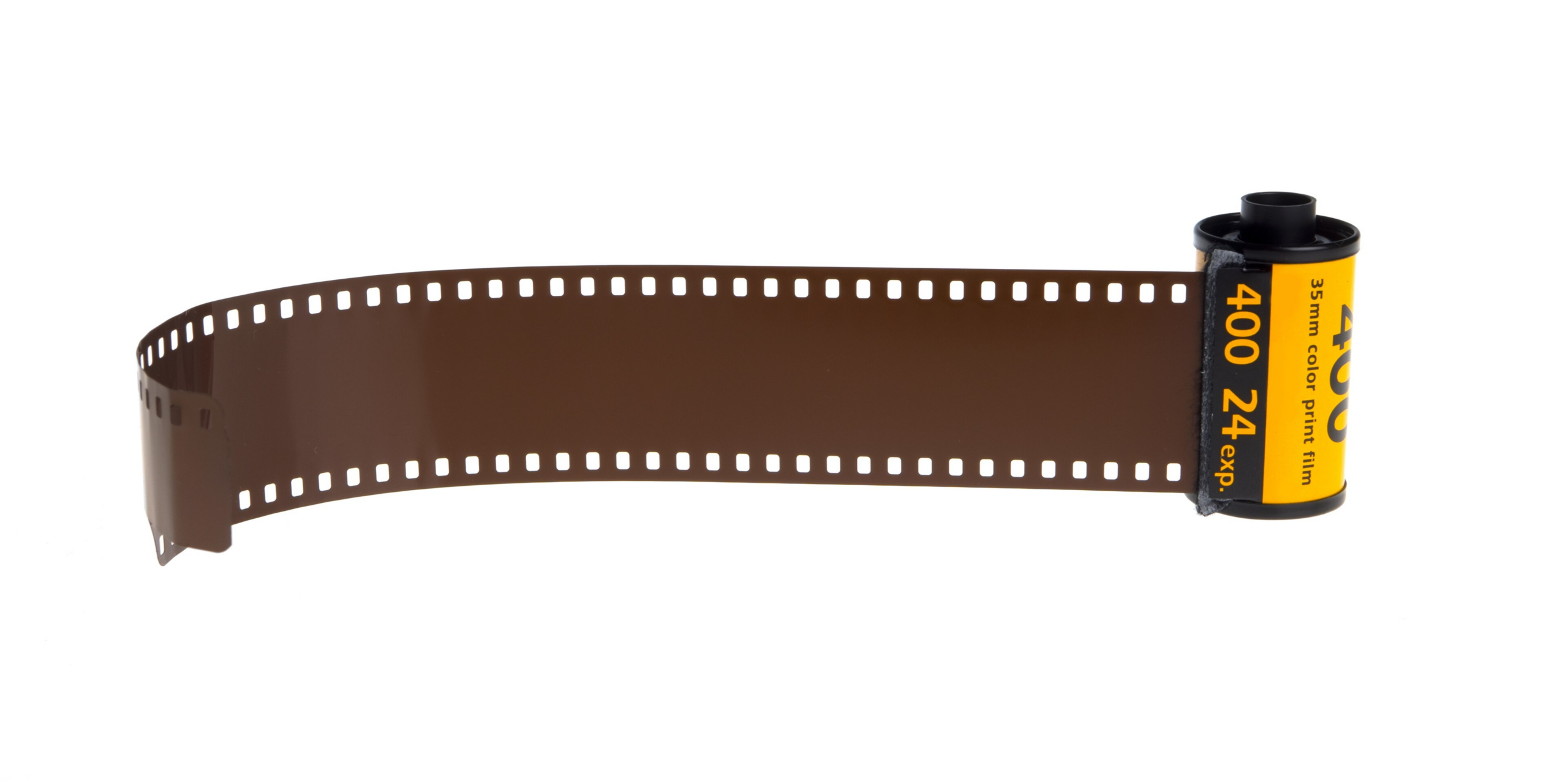
A film went off to be developed and came back days later as a wallet of prints, and only then did you find out whether any of them had worked.
Roughly a third were unusable and you had forgotten taking half of them. Waiting for photographs is the delay that made every picture a small gamble.
2. Sending Off for Something From a Catalogue
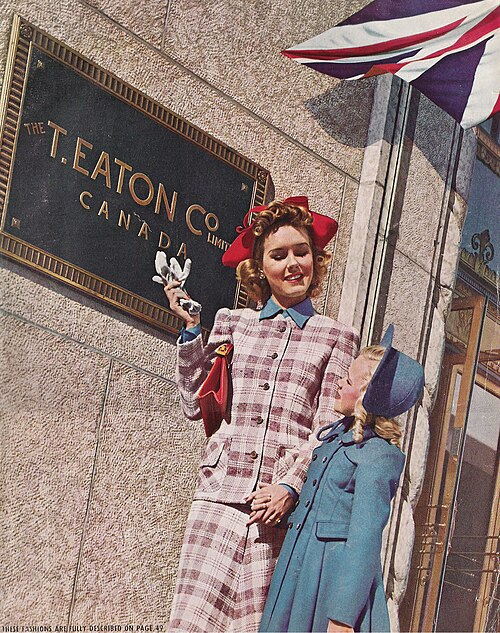
A form was filled in, a payment enclosed, an envelope posted, and then a period of weeks began in which nothing could be done except check the doormat.
Delivery estimates were vague and frequently optimistic. Sending off for something is the waiting that taught a generation real patience.
3. The Next Episode
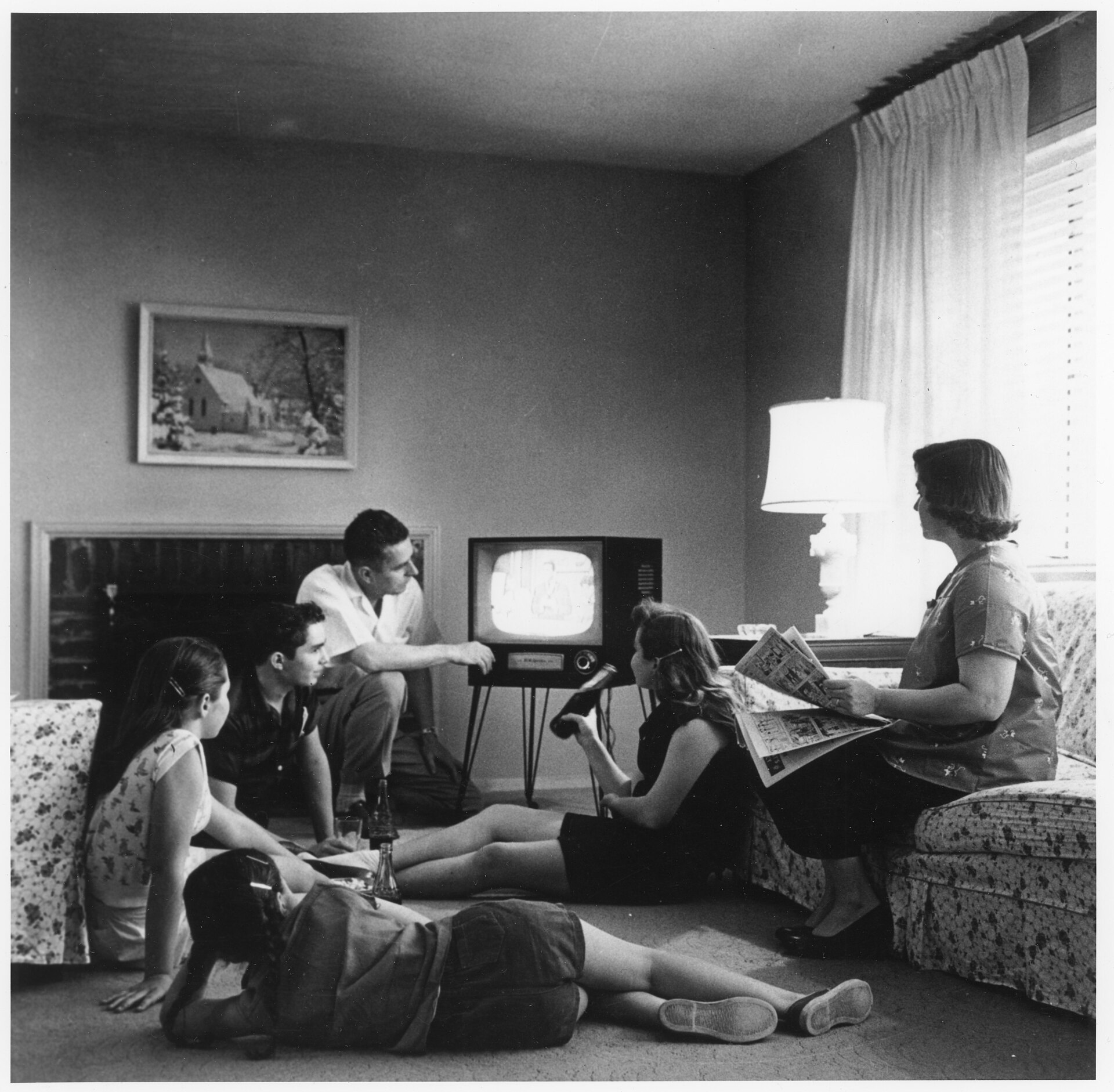
Television released one instalment a week, so a story stretched across months and the interval was spent speculating with everyone else who watched it.
Missing one meant missing it entirely. Waiting for the next episode is the delay that made a programme a shared appointment.
4. Letters From Anyone Far Away
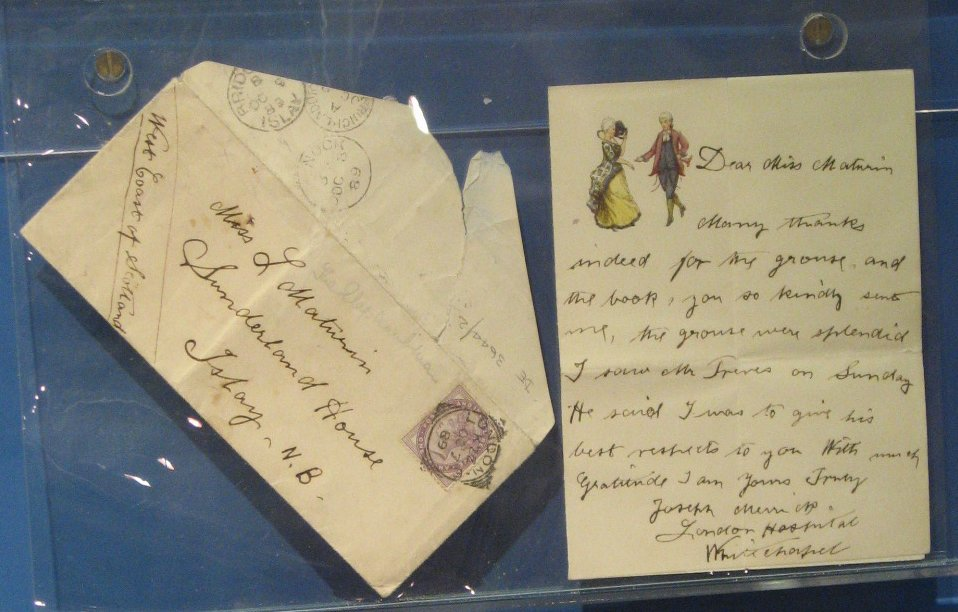
Correspondence with someone abroad meant weeks between sending and any possibility of a reply, so conversations moved at the pace of shipping.
You wrote knowing the news would be a month old on arrival. Waiting for letters is the delay that made distance a real obstacle.
5. The Test Results
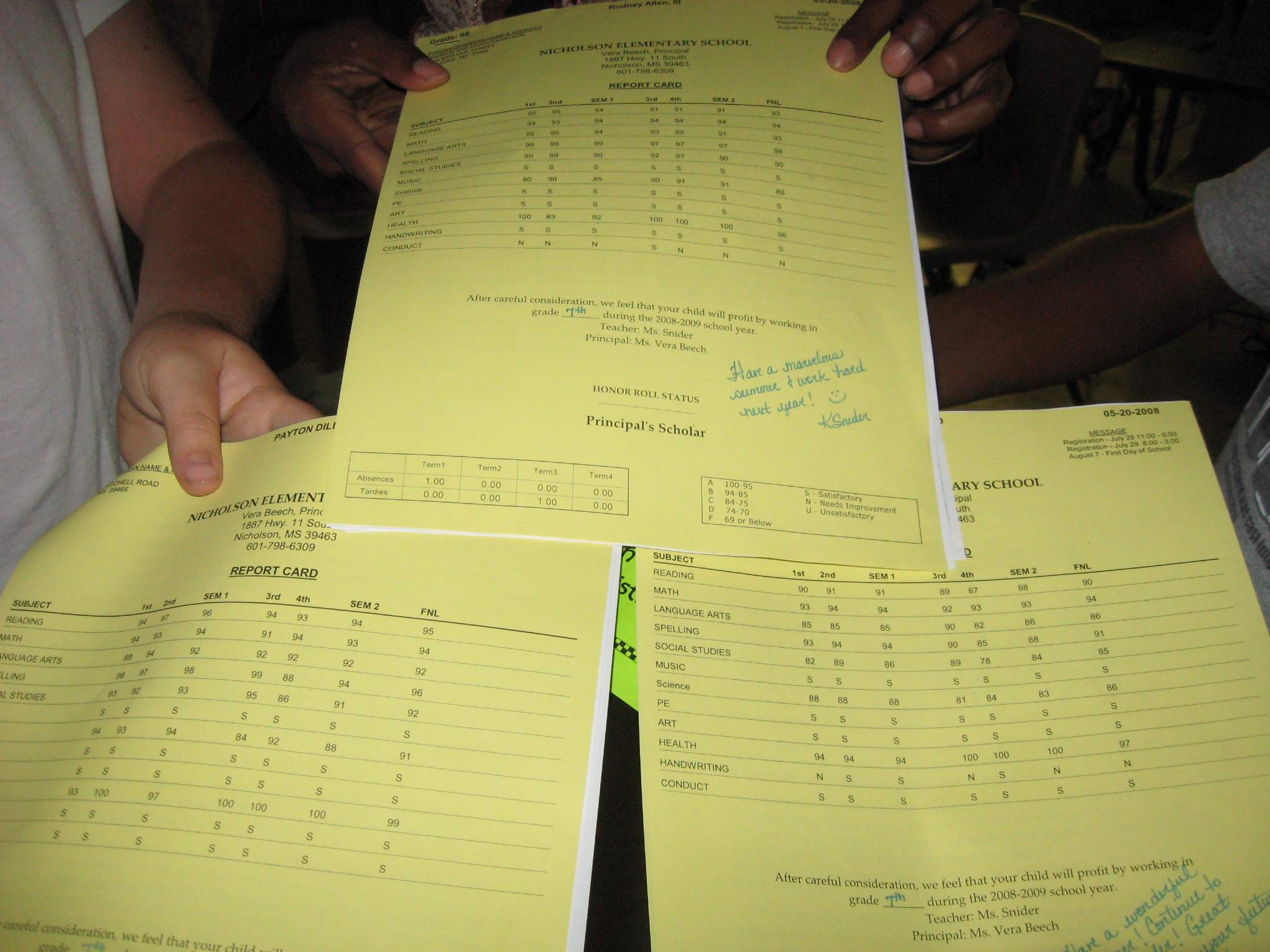
School results, medical results and job outcomes all arrived by post on a date somebody else decided, with no way to find out early.
The envelope was recognisable before it was opened. Waiting for results is the delay that concentrated an enormous amount of anxiety into one delivery.
6. Finding Out the Score
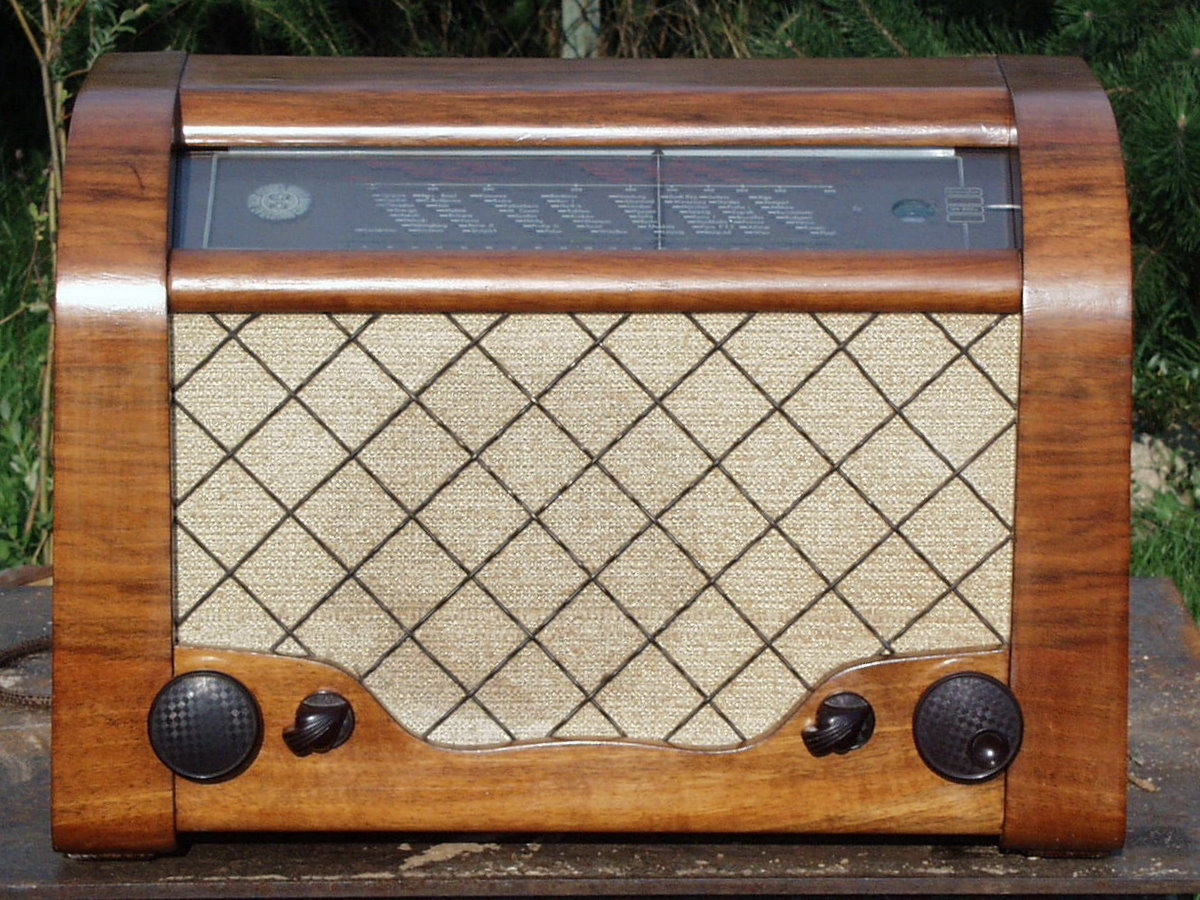
Unless you were there or had the radio on, a result was learned hours later from a broadcast, a newspaper or someone telling you.
Being avoided by people who knew was a real phenomenon. Waiting to find out the score is the delay that has vanished most completely.
7. A Song You Heard Once
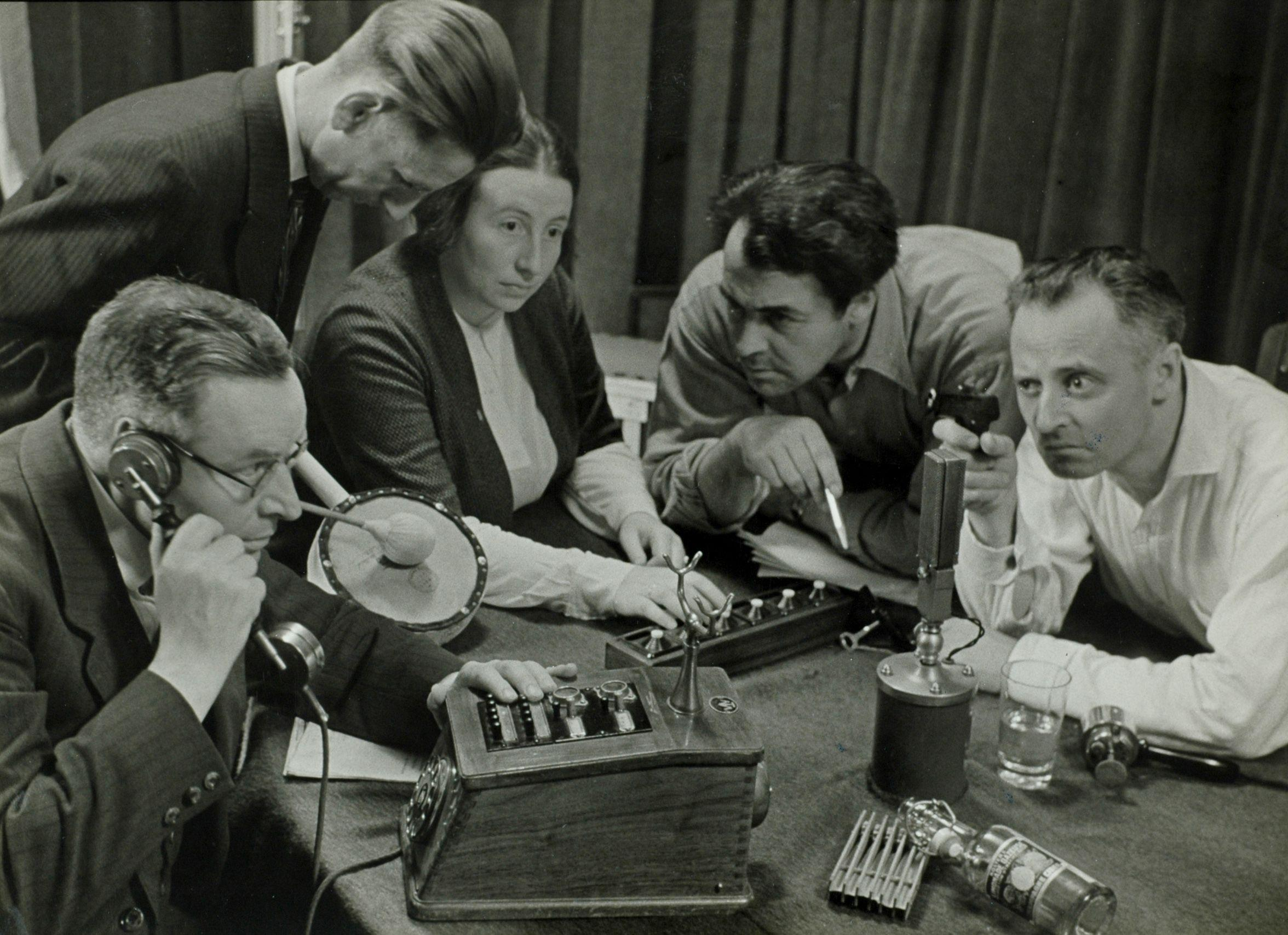
Hearing something you liked on the radio meant waiting for it to be played again, hoping to catch the title, and then finding it in a shop.
There was no way to search for a half-remembered lyric. Waiting for a song is the delay that made hearing it again feel like luck.
8. The Free Gift From the Cereal Packet
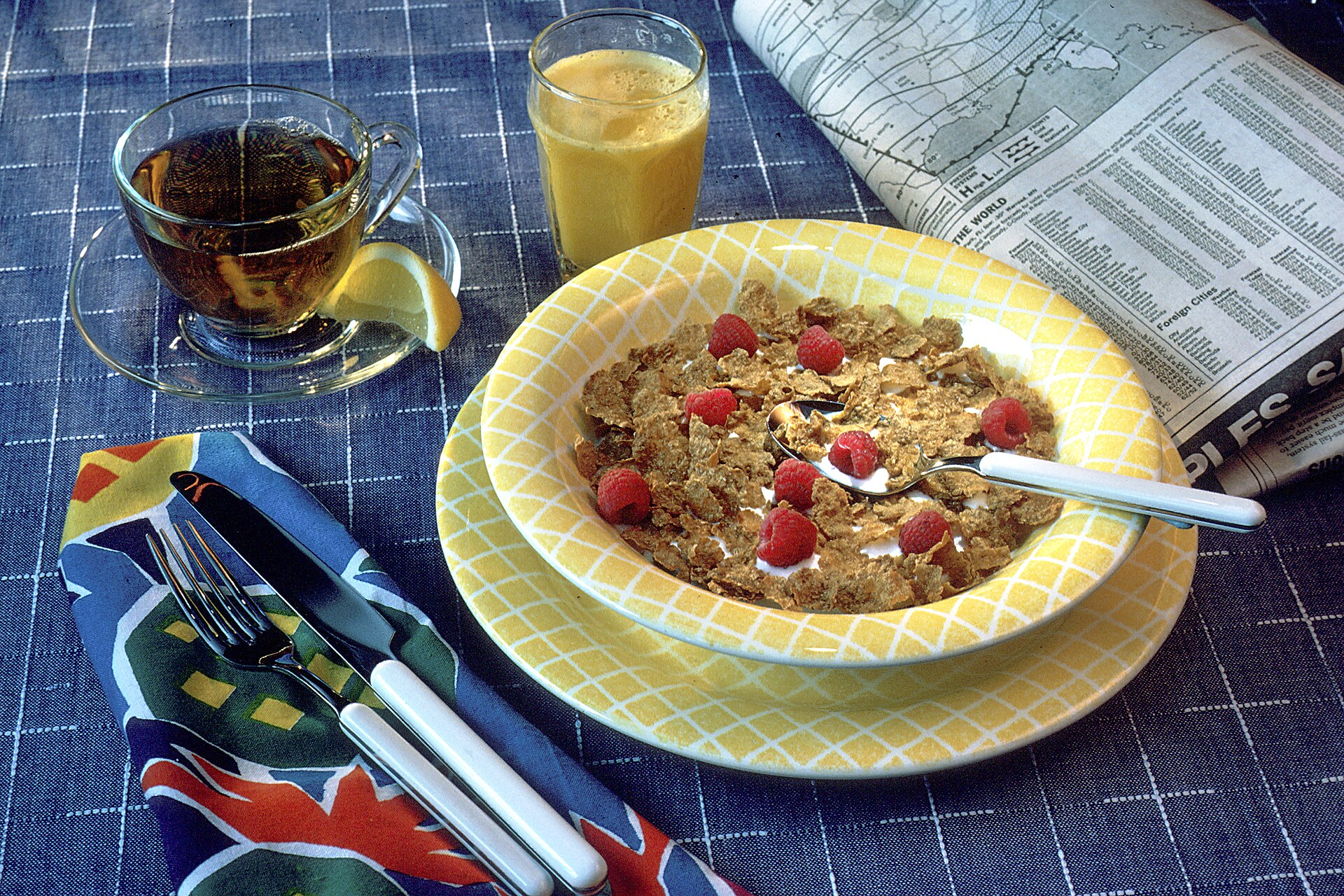
Collecting tokens took weeks of eating the same product, and posting them off started another wait of several more.
The item was invariably smaller than the picture. Waiting for the free gift is the delay children were most willing to endure.
9. The Answer to a Question
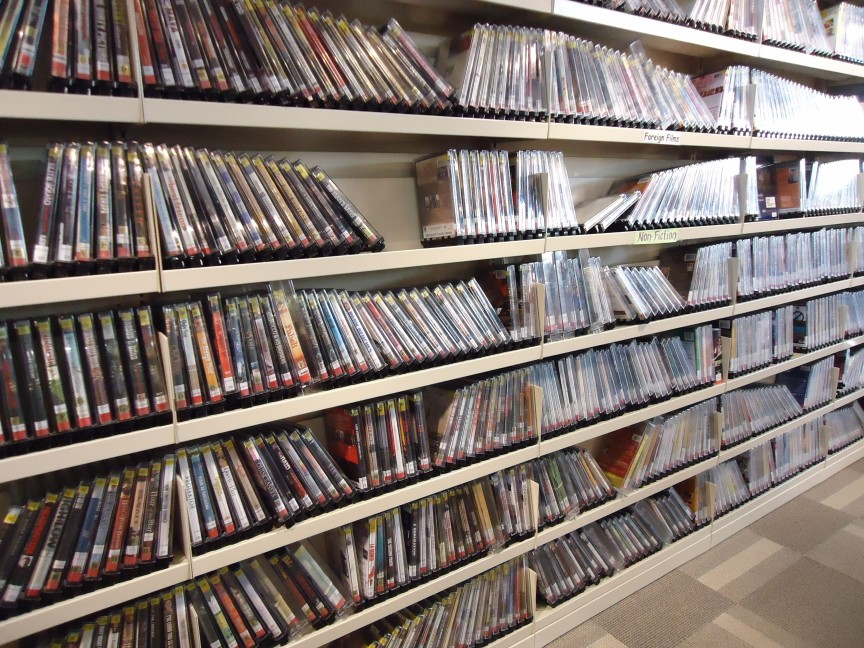
Something nobody in the room knew stayed unknown until the next visit to a library, or until someone remembered to ask a person who might know.
Arguments went unresolved for weeks. Waiting for an answer is the delay that has been abolished more thoroughly than any other.
10. The Bus, With No Idea Where It Was
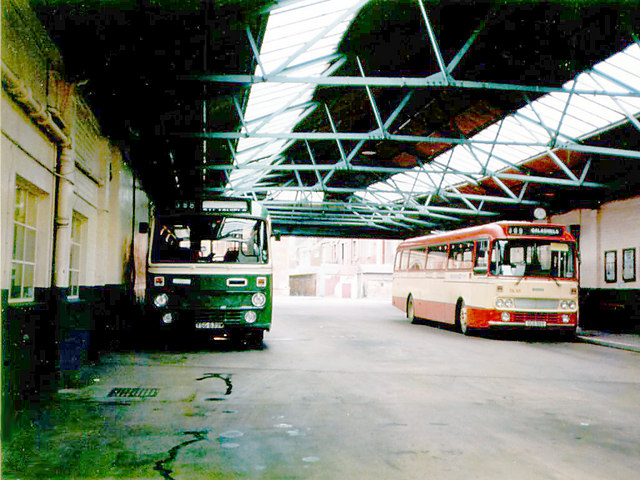
A timetable told you when it should come, and nothing told you where it actually was, so waiting involved real uncertainty about whether to keep waiting.
Everybody developed a personal rule about when to give up. Waiting for the bus is the delay that came with no information attached.
11. Films Coming to Television
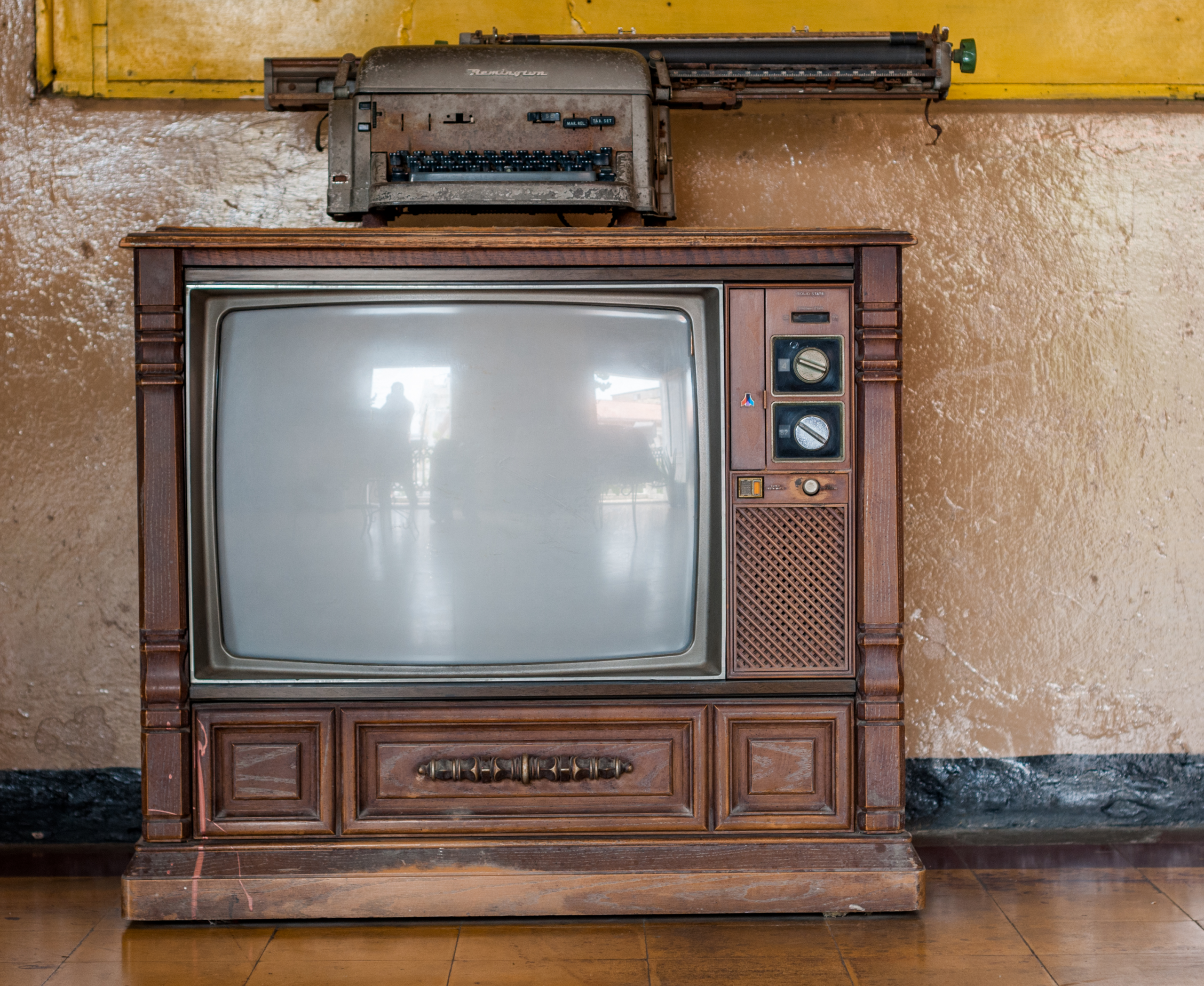
A film reached the cinema, then eventually a rental shop, then eventually a television broadcast, with years between the first and last.
A listing in the paper for something you had missed was an event. Waiting for a film is the delay measured in years rather than days.
12. Growing Up Generally

Everything was gated by age – what you could watch, where you could go, what you were allowed to do – and the only way through was time.
That is the one on this list that has not changed at all. Waiting to be older is the delay every child still experiences exactly as before.
Time You Could Not Skip

What the waiting produced was anticipation, which is a real experience rather than merely an absence of the thing. Nobody would choose to go back, and something specific went with it.
The interesting question is not whether instant is better – it plainly is, for almost everything on this list. It is what happens to wanting something when the gap between wanting and having disappears entirely. A generation grew up with a fortnight in that gap, and most of them can still remember the specific things they spent it thinking about.