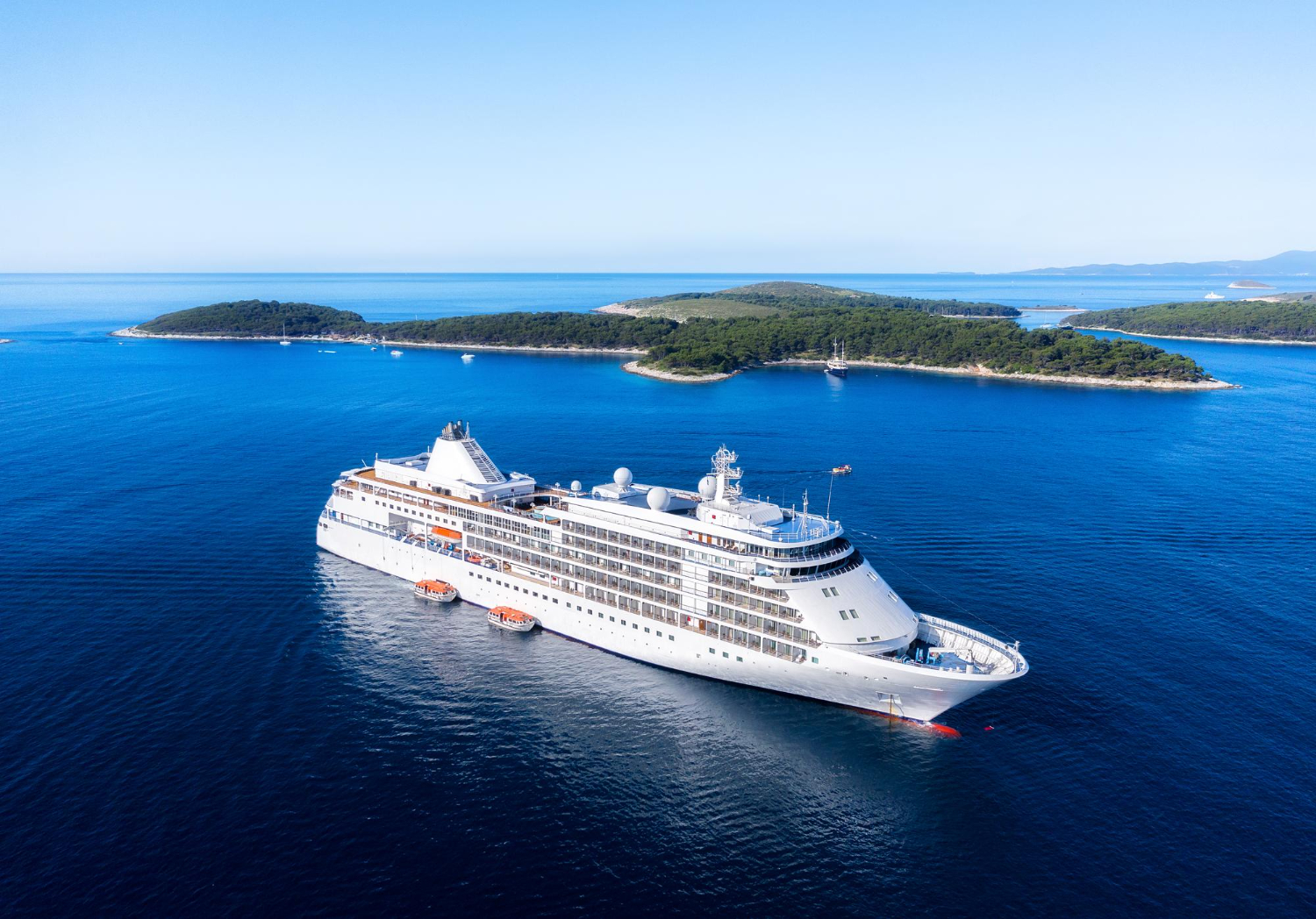
Cruise marketing targets everyone, but cruise travel actually works well for specific personality types and travel situations. Rather than listing reasons to cruise, understanding whether you’re a cruise person requires honest assessment of what you value in travel, how you like to spend time, and what kind of vacation rest means to you.
The Logistics-Averse Traveler
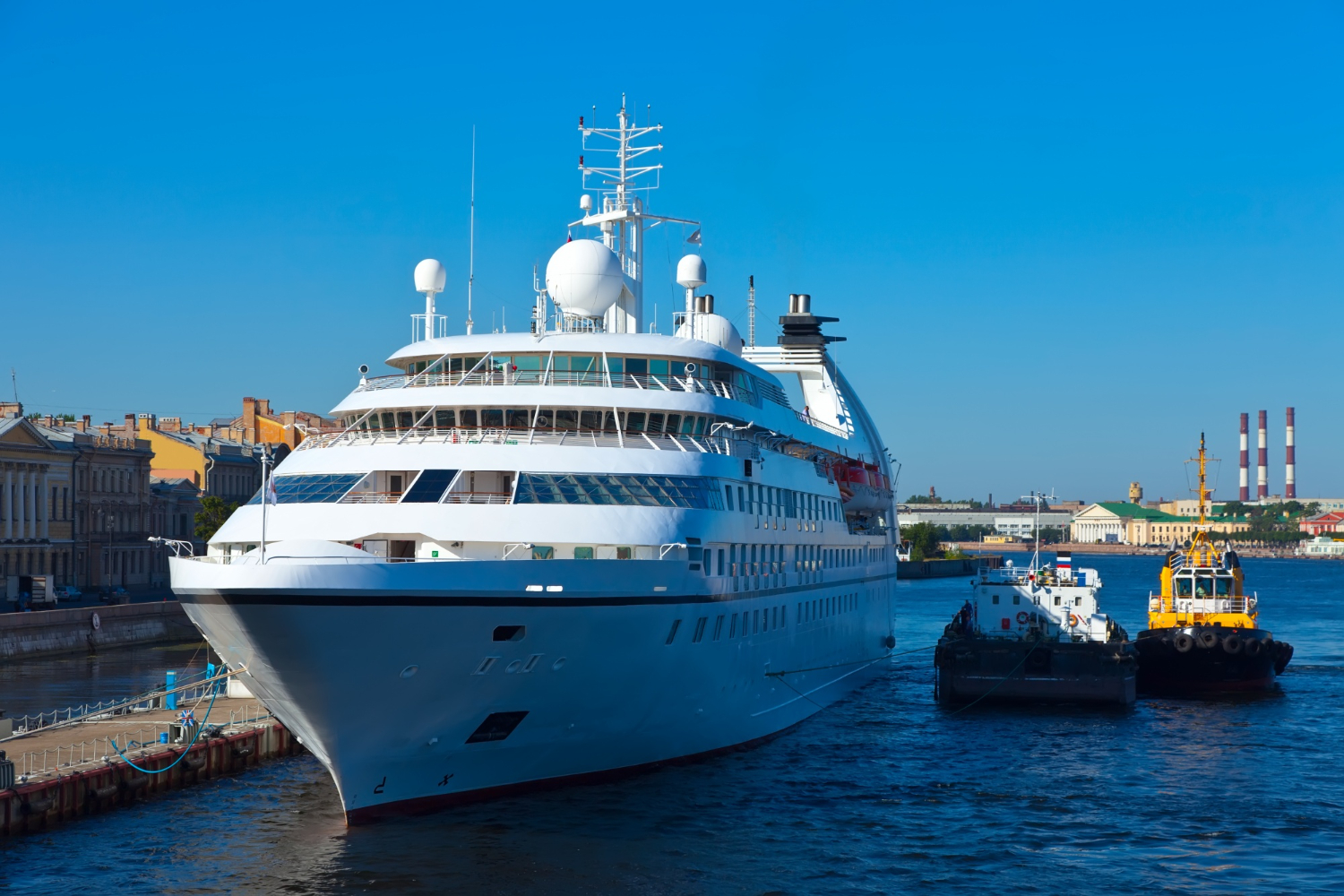
Cruise travel appeals to people who hate logistical complexity. You book one package, you arrive at the ship, and the ship handles accommodation, food, transportation between ports, and (mostly) entertainment. No rental car coordination, no hotel check-ins, no restaurant reservations, no transportation between locations. This is genuinely valuable for travelers who find vacation planning exhausting rather than exciting.
Traditional independent travel requires coordinating flights, hotels, restaurants, local transportation, activities, and transitions between locations. Each transition creates friction — time lost to check-ins and check-outs, mental energy spent on navigation, possibility of service failures. Cruises eliminate this friction by consolidating everything into one booking and one location that moves.
For people who want vacation from logistical stress rather than vacation from work, cruises provide genuine value. The tradeoff is reduced spontaneity and predetermined experiences, but the benefit is freedom from planning burden.
The Retiree on Fixed Income
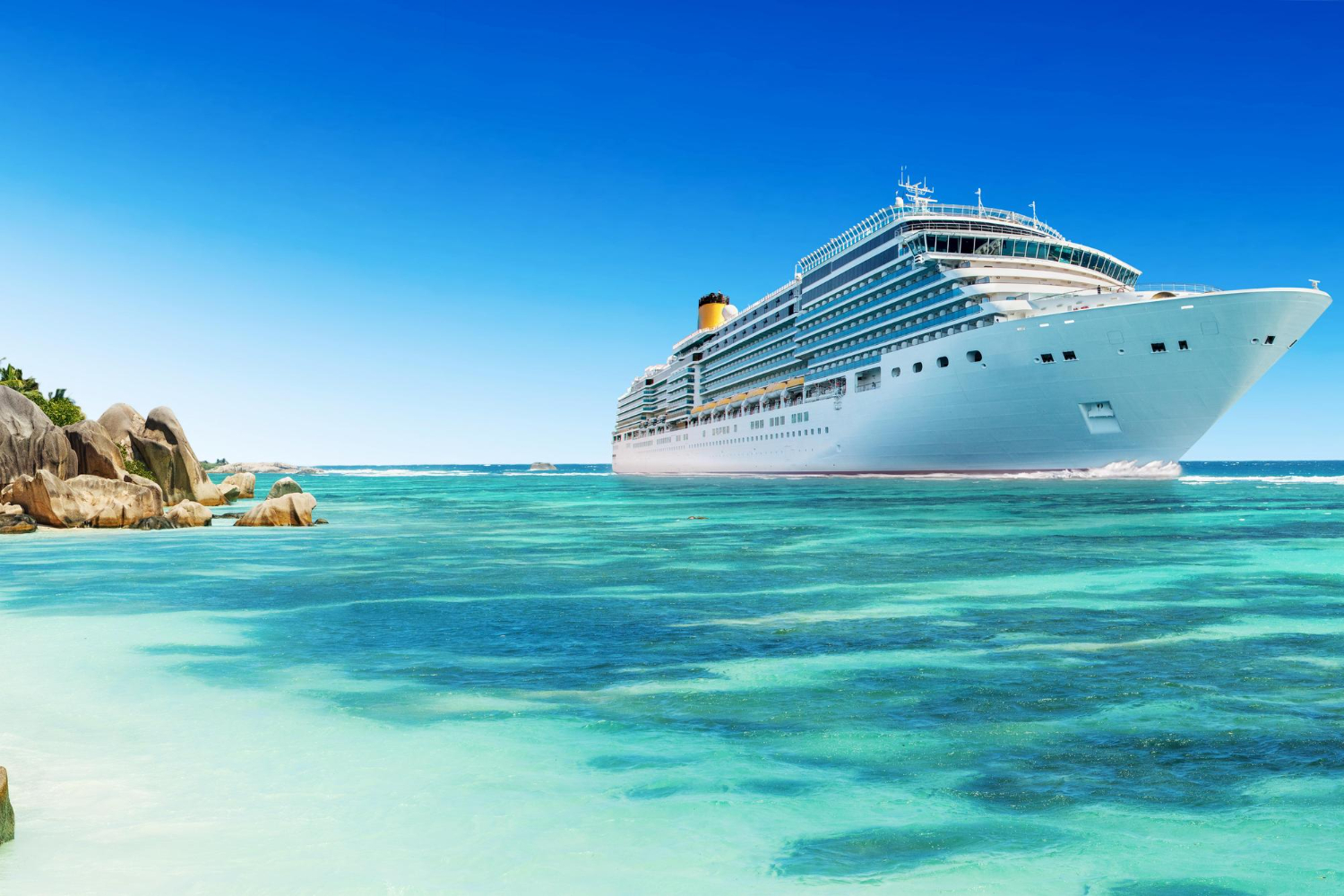
Cruises offer what is effectively an all-inclusive vacation at a predictable total cost. You pay a fixed price that includes accommodation, most meals, many entertainment options, and transportation between ports. This budgeting certainty appeals to retirees and people on fixed incomes who want to know the total vacation cost before committing.
Traditional travel requires estimating hotel costs, restaurant costs, activity costs, and transportation costs separately — each with uncertainty. A cruise quotation provides a single number that covers most expenses (with exceptions for specialty dining and activities). This certainty allows better budget planning.
Additionally, cruises attract senior travelers (a large portion of cruise passengers are 65+), which means the social environment is geared toward that demographic. Entertainment, activity pacing, accessibility features, and the general atmosphere reflect the retiree-dominated passenger base.
The Family With Young Children

Cruises handle childcare partially through entertainment and activities that engage children while adults have time alone. The ship has kids’ clubs, pools, entertainment venues, and activities designed to occupy children. This gives parents genuine rest without requiring separate childcare arrangements. The parents are “on the ship” if needed, but can have several hours of non-parental time daily.
Additionally, cruises consolidate everything in one location, which means you don’t have to manage multiple hotel changes with children. Mealtimes are predictable. There’s no logistics of finding child-friendly restaurants. The environment is relatively child-friendly because the cruise line actively accommodates families.
For families who find independent travel with young children exhausting, cruises provide structure and built-in childcare that reduces that burden.
The Solo Traveler Seeking Community

Cruises provide built-in social environment for solo travelers. Group activities, shared dining, organized activities, and the general crowdedness of cruise ships creates opportunities for social interaction without requiring solo travelers to manufacture their own social experience. This appeals to solo travelers who want travel companionship but don’t want to commit to traveling with a specific person.
Alternatively, solo travelers who prefer solitude find that cruises, while crowded, also provide plenty of private spaces (your cabin, quiet decks, reserved areas) where you can be alone without the logistics of managing transportation and accommodation alone.
The Person Who Likes Predictability

Cruises offer extreme predictability. The schedule is predetermined and unchangeable. You know the daily timing of meals, activities, and port arrivals. There are no surprises (except weather-related changes). For people who find uncertainty stressful, this predictability is genuinely valuable. You’re not managing expectations or worrying about whether the restaurant reservation will work out — everything is included and scheduled.
This appeals to people with anxiety about travel logistics, people who travel infrequently and want to minimize variables, and people who prefer structure to spontaneity.
The Traveler With Limited Vacation Time
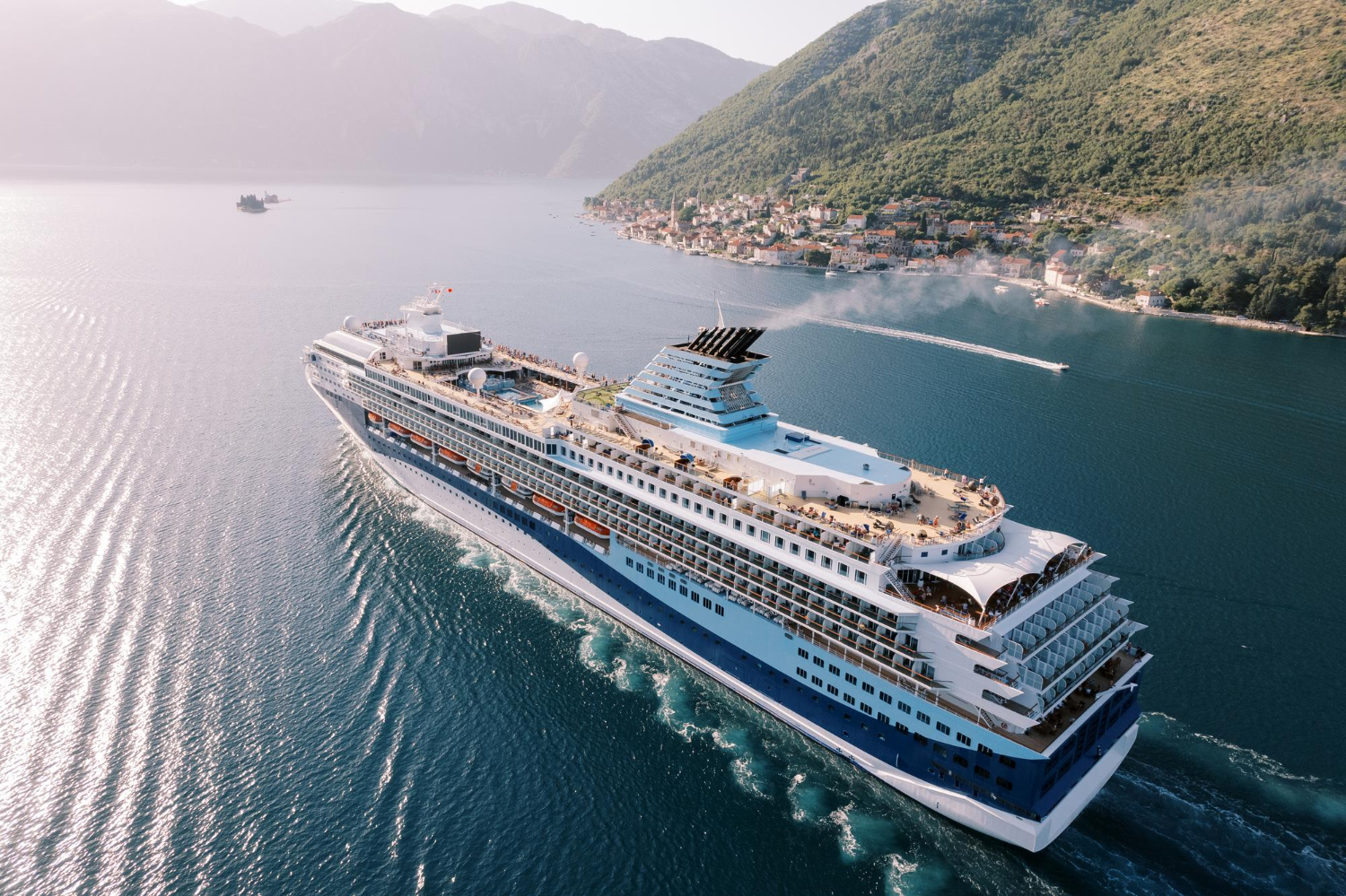
Cruises maximize destination coverage with minimal travel time. You visit multiple ports without managing transitions between them. A week-long cruise might visit 4-5 destinations. You gain destination variety without the travel time that independent trips require. For people with only 1-2 weeks vacation annually, this efficiency matters.
The tradeoff is depth — you get limited time in each port (typically 6-10 hours). You’re seeing ports as a cruise passenger, not as a resident or extended visitor. But for people whose constraint is limited vacation time, the breadth-of-experience versus depth-of-experience tradeoff often favors breadth.
The Group Travel Coordinator
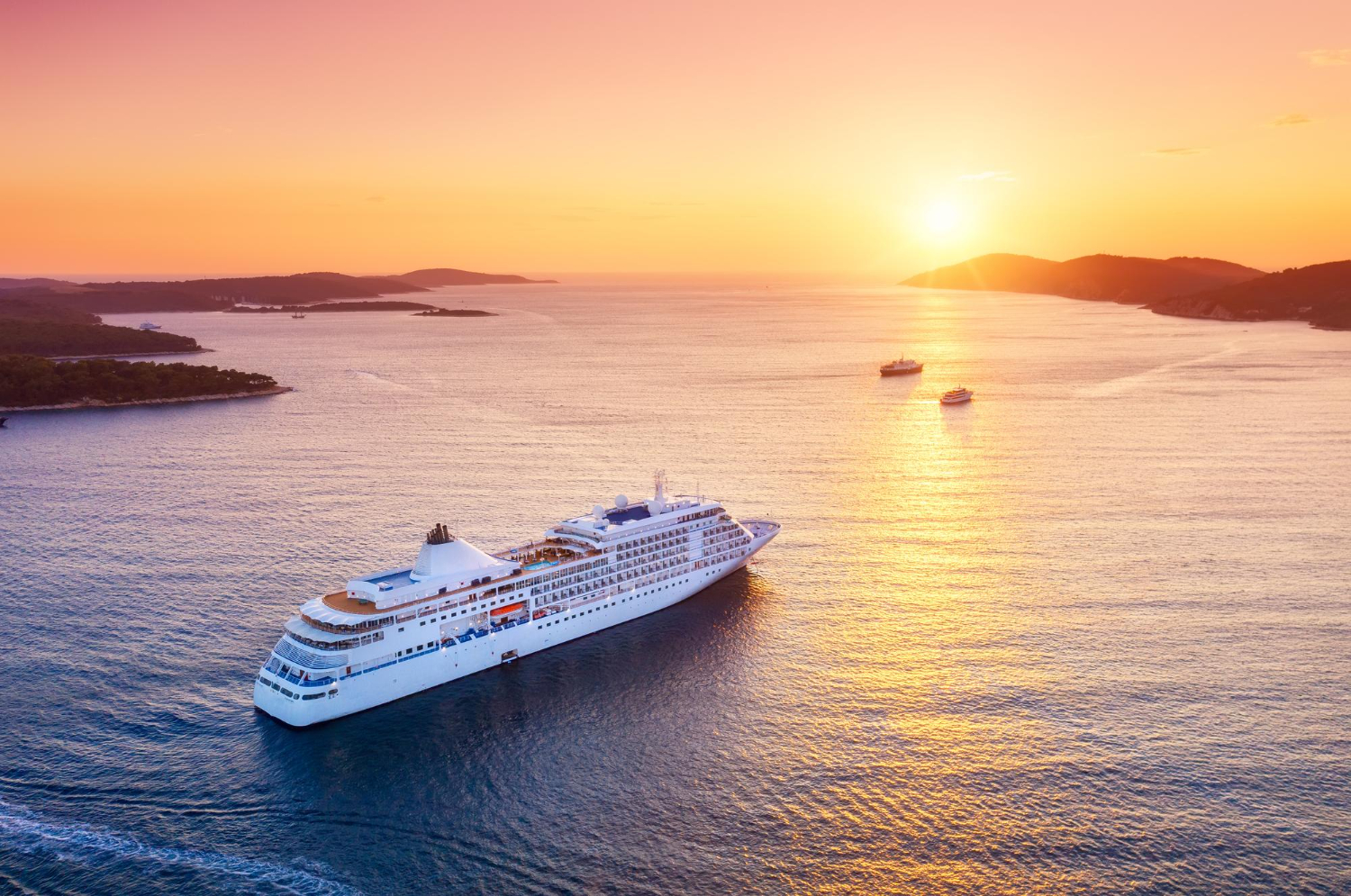
Cruises simplify group travel logistics. Rather than coordinating multiple hotel reservations, restaurant reservations, and activities for a large group, you coordinate a single group cruise reservation. The ship handles all logistics. Group members can participate in activities together or independently, but they’re all returning to the same ship. This reduces the coordination burden significantly.
For families planning multigenerational trips or friend groups planning vacations together, cruises eliminate much of the logistics complexity that makes group travel difficult.
The Traveler Who Doesn’t Like Independent Decision-Making
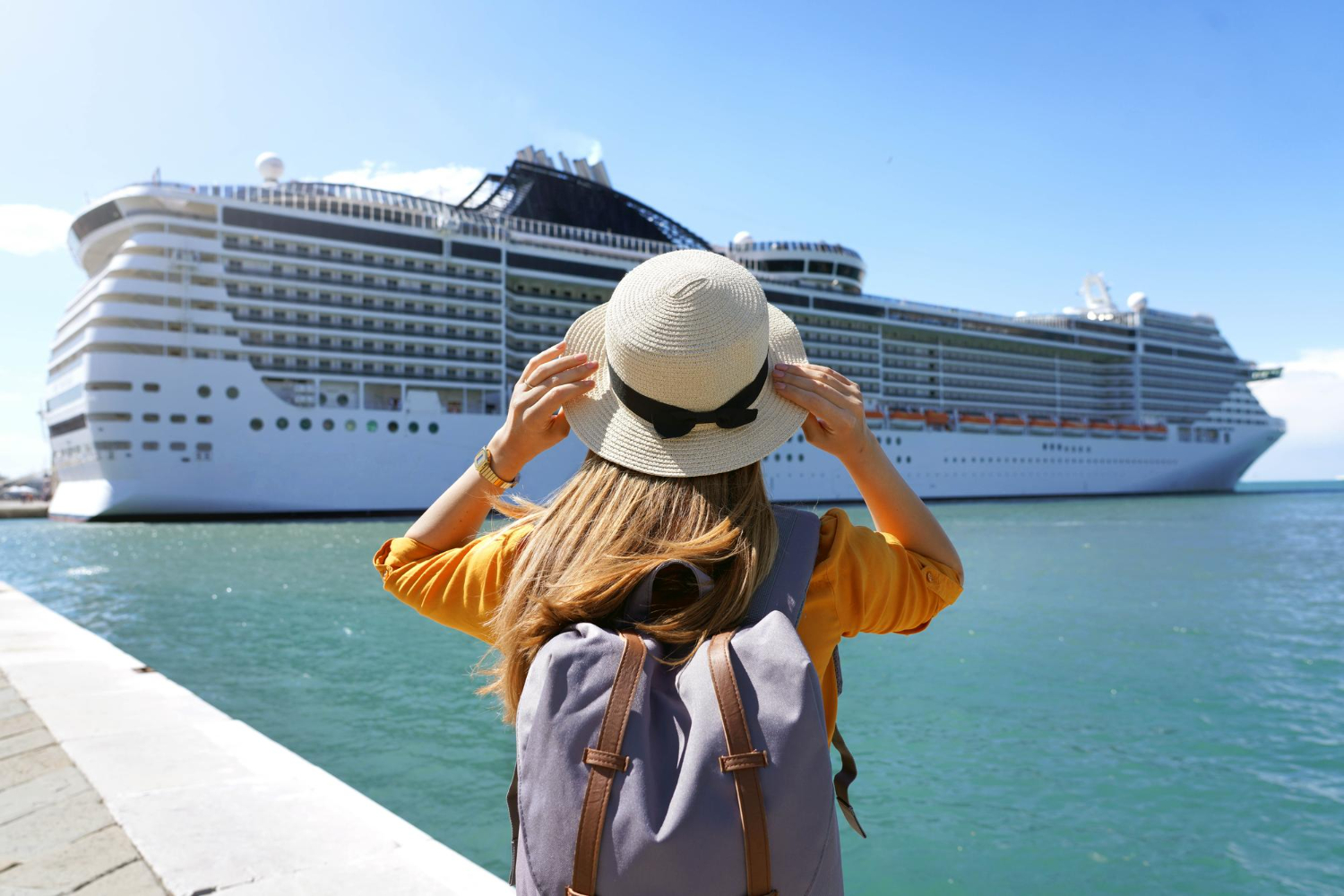
Some travelers find the constant decision-making of independent travel exhausting. What restaurant do we eat at? What activity do we do next? How do we get there? What’s the best use of our limited time? Cruises minimize this decision-making. Your meals are predetermined (though you have multiple venue options). Your port stops are predetermined. Your transportation is predetermined. This reduces decision fatigue for travelers who find too many choices overwhelming.
This is particularly relevant for travelers with decision-anxiety or travelers who are exhausted from high-decision-making jobs.
The Person Who Loves Luxury at Cruise Prices

Luxury cruises offer amenities (spas, gourmet restaurants, premium entertainment, high staff-to-passenger ratios) at prices substantially lower than equivalent luxury hotels. A luxury cruise might cost $300-400/night all-inclusive, where a luxury hotel with equivalent amenities costs $600+/night. For luxury-focused travelers with middle-class budgets, this value proposition is genuinely compelling.
The caveat is that “luxury cruise” still means crowded ship with hundreds or thousands of other passengers. Luxury is relative to cruise standards, not hotel standards.
Honestly Assessing Cruise Fit
Cruise travel works well if you: value simplicity over spontaneity, want predictable costs, don’t require depth of destination experience, enjoy organized activities and social environments, and prefer being told what to do over making constant decisions. Cruise travel works poorly if you: want authentic local experiences, prefer spontaneity and flexibility, enjoy independent navigation and discovery, want to avoid crowds, and prefer depth over breadth in destinations.
Neither is wrong. But understanding your actual travel preferences matters more than marketing promises.