
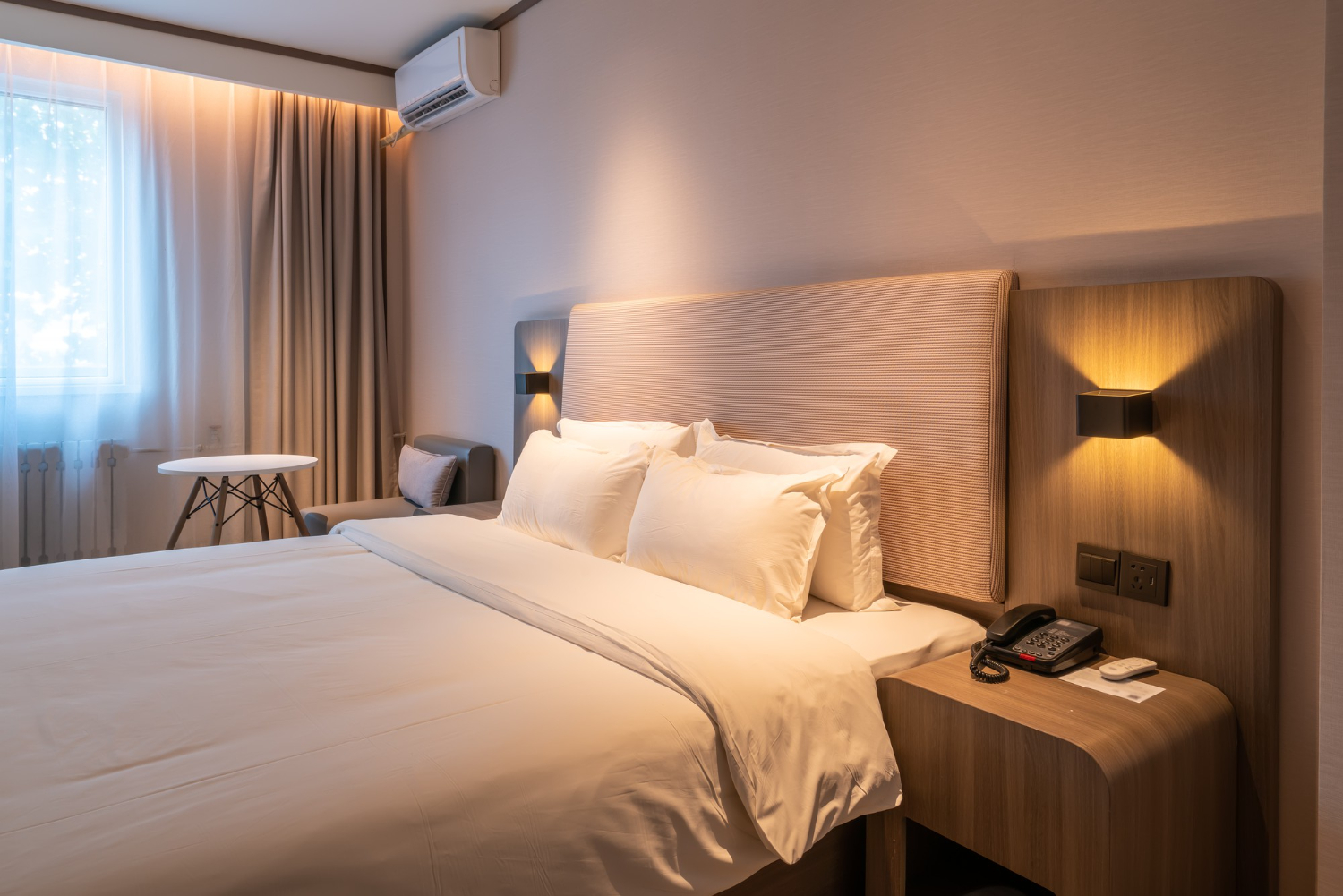
Hotels run on a whole layer of insider knowledge that guests rarely see — the things housekeepers know about which surfaces actually get cleaned, the industry practices that can leave you without the room you booked, the small moves that quietly get you a better stay. The people who work in hotels understand all of this, and a little of their knowledge goes a long way toward making any trip cleaner, smoother, and better value. None of it requires being a demanding guest; it’s just about knowing how hotels really work behind the scenes. From the surfaces worth wiping down to the booking tricks that protect you and the requests that frequently get granted, here are twelve hotel secrets the staff know — and exactly what every traveler should do about them.
1. The TV Remote and Light Switches Are Rarely Deep-Cleaned

Housekeepers and hotel-cleanliness experts consistently point to the TV remote as one of the least-cleaned, most-handled items in a hotel room, along with light switches — high-touch surfaces that get wiped only occasionally during a standard turnover. They’re handled by every guest but rarely sanitized thoroughly. What to do: give the remote and main light switches a quick wipe with a disinfecting wipe when you arrive (bring a few), or slip the remote into the clear ice-bucket liner bag to use it cleanly. It takes seconds and addresses one of the genuinely overlooked surfaces, a simple habit that travelers in the know adopt without becoming germaphobes about the whole room.
2. The Bedspread or Decorative Throw May Not Be Washed Every Stay

While sheets are changed between guests, the decorative bedspread, comforter, or throw — the top decorative layer — is, at many hotels, not laundered after every single guest the way the sheets are, due to the labor and cost. It’s the layer most likely to have been used by previous guests without washing. What to do: pull back and set aside the decorative top layer, especially the bed runner or throw at the foot, and rely on the sheets and blanket that are freshly laundered. This is one of the most commonly cited hotel-housekeeping insights, and simply removing the decorative layer addresses it easily without any fuss.
Like our content? Follow us for more.
3. The Drinking Glasses Deserve a Second Look

Hotel-room glassware has, in various reports over the years, sometimes been “cleaned” improperly between guests rather than properly washed. While many hotels use sanitized or disposable cups, the in-room glasses are worth caution. What to do: favor wrapped disposable cups if provided, give glassware a rinse, or bring your own bottle. It’s not about assuming the worst, just a small awareness about an item that doesn’t always get the thorough washing guests assume. Knowing that in-room glassware isn’t guaranteed to be machine-washed between stays lets travelers make a simple, sensible choice rather than worrying about it.
4. What It Means to Get “Walked” — and How to Avoid It
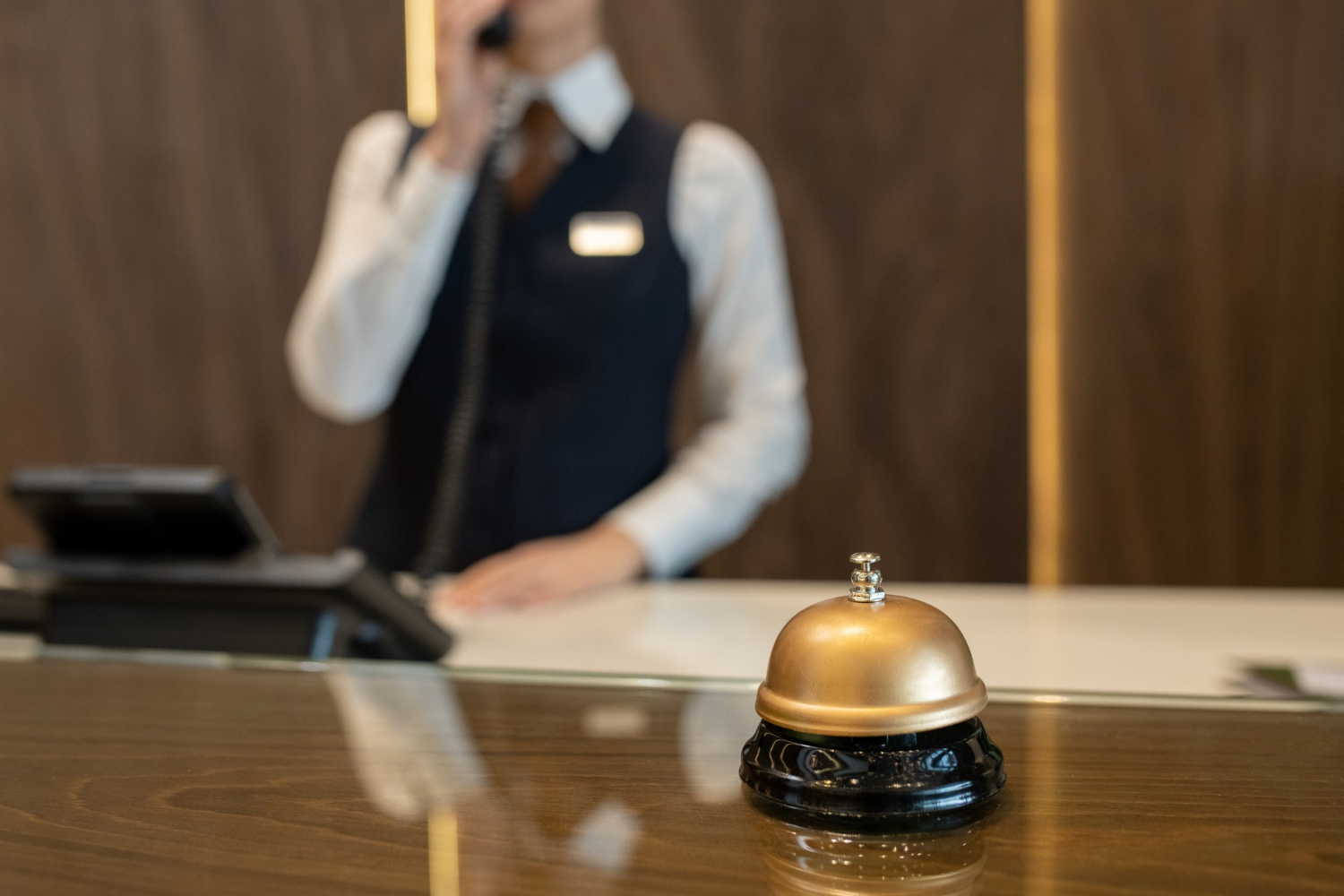
One of the most important hotel secrets is the practice of being “walked” — when a hotel overbooks and, on arrival, sends you to a different hotel because no room is available, despite your confirmed reservation. Hotels overbook expecting cancellations, and sometimes everyone shows up. What to do: arrive and check in as early as possible (the last to arrive are frequently the ones walked), book directly with the hotel and join its loyalty program (members are less likely to be walked), confirm your reservation a day ahead, and be a known, valued guest. If you are walked, the hotel should cover the cost of the comparable replacement room and transportation — know that you’re entitled to that. Understanding “walking” turns a nasty surprise into something you can largely prevent.
5. Booking Direct Frequently Beats the Third-Party Sites

Hotel staff know that guests who book through third-party sites frequently get the least flexibility, the worst rooms, and the lowest priority — and are sometimes more likely to be walked — because the hotel makes less and has less control over those bookings. What to do: book directly with the hotel when possible (frequently the same price or better, especially with loyalty perks), which gives you better rooms, easier changes, and higher priority. Many hotels will match or beat third-party rates if you ask. Booking direct is one of the simplest ways to get a better stay, better service, and more protection, a move that hotel insiders consistently recommend.
6. Asking Nicely at Check-In Can Get You an Upgrade

Front-desk staff frequently have discretion to offer upgrades or better rooms, and a polite, friendly guest who simply asks — especially loyalty members, those celebrating an occasion, or those checking in when the hotel isn’t full — is far more likely to receive one. Upgrades frequently go to those who pleasantly ask. What to do: be genuinely friendly to the front-desk staff, mention any special occasion, ask politely if any complimentary upgrades are available, and consider checking in a bit later when unsold premium rooms might be freed up. Kindness and a simple ask cost nothing and frequently yield a better room, a secret that seasoned travelers use routinely.
7. The Minibar and In-Room Extras Are Marked Up Enormously
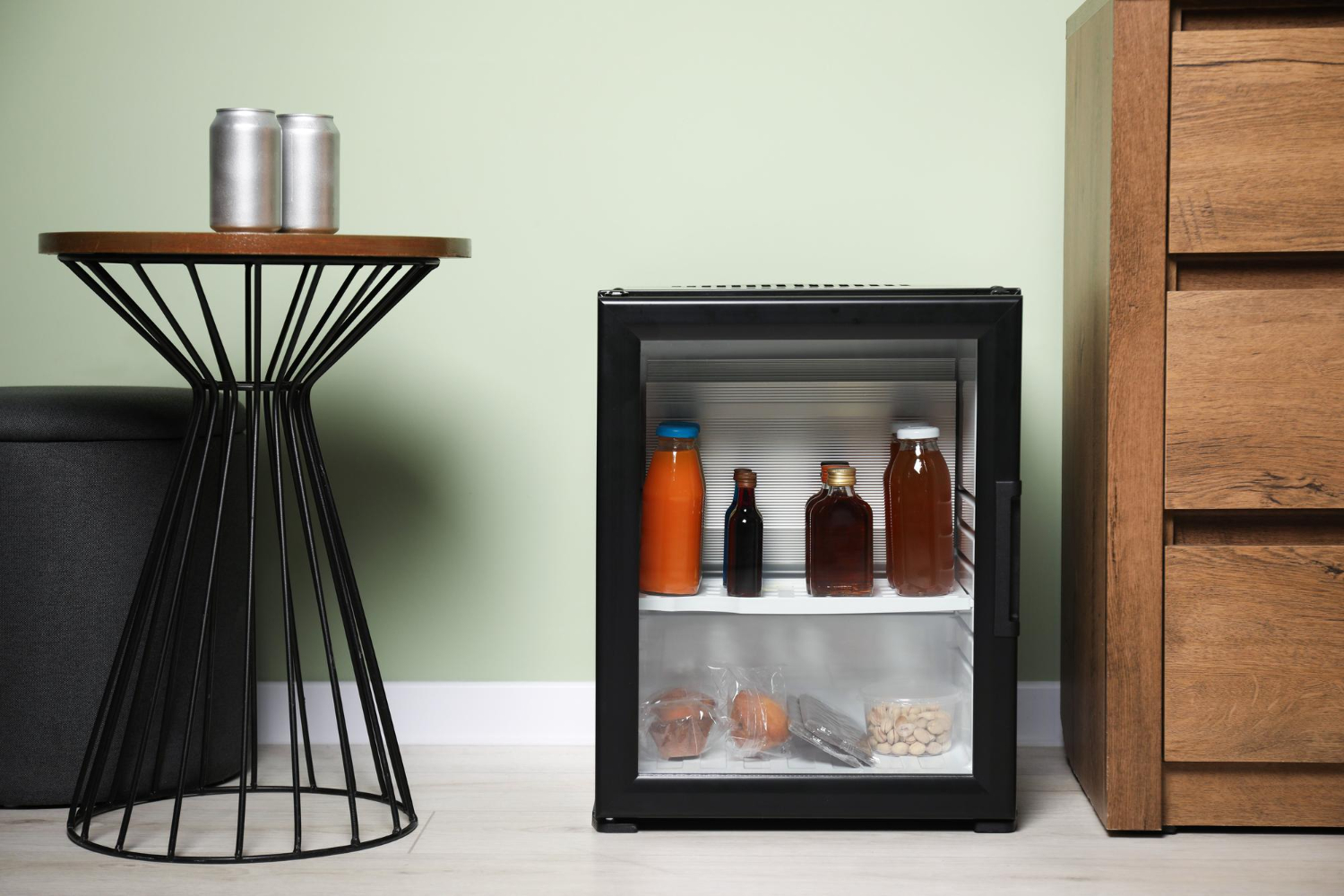
Hotel staff know the minibar and in-room snacks, drinks, and convenience items carry enormous markups, and that some minibars use sensors that charge you for merely moving an item. These are among the most overpriced purchases in travel. What to do: avoid the minibar entirely, buy snacks and drinks from a nearby store, and be careful not to rearrange sensor-equipped minibar items. Keeping your own water and snacks on hand saves a startling amount over a multi-night stay. Knowing just how marked-up in-room extras are lets travelers sidestep one of the hotel industry’s most reliable little profit centers with minimal effort.
8. Calling the Hotel Directly Can Beat the Listed Rate

Hotel staff and revenue managers know that the rate you see online isn’t always the best available, and that calling the hotel directly — especially asking about any current promotions, AAA, senior, or other discounts — can sometimes yield a better deal or a rate match. What to do: before booking, call the property directly, mention any discounts you might qualify for (senior, auto club, military, etc.), and ask if they can match or beat the online rate. A quick phone call frequently surfaces savings or perks that the booking sites don’t show, a simple step that can lower the price and start a direct relationship with the property.
9. Late Checkout Is Frequently Available Just for Asking
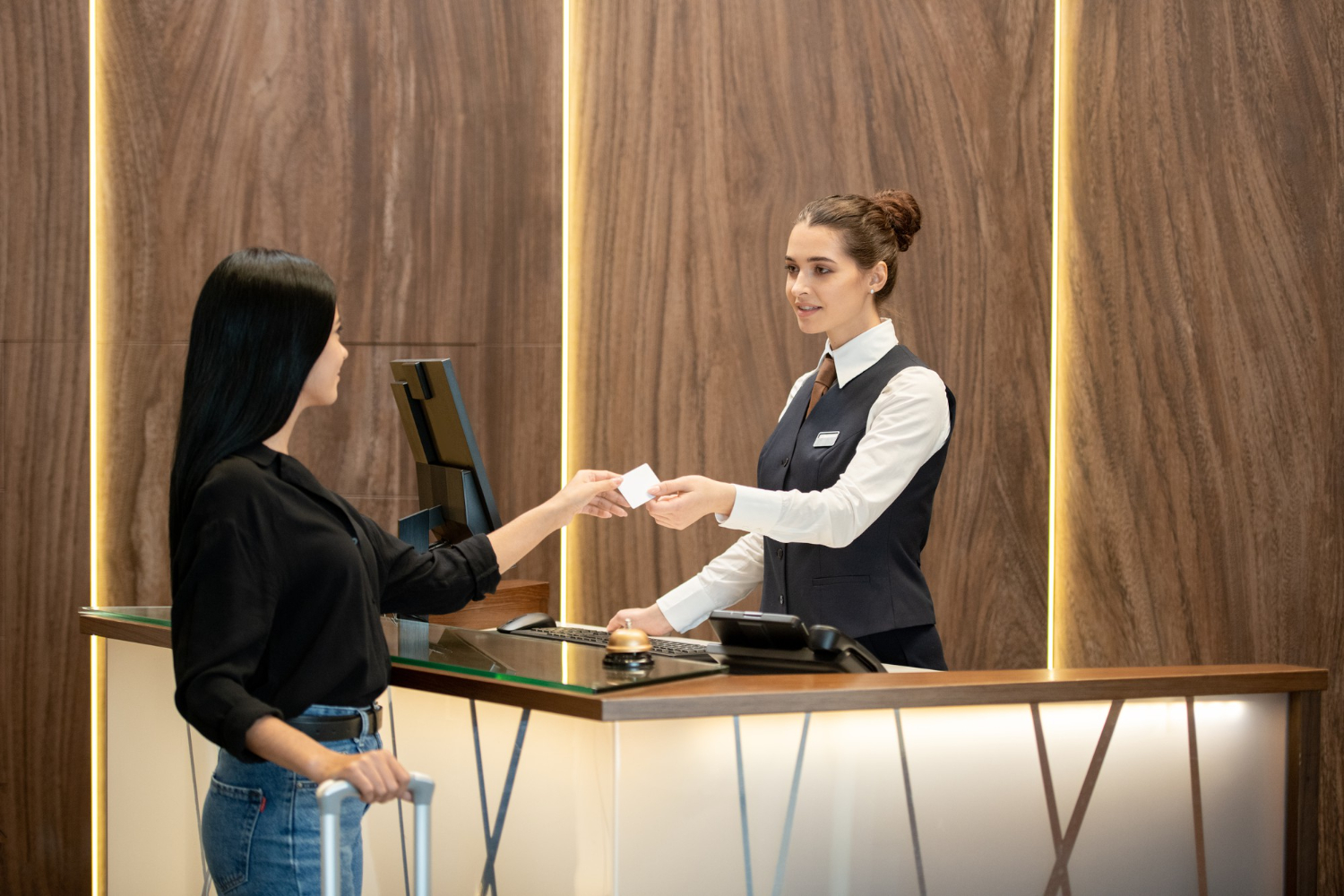
Hotel staff can frequently grant late checkout — sometimes significantly — especially for loyalty members or when the hotel isn’t fully booked the next day, but only if you ask. Many guests never request it. What to do: ask at check-in or the night before about late checkout options; you’ll frequently get an extra hour or several at no charge. For travelers with later flights or who simply want a relaxed morning, this small request can meaningfully improve the end of a stay. Knowing that late checkout is frequently there for the asking — rather than a rigid rule — is one of those small insider moves that makes travel more comfortable.
10. The Quietest Rooms Aren’t Assigned by Default

Hotel staff know which rooms are quietest — away from elevators, ice machines, the lobby, the pool, the parking lot, and connecting doors, and on higher floors — but you frequently won’t get one unless you request it. The default assignment isn’t optimized for your peace. What to do: when booking or checking in, request a quiet room away from elevators and high-traffic areas, on a higher floor, and away from any street-facing noise. Staff can almost always accommodate a politely-made request. A good night’s sleep frequently comes down to room location, and knowing to ask for a quiet room is a simple secret that makes a real difference to the quality of a stay.
11. Your Stuff at the Front Desk and Lost-and-Found Is Tracked

Hotel staff maintain organized lost-and-found systems and can store luggage before check-in and after checkout, but guests frequently don’t take advantage. What to do: if you arrive before check-in or have time to kill after checkout, ask the front desk or bell staff to store your bags (usually free) so you can explore unencumbered; and if you leave something behind, call the hotel promptly, as reputable hotels log and hold found items. Knowing that hotels will store your luggage and genuinely track lost items lets travelers move more freely and recover forgotten belongings, using services that are there but frequently overlooked.
12. Being Kind to Staff Is the Ultimate Hotel Hack
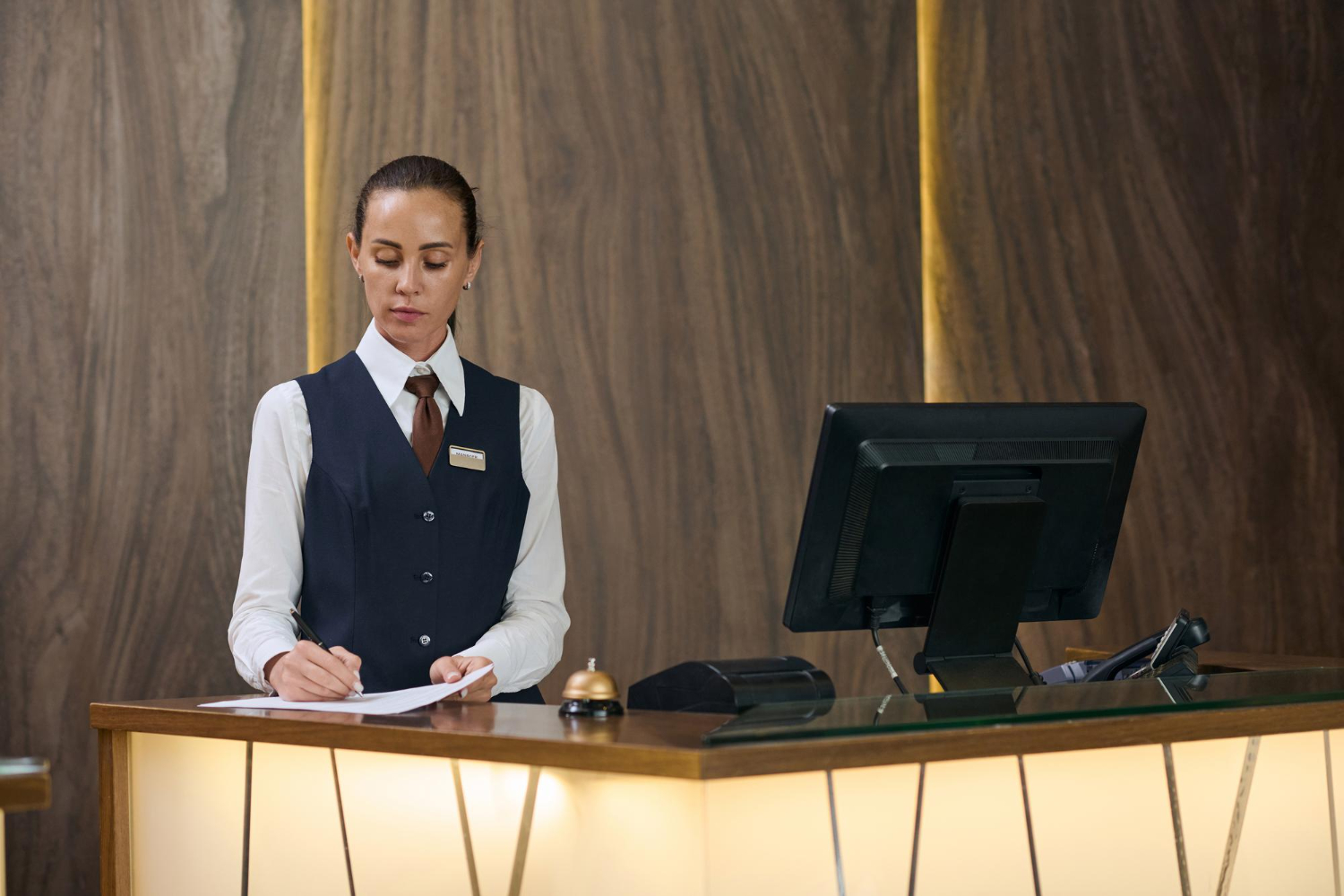
Perhaps the biggest open secret in hospitality is that hotel staff have enormous discretion to make a stay better — upgrades, late checkout, waived fees, special touches, problem-solving — and they extend it most readily to guests who treat them with genuine warmth and respect. Kindness is the master key. What to do: be friendly, patient, and respectful with everyone from the front desk to housekeeping, learn names, say thank you, and tip appropriately. Beyond being the right thing to do, it consistently results in better service and unexpected perks. The ultimate hotel secret isn’t a trick at all: the travelers who get the best stays are frequently simply the ones the staff genuinely want to help.
Like our content? Follow us for more.