There was a golden age of American home dessert, roughly the 1960s and ’70s, when hostesses competed with elaborate gelatin molds, families ended dinner with something from a box jazzed up just so, and certain sweets appeared at every potluck, holiday, and dinner party. These desserts defined the era’s tables — frequently colorful, frequently involving Jell-O or canned ingredients or whipped topping, and frequently looking like nothing anyone would serve today. Most have quietly vanished, victims of changing tastes, a shift away from canned-and-boxed convenience cooking, and a general move toward fresher, less elaborate sweets. But for a generation, these desserts are the taste of childhood holidays and family gatherings. Here are twelve beloved American desserts from the 1960s and ’70s that have quietly vanished from tables.
1. The Elaborate Jell-O Mold
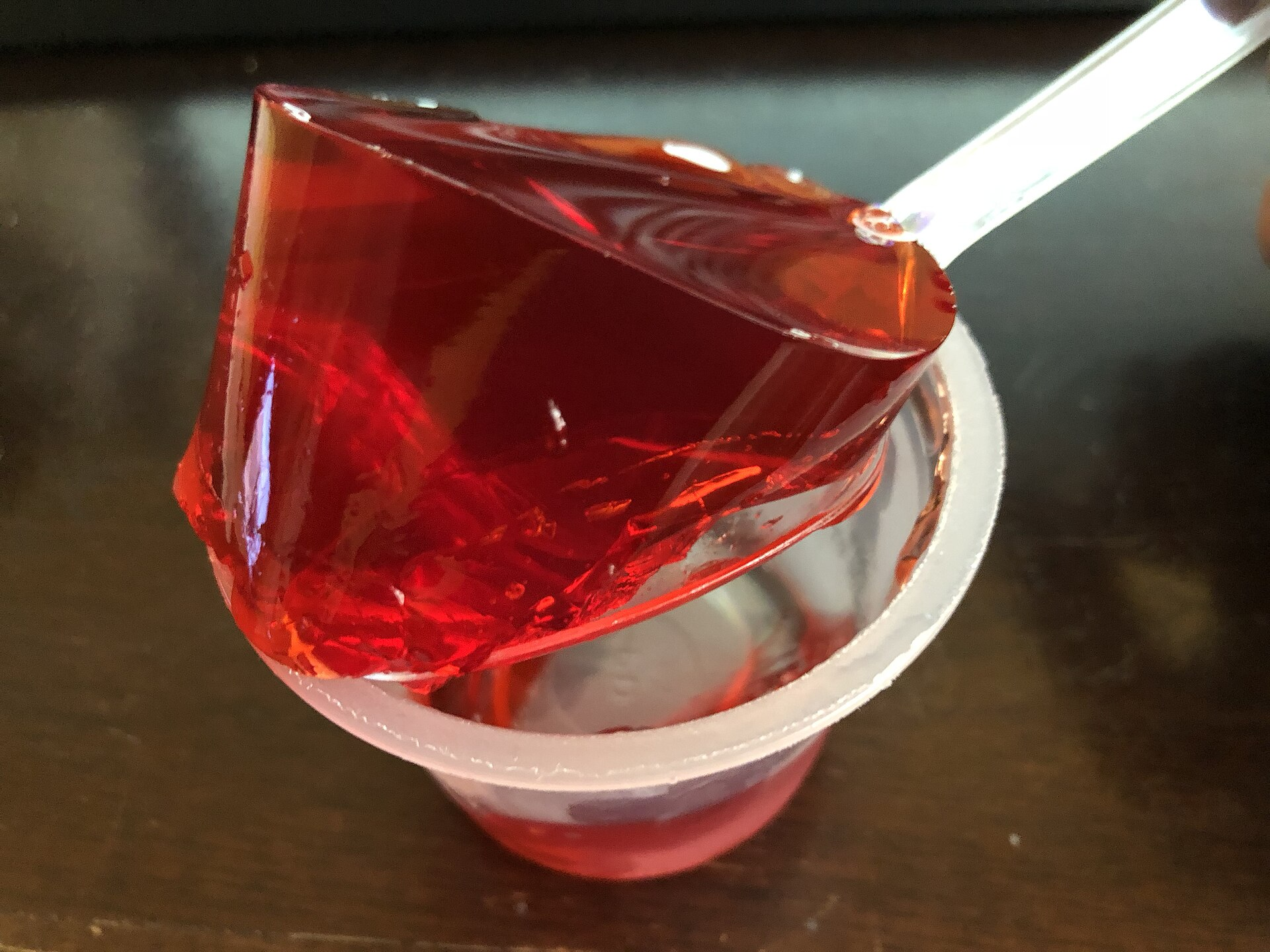
No dessert defines the era like the elaborate Jell-O mold — brightly colored gelatin shaped in fancy ring molds, frequently with suspended fruit, marshmallows, or even (alarmingly) vegetables and savory ingredients. These jiggly, jewel-toned creations were the centerpiece of countless gatherings and a point of hostess pride. Changing tastes sent the elaborate gelatin mold into near-extinction, surviving mainly as a nostalgic curiosity or holiday tradition in some families. The towering, suspended-fruit Jell-O mold, once the height of dinner-party sophistication, is perhaps the single most emblematic vanished dessert of the era.
2. Ambrosia Salad
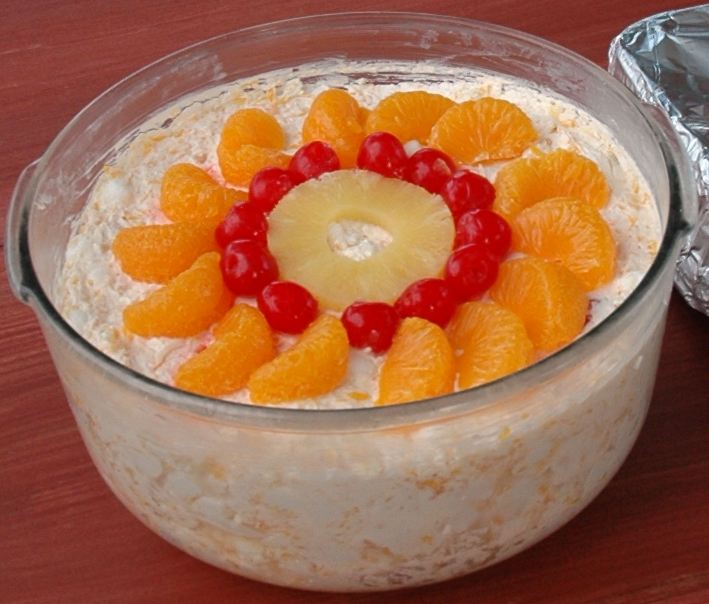
Ambrosia — a “salad” of canned fruit, mini marshmallows, coconut, and whipped topping or sour cream — was a staple of 1960s and ’70s gatherings, occupying the fuzzy territory between side dish and dessert. Sweet, creamy, and dotted with marshmallows, it appeared at every holiday and potluck. While ambrosia survives in some regions and family traditions, its former ubiquity has faded considerably. The marshmallow-studded ambrosia salad, with its canned mandarin oranges and coconut, is a quintessential vintage dish whose everyday presence at the American table has largely disappeared.
3. Baked Alaska
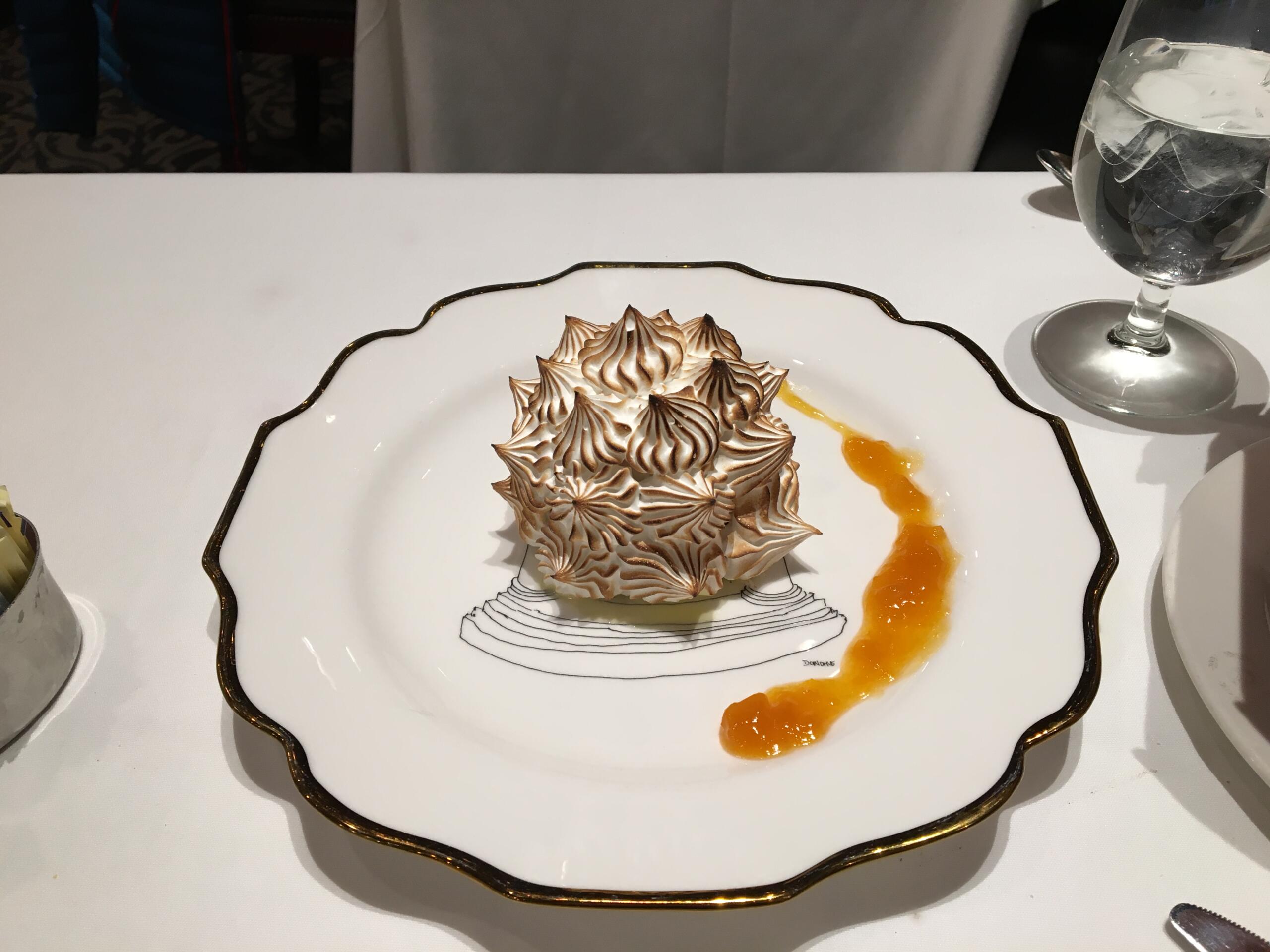
Baked Alaska — ice cream on cake, covered in meringue and briefly baked or torched so the outside browns while the ice cream stays frozen — was the dramatic showstopper dessert of the era, frequently brought out flaming for special occasions. Its theatrical hot-and-cold contrast made it a restaurant and dinner-party star. The labor-intensive, fussy dessert largely fell out of fashion. Baked Alaska, once the ultimate impressive finale that made guests gasp, has quietly vanished from most tables, a casualty of its own complexity and the era’s passing taste for theatrical, elaborate desserts.
4. Cherries Jubilee
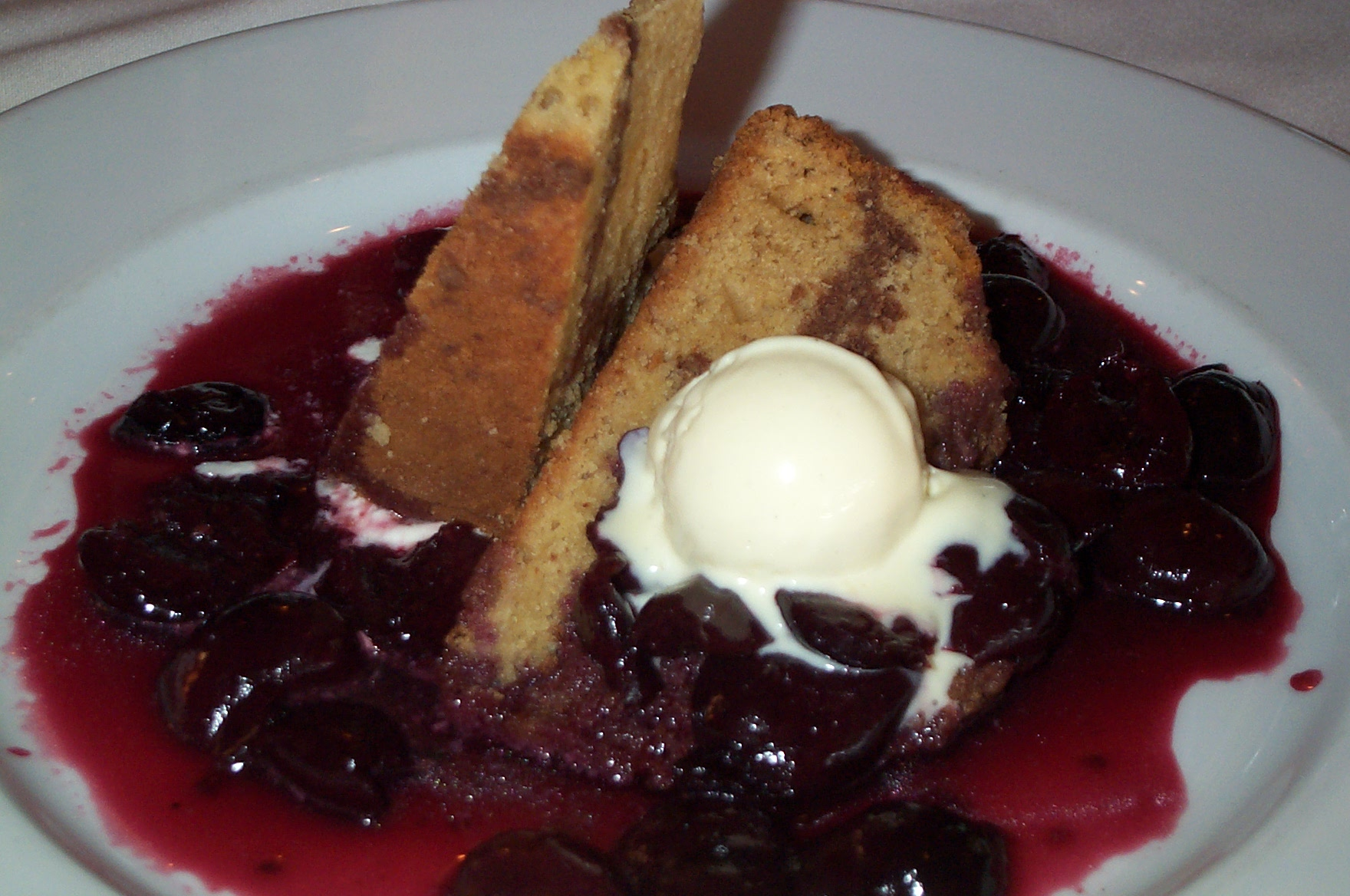
Cherries Jubilee — cherries flambéed in liqueur and spooned, flaming, over vanilla ice cream — was a beloved tableside-drama dessert of the era, frequently prepared with great ceremony at restaurants and special dinners. The flaming presentation was the entire appeal. As tastes moved away from such theatrical, boozy, ceremonial desserts, Cherries Jubilee faded from menus and tables. The flaming-cherry spectacle, once a sophisticated and dramatic way to end a special meal, has largely disappeared, taking with it a whole tradition of tableside dessert theater that defined fine dining of the period.
5. Watergate Salad
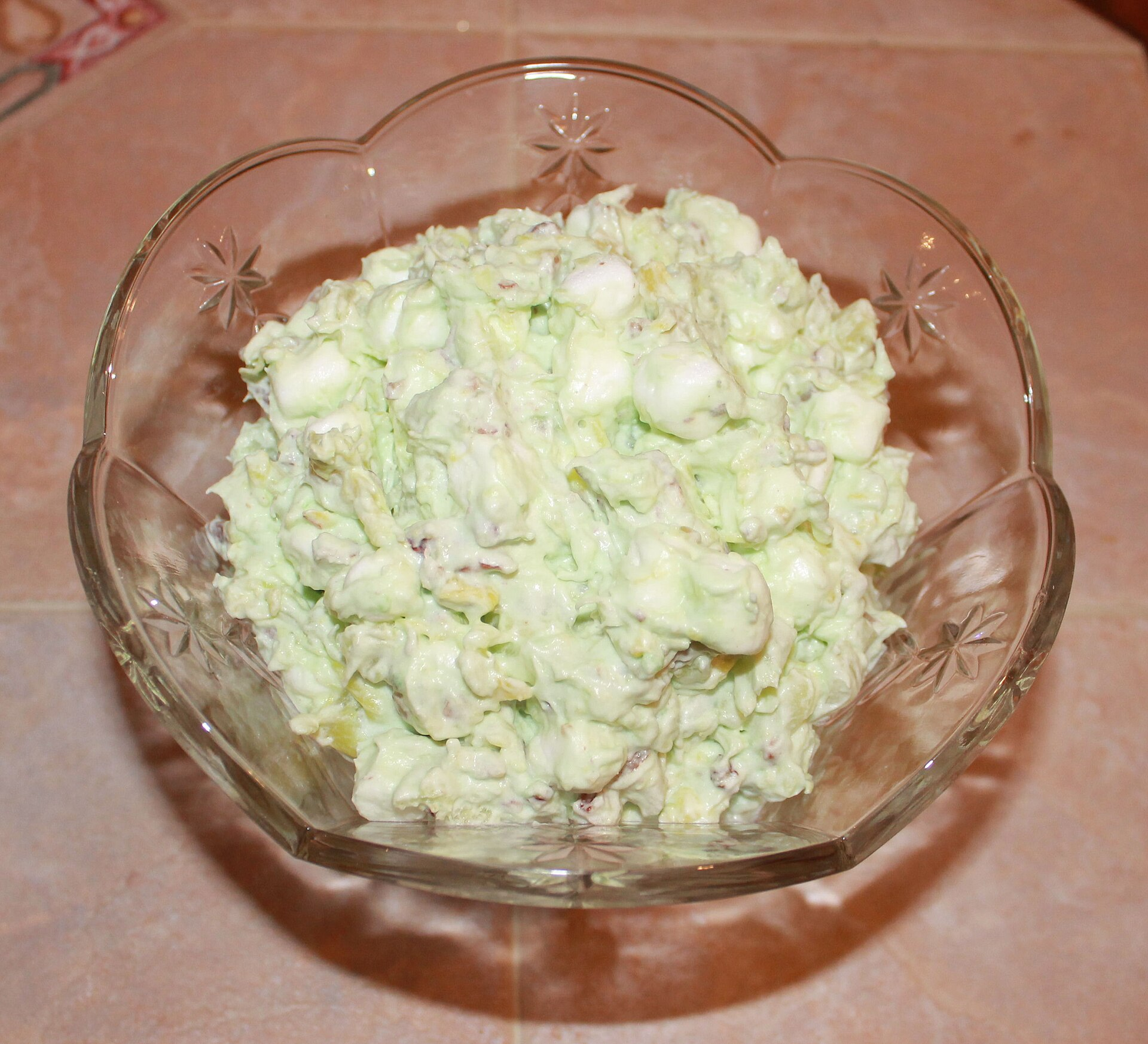
Watergate Salad — a fluffy green concoction of pistachio pudding mix, canned pineapple, marshmallows, whipped topping, and nuts — was a 1970s potluck phenomenon, its pale green color and mysterious name (and origins) part of its charm. It was sweet, creamy, and ubiquitous at gatherings. While it survives in some family traditions, its former everywhere-ness has faded. The pale green, pistachio-pudding Watergate Salad is a perfect emblem of the era’s love of fluffy, marshmallow-and-whipped-topping “salads” that blurred the line between side dish and dessert, now largely a nostalgic memory.
6. Pineapple Upside-Down Cake
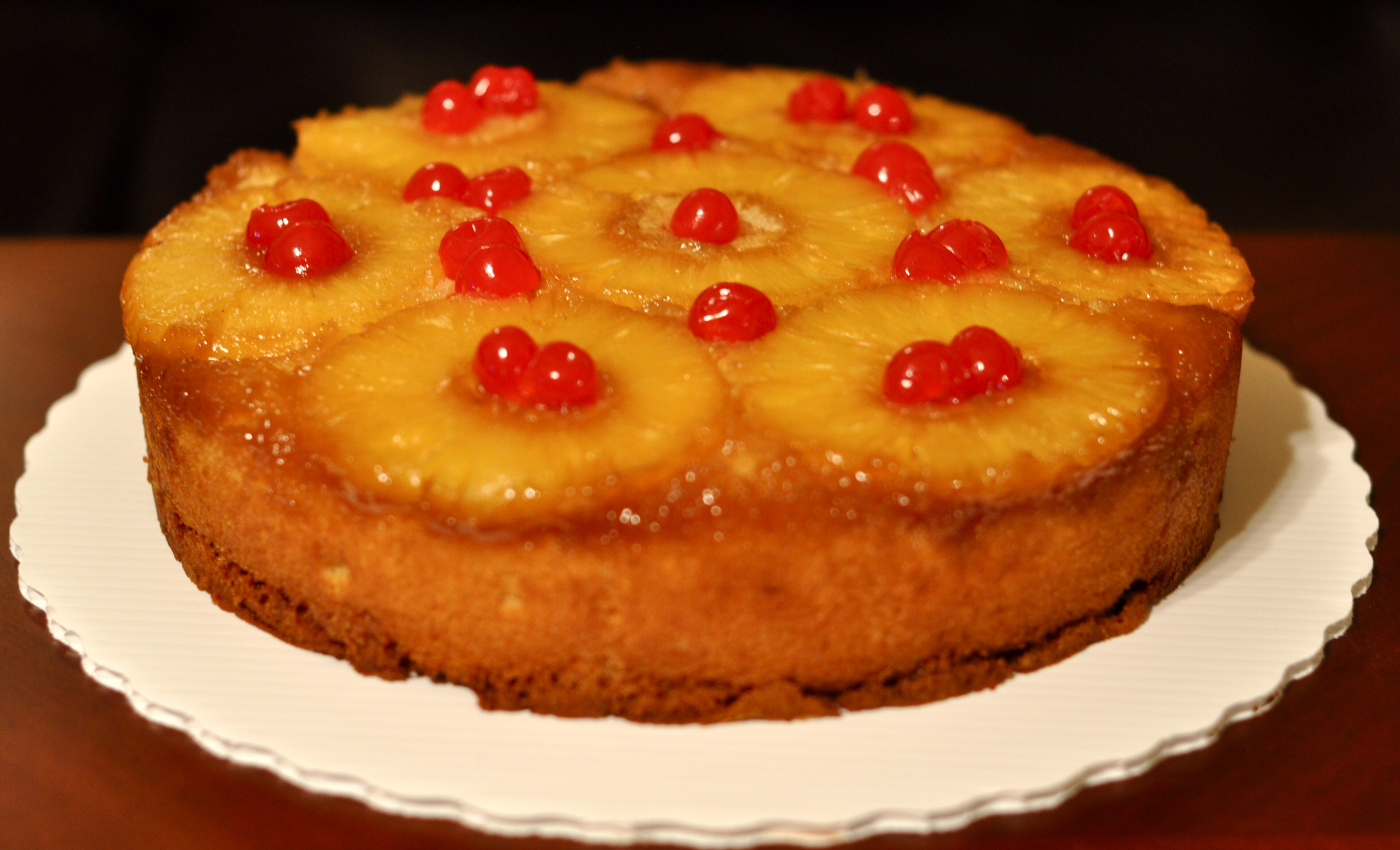
The pineapple upside-down cake — baked with canned pineapple rings and maraschino cherries on the bottom, then flipped to reveal the glazed fruit on top — was a 1960s and ’70s home-baking staple, showing off the era’s love of canned pineapple. The ring-and-cherry pattern was instantly recognizable. While still made occasionally, its status as a go-to family dessert has faded considerably. The pineapple upside-down cake, with its glossy rings of canned pineapple and bright maraschino cherries, captures the era’s enthusiasm for canned-fruit baking and has largely slipped from regular rotation.
7. Grasshopper Pie
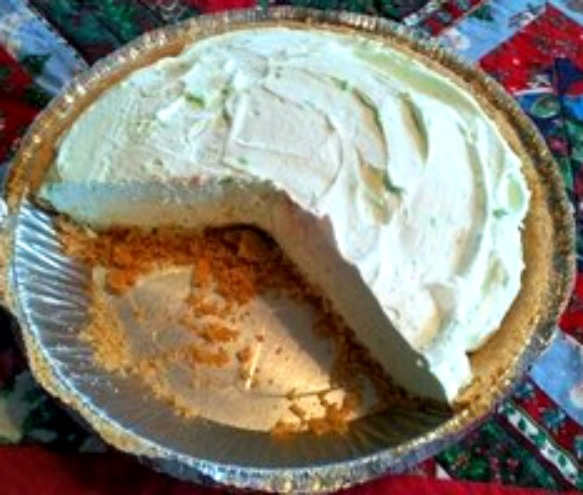
Grasshopper pie — a pale green, mint-and-chocolate no-bake pie made with crème de menthe and marshmallows or whipped topping in a chocolate crust — was a chic dessert of the era, its minty flavor and cool green color the height of sophistication. The boozy, minty, pale-green pie was a dinner-party favorite. Changing tastes sent it into obscurity. Grasshopper pie, with its distinctive mint-green color and crème de menthe kick, is a quintessential vanished dessert of the period, emblematic of the era’s fondness for pale-colored, liqueur-spiked, no-bake creations.
8. Tunnel of Fudge Cake
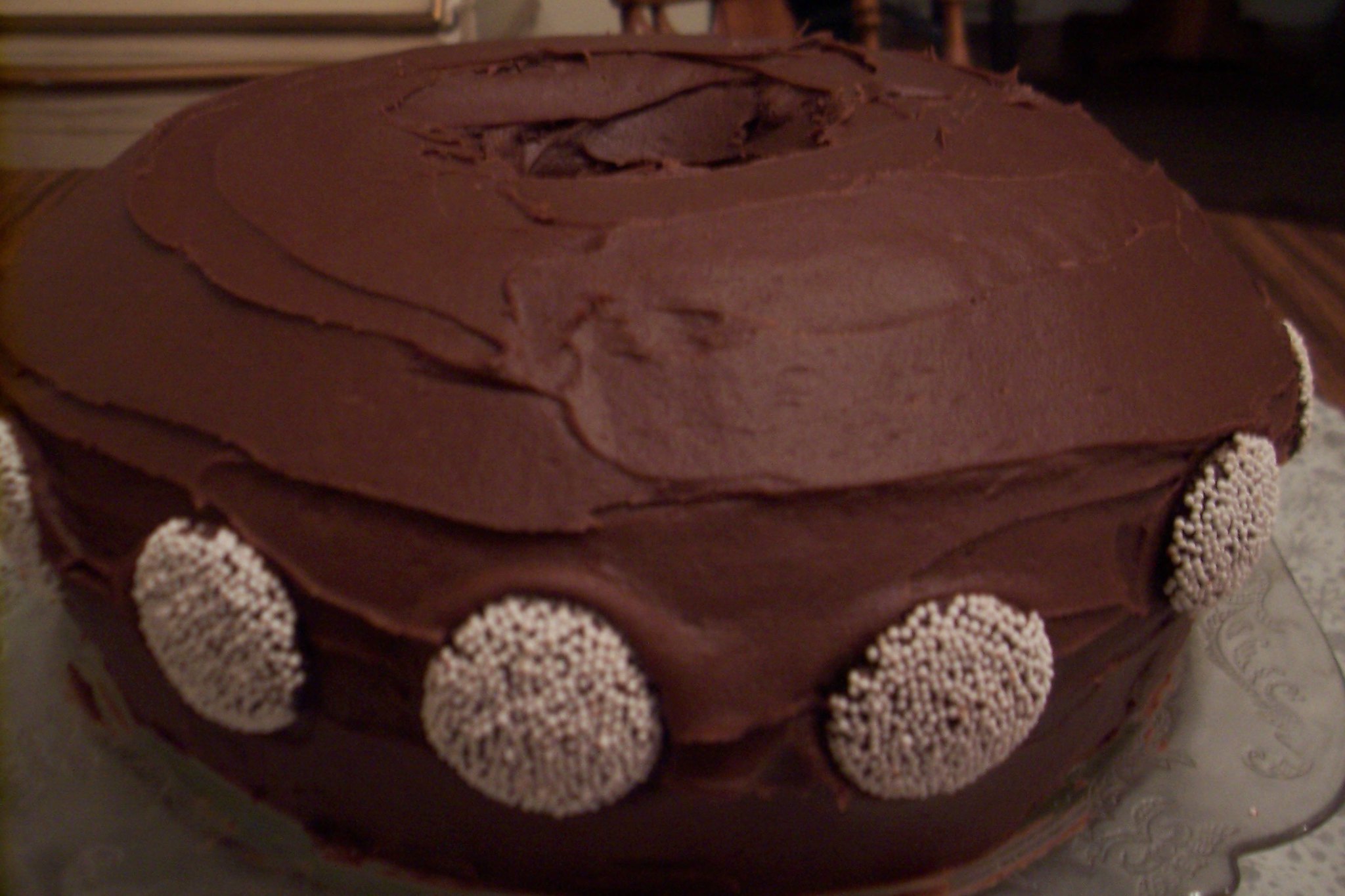
The Tunnel of Fudge cake — a Bundt cake with a famously gooey fudge center, born from a 1960s baking contest — became a sensation and helped popularize the Bundt pan in American kitchens. Its molten-fudge interior was its claim to fame. The original cake relied on a specific frosting mix that was later discontinued, complicating the recipe and contributing to its fade. The Tunnel of Fudge cake, once so popular it reportedly drove a surge in Bundt-pan sales, is a beloved vintage dessert whose particular gooey-centered glory has largely passed into nostalgia.
9. Divinity
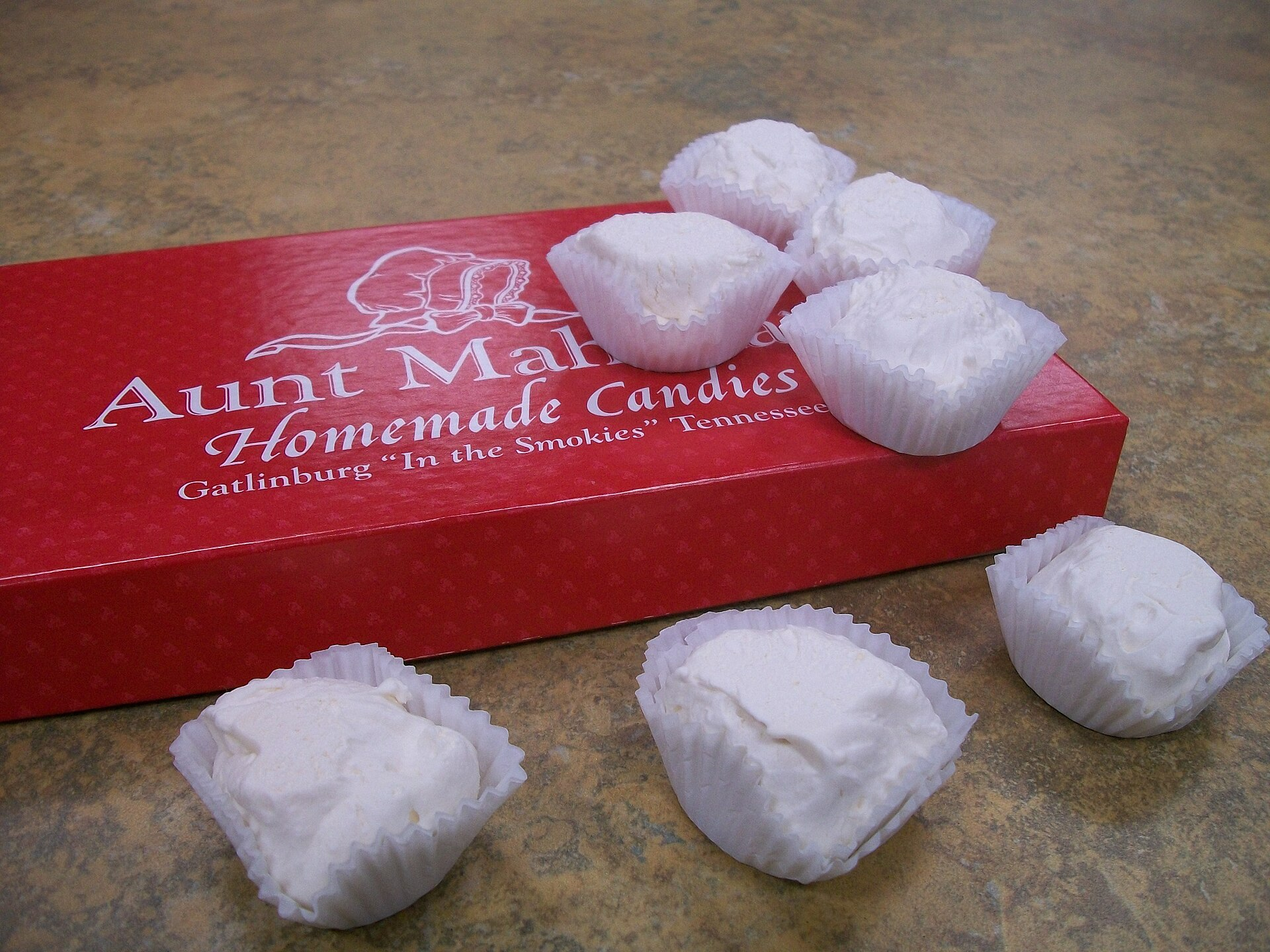
Divinity — a fluffy, white, meringue-like candy made from egg whites, sugar, and frequently pecans — was a cherished holiday confection of the era, especially in the South, requiring careful technique and dry weather to set properly. Making divinity was a treasured, tricky tradition. As home candy-making declined, divinity became increasingly rare. The cloud-like white divinity, a labor-intensive holiday treat passed down through families, has quietly vanished from most kitchens, a casualty of the broader decline in the kind of fussy, traditional home candy-making that once marked the holidays.
10. Spumoni and Ice Cream “Bombes”
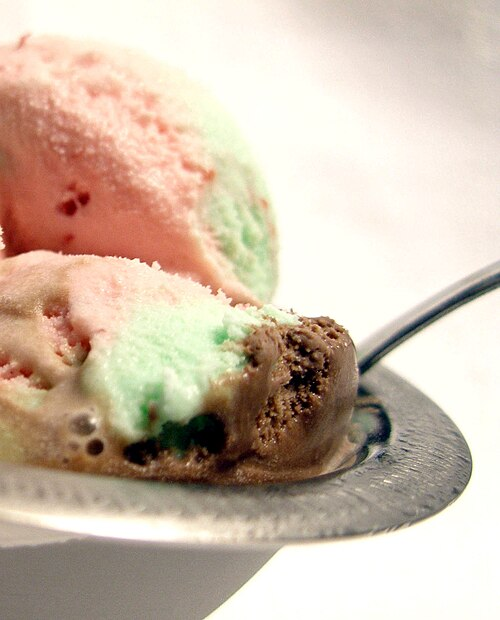
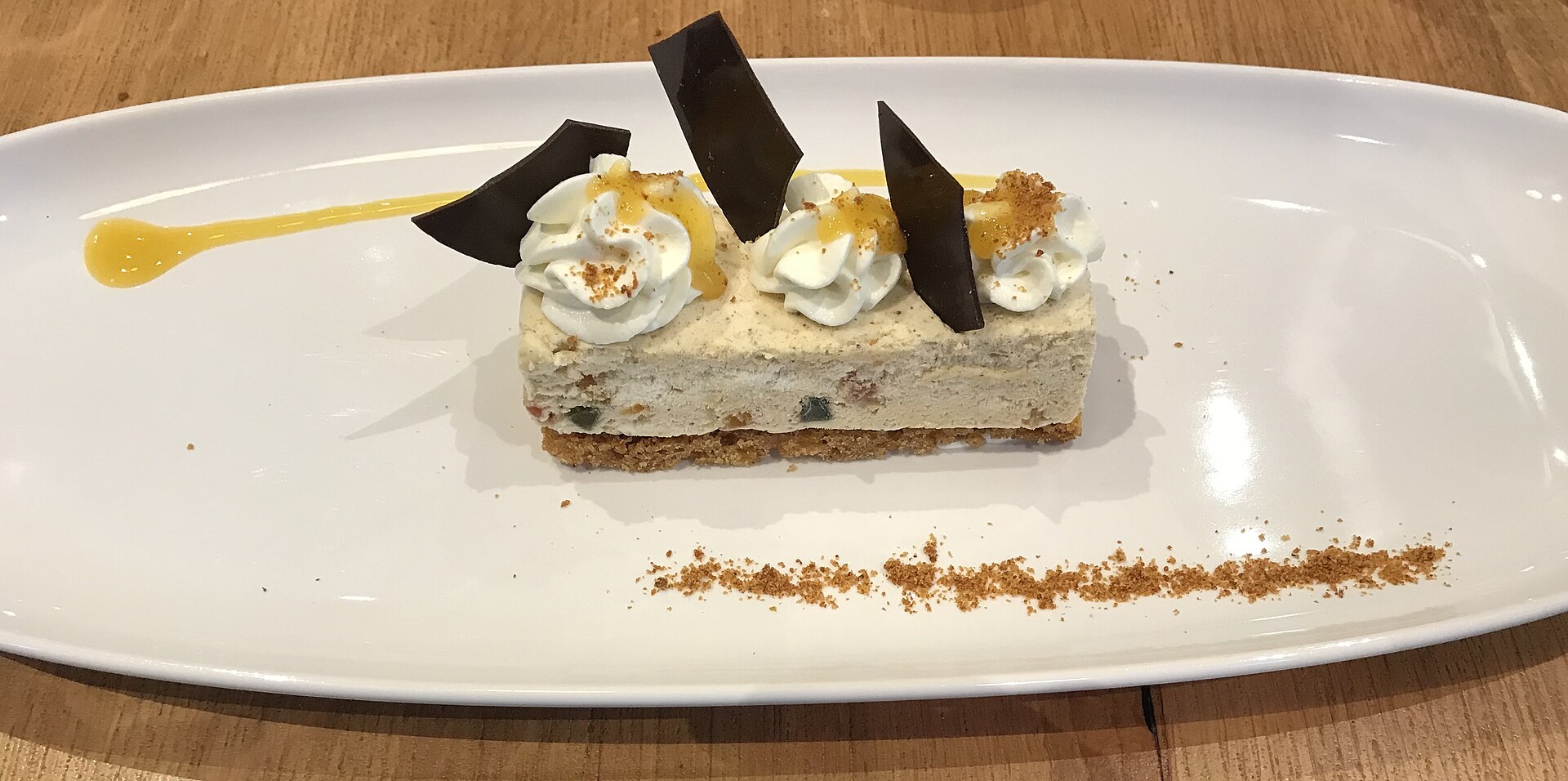
Elaborate molded ice cream desserts like spumoni and ice cream “bombes” — layered, molded, frequently multi-flavored frozen creations — were popular fancy desserts of the era, bringing drama and color to special occasions. The layered, molded presentation was the appeal. Simpler ice cream desserts and changing tastes pushed these elaborate frozen showpieces aside. The molded, multi-layered ice cream bombe and traditional spumoni, once impressive finales for special dinners, have largely vanished from American tables, surviving mainly in some traditional Italian-American and old-school settings.
11. Pudding Parfaits and Layered Trifles
The layered parfait — pudding, whipped topping, and other elements layered in a tall glass — and elaborate trifles were a beloved way to dress up boxed pudding into something special for the era’s tables. The visible layers in a clear glass were the whole point. While parfaits exist, the specific era’s enthusiasm for the boxed-pudding-based layered dessert has faded. The pudding parfait, showing off neat layers in a tall glass and turning convenience pudding into an occasion dessert, is a fading emblem of the era’s clever, presentation-focused approach to easy sweets.
12. Fruitcake (as a Beloved, Not a Joke)
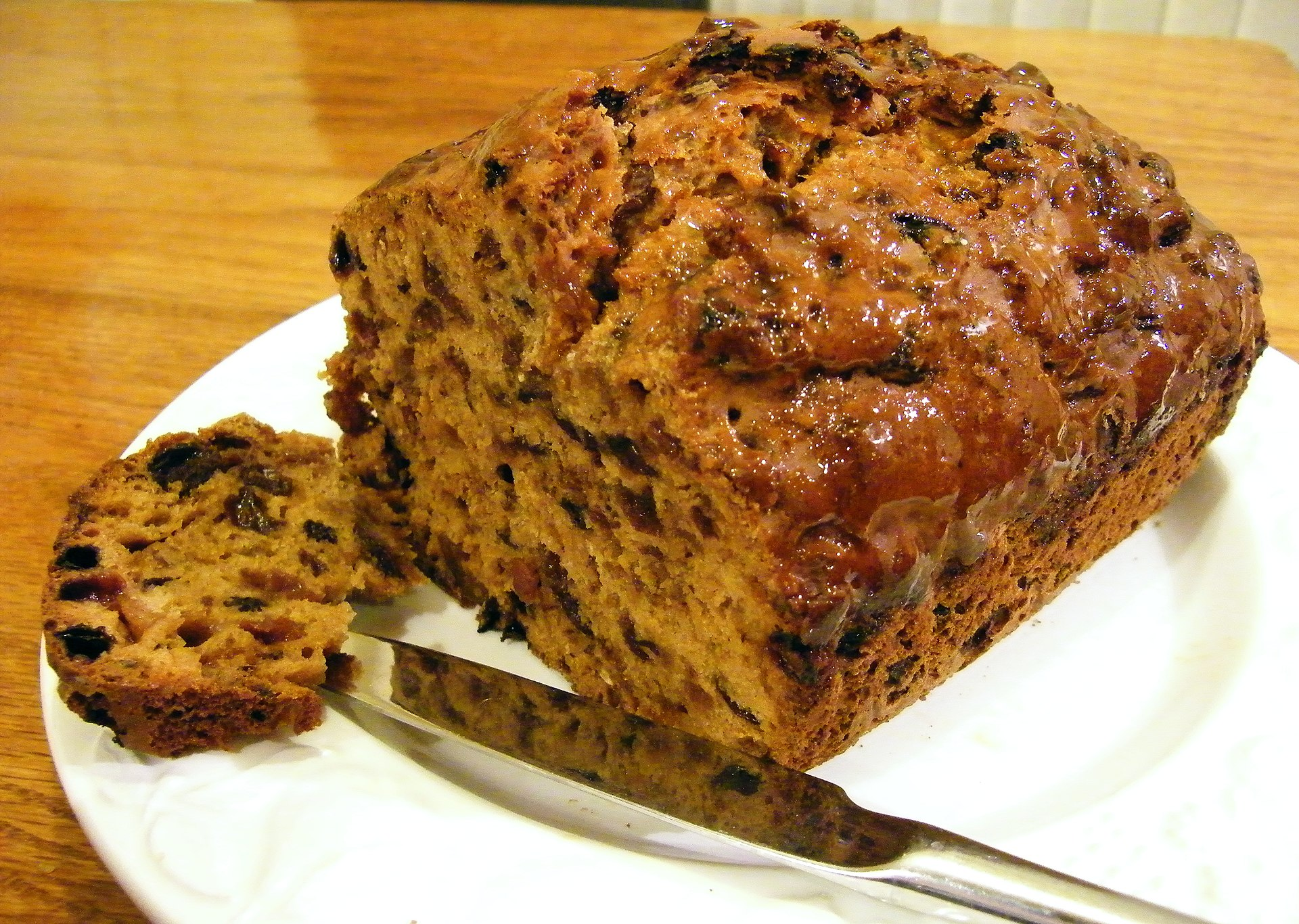
While fruitcake still technically exists, its status has utterly transformed: in the 1960s and ’70s it was a genuinely beloved, anticipated holiday treat, given and received with real pleasure, before it curdled into the punchline it is today. The dense, candied-fruit-and-nut cake was a cherished gift and tradition. Changing tastes turned fruitcake from a treasured holiday staple into a running joke about unwanted gifts. The transformation of fruitcake from beloved tradition to cultural punchline is itself a striking example of how dramatically a dessert’s place in American life can change in just a few decades.
Why These Desserts Disappeared
The vanishing of these once-beloved desserts isn’t random — it traces a clear shift in how Americans cook and eat. The 1960s and ’70s were the golden age of convenience cooking, when packaged mixes, canned fruit, flavored gelatin, and whipped topping were genuinely exciting modern conveniences, and a good hostess showed her skill by transforming these products into something impressive and presentation-focused. That’s why so many of these desserts share a certain DNA: they’re built on Jell-O, pudding mix, canned pineapple, marshmallows, and whipped topping, assembled into colorful, molded, layered creations meant to wow guests. As tastes evolved over the following decades, several forces pushed these desserts aside. Americans grew more interested in fresh, whole, and less-processed ingredients, which made the canned-and-boxed foundation of these desserts feel dated. The elaborate, fussy, presentation-heavy style gave way to simpler, more casual entertaining. And a general cultural shift away from extremely sweet, artificial-tasting foods left many of these treats seeming cloying to modern palates. Some, like the elaborate Jell-O mold and the flaming tableside desserts, also simply required more effort and ceremony than today’s casual style of cooking and eating supports. Yet there’s real affection in remembering them, and many are enjoying small nostalgic revivals as a younger generation rediscovers them as retro curiosities and older generations bake them for the powerful memories they carry. These desserts may have vanished from everyday tables, but for the generation that grew up with them, a single bite of ambrosia or a slice of pineapple upside-down cake can summon an entire era of family holidays, dinner parties, and the particular optimistic, convenience-loving spirit of mid-century American cooking.