American cuisine inspires fierce loyalty and equally fierce criticism. For every classic dish that fans defend to the death, there’s a chorus of skeptics, often from abroad, ready to call it overrated. The truth usually lands somewhere in the middle: many of these foods are genuinely divisive, sparking endless debate about whether they deserve their iconic status. Rather than crowning winners and losers, it’s more fun to look at why these dishes divide people so sharply, and to consider the case on both sides. Here’s a lighthearted tour of the American foods that reliably start arguments, the reasons they have such passionate defenders and detractors, and an honest look at whether the hype holds up.
American Cheese
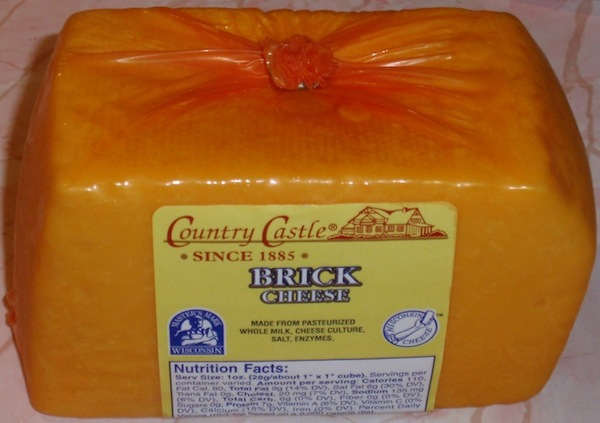
Perhaps no food divides opinion like American cheese, those individually wrapped, almost neon-orange slices. Critics love to point out that it’s a processed “cheese product” rather than traditional cheese, and they question its rubbery uniformity. Defenders, however, make a compelling case: American cheese melts more smoothly and evenly than almost any other cheese, which is exactly why it’s prized on a classic burger or in a gooey grilled cheese. The debate often comes down to context. As a standalone cheese on a board, few would champion it; as the perfect melt for a diner cheeseburger, it has a genuine, defensible purpose. Both sides, it turns out, have a point.
Like our content? Follow us for more.
Chain Pizza

Pizza is a battlefield in America, and chain pizza sits right in the crossfire. Purists, especially those devoted to traditional Italian or artisanal styles, often dismiss big-chain pizza as bland, greasy, or a pale imitation of the real thing. Yet chain pizza has legions of devoted fans who appreciate its consistency, convenience, affordability, and nostalgic, crowd-pleasing flavor. It’s the taste of countless birthday parties and movie nights. The honest verdict? Chain pizza and a wood-fired Neapolitan pie are almost different foods serving different purposes. Judging one by the standards of the other misses the point. Whether it’s “good” depends entirely on what you want from it in the moment.
Well-Done Steak With Ketchup
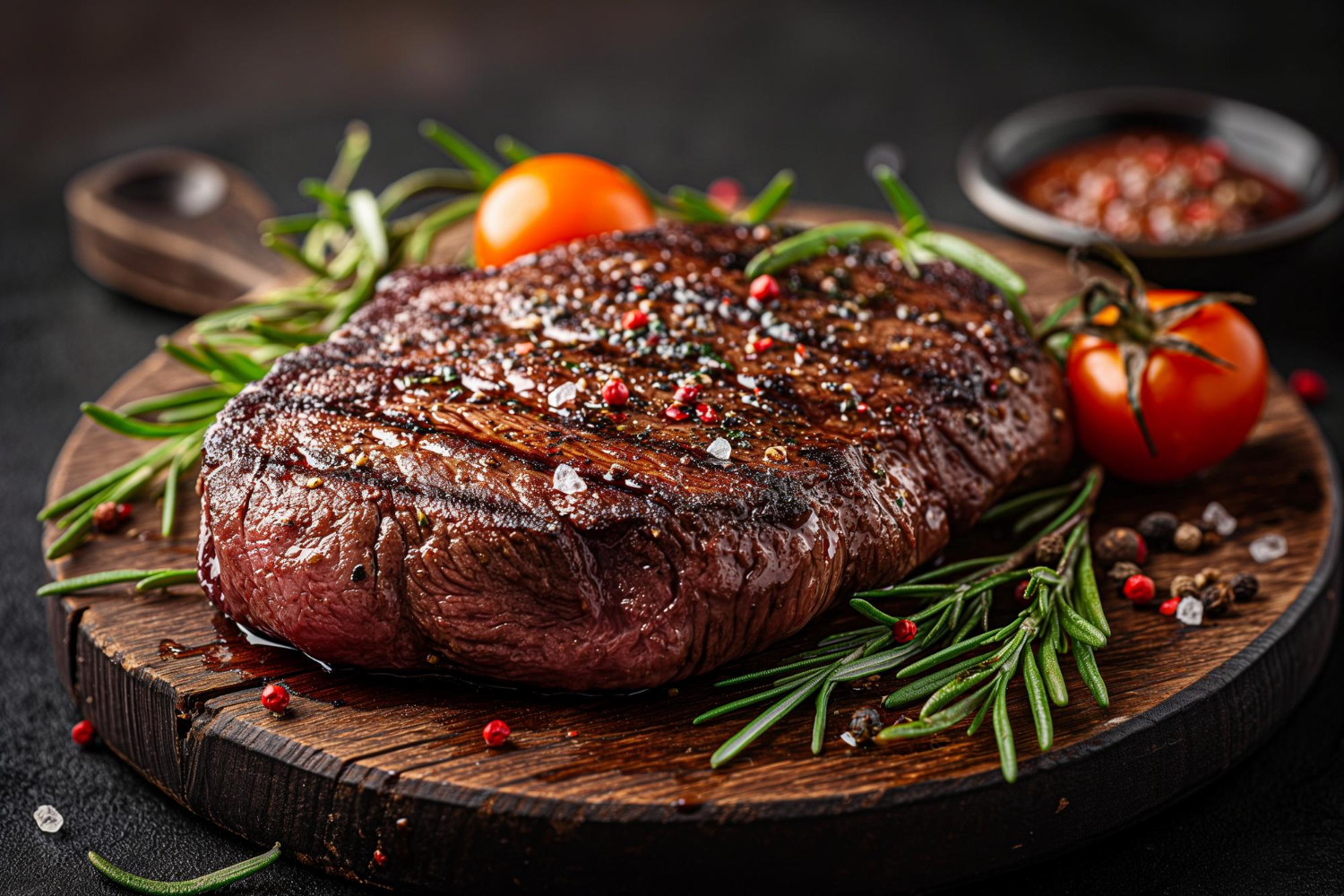
Few culinary choices spark as much passionate eye-rolling as a well-done steak, especially one served with ketchup. Steak enthusiasts argue that cooking a quality cut well-done sacrifices tenderness, flavor, and the very qualities that make a good steak special, and that drowning it in ketchup compounds the issue. On the other hand, plenty of people simply prefer their meat fully cooked and enjoy the familiar tang of ketchup, and there’s a strong argument that you should eat your food however you like it. This debate is really about the tension between culinary “rules” and personal preference. The food police may protest, but ultimately, taste is personal.
Pumpkin Spice Everything

When autumn arrives, so does the great pumpkin spice debate. The warmly spiced flavor, more cinnamon, nutmeg, and clove than actual pumpkin, has exploded into a seasonal phenomenon, appearing in lattes, baked goods, and countless products. Fans adore its cozy, nostalgic, fall-in-a-cup appeal and eagerly await its return each year. Detractors find it overhyped, overly sweet, and inescapably commercialized, rolling their eyes at its annual takeover. The reality is that pumpkin spice is a genuinely pleasant blend of warming spices that has simply been marketed to saturation. Whether it delights or annoys you may depend less on the flavor itself and more on your tolerance for seasonal marketing blitzes.
Root Beer

Root beer is one of the most polarizing sodas on the planet, and the divide often falls along international lines. Many Americans grew up loving its sweet, complex, sassafras-and-vanilla flavor, often paired with a scoop of ice cream in a frothy float. But visitors from other countries frequently recoil, comparing the taste to medicine or mouthwash, since similar flavor profiles appear in some non-food products elsewhere. Neither reaction is wrong; it’s largely about what you associate the flavor with. For those raised on it, root beer is pure nostalgic comfort. For the uninitiated, it can be genuinely jarring. It’s a perfect example of how culture shapes our sense of what tastes good.
Biscuits and Gravy

To its devotees, biscuits and gravy, fluffy biscuits smothered in creamy, peppery sausage gravy, is the ultimate comforting Southern breakfast. To skeptics, particularly those unfamiliar with it, a plate of pale gravy can look unappealing or overwhelmingly heavy. The dish is undeniably rich, which is the entire point for fans and the chief complaint for critics. Context matters enormously here: as an occasional indulgent breakfast with deep regional roots, biscuits and gravy is a genuine classic done well. The debate often dissolves once a skeptic actually tries a well-made version. Like many regional American dishes, it tends to be misunderstood until experienced firsthand, at which point many converts are made.
Peanut Butter and Jelly
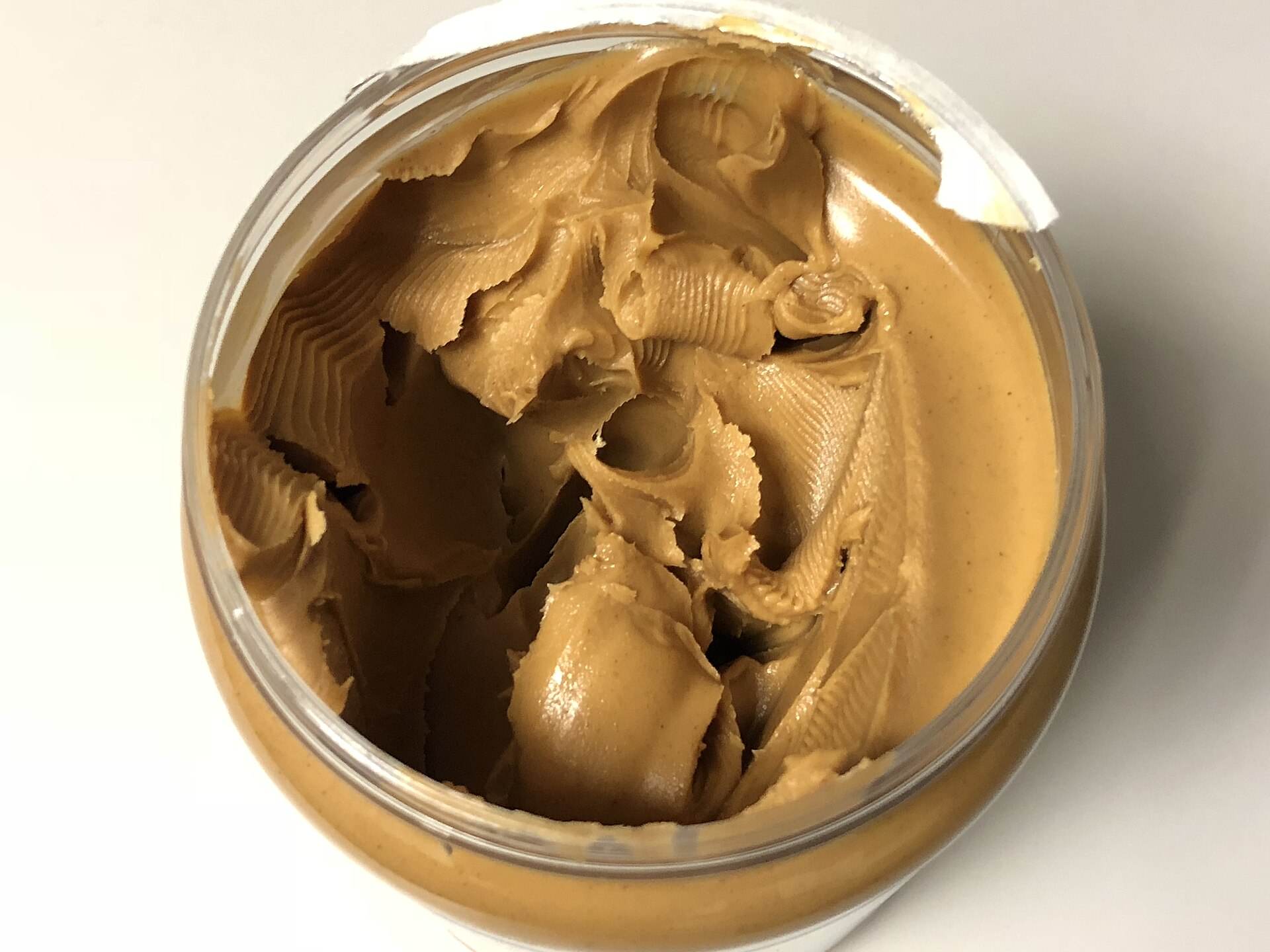
The humble peanut butter and jelly sandwich is an American institution that baffles much of the rest of the world. To Americans, it’s a nostalgic, satisfying combination of creamy, salty, and sweet, the lunchbox staple of childhood. To many people abroad, the pairing of peanut butter with sweet jelly in a sandwich seems strange or unappetizing. The disagreement is almost entirely cultural and based on familiarity. There’s nothing objectively wrong with the combination, it’s a balanced mix of textures and flavors, but whether it sounds delicious or odd depends heavily on whether you grew up with it. It remains one of the most charmingly divisive items in the American culinary canon.
Grits

Grits, the creamy ground-corn dish beloved across the American South, inspire devotion and confusion in roughly equal measure. Fans extol their comforting texture and versatility, whether served savory with butter, cheese, and shrimp or simply seasoned as a hearty side. Newcomers, however, sometimes find plain grits bland or are unsure what to make of the texture. The key, as any Southerner will tell you, is in the preparation and seasoning, well-made, properly seasoned grits are a revelation, while a bowl of unseasoned ones can underwhelm. Much of the “debate” here stems from people judging grits by a poorly prepared example. Done right, they win over the vast majority of skeptics.
Sweet Breakfast Foods

Americans have a famous love of sweet breakfasts, think syrup-drenched pancakes, sugary cereals, frosted pastries, and doughnuts, and it’s a frequent source of cross-cultural surprise. Visitors from places with savory breakfast traditions sometimes find the idea of starting the day with dessert-like dishes excessive. American defenders counter that there’s nothing wrong with an occasional indulgent, joyful breakfast, and that a stack of fluffy pancakes is a genuine pleasure. The debate reflects different cultural norms around the morning meal more than any objective flaw. Enjoyed in balance, sweet breakfast foods are a beloved comfort. As with much of this list, the “right” answer is largely a matter of what you grew up eating.
The Verdict: It’s All About Perspective

What this tour really reveals is that “overrated” and “underrated” are deeply personal, shaped by culture, nostalgia, context, and individual taste. Many of these hotly debated American foods aren’t objectively good or bad, they’re divisive precisely because people want different things from their food. A dish that’s perfect as nostalgic comfort food may disappoint someone expecting fine-dining refinement, and vice versa. The most interesting takeaway is that almost every one of these foods has a legitimate case on both sides. So the next time someone passionately defends or trashes American cheese or root beer, you can appreciate the debate for what it is, a fun, never-ending argument with no single right answer.
Like our content? Follow us for more.