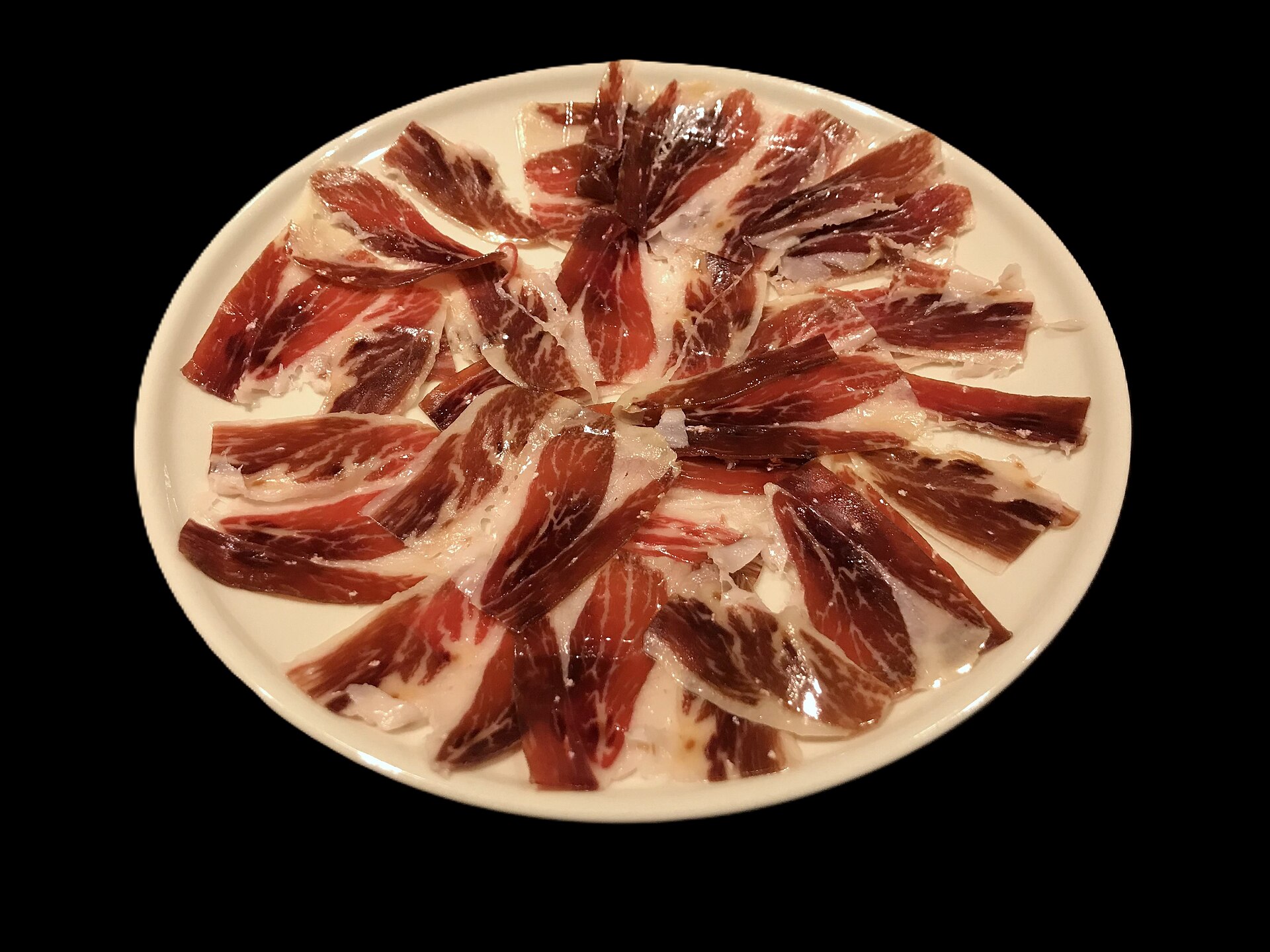
Authentic Spanish jamón (cured ham) requires 2-4 years of specific aging across multiple distinct stages. The cumulative process involves specific salt curing, controlled temperature changes, traditional drying conditions, and various other elements that mainstream ham production substantially abbreviates. The cumulative result is one of the world’s most distinctive cured meat products, with specific premium varieties (jamón ibérico de bellota) costing $200+ per kilogram. Understanding what actually happens during those 3 years reveals substantial complexity in what visitors often assume is just expensive ham.
The Spanish jamón tradition represents one of the most documented and substantially distinctive food preservation traditions globally. The cumulative process across approximately 2,000+ years of accumulated knowledge has produced specific techniques that mainstream food production has substantially abbreviated. Walking through the actual production process reveals why authentic Spanish jamón substantially differs from mainstream cured ham products — and why the cumulative time investment justifies the substantial pricing differences that confuse many international visitors.
The Specific Pig Breeds
Spanish jamón production starts with specific pig breeds substantially distinct from typical commercial pork. Jamón ibérico comes from Iberian pigs (Cerdo Ibérico) — specific dark-skinned breed native to Iberian Peninsula. The cumulative breed has substantially different characteristics from commercial pork varieties: substantially more intramuscular fat (marbling), specific flavor compounds, slower growth patterns, and various other distinctive traits.
Jamón serrano comes from various white pig breeds — substantially closer to commercial pork varieties but raised through specific traditional methods. The cumulative breed difference substantially affects final product characteristics. Iberian pig jamón has substantially superior flavor complexity, fat composition, and various other premium attributes. Various certifications distinguish specific jamón categories based on pig breed, feeding methods, and various other factors. The cumulative grading system produces substantial price variation between categories — from approximately $30/kg for basic jamón serrano to $200+/kg for premium ibérico de bellota.
The Acorn-Fed Distinction
Premium jamón ibérico comes from pigs specifically fed acorns during specific portion of their lives. “Bellota” means “acorn” in Spanish — jamón ibérico de bellota specifically refers to pigs that fed on acorns in the dehesa (oak forest savannah) during the montanera season (October through February). The cumulative acorn diet substantially affects the final product’s fat composition, flavor characteristics, and various other premium attributes.
The cumulative acorn-feeding period typically lasts 3-4 months during which pigs roam freely across substantial dehesa areas (typically 1 hectare per pig minimum). The cumulative pigs gain approximately 50% body weight during this period, primarily through acorn consumption. The specific oleic acid content of the resulting pork is substantially elevated — sometimes approaching olive oil composition. The cumulative biochemistry produces specific flavor and texture characteristics that grain-fed pork cannot replicate. Various legal protections require specific certifications for “bellota” designation use.
Stage 1: The Salt Curing
After slaughter, Spanish ham production begins with specific salt curing process. Each ham leg is covered with substantial sea salt — traditionally for approximately 1 day per kilogram of ham weight. The cumulative salt extracts moisture from the ham while inhibiting bacterial growth that would cause spoilage. Specific producers vary salt application timing and methods, but the basic process remains substantially consistent across producers.
The cumulative salting period typically lasts 7-14 days depending on ham size and producer methods. During this period, hams are typically stored in cool rooms with controlled humidity. The cumulative process is genuinely critical — insufficient salting allows spoilage, excessive salting produces unpalatable final product. Master ham producers (maestros jamoneros) maintain substantial specific knowledge about exactly how to salt for optimal results across various ham characteristics. The cumulative knowledge has been passed across generations within specific producing families.
Stage 2: Post-Salt Resting
After salt removal, hams enter “post-salting” or “settling” period — typically 40-60 days in cool environment. The cumulative salt distributes evenly throughout the ham during this period. Moisture continues being extracted at controlled rates. Specific enzymatic changes begin developing flavor compounds that will substantially mature across subsequent stages. The cumulative period operates at temperatures typically 3-6°C with substantial humidity control.
The cumulative settling stage is substantially less visible than the salting stage but genuinely critical for final product quality. Various producers maintain specific temperature and humidity profiles that affect final flavor characteristics. The cumulative environmental control wasn’t traditionally available through artificial refrigeration — traditional producers used specific natural cellar conditions that provided appropriate environments. Modern producers replicate these conditions through specific climate-controlled rooms that maintain consistent conditions across longer aging stages.
Stage 3: The Drying Period
After settling, hams enter substantial drying period — typically 6-12 months in specific drying rooms. The cumulative environment features carefully controlled temperature progression (gradually warming from approximately 6°C to 30°C across the cumulative period) and humidity reduction. The cumulative environmental progression simulates seasonal temperature changes that traditional producers achieved through specific cellar locations and natural air circulation.
The cumulative drying produces substantial moisture loss — typically 30-40% of original ham weight. The cumulative weight reduction concentrates flavors substantially. Various biochemical changes occur during this period: protein breakdown produces specific amino acid profiles, fat oxidation creates specific aromatic compounds, and various other specific processes develop flavors that fresh pork doesn’t contain. The cumulative changes are essentially impossible to replicate through faster production methods regardless of equipment sophistication.
Stage 4: The Cellar Aging
After drying, hams enter substantial cellar aging period — typically 1-2 additional years in specific cool cellars (bodegas). The cumulative environment features cooler temperatures (typically 15-20°C) and stable humidity. The cumulative aging produces specific flavor maturation that defines premium Spanish jamón characteristics. Various producers use specific underground cellars that have maintained appropriate conditions for centuries.
The cumulative cellar aging is when premium jamón develops its most distinctive characteristics. Flor (specific yeast and mold growth on ham surface) develops, contributing substantial flavor compounds. Specific enzymatic processes continue producing aromatic complexity. The cumulative period for premium jamón ibérico de bellota typically extends 24-36 months in cellar aging — meaning total production time from slaughter to finished product can exceed 36 months when including all previous stages. Various producers age premium hams substantially longer than minimum requirements.
The Specific Producing Regions
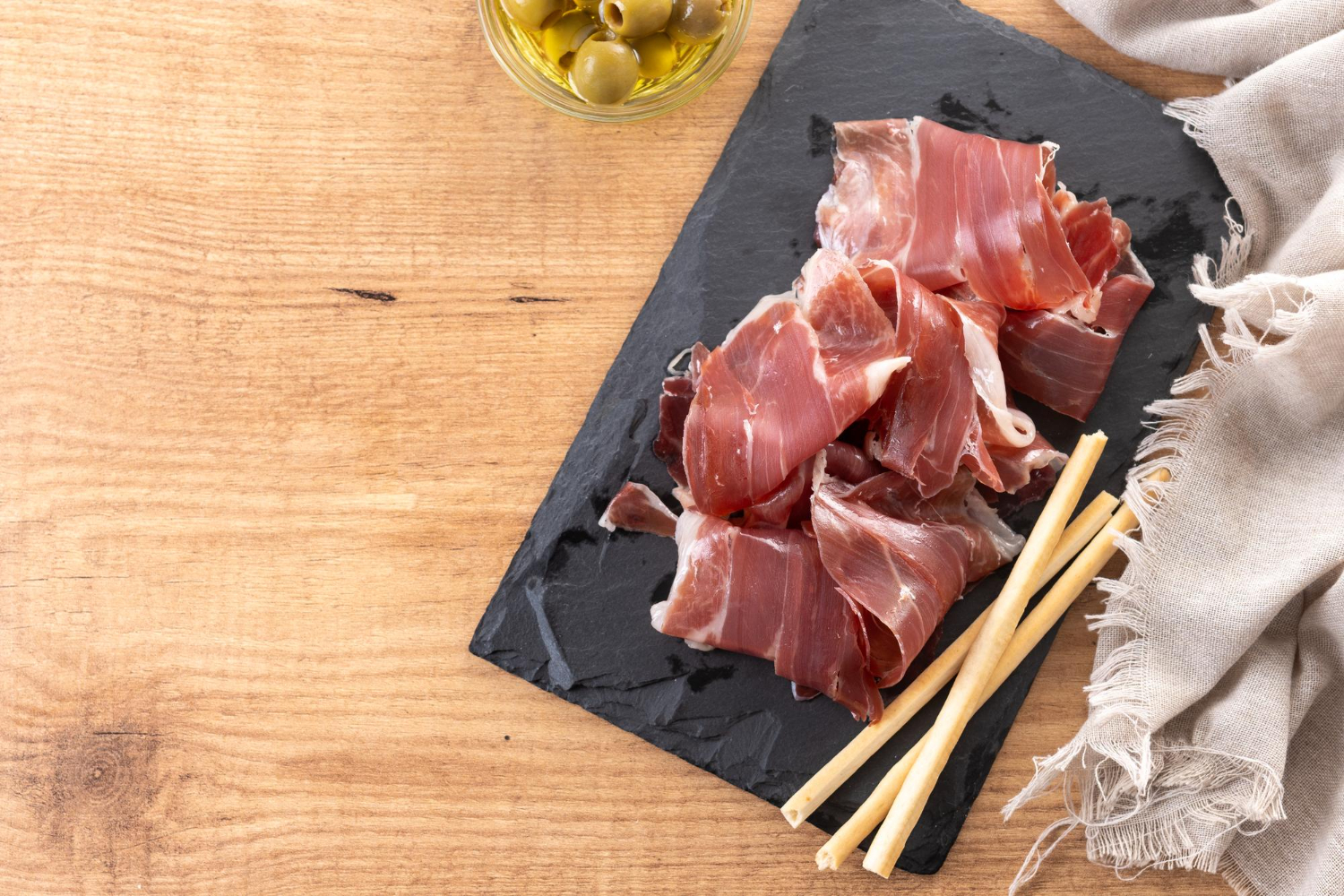
Spanish jamón production concentrates in several specific regions. Jamón ibérico production occurs primarily in southwestern Spain — Extremadura, Andalusia, Salamanca, and various other specific regions where dehesa oak forests support traditional pig raising. Specific protected designations (Denominación de Origen) include Jamón de Guijuelo (Salamanca province), Jamón Dehesa de Extremadura, Jamón de Huelva (Andalusia), and various others.
Jamón serrano production occurs across various Spanish regions. Specific protected designations include Jamón de Teruel (Aragon region) and Jamón de Trevélez (Andalusia mountain region). The cumulative regional variations produce specific flavor characteristics based on local climate, traditional methods, and various other factors. The cumulative regional diversity has substantial accumulated knowledge that specific producers maintain across generations. Various international visitors substantially benefit from understanding regional differences before purchasing specific jamón products.
The Slicing Reality
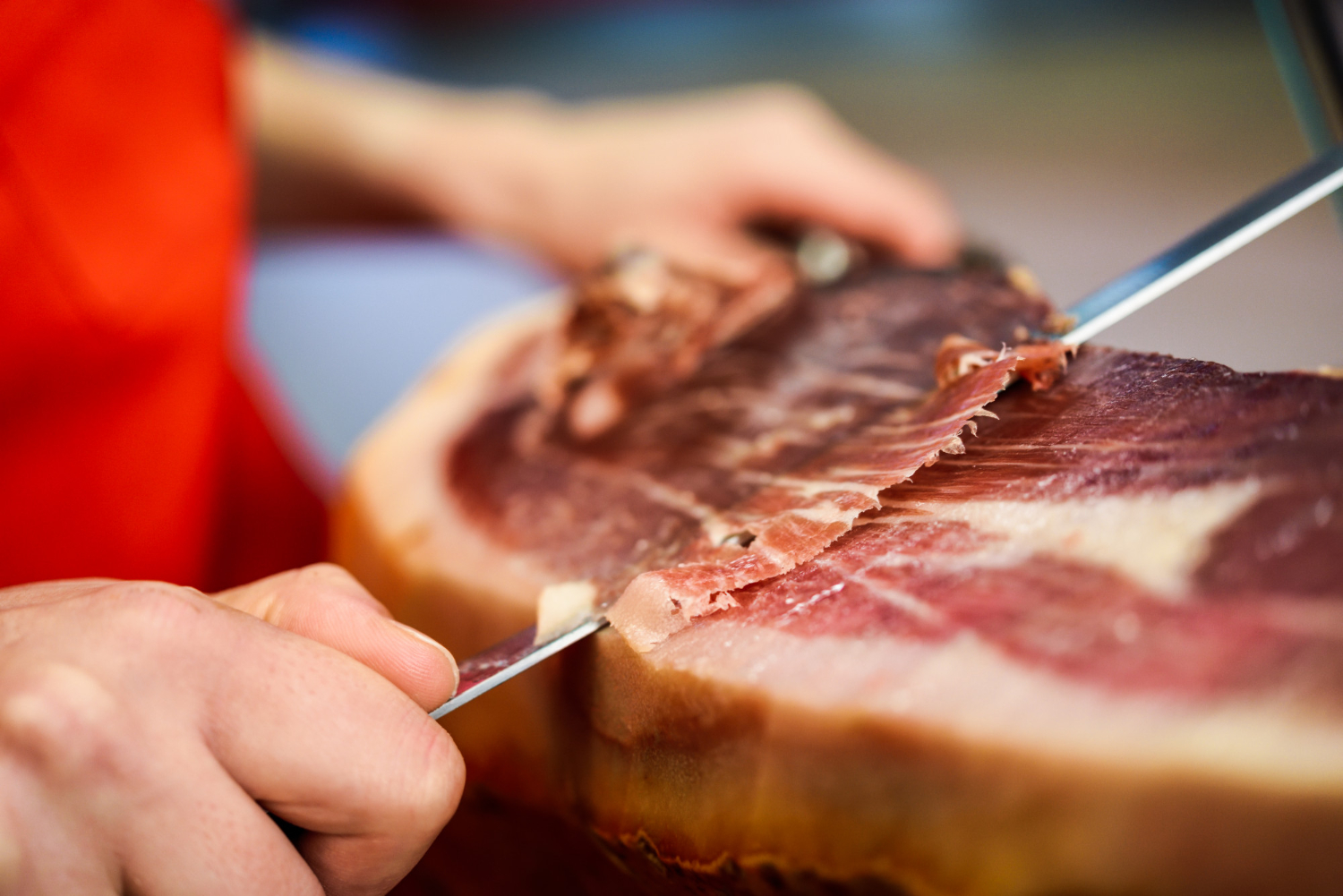
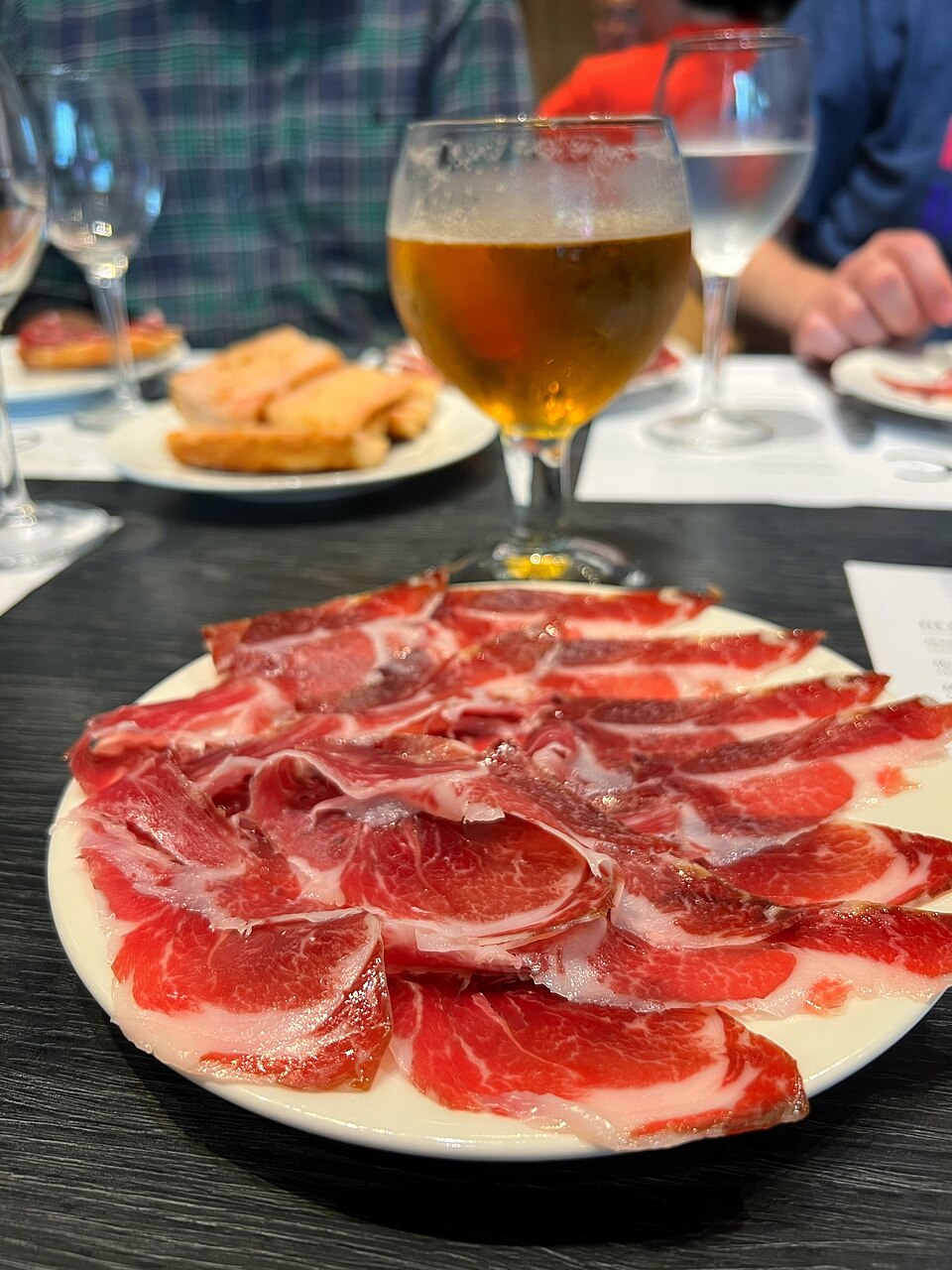
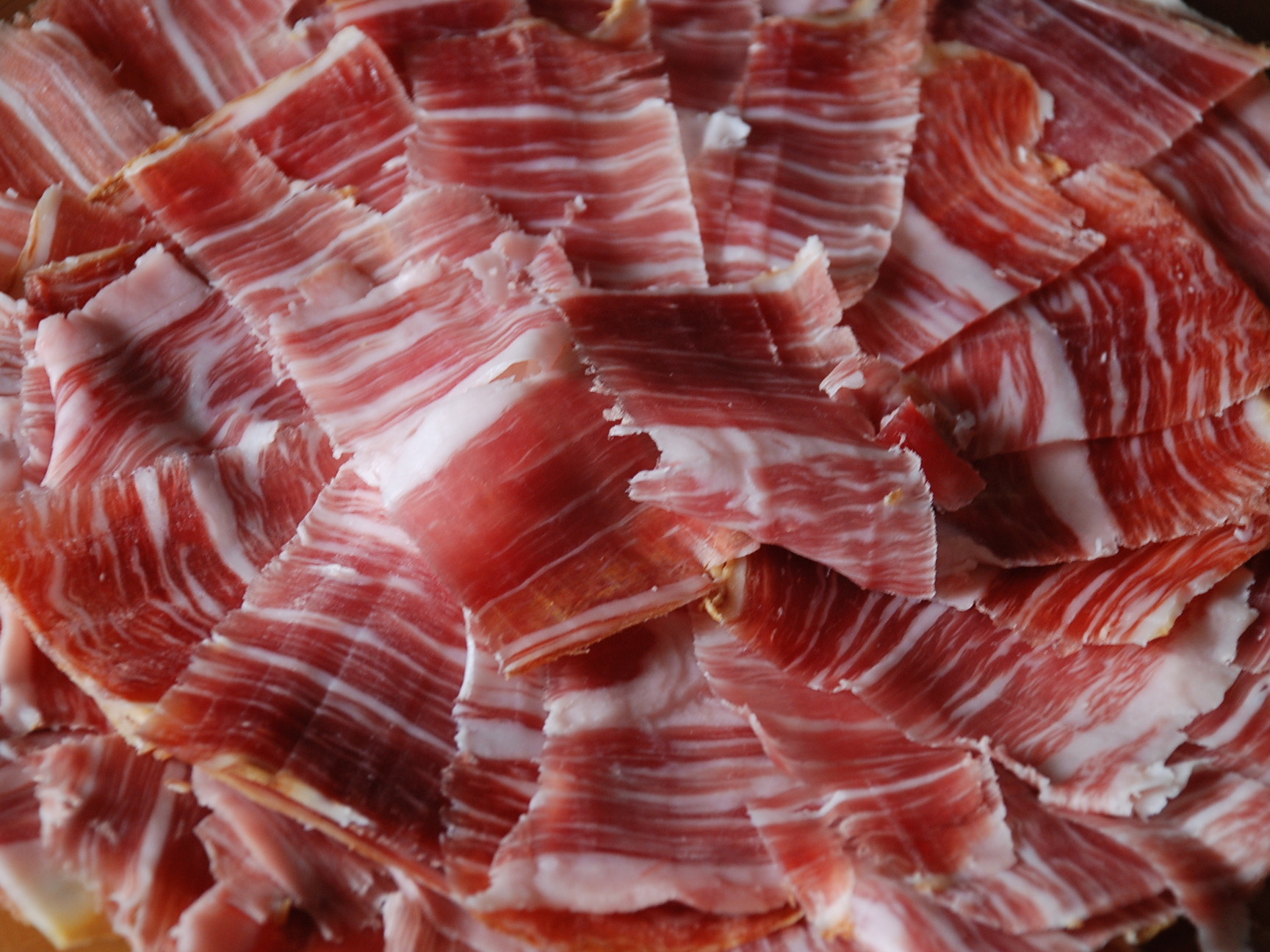
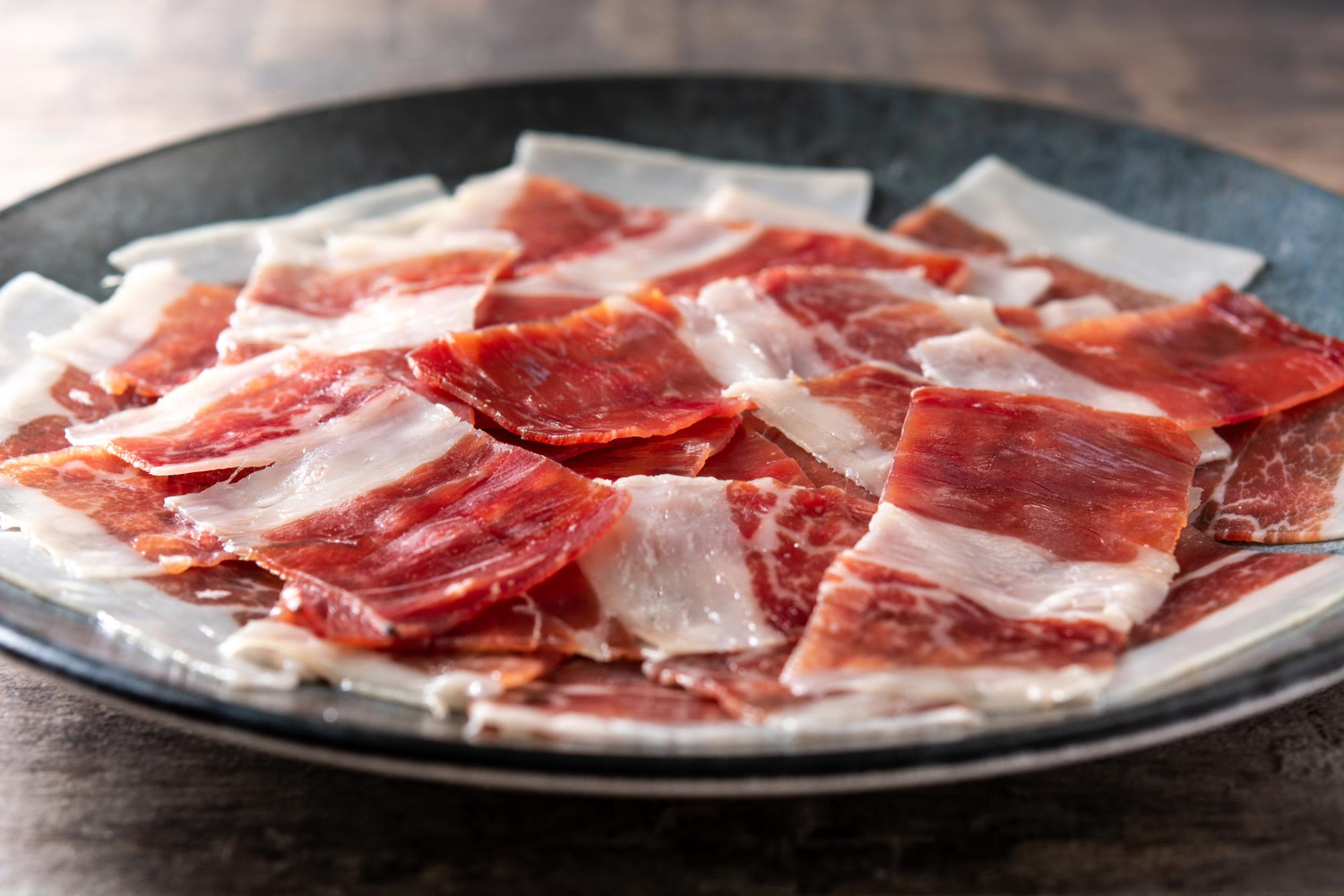
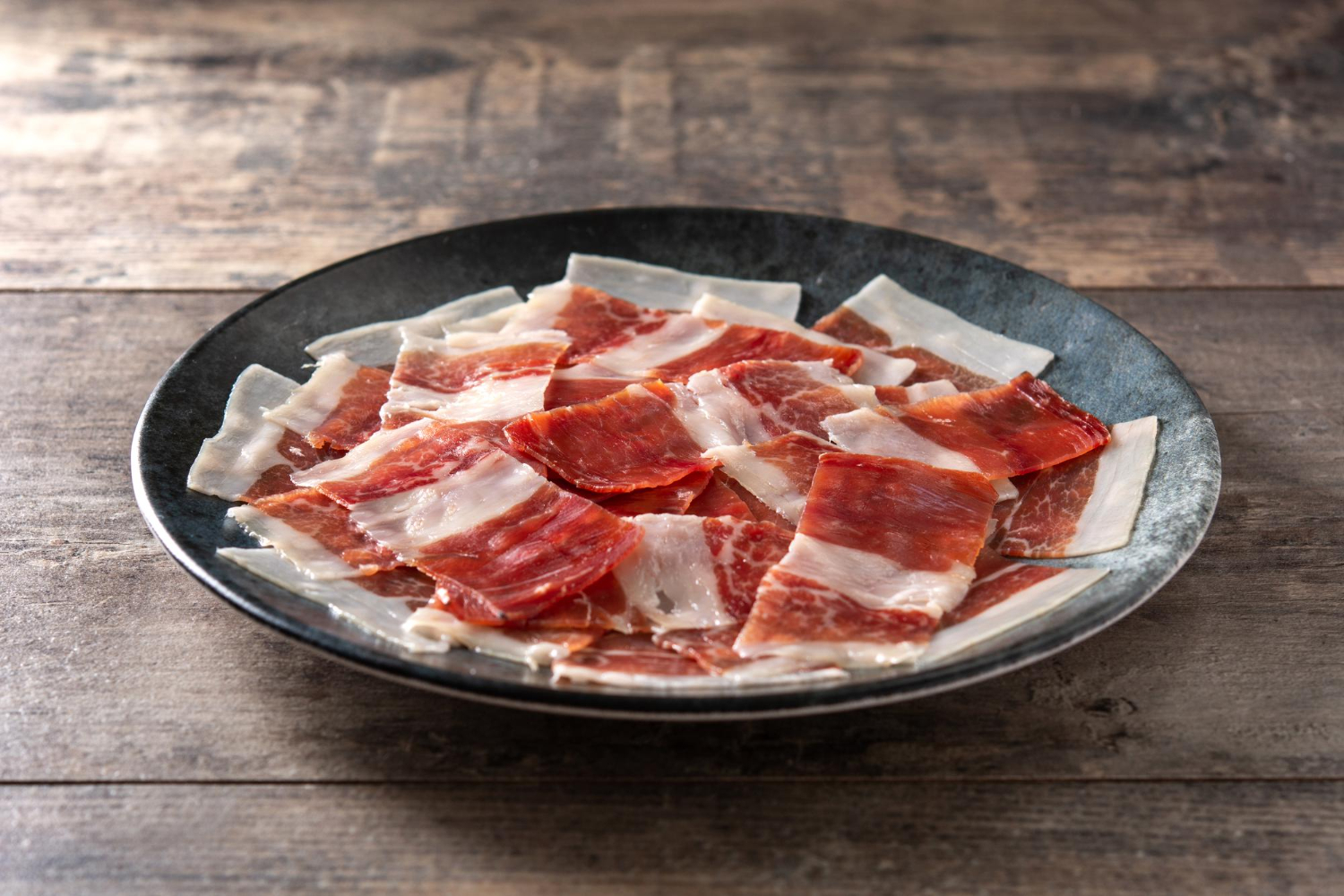
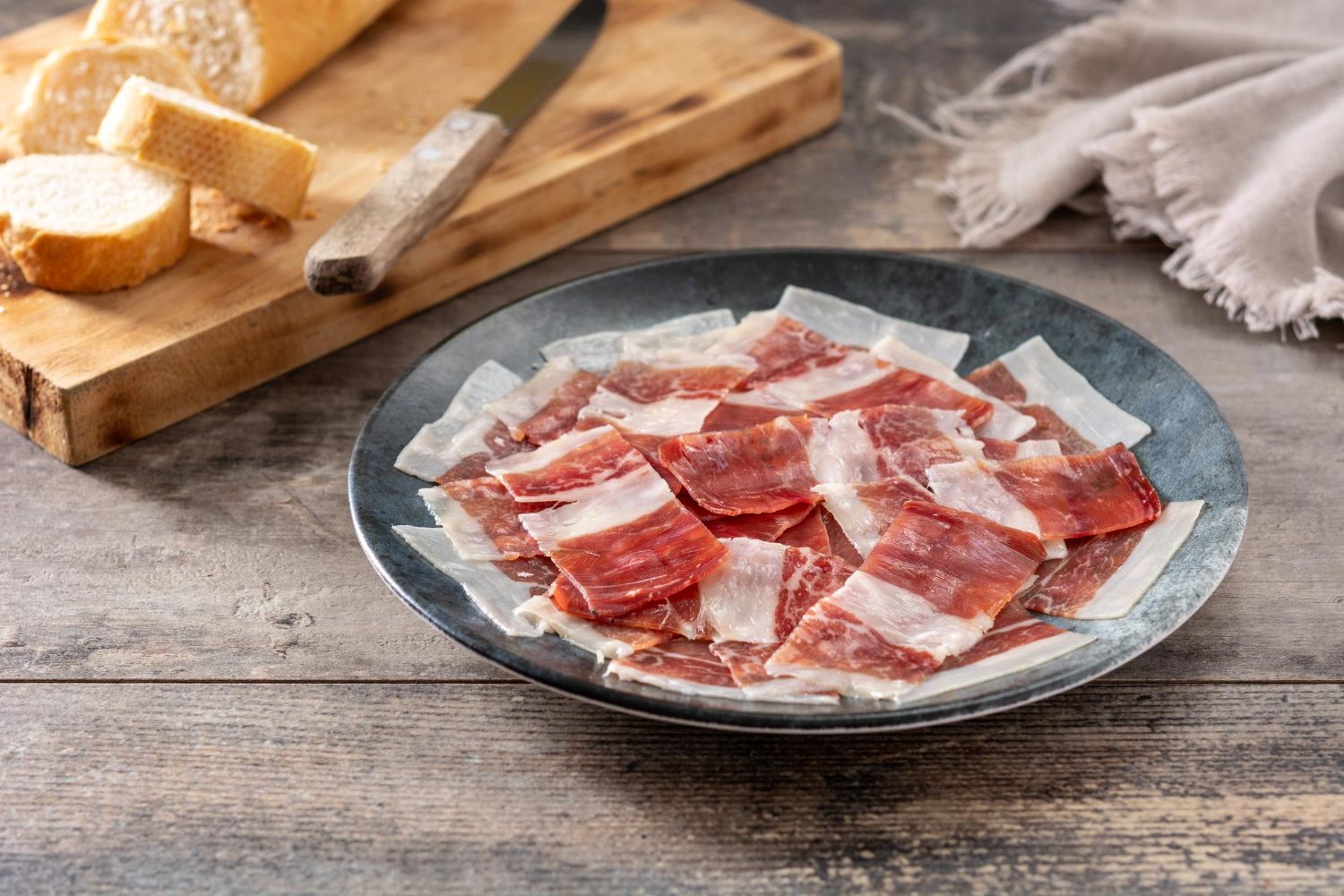
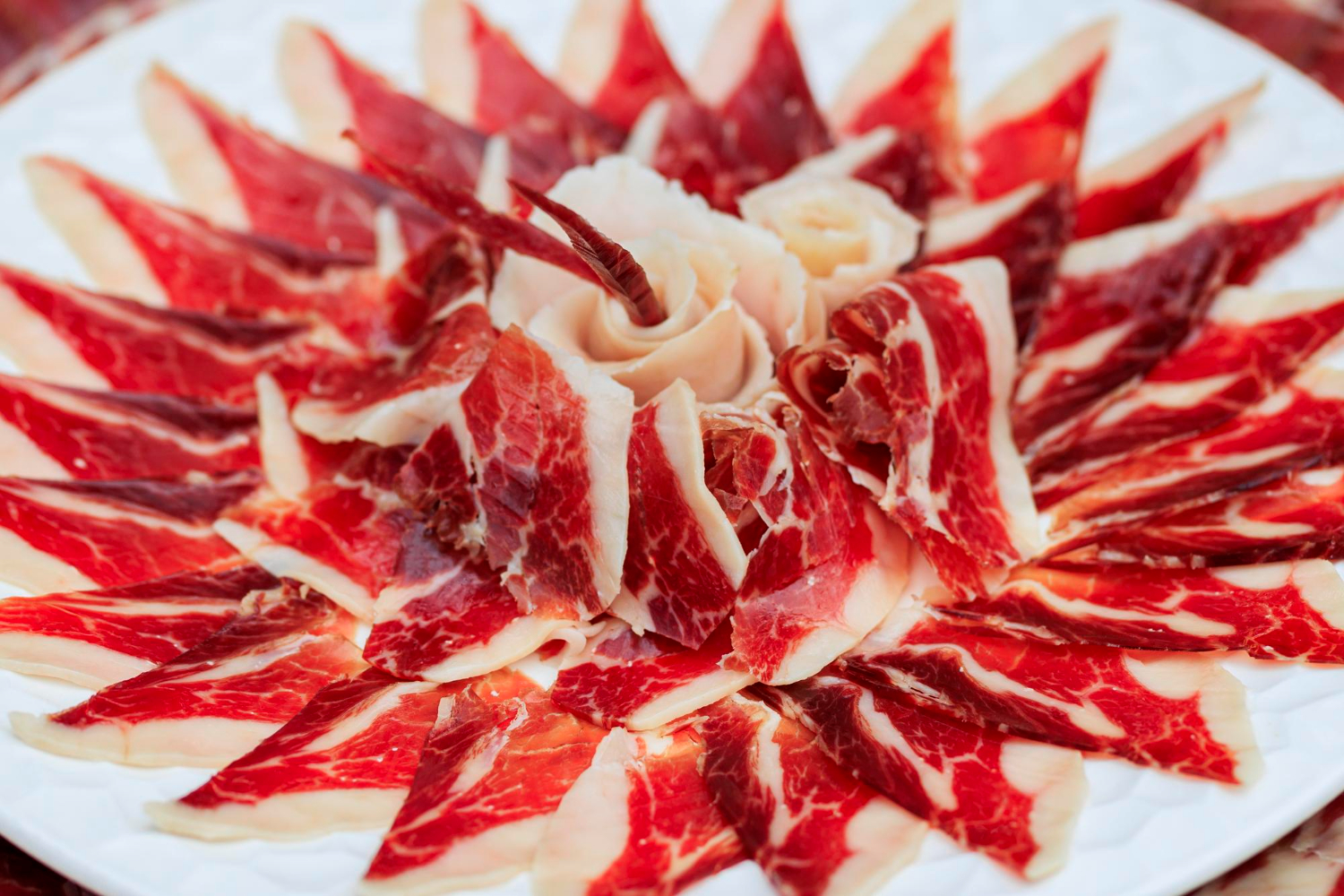
A specific aspect of authentic Spanish jamón involves precise slicing technique. Traditional jamón is cut by hand with specific long thin knives (cuchillos jamoneros) by trained “cortadores” (cutters). The cumulative slicing technique produces substantially thinner slices than machine cutting can achieve. The cumulative thinness affects taste experience substantially — proper jamón slices essentially melt on the tongue rather than requiring chewing.
Professional cortadores undergo substantial training and various competition circuits exist among specialized practitioners. Traditional Spanish restaurants often display whole jamón legs on specific holders (jamoneros) where customers can see freshly-cut slices being prepared. The cumulative ritual elements substantially affect dining experience — pre-sliced packaged jamón provides substantially diminished experience compared to freshly-cut whole-leg service. International visitors specifically seeking authentic experience should look for restaurants displaying whole jamón legs.
The Pricing Reality
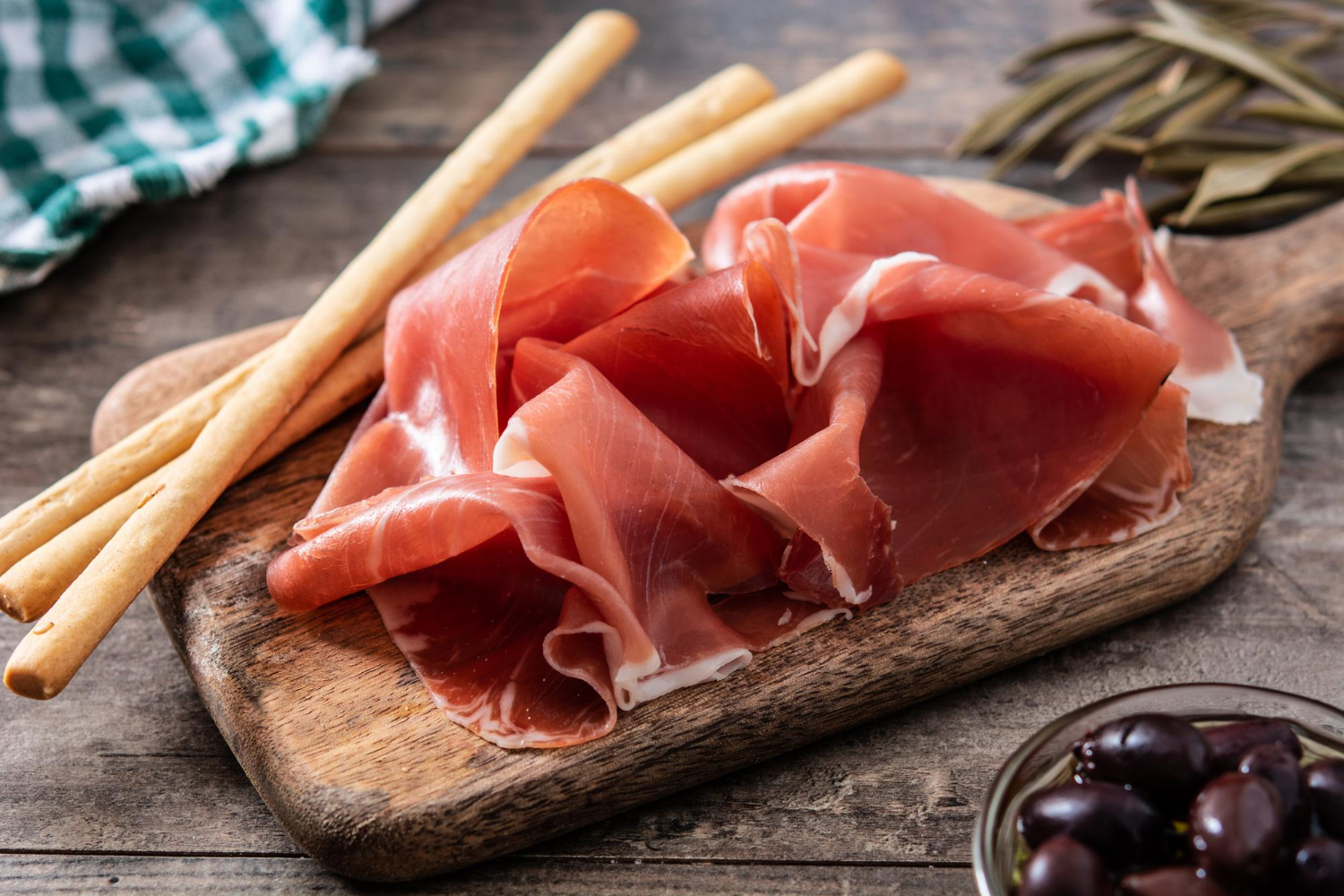
Spanish jamón pricing varies substantially across categories. Basic jamón serrano: approximately $20-40 per kg. Mid-range jamón ibérico: approximately $80-150 per kg. Premium jamón ibérico de bellota: approximately $200-600+ per kg. Specific premium producers and aging periods can substantially exceed these ranges. The cumulative pricing reflects genuine production cost differences — premium jamón requires substantially more time, specific feed, specific pig breeds, and various other elements that justify the price differences.
Various international markets feature substantial price markups beyond Spanish domestic pricing. Authentic Spanish jamón ibérico in American specialty stores frequently costs $300-800+ per kg. The cumulative international pricing includes import costs, distribution markups, and various other factors. Spanish visitors substantially benefit from purchasing jamón directly in Spain at retail prices that substantially exceed what mainstream international stores typically offer. The cumulative price advantage can substantially offset travel costs for jamón enthusiasts buying substantial quantities.
What Spanish Jamón Actually Represents
Spanish jamón represents specific successful preservation of traditional food production methods despite substantial industrial alternatives. The cumulative 3-year production time substantially exceeds what mainstream food economics typically supports. Most modern food production has substantially compressed traditional timeframes through industrial efficiency. Spanish jamón has substantially resisted this compression because the cumulative quality differences produced by traditional methods justify the substantial time investment and cumulative pricing differences. The cumulative result is genuinely distinctive product that exists nowhere else in quite the same way. For travelers visiting Spain, jamón provides specific opportunity to experience traditional food culture that mainstream international food doesn’t typically include. Authentic jamón experience requires visiting specific Spanish establishments where whole-leg service, professional slicing, and various other traditional elements occur properly. Pre-sliced packaged jamón provides substantially diminished experience compared to traditional service methods. The cumulative tradition will likely continue persisting as long as Spanish producers and consumers maintain specific cultural commitments to traditional production methods despite substantial industrial alternatives that could substantially reduce costs at expense of quality. The cumulative system continues working because specific cumulative commitments by producers, regulators, consumers, and various others have maintained appropriate balance between traditional methods and modern food economics.