

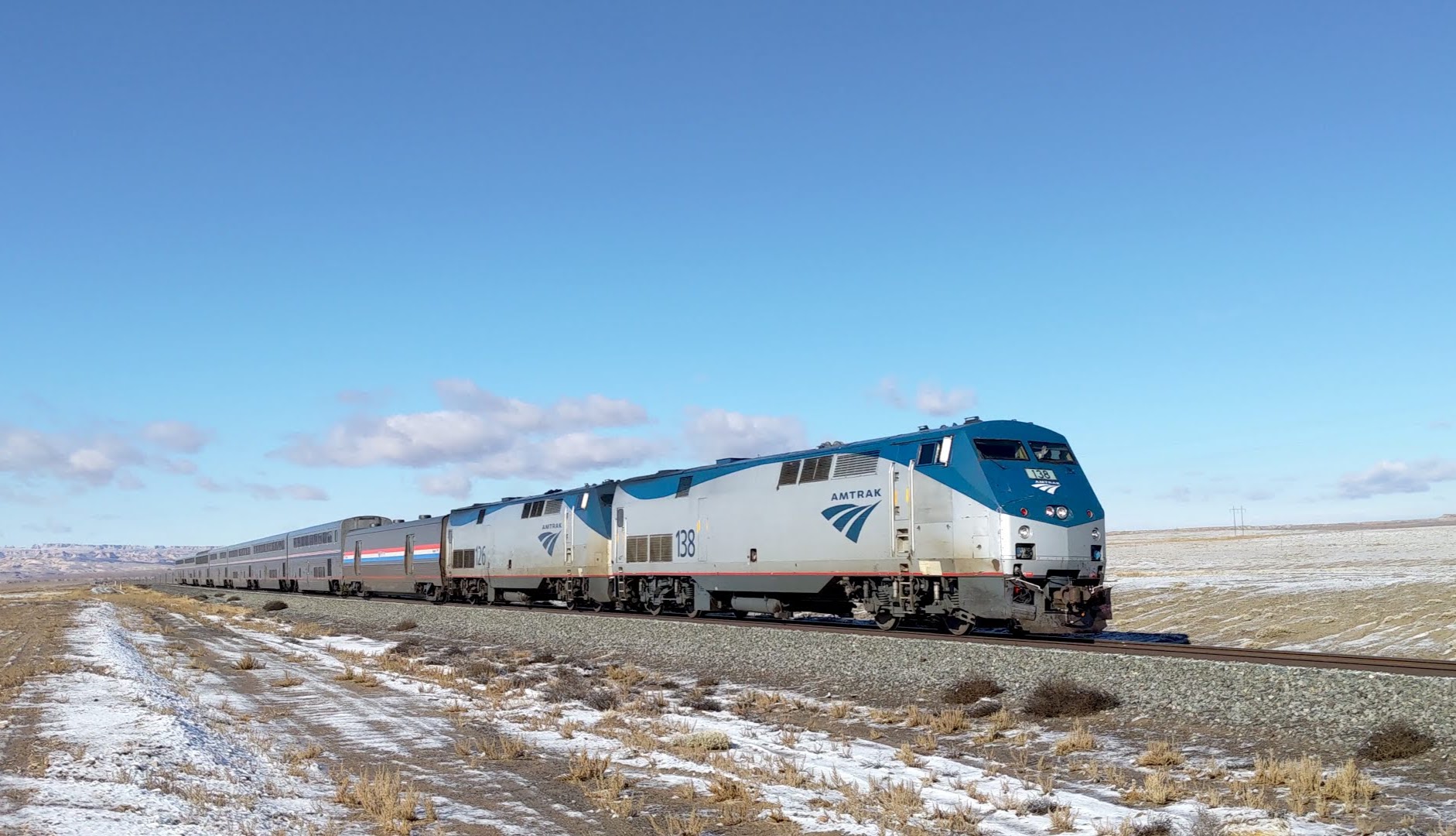
The California Zephyr — Amtrak’s flagship long-distance route running 2,438 miles from Chicago to Emeryville, California — is regularly described in travel media as one of the most scenic train rides in the world. The Rocky Mountain crossing through Colorado’s Glenwood Canyon, the Sierra Nevada descent into California, the Mississippi River bridge crossing at Burlington, Iowa, the high plains of Nebraska, and the Utah desert at sunrise all justify the praise. What the travel media coverage often leaves out is that the trip is also genuinely difficult. The schedule runs 51 hours and 20 minutes one-way. Two nights are spent in coach seats or sleeper compartments. Meals are taken in the dining car on a fixed schedule. The bathroom is shared. The signal drops for hours at a time through mountain corridors. Approximately 23 percent of California Zephyr coach passengers, according to Amtrak’s own customer survey data, disembark before reaching their booked destination — most commonly at Denver or Salt Lake City, where they reroute to flights to complete the journey. The Zephyr is the longest passenger train route in regular U.S. service, and finishing it remains a meaningful endurance accomplishment.
The California Zephyr is the modern descendant of the original Zephyr streamliner service launched in 1949 by the Chicago, Burlington and Quincy Railroad in partnership with the Denver and Rio Grande Western and the Western Pacific. Amtrak absorbed the route in 1971 as part of its initial consolidation of American intercity passenger rail. The current schedule has the train departing Chicago Union Station each day at 2:00 p.m. Central Time and arriving at Emeryville, California at 4:10 p.m. Pacific Time two days later — a total trip time of approximately 51 hours and 20 minutes including the time zone changes. The route passes through Illinois, Iowa, Nebraska, Colorado, Utah, Nevada, and California. The trip is operated using bilevel Superliner equipment with a single Sightseer Lounge car positioned for the most scenic crossings. The full one-way coach fare runs approximately $185 to $260 depending on date. Sleeper accommodations run approximately $580 to $1,200 round trip including all meals.
Day One: Chicago to Denver
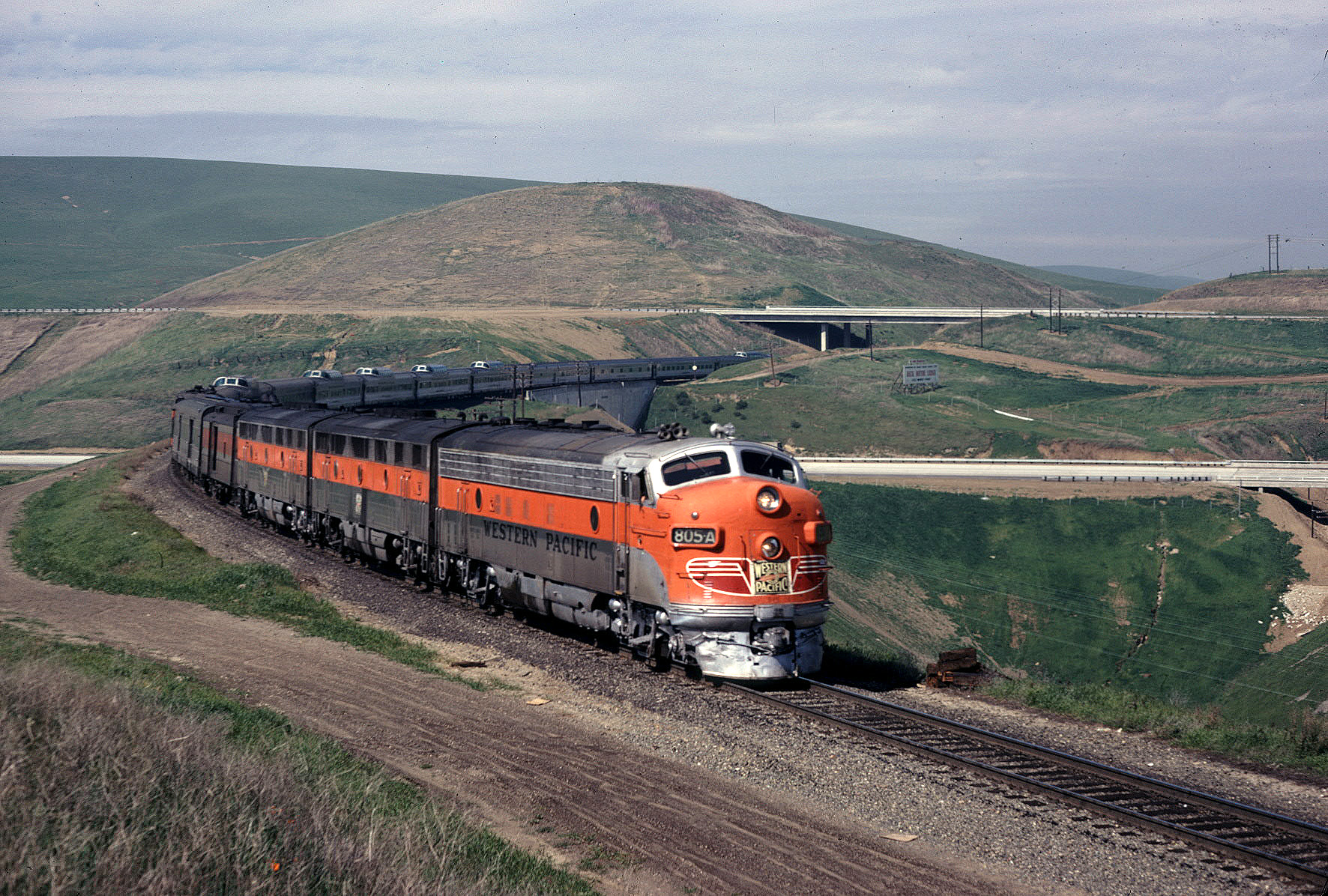
The first leg of the Zephyr — Chicago to Denver — runs approximately 18 hours and covers approximately 1,030 miles. The train departs Chicago Union Station, crosses the Mississippi River at Burlington, Iowa shortly after sunset on the first day, and runs across Iowa and Nebraska through the night. Passengers who are sleeping in coach seats during this leg are typically dozing intermittently rather than truly sleeping — the seats recline approximately 35 degrees but do not produce a horizontal sleeping position. Sleeper-car passengers fare significantly better. The dining car opens for dinner on a reservation system, with assigned seating times rotating through the train. Breakfast on the second morning is served somewhere in Nebraska or eastern Colorado depending on the train’s actual progress against the schedule. The Zephyr is regularly 1 to 4 hours late by the time it reaches Denver due to freight congestion on the BNSF and Union Pacific corridors. Denver arrival is scheduled for 7:15 a.m. Mountain Time on the second day. Many coach passengers visibly consider whether to disembark here.
The Denver Disembarkation Decision
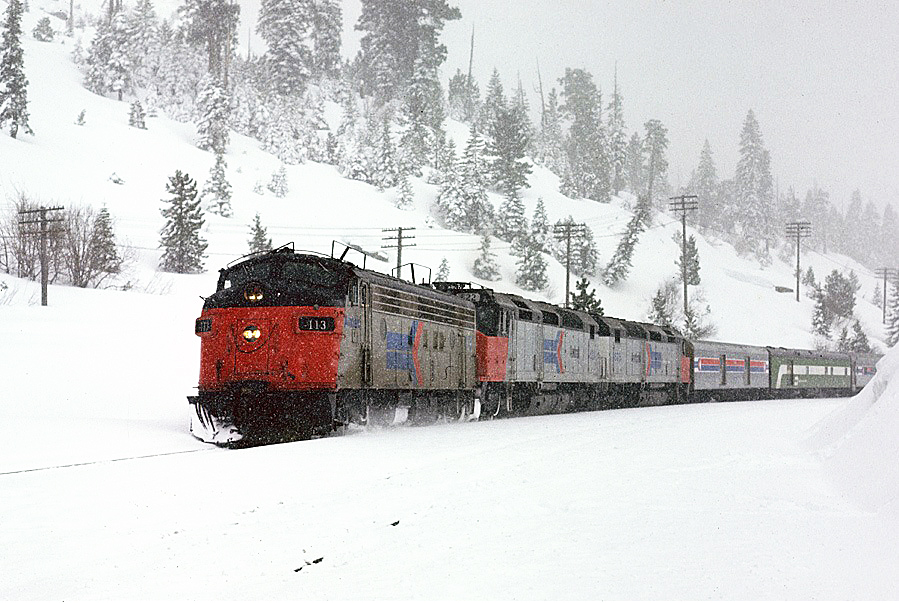
The disembarkation rate at Denver is the highest of any intermediate stop on the route. Amtrak’s customer survey data shows approximately 15 percent of coach passengers who boarded in Chicago choose to terminate their trip at Denver and complete the journey to California by other means. The reasons are specific. The 18 hours of overnight coach travel have produced visible fatigue. The bathroom queue has become tiresome. The train has fallen behind schedule. And Denver International Airport is 25 minutes from Denver Union Station, with direct flights to San Francisco, Los Angeles, Sacramento, and Oakland available for $90 to $250 one-way. The Denver disembarkation decision is the first major filter on the Zephyr trip. Passengers who continue past Denver are typically committed to seeing the full Rocky Mountain crossing, which begins immediately as the train climbs west out of the Front Range.
The Rocky Mountain Crossing — Why People Stay
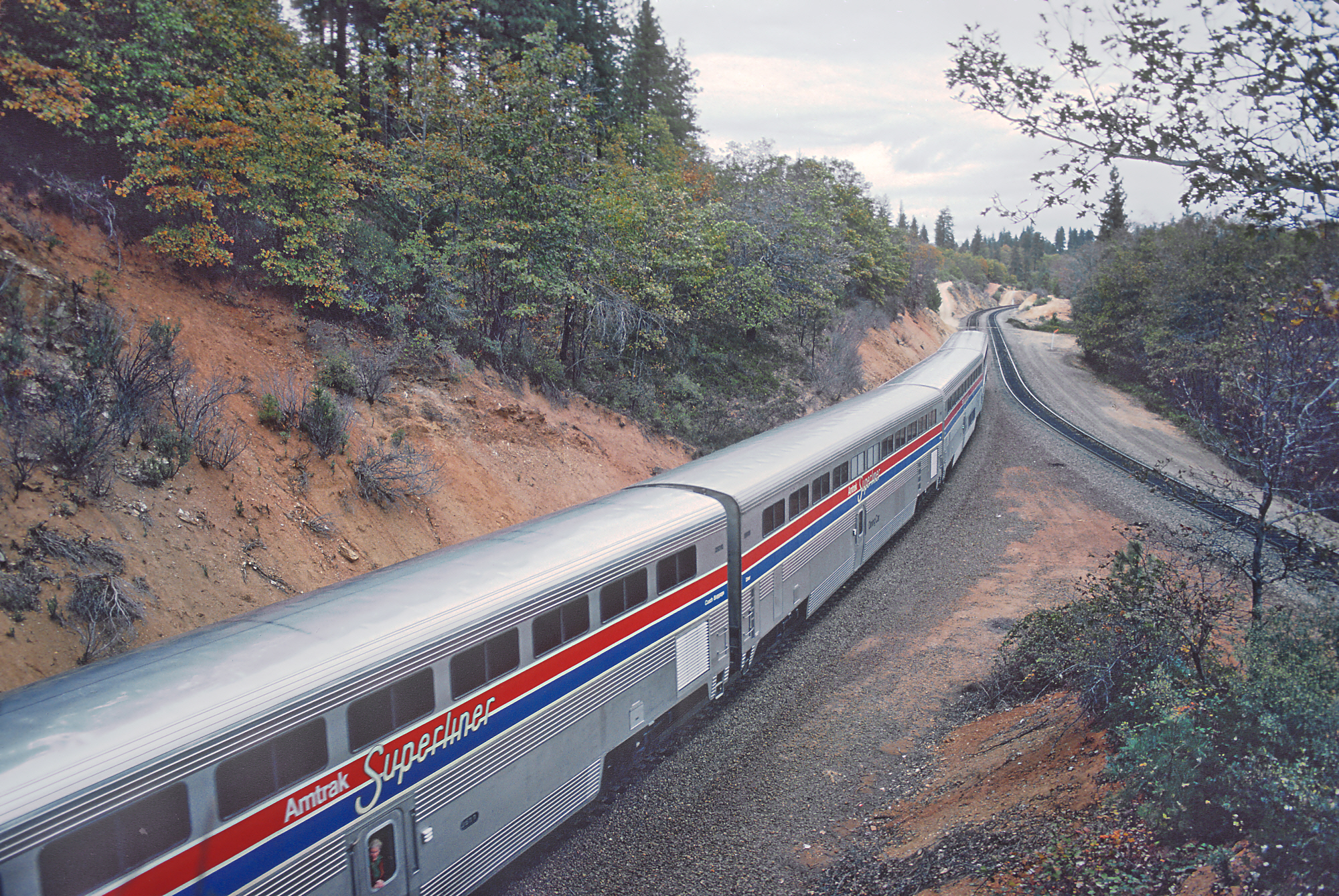
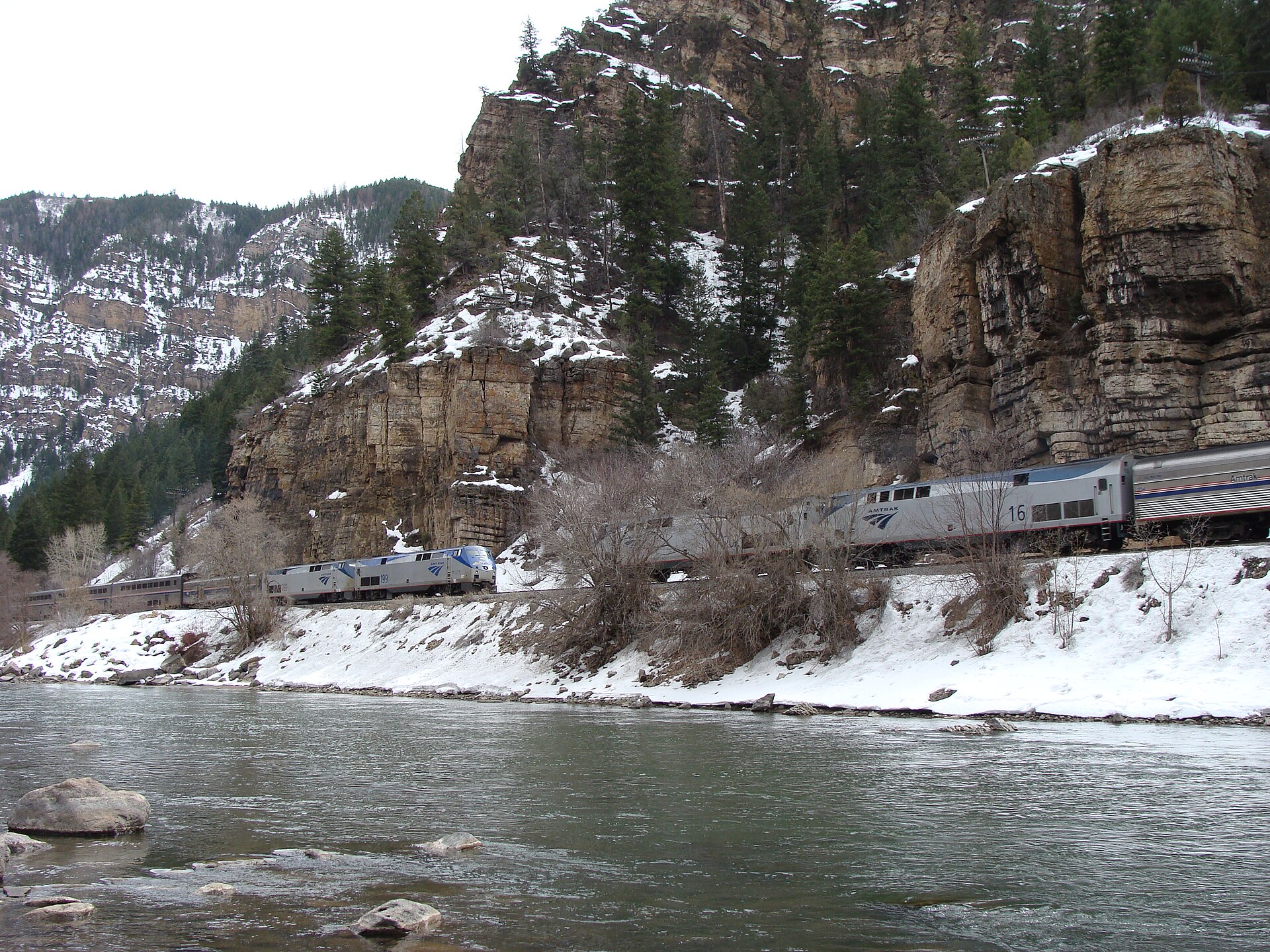
The Denver-to-Grand Junction segment, running approximately 9 hours through the Colorado Rockies, is the single most scenic stretch of American passenger rail. The train climbs the Front Range through 28 tunnels, crosses the Continental Divide at the Moffat Tunnel (6.2 miles, completed 1928, the highest mainline railroad tunnel in the United States), follows the Colorado River down through Glenwood Canyon (one of the most photographed canyon stretches in the country), and emerges into the high desert near Grand Junction. The Sightseer Lounge car has wraparound windows that maximize the views. The crossing is the reason most passengers booked the Zephyr in the first place. Even passengers exhausted from the overnight coach experience tend to find this segment compelling enough to continue. Amtrak does not allow drone photography from the train but does encourage open use of cameras and phones throughout the crossing.
Day Two: Through Utah and Nevada
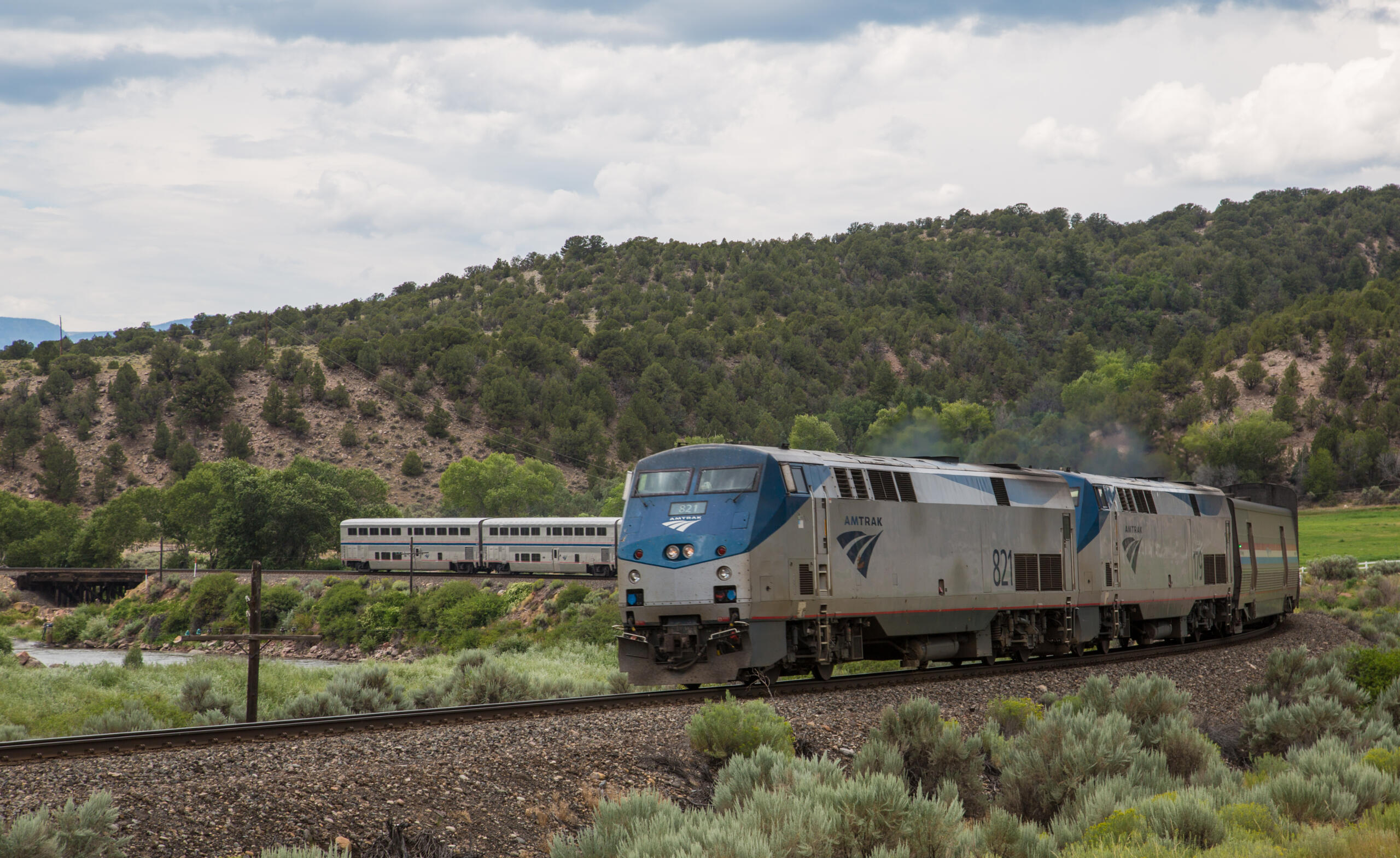
The second night on the Zephyr is spent crossing Utah and Nevada. The train passes Salt Lake City at approximately 11:05 p.m. Mountain Time on the second day, then runs through Nevada overnight. The disembarkation rate at Salt Lake City is the second-highest on the route, with approximately 8 percent of remaining coach passengers terminating here. Salt Lake City International Airport offers flights to Northern California for $130 to $290. The passengers who continue past Salt Lake City are committed to the full route. The Nevada crossing is largely overnight and largely empty desert. Reno arrival on the third morning is scheduled for 8:31 a.m. Pacific Time. Passengers who have made it to Reno have effectively committed to finishing the trip — the remaining six hours through the Sierra Nevada are short relative to the journey already completed.
The Sierra Nevada Descent
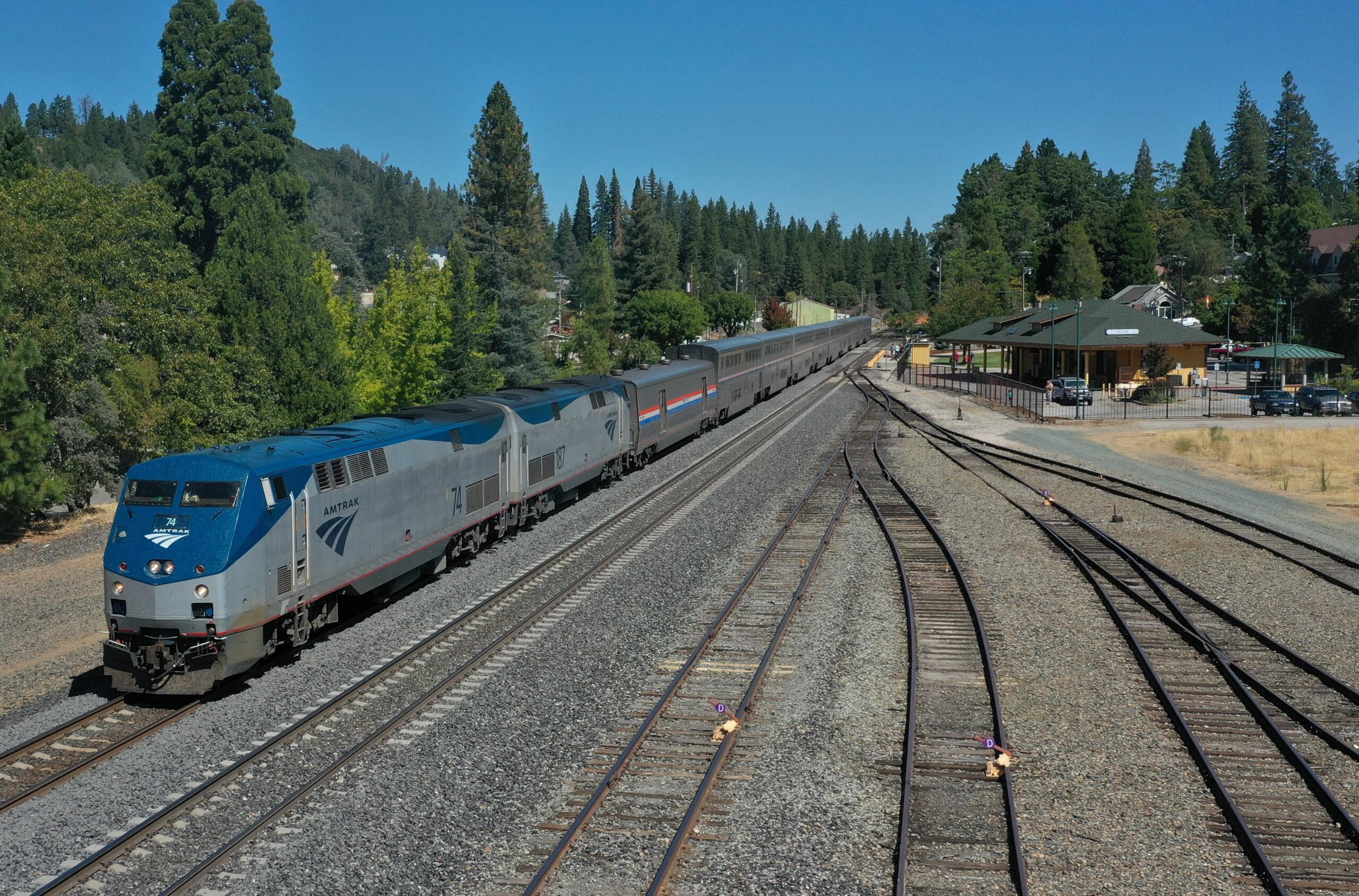
The final dramatic stretch of the Zephyr runs from Reno over Donner Pass and down into the Sacramento Valley. The train climbs from approximately 4,500 feet at Reno to 7,239 feet at the Donner Pass summit at Norden, California, then descends rapidly through the western Sierra to Sacramento. The descent passes through the snow sheds that protected the original Central Pacific Railroad construction in the 1860s, the historic Donner Lake corridor where the infamous 1846-1847 Donner Party was trapped, and the granite outcroppings that define the Sierra crest. The crossing is approximately 4 hours from Reno to Sacramento. Sacramento arrival is scheduled for 2:13 p.m. Pacific Time on the third day. The Sacramento-to-Emeryville final segment is two hours through the East Bay corridor. Final arrival at Emeryville is 4:10 p.m. Pacific Time.
What the Survivors Pack Differently
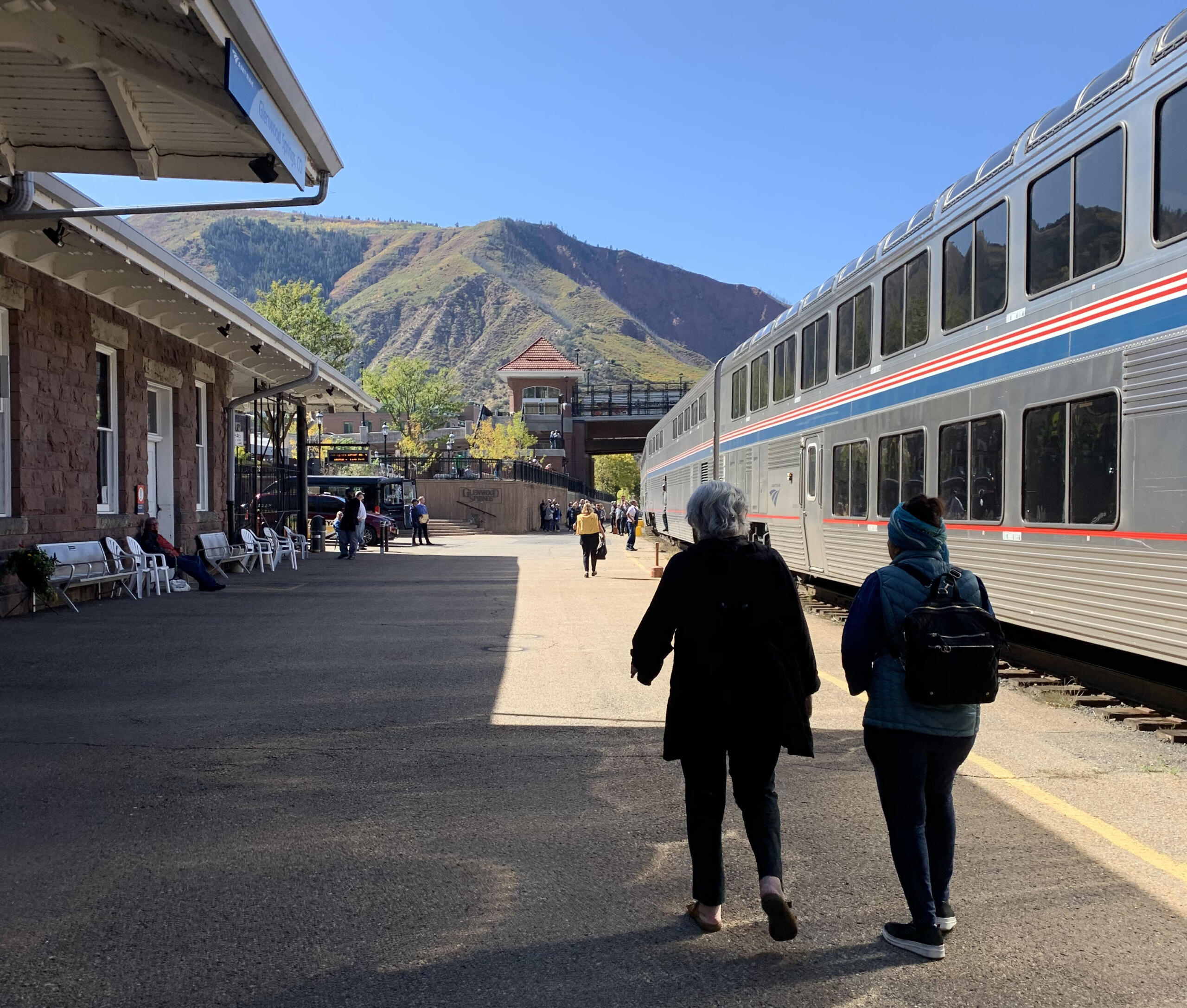
Long-time Zephyr passengers — both railfans who ride the route multiple times per year and the small subset of first-timers who finish without disembarking — share specific packing patterns. The list, drawn from rider communities including the TrainOrders forum and Amtrak Unlimited message boards: a quality neck pillow and small lap blanket for coach sleeping; a portable battery pack of at least 20,000 mAh for phone charging (outlets exist in coach but are limited); ear plugs and an eye mask for the overnight legs; a refillable water bottle (water is available throughout the train but plastic-bottle service is limited); modest food provisions beyond the dining car (sandwiches, fruit, granola bars) for the gaps between assigned meal times; comfortable layers including a warm fleece for the mountain crossings where temperatures inside the train can swing significantly; a paper book or downloaded entertainment for the long signal-dropout sections through the Rockies and Sierra; and patience for the schedule, which is rarely on time and frequently runs 2 to 6 hours late by Emeryville arrival.
Sleeper Cars vs Coach
The single most important variable in whether a passenger finishes the Zephyr without disembarking is whether they booked a sleeper compartment or coach. Sleeper passengers, who pay approximately three to five times the coach fare for the trip, have access to a private compartment with a horizontal bed, included meals in the dining car, expanded bathroom access, and a meaningful sleep on both overnight segments. Coach passengers spend two nights in upright seats. The disembarkation rate among sleeper passengers is approximately 4 percent — most sleeper passengers finish the trip as booked. The disembarkation rate among coach passengers is approximately 23 percent. The premium for the sleeper is real, but for the full Zephyr experience the premium is also functional rather than purely luxury. Travelers planning their first Zephyr trip should budget for the sleeper if at all possible.
Why People Still Take This Trip
The California Zephyr in 2026 carries approximately 320,000 passengers per year — a meaningful figure for a route that takes 51 hours one-way when air travel between Chicago and the Bay Area takes 4.5 hours and costs less in many cases. The passengers who choose the train do so for specific reasons. The Rocky Mountain crossing is regularly rated as one of the top three scenic rail rides in the world, alongside Switzerland’s Glacier Express and Norway’s Bergen Line. The slow pace of train travel provides time for reading, reflection, and conversation that air travel does not. The dining car experience — with assigned shared tables — produces routine conversations with strangers that most modern travel does not offer. And the genuine difficulty of the trip is itself a feature for the passengers who finish — the Zephyr has become a small but meaningful American travel-bucket-list accomplishment, particularly for travelers seeking to push past the typical comforts of air travel. The 2,438-mile cross-country train ride is one of the few extended physical-endurance travel experiences still available in the modern American transportation system. Most travelers will not finish it. The ones who do remember the trip for the rest of their lives.

